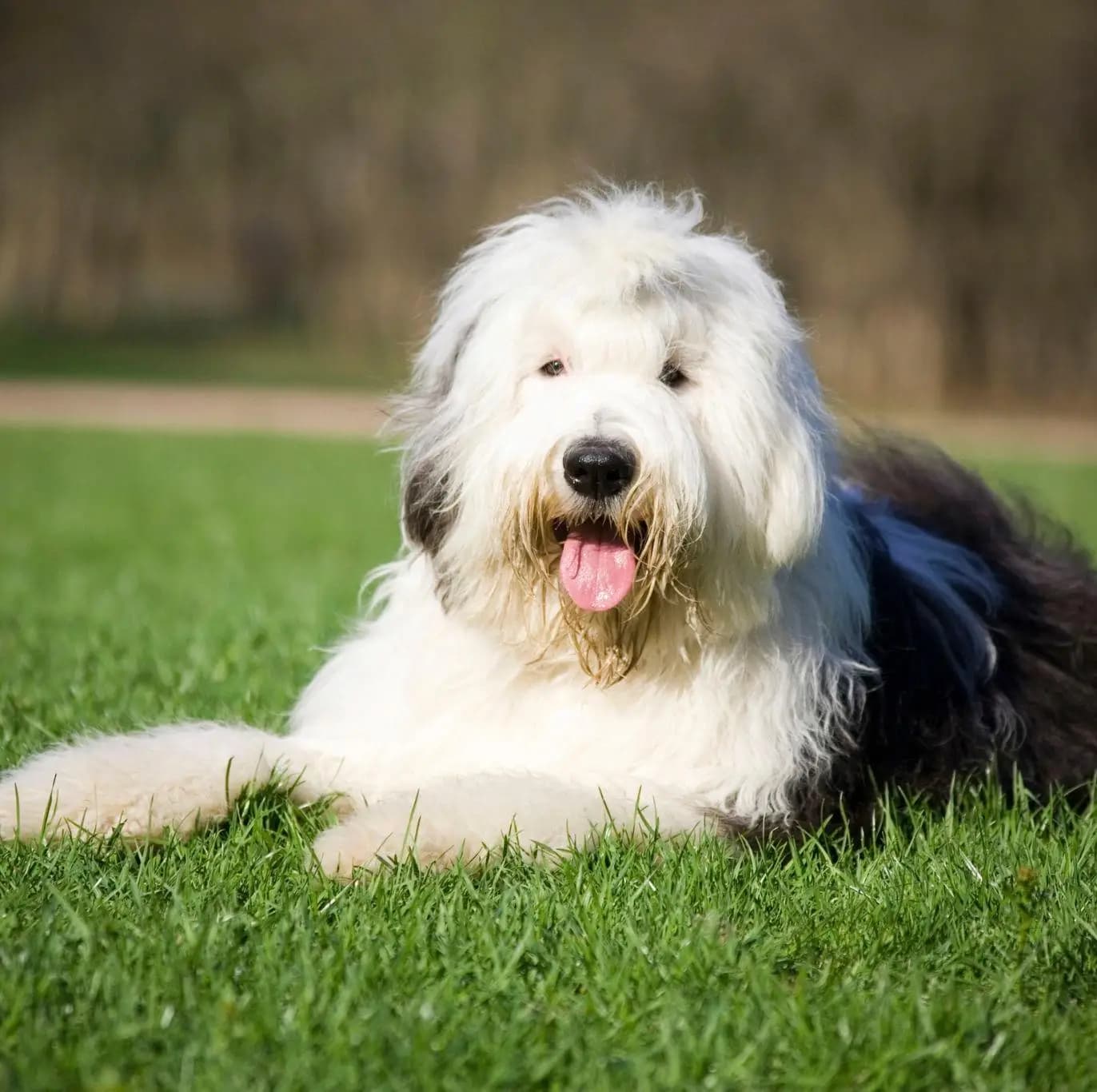
Old English SheepdogClose relative
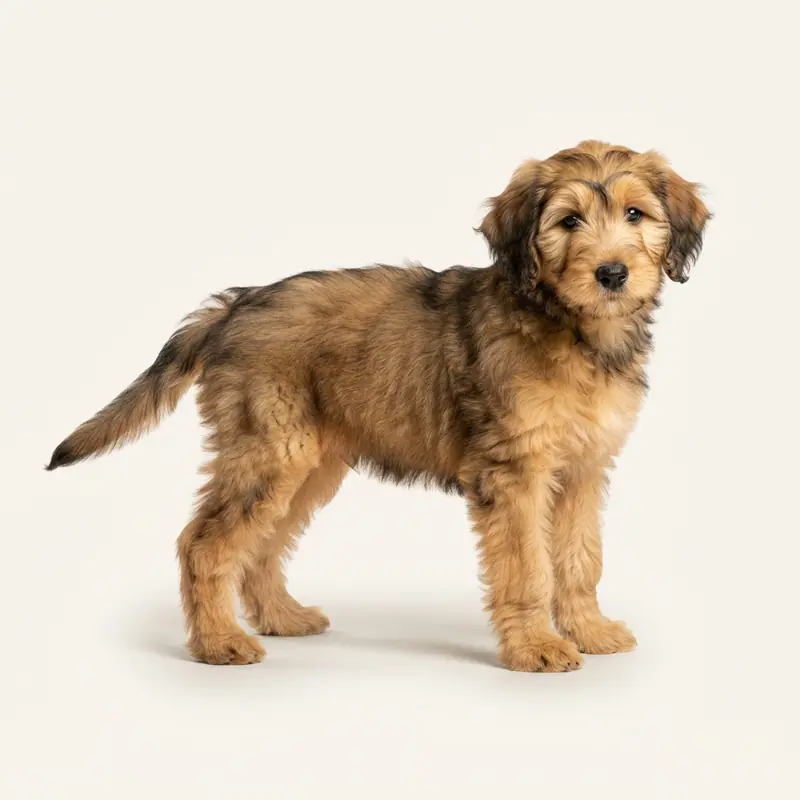
 AI-generated image
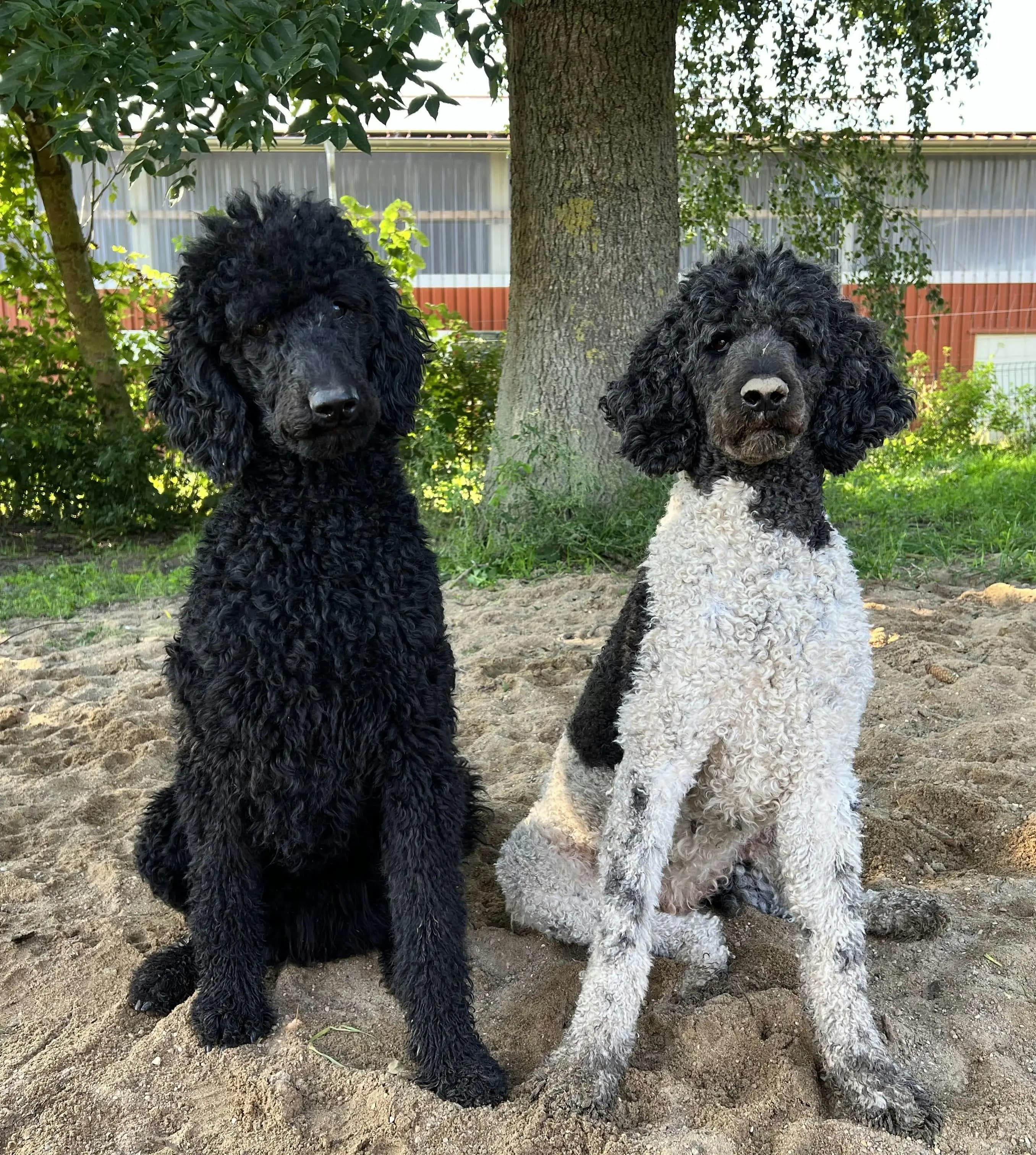
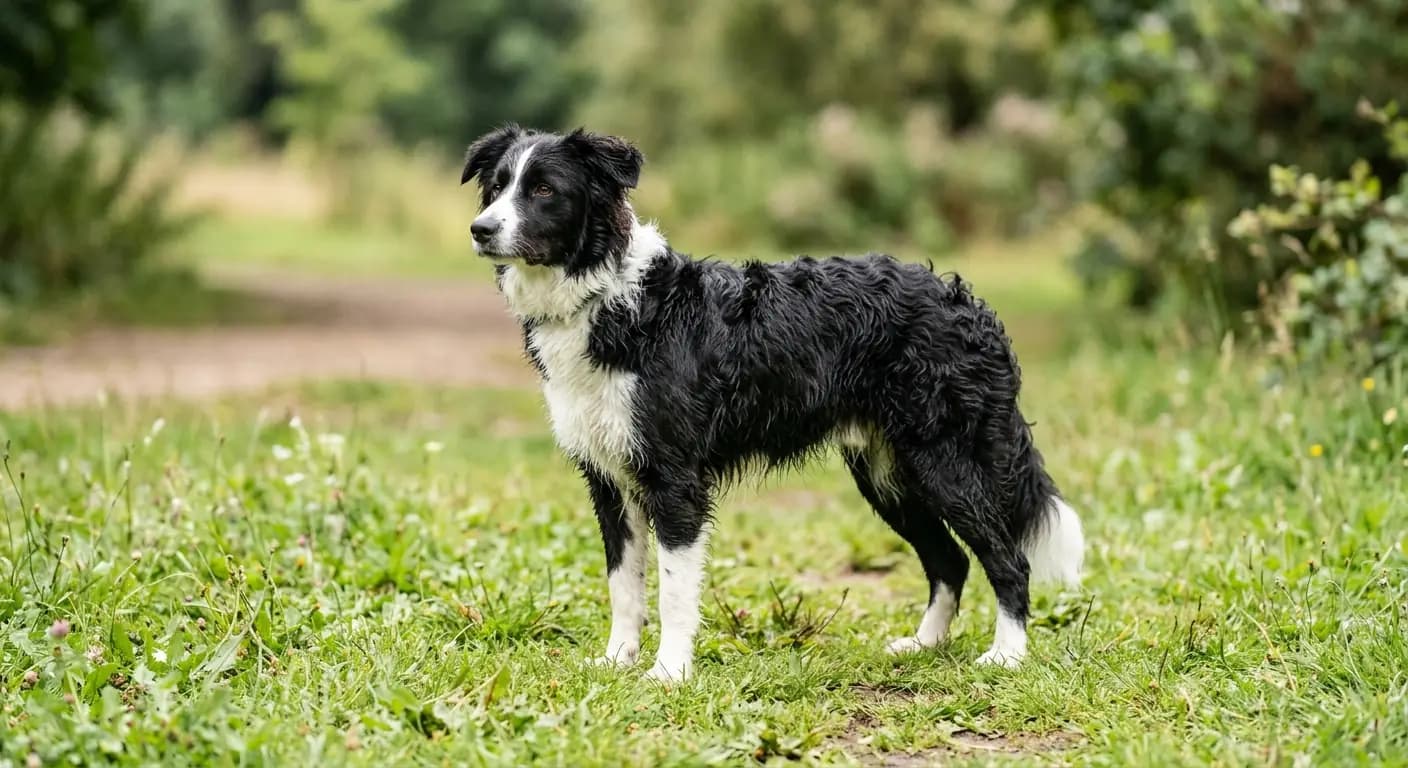
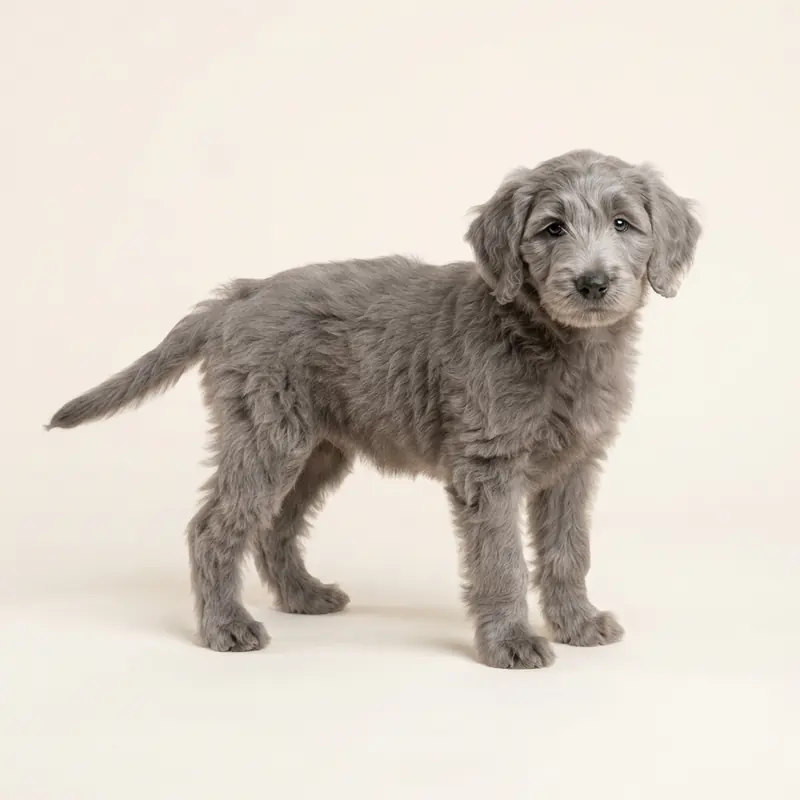
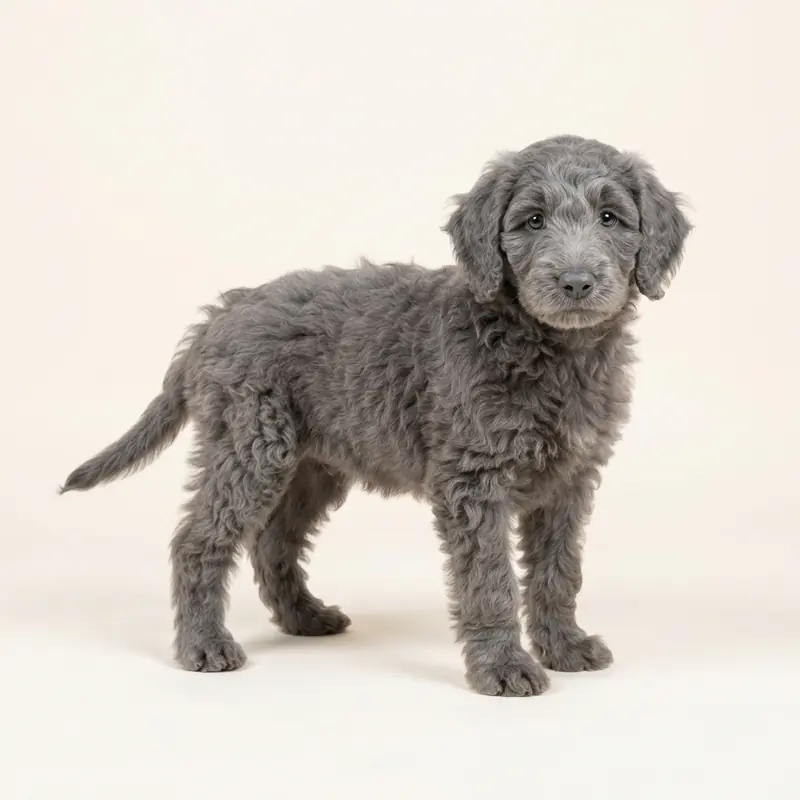
The Sheepadoodle is a shaggy mix of Hütehund and Apportierhund—bred as a fluffy family dog that crosses the control-freak tendencies of the Old English Sheepdog with the lightning-fast intelligence of the Poodle.
Self-check
Answer 6 quick questions about your everyday life and see how well the Sheepadoodle fits you — including an honest cost estimate per month, per year, and across the dog's lifetime.
At a glance
The essentials — key facts, traits, and health priorities — before you dive deeper.
Lifespan
11–14 yrs
Shoulder height
45–65 cm
Weight
20–39 kg
Practical
Temperament
Daily life
What matters most
Especially with a Sheepadoodle, choosing the right breeder is the single most important decision you'll make. Serious breeders consistently test the parents for inherited conditions, prioritize healthy early socialization, and stay accountable long after handover. A cheap puppy without health screening tends to become the most expensive dog later on.
See HonestDog breeder standards →Colors & coat
The coat colors that occur in the Sheepadoodle — including which ones fall outside the breed standard and which carry genetic risk.
Eye colors
 Brown
 Blue
 Odd-eyed
 Partial (split eye)
Coat type
 Illustrative image
Medium
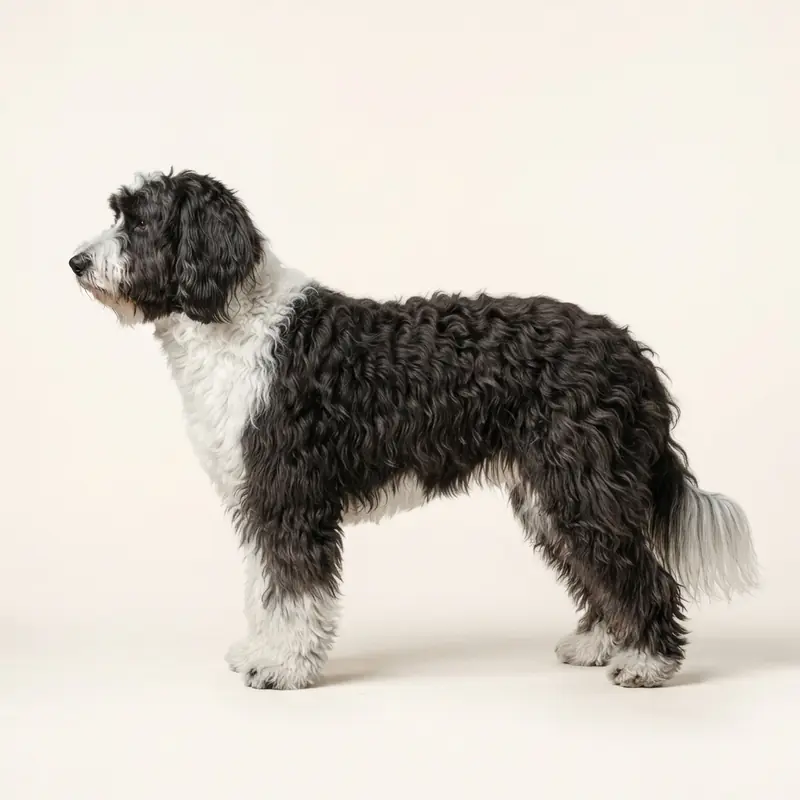 Illustrative image
Long
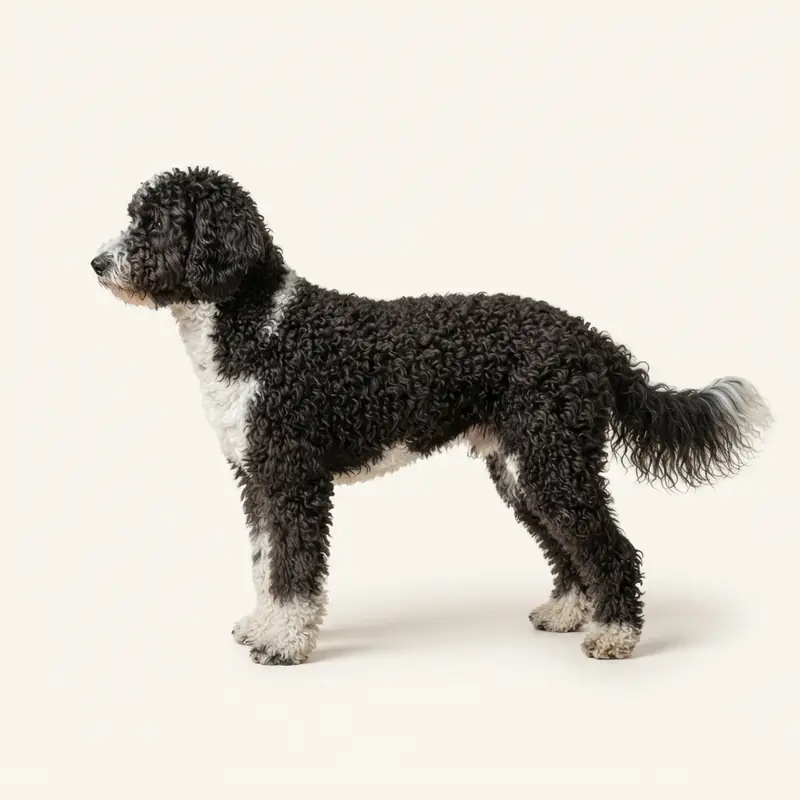 Illustrative image
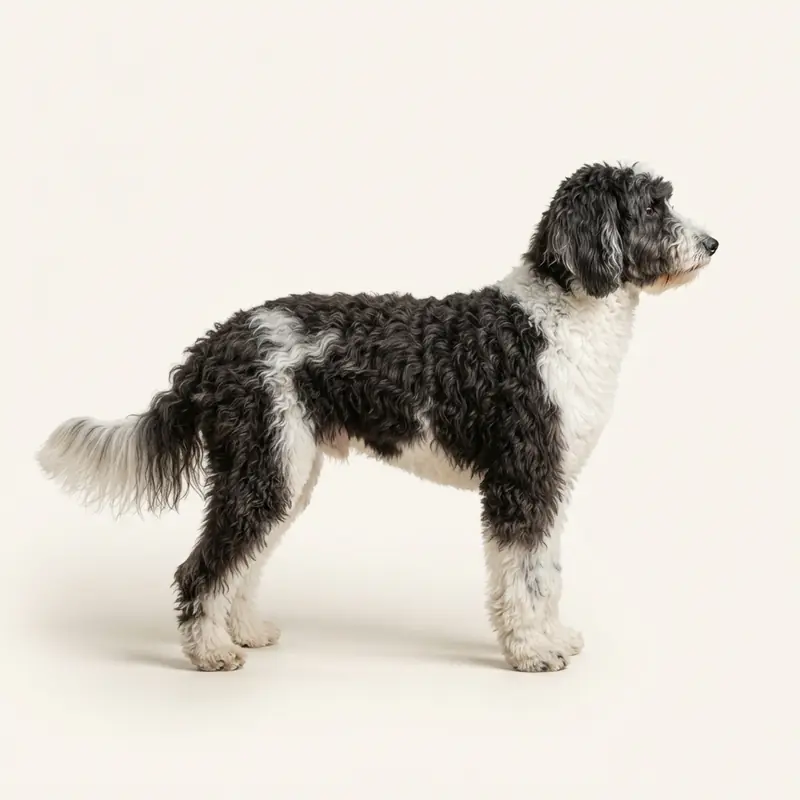
Curly
 Double coat
The real vibes check
A Sheepadoodle is like a grab bag in a teddy bear costume—you never know beforehand whether you're unboxing the clownish will-to-please of the Poodle or the stubborn guard of the Old English Sheepdog. If you're ready to train the exact operating system you actually end up with, you've got a fantastic companion; but anyone who just buys the fluffy look will be overwhelmed by the genuine working intelligence underneath.
The Sheepadoodle is a cross between an Old English Sheepdog (Bobtail) and a Poodle, typically a Standard Poodle. It combines the playful, affectionate nature of the Bobtail with the eagerness to learn of the Poodle and usually ranges from medium to large in size.
Sheepadoodles are considered people-oriented, playful, and generally good-natured around their families. From the Bobtail side, they often inherit a strong protective instinct toward their humans, combined with the Poodle's high eagerness to learn. Many dogs of this crossbreed are sensitive and respond to family moods, which requires consistent yet gentle training. Without sufficient socialization, individual dogs can be reserved around strangers.
| Watchfulness Occasionally alerts but is fundamentally open. | Low |
| Openness to Strangers Warms up quickly and is generally welcoming. | Friendly |
| Hunting or Herding Drive Barely any prey drive — small animals trigger nothing. | Very low |
Fun Fact!
The name 'Sheepadoodle' is a portmanteau of 'Sheepdog' and 'Poodle'; there are no official breed standards or FCI recognition for this crossbreed.
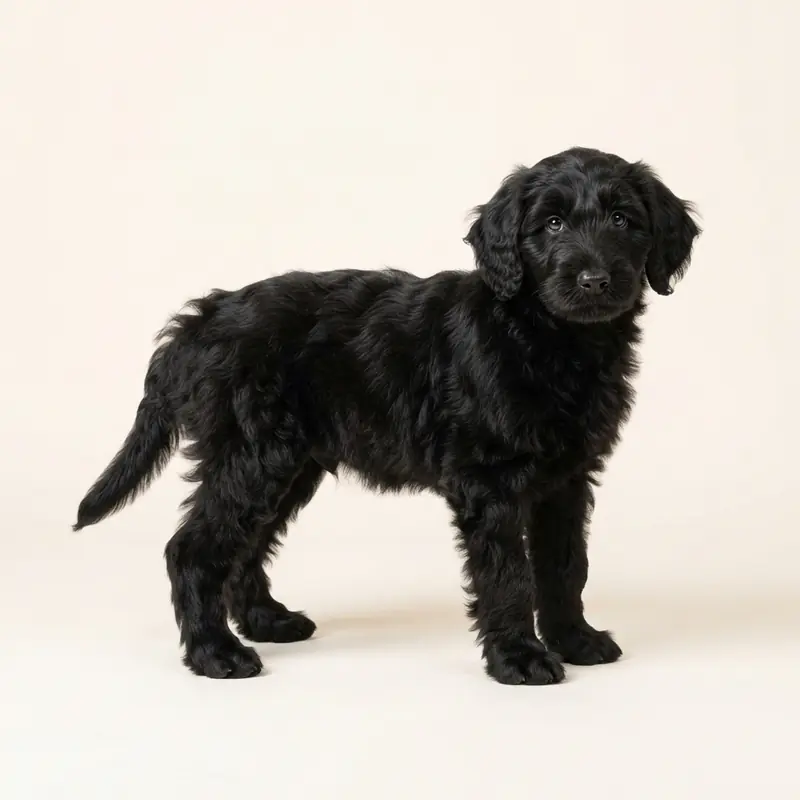
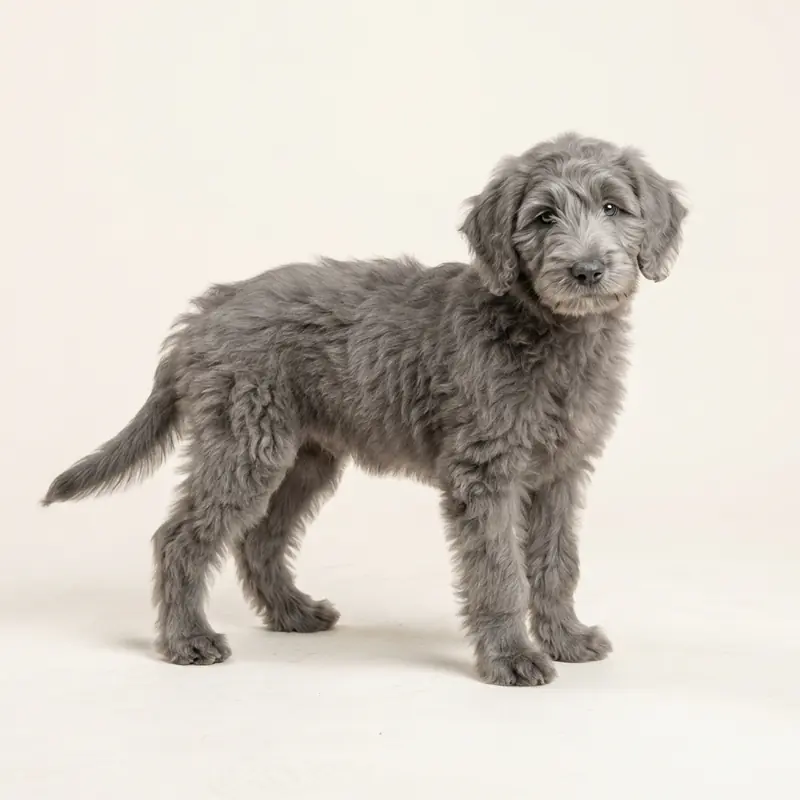
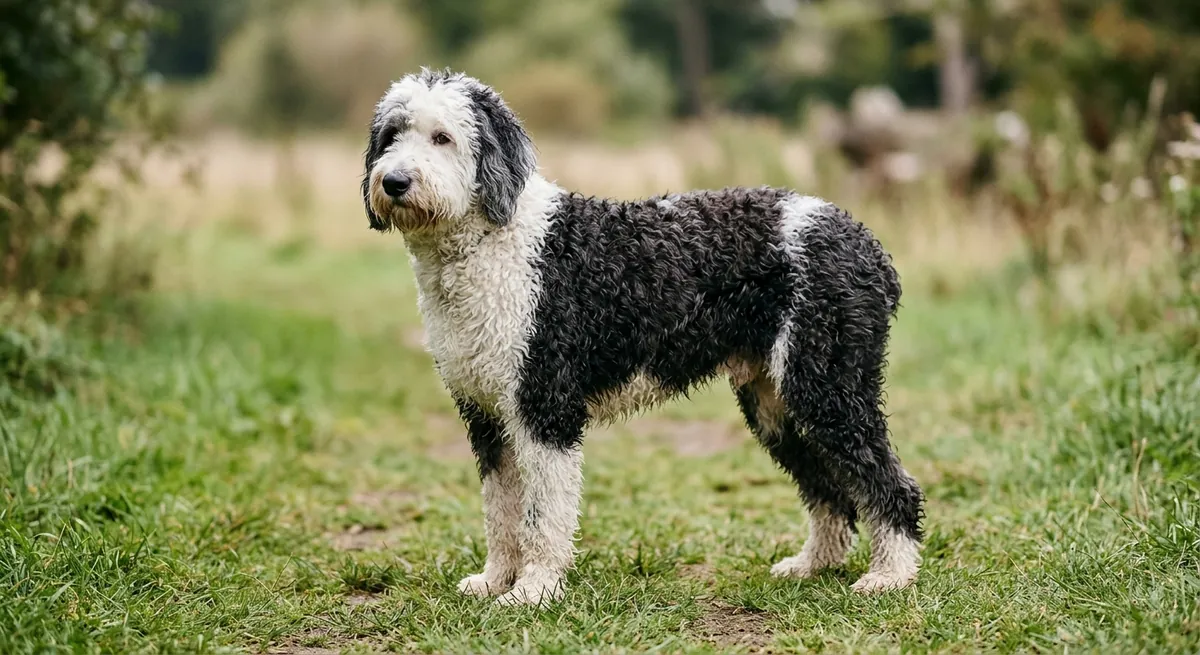
The Sheepadoodle is an intentional cross between an Old English Sheepdog and a Poodle, usually a Standard Poodle, which generally makes it medium to large in size. From its Bobtail parent, it often inherits a playful, affectionate temperament and a strong protective instinct toward its family. The Poodle component typically brings a high readiness to learn and a wavy-to-curly coat that sheds less than that of purebred Bobtails, though this does not make the coat hypoallergenic. The exact coat structure, size, and character can vary significantly from puppy to puppy within the same litter. Due to its dense coat, the Sheepadoodle requires regular, demanding grooming, and because of its size and exercise requirements, it is better suited to homes with a garden than to small city apartments.
Due to its size and exercise requirements, the Sheepadoodle is generally not suited for a small city apartment. A home with a garden is a much better fit. Within the family, it is highly people-oriented, playful, and good-natured, making it well-suited for households with children. It is usually compatible with other dogs. Although it often has a strong protective instinct toward its family, its watchdog instinct is rather moderate. However, without sufficient socialization, it may act reserved around strangers.
Lives for its family — the born family companion.
Extraordinarily patient and loving — a true family dog.
Actively enjoys the company of other dogs.
Can manage in the city, but only with very active owners.
Owning a dog is a privilege, but it's also a real responsibility. Before you bring one into your life, be honest with yourself about the commitment it takes.
When training a Sheepadoodle, you must keep in mind that these dogs are often very sensitive to the family's mood. Consistent yet always affectionate guidance is therefore essential. Harsh training methods will overwhelm this crossbreed's sensitive nature. Thanks to its Poodle heritage, the Sheepadoodle is highly eager to learn and attentive, which generally makes training easier. Nevertheless, a certain protective instinct inherited from the Old English Sheepdog can come into play, making early and thorough socialization important to prevent aloofness toward strangers. Simply letting the dog run around is not enough for daily routine: it requires daily walks combined with mental stimulation and brainwork. Additionally, the wavy to curly coat demands significant grooming effort, as it must be brushed several times a week and trimmed regularly.
The wavy-to-curly coat is prone to matting and must be brushed several times a week and professionally clipped every six to eight weeks. The Sheepadoodle requires daily exercise in the form of walks and mental stimulation; simply letting it run around is not enough. Regular ear checks are recommended due to its floppy, densely haired ears.
| Care Level Daily care is non-negotiable — neglect affects health. | Very high-maintenance |
| Exercise Needs Needs several hours of serious exercise every day. | Very active |
| Shedding Regular shedding — dog hair on clothes is now normal. | Moderate |
| Trainability Picks up commands quickly and wants to please. | Eager to learn |
Our experts are still reviewing this information. Spotted something wrong? Email us at info@honestdog.de.
Solid
Health grade
The Sheepadoodle is generally considered healthy, but carries hereditary risks for severe orthopedic and neurological conditions such as hip dysplasia (HD), degenerative myelopathy, and elbow dysplasia (ED). Eye diseases like progressive retinal atrophy and cataracts, as well as heart defects like atrial septal defect, also occur. A responsible breeder therefore has their breeding dogs comprehensively screened for these diseases. Before buying a puppy, ask to see official test results for hip dysplasia (HD) with a rating of HD A–B, elbow dysplasia (ED) with ED 0, and the relevant genetic test reports.
Grade is relative to other breeds — AI-assisted and editorially reviewed.
Methodology and data: HonestDog Dog Breed Health Report 2026
You should pay attention to a healthy weight and joint-friendly exercise during growth, as well as letting your vet know about potential drug sensitivities.
Responsible breeders test parent animals for hip dysplasia (HD), elbow dysplasia (ED), and degenerative myelopathy before breeding to prevent severe joint and nerve damage.
Note: This health overview is AI-assisted and editorially reviewed. It is for orientation only and does not replace veterinary advice.
What matters most for this breed — what's common, how much it affects the dog's life, and how to protect yourself as a buyer.
Tap a body region to see the inherited conditions linked to it.
The three most important risks
Pick a region on the map to explore other areas.
We sort tests into three tiers — from the core standard to a fully exemplary program.
Recommended standard. These tests make up the recommended health standard for this breed — the baseline of any careful breeding program. Ask any reputable breeder for the results.
No entries in this tier.
No entries in this tier.
Note: This health overview is AI-assisted and editorially reviewed. It is for orientation only and does not replace veterinary advice.
A Sheepadoodle costs around ~€200 per month (€110 – €390, depending on your setup). The first year adds up to roughly ~€5,770 including purchase, equipment and puppy school; across the dog's life (12.5 years) it comes to about ~€33,790.
With surgery cover, running costs come to about ~€200 per month — in return, your share of a major operation drops from several thousand euros to around 20 percent.
Per month
~€200
In the first year
~€5,770
Across the dog's life
~€33,790
Estimated purchase price from a breeder: €1,800 – €3,200
Estimate at a mid-range setup (suburban, dry food, 1–2 hours of daily exercise), average German prices, as of July 2026.
HonestDog Concierge
We currently have no breeders for this breed who have passed our verification. Create your short buyer profile: we'll set up your search alert, review a possible source and email you within 28 days.
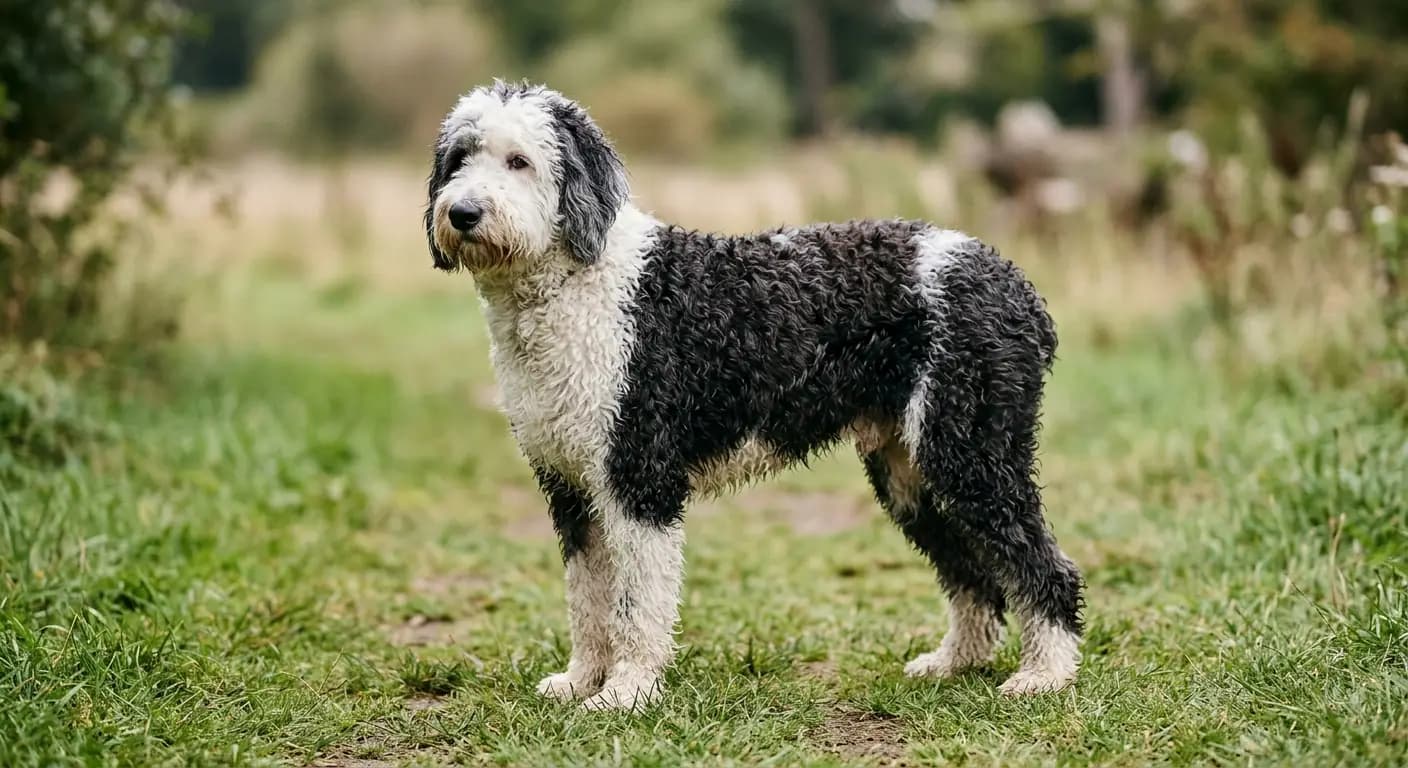 Illustrative imageIllustrative imageIllustrative imageIllustrative image
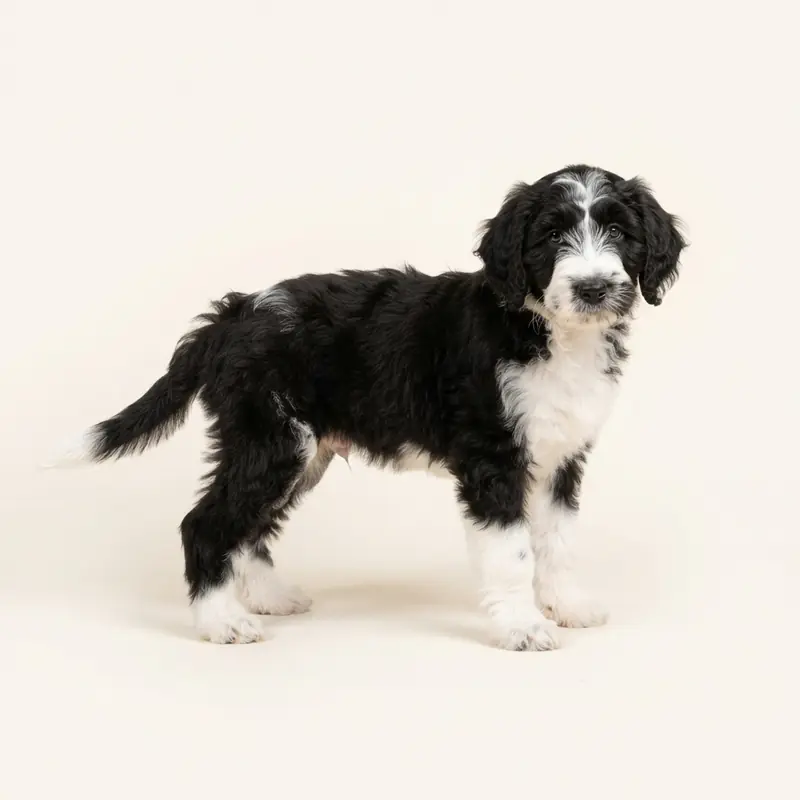 Illustrative image
The Sheepadoodle is a so-called designer crossbreed between an Old English Sheepdog and a Poodle, originating presumably in the USA during the 1980s and 1990s. The goal of the cross was to create a family dog that combined the playful, watchful nature of the Bobtail with the intelligence and lower shedding of the Poodle. There is no official breeding line or FCI recognition; the crossbreed is reproduced by specialized and hobby breeders. In recent years, its popularity has increased significantly, largely driven by social media.
The Sheepadoodle has no historical working role; it was deliberately bred in the USA starting in the 1980s as a robust, eager-to-learn family dog.
USA
1980
Many owners describe the Sheepadoodle in family life as very people-oriented, affectionate and playful. The breed is often lovingly called a "Velcro dog," because these dogs want to be near their people all the time and bond closely with them. With good socialization, they are usually very patient, good-natured and sociable with children and other pets.
At the same time, experienced owners point out that this strong bond has a downside. Many Sheepadoodles find it hard to be alone and tend toward separation stress if that isn't practiced early and gently. On top of that, as a cross between a herding dog (the Old English Sheepdog) and the athletic Poodle, these dogs bring a considerable energy level. They need not only long walks but also something to engage their minds. Without enough mental and physical exercise, that energy fairly often comes out as overexcitement or loud barking indoors.
Owner accounts of training regularly highlight how quick and intelligent these dogs are. Many owners report that Sheepadoodles pick up commands in no time and generally want to please, but are sensitive to pressure or overly harsh handling. They learn almost on their own, picking up both good behavior and unwanted habits.
A recurring challenge owners describe is the herding instinct inherited from the Old English Sheepdog. Young Sheepadoodles fairly often try to fixate on, circle or even nip at the heels of running children, joggers or cyclists. Combined with a certain stubborn, independent streak, this calls for forward-thinking handling and clear boundaries from the start. Given their adult size and strong build, owners keep stressing that loose-leash walking and impulse control need to be trained consistently from puppyhood on.
On grooming, many owner reports agree on one point: almost everyone underestimates the real workload before buying. The mix of the Old English Sheepdog's dense coat with undercoat and the Poodle's curls often produces a very high-maintenance mixed coat that mats very easily, all the way down to the skin. These dogs usually shed comparatively little around the house, but regular, thorough combing with special combs and a trip to the groomer every few weeks are fixed, time-consuming and costly commitments for most owners.
On health, forums and owner groups occasionally report sensitive stomachs, food intolerances or sensitive skin. As with many large, deep-chested breeds, owners also point to precautions against bloat (gastric torsion), such as keeping the dog resting right after meals, and stress the need to check the parents for healthy joints (hip dysplasia).
Paraphrased from real owner reports · translated from German
The Sheepadoodle is an active dog that needs plenty of exercise and mental stimulation. Research the temperament, grooming needs, and space requirements before deciding.
The average life expectancy of a Sheepadoodle is 11-14 years. With proper care and regular vet visits, your dog can live a long, healthy life.
Sheepadoodle grooming requirements include regular brushing, nail trimming, and dental care. HonestDog provides detailed grooming tips for every breed.
The Sheepadoodle can be a great family dog. Proper training and socialization are key. HonestDog provides family suitability information for every breed.
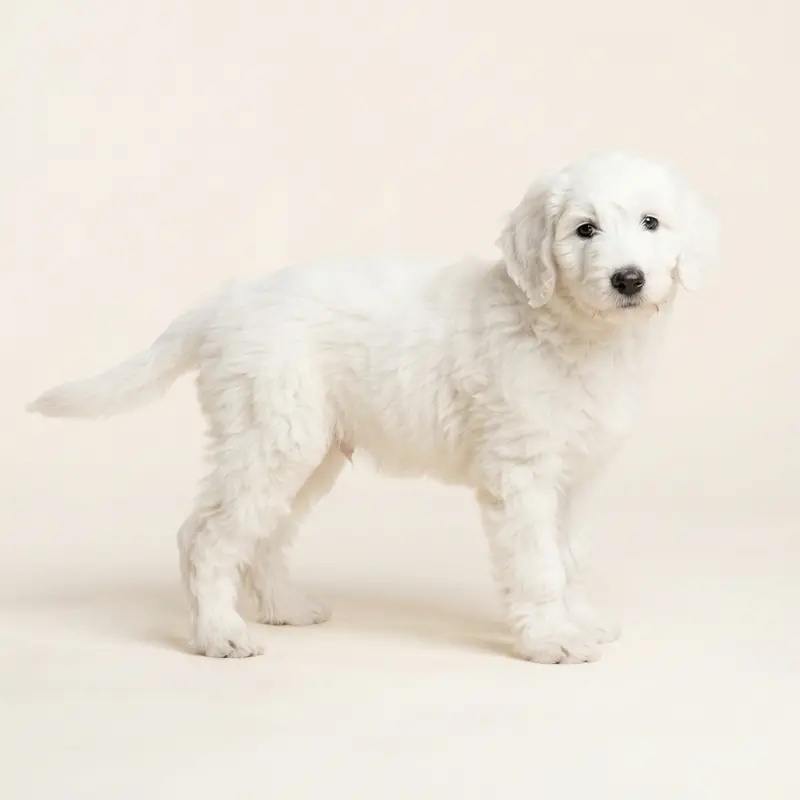
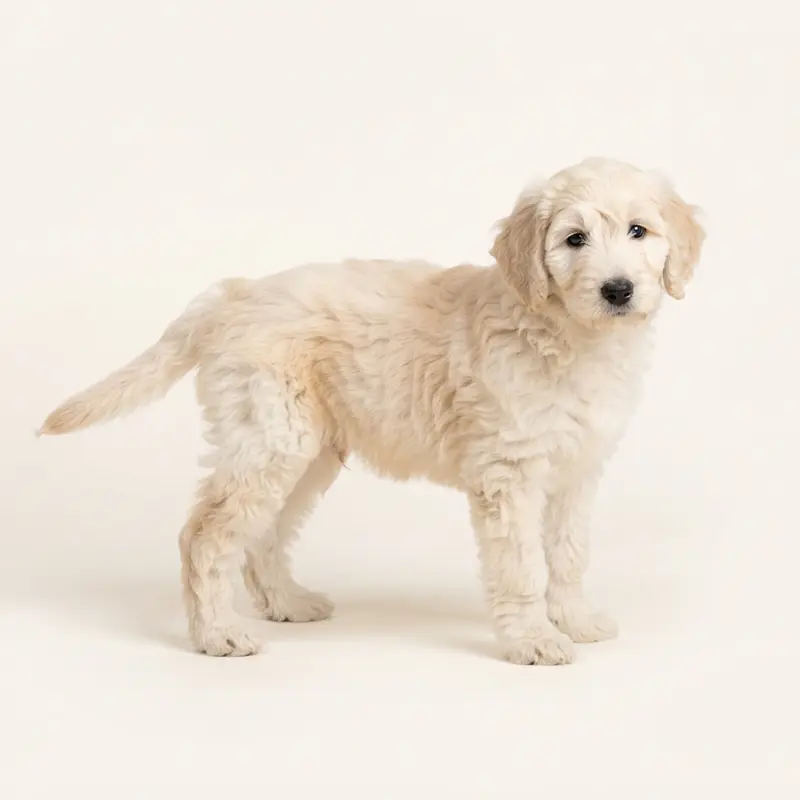
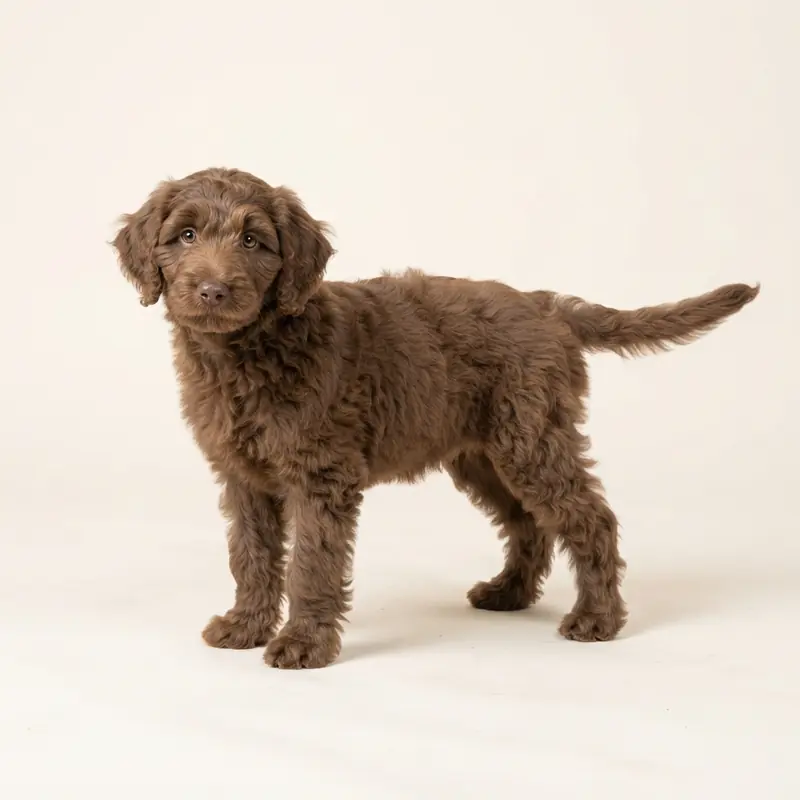
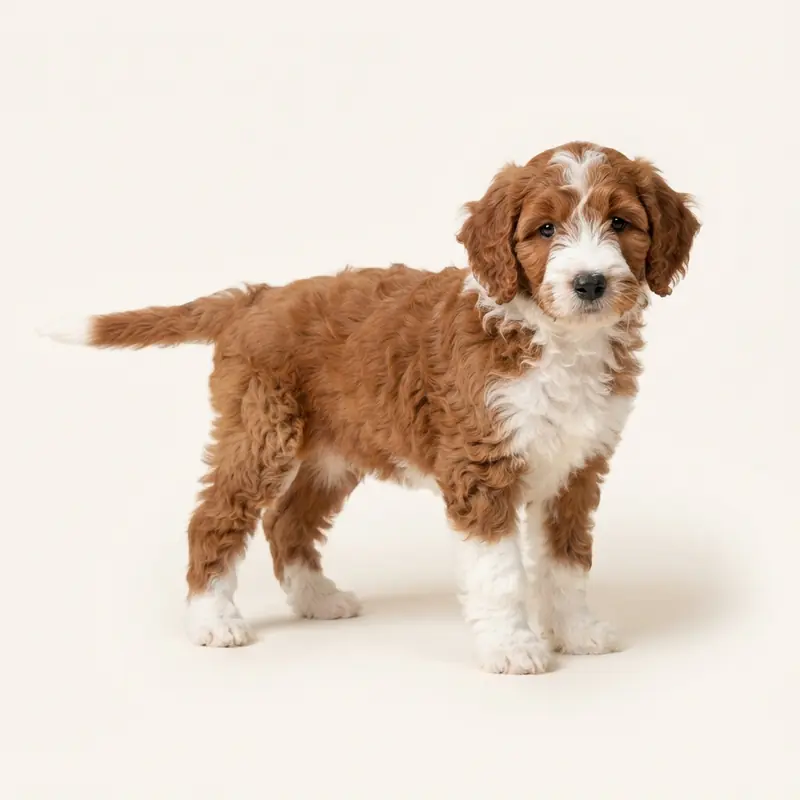
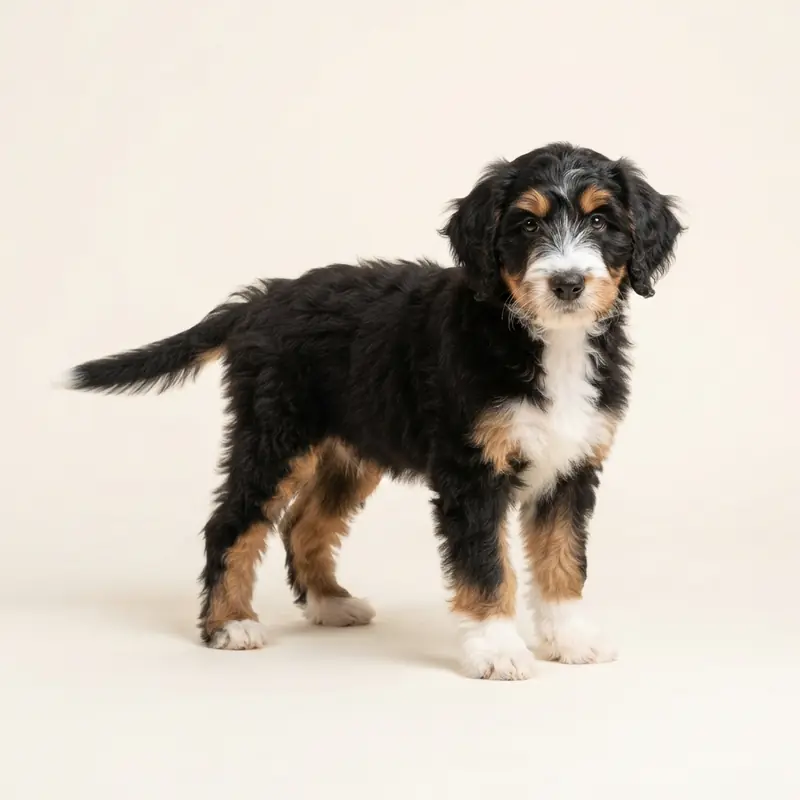
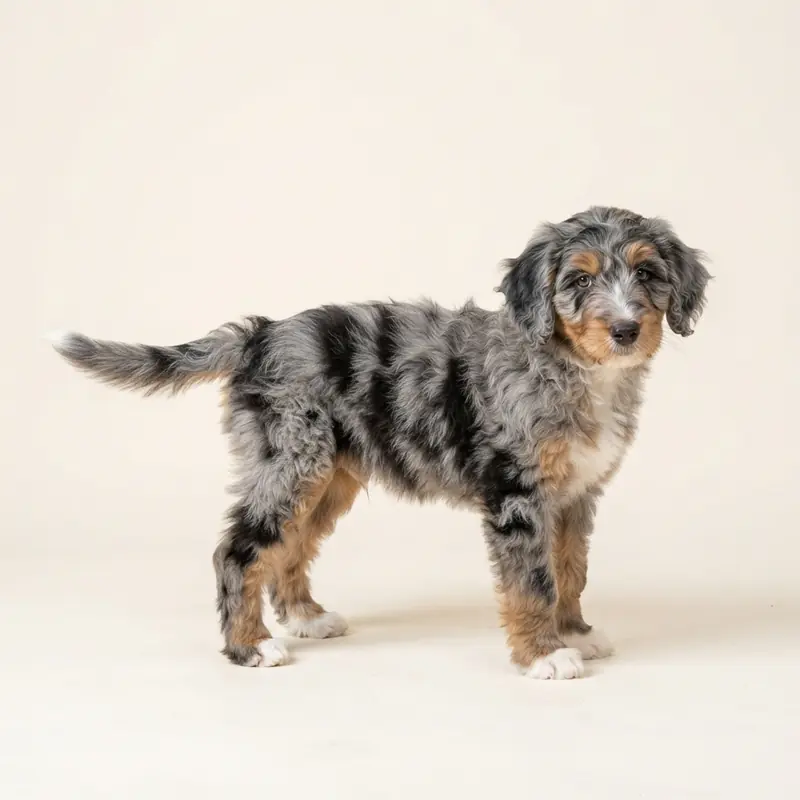
The Sheepadoodle comes in these colors: Black and white, Black, Grey, Silver, Blue, White, Cream, Brown, Red and white, Tricolor, Blue merle, Sable. Colors that fall outside the breed standard are marked as such on the breed page.
Showcase your kennel on HonestDog and reach families searching for a responsibly bred Sheepadoodle.