PoodleClose relative
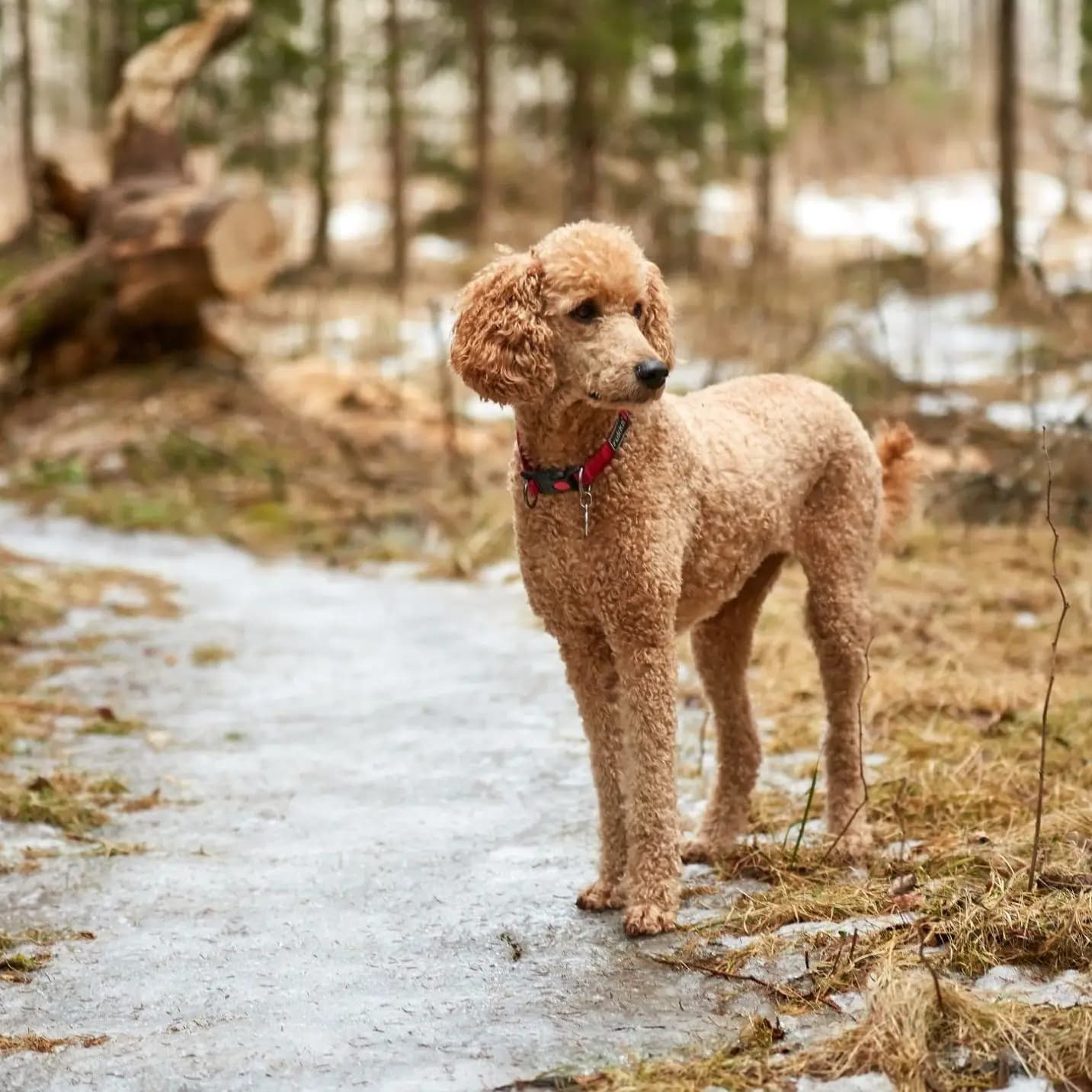
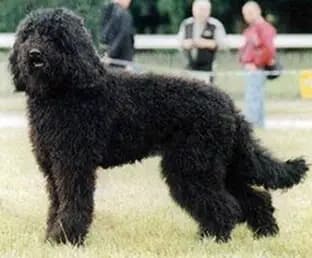
The Standard Poodle is a highly intelligent, sensitive athlete—a true water retrieving dog in an elegant coat, whose work ethic and physical energy are often massively underestimated in everyday life.
How the health grade is calculated
Sources for required breeding screenings. Deutscher Pudel-Klub e.V.
Self-check
Answer 6 quick questions about your everyday life and see how well the Standard Poodle fits you — including an honest cost estimate per month, per year, and across the dog's lifetime.


At a glance
The essentials — key facts, traits, and health priorities — before you dive deeper.
Lifespan
12–15 yrs
Shoulder height
45–60 cm
Weight
18–28 kg
Practical
Temperament
Daily life
What matters most
Especially with a Standard Poodle, choosing the right breeder is the single most important decision you'll make. Serious breeders consistently test the parents for inherited conditions, prioritize healthy early socialization, and stay accountable long after handover. A cheap puppy without health screening tends to become the most expensive dog later on.
See HonestDog breeder standards →Colors & coat
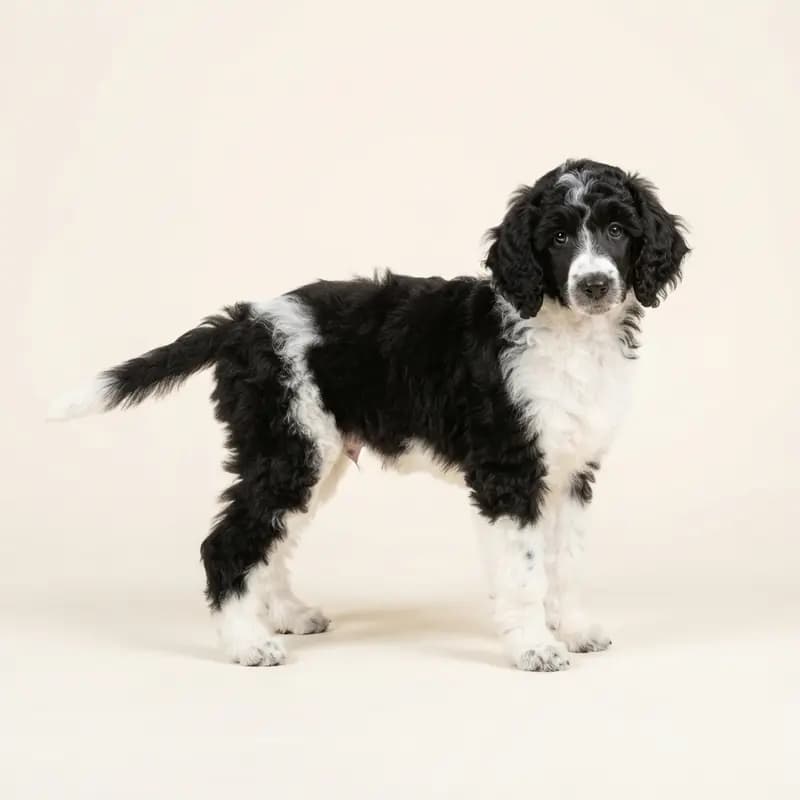
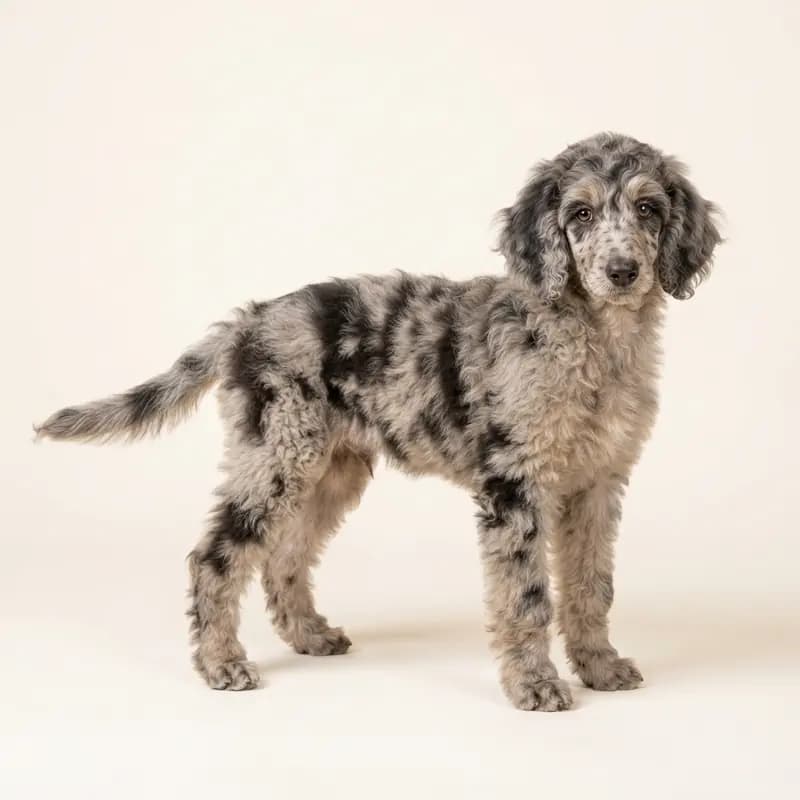
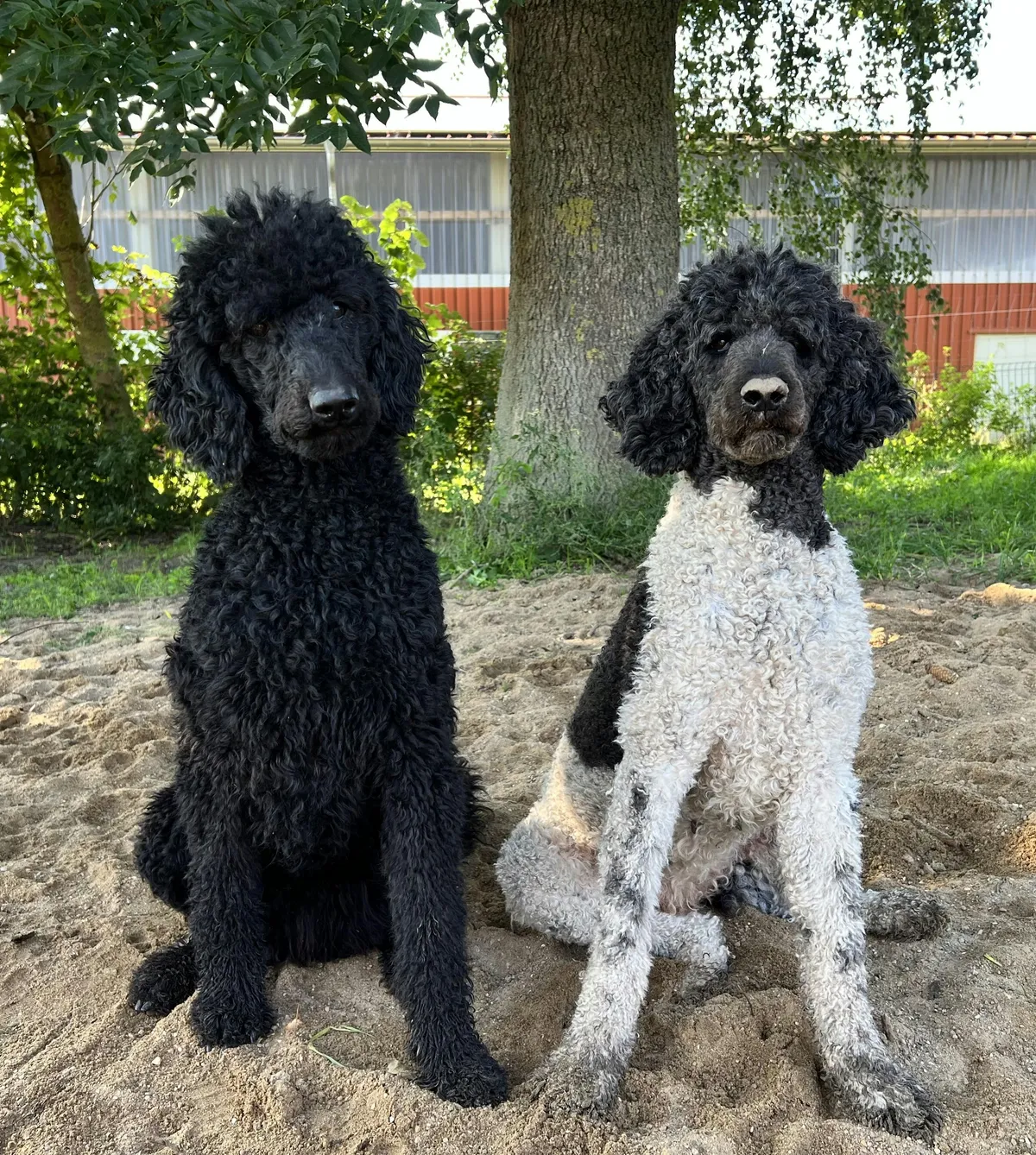
The coat colors that occur in the Standard Poodle — including which ones fall outside the breed standard and which carry genetic risk.
Eye colors
 Brown
 Amber
Coat type
 Illustrative image
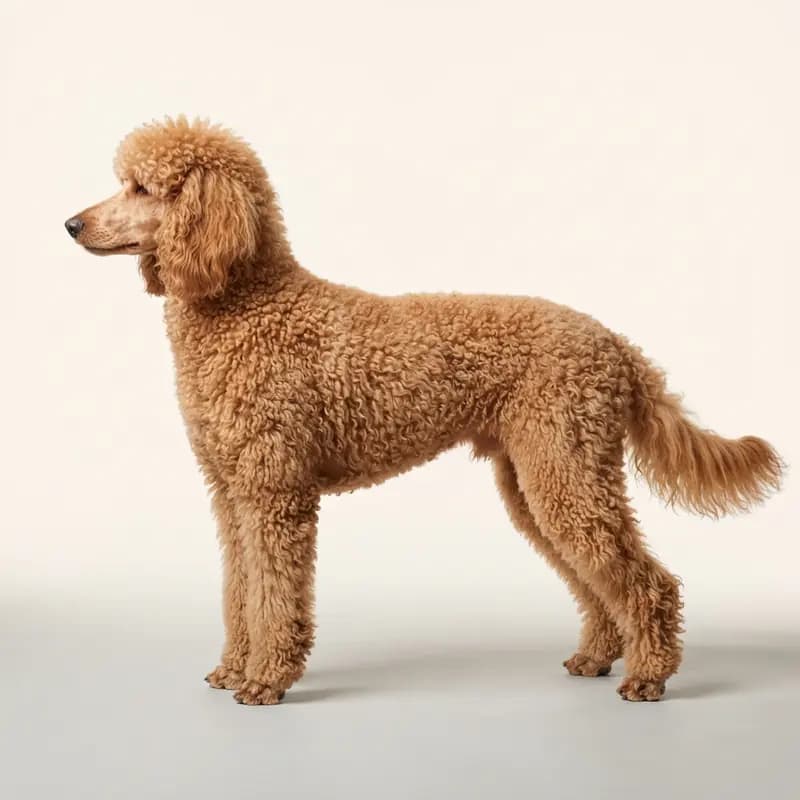
Curly
 Illustrative image
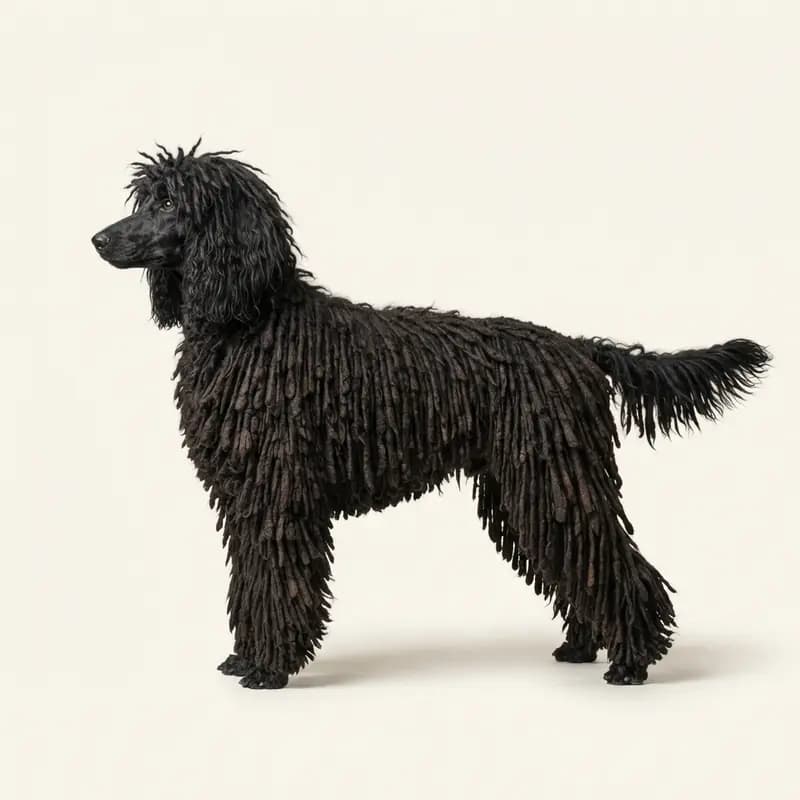
Corded
The real vibes check
Forget the cliché of the arrogant fashion doll—the Standard Poodle is actually a sporty nerd in a curly tailored suit. If you look past his exterior and treat him like the true working dog he is genetically, you will get an incredibly loyal, humorous partner who will go through every mud puddle for you.
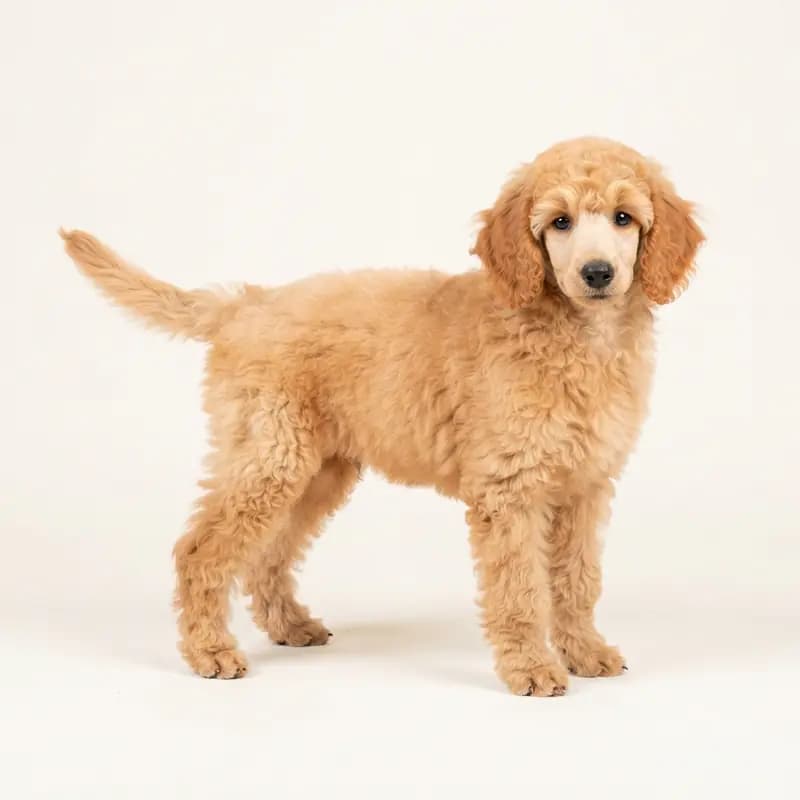
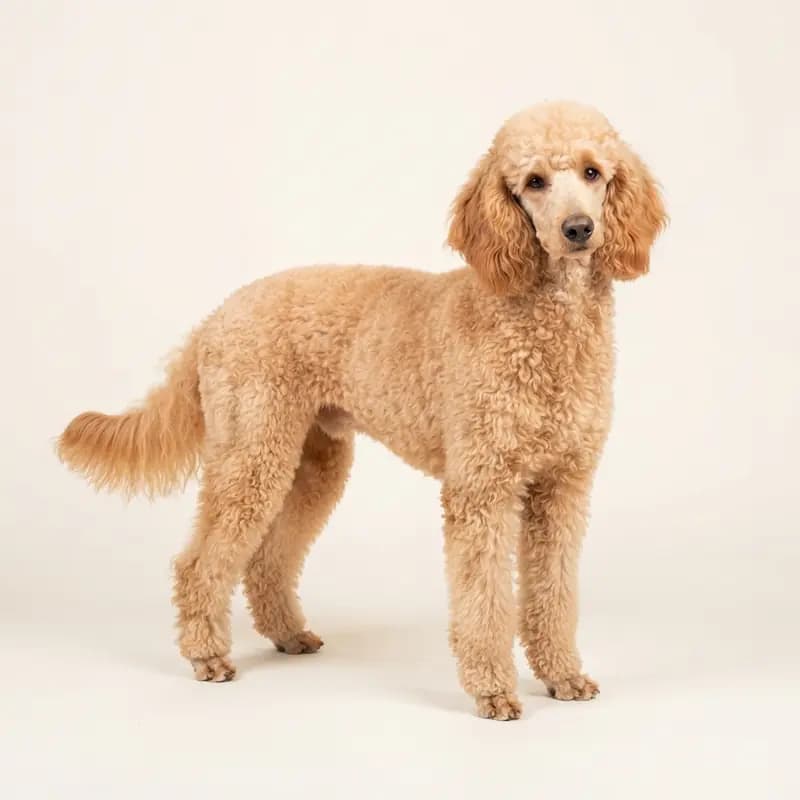
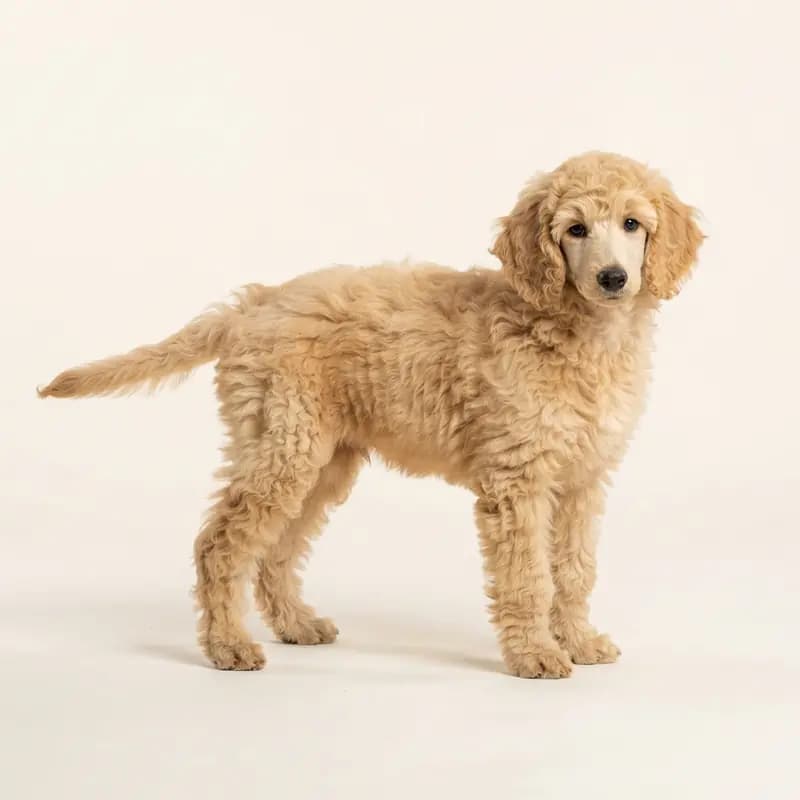
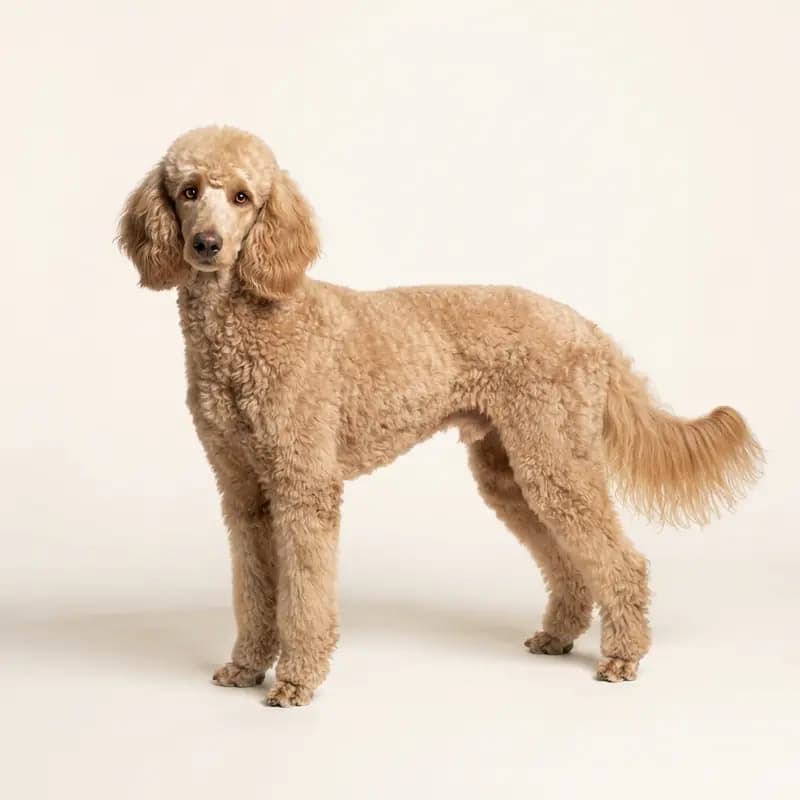
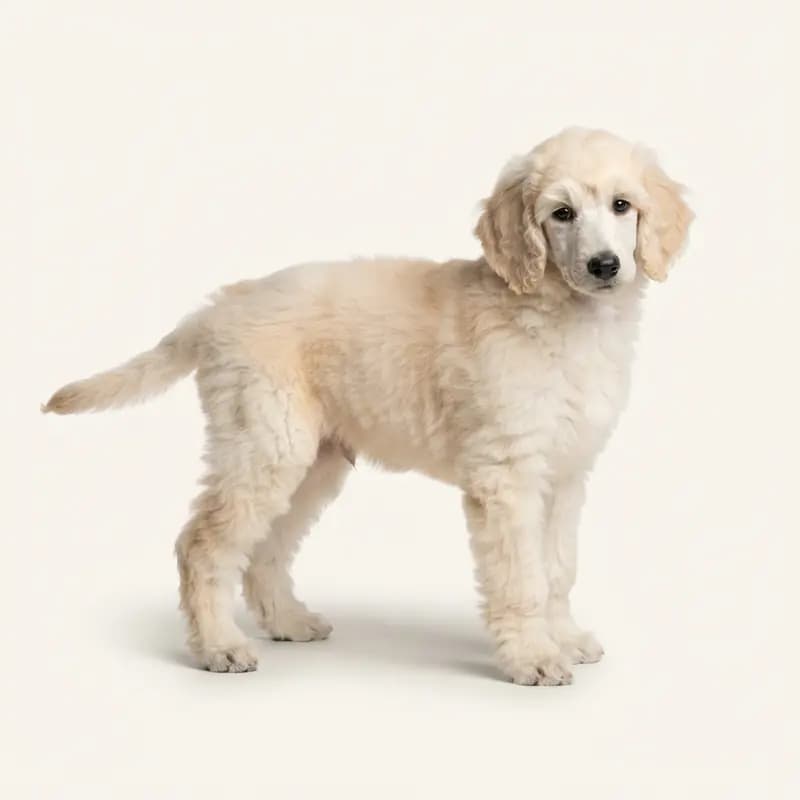
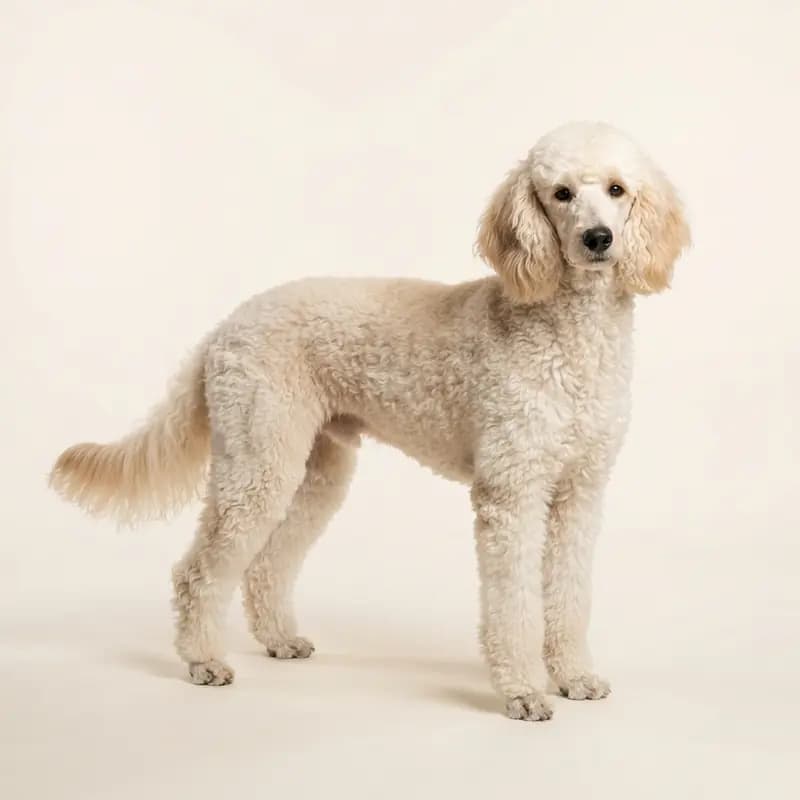
The Standard Poodle is a magnificent and elegant dog that has an impressive appearance. With his upright posture, fine, curly fur and expressive face, he embodies grace and dignity. The breed belongs to FCI Group 9, Section 2, which includes companion and toy dogs. While there is no strict separation between performance and show lines, some breeders are more focused on appearance while others place more emphasis on working ability. However, Standard Poodles are talented in both areas and can excel both as show dogs and in dog sports.
The Standard Poodle, also called the King Poodle, is an extremely intelligent and versatile dog with an elegant appearance. It is characterized by its friendly and balanced nature and is very people-oriented. Standard Poodles enjoy being close to their family and are excellent for both active individuals and families with children. Thanks to its high willingness to learn and enthusiasm for work, the Standard Poodle is well suited for a variety of tasks such as dog sports, therapy work, or as a companion dog. It is very sensitive and responds well to positive reinforcement, which is why consistent but loving training is important. Standard Poodles require both physical and mental exercise to remain balanced and content. Without sufficient activity, they can quickly become bored and develop undesirable behaviors. The Standard Poodle has a strong retrieving instinct and loves to work together with its human. Its coat is hypoallergenic and requires regular grooming, making it especially interesting for allergy sufferers. Despite its elegance, the Standard Poodle is robust and adaptable, and as a watchdog, it is rather reserved but attentive. Overall, the Standard Poodle is a loyal, eager-to-learn, and versatile companion distinguished by its combination of intelligence, sensitivity, and zest for life.
| Watchfulness Reports unusual activity but stays controlled. | Moderate |
| Openness to Strangers Warms up quickly and is generally welcoming. | Friendly |
| Hunting or Herding Drive Noticeable drive — needs attention around small animals. | Moderate |
Fun Fact!
Despite their elegant appearance and often luxurious treatment, Poodles were originally bred as water dogs. Their characteristic fur hairstyle was originally intended to protect the body in the water.
Standard Poodles are lively, very intelligent dogs that want to work. They enjoy working with people and need a lot of activity and exercise. They come in different sizes. In addition to the standard poodle or royal poodle, there are also small poodles (often also called standard poodles), miniature poodles and toy poodles. Teacup Poodles are so small that they suffer from many extreme breeding traits.
Standard Poodles (Royal Poodles) are intelligent and versatile dogs that are well suited for families who can invest a lot of time and attention. They are very eager to learn and require both mental and physical exercise to remain balanced and content. Standard Poodles are generally friendly and compatible with other dogs and pets if socialized early. Due to their sensitive nature, they respond well to positive training and a close bond with their humans. They are adaptable and can be kept both in houses with gardens and in apartments, provided they receive sufficient exercise and activity. Standard Poodles usually get along well with children, with respectful handling being important to consider the dog's sensitive nature.
Lives for its family — the born family companion.
Takes boisterous and affectionate children in its stride.
Actively enjoys the company of other dogs.
Adapts well to city living and urban environments.
Owning a dog is a privilege, but it's also a real responsibility. Before you bring one into your life, be honest with yourself about the commitment it takes.
Standard Poodles (Royal Poodles) are extremely intelligent and eager-to-learn dogs that enjoy being challenged. Their high demand for mental engagement makes it important to offer varied and meaningful training content. Similar to Labradors and German Shepherds, Standard Poodles benefit from positive, reward-based training that promotes their motivation and joy in learning. Due to their original use as retrieving and water dogs, they are particularly skilled in retrieving games, obedience, and other dog sports such as agility or rally obedience. You should ensure that the training consists not only of physical exercise but also includes mental challenges to avoid boredom and unwanted behavior. Standard Poodles have a sensitive side and respond well to consistent but loving leadership. Frustration tolerance should be encouraged early so that they remain calm even in stressful situations. Good socialization and building a strong bond are essential, as they are very people-oriented and seek close relationships with their owners. Overall, the Standard Poodle requires regular, varied training that addresses both body and mind. Those willing to invest time and commitment will gain a versatile, intelligent, and loyal companion who can excel in many areas – from family dog to sport partner.
Standard Poodle (King Poodle): The diet of the standard poodle should be balanced and high-quality to support its health and active nature. A protein-rich food that contains all essential nutrients is ideal. Be careful to avoid overweight, as poodles can be prone to joint problems. The coat of the standard poodle is dense, curly, and grows continuously, making it a hypoallergenic dog. Regular coat care is essential: daily or at least several times a week brushing prevents matting and tangles. Additionally, the poodle should be professionally clipped every 6-8 weeks to keep the coat in shape and avoid skin problems. Standard poodles adapt well to the Central European climate. Their coat protects them from cold, but in extreme heat, sufficient shade and water should be provided to prevent overheating. Regular exercise and mental stimulation are important, as the standard poodle is an intelligent and active dog.
| Care Level Daily care is non-negotiable — neglect affects health. | Very high-maintenance |
| Exercise Needs Needs several hours of serious exercise every day. | Very active |
| Shedding No or minimal hair loss — suitable for allergy sufferers. | No shedding |
| Trainability Bred to work closely alongside humans. | Highly trainable |
Our experts are still reviewing this information. Spotted something wrong? Email us at info@honestdog.de.
Solid
Health grade
The Standard Poodle is considered a robust breed, but carries risks for severe orthopedic and neurological diseases such as hip dysplasia (HD), neonatal encephalopathy with seizures (NEWS), and degenerative myelopathy. For breeding, the Deutscher Pudel-Klub e.V. prescribes mandatory examinations for hip dysplasia (HD) with the cutoff HD A–B, patellar luxation (PL 0–1), cataracts (finding: clear/free), as well as progressive rod-cone degeneration (PRA-prcd). Health-oriented breeders additionally test the parent animals for neonatal encephalopathy with seizures (NEWS) and degenerative myelopathy. Have the official test results of both parents shown to you: For PRA-prcd, NEWS, and degenerative myelopathy, a carrier may only be mated with a demonstrably free partner.
Grade is relative to other breeds — AI-assisted and editorially reviewed.
Methodology and data: HonestDog Dog Breed Health Report 2026
What matters most for this breed
Tap any item to see details.
Without joint-friendly exercise and good preventative care—such as regular check-ups—health problems and veterinary costs can rise significantly later on.
Responsible breeders have parent animals screened for HD, PL, cataracts, and PRA-prcd, and additionally test for Neonatal Encephalopathy with Seizures (NEWS) and Degenerative Myelopathy.
Note: This health overview is AI-assisted and editorially reviewed. It is for orientation only and does not replace veterinary advice.
What matters most for this breed — what's common, how much it affects the dog's life, and how to protect yourself as a buyer.
Tap a body region to see the inherited conditions linked to it.
The three most important risks
Pick a region on the map to explore other areas.
Tier 1 is the core standard: the tests Deutscher Pudel-Klub e.V. requires, plus further tests from the recommended health standard for this breed. Tiers 2 and 3 show how responsible breeders go beyond.
Core standard. Tests marked “Club standard” are required by Deutscher Pudel-Klub e.V. for breeding approval; the others are part of the recommended health standard for this breed. Ask any reputable breeder for the results.
Note: This health overview is AI-assisted and editorially reviewed. It is for orientation only and does not replace veterinary advice.
A Standard Poodle costs around ~€200 per month (€100 – €380, depending on your setup). The first year adds up to roughly ~€5,360 including purchase, equipment and puppy school; across the dog's life (13.5 years) it comes to about ~€35,180.
With surgery cover, running costs come to about ~€190 per month — in return, your share of a major operation drops from several thousand euros to around 20 percent.
Per month
~€200
In the first year
~€5,360
Across the dog's life
~€35,180
Estimated purchase price from a breeder: €1,500 – €2,800
Estimate at a mid-range setup (suburban, dry food, 1–2 hours of daily exercise), average German prices, as of July 2026.
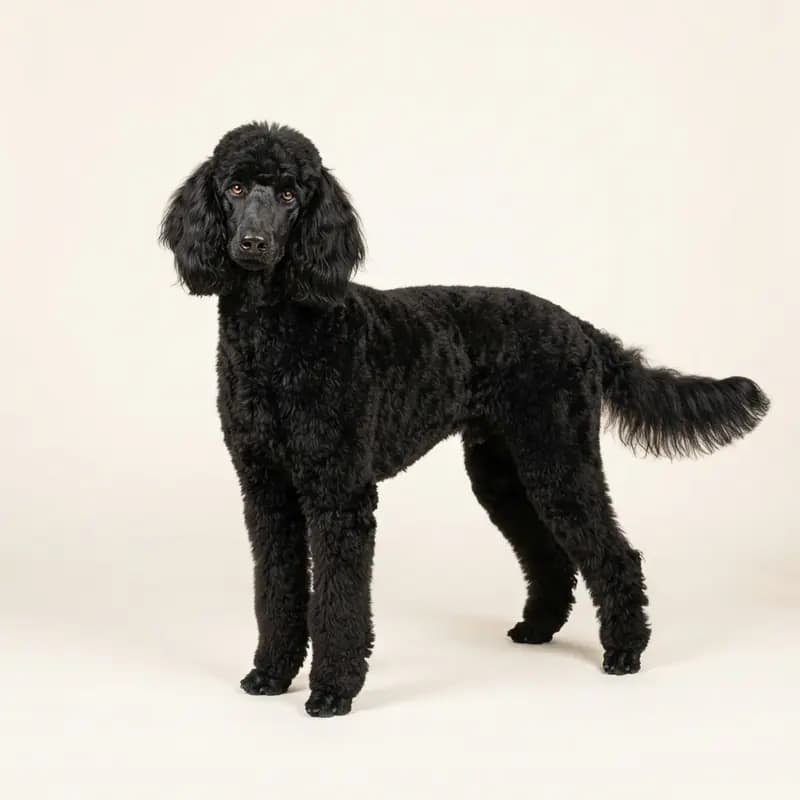 Illustrative image
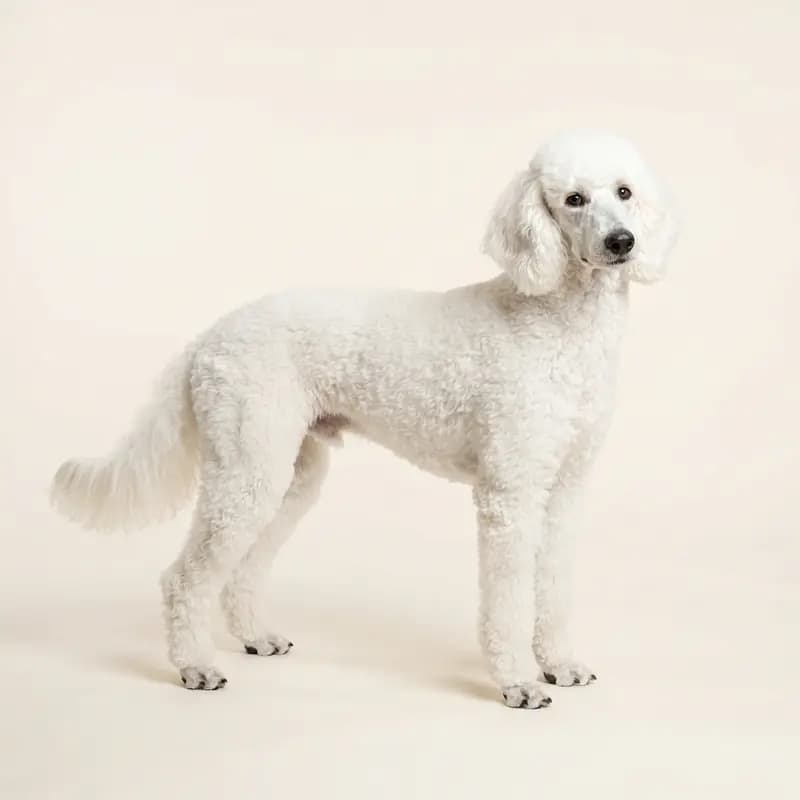 Illustrative image
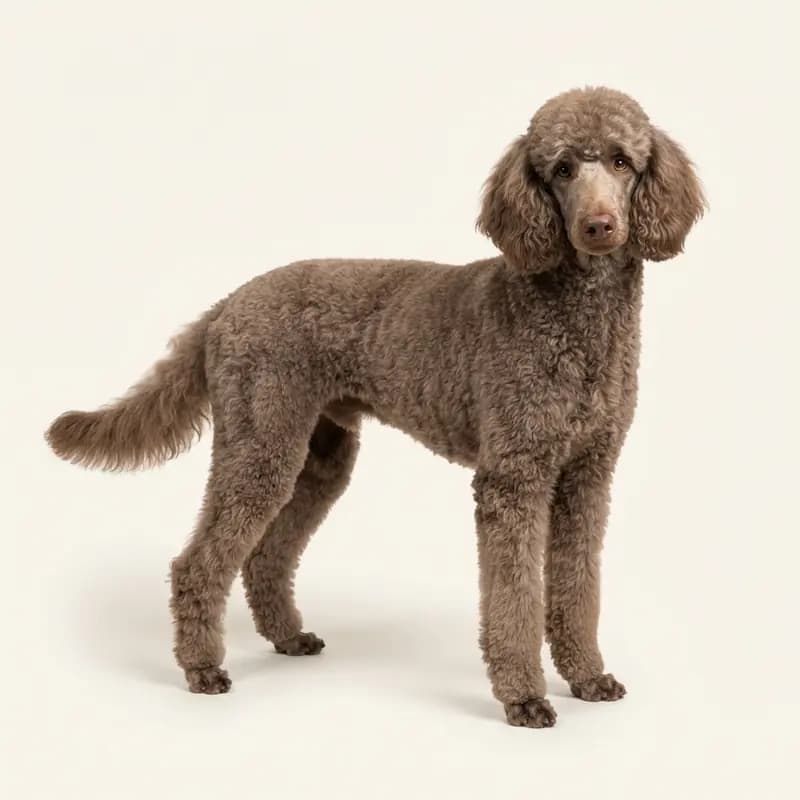 Illustrative image
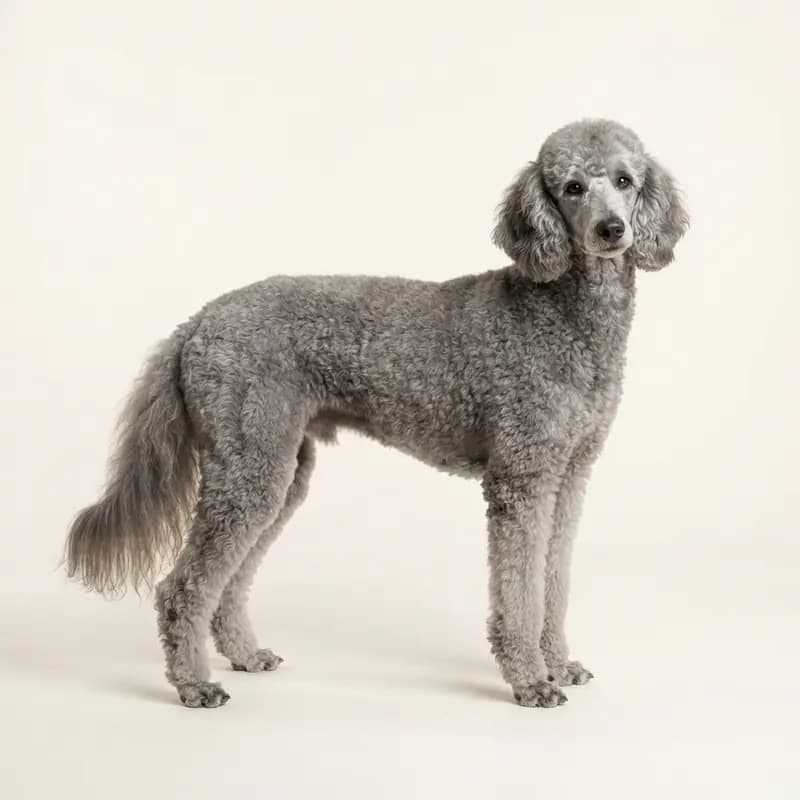 Illustrative image
The history of the Standard Poodle, also called the Royal Poodle, dates back to the 17th century. Originally bred in France and Germany, the Poodle was primarily used as a water retrieving dog. Its excellent swimming abilities and intelligent nature made it a valued companion in hunting waterfowl. The name "Poodle" is derived from the German word "puddeln," which means "to splash in water." Over time, the Standard Poodle evolved from a working dog to an elegant companion and show dog. The breed was standardized in the 19th century and has since enjoyed great popularity as a versatile and intelligent family dog.
The Standard Poodle was originally bred as a water hunting dog for duck hunting, known for its intelligence and curly coat.
Germany, France
1500
In family life, many owners describe the Standard Poodle as a very devoted, empathetic and cheerful companion. Many owners point out that it is very closely bonded to its people and wants to be part of everything. Its adaptability and friendliness make it a pleasant housemate that is sensitive to moods. Compared with the smaller poodle varieties, some dogs are a little more reserved or aloof with strangers, but they usually warm up quickly once they get to know someone.
Experienced owners warn, however, against underestimating its temperament and need for exercise. Young Standard Poodles in particular often have a very high energy level and are quite reactive. Many owners report that teaching the dog to settle and handle frustration was a real job during puppyhood and adolescence, because otherwise the poodle quickly tends toward nervousness or pushy, wound-up behavior. Simply tagging along without a proper outlet fairly often leads to restless dogs that find their own jobs around the house.
Sources:dogforum.de
On training, hunting drive and the need for activity, many owners agree: the Standard Poodle's high intelligence is as much a blessing as a challenge. With a strong willingness to work together and a quick mind, these dogs usually learn basic commands and complex tasks in record time. They are excellent at dog sports, nose work or dummy training. At the same time, owners stress that these dogs notice inconsistency right away and use it to their advantage; they are also sensitive to pressure or harshness and quickly shut down.
One point that comes up again and again is the breed's original hunting drive. Contrary to the image of a pure lapdog, many Standard Poodles have clear hunting ambitions, especially on sight and in response to movement such as game or birds being flushed. Owners report that reliable off-leash time often requires consistent anti-hunting and impulse-control training throughout adolescence. Thanks to their cooperative nature, this drive can usually be redirected well, but in daily life it is by no means absent from the start.
Sources:dogforum.de
On grooming and health, owners regularly set the record straight on false expectations. All owners love that it doesn't shed around the house, but beginners often underestimate the time and effort its coat takes. Because of the Standard Poodle's size, the regular brushing, bathing, blow-drying and clipping, roughly every six to eight weeks, is a lot of work that calls for either skill and equipment at home or ongoing grooming-salon costs. Bits of plants and dirt also get caught in the curls quickly, and the hairy ear canals need regular checking and cleaning.
Health-wise, the Standard Poodle is generally considered a hardy, long-lived breed. Because of the breed's deep chest, though, the risk of bloat keeps coming up among owners, which is why many stick to strict rest periods after meals. Sebaceous adenitis (an inflammatory destruction of the sebaceous glands) is also named as a breed-typical disease, which is why owners who've been through it and people who follow the breeding scene strongly advise buying puppies only from carefully health-tested bloodlines. Stomach sensitivity and food intolerances also come up occasionally in owner accounts.
Sources:pudelforum.dedogssupreme.degrosspudel-zucht.jimdofree.compudelfreunde.chgesundheitszentrum-fuer-kleintiere-luedinghausen.de
Paraphrased from real owner reports · translated from German
The Standard Poodle is an active dog that needs plenty of exercise and mental stimulation. Research the temperament, grooming needs, and space requirements before deciding.
The average life expectancy of a Standard Poodle is 12-15 years. With proper care and regular vet visits, your dog can live a long, healthy life.
Standard Poodle grooming requirements include regular brushing, nail trimming, and dental care. HonestDog provides detailed grooming tips for every breed.
The Standard Poodle can be a great family dog. Proper training and socialization are key. HonestDog provides family suitability information for every breed.
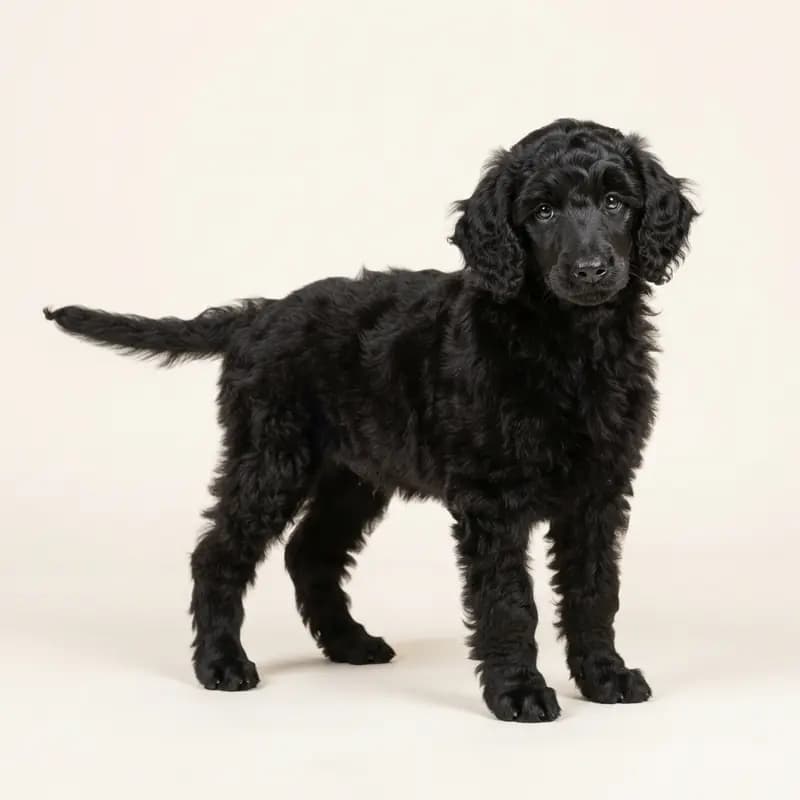
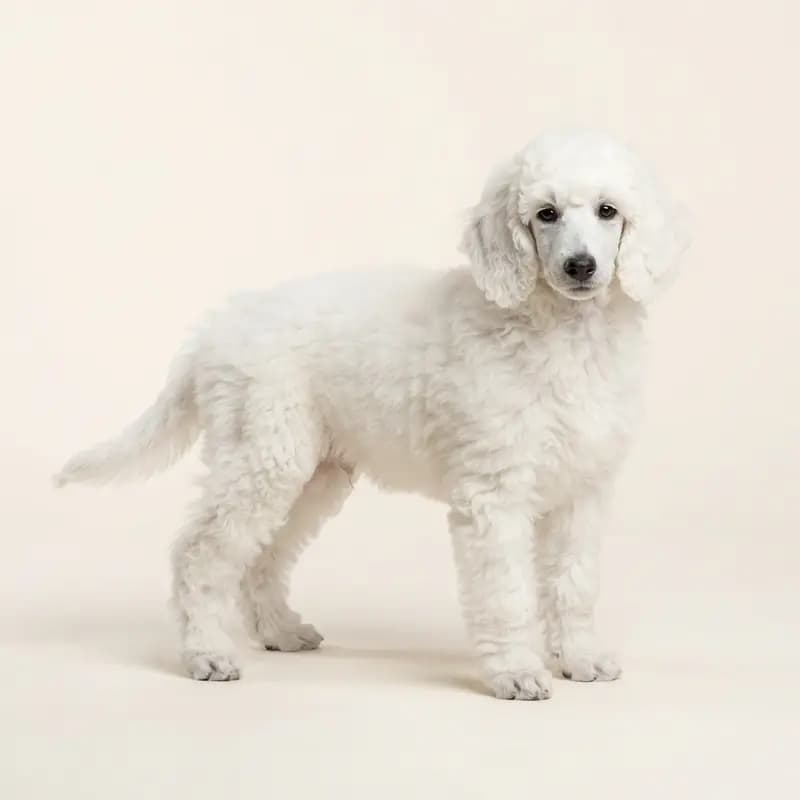
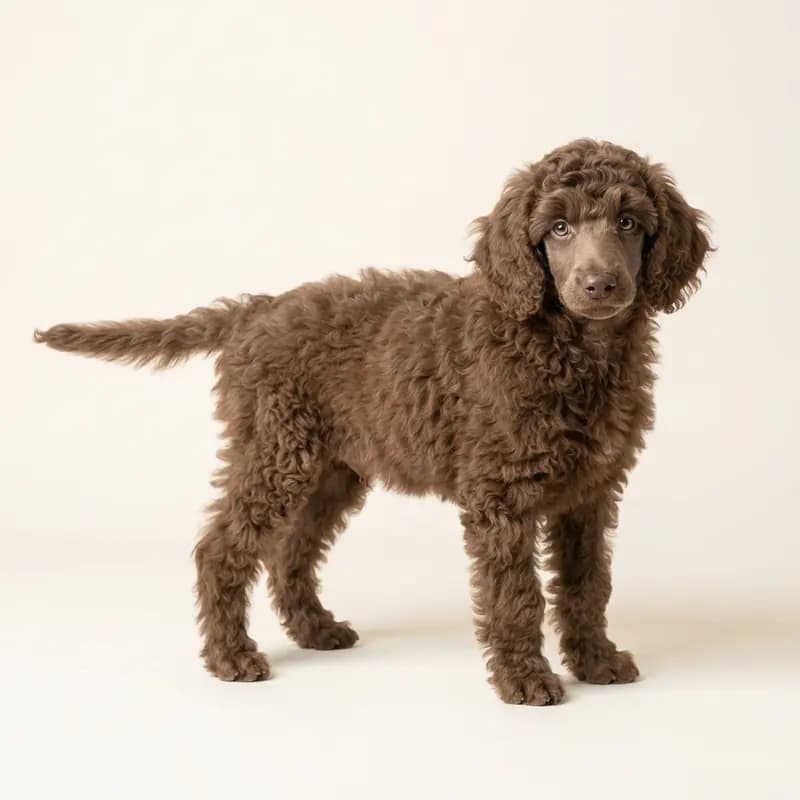
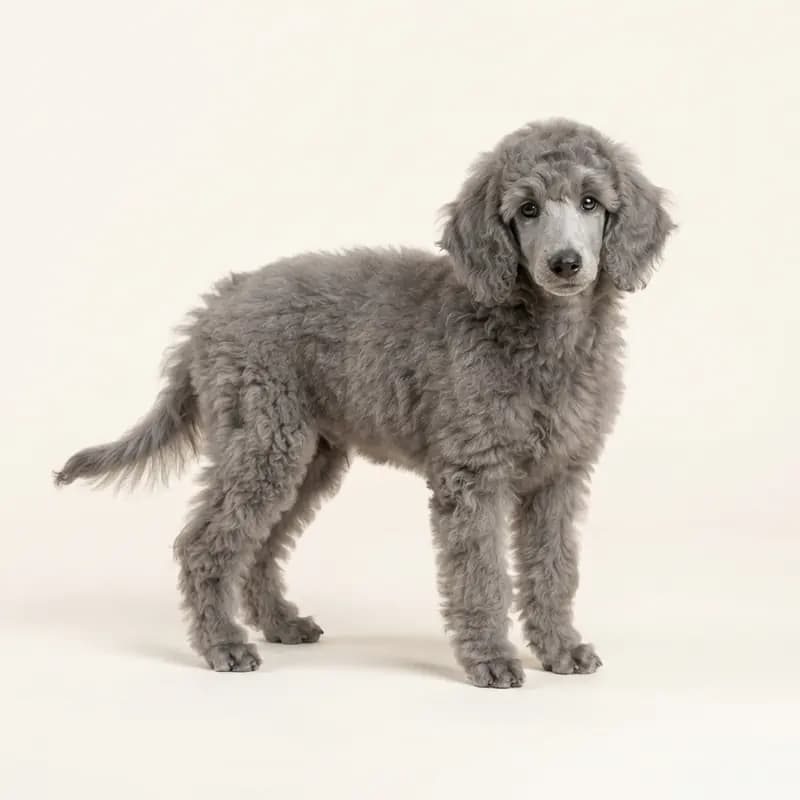
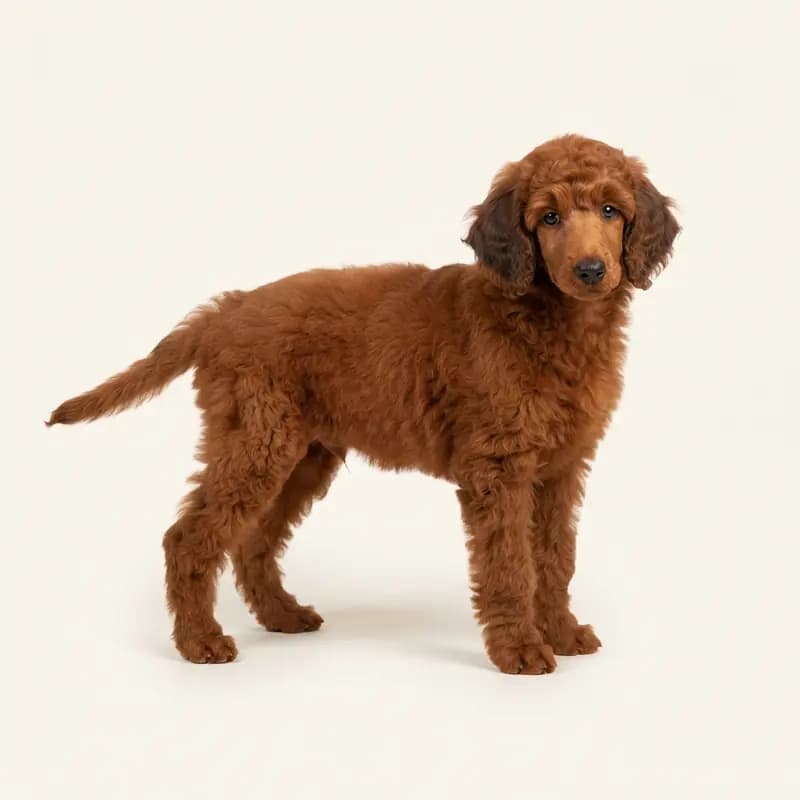
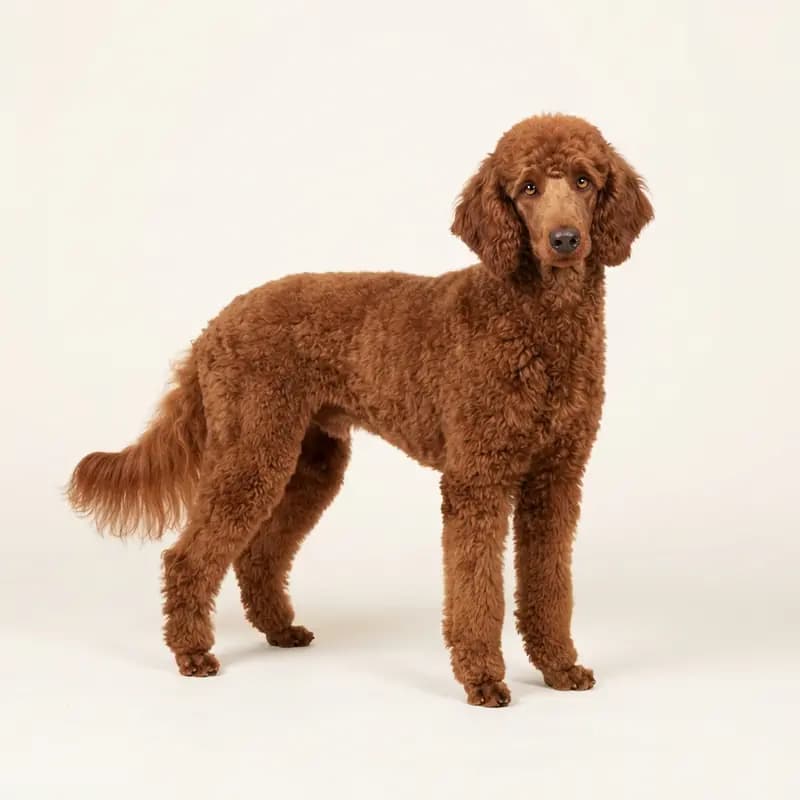
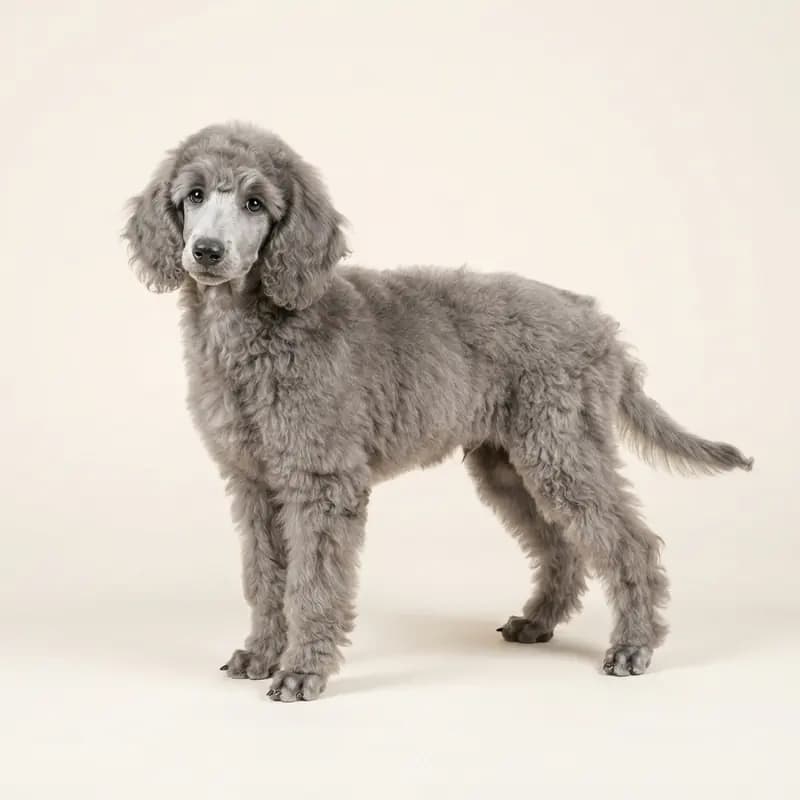
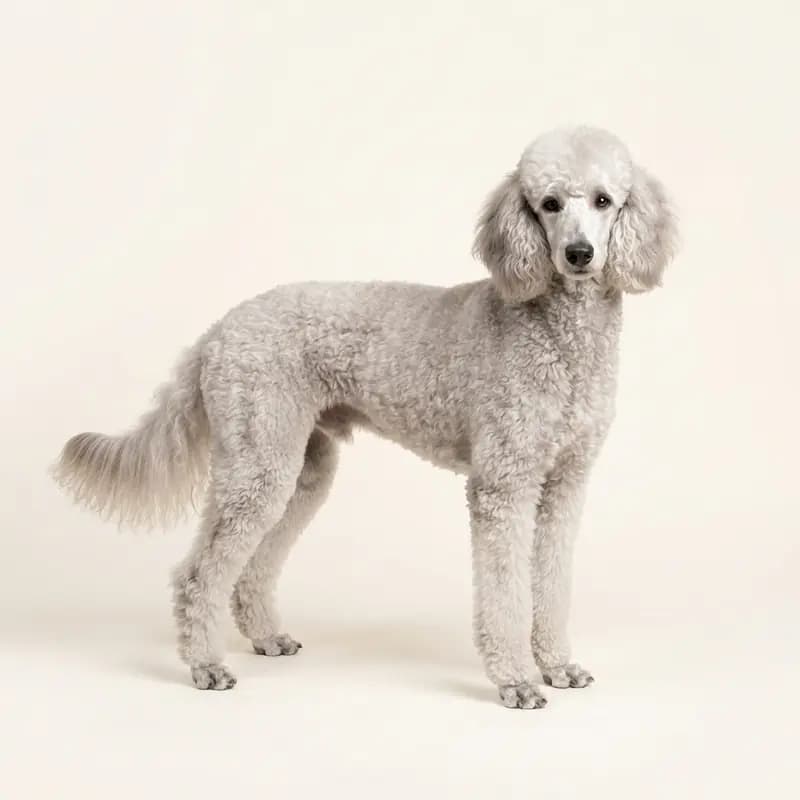
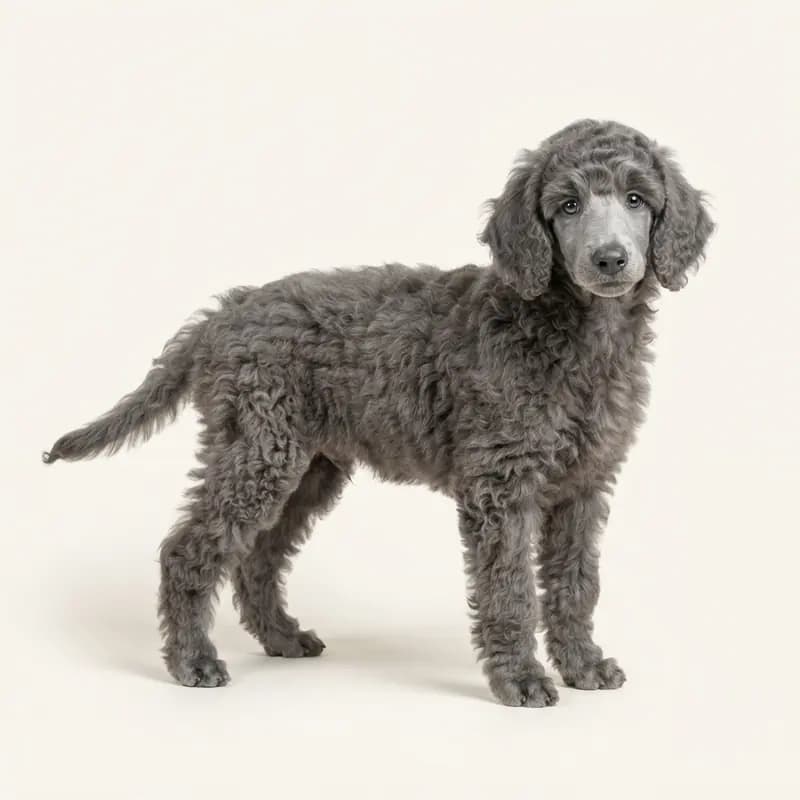
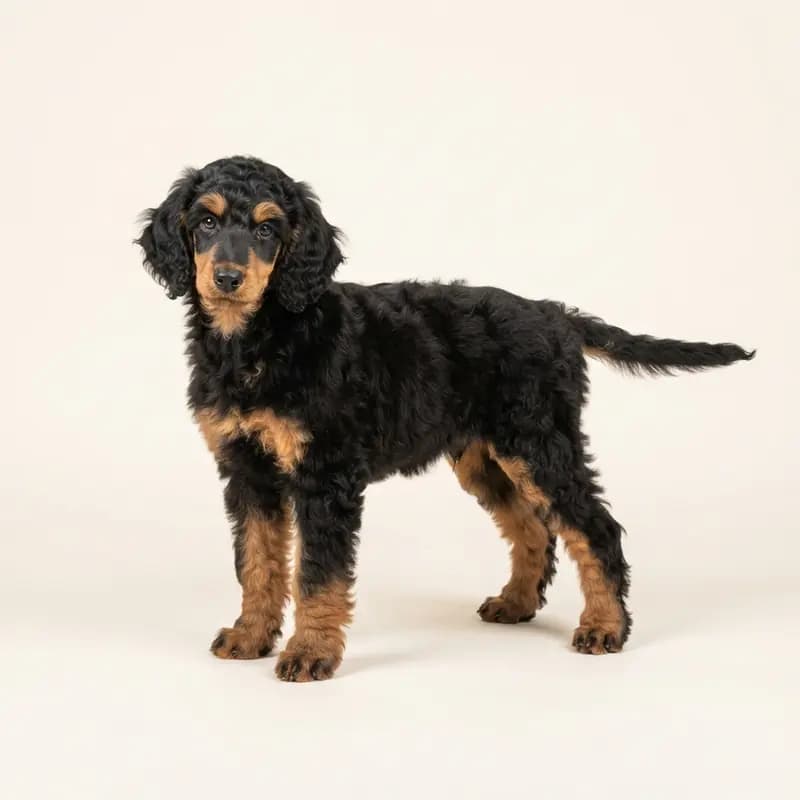
The Standard Poodle comes in these colors: Black, White, Brown, Grey, Apricot, Red, Fawn, Silver, Cream, Blue, Black and tan, Black and white, Merle. Colors that fall outside the breed standard are marked as such on the breed page.
Showcase your kennel on HonestDog and reach families searching for a responsibly bred Standard Poodle.