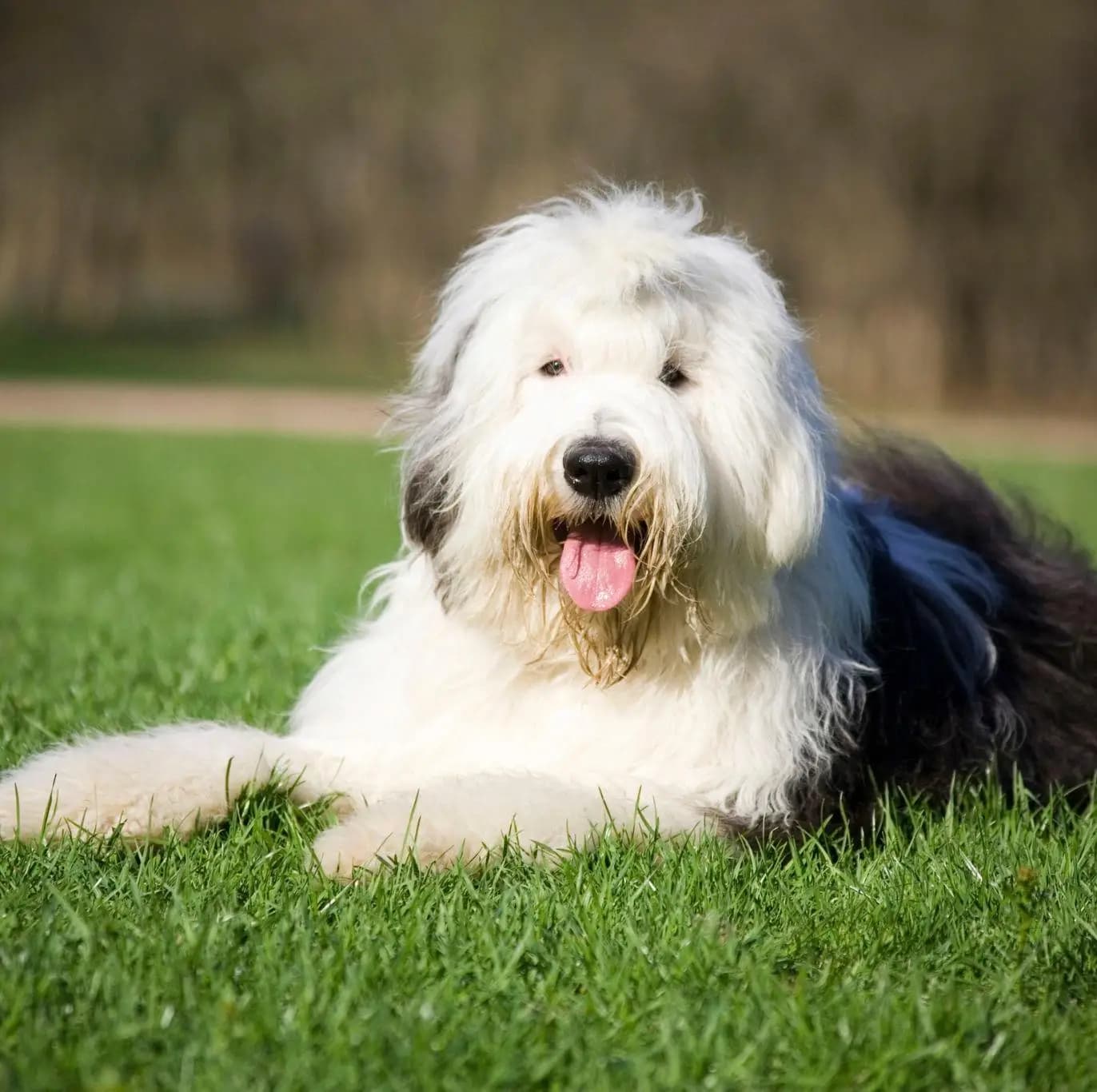
Old English Sheepdogs have a life expectancy of 10 to 12 years, but, as is typical for the breed, they come with a number of health concerns. These include issues affecting the joints, eyes and hearing, as well as a possible genetic drug sensitivity, which you must always actively point out to your vet. You should also be aware that, in his first year, a Bobtail absolutely needs a joint-friendly upbringing, without climbing stairs early on or being overexerted.
The Deutscher Old English Sheepdog Club e.V. prescribes specific health examinations. Reputable breeders use X-rays, laboratory and clinical examinations and DNA tests to deliberately lower the risk of hereditary diseases in their lines. A genetic test shows whether a parent is clear, a carrier or affected; X-ray and eye results help to reduce the likelihood of affected offspring.
The relevant examinations include X-rays for hip dysplasia (HD), specialist checks for eye anomalies (including generalised progressive retinal atrophy) and blood tests for underactive thyroid (hypothyroidism). Genetic tests can detect degenerative myelopathy, exercise-induced collapse (EIC) and NME5-associated primary ciliary dyskinesia (a respiratory disease). As deafness also occurs in the Bobtail, responsible breeders have their puppies’ hearing tested by audiometry.
There are also further breed-specific risks for which no routine genetic tests exist. These include neurological conditions such as epilepsy, cerebellar abiotrophy and wobbler syndrome (cervical spondylomyelopathy), autoimmune diseases such as immune-mediated haemolytic anaemia (IMHA) and thrombocytopenia, heart defects (atrial septal defect, tricuspid valve dysplasia) and cleft palates. There is only one thing for it: ask the breeder openly whether these conditions have occurred in their lines.