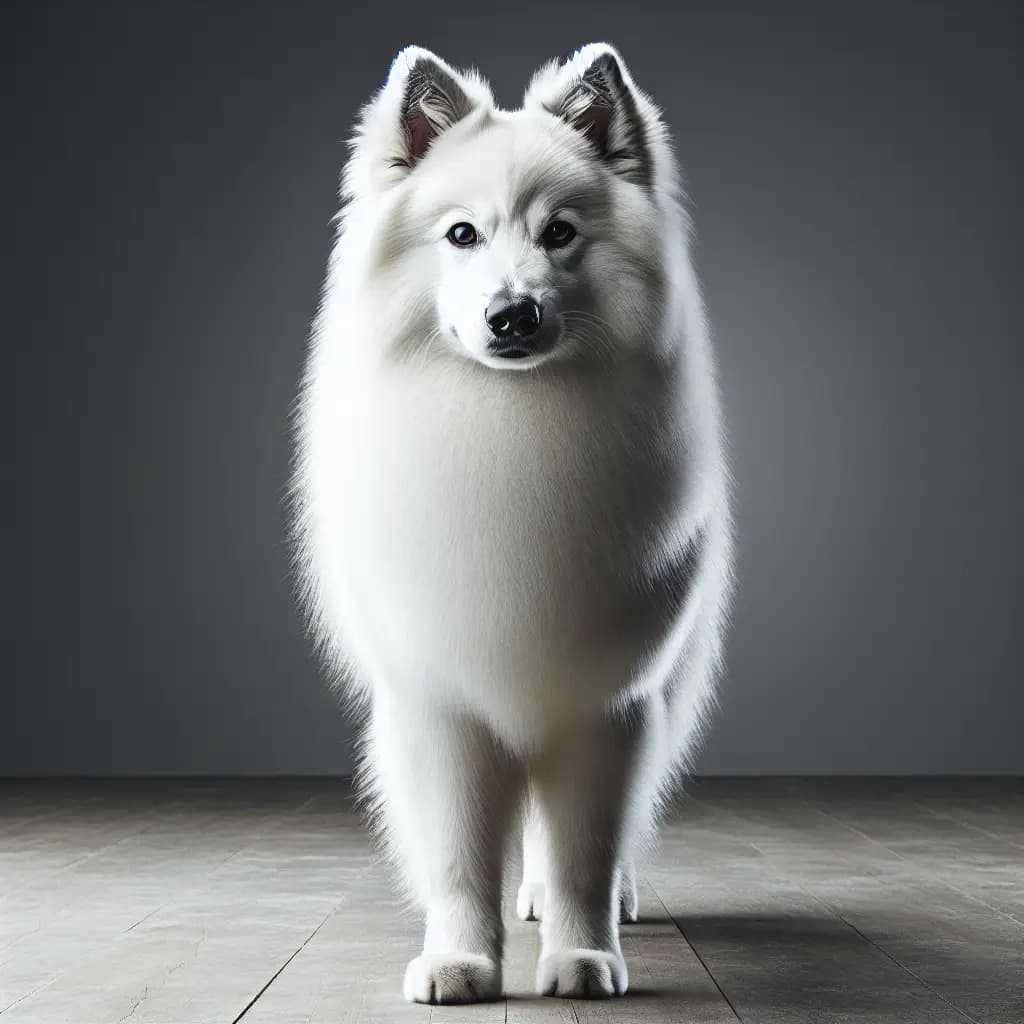
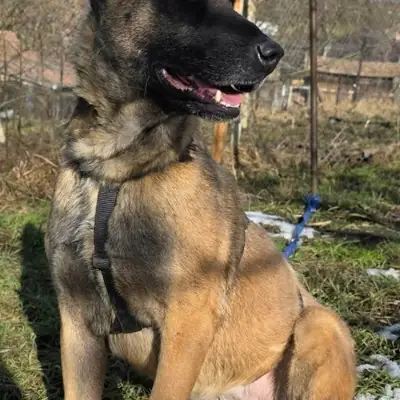
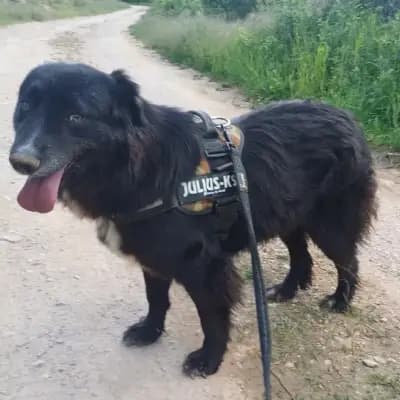
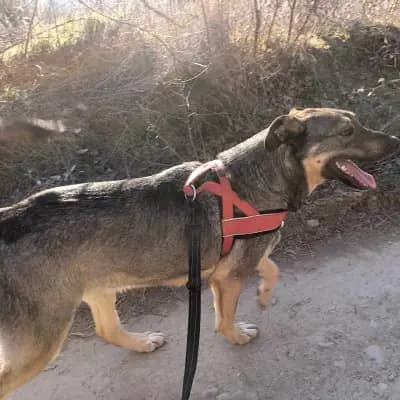
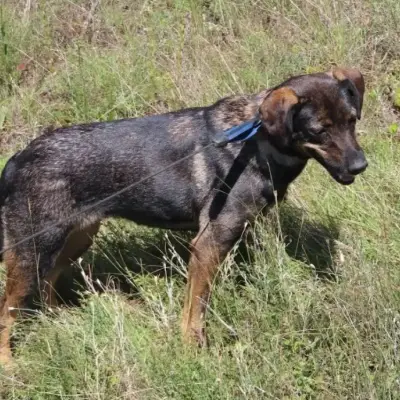
If you take in a Canadian Eskimo Dog from a shelter, you will meet a dog who needs time at first to build trust. Once the ice is broken, however, he shows deep loyalty and forms a very close bond with his family. Expect that an adult rescue dog will already have fully developed his pronounced hunting and pulling instincts and that you will need to approach training with loving consistency.
Keeping an eye on health
Canadian Eskimo Dogs are considered extremely robust, natural dogs with a life expectancy of 10 to 15 years, but they occasionally have health issues affecting the joints, eyes and nerves. Health-conscious breeders, for example those in the Deutscher Club für Nordische Hunde e.V. (DCNH), have the parent animals X-rayed for hip dysplasia (HD) before breeding, carry out an ophthalmological eye test for eye abnormalities and use a DNA test for the nerve disease degenerative myelopathy. These examinations significantly reduce the risk of serious hereditary diseases in the offspring.
With a rescue dog, the exact ancestry is often unknown, or the dog comes from irresponsible backyard breeders who bypass such preventive screening. At a shelter, vaccinations, microchip and a general intake examination are usually covered; ask to see the records they have in full. From the start, plan joint-friendly exercise for your new dog and regular veterinary eye checks, so that he stays fit and resilient for a long time.