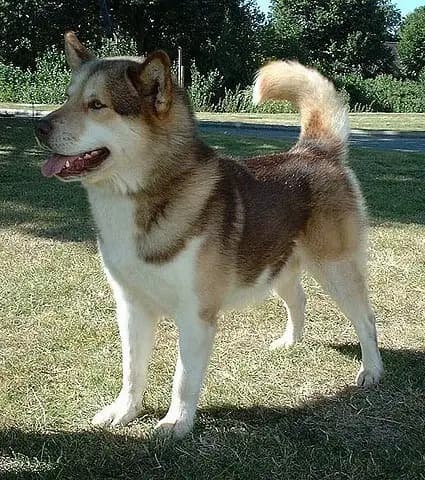
Greenland DogClose relative
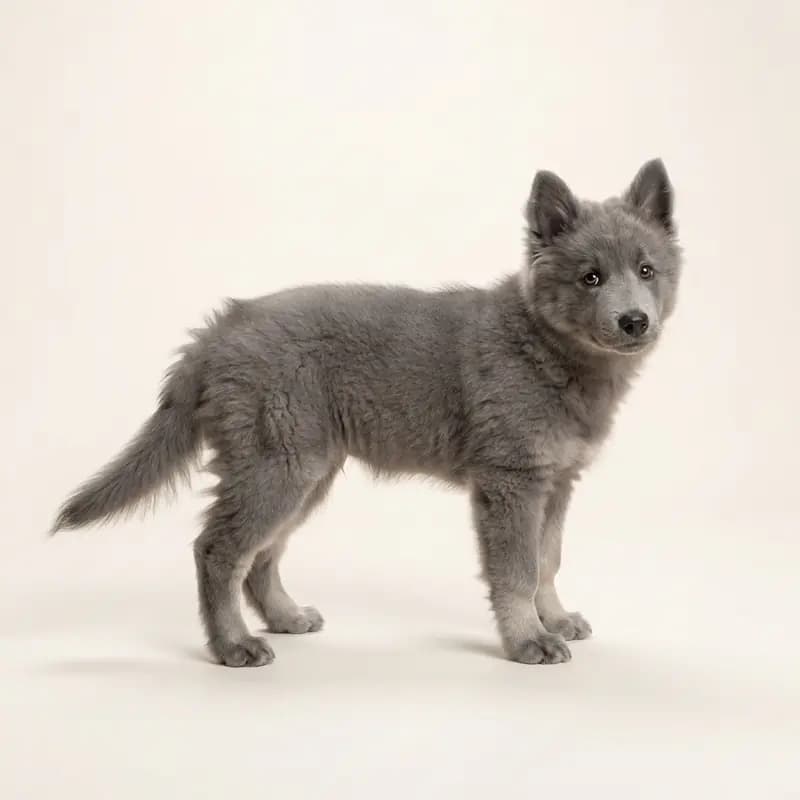
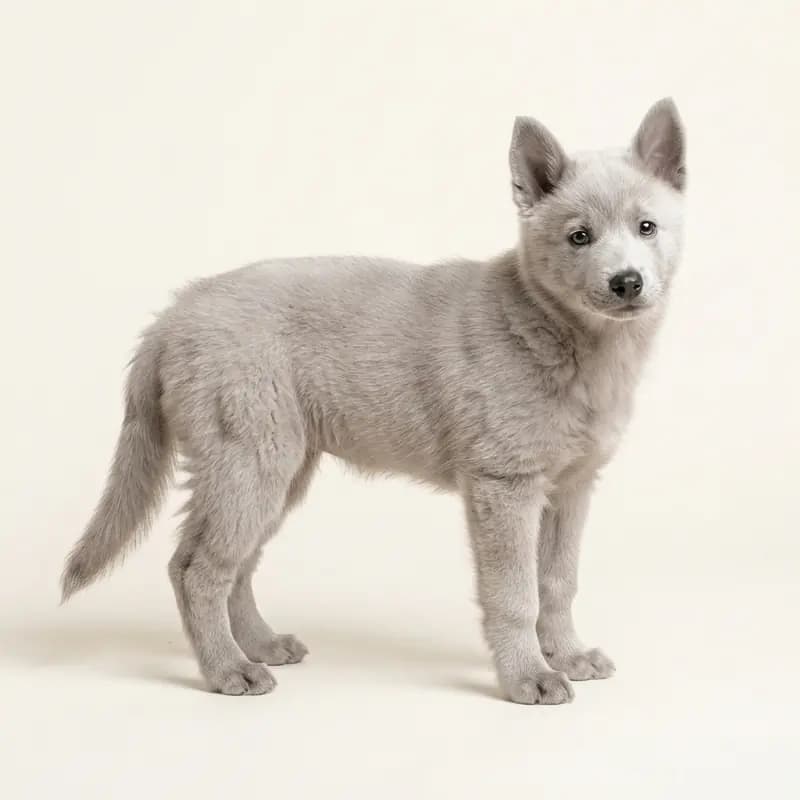
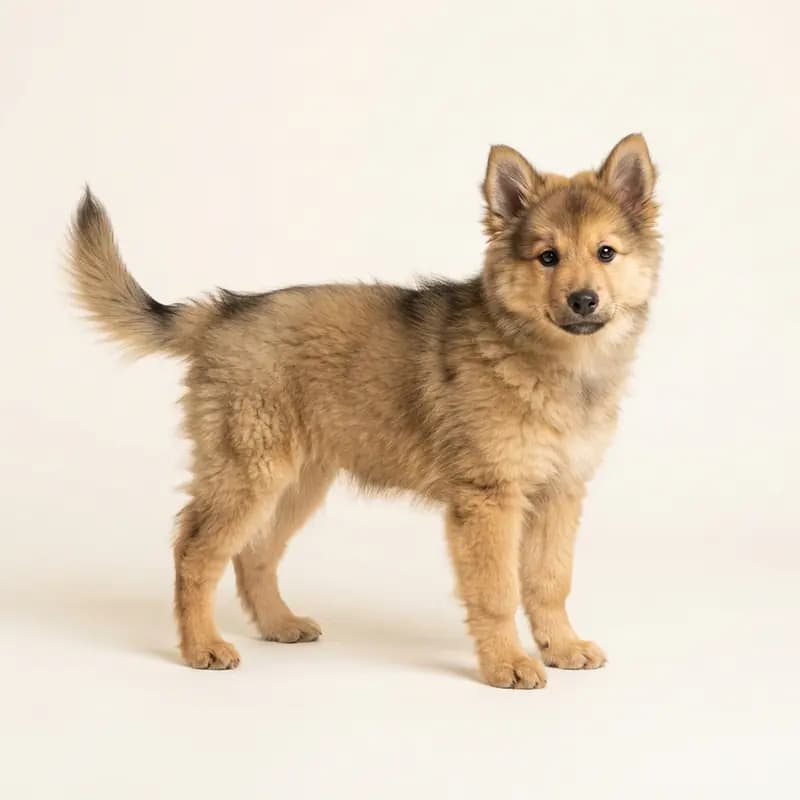
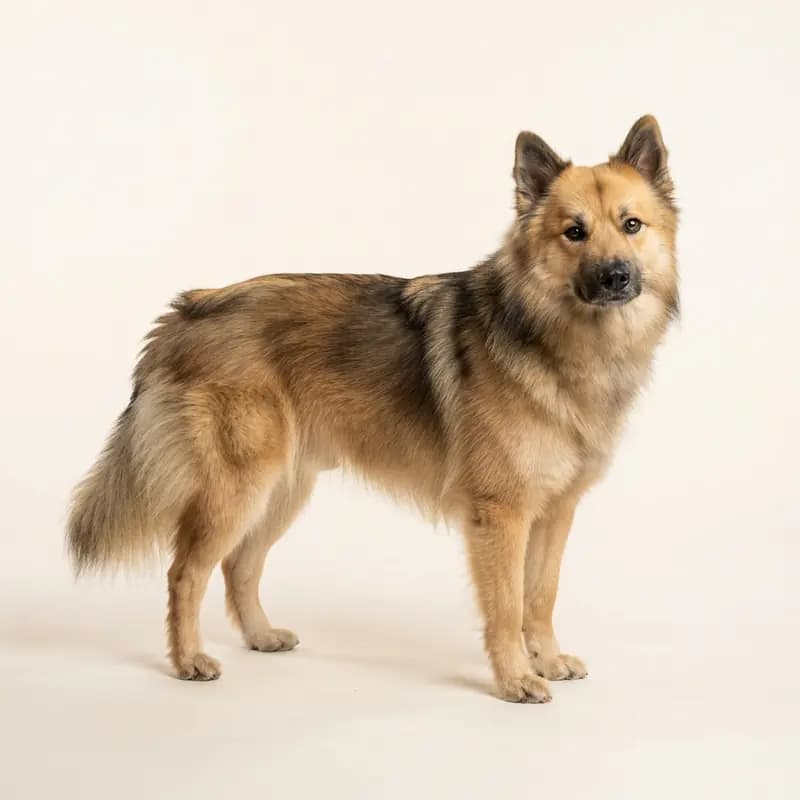
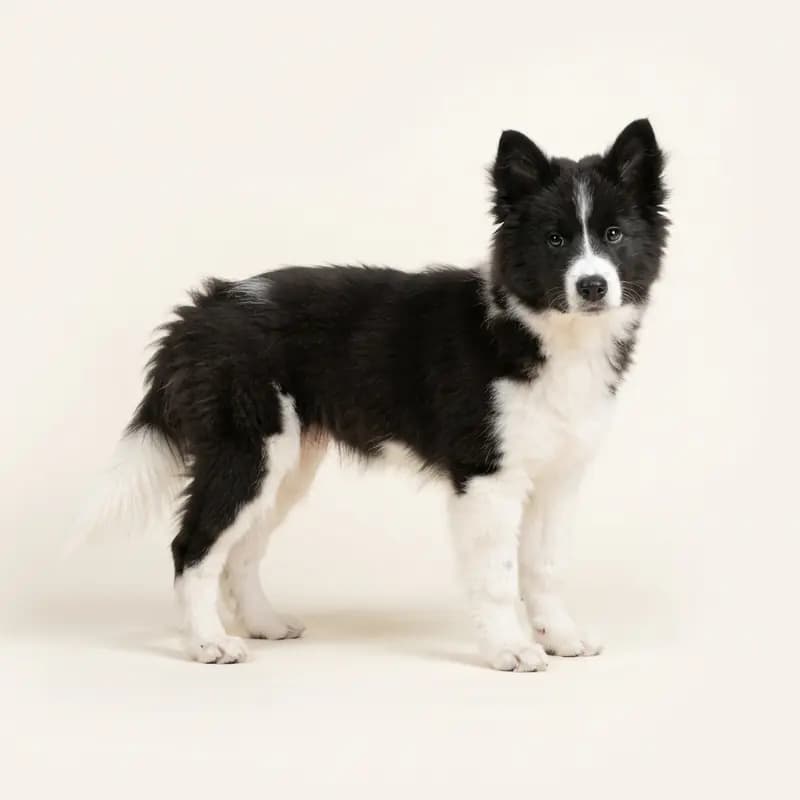
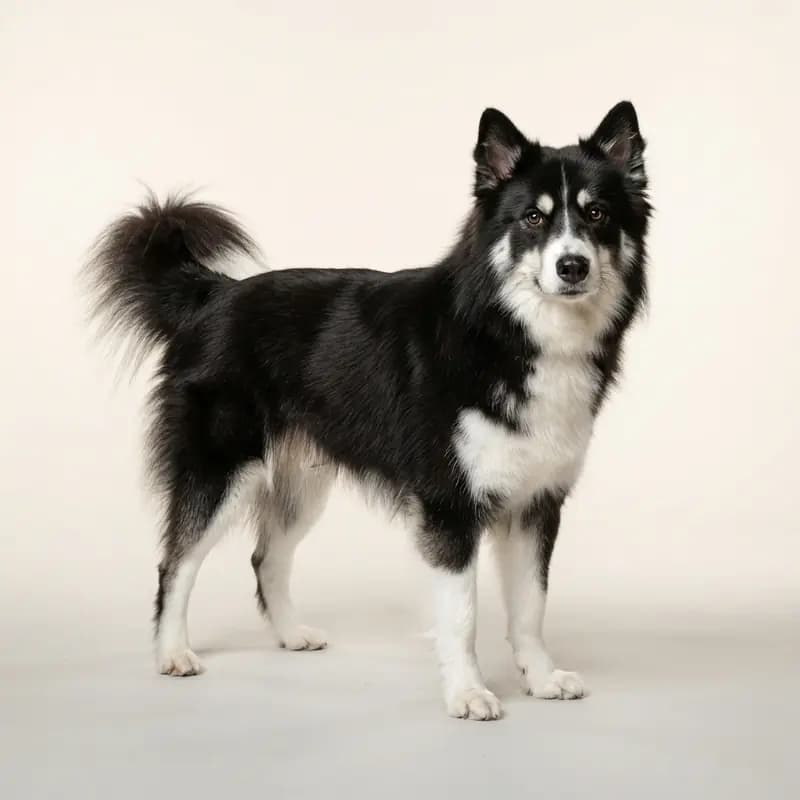
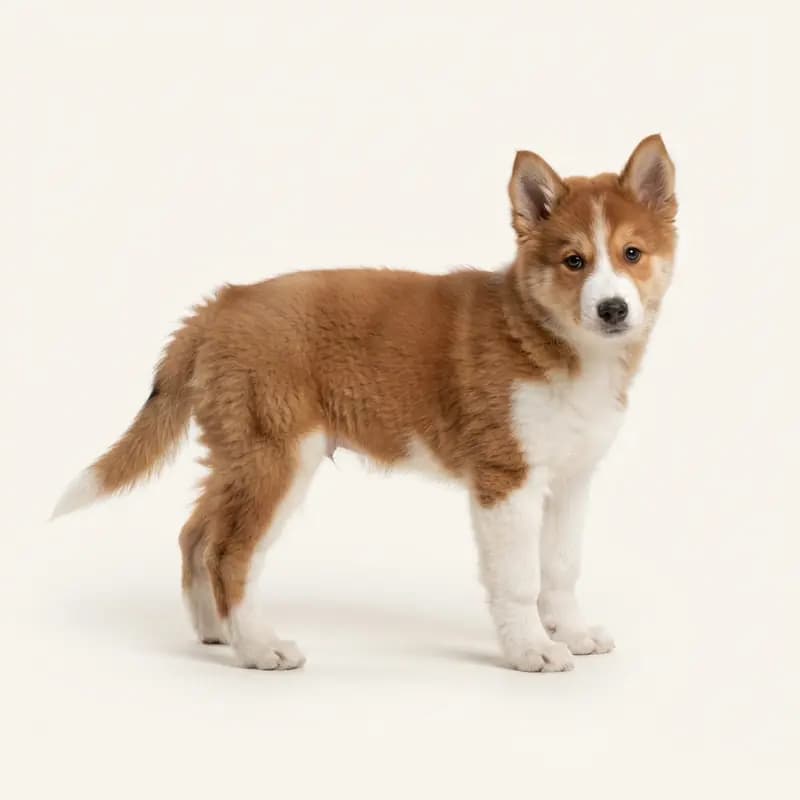
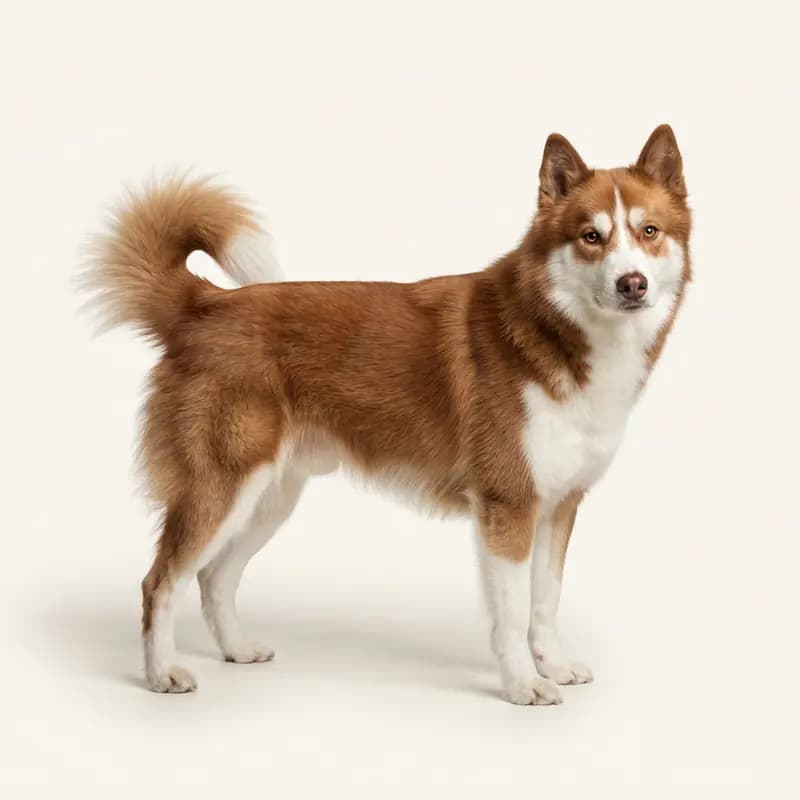
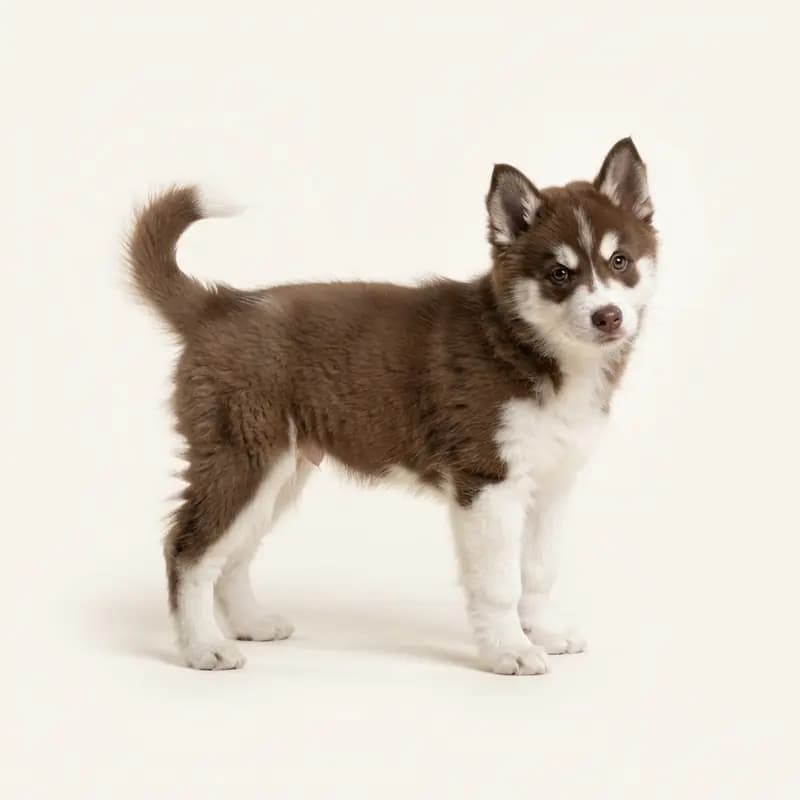
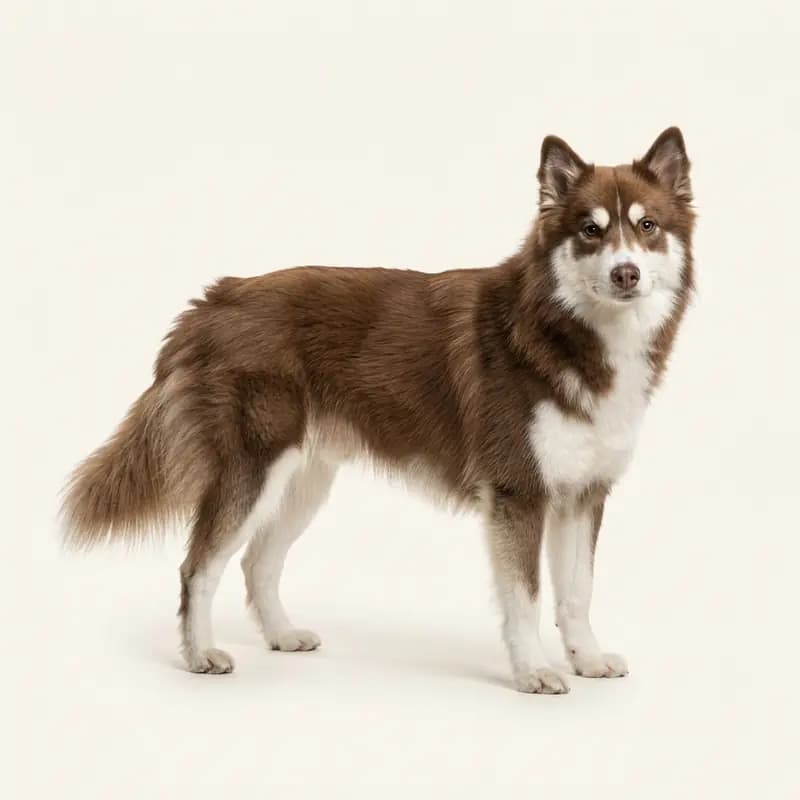
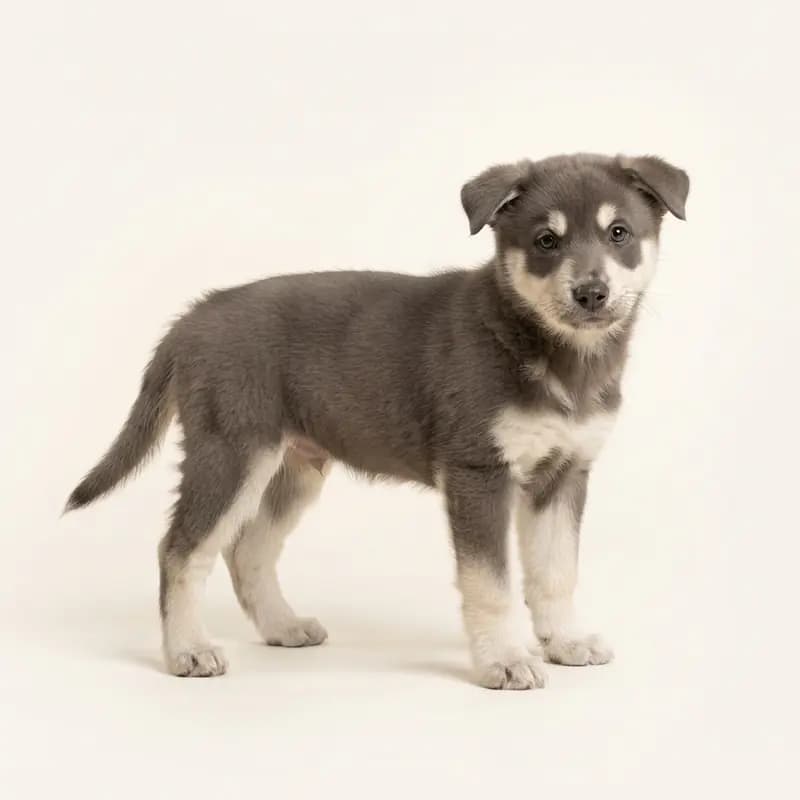
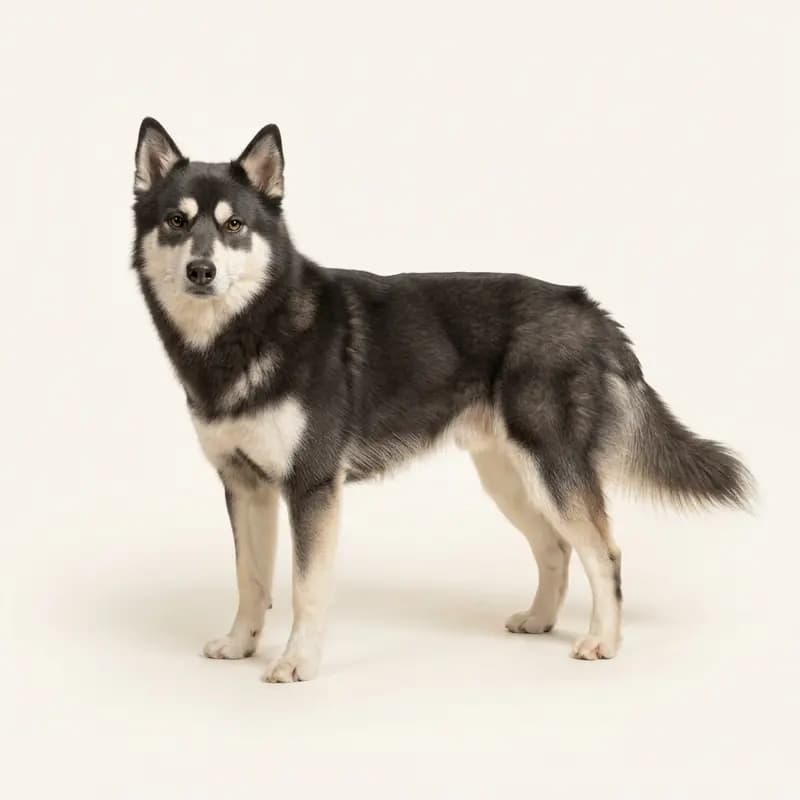
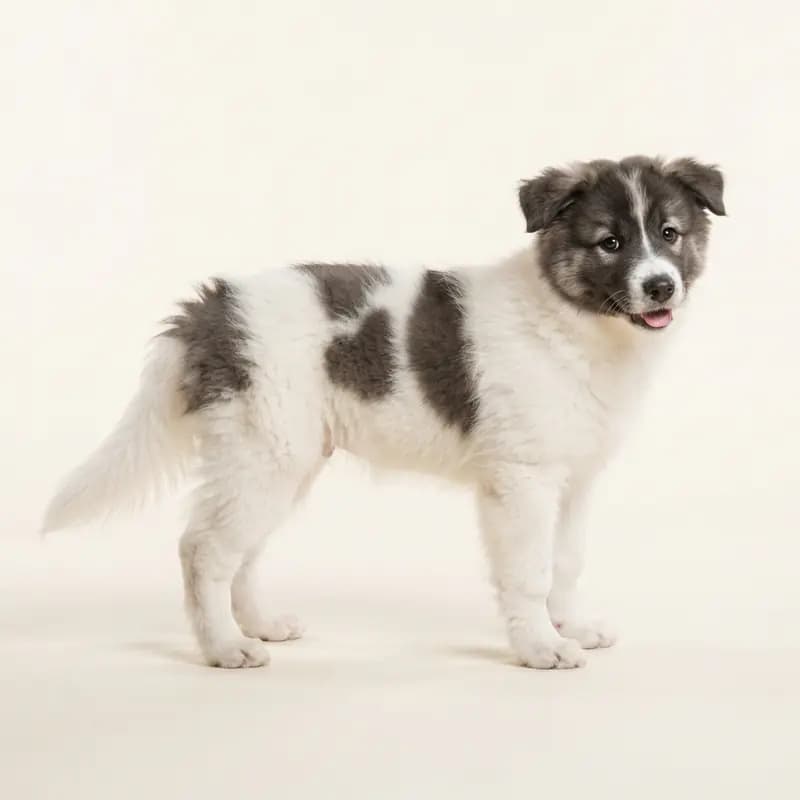
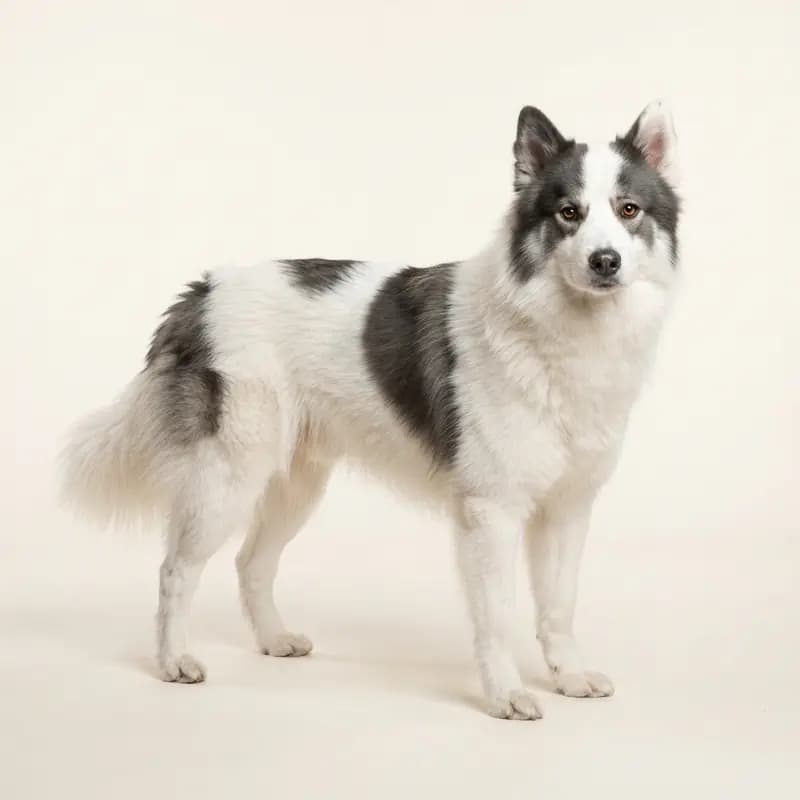
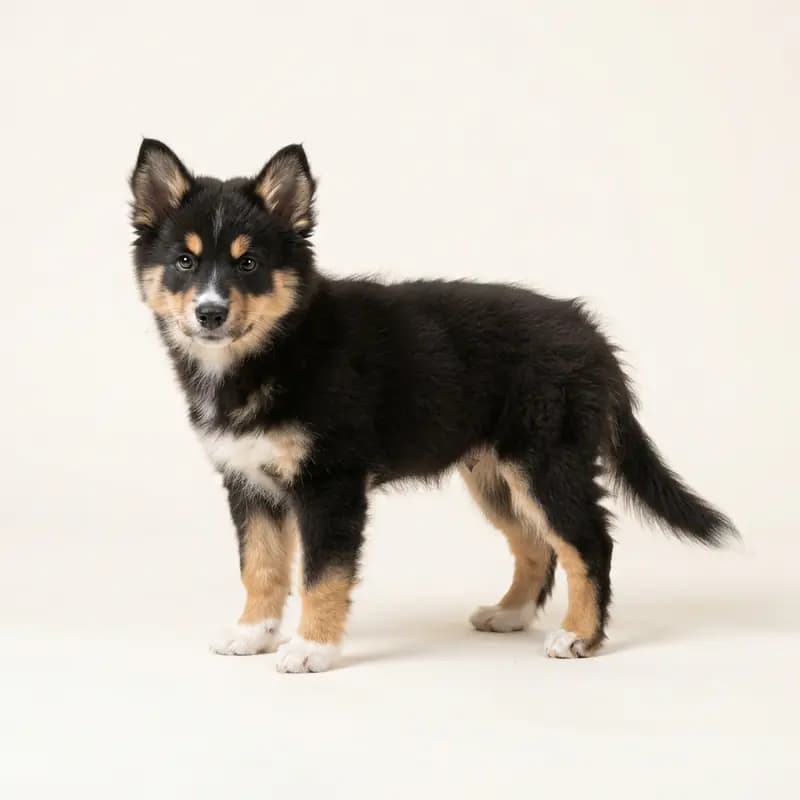
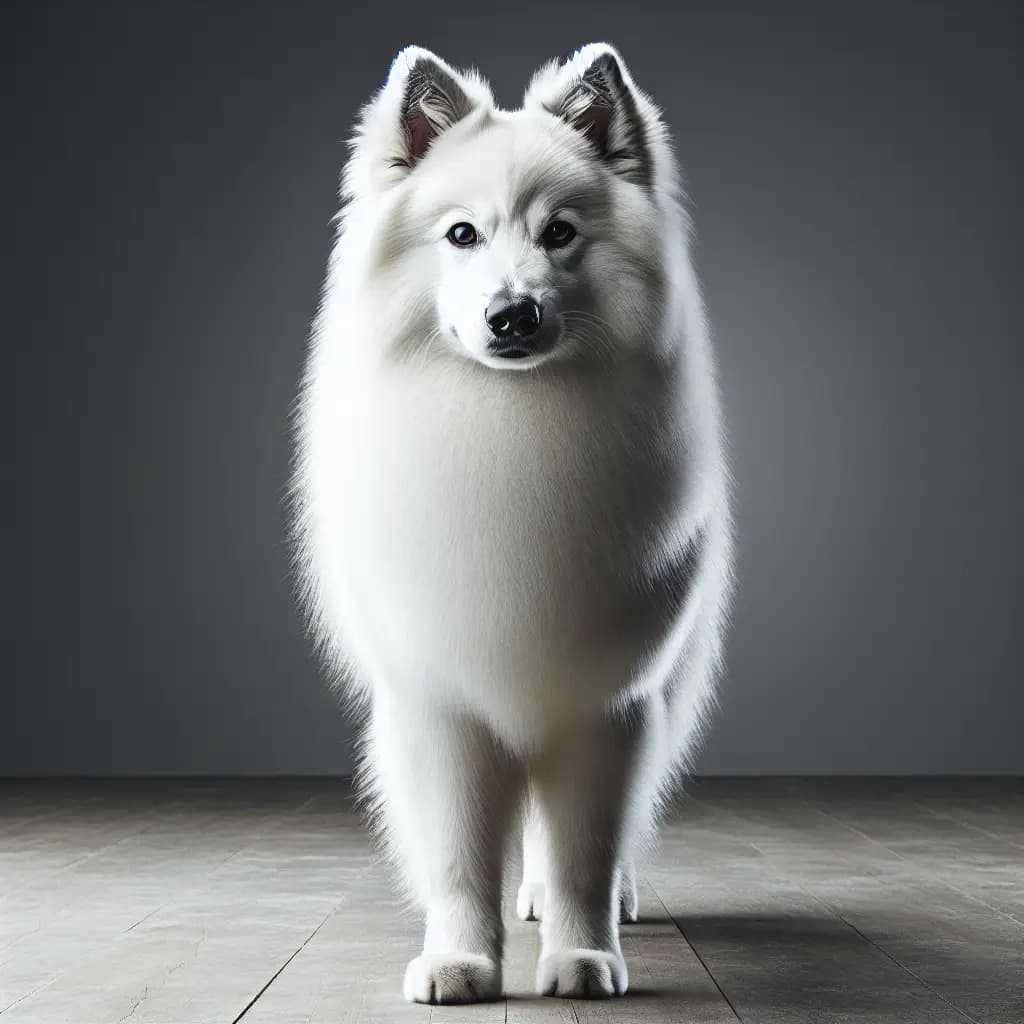
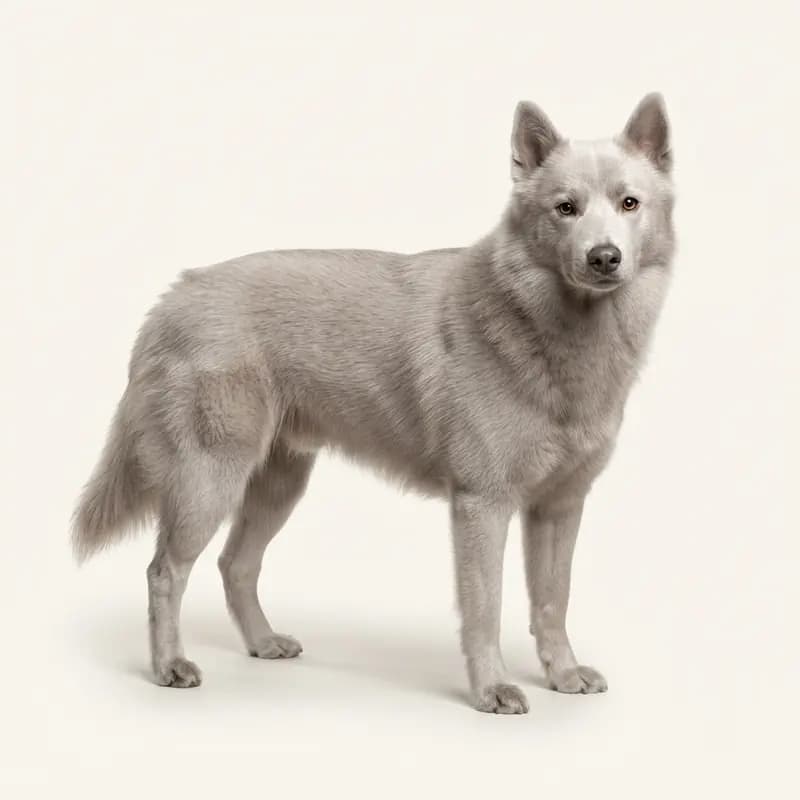
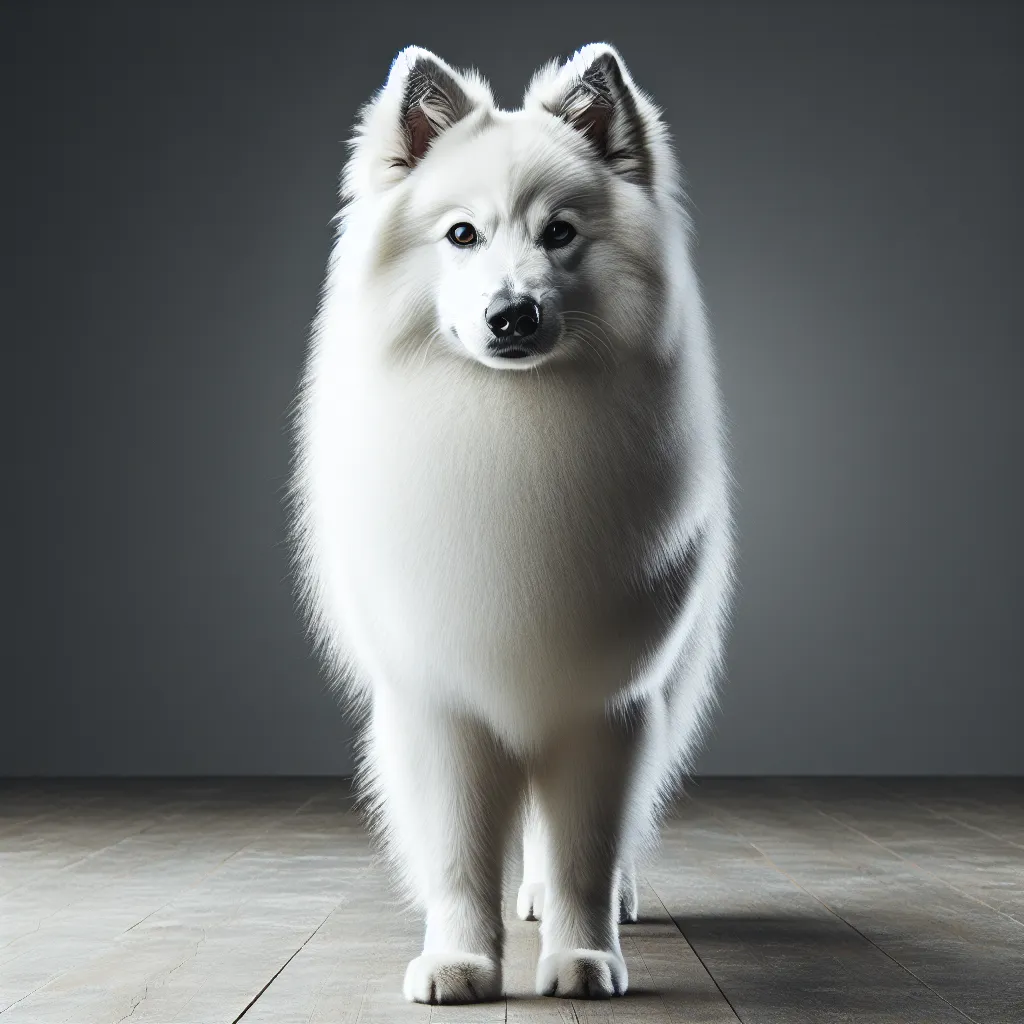 AI-generated image
The Canadian Eskimo Dog is a tireless, primitive sled dog—bred for raw survival and pulling heavy loads in the extreme Arctic, not as a companion for a cozy living room.
How the health grade is calculated
Sources for required breeding screenings. Deutscher Club für Nordische Hunde e.V. (DCNH) · Deutscher Club für Nordische Hunde e.V. (DCNH)
Self-check
Answer 6 quick questions about your everyday life and see how well the Canadian Eskimo Dog fits you — including an honest cost estimate per month, per year, and across the dog's lifetime.

At a glance
The essentials — key facts, traits, and health priorities — before you dive deeper.
Lifespan
10–15 yrs
Shoulder height
50–70 cm
Weight
18–40 kg
Practical
Temperament
Daily life
What matters most
Especially with a Canadian Eskimo Dog, choosing the right breeder is the single most important decision you'll make. Serious breeders consistently test the parents for inherited conditions, prioritize healthy early socialization, and stay accountable long after handover. A cheap puppy without health screening tends to become the most expensive dog later on.
See HonestDog breeder standards →Colors & coat
The coat colors that occur in the Canadian Eskimo Dog — including which ones fall outside the breed standard and which carry genetic risk.
Eye colors
 Brown
 Amber
Coat type
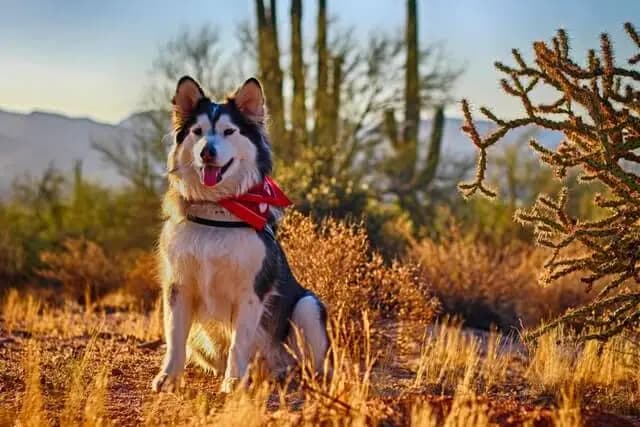
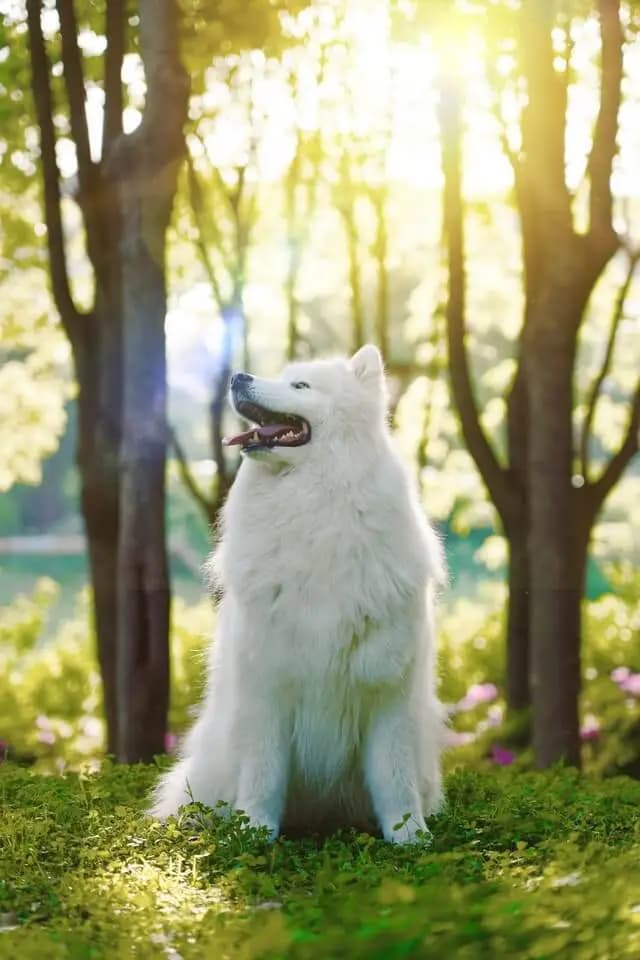
 Double coat
 Medium
The real vibes check
A Canadian Eskimo Dog doesn't negotiate obedience; he thinks in terms of survival strategies and pack hierarchies. You aren't bringing a cuddly family dog into your home, but a piece of the wild Arctic that will wither away without heavy physical work in front of a sled or training cart. If you share your life with him, you must become a musher yourself—otherwise, he will take the lead without compromise.
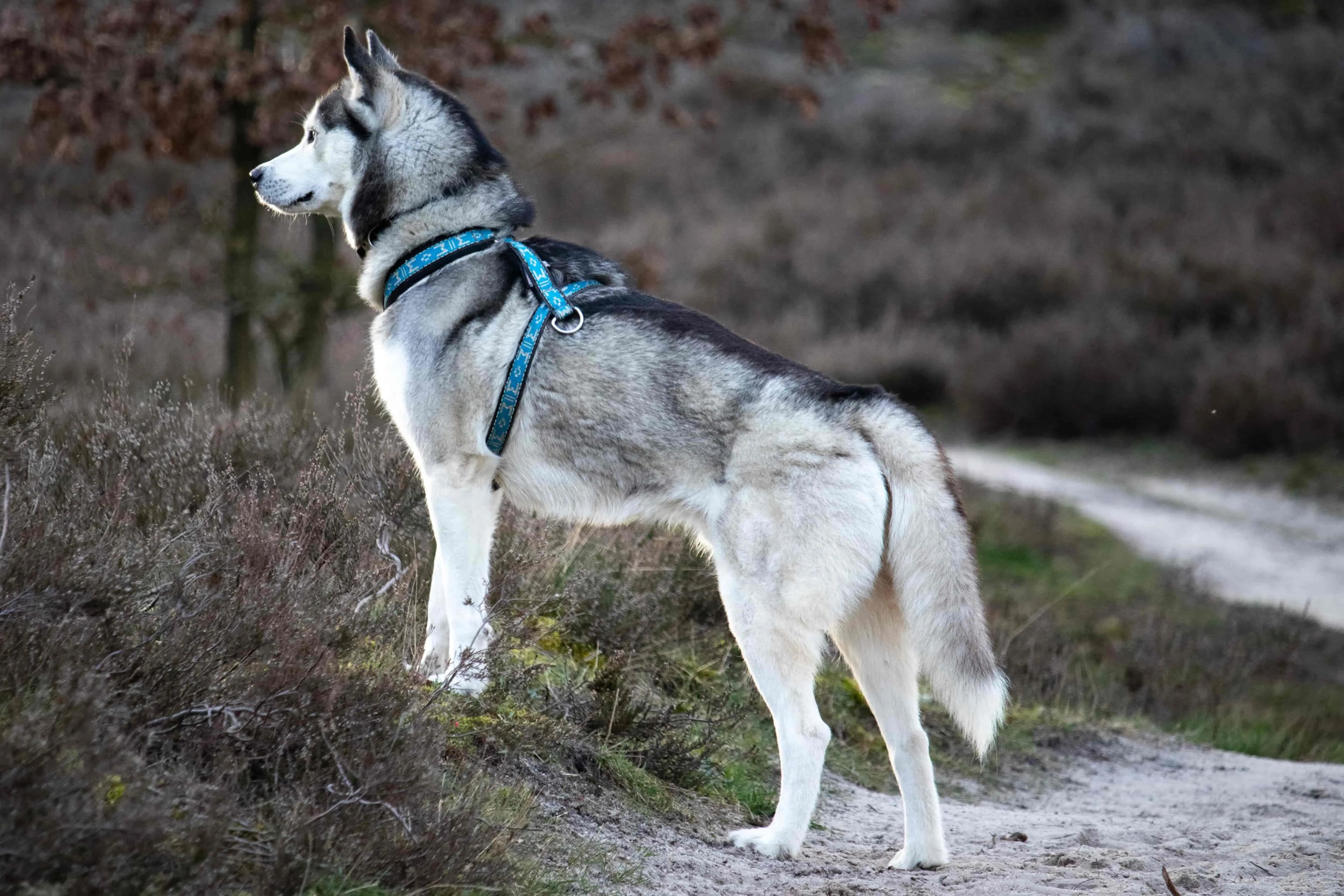
The Canadian Eskimo Dog is a robust and resilient dog breed originally bred by the Inuit in Arctic Canada. It belongs to the group of sled dogs and was specifically bred for pulling sleds and surviving under extreme climatic conditions. The Canadian Eskimo Dog is characterized by its strong, muscular build, dense, weather-resistant coat, and erect ears. Its head is broad with expressive eyes that convey intelligence and alertness. Within the breed, there are different lines that can vary slightly in their working ability and appearance. These versatile dogs are not only excellent working animals but also loyal and affectionate companions.
The Canadian Eskimo Dog is a robust and resilient dog that was originally bred as a sled dog in the Arctic regions of Canada. It is characterized by its enormous endurance, strength, and adaptability to extreme weather conditions. Despite its independent nature, it is very loyal and forms a close bond with its family. This dog has a strong work drive and requires a lot of physical and mental exercise to remain balanced. It is excellent for activities such as sled pulling, search and rescue work, or other tasks that require endurance and teamwork. Due to its intelligence and independent nature, consistent but loving training is important to channel its energy in the right direction. The Canadian Eskimo Dog is alert and shows natural protective behavior without being aggressive. It is usually reserved towards strangers but not hostile. Its prey drive is moderate, but recall training should begin early to prevent uncontrolled chasing. Overall, the Canadian Eskimo Dog is a loyal, hardworking, and resilient companion, especially suitable for active people with experience handling strong-willed dogs. It needs a lot of exercise, clear structure, and a close bond with its owner to reach its full potential.
| Watchfulness Occasionally alerts but is fundamentally open. | Low |
| Openness to Strangers Neither pushily friendly nor suspicious. | Neutral |
| Hunting or Herding Drive This drive runs deep — no amount of training eliminates it. | Very strong |
Fun Fact!
Canadian Eskimo Dog: The Canadian Eskimo Dog is one of the oldest and most robust dog breeds in North America, bred by the Inuit as a loyal companion and sled dog. With its thick coat, it withstands icy temperatures and is a true survivor in the Arctic.
The Canadian Eskimo Dog is a strong and enduring working dog originally bred for sled pulling. These dogs are intelligent, loyal, and require a lot of exercise as well as clear leadership. They are well suited for active people and families looking for a robust and resilient companion. Due to their strong hunting and protective instincts, they need consistent training and sufficient activity.
The Canadian Eskimo Dog is a robust and independent dog that was originally bred for harsh climatic conditions. It requires a lot of exercise and mental stimulation to be balanced and content. This breed is very loyal and forms a close bond with its family, but also shows a certain degree of independence. Canadian Eskimo Dogs are alert and can be reserved towards strangers, which is why early and consistent socialization is important. They are usually patient and friendly with children but should always be supervised due to their strength and temperament. They can get along well with other pets if they are accustomed to them from a young age. Overall, the Canadian Eskimo Dog is a demanding but loyal companion that is best suited to an active household with plenty of exercise and engagement.
Gets on well with different people and varying routines.
Gets on well with children — with adult supervision.
Usually gets on fine with other dogs.
Suffers in tight urban conditions.
Owning a dog is a privilege, but it's also a real responsibility. Before you bring one into your life, be honest with yourself about the commitment it takes.
The Canadian Eskimo Dog is an independent and intelligent working dog originally bred for harsh conditions and demanding tasks. Its training requires patience, consistency, and a deep understanding of its independent nature. Unlike with Labradors or German Shepherds, it is important to provide the Canadian Eskimo Dog with clear structures without overwhelming or dominating it. This breed shows high endurance and resilience, which is why training sessions should be designed to be sensible and varied. Fetch games or classic dog sports are possible, but the focus should be on practical and everyday relevant exercises that promote its natural abilities. Frustration tolerance is also an important point here, as the Canadian Eskimo Dog can sometimes be stubborn and does not always obey immediately. Early and consistent socialization is essential to avoid unwanted protective or territorial behavior. Positive, reward-based training strengthens the bond between you and your dog and motivates it to learn with joy. Due to its strong work drive and independence, the Canadian Eskimo Dog is not a dog for beginners, but for people who are willing to invest time and energy into clear, loving leadership. Overall, the Canadian Eskimo Dog is a demanding but rewarding companion that becomes a balanced and reliable partner through targeted training and activity.
The Canadian Eskimo Dog requires a balanced diet that is rich in high-quality proteins to maintain its energy and muscle mass. Due to its origin from cold regions, it is important to ensure sufficient calorie intake, especially for active dogs. High-quality food that contains all essential nutrients optimally supports its health. The dense, double-layered coat of the Canadian Eskimo Dog protects it excellently against the cold. Regular brushing, at least 2-3 times a week, is necessary to remove loose hair and prevent matting. Especially during the shedding seasons in spring and autumn, they shed heavily, so more intensive coat care is advisable then. The Canadian Eskimo Dog is well adapted to cold climates but can also cope with moderate temperatures. However, in extreme heat, one should ensure sufficient shade and water to prevent overheating.
| Care Level Regular brushing and occasional professional grooming. | Moderate |
| Exercise Needs Working-dog energy that needs burning off every single day. | High-drive |
| Shedding Regular shedding — dog hair on clothes is now normal. | Moderate |
| Trainability Has its own ideas and will test limits. | Strong-willed |
Our experts are still reviewing this information. Spotted something wrong? Email us at info@honestdog.de.
Solid
Health grade
In the Canadian Eskimo Dog, there are relevant health risks for degenerative myelopathy, hip dysplasia (HD), and hereditary eye conditions. A responsible breeder adheres to strict breeding guidelines and mates carriers of degenerative myelopathy exclusively with genetically clear animals. The Deutscher Club für Nordische Hunde e.V. (DCNH) mandates compulsory screenings for this. Before buying, have the breeder show you the records of the ophthalmological eye examination, the HD X-ray evaluation (maximum HD C, mated only with A or B), and the genetic test for degenerative myelopathy of the parent animals.
Grade is relative to other breeds — AI-assisted and editorially reviewed.
Methodology and data: HonestDog Dog Breed Health Report 2026
What matters most for this breed
Tap any item to see details.
With joint-friendly rearing and regular veterinary eye exams, these powerful working dogs usually remain fit and resilient for a long time.
Responsible breeders test for degenerative myelopathy, X-ray hips for hip dysplasia (HD), and perform an ophthalmological eye examination to prevent severe hereditary diseases.
Note: This health overview is AI-assisted and editorially reviewed. It is for orientation only and does not replace veterinary advice.
What matters most for this breed — what's common, how much it affects the dog's life, and how to protect yourself as a buyer.
Tap a body region to see the inherited conditions linked to it.
The three most important risks
Pick a region on the map to explore other areas.
Tier 1 reflects the tests Deutscher Club für Nordische Hunde e.V. (DCNH) actually mandates. Tiers 2 and 3 show how responsible breeders go beyond.
Club standard. Deutscher Club für Nordische Hunde e.V. (DCNH) requires these tests for breeding approval. Ask any reputable breeder for the results.
No entries in this tier.
No entries in this tier.
Note: This health overview is AI-assisted and editorially reviewed. It is for orientation only and does not replace veterinary advice.
A Canadian Eskimo Dog costs around ~€190 per month (€100 – €360, depending on your setup). The first year adds up to roughly ~€5,880 including purchase, equipment and puppy school; across the dog's life (12.5 years) it comes to about ~€32,330.
With surgery cover, running costs come to about ~€190 per month — in return, your share of a major operation drops from several thousand euros to around 20 percent.
Per month
~€190
In the first year
~€5,880
Across the dog's life
~€32,330
Estimated purchase price from a breeder: €2,000 – €3,500
Estimate at a mid-range setup (suburban, dry food, 1–2 hours of daily exercise), average German prices, as of July 2026.
HonestDog Concierge
We currently have no breeders for this breed who have passed our verification. Create your short buyer profile: we'll set up your search alert, review a possible source and email you within 28 days.
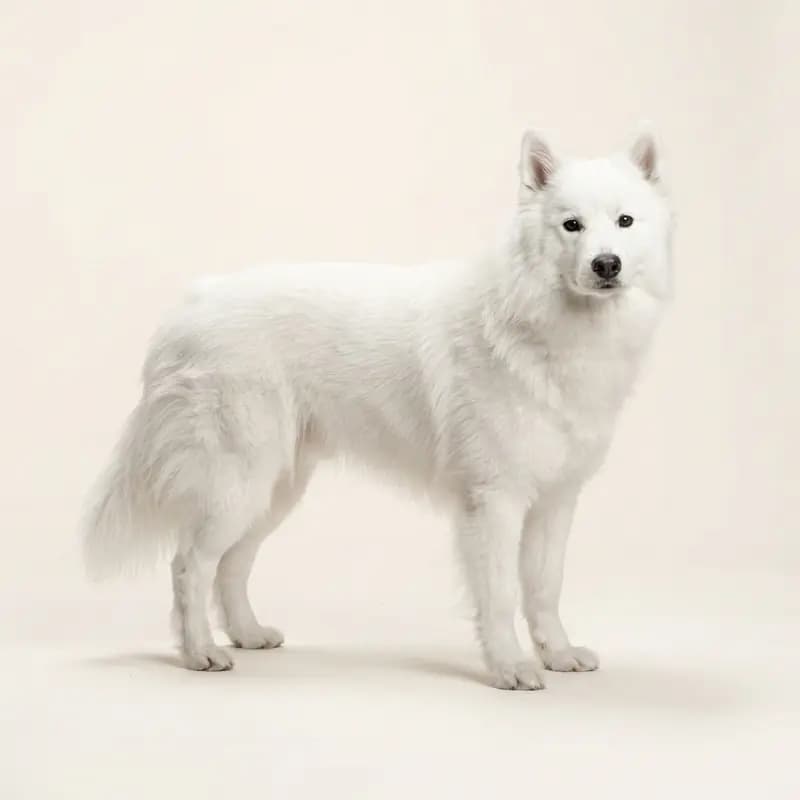
 Illustrative image
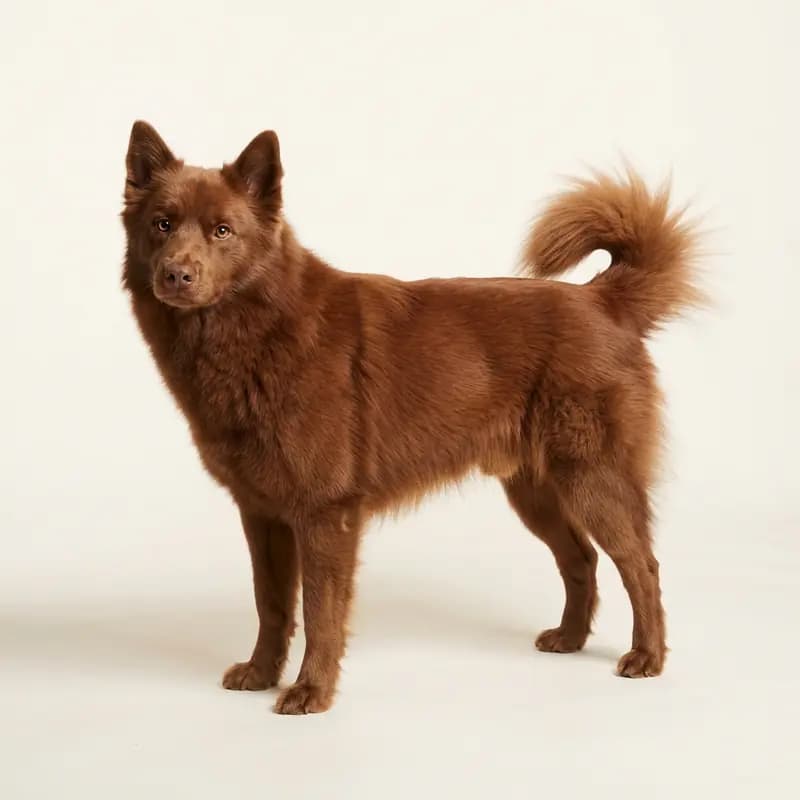
 Illustrative image
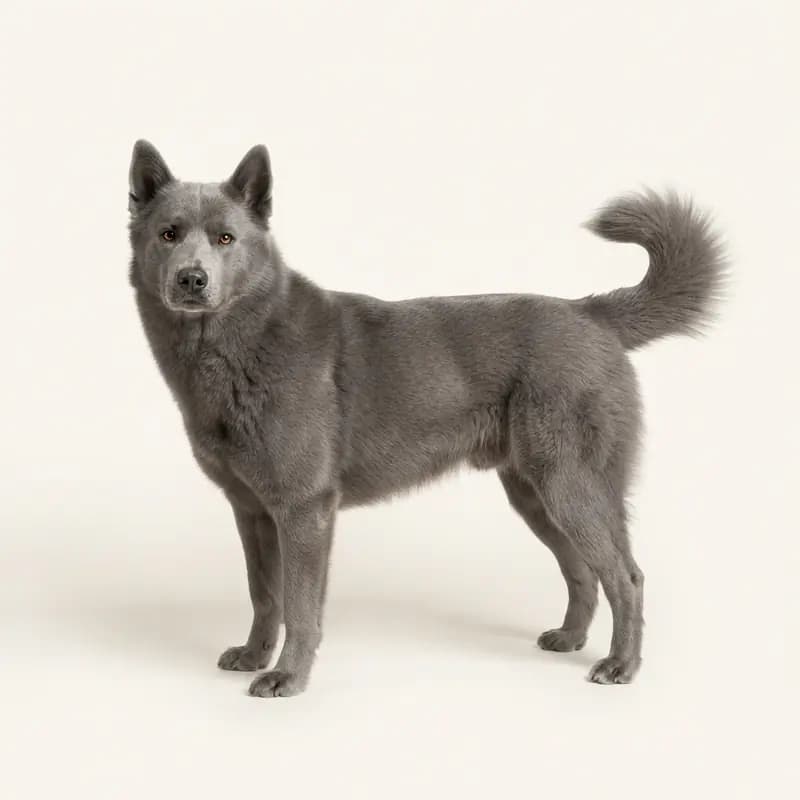
 Illustrative image
 Illustrative image
 Illustrative image
The history of the Canadian Eskimo Dog goes back many centuries and is closely connected to the indigenous peoples of the Arctic. These dogs were bred by the Inuit as sturdy sled dogs that could withstand extreme climatic conditions and were indispensable for hunting as well as for transporting loads over the ice. Their strength, endurance, and adaptability made them loyal companions in the harsh Arctic environment. In the 20th century, the breed nearly fell into oblivion due to the use of modern means of transport and diseases, but today the Canadian Eskimo Dog is valued and protected as an important cultural and historical dog breed of Canada.
The Canadian Eskimo Dog was used by the Inuit as a sled dog and hunting dog in arctic regions.
Canada
1100
Many owners and mushers stress that the Canadian Eskimo Dog (also called the Canadian Inuit Dog or Qimmiq) is at heart an uncompromising, primitive-type working dog and should never be thought of as an ordinary family or companion dog. People who own one usually build their whole life around its needs. Within its own human "pack," it is described as affectionate, loyal and, when properly exercised, surprisingly calm indoors.
At the same time, reports highlight its heavy demands for space and activity. Experienced owners consider life in a city apartment close to impossible; the dog needs plenty of secure outdoor space. Under-exercised dogs quickly turn destructive, digging heavily and wrecking things. Many experienced owners don't recommend it for families with small children because of its boisterous strength and its primal way of communicating.
When it comes to handling and training, owners consistently report a very independent, self-assured character. The Canadian Eskimo Dog learns quickly and is intelligent, but it has no blind obedience at all (no "will to please"). According to reports, pressure or excessive harshness quickly lead to stubborn refusal or broken trust; what's needed is calm, confident and fair leadership.
Leash manners are a recurring everyday challenge: because pulling in harness is deeply ingrained in the breed's genes, walking calmly on a leash takes a great deal of patience. Off-leash time is hardly possible in most areas, as owners report a very strong, uncompromising prey drive toward game and small animals. Communicating with dogs of other breeds is often difficult too, since the breed uses a very primal, status-conscious body language that can lead to conflict.
Sources:welpen.vdh.dedogtime.comfurrycritter.comreddit.comomlet.co.uk
Health-wise, the Canadian Eskimo Dog is generally considered very hardy, tough and seldom prone to illness. With a breed that has such a small breeding base, however, owners and breed wardens point out that orthopedic problems such as hip dysplasia (HD) and inherited eye diseases in particular need watching.
By far the biggest health burden in everyday life in Central Europe is the climate. Owners strongly warn about the summer months: with its very dense double coat, the dog can quickly suffer life-threatening heatstroke in warm or humid weather. While it truly comes alive in winter when temperatures drop into the double digits below zero Celsius and wants to sleep outside in the snow, in summer training has to stop completely, shady and cool spots have to be provided and walks moved to the cool early-morning or nighttime hours.
Sources:purina.dewelpen.vdh.deomlet.co.ukpeqaboo.comwagwalking.com
Paraphrased from real owner reports · translated from German
The Canadian Eskimo Dog is an active dog that needs plenty of exercise and mental stimulation. Research the temperament, grooming needs, and space requirements before deciding.
The average life expectancy of a Canadian Eskimo Dog is 10-15 years. With proper care and regular vet visits, your dog can live a long, healthy life.
Canadian Eskimo Dog grooming requirements include regular brushing, nail trimming, and dental care. HonestDog provides detailed grooming tips for every breed.
The Canadian Eskimo Dog can be a great family dog. Proper training and socialization are key. HonestDog provides family suitability information for every breed.
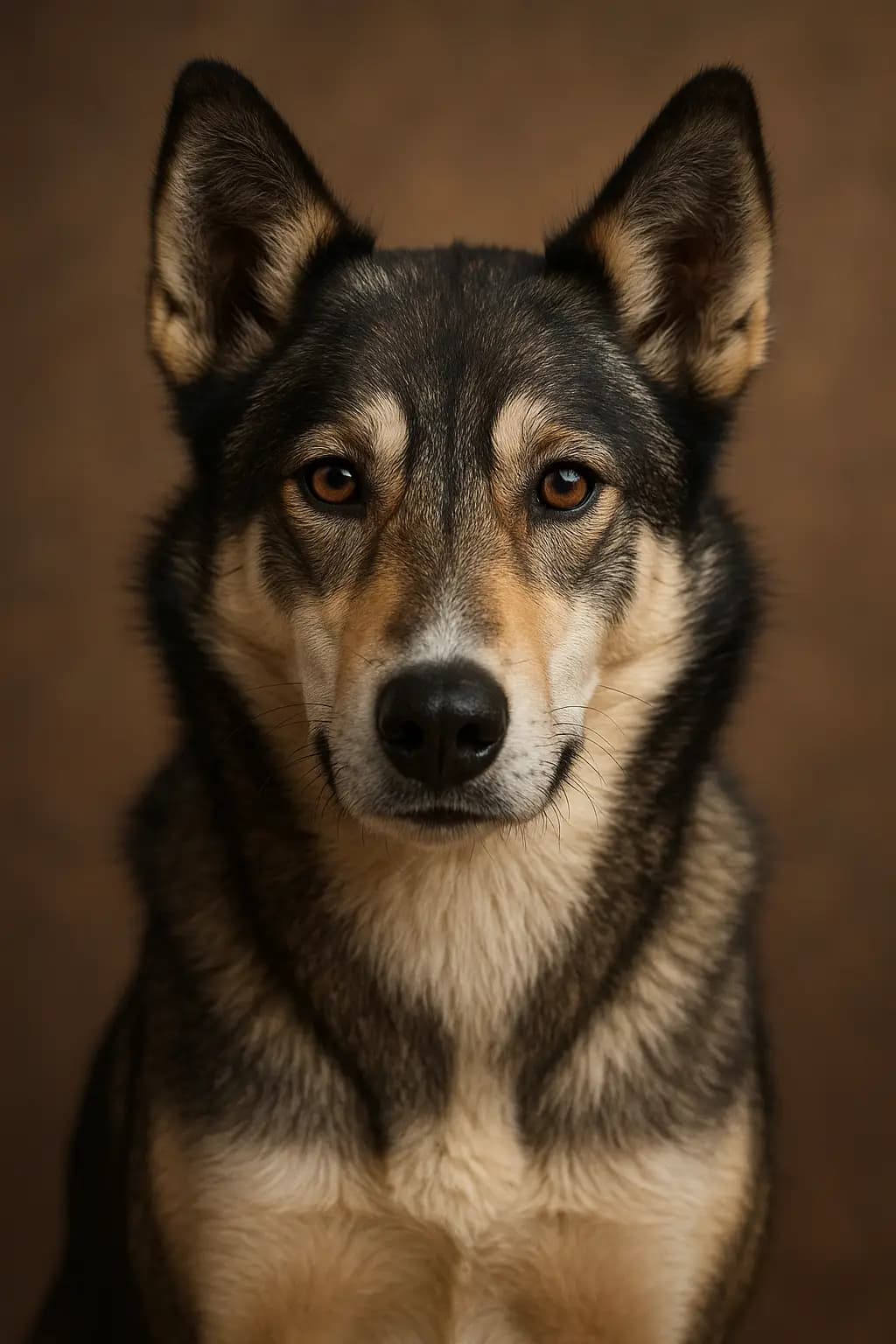
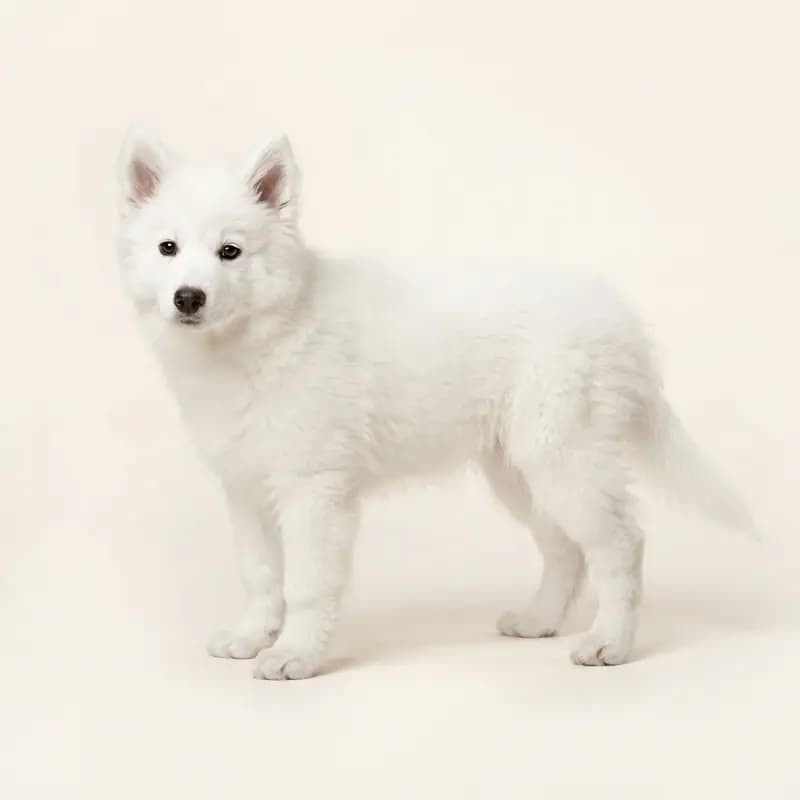
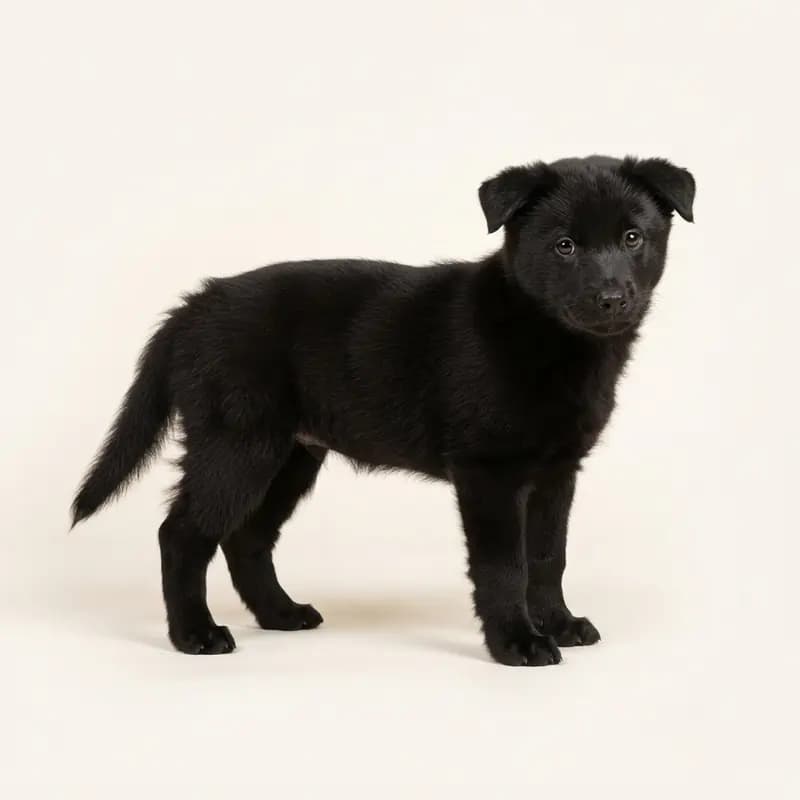
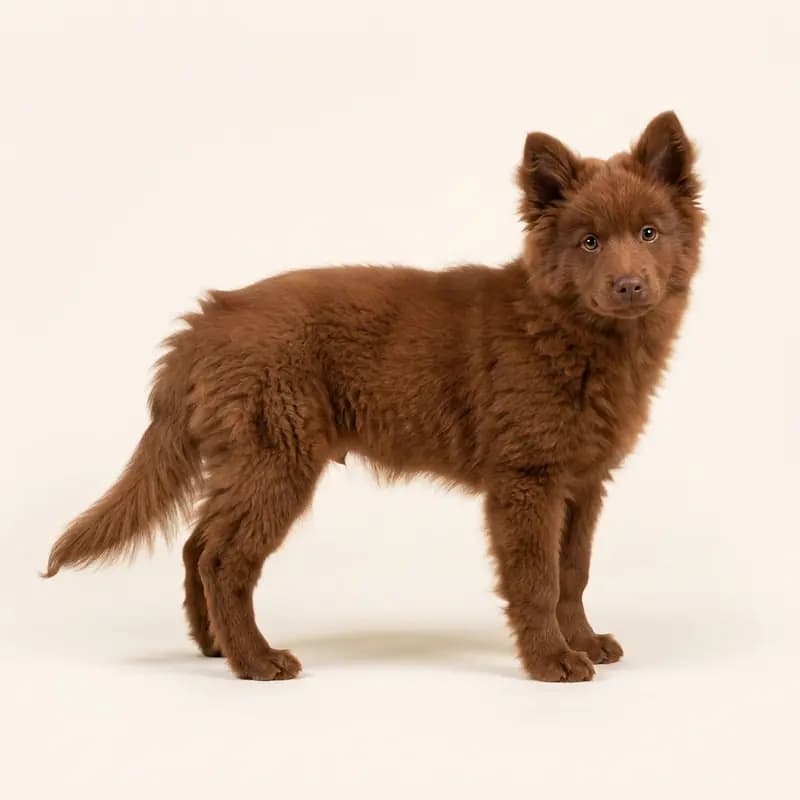
The Canadian Eskimo Dog comes in these colors: White, Black, Red, Grey, Silver, Sable, Black and white, Red and white, Brown and white, Bicolor, Piebald, Tricolor.
Showcase your kennel on HonestDog and reach families searching for a responsibly bred Canadian Eskimo Dog.