Loading breed
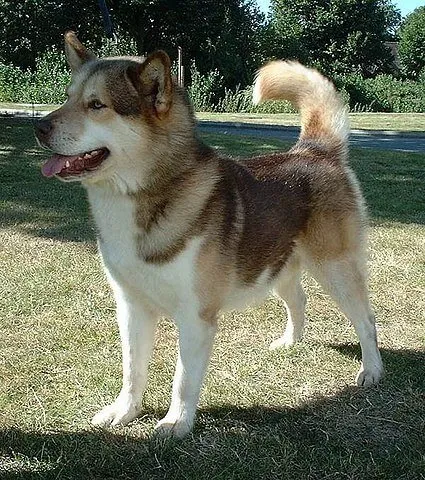
Greenland Dog
Health grade C- Shoulder height55–68 cm
- Weight25–35 kg
- Life expectancy10–14 yrs
- Puppy price2,000–3,000 €
- Energy5/5
The essentials at a glance
The Greenland Dog is a primitive, extremely resilient sled dog—bred as an uncompromising draft animal for Arctic conditions that works in a pack and is simply not made for a life as a pure family pet.
- Health grade C: With the Greenland Dog, you need to pay special attention to the musculoskeletal system and hereditary eye diseases: hip dysplasia (HD), cataracts, and primary lens luxation (PLL) are among the relevant risks for the breed.
- You are involved in serious sled dog sports and are looking for a true athlete that is passionate about pulling heavy loads over long distances.
- You have a large, escape-proof property and ideally live in a rural area with a cooler climate.
- You expect him to stay relaxed by your side off-leash during walks—his extreme prey drive and independence are deeply ingrained hardware.
Self-check
Would the Greenland Dog really fit your life?
Answer 6 quick questions about your everyday life and see how well the Greenland Dog fits you — including an honest cost estimate per month, per year, and across the dog's lifetime.
Fit checkCost estimateRisk dice
Takes about 1 minute · free & anonymous
Similar Breeds
Alaskan MalamuteSame FCI section
Siberian HuskySame FCI section
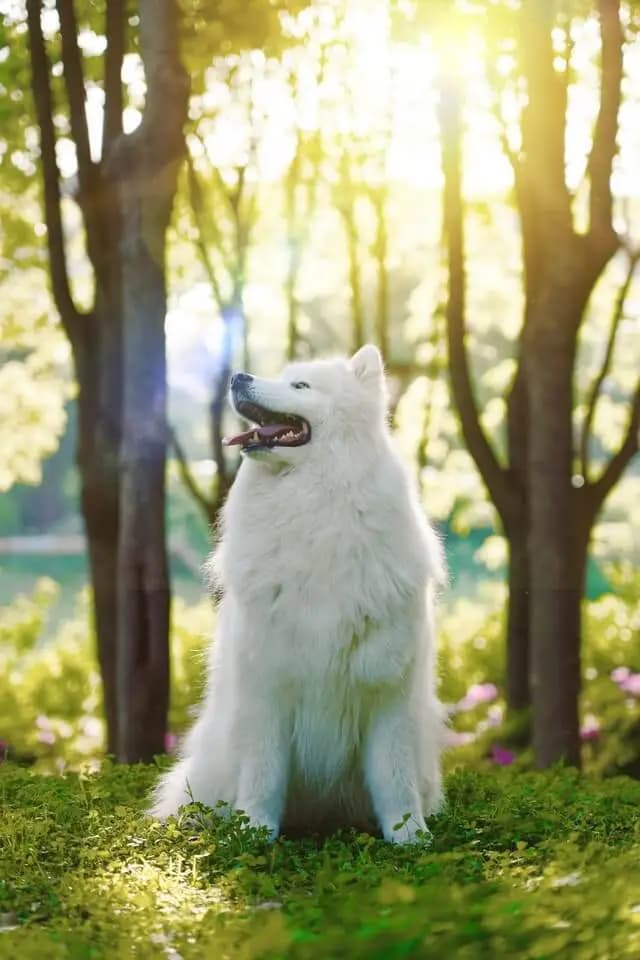
SamoyedSame FCI section
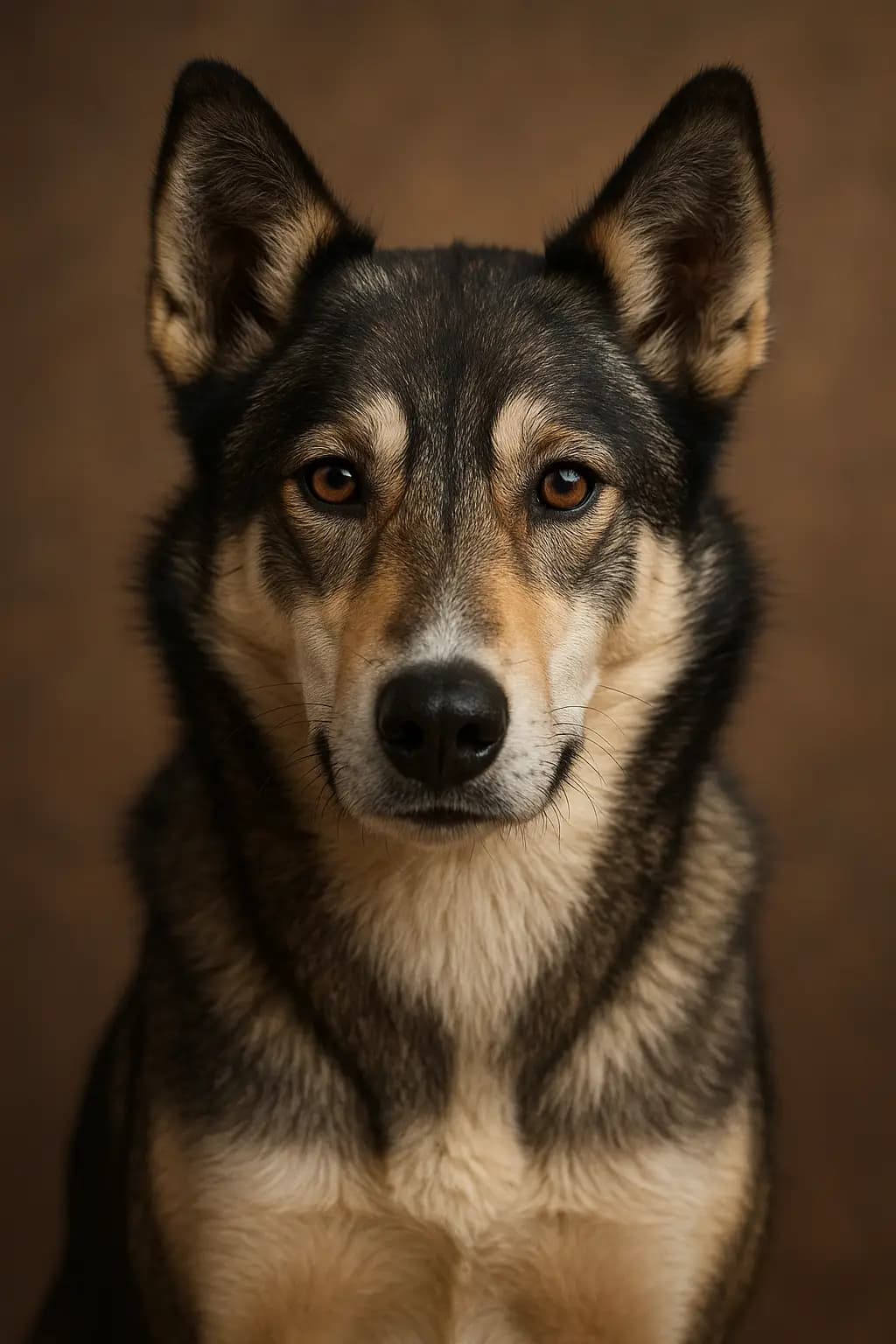

Yakutian LaikaSame FCI section
Is the Greenland Dog right for you?
At a glance
Greenland Dog overview
The essentials — key facts, traits, and health priorities — before you dive deeper.
Lifespan
10–14 yrs
Shoulder height
55–68 cm
Weight
25–35 kg
Practical
- Puppy price: 2,000 – 3,000 €
- Coat: Dense, medium-length fur with a dense undercoat
- Origin: Greenland
Temperament
Energy
Trainability
Family fit
With kids
Daily life
Care effort
Shedding
Barking
City-friendly
Guard instinct
What matters most
Especially with a Greenland Dog, choosing the right breeder is the single most important decision you'll make. Serious breeders consistently test the parents for inherited conditions, prioritize healthy early socialization, and stay accountable long after handover. A cheap puppy without health screening tends to become the most expensive dog later on.
See HonestDog breeder standards →Colors & coat
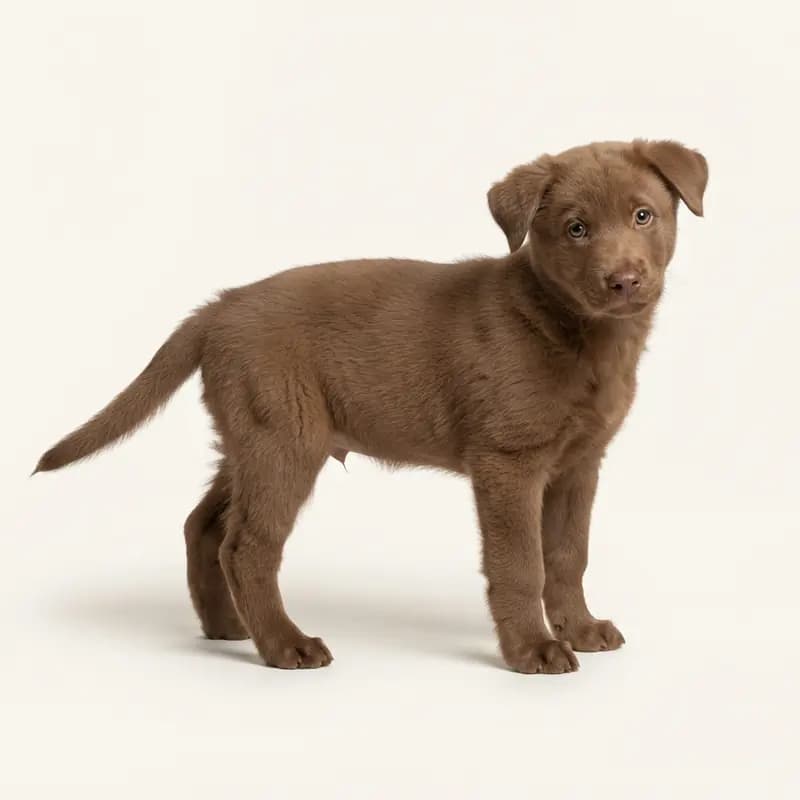
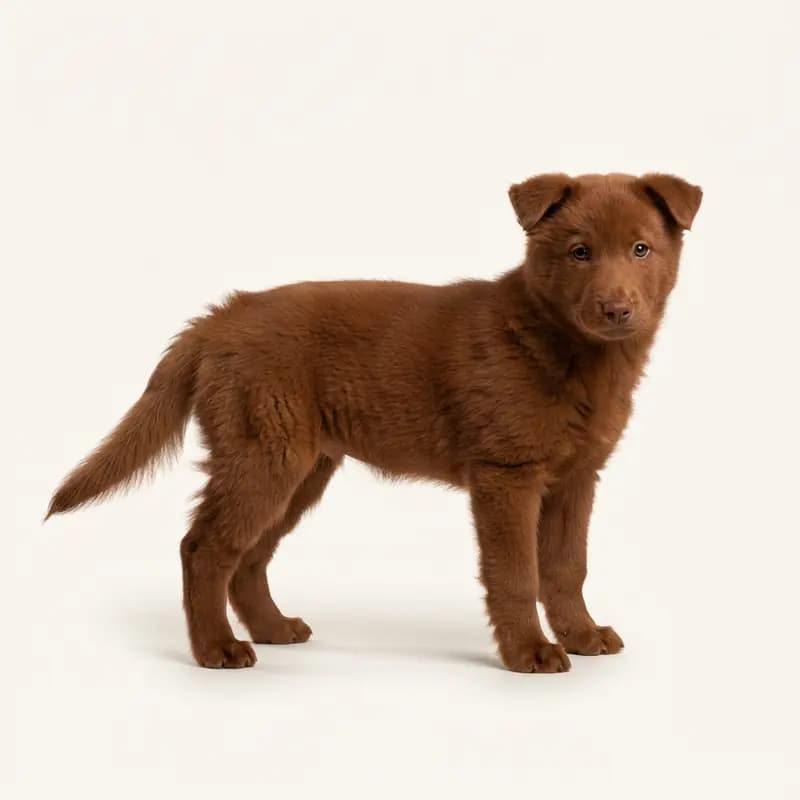
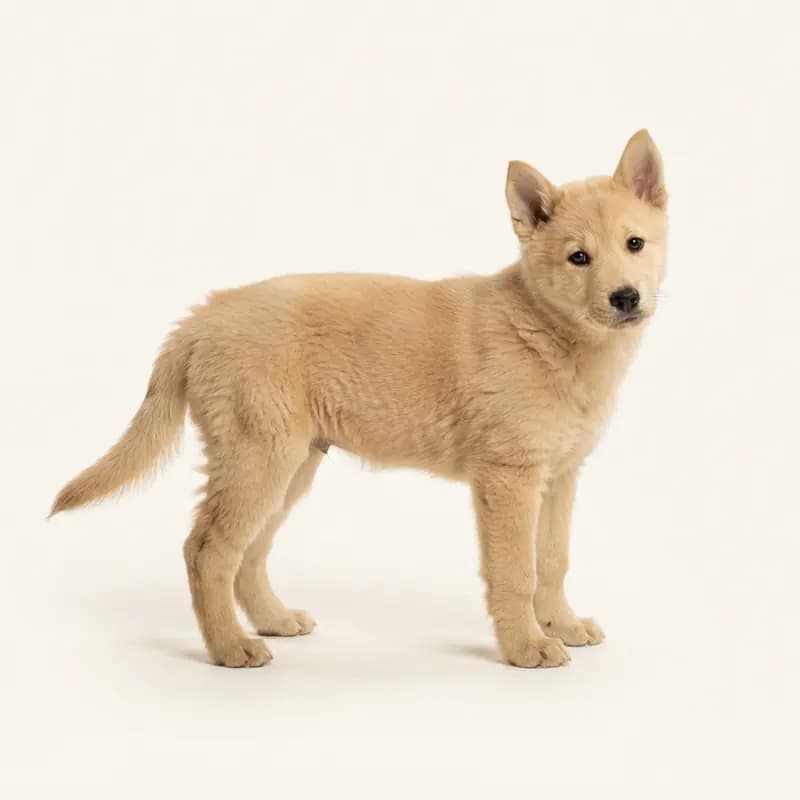
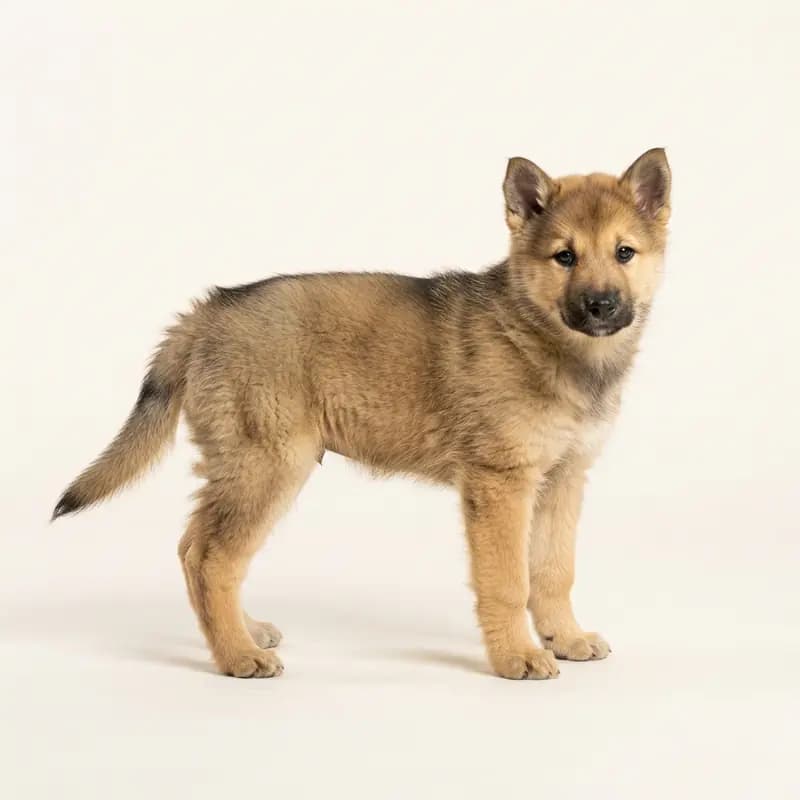
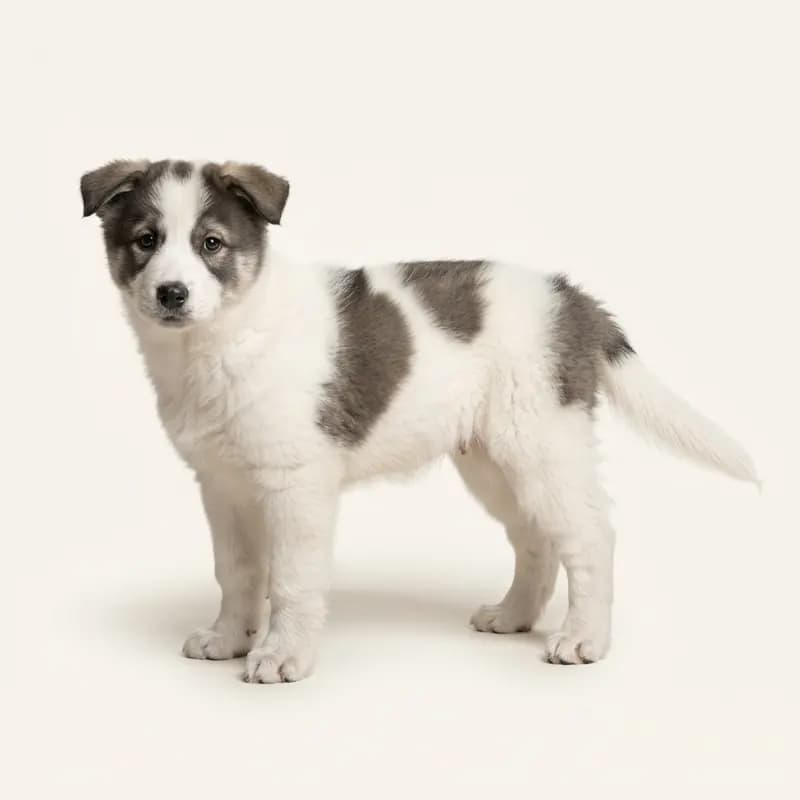
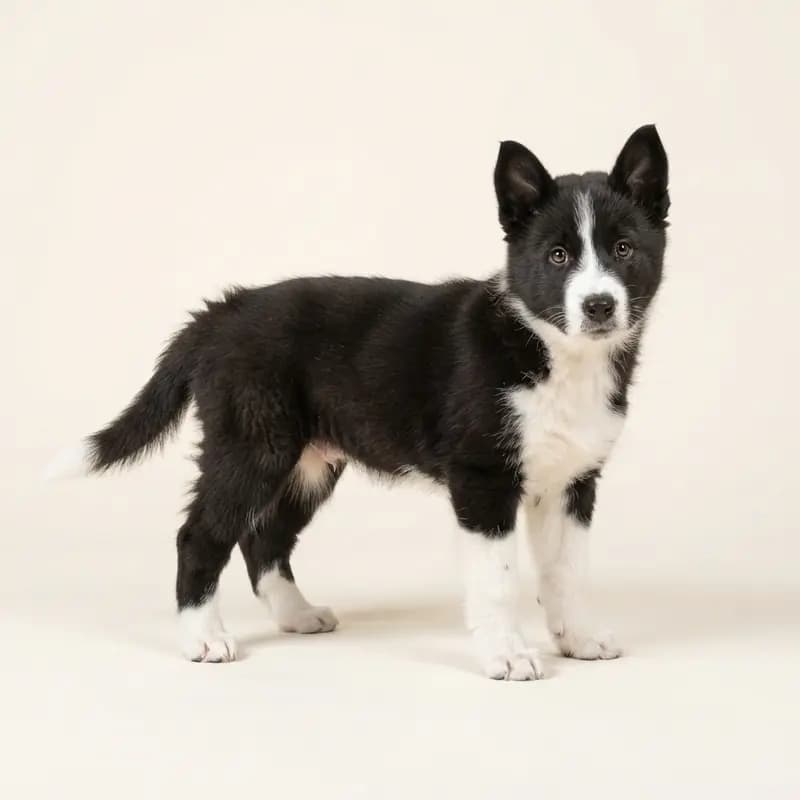
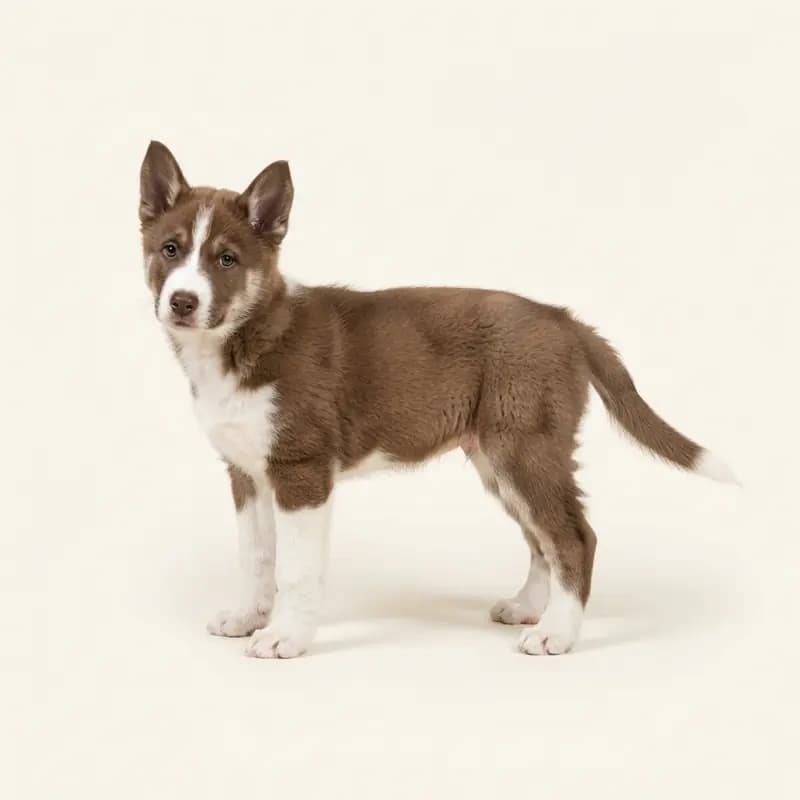
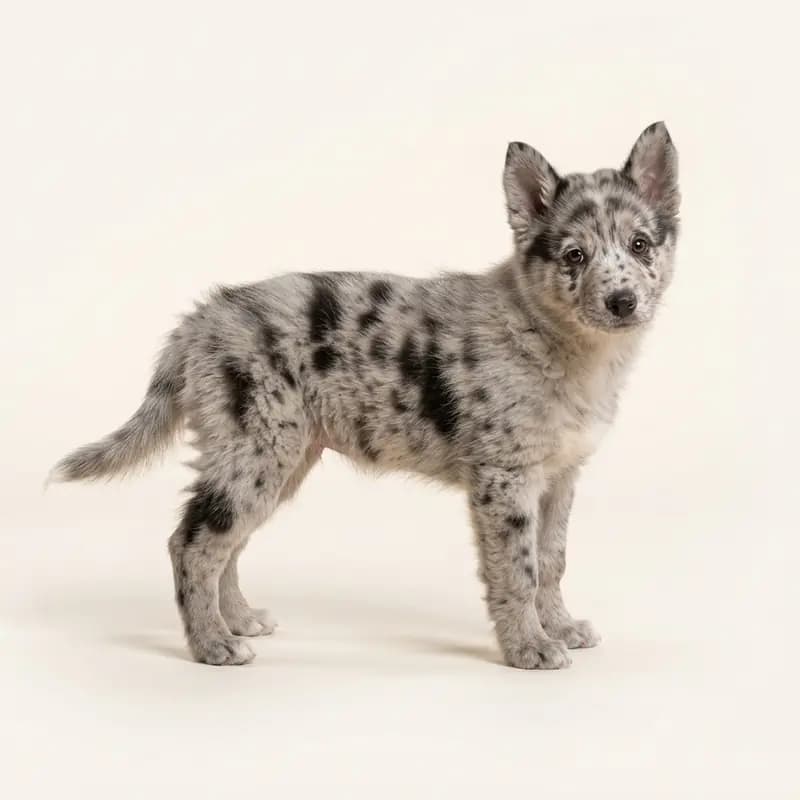
What colors does the Greenland Dog come in?
The coat colors that occur in the Greenland Dog — including which ones fall outside the breed standard and which carry genetic risk.
Eye colors
 Brown
 Amber
Coat type
 Medium
 Double coat
Perfect for you if:
- You plan to keep him in a pack rather than as a single dog, as this breed detests extreme social isolation.
- You lead with confidence and clarity, without expecting an absolute 'will-to-please'—this dog thinks and makes decisions very independently.
Less ideal if:
- You are looking for a companion for leisurely strolls in the park or a bit of trick training in the living room.
- You live in a thin-walled apartment or in the middle of the city, where his piercing voice and need for movement will quickly become a problem.
- You prefer to spend your summers outdoors in the heat—his Arctic coat makes Central European summers a challenge as it is.
The real vibes check
A Greenland Dog is not a classic pet that conveniently complements your life—he is an archaic lifestyle to which you must adapt your daily routine. When he throws himself into a harness and pulls the pack, you feel the raw power of centuries of Arctic selection. You aren't getting a soft companion for the couch, but an uncompromising child of nature born only for real work.
Breed Profile
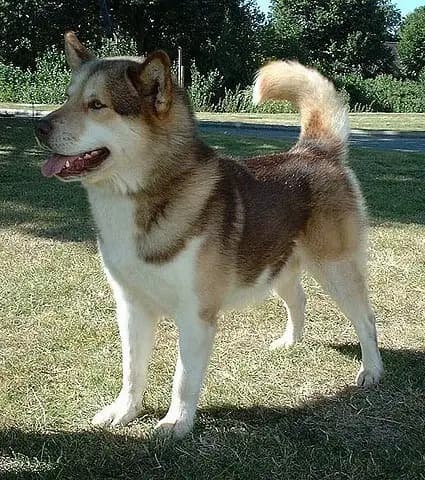
The Greenland Dog is a medium-sized dog with a robust and muscular build. This breed belongs to the FCI group of sled dogs and is characterized by its ability to work in extreme conditions. The Greenland Dog is a working dog through and through and has a long tradition as a sled dog in Arctic regions. He has great endurance and strength.
All measurements in detail
- Height
- 55 - 65 cm (Female), 60 - 68 cm (Male)
- Weight
- 25 - 30 kg (Female), 27 - 35 kg (Male)
- Life Expectancy
- 10 - 14 yrs
- Character
- Robust, eager to work, loyal
- Coat
- Dense, medium-length fur with a dense undercoat
- Coat Color
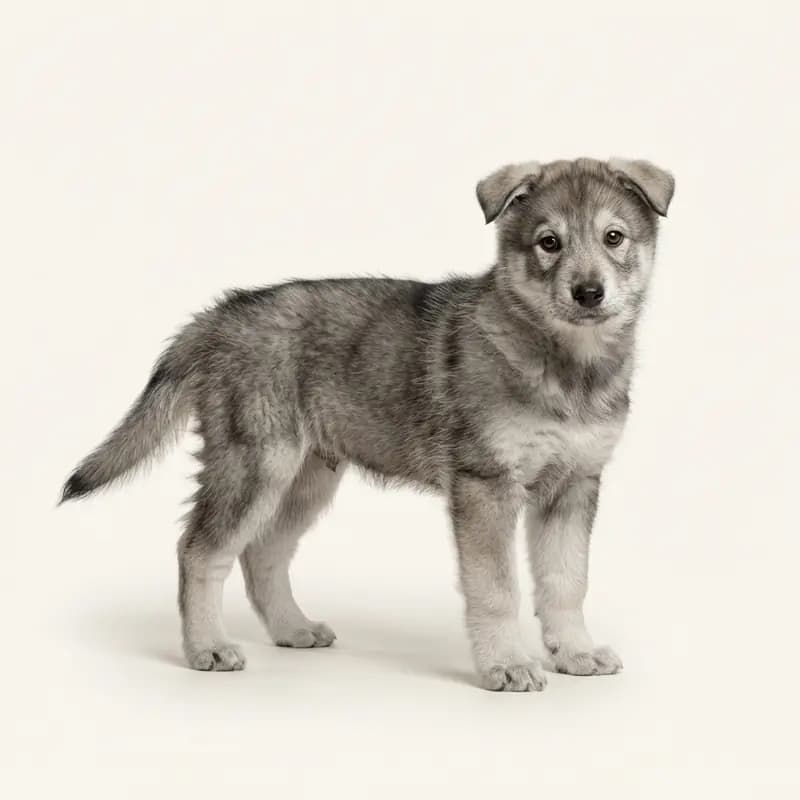
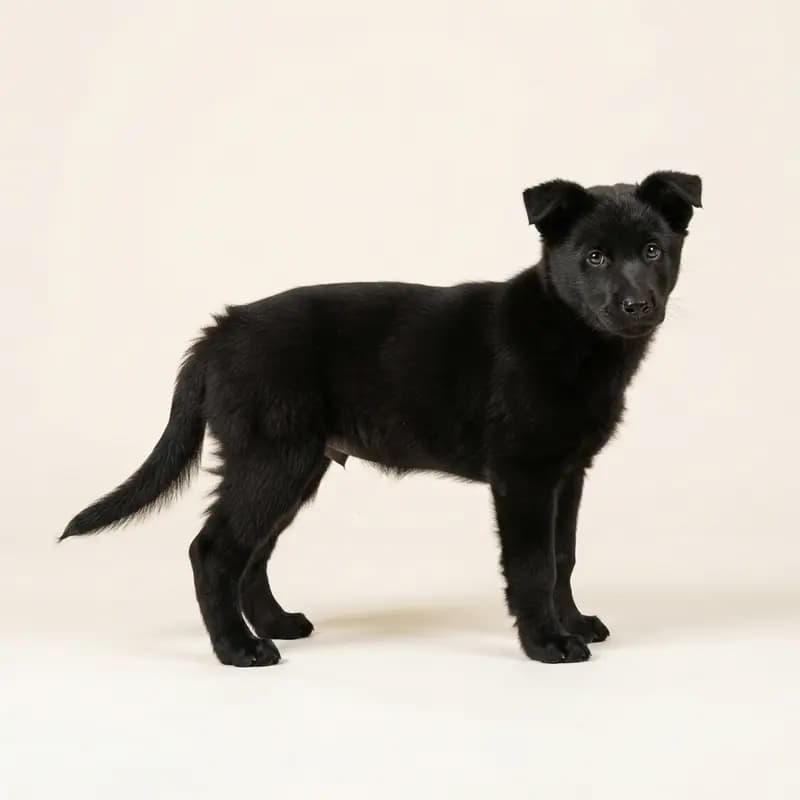
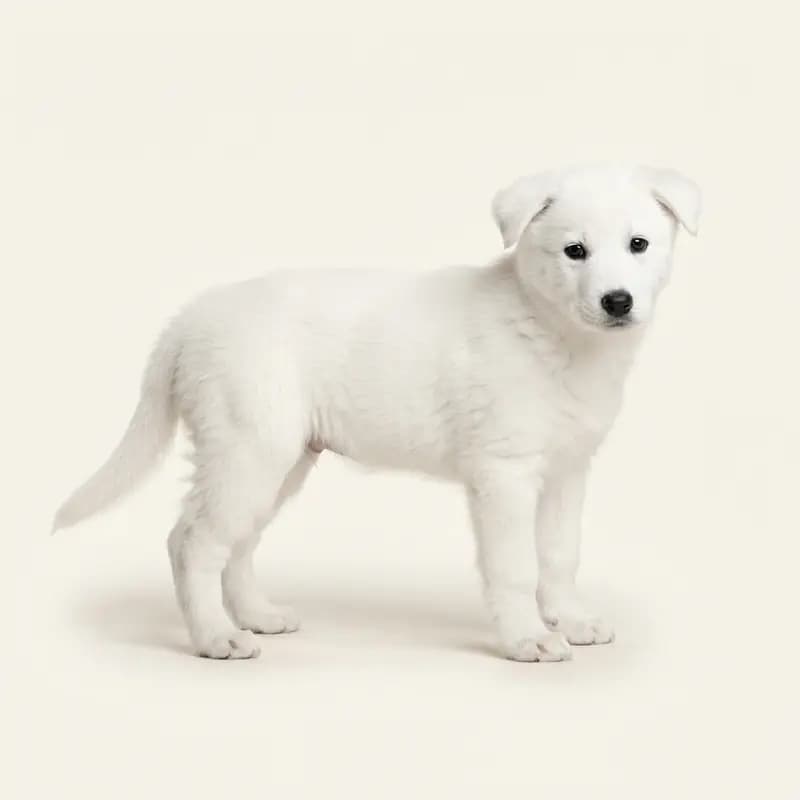
- Mostly grey, black or brown with white markings
- Price
- 2000 - 3000 €
Character & Temperament
The Greenland Dog is an extremely robust and hard-working dog. Its use is based heavily on its nature as a sled dog. This breed is known for its exceptional endurance, strength and resistance to cold. The Greenland Dog can pull long distances and move heavy loads. His temperament is calm and balanced, yet energetic when it comes to work. The Greenland Dog is an extremely people-oriented dog and shows a strong bond with its family. He is loyal, loving and devoted. However, this breed is not overly playful and independent. She is independent by nature and can show a certain degree of stubbornness. The Greenland Dog is a dog for experienced dog owners who are willing to give it clear leadership and consistent training. Due to its working characteristics, the Greenland Dog is a dog that likes to be kept busy. He needs a lot of physical and mental stimulation to be happy and balanced. Boring routine tasks are not for this breed. They love challenges and are ideal for sporting activities such as sled dog racing, agility and tracking. It is important to give the Greenland Dog a meaningful task to satisfy his natural work behavior. The Greenland Dog can easily learn to stay alone if he is used to it early on. This breed is not prone to excessive destruction or separation anxiety. However, it is important that the dog receives sufficient activity and attention when he is at home. Good socialization from the puppy on is also important to get the Greenland Dog used to different environments and people. In terms of hunting behavior, the Greenland Dog shows a certain interest in catching prey. Due to its origins as a sled dog, it can have a strong hunting instinct. Therefore, it is important to always keep him on a leash and in safe areas to avoid unwanted hunting behavior. The Greenland Dog is naturally alert and will warn his family of possible dangers. He can be a good guard dog, protecting his territory and watching strangers skeptically.
| Watchfulness A natural watchdog with real protective instinct. | High |
| Openness to Strangers Neither pushily friendly nor suspicious. | Neutral |
| Hunting or Herding Drive Noticeable drive — needs attention around small animals. | Moderate |
Fun Fact!
An interesting fun fact about the Greenland Dog is that they are one of the few dog breeds that are considered true sled dogs. Its ability to tow heavy loads over long distances makes it an important partner in the Arctic regions.
What Awaits You
Greenland dogs are, typical of sled dogs, independent dogs with a great passion for hunting. They are suitable for experienced dog owners, very active and sporty people.
Housing & Care
The Greenland Dog is an extremely active dog that requires a lot of exercise and physical challenge. Due to its original use as a sled dog, it is designed for long distances and challenging terrain. Therefore, keeping them in an apartment is usually not ideal for this breed. A house with a well-fenced garden where the dog has enough space to run around and play is an advantage. However, it is important to ensure that the garden is securely fenced in, as the Greenland Dog has a strong urge to move and likes to escape. The Greenland Dog can get along well with children, especially if it has been used to them from an early age. However, appropriate supervision is always necessary to ensure that both the dog and children are respectful of each other. Because of its size and strength, it is important that children respect the dog and handle it appropriately. Compatibility with other pets depends on socialization and introduction. The Greenland Dog can get along well with other dogs, especially if it has been introduced to them early on. However, it can be problematic with other pets such as cats or small animals, as the Greenland Dog's hunting instinct can be strong. Careful implementation and monitoring is required to avoid conflicts.
- Family Friendly
Loves family life and thrives in a group.
Family-oriented - Child Friendly
Takes boisterous and affectionate children in its stride.
Patient with children - Dog Friendly
Actively enjoys the company of other dogs.
Dog-friendly - City Friendly
Can manage in the city, but only with very active owners.
Difficult in cities
Owning a dog is a privilege, but it's also a real responsibility. Before you bring one into your life, be honest with yourself about the commitment it takes.
Training & Education
The Greenland Dog is an intelligent and hard-working dog that enjoys learning new tasks. Training should be consistent, yet sensitive and reward-based. Positive reinforcement and praise are effective methods to motivate and train the Greenland Dog. It is important that the Greenland Dog is kept sufficiently busy and can use his natural abilities. Sports such as sled dog racing, agility or tracking provide him with the mental and physical stimulation he needs. However, it is also important that the dog has enough rest and is not overexerted. A balanced mix of training, play and rest is crucial to keeping the Greenland Dog happy and balanced. Because the Greenland Dog can have a strong hunting instinct, it is important to keep them on a leash and in safe terrain. Reliable recall and good impulse control can also be important aspects of training. It is advisable to socialize the dog early with different environments and situations to promote his adaptability and behavior in public.
Nutrition & Care
The Greenland Dog's diet should be balanced and tailored to its individual needs. High-quality dog food that contains all the necessary nutrients is recommended. The amount of food depends on the dog's age, weight, activity level and health status. It is important to follow the manufacturer's feeding recommendations and adjust the amount of food accordingly. Grooming the Greenland Dog requires regular brushing, especially during shedding. The dense, medium-length fur and undercoat may become heavier during this time. Regular grooming helps remove loose hair and keep the coat healthy. The Greenland Dog sheds moderately all year round. Since the Greenland Dog was originally bred for cold climates, it should be appropriately protected in warm weather. Excessive heat can be challenging for this breed. It is important to provide the dog with a cool and shady place and to ensure that he has sufficient water available.
| Care Level Regular brushing and occasional professional grooming. | Moderate |
| Exercise Needs Working-dog energy that needs burning off every single day. | High-drive |
| Shedding Regular shedding — dog hair on clothes is now normal. | Moderate |
| Trainability Has its own ideas and will test limits. | Strong-willed |
Our experts are still reviewing this information. Spotted something wrong? Email us at info@honestdog.de.
Health & hereditary diseases
Health
C
Solid, watch carefully
Health grade
With the Greenland Dog, you need to pay special attention to the musculoskeletal system and hereditary eye diseases: hip dysplasia (HD), cataracts, and primary lens luxation (PLL) are among the relevant risks for the breed. Responsible breeders have their animals thoroughly examined for joint problems and eye damage before mating. Before buying a puppy, ask to see the official test results of the parent animals: for hip dysplasia (HD), the result should be at most HD A–C, and for cataracts as well as lens luxation (PLL), the status must be documented as clear.
Grade is relative to other breeds — AI-assisted and editorially reviewed.
Methodology and data: HonestDog Dog Breed Health Report 2026
What matters most for this breed
Tap any item to see details.
In daily life this can mean
You should avoid heat in the summer and ensure joint-friendly rearing so that your dog remains fit and resilient for a long time.
The breeder's role
Reputable breeders have the hips, elbows, and eyes of the parent animals checked and monitor for hereditary neurological diseases to preserve the robust health of the lines.
Note: This health overview is AI-assisted and editorially reviewed. It is for orientation only and does not replace veterinary advice.
Health risks for this breed
What matters most for this breed — what's common, how much it affects the dog's life, and how to protect yourself as a buyer.
14
Risks tracked
13
Recommended standard
7
High severity
Eyes
Most affected area
Where this breed is vulnerable
Tap a body region to see the inherited conditions linked to it.
The three most important risks
Pick a region on the map to explore other areas.
severemoderatemild
How thoroughly does the breeder test?
Tier 1 is the recommended health standard for this breed. Tiers 2 and 3 show how responsible breeders go beyond.
Recommended standard. These tests make up the recommended health standard for this breed — the baseline of any careful breeding program. Ask any reputable breeder for the results.
No entries in this tier.
Note: This health overview is AI-assisted and editorially reviewed. It is for orientation only and does not replace veterinary advice.
Costs & where to find one
How much does a Greenland Dog cost?
A Greenland Dog costs around ~€190 per month (€100 – €370, depending on your setup). The first year adds up to roughly ~€5,650 including purchase, equipment and puppy school; across the dog's life (12 years) it comes to about ~€31,150.
With surgery cover, running costs come to about ~€200 per month — in return, your share of a major operation drops from several thousand euros to around 20 percent.
Per month
~€190
In the first year
~€5,650
Across the dog's life
~€31,150
Estimated purchase price from a breeder: €2,000 – €3,000
Estimate at a mid-range setup (suburban, dry food, 1–2 hours of daily exercise), average German prices, as of July 2026.
Calculate your personal costs1-minute self-check with your own answers
Looking for a Greenland Dog?
HonestDog Concierge
No verified Greenland Dog breeders on HonestDog yet
We currently have no breeders for this breed who have passed our verification. Create your short buyer profile: we'll set up your search alert, review a possible source and email you within 28 days.
Appearance, variants & origin
 Illustrative image
 Illustrative image
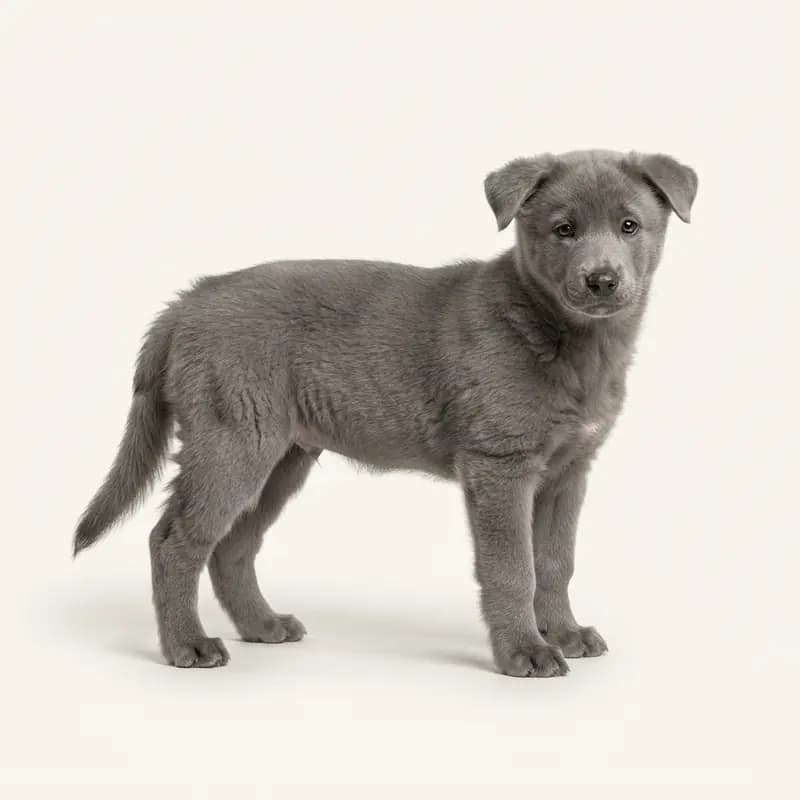
 Illustrative image
 Illustrative image
History
The full history
The Greenland Dog, as the name suggests, comes from Greenland. The breed was developed by the Inuit people and has a long history as a sled dog in the Arctic regions of North America. They were bred specifically to work in extreme weather conditions and are known for their physical strength and endurance. The Greenland Dog is one of the oldest dog breeds in the world and was recognized as an independent breed centuries ago.
Original Use
The Greenland Dog was bred by the Inuit as a sled dog for transportation and hunting, known for its endurance and resistance to cold.
Origin
Greenland
Date
Antike
Owner experiences
Owners and people who know the breed describe the Greenland Dog in daily life as a very primitive, original type of dog that is nothing l…Summarized from publicly shared owner experiences
Owners and people who know the breed describe the Greenland Dog in daily life as a very primitive, original type of dog that is nothing like a classic family or companion dog. It is usually very friendly, affectionate and open with people, including its own person. But many owners stress that this general friendliness toward people makes it completely unsuitable as a guard or watchdog, even if its imposing looks often put strangers off.
A real everyday challenge is its very strong pack and rank-order behavior. Owners with multiple dogs report that Greenland Dogs can fight among themselves very roughly, uncompromisingly and in earnest over resources and status. The breed also typically howls rather than barks, which can quickly cause conflicts with neighbors, especially in built-up residential areas or when the dogs are kept in the yard. Owners describe the breed as entirely unsuited to apartment living or life in the city.
In accounts of training, owners keep highlighting the Greenland Dog's survival-driven, primitive character.Summarized from publicly shared owner experiences
In accounts of training, owners keep highlighting the Greenland Dog's survival-driven, primitive character. A classic "will to please" is almost completely missing; these dogs are very independent and question whether a command makes sense in the situation. Owners warn against working with pressure or a heavy hand, since the dogs then respond with stubborn refusal. What they need, owners say, is calm, consistent, confident leadership that sets clear limits.
A central issue in practice is the breed's very strong hunting drive. Owners agree that off-leash time in areas with lots of game or in the woods is next to impossible. Deer, small animals or birds instantly trigger an unstoppable prey drive, and the dog can then barely be reached. Walking on a long line and rigorous leash training from puppyhood are therefore part of the required program, because an adult Greenland Dog can pull with tremendous force.
Sources:hundeseite.demit-tier.de
On exercise and care, active owners point out that walks are simply not enough for these dogs.Summarized from publicly shared owner experiences
On exercise and care, active owners point out that walks are simply not enough for these dogs. Greenland Dogs are purebred working and sled dogs. Many owners use pulling harnesses, training carts or sleds to challenge the dogs physically and mentally over long distances. If this urge to work and run isn't satisfied, the dogs tend toward frustration, digging or loud restlessness.
Health-wise, the Greenland Dog is considered very weatherproof and tough in cold, ice and wet. Central European summer heat, however, is very hard on these dogs because of their extremely dense double coat with lots of undercoat; owners have to cut back activities sharply in warm weather or move them entirely to the cool early-morning and nighttime hours. The heavy shedding in spring and fall is also described as time-consuming and hard on the vacuum cleaner, while otherwise, kept the right way and in cool weather, the dog rarely has issues at the vet.
Sources:mit-tier.deweltwach.dezooplus.dehundeseite.dekennel-eskifjordur.com
Paraphrased from real owner reports · translated from German
FAQ & more
Is a Greenland Dog the right dog for me?
The Greenland Dog is an active dog that needs plenty of exercise and mental stimulation. Research the temperament, grooming needs, and space requirements before deciding.
How long does a Greenland Dog live?
The average life expectancy of a Greenland Dog is 10-14 years. With proper care and regular vet visits, your dog can live a long, healthy life.
How much grooming does a Greenland Dog need?
Greenland Dog grooming requirements include regular brushing, nail trimming, and dental care. HonestDog provides detailed grooming tips for every breed.
Is a Greenland Dog good for families with children?
The Greenland Dog can be a great family dog. Proper training and socialization are key. HonestDog provides family suitability information for every breed.
What colors does the Greenland Dog come in?
The Greenland Dog comes in these colors: Grey, Wolf grey, Black, White, Brown, Red, Fawn, Sable, Piebald, Black and white, Brown and white, Merle. Colors that fall outside the breed standard are marked as such on the breed page.
Are you a Greenland Dog breeder?
Showcase your kennel on HonestDog and reach families searching for a responsibly bred Greenland Dog.