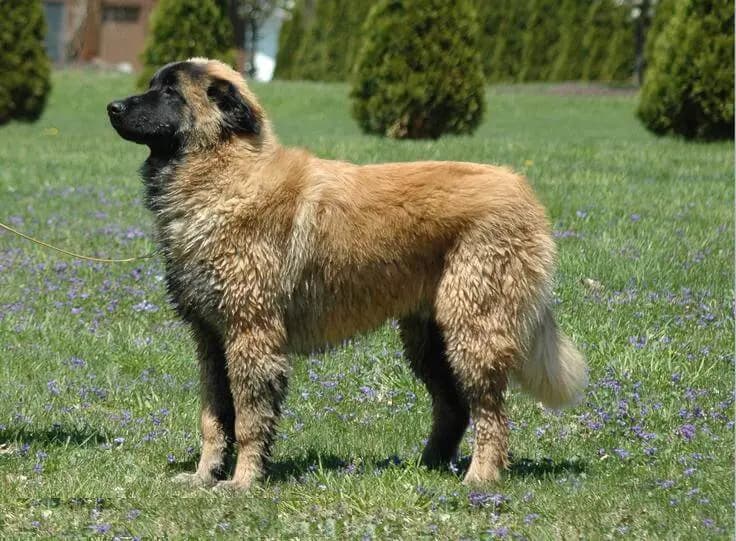
Estrela Mountain DogSame working temperament
 AI-generated image
The Cão de Castro Laboreiro is a primitive, territorial, and fearless dog—an autonomous livestock guardian dog bred in the rugged mountains of Portugal to independently defend livestock against wolves.
Self-check
Answer 6 quick questions about your everyday life and see how well the Castro Laboreiro Dog fits you — including an honest cost estimate per month, per year, and across the dog's lifetime.
At a glance
The essentials — key facts, traits, and health priorities — before you dive deeper.
Lifespan
12–15 yrs
Shoulder height
55–64 cm
Weight
25–40 kg
Practical
Temperament
Daily life
What matters most
Especially with a Castro Laboreiro Dog, choosing the right breeder is the single most important decision you'll make. Serious breeders consistently test the parents for inherited conditions, prioritize healthy early socialization, and stay accountable long after handover. A cheap puppy without health screening tends to become the most expensive dog later on.
See HonestDog breeder standards →Colors & coat
The coat colors that occur in the Castro Laboreiro Dog — including which ones fall outside the breed standard and which carry genetic risk.
Eye colors
 Brown
 Amber
Coat type
 Short
 Smooth
The real vibes check
A Cão de Castro Laboreiro is not a follower of orders, but an independent security expert who views your property as his personal project. He doesn't debate; he assesses situations and acts—that is exactly what he was made for. If you respect this uncompromising independence, you won't get a dog for everyone, but an incorruptible guardian who would go through fire for his family.
The Castro-Laboreiro dog is a robust and versatile breed from Portugal, traditionally used as a livestock guardian dog. It belongs to the group of herding dogs and is characterized by its strong, muscular build and dense, weather-resistant coat, which protects it well from the harsh conditions in the mountains. Its head is broad with alert, almond-shaped eyes and medium-sized ears that tilt slightly forward. Characteristic of the Castro-Laboreiro dog is its pronounced protective instinct and high vigilance, making it a reliable protector of livestock and property. Within the breed, there are no clearly separated lines, but individual dogs vary in temperament and appearance depending on origin and breeding goals. The Castro-Laboreiro dog requires consistent leadership and sufficient exercise to fully realize its potential.
The Castro-Laboreiro dog is a robust and confident livestock guardian dog with a strong protective instinct and pronounced territorial behavior. He shows a close bond to his family but is often reserved and watchful towards strangers. Due to his origin from the mountains of Portugal, he has high endurance and is very resilient to adverse weather conditions. This dog requires consistent but loving training and plenty of mental as well as physical exercise to fully develop his potential. He is intelligent and learns quickly but shows a certain independence that requires an experienced hand in training. The Castro-Laboreiro dog is especially suitable for people who provide clear structures and give him tasks where he can use his natural instincts, such as protection or guard duties. His pronounced protective drive makes him a reliable guard dog who defends his territory and family energetically without being unnecessarily aggressive. Due to his strong prey drive and vigilance, early socialization and consistent training are essential to promote balanced behavior. Overall, the Castro-Laboreiro dog is a loyal, brave, and hardworking companion for experienced dog owners with an active lifestyle.
| Watchfulness Strong territorial instinct — may actively confront intruders. | Very high |
| Openness to Strangers Distrustful of strangers — takes a long time to accept new people. | Very reserved |
| Hunting or Herding Drive Mild interest in movement and small animals — easily managed. | Low |
Fun Fact!
Castro-Laboreiro Dog: The Castro-Laboreiro Dog comes from the mountains of Portugal and was traditionally used to protect herds from wild animals. Despite its size, it is surprisingly agile and has a strong protective instinct, making it a loyal and brave companion.
The Castro Laboreiro dog is a vigilant and independent livestock guardian dog from Portugal. It is characterized by its robustness and loyalty and requires consistent training as well as sufficient activity. These dogs are territorial and are well suited as guard dogs, but they are also family-friendly when well socialized. The dense, usually gray or brindle coat protects them from harsh weather conditions.
The Castro-Laboreiro dog is a vigilant and independent livestock guardian dog that requires a lot of exercise and mental stimulation. It is particularly suitable for rural areas or houses with large gardens, as it needs plenty of space to run and can quickly become under-stimulated in city living. The Castro-Laboreiro is often reserved towards strangers but shows great loyalty and protectiveness towards its family. It is usually patient with children but should always be supervised due to its strong protective instincts and size. Early socialization with other dogs and pets is important to ensure it integrates well.
Gets on well with different people and varying routines.
Gets on well with children — with adult supervision.
Can get on with dogs it knows — strangers are a different story.
Suffers in tight urban conditions.
Owning a dog is a privilege, but it's also a real responsibility. Before you bring one into your life, be honest with yourself about the commitment it takes.
The Castro-Laboreiro dog is an independent and vigilant working dog that naturally has a strong protective instinct. Its training requires patience, consistency, and a keen sensitivity to its needs. Unlike Labradors or German Shepherds, it is important to give the Castro-Laboreiro enough freedom, as it does not always respond to constant commands and likes to think independently. Frustration tolerance and impulse control should be encouraged early to avoid unwanted protective or territorial behavior. Positive, reward-based training methods are also key here to build a trusting bond. Due to its independent nature, the Castro-Laboreiro is less suited for intensive dog sports but benefits from varied activities that meet its natural instincts, such as search games or controlled guarding tasks. Good socialization from puppyhood is essential to integrate the dog safely and balanced into everyday life. Those willing to invest time and calmness in training will gain a loyal, vigilant, and confident companion who thrives with clear structures and loving guidance.
The Castro-Laboreiro dog is a robust and resilient breed originally bred as a livestock guardian dog. A balanced diet with high-quality, protein-rich food is important to support its muscle strength and endurance. Be careful to avoid overfeeding, as excess weight can strain the joints. The dense, double-layered coat of the Castro-Laboreiro dog protects it well from cold and adverse weather conditions. Regular brushing, at least once a week, helps remove loose hair and keep the coat healthy. During the shedding season in spring and autumn, increased hair loss can occur, and more intensive brushing is recommended then. The Castro-Laboreiro dog adapts well to the Central European climate. Its coat protects against cold, but in extreme heat, sufficient shade and water should be provided to prevent overheating.
| Care Level Minimal effort — occasional brushing and bathing. | Low-maintenance |
| Exercise Needs Needs 1–2 hours of real exercise daily. | Active |
| Shedding Regular shedding — dog hair on clothes is now normal. | Moderate |
| Trainability Bred to make decisions without human direction. | Very independent |
Our experts are still reviewing this information. Spotted something wrong? Email us at info@honestdog.de.
Solid
Health grade
In the Castro Laboreiro Dog (Cão de Castro Laboreiro), the health profile is primarily shaped by orthopedic issues such as elbow dysplasia (ED) and hip dysplasia (HD), as well as severe conditions like dilated cardiomyopathy and degenerative myelopathy. Additionally, this large dog is at risk for gastric dilatation-volvulus (GDV) and eyelid abnormalities such as ectropion / entropion. A responsible breeder therefore has their breeding dogs comprehensively X-rayed, cardiologically examined, and genetically tested. Before purchasing a puppy, ask to see official proof of ED 0 and HD A–B, an unremarkable cardiac examination, and testing for degenerative myelopathy, where carriers must only be mated with clear partners.
Grade is relative to other breeds — AI-assisted and editorially reviewed.
Methodology and data: HonestDog Dog Breed Health Report 2026
What matters most for this breed
Tap any item to see details.
You should focus on joint-friendly rearing, a healthy weight, and regular eye check-ups to ensure your dog remains active and pain-free for a long time.
Reputable breeders have the hips, elbows, and eyes of the parent animals tested to specifically reduce avoidable risks in the lineage.
Note: This health overview is AI-assisted and editorially reviewed. It is for orientation only and does not replace veterinary advice.
What matters most for this breed — what's common, how much it affects the dog's life, and how to protect yourself as a buyer.
Tap a body region to see the inherited conditions linked to it.
The three most important risks
Pick a region on the map to explore other areas.
Tier 1 is the recommended health standard for this breed. Tiers 2 and 3 show how responsible breeders go beyond.
Recommended standard. These tests make up the recommended health standard for this breed — the baseline of any careful breeding program. Ask any reputable breeder for the results.
No entries in this tier.
Note: This health overview is AI-assisted and editorially reviewed. It is for orientation only and does not replace veterinary advice.
A Castro Laboreiro Dog costs around ~€190 per month (€100 – €370, depending on your setup). The first year adds up to roughly ~€5,530 including purchase, equipment and puppy school; across the dog's life (13.5 years) it comes to about ~€34,280.
With surgery cover, running costs come to about ~€190 per month — in return, your share of a major operation drops from several thousand euros to around 20 percent.
Per month
~€190
In the first year
~€5,530
Across the dog's life
~€34,280
Estimated purchase price from a breeder: €1,800 – €3,000
Estimate at a mid-range setup (suburban, dry food, 1–2 hours of daily exercise), average German prices, as of July 2026.
HonestDog Concierge
We currently have no breeders for this breed who have passed our verification. Create your short buyer profile: we'll set up your search alert, review a possible source and email you within 28 days.
 Illustrative image
 Illustrative image
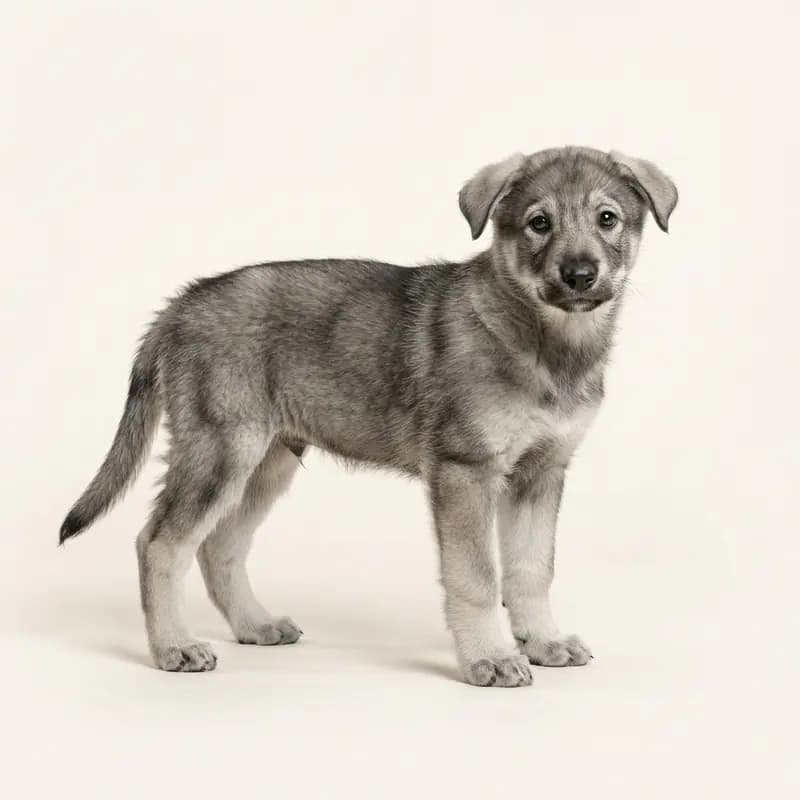 Illustrative image
The history of the Castro Laboreiro dog begins in the remote region of Castro Laboreiro in northern Portugal. This robust and versatile dog breed was bred over centuries by shepherds to guard sheep herds in the harsh mountain landscapes and protect them from predators. The Castro Laboreiro dog is characterized by its independence, vigilance, and great endurance. Despite its origins as a working dog in rural areas, the breed became increasingly appreciated in the 20th century as a guard and companion dog. Today, the Castro Laboreiro dog is considered a valuable heritage of Portuguese dog breeding and is enjoying growing popularity both in its homeland and internationally.
The Castro Laboreiro dog was used as a livestock guard dog in the Castro Laboreiro region to protect livestock from predators.
Portugal
1900
Owners and fans of the Cão de Castro Laboreiro describe it as unusually affectionate, cuddly and loyal with its inner circle. It stands out for being very calm and relaxed indoors; many owners mention its great patience in everyday family life and that, with the right guidance, it is remarkably tolerant and gentle with children. Still, its nature is fundamentally different from that of typical companion dogs: it rarely pushes itself on anyone and often takes on the role of a low-key observer, keeping an eye on what's happening rather than wanting to be the center of attention.
At the same time, owner reports point to the breed's unavoidable territorial and protective behavior. The Castro Laboreiro Dog is not considered aggressive without reason, but it always meets strangers with reserve or outright suspicion. Owners stress that unannounced visitors or open garden gates can become a problem in daily life, since the dog instinctively guards its home turf. Owners unanimously agree that the breed is not suited to an apartment or a lively household with a steady stream of visitors; it needs a well-fenced property and forward-thinking management.
Sources:haustiermagazin.comschaf-foren.orgtackenberg.dezooroyal.derundum.dog
Training reports and owners' accounts repeatedly warn against false expectations about obedience. The Cão de Castro Laboreiro learns quickly and is intelligent, but it has the livestock guardian's urge to assess situations and decide for itself. Owners note with humor that the dog usually understands commands but likes to question whether to carry them out and rarely responds at the first word. It can't be handled through unquestioning obedience; it cooperates only when it trusts its person and sees the point of what it's being asked to do.
Experienced owners warn especially firmly against harshness or pressure: despite its imposing appearance, the breed is considered mentally sensitive. Punishment or rough methods do lasting damage to trust and lead to shutdowns or open refusal. What it needs instead is calm, low-key consistency and early socialization. People with experience of independent working dogs value its fine sensitivity to quiet cues and its reliability once a real bond has formed.
Sources:haustiermagazin.comtackenberg.derundum.dogroubobloggt.wordpress.com
Compared with the often more ponderous, very massive livestock guardians, owners describe the Castro Laboreiro Dog as much more agile, active and athletic. Walks on a short leash alone won't satisfy it in the long run; it enjoys long hikes and extended outings in nature where it can put its considerable stamina to use. For all its love of work, though, it is not a classic sport dog for the training field: some can get excited about activities such as canicross or search games, but mindless repetition on the training ground quickly bores these dogs.
When it comes to care and health, owners consider the breed very rustic, weatherproof and low-maintenance. With its dense, medium-length coat and no excessive undercoat, an occasional brushing is plenty, since dirt hardly sticks. Breed-specific diseases rarely come up among owners, as the breeding base is original and not overbred. Even so, given the dog's size, experienced owners point to the usual caution about joint problems during growth, and note that there are hardly any puppies or breeders in Germany, so dogs here are placed almost exclusively through rescue organizations working abroad.
Sources:haustiermagazin.comzooroyal.deedogs.deguter-hund.dezoomalia.de
Paraphrased from real owner reports · translated from German
The Castro Laboreiro Dog is an adaptable dog that adjusts well to various lifestyles. Research the temperament, grooming needs, and space requirements before deciding.
The average life expectancy of a Castro Laboreiro Dog is 12-15 years. With proper care and regular vet visits, your dog can live a long, healthy life.
Castro Laboreiro Dog grooming requirements include regular brushing, nail trimming, and dental care. HonestDog provides detailed grooming tips for every breed.
The Castro Laboreiro Dog can be a great family dog. Proper training and socialization are key. HonestDog provides family suitability information for every breed.
The Castro Laboreiro Dog comes in these colors: Brindle, Wolf grey.
Showcase your kennel on HonestDog and reach families searching for a responsibly bred Castro Laboreiro Dog.