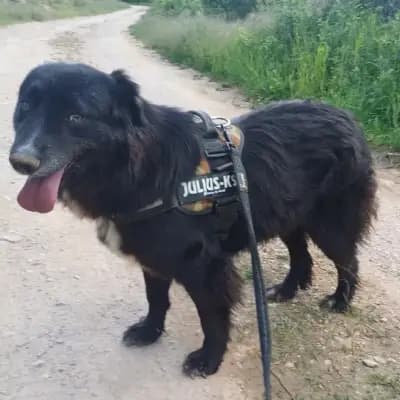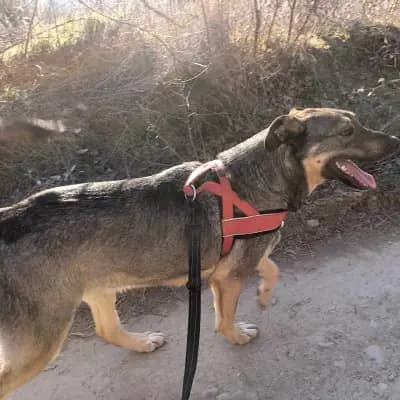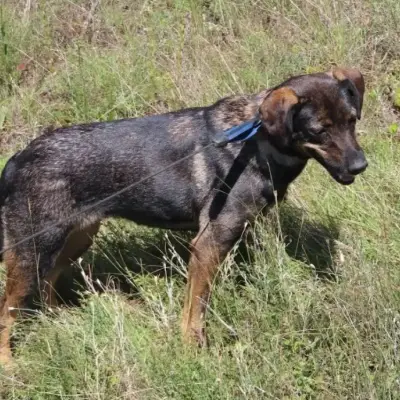
Adopting a Romanian Bucovina Shepherd: when a gentle giant is looking for a new home
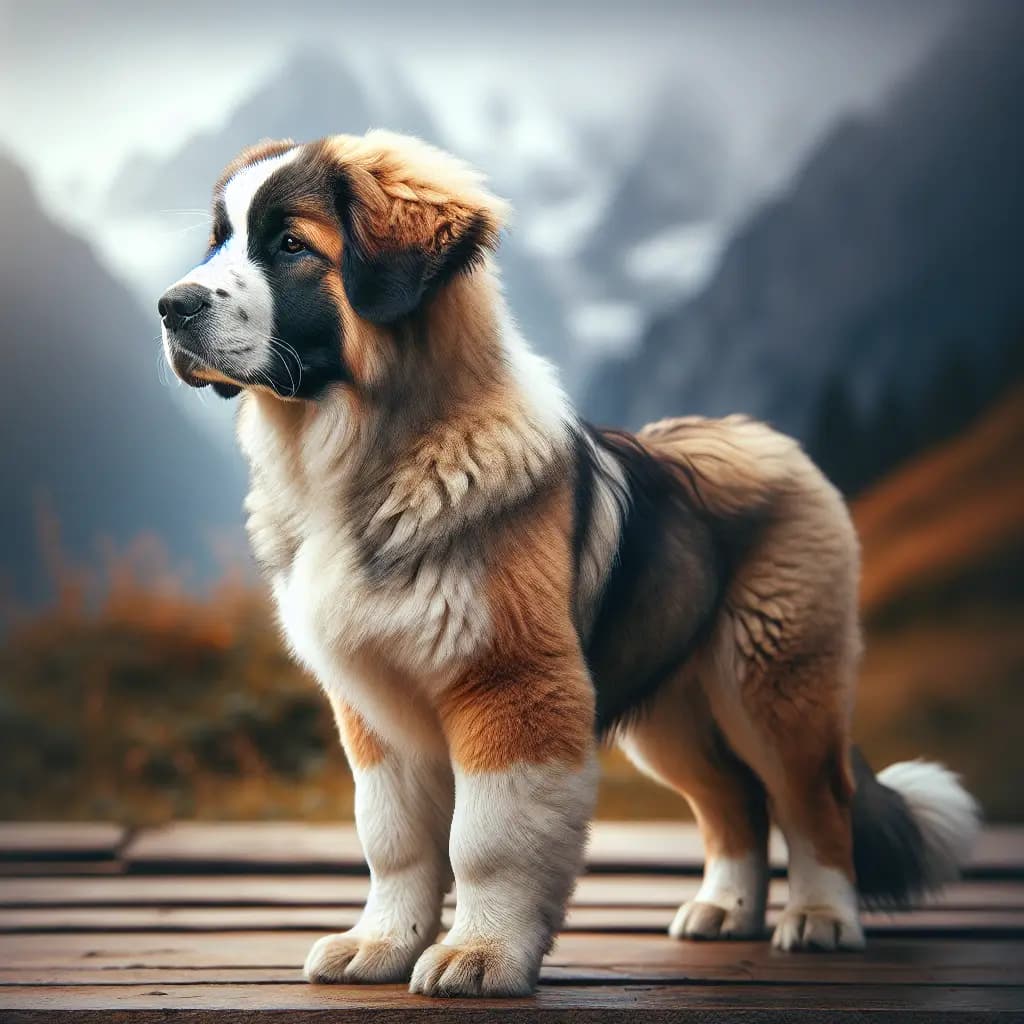
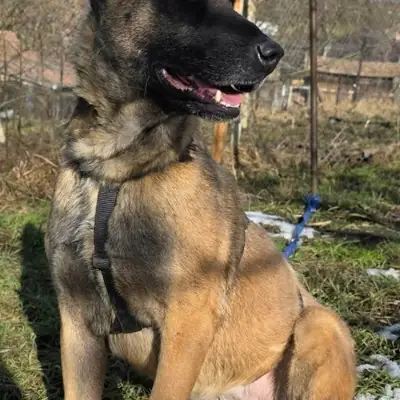
Taking in a Romanian Bucovina Shepherd rescue dog is a very special decision. Originally bred in the Romanian region of Bukovina to protect flocks from wolves and bears on their own, this imposing livestock guardian dog brings a fascinating mix of deep calm and uncompromising loyalty. If you give this impressive four-legged friend a second chance, you gain a faithful companion who would go through fire for his people.
Why does a Romanian Bucovina Shepherd end up in a shelter?
When a dog like this ends up in rescue, it is rarely because of the animal's character, but almost always because of changed living circumstances or underestimated breed-specific demands. With a height at the withers of 68 to 78 cm and a weight of 50 to 90 kg in males, the Bucovina is a formidable presence. His suitability for city life is minimal – in a flat or a densely populated area, he quickly feels cramped.
This livestock guardian dog was also bred to make decisions independently. His trainability in the conventional sense is low, because blind obedience is not in his nature. If owners expect an easy-to-handle companion dog, or if his pronounced protective instinct and high alertness towards strangers are not guided with confidence in everyday life, the task can become too much for some people. A move from the countryside to the city or changes in the previous owners' health can also lead to these loyal dogs needing a new home.
Behaviour and health: what to expect when you adopt
If you want to adopt a Romanian Bucovina Shepherd, you will usually meet a dog who watches closely at first. Because he bonds so closely with his people, he often grieves quietly in the shelter for his old surroundings. Give him time to build trust. Tolerance towards other dogs is often limited – especially towards dogs of the same sex. In his new home, he will be calm and balanced in everyday life, but will instinctively guard his territory.
Health is an important point for a breed with a life expectancy of 10 to 12 years. Romanian Bucovina Shepherds are considered robust dogs when well bred, but their enormous size brings breed-typical issues with the joints and eyes. Known risks include hip dysplasia (HD), elbow dysplasia (ED), osteochondritis dissecans (OCD) and eyelid malformations such as ectropion and entropion. Degenerative myelopathy, dilated cardiomyopathy and the risk of gastric torsion also play a role in a breed of this size.
Reputable breeders have the parent animals' hips, elbows and eyes checked by a vet before a litter, using X-rays and a clinical examination, to reduce the risk of joint wear and eye disease in the line. With a shelter dog, however, the background is often unknown, or he comes from irresponsible breeders who skipped these tests. So pay particular attention to his gait, keep the dog consistently lean, check his eyes regularly and feed several small meals a day followed by a rest period to help prevent gastric torsion.
Cost comparison: shelter vs breeder
A puppy from a breeder usually costs between 1,500 and 2,500 euros. The adoption fee for a Romanian Bucovina Shepherd rescue dog is usually considerably lower, often in the range of a few hundred euros. It usually covers vaccinations, a microchip and a veterinary check on arrival; ask the shelter to show you the paperwork they have. It is best to set the money you save aside straight away as a cushion: XXL-sized starter equipment – from an orthopaedic dog bed and a secure harness to sturdy fencing for your property – as well as high-quality food and any vet bills for a dog weighing up to 90 kg call for a solid budget.
Tips for the first weeks with your Bucovina
- Secure your property completely: A livestock guardian dog needs a garden with high, sturdy fencing that he can keep watch over but cannot leave on his own initiative.
- Introduce clear rules from day one: Be loving, but absolutely consistent. Take the lead calmly and confidently, so your dog knows that you manage situations with visitors – not him.
- Keep daily life low-stimulus at first: Avoid lots of visitors in the first few weeks. Let your new companion settle in peacefully and find his own fixed routine.
- Grooming as bonding: The dense coat needs a moderate amount of grooming. Use calm brushing sessions to build trust and physical closeness.
Your next step: getting to know each other at the shelter
Contact the shelter or the animal welfare association handling the adoption and plan several visits. A Romanian Bucovina Shepherd does not warm to strangers straight away – calm walks together will help you develop a feel for each other. Ask the staff targeted questions: How does the dog react to strangers at the fence and on walks? How does he behave when meeting other dogs? What veterinary findings are available for the joints, heart and eyes? The more honestly you match your life situation to the needs of this proud livestock guardian dog, the better the foundation you lay for a deep friendship lasting many years.
On HonestDog you will find dogs from shelters and animal welfare associations; getting to know each other and the adoption itself are arranged directly through the shelter concerned. Browse the profiles – perhaps a Romanian Bucovina Shepherd is already waiting there for a new home with you.