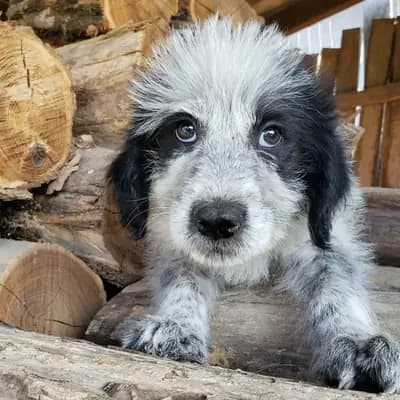
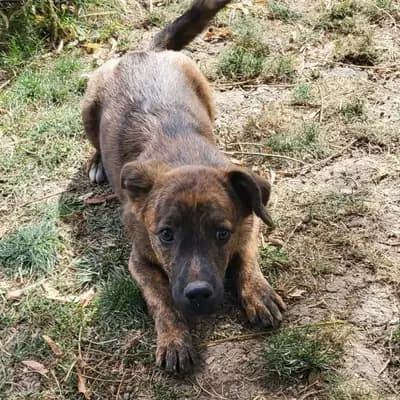
A dog in a shelter has lost the people he was attached to. The sensitive, family-oriented Continental Bulldog in particular often reacts to shelter life with insecurity or withdrawal at first. With other dogs he shows moderate sociability; how relaxed encounters with other dogs are depends on his previous socialisation.
Health deserves particular attention. Continental Bulldogs are considered robust, but there is a clear pattern: joints, breathing and breed-typical metabolic issues often remain a concern for life. Known risks include hip dysplasia (HD), elbow dysplasia (ED), brachycephalic syndrome, dental malformations, Robinow-like syndrome (DVL2) and the metabolic disorder cystinuria. Health-focused breeders (for example in the VDH member club CBCD) have hips and elbows X-rayed, check dental status, use clinical exercise tests for breathing and DNA tests for DVL2, in order to deliberately reduce the risk of these conditions in the offspring.
With a Continental Bulldog from a shelter, you usually do not know the genetic line or the health screening of the parents. Without careful management of exercise and good preventive care – for example through regular check-ups – health problems and vet costs can rise considerably later on. So plan a financial cushion or good health insurance from the start.