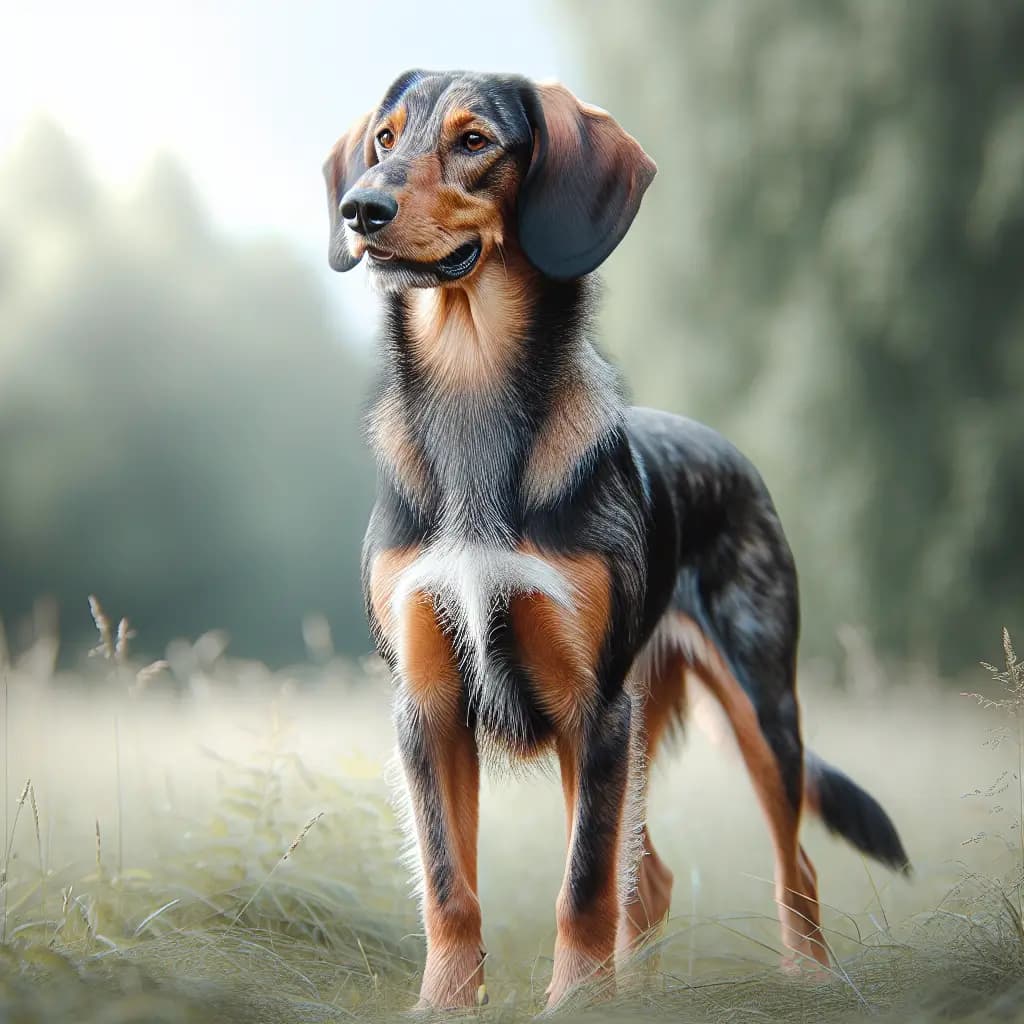
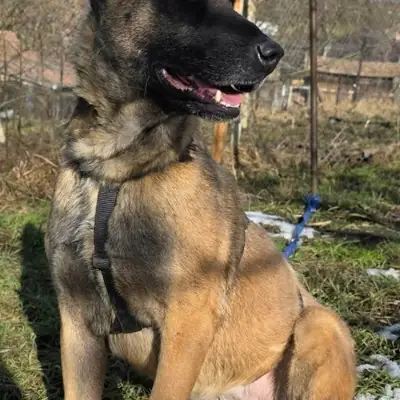
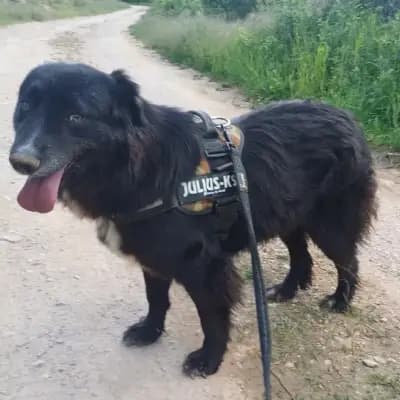
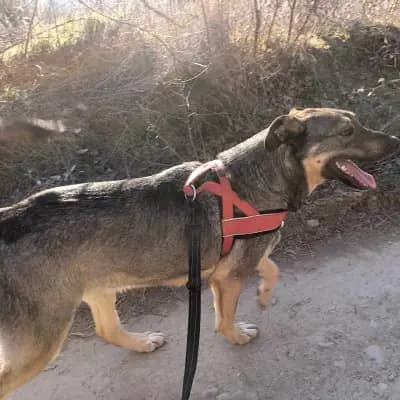
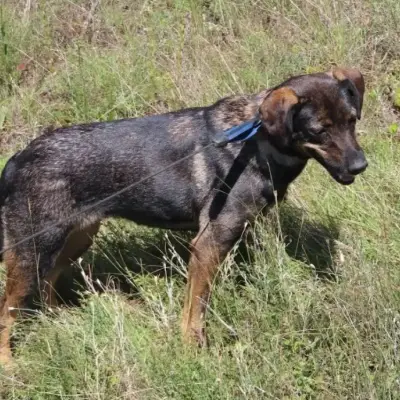
Despite its hunting zeal, the Dunkerhund is extremely people-oriented, friendly and well balanced in the home. It forms a close bond with its family and is both good with children (4/5) and sociable with other dogs (4/5). With a second-hand dog, however, you must be prepared for basic obedience and lead manners to need further work, or for the dog to be unsettled at first by the loss of its familiar people.
Health considerations for the Dunkerhund
With good care, Dunkerhunds are considered robust scent hounds with a life expectancy of 11 to 14 years and low coat-care requirements (2/5). Nevertheless, because of its particular genetics, the breed carries breed-typical risks for hearing, eyes and hips. In particular, the merle coat colour typical of the breed carries a risk of congenital deafness and eye damage if dogs are mated improperly; hip dysplasia (HD) also occurs.
A health-conscious breeder has the parent animals’ hearing and eyes examined clinically and their hips X-rayed, and pays strict attention to coat colour genetics in order to reduce these serious risks within the line. With a shelter dog, however, the exact origin is often unknown, or the dog comes from disreputable breeders who ignore such examinations. So make sure your adopted dog keeps a healthy weight and gets joint-friendly exercise. Have your dog’s eyes and hearing checked regularly by a vet so that your companion stays active for a long time.