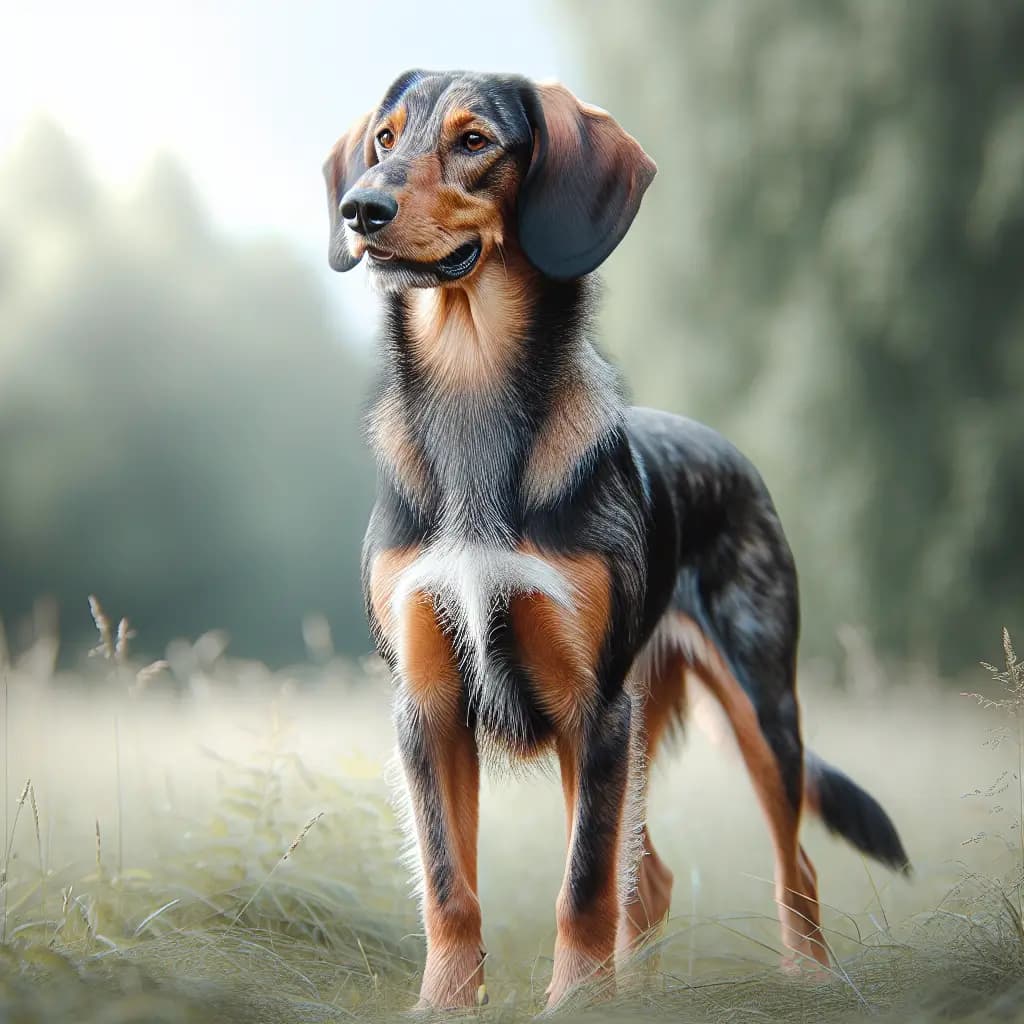
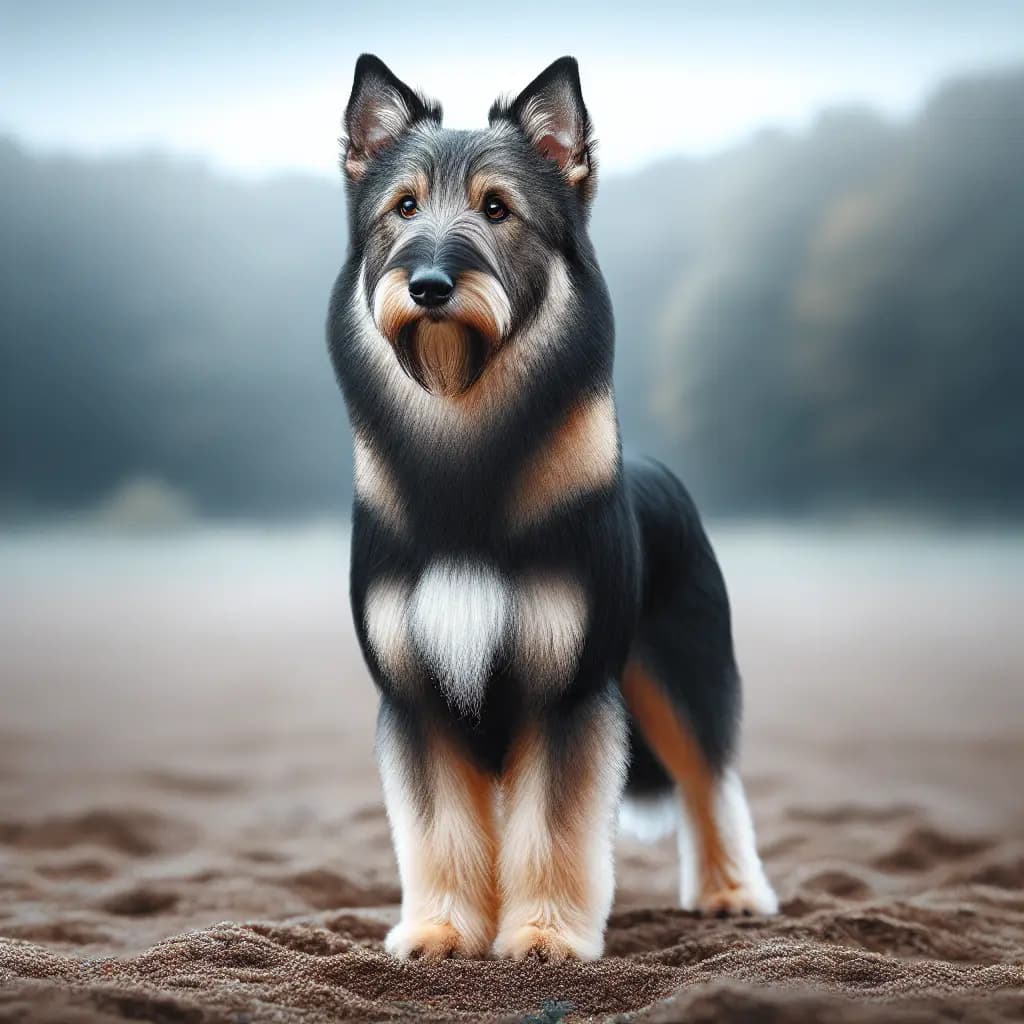
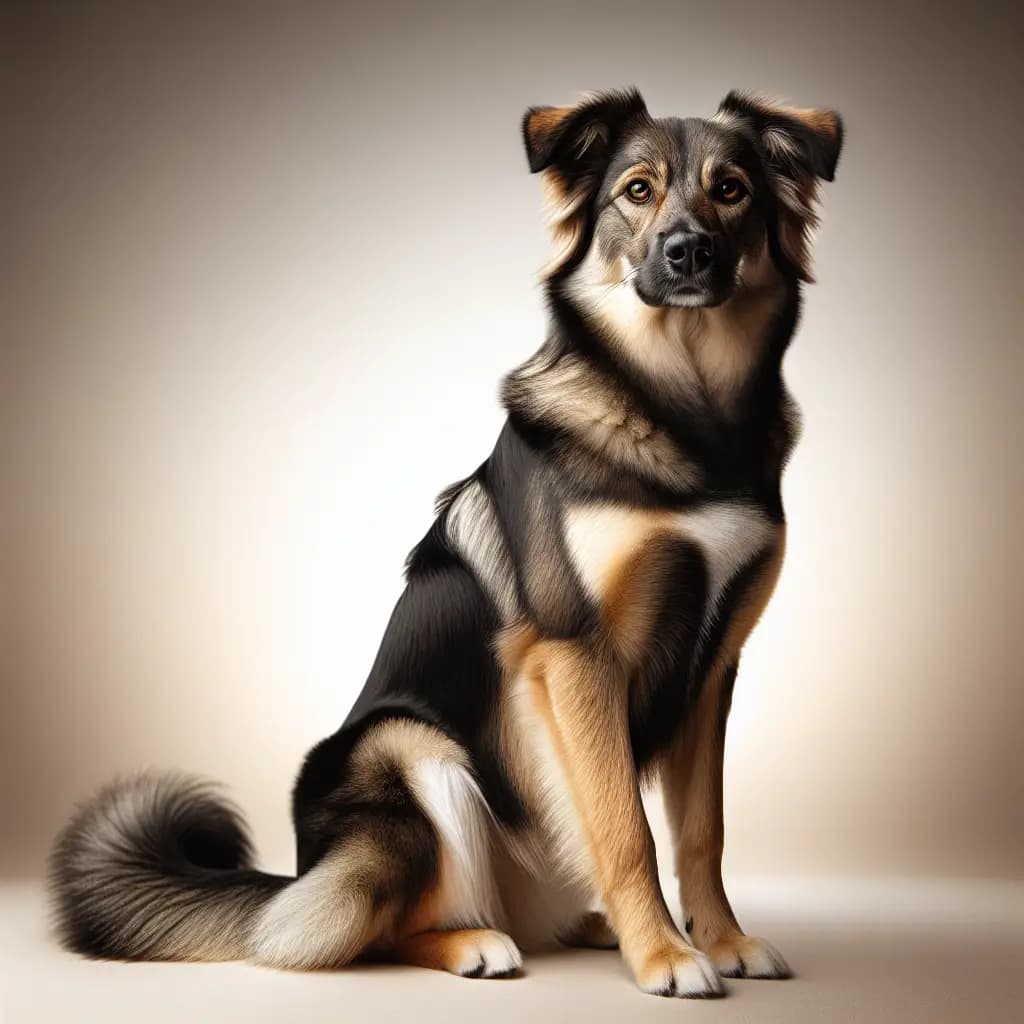
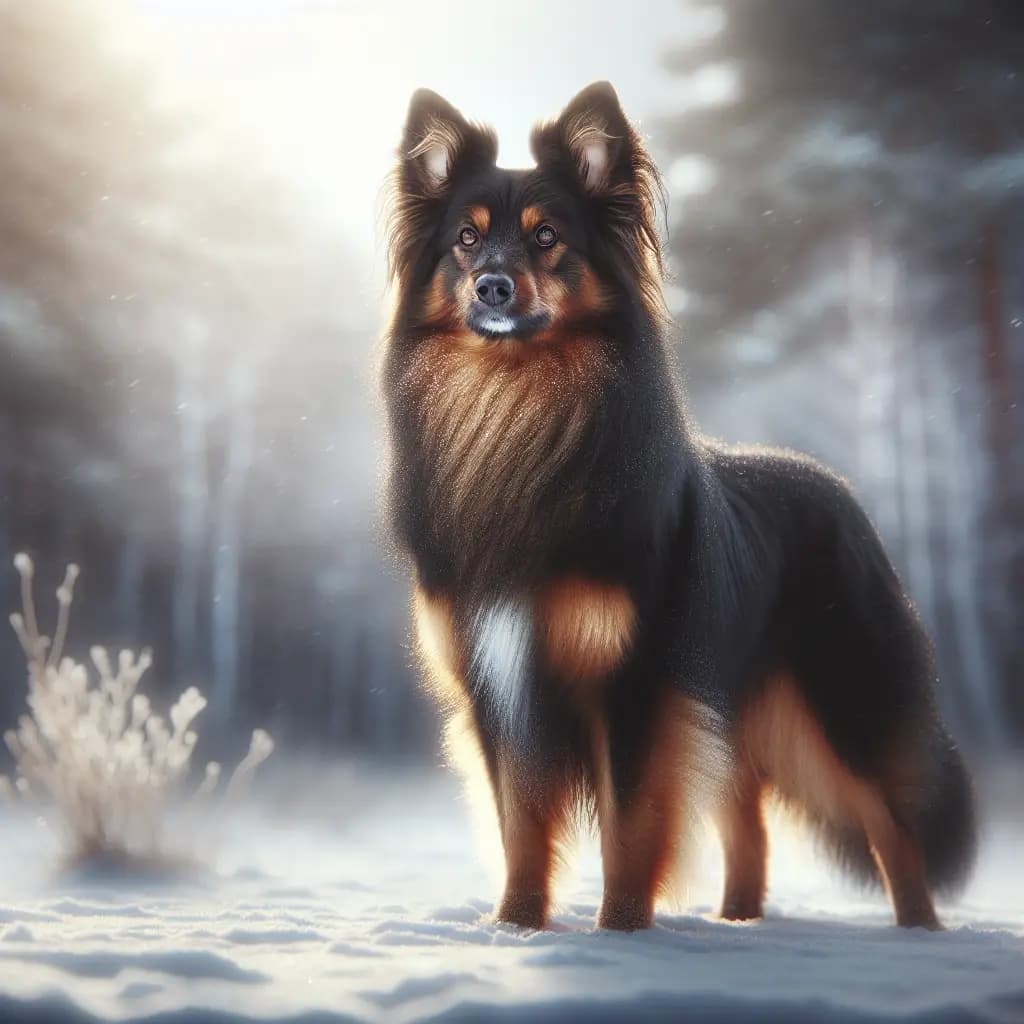
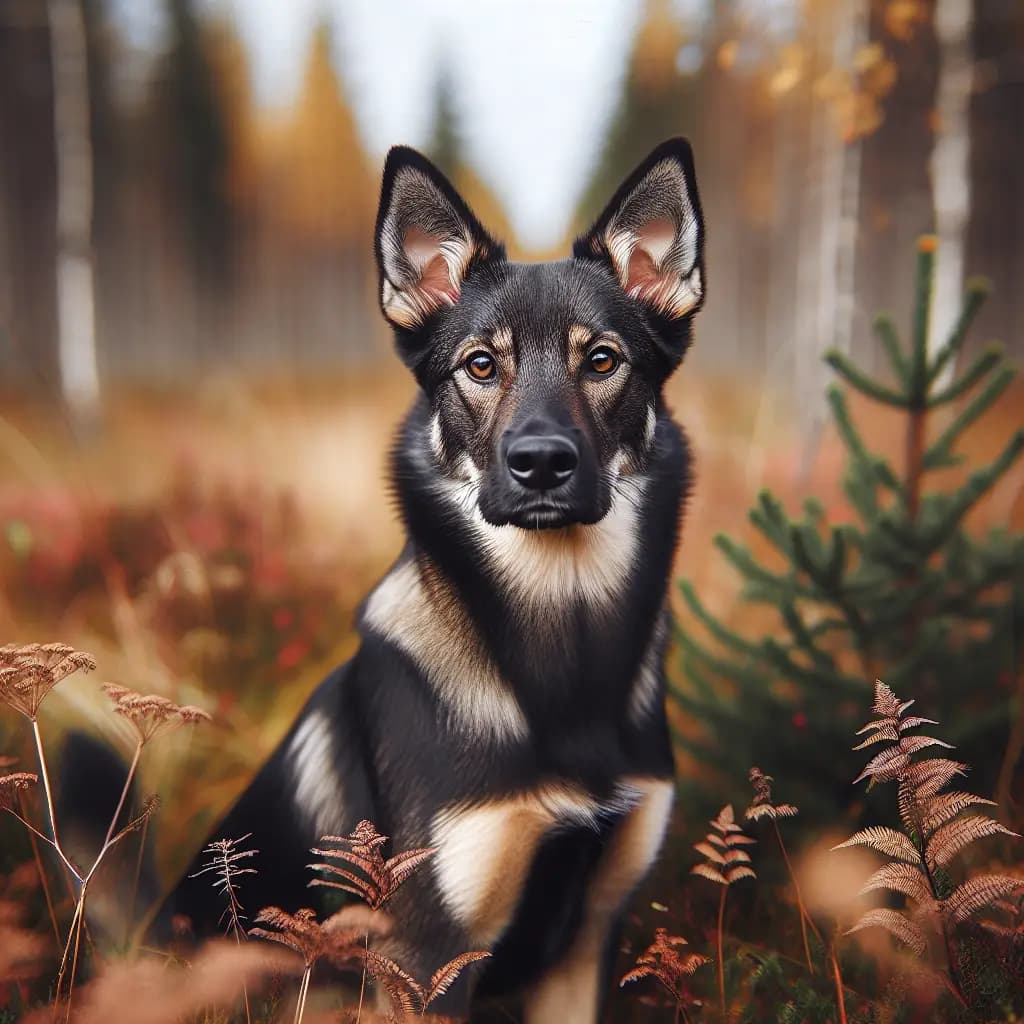
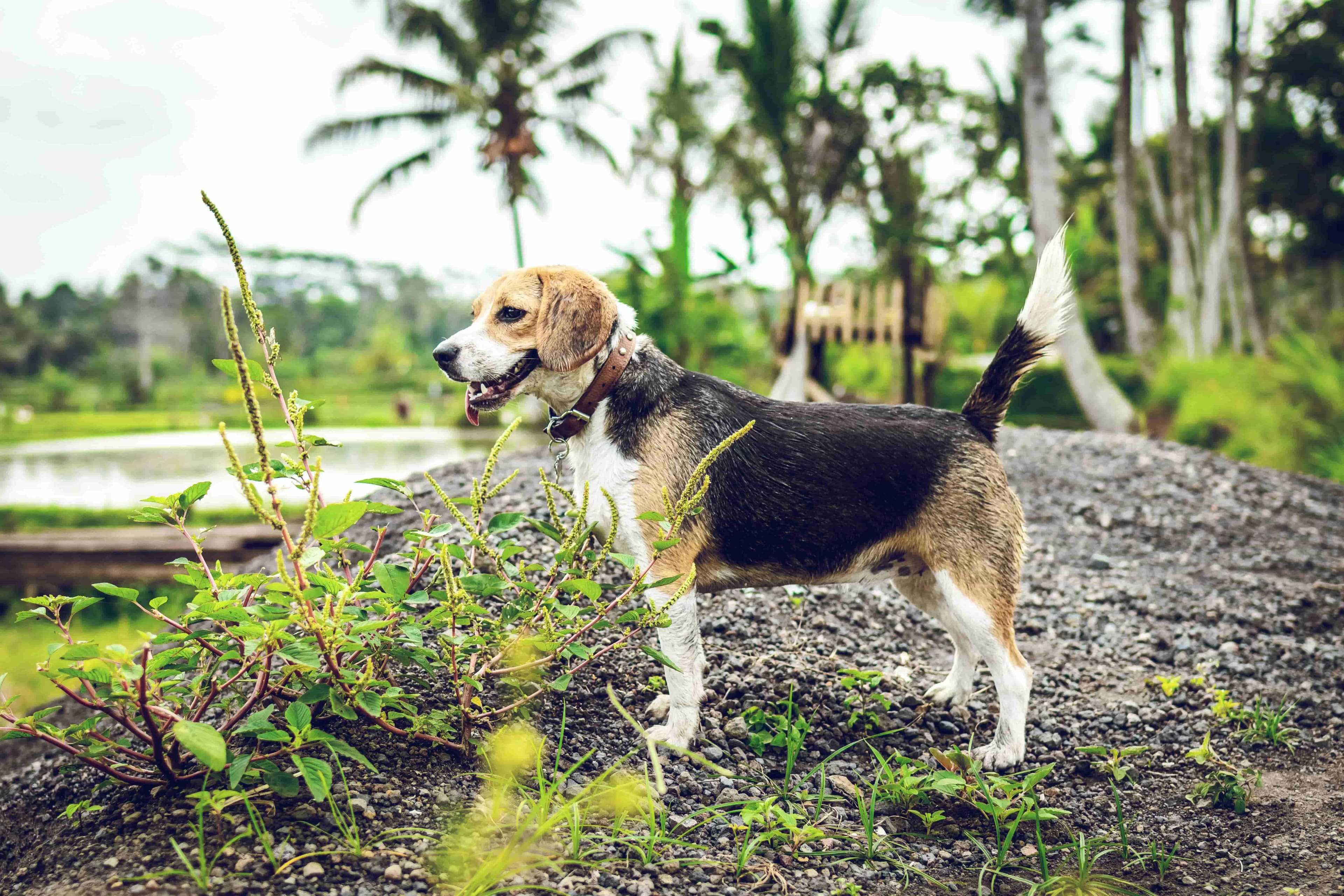
Despite its high suitability for families (4/5), the Dunkerhund is not just a couch potato. Its energy level is high (4/5), while its suitability for city life (2/5) and its conventional trainability (2/5) are low. As a scent hound, it was selected to make independent decisions on the trail. In everyday life, that means you shouldn't expect blind obedience. Once its fine nose is at work, it quickly tunes out its surroundings, which is why off-lead exercise in areas with plenty of game is often only possible to a limited extent.
This Norwegian hound, which gives tongue on the trail, is hardly suited to a cramped flat in the middle of a big city. It needs active people in a rural setting who will keep it mentally and physically occupied with mantrailing, tracking, blood-trail work or long hikes. The Dunkerbracke is, by contrast, very easy when it comes to grooming: grooming effort and shedding are both low (2/5 each), so the occasional brush is entirely sufficient.
Your checklist for the first conversation with the Dunkerhund breeder
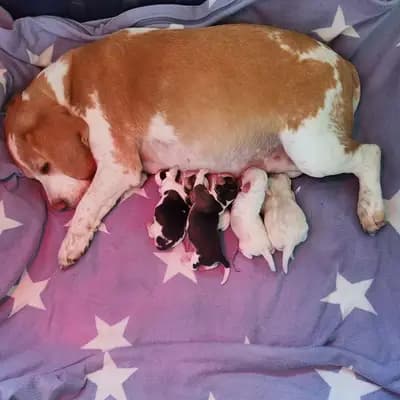
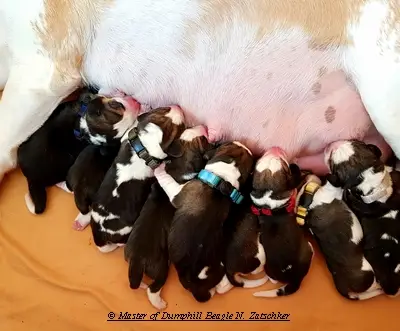
Take your time when visiting the breeder, watch how the mother interacts with the puppies and ask to see all the original medical documents. Ask these specific questions during your conversation:
- Colour genetics and mating: “What coat colours do the two parents have, and how do you use your breeding plan to make sure there is no merle-to-merle mating?”
- Hearing and eye results: “Can you show me the current eye and hearing examination results for the parents, as well as the puppies' hearing test results?”
- Joint health: “What official X-ray results for hip dysplasia (HD) did the bitch and the stud dog have when they were approved for breeding?”
- Experience within the line: “Have there been any cases of congenital deafness, vision problems or hip disorders in your previous litters or in the parents' close relatives?”
- Early imprinting and hunting drive: “Are the parents worked for hunting, and how are you already getting the puppies used to everyday stimuli, recall signals and first scent work?”
On HonestDog, a breeder's profile only goes online once the breeder has completed registration: identity verification by ID and selfie, proof of club membership or a §11 permit where applicable, a knowledge test on breeding and animal welfare, and agreement to the HonestDog breeding standards, which among other things rule out breeding from dogs with extreme traits that cause suffering. You can see the parents' health tests uploaded by breeders directly on the profile; ask to see the original results when you visit. Your next step: compare the profiles of Dunkerhund (Dunkerbracke - Norwegian Hound) breeders on HonestDog, look at the uploaded health certificates and ask directly about the next litter.