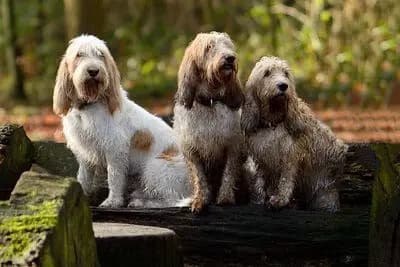
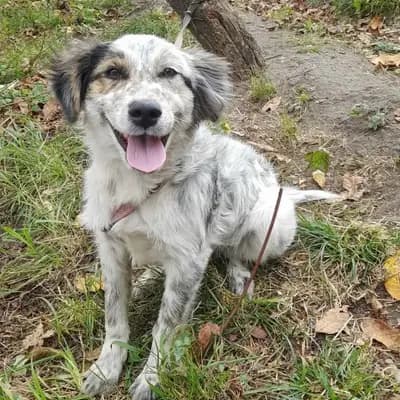
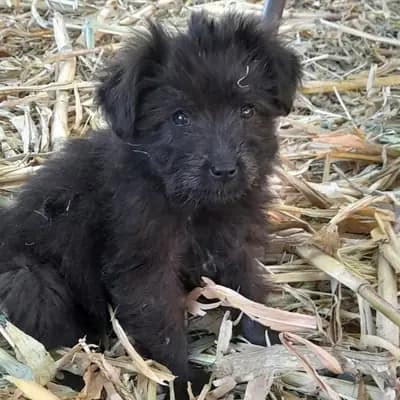
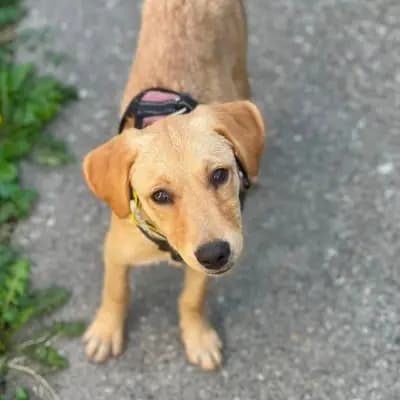
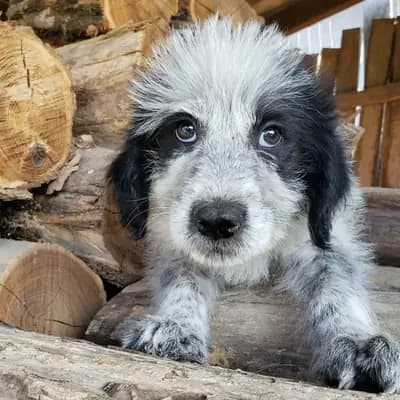
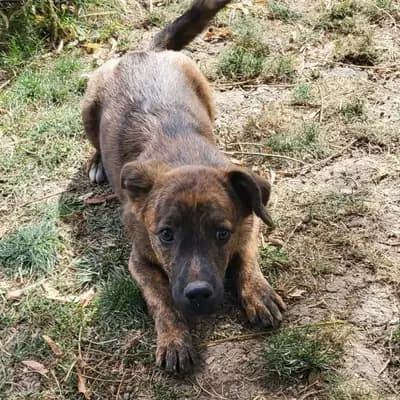
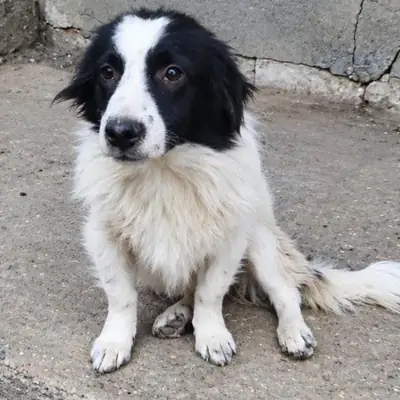
Be prepared for a lively, very sociable dog who is both family-friendly and gets on extremely well with other dogs (4 out of 5 for each). In everyday shelter life, this gregarious pack hound often suffers from the lack of family contact, but he quickly blossoms once he has a regular person to bond with and tasks for his fine nose again.
Keeping an eye on health issues
Grand Basset Griffon Vendéens have a life expectancy of 12 to 14 years. Because of their long backs, however, they come with breed-typical weak spots in the spine and joints, as well as a risk of eye and neurological disorders. Known issues include hip dysplasia, patellar luxation, epilepsy and eye abnormalities such as persistent pupillary membranes (PPM). Health-focused breeders (for example, within the Verein für Französische und Schweizer Laufhunde e.V. or following the standards of the GBGVCA) have the parent animals’ eyes checked by an ophthalmological eye test, and their hips, elbows and knees examined clinically or by X-ray. They also pay attention to sound toplines and check bloodlines for epilepsy in order to reduce the risk for the offspring.
With a rescue dog, you often won’t have this information about his ancestry. Usually the shelter will have covered vaccinations, a microchip and an initial health check; ask to see the paperwork for these. Later on, in day-to-day life, make a point of keeping him at a healthy weight and giving him joint-friendly exercise to take the strain off his long back, and plan regular eye checks with your vet.