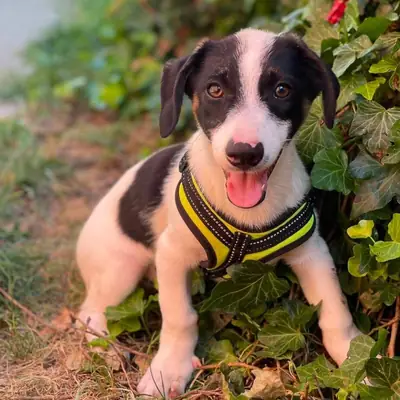
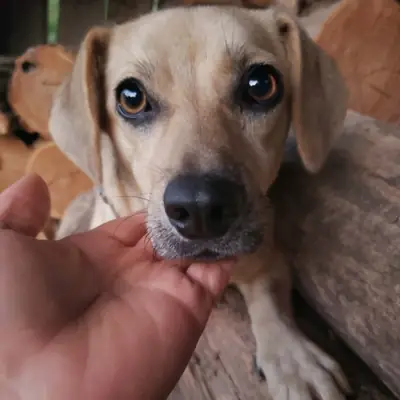
A stay in a rescue centre is very stressful for this sensitive, people-oriented dog. Do not expect a perfectly functioning companion in the first few weeks. Many surrendered dogs initially show insecurities, test boundaries or, because of a lack of training in their previous home, have catching up to do when it comes to being left alone and walking on the lead. The good news: the Jackapoo’s trainability is high (4 out of 5). With clear, loving guidance, he still learns remarkably fast, even as an adult.
When adopting, also take a clear-eyed look at his health. Jackapoos are considered active and often fit companions, but they inherit breed-typical risks to the knees, eyes and blood clotting from both parent breeds. These mainly include patellar luxation (slipping kneecaps), eye conditions such as cataracts or lens luxation, and von Willebrand disease type I (a blood clotting disorder). While health-focused breeders have the parent animals’ knees checked by a vet and use clinical eye examinations and DNA tests for blood clotting to reduce avoidable risks in the line, the genetic background of rescue dogs is usually unknown – especially if they originally came from disreputable puppy farmers. In everyday life, it is essential to make sure he stays at a healthy weight and gets joint-friendly exercise to relieve the strain on his knees, and always tell your vet about the blood clotting issue before any surgical procedure.