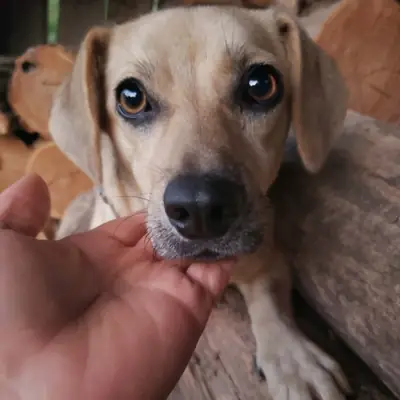
If you would like to adopt a Japanese Chin, you will often meet a reserved, sensitive observer at the shelter at first. Once they have gained trust, however, they show their affectionate, child-friendly side. Because their silky, long coat has no undercoat, grooming remains manageable despite the elegant look.
You should take a particularly open-eyed look at health. Because of their anatomy, Japanese Chins have significantly increased health risks – above all with breathing (brachycephalic syndrome) and the eyes, such as ectropion, entropion or cataracts. They also come with issues affecting the knees (patellar luxation) and the heart. A paralysed, permanently visible tongue, cryptorchidism (undescended testicles in males) and the neurological disease GM2 gangliosidosis (type I, B variant) are also among the breed's known risks.
A health-focused breeder takes targeted steps to counter this: they have the knees, eyes and heart clinically examined, pay attention to a moderate head shape when selecting breeding dogs, and use a DNA test for GM2 gangliosidosis, which shows whether a parent dog is clear or a carrier. These examinations considerably reduce the risk of severe cases, but cannot completely eliminate the breed's fundamental anatomical risks. With a shelter dog, the exact origin is often unknown – if they come from disreputable backyard breeders, such preventive examinations were not carried out on the parent dogs. So strictly limit heat and physical exertion in everyday life, and check the sensitive eyes regularly.