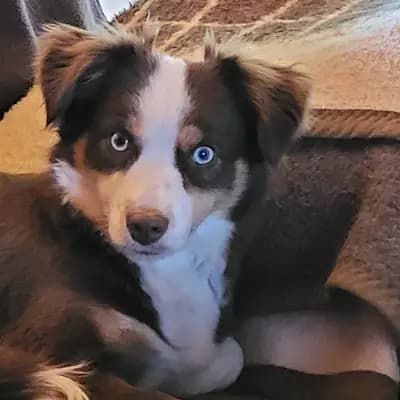
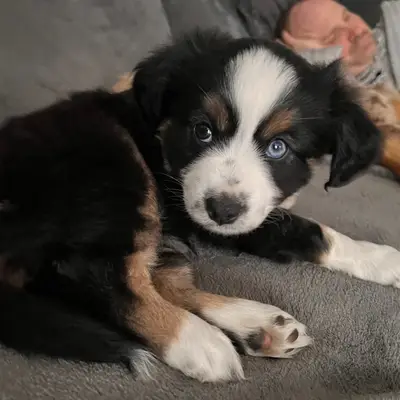
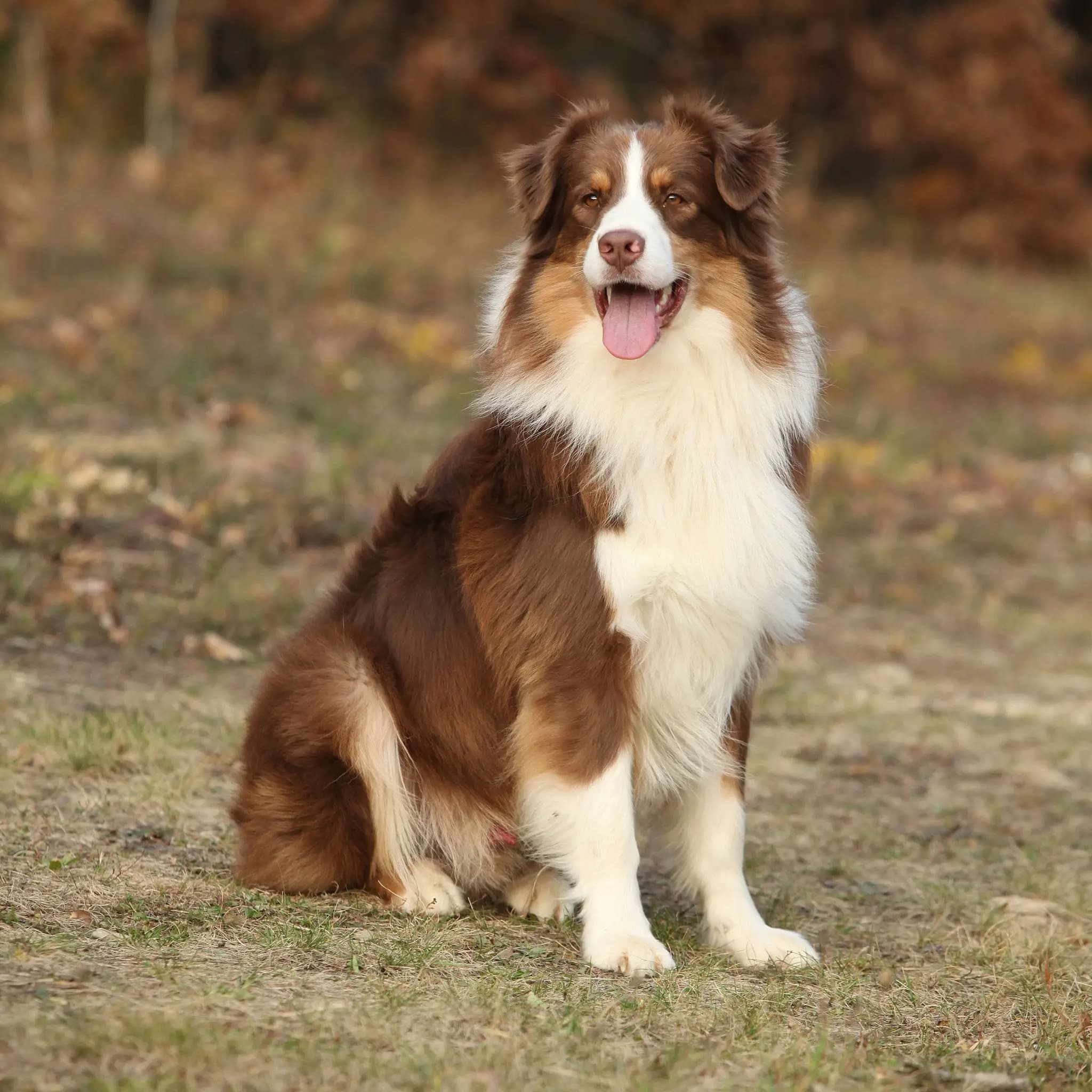
With thoughtful breeding, the Miniature American Shepherd is considered a fit, robust sporting dog. Even so, the breed has specific problem areas affecting the joints, the eyes and the nervous system, as well as a particular sensitivity to medication. A key issue is the MDR1 defect, which causes a life-threatening hypersensitivity to certain drugs (such as common worming treatments or anaesthetics). Make your vet aware of this breed-specific issue early at every visit.
In addition, eye conditions such as cataracts, progressive retinal atrophy (PRA), retinal dysplasia, persistent pupillary membranes (PPM), Collie eye anomaly (CEA), cone degeneration and distichiasis are relevant in the breed. As for the musculoskeletal system, the focus is on hip dysplasia (HD), elbow dysplasia (ED), patellar luxation and SLC13A1-associated chondrodysplasia. Other health issues typical of the breed are epilepsy, degenerative myelopathy (DM), hyperuricosuria and brachyury (congenital bobtail).
A health-focused breeder tackles these risks systematically: they have the parent dogs’ hips, elbows and kneecaps assessed clinically and by X-ray, in order to reduce the risk of joint problems in the offspring. Regular eye examinations by a specialist uncover clinical findings such as cataracts, PPM, distichiasis or retinal dysplasia before the dog is used for breeding. For genetically testable traits such as the MDR1 defect, CEA, DM or hyperuricosuria, the breeder uses targeted DNA tests. These show whether a parent dog is clear, a carrier or affected, so that matings are planned to lower the risk for the puppies in a targeted way. As the merle coat colour is also common in this breed, a responsible breeder never mates two merle carriers with each other, because this causes severe eye and hearing damage.