PumiSame working temperament
The Mudi is a lightning-fast, highly intelligent, and often vocal herding dog — bred to drive stubborn cattle and pig herds in Hungary using both its voice and physical presence. It is an absolute bundle of energy that can quickly become neurotic without a real job to do.
Self-check
Answer 6 quick questions about your everyday life and see how well the Mudi fits you — including an honest cost estimate per month, per year, and across the dog's lifetime.



At a glance
The essentials — key facts, traits, and health priorities — before you dive deeper.
Lifespan
12–14 yrs
Shoulder height
38–47 cm
Weight
8–13 kg
Practical
Temperament
Daily life
What matters most
Especially with a Mudi, choosing the right breeder is the single most important decision you'll make. Serious breeders consistently test the parents for inherited conditions, prioritize healthy early socialization, and stay accountable long after handover. A cheap puppy without health screening tends to become the most expensive dog later on.
See HonestDog breeder standards →Colors & coat
The coat colors that occur in the Mudi — including which ones fall outside the breed standard and which carry genetic risk.
Eye colors
 Brown
 Blue
 Odd-eyed
 Partial (split eye)
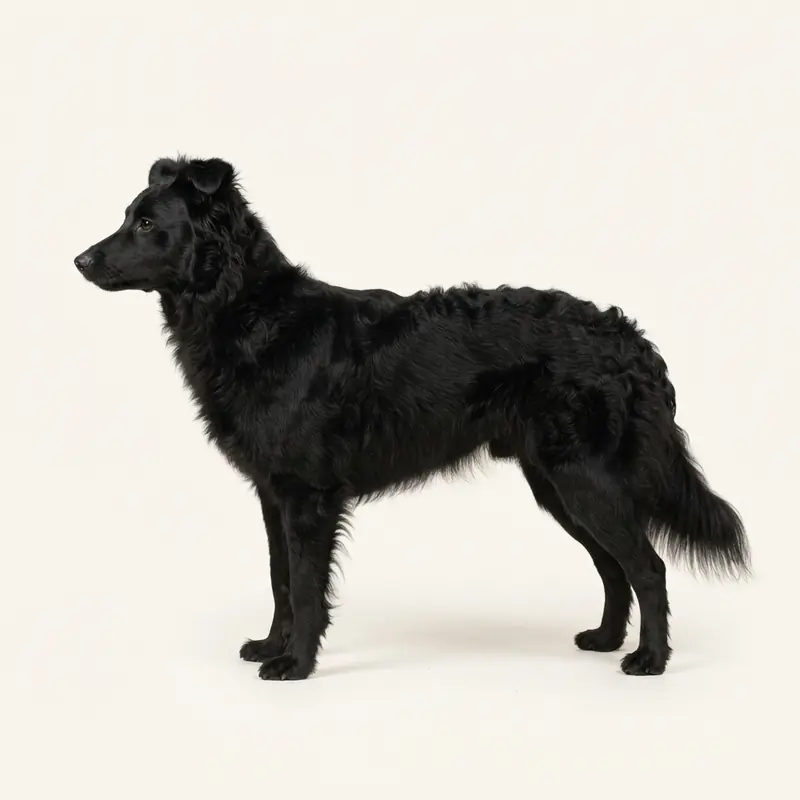
Coat type
 Short
 Illustrative image
Medium
 Smooth
 Illustrative image
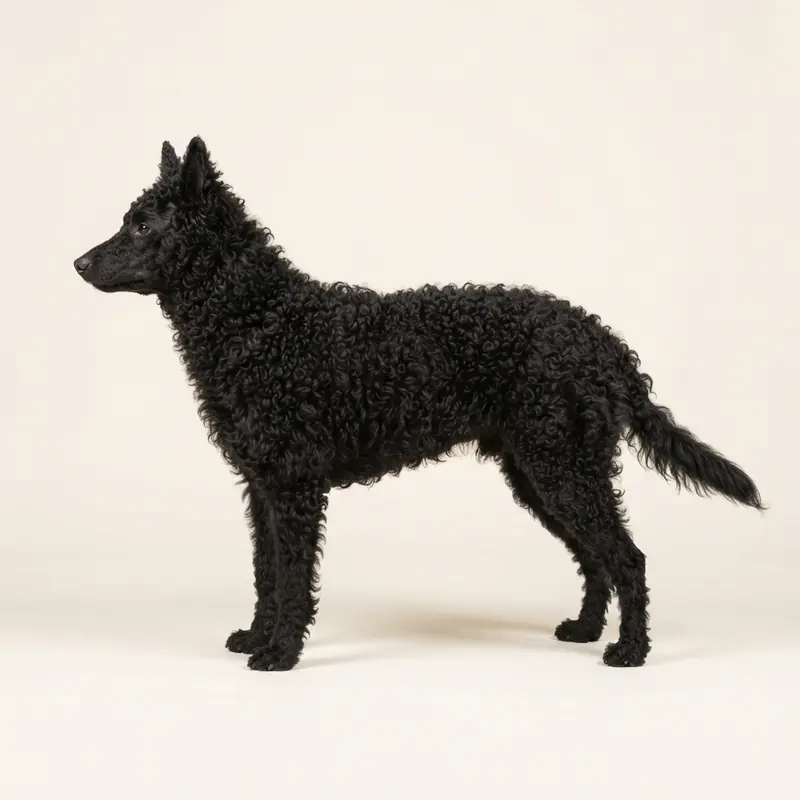
Curly
 Double coat
The real vibes check
A Mudi is not a dog that just tags along in a relaxed way — he is a highly sensitive workaholic who wants to know what you are planning next all day long. His constant readiness to react to every movement in a split second is fascinating on the training field, but exhausting in the living room. If you keep him mentally challenged, you will get an inseparable shadow; if you don't, he will find a job for himself, and you definitely won't like what that is.
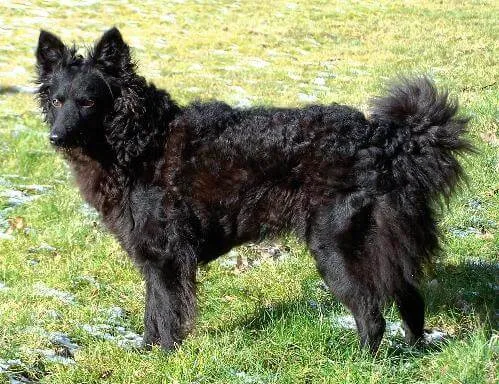
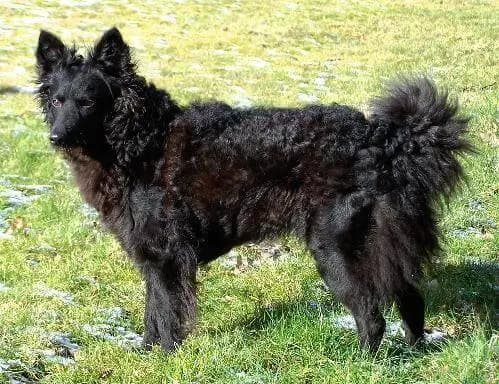
The Mudi is a medium-sized dog that is very active both physically and mentally. Its build is light but strong and resilient, making it very agile. He is a herding dog through and through and belongs to FCI Group 1, the herding and driving dogs. The Mudi has a distinctive appearance with its curly coat and pointed, alert ears. He also has a pronounced forehead furrow, which gives him a unique "worried" appearance. With the Mudi there is no distinction between performance and show lines, he is bred as an all-round dog that can both herd and take part in exhibitions.
The Mudi is an active, intelligent and loyal dog that enjoys working and being challenged. His strong herding heritage is evident in his attentiveness and alertness, but also in his need to have a purpose. A Mudi without a task can quickly become overwhelmed and unhappy. It is an excellent companion for active people who enjoy working with their dog, be it herding, agility, obedience or other dog sports. It is important to know that a Mudi not only has to be physically busy, but also mentally. His intelligence and ability to adapt to his caregiver make him a versatile working dog and a loyal companion. Because it was bred as a herding dog, it has... Mudi has a strong protective instinct and is very vigilant. He is wary of strangers but very affectionate and loving towards his family. He is an excellent watchdog who does not bark unnecessarily, but only when he feels it is necessary. In terms of temperament, the Mudi can be described as an active dog. He is not hyperactive, but he needs plenty of exercise and mental stimulation. A Mudi who is not challenged enough can develop behavioral problems. However, with the right training and enough activity, he is a balanced, happy dog. Despite his need for activity, the Mudi can learn to stay alone provided he is introduced to being alone slowly and positively. It is important to teach him from the beginning that being alone is not a bad thing in order to avoid separation anxiety or destructive behavior. Because it was bred as a herding dog, the Mudi shows strong hunting and prey-catching behavior. He has a strong drive to chase smaller animals and therefore cannot be walked off-leash in areas with wildlife unless he has very good recall training. You should also make sure that he doesn't have access to smaller pets in his home unless he has been used to them from an early age. The Mudi is a versatile and active dog that stands out for its intelligence and strong need to work. With the right utilization and leadership, he is a loyal and reliable companion. However, his abilities and need for activity require an owner who is willing and able to provide him with the mental and physical exercise he needs.
| Watchfulness Reports unusual activity but stays controlled. | Moderate |
| Openness to Strangers Warms up quickly and is generally welcoming. | Friendly |
| Hunting or Herding Drive Powerful instinct that can override recall when triggered. | Strong |
Fun Fact!
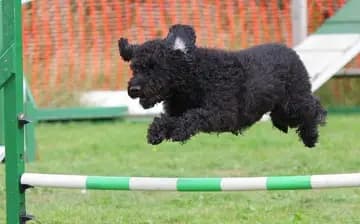
A fun fact about the Mudi breed is that they are very good at jumping and often shine in agility competitions where they have to jump over obstacles!
The Mudi is an extremely versatile, intelligent, alert, agile and flexible Hungarian farm dog. His courage is useful when working with the most stubborn cattle. The breed is a loyal protector of property and family members without being overly aggressive.
Mudis can be kept in the city provided they get enough exercise and mental stimulation. They get along well with other pets, including cats, if properly socialized. They are also good for families with children as they are loyal and protective, but like everyone Dog breed interactions between children and dogs should always be supervised.
Loves family life and thrives in a group.
Gets on well with children — with adult supervision.
Actively enjoys the company of other dogs.
City-appropriate with enough exercise and stimulation.
Owning a dog is a privilege, but it's also a real responsibility. Before you bring one into your life, be honest with yourself about the commitment it takes.
Mudis are very intelligent dogs that learn quickly and enjoy working. They are excellent for many dog sports including agility, obedience and flyball. They also have a natural talent for herding. However, due to their intelligence and willingness to work, they can tend to be "over-busy" if they don't get enough mental stimulation. It is important to teach the Mudi how to tolerate frustration and exercise impulse control to avoid problem behavior. Since Mudis tend to be ball-obsessed, care should be taken to ensure that they learn to control the game rather than be controlled by it. For dogs with strong prey instincts, it may be helpful to teach them alternative behaviors, such as retrieving toys instead of chasing animals.
A Mudi's diet should be tailored to his activity level and stage of life. An active adult Mudi needs a high quality diet with plenty of protein. Puppies and older dogs have specific nutritional needs that should be discussed with your veterinarian. Caring for a Mudi is generally pretty simple. His curly coat has an undercoat and should be brushed regularly to prevent matting and remove dead hair. He sheds moderately, but brushing helps keep the hair under control. The Mudi copes well with the climate in Germany, but it should be given a little more protection in the colder months.
| Care Level Minimal effort — occasional brushing and bathing. | Low-maintenance |
| Exercise Needs Needs several hours of serious exercise every day. | Very active |
| Shedding No or minimal hair loss — suitable for allergy sufferers. | No shedding |
| Trainability Picks up commands quickly and wants to please. | Eager to learn |
Our experts are still reviewing this information. Spotted something wrong? Email us at info@honestdog.de.
Solid, watch carefully
Health grade
In the Mudi, breed-typical risks exist for the musculoskeletal system as well as for severe eye conditions, such as hip dysplasia (HD), elbow dysplasia (ED), cataracts, and primary lens luxation (PLL). A responsible breeder therefore has their breeding dogs comprehensively examined orthopedically and ophthalmologically in advance to rule out hereditary defects at an early stage. When buying a puppy, make sure that both parents are proven free of primary lens luxation (PLL) and cataracts, and show first-class joint results (ED 0 and HD A–C). In addition, genetic tests for brachyury (NBT) or coat color (Merle) should be available, ensuring that carrier animals are mated exclusively with clear partners.
Grade is relative to other breeds — AI-assisted and editorially reviewed.
Methodology and data: HonestDog Dog Breed Health Report 2026
What matters most for this breed
Tap any item to see details.
Since the Mudi is an extremely agile sports dog, you should ensure he is raised in a way that protects his joints and schedule regular eye exams so he stays fit for a long time.
Reputable breeders have the parents' hips, elbows, knees, and eyes tested and consistently exclude lines with neurological diseases.
Note: This health overview is AI-assisted and editorially reviewed. It is for orientation only and does not replace veterinary advice.
What matters most for this breed — what's common, how much it affects the dog's life, and how to protect yourself as a buyer.
Tap a body region to see the inherited conditions linked to it.
The three most important risks
Pick a region on the map to explore other areas.
Tier 1 is the recommended health standard for this breed. Tiers 2 and 3 show how responsible breeders go beyond.
Recommended standard. These tests make up the recommended health standard for this breed — the baseline of any careful breeding program. Ask any reputable breeder for the results.
No entries in this tier.
Note: This health overview is AI-assisted and editorially reviewed. It is for orientation only and does not replace veterinary advice.
A Mudi costs around ~€160 per month (€90 – €300, depending on your setup). The first year adds up to roughly ~€4,770 including purchase, equipment and puppy school; across the dog's life (13 years) it comes to about ~€28,000.
With surgery cover, running costs come to about ~€150 per month — in return, your share of a major operation drops from several thousand euros to around 20 percent.
Per month
~€160
In the first year
~€4,770
Across the dog's life
~€28,000
Estimated purchase price from a breeder: €1,500 – €2,500
Estimate at a mid-range setup (suburban, dry food, 1–2 hours of daily exercise), average German prices, as of July 2026.
HonestDog Concierge
We currently have no breeders for this breed who have passed our verification. Create your short buyer profile: we'll set up your search alert, review a possible source and email you within 28 days.
 Illustrative imageIllustrative image
 Illustrative image
 Illustrative image
The Mudi comes from Hungary and its history goes back to the 19th century. It was bred by Hungarian farmers and shepherds as a herding and guard dog and can still be found in this role on Hungarian farms today. The exact origins of the breed are unclear, but it is believed to have arisen from crossing Hungarian herding dogs with other shepherd and sheepdogs. The Mudi was officially recognized as a separate breed in 1936 and, despite its many talents, is still a fairly rare breed, even in its native Hungary.
The Mudi was bred as a versatile herding dog for sheep, cattle and pigs, known for its willingness to work and intelligence.
Hungary
1800
In everyday family life, owners describe the Mudi as a very loyal, devoted and often cuddly shadow. It adores its people and wants to be part of everything. Almost every owner report, however, highlights one striking trait: the Mudi is very vocal. It is a passionate alarm barker that loudly comments on noises in the hallway or at the property line, and even on the simple excitement of getting ready to go out. In forum reports it is therefore considered a real challenge for a thin-walled city apartment or for people with little tolerance for noise.
Many Mudis are reserved to suspicious with strangers, which is typical of the breed. While some owners can steer this through early exposure into calm indifference, insecure or under-exercised dogs tend to try to keep unfamiliar people or dogs at a distance by barking at them loudly. Within its own family, a Mudi that gets enough to do is considered a cheerful companion, but it needs dependable retreat spots when things get hectic, because it soaks up the mood of the household like a sponge and can quickly get nervous.
On training, owners keep stressing the balancing act between high intelligence and strong sensitivity. A Mudi learns incredibly fast, picking up both the cues you want and its owner's slip-ups. According to owner reports, pressure, harshness or a harsh tone quickly cause this breed to shut down, become unsure or lose trust. What it needs is calm, fair and above all patient leadership that gives the dog a sense of security.
At the same time, owners warn against confusing the Mudi with the unconditional "Will to Please" of a Border Collie. As an original driving and all-round working dog, it brings a noticeable dose of independence and willfulness. If it finds an instruction pointless, or if its owner lacks confidence, it is happy to make its own decisions. In practice, then, the hard part is often not teaching tricks or sport skills but teaching frustration tolerance and rest breaks early on.
Sources:mit-tier.demudi.dehundeforum.comreddit.comforum.hundund.de
Owners describe the Mudi as a very active all-rounder whose need for exercise and activity has to be a fixed priority in daily life. When it comes to prey drive, owners' experiences differ: some report a dog that stays focused on its people and is easy to manage, and praise how little interest it shows in game, while in other Mudis the driving instinct comes through in full force. Moving triggers such as joggers, fleeing wildlife, passing cyclists or the neighbors' cats often spark strong herding and chasing behavior that requires strict impulse-control and recall training.
To keep this bundle of energy mentally satisfied, many owners turn to dog sports such as agility, search-and-rescue work, mantrailing or Treibball. The community regularly cautions, however, against artificially "amping up" the dog with too much action. Health-wise, owners generally consider the Mudi a weatherproof, robust and long-lived breed without extreme overbreeding, although responsible breeders watch for issues typical of herding dogs such as hip dysplasia, patellar luxation or eye diseases. The wavy coat turns out to be easier to care for than many expect; owners report that it is surprisingly self-cleaning despite dirt and brush.
Sources:mit-tier.dehundeforum.comforum.hundund.depetbook.demudi-in-not.de
Paraphrased from real owner reports · translated from German
The Mudi is an active dog that needs plenty of exercise and mental stimulation. Research the temperament, grooming needs, and space requirements before deciding.
The average life expectancy of a Mudi is 12-14 years. With proper care and regular vet visits, your dog can live a long, healthy life.
Mudi grooming requirements include regular brushing, nail trimming, and dental care. HonestDog provides detailed grooming tips for every breed.
The Mudi can be a great family dog. Proper training and socialization are key. HonestDog provides family suitability information for every breed.
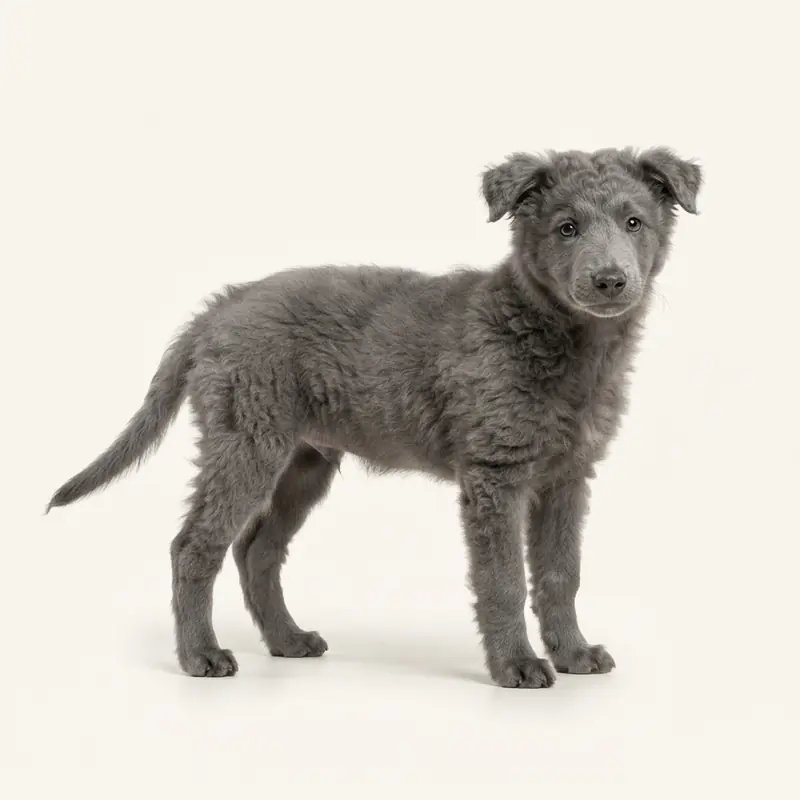
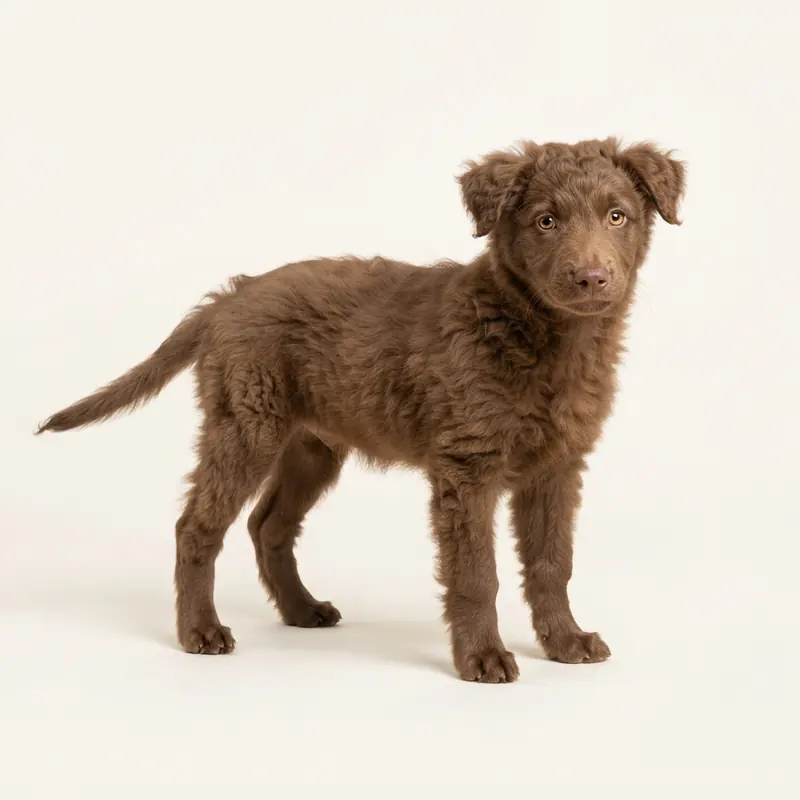
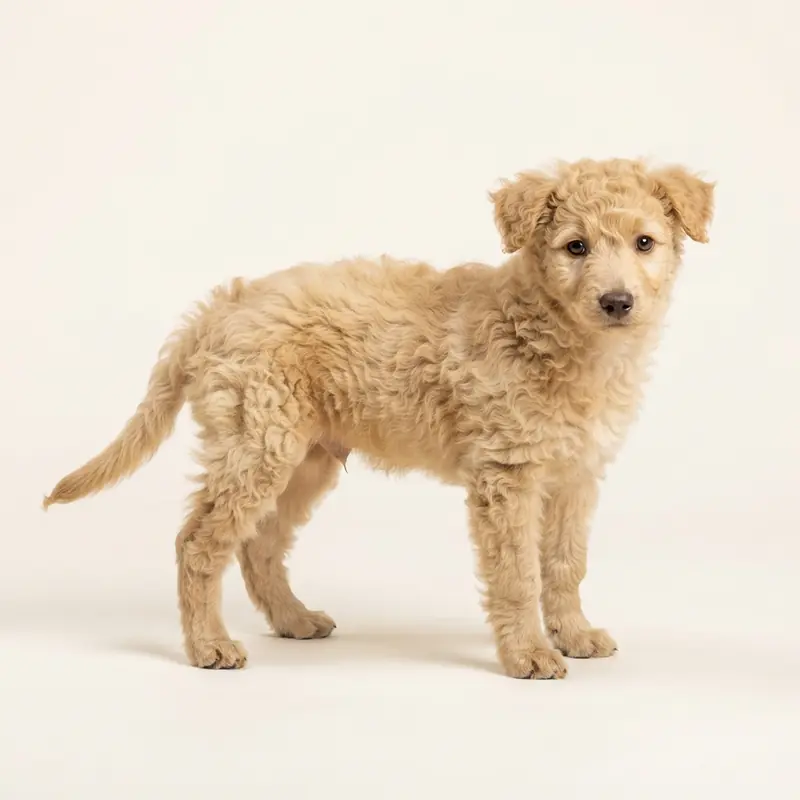
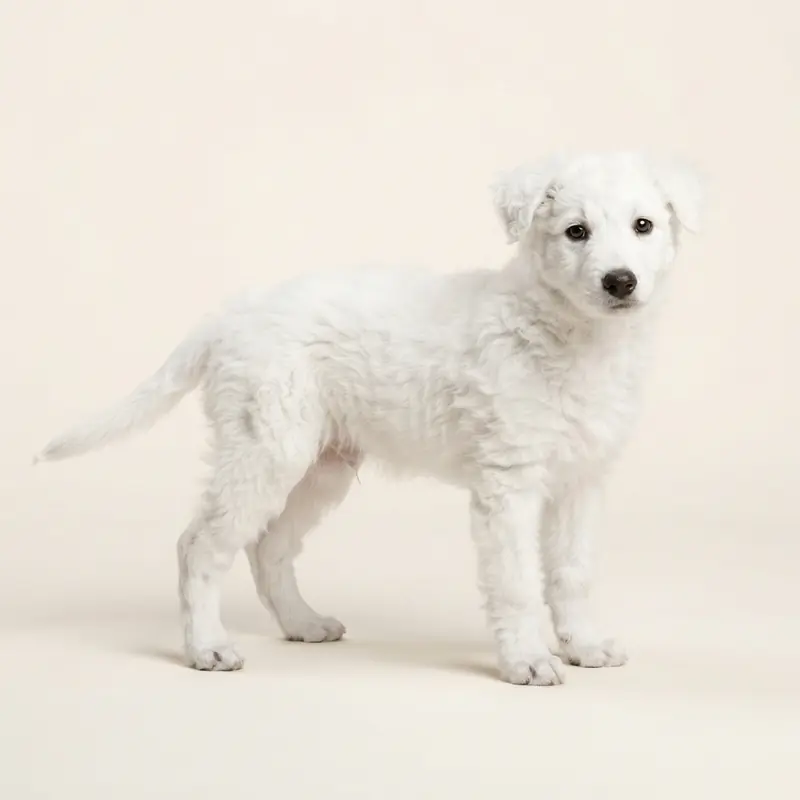
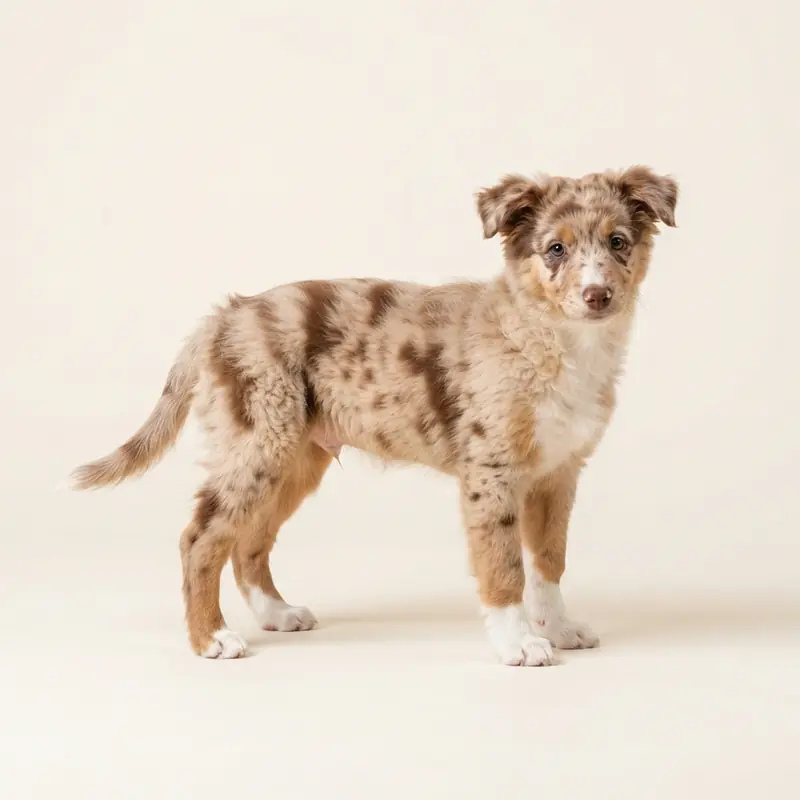
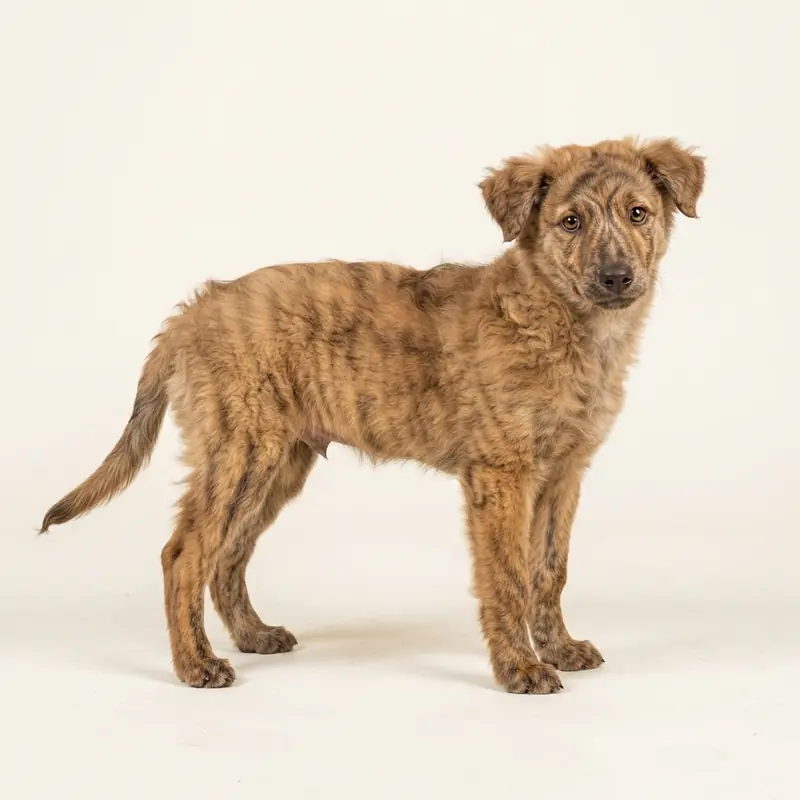
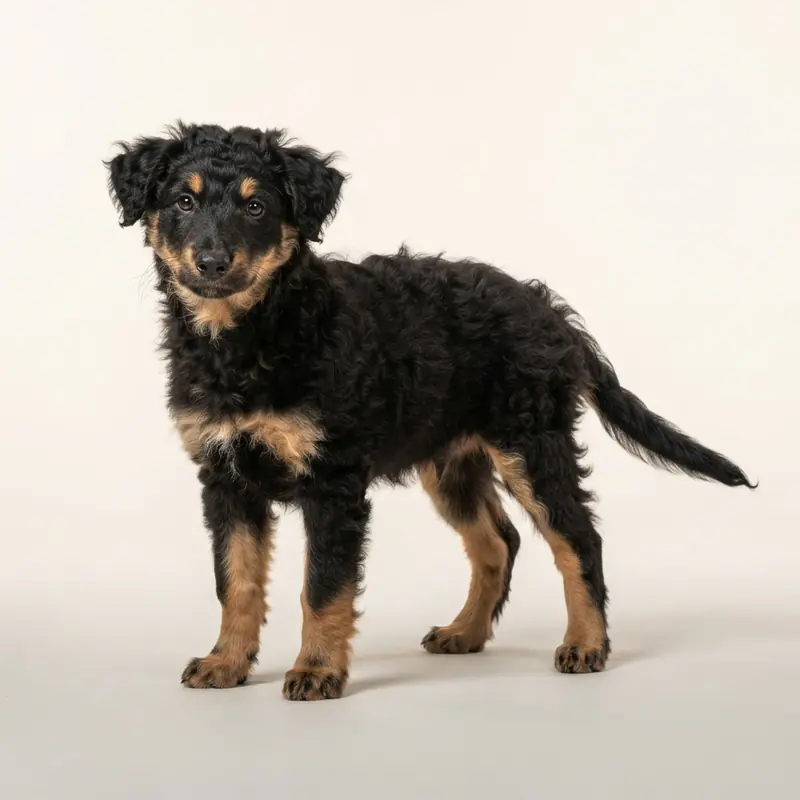
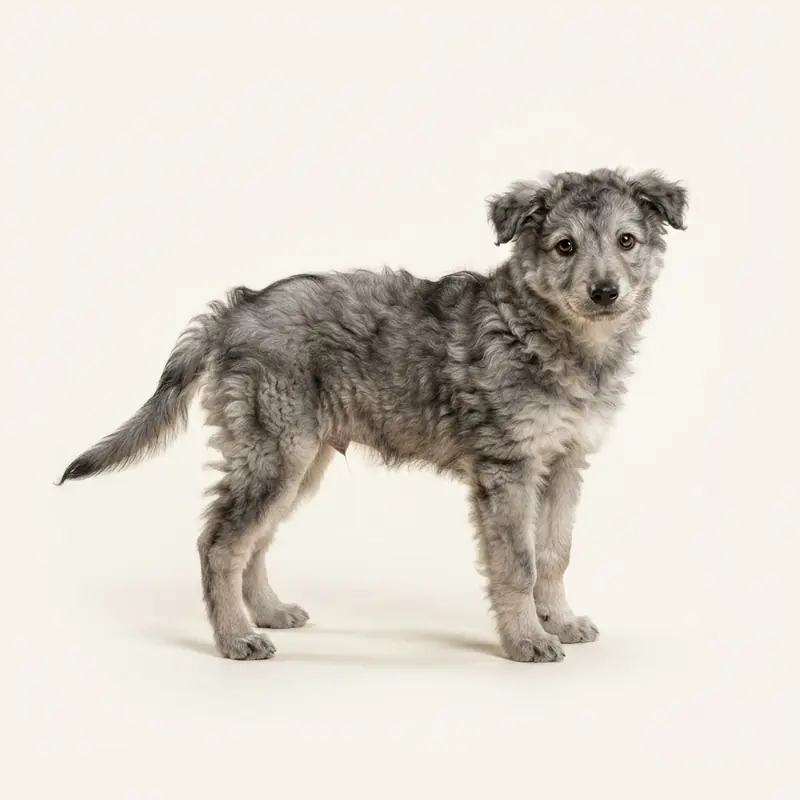
The Mudi comes in these colors: Black, Blue merle, Grey, Brown, Fawn, White, Red merle, Brindle, Black and tan, Wolf grey. Colors that fall outside the breed standard are marked as such on the breed page.
Showcase your kennel on HonestDog and reach families searching for a responsibly bred Mudi.