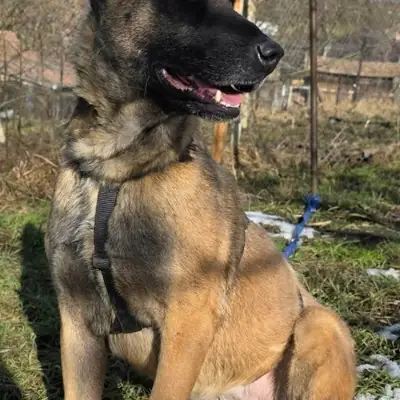
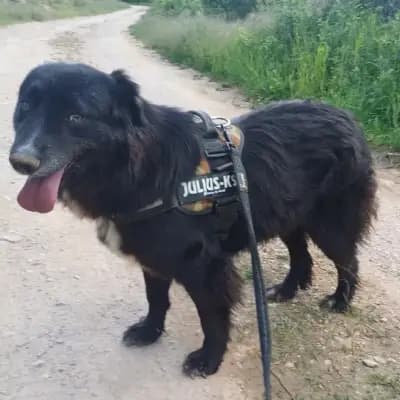
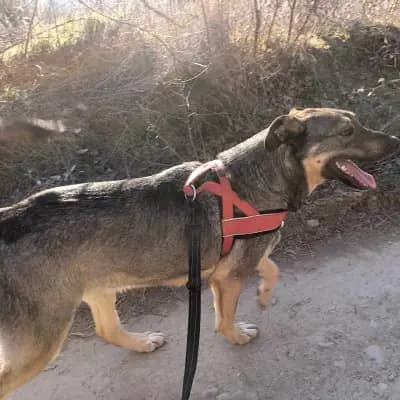
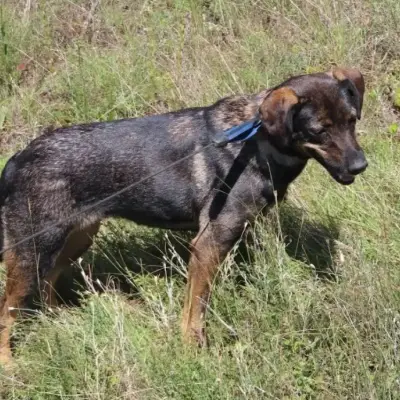
An adult Ca de Bou from a shelter or rescue already has a history of his own. Especially at the start, a self-assured dog will often quietly test whether he can rely on your leadership. Meet him with clarity, patience and consistent but loving training. Once he has come to trust you, his initial reserve gives way to a deep bond.
Be realistic about health when adopting, too: because of his massive build, the Ca de Bou has distinctly higher health risks, above all affecting the joints, breathing, heart and eyes. Known breed-typical problems include hip dysplasia (HD) and elbow dysplasia (ED), cruciate ligament rupture (rupture of the cranial cruciate ligament), eyelid malformations (ectropion/entropion), the heart condition dilated cardiomyopathy, and the risk of gastric torsion. Health-conscious breeders have the parent dogs X-rayed for HD and ED, have their hearts and eyes examined clinically, and make sure the airways are clear. This lowers the risk for the offspring, but it does not completely eliminate the underlying risks of this breed. If a shelter dog comes from an unknown background or from irresponsible mass breeders, such health checks on the parents are often missing altogether. So keep your dog lean throughout his life, avoid heat consistently, and honestly budget for higher vet costs over his 10 to 12 years of life.