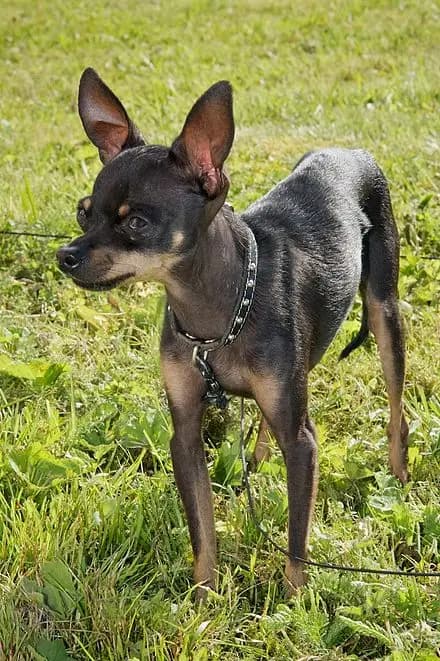
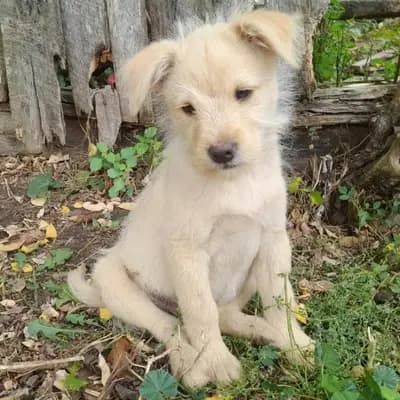
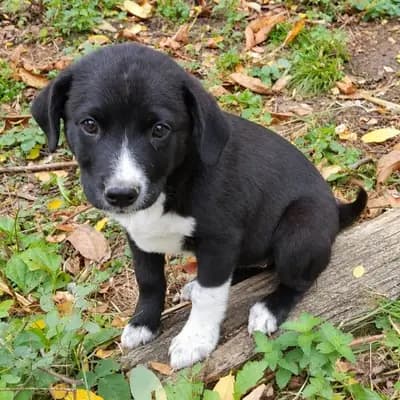
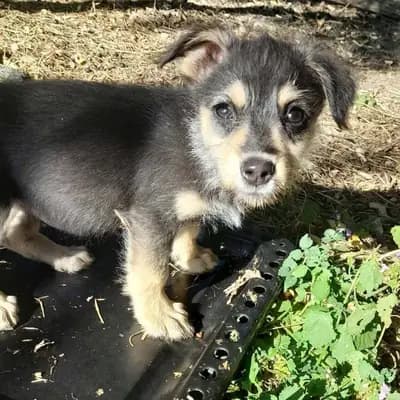
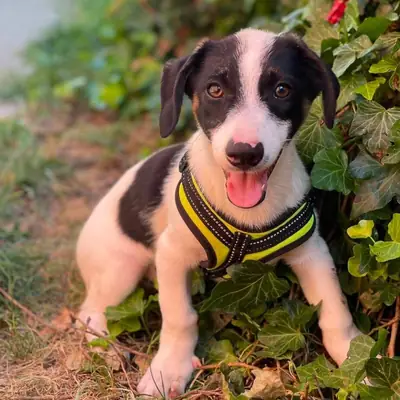
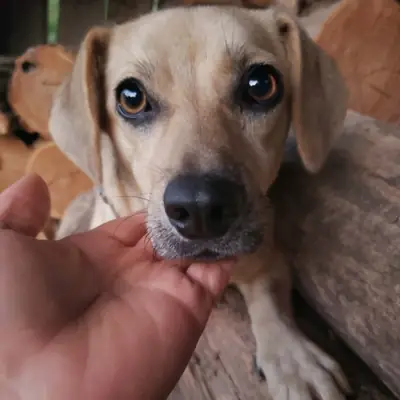
In a rescue centre, the sensitive Russkiy Toy (Shorthair) often seems reserved or shy at first. The noise and the lack of a permanent person to bond with take their toll, and with his short, smooth coat without an undercoat, he quickly gets cold in unheated areas. Once he begins to trust you, however, his charming, playful nature blossoms.
In terms of health, these dogs are considered fairly robust when well bred and reach a life expectancy of 12 to 14 years. Even so, their small size brings breed-typical issues with the knees, teeth and delicate bones. Known risks include patellar luxation (the kneecap slipping out of place) and Legg-Calvé-Perthes disease of the hip joint. Eye diseases such as progressive retinal atrophy (prcd-PRA) and cataracts, as well as myxomatous valve degeneration of the heart, also occur in the breed. A health-focused breeder deliberately reduces these risks: there is an established DNA test for prcd-PRA that shows whether a parent dog is clear, a carrier or affected – reputable breeders only mate carriers with clear partners. They also have the knees, eyes and hearts clinically examined and pay attention to a sound bone structure and healthy teeth, in order to reduce the risks of extreme miniaturisation.
With a rescue dog, the background is often unknown; sometimes the dogs also come from irresponsible breeders who skipped such health checks. In most cases, vaccinations, microchip and an initial examination are covered by the rescue centre; ask to see the paperwork and ask the vet on site specifically about the condition of the kneecaps, teeth and heart.