Russian Toy
Close relative

Dogs love cookies, and so do we
Cookies for analytics and ads. Privacy
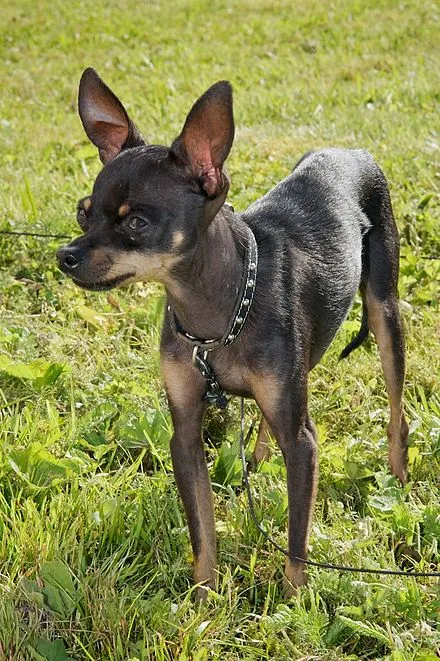
The Russkiy Toy is a lively, extremely affectionate companion dog—bred as a prestigious lapdog for the Russian nobility, it carries the heart and alertness of a large dog despite its tiny size.
Self-check
Answer 6 quick questions about your everyday life and see how well the Russkiy Toy (Shorthair) fits you — including an honest cost estimate per month, per year, and across the dog's lifetime.
Question 1 of 6
Count honestly — the normal day, not the best one.
At a glance
The essentials — key facts, traits, and health priorities — before you dive deeper.
Lifespan
12–14 yrs
Shoulder height
22–27 cm
Weight
2–3 kg
Practical
Temperament
Daily life
What matters most
Especially with a Russkiy Toy (Shorthair), choosing the right breeder is the single most important decision you'll make. Serious breeders consistently test the parents for inherited conditions, prioritize healthy early socialization, and stay accountable long after handover. A cheap puppy without health screening tends to become the most expensive dog later on.
See HonestDog breeder standards →Colors & coat
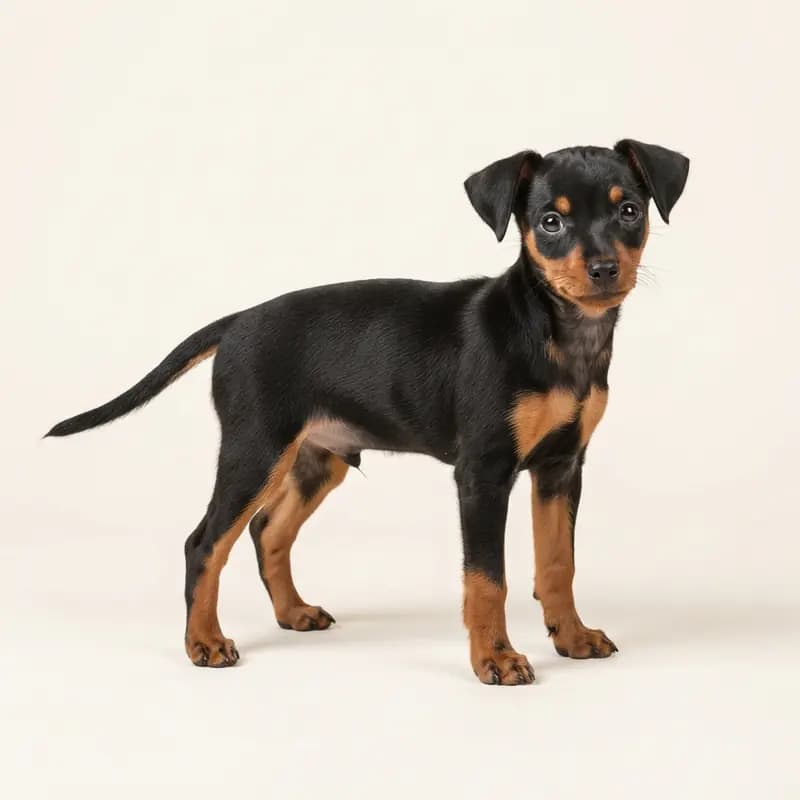
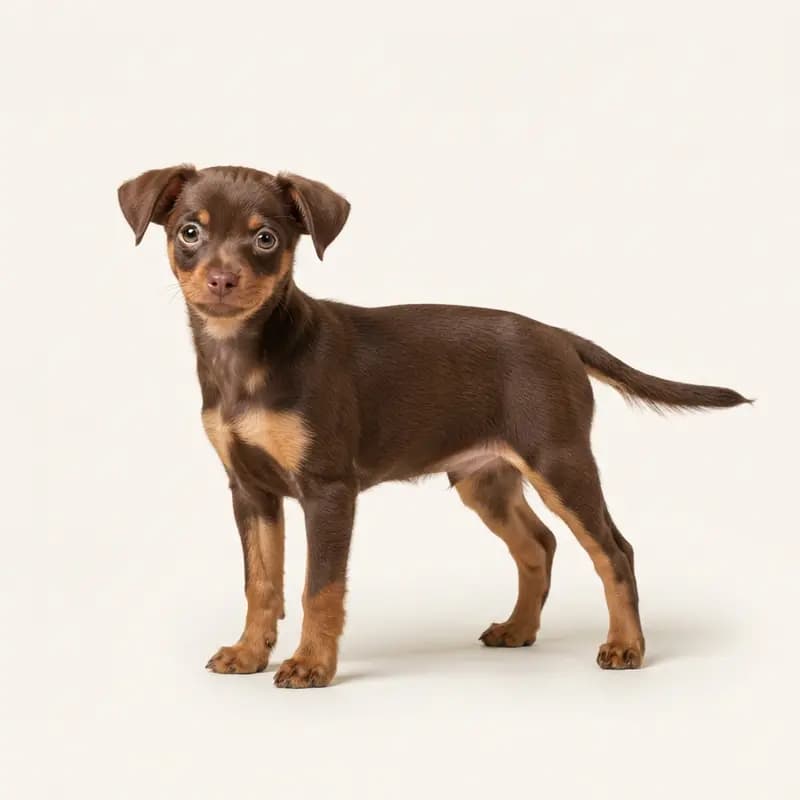
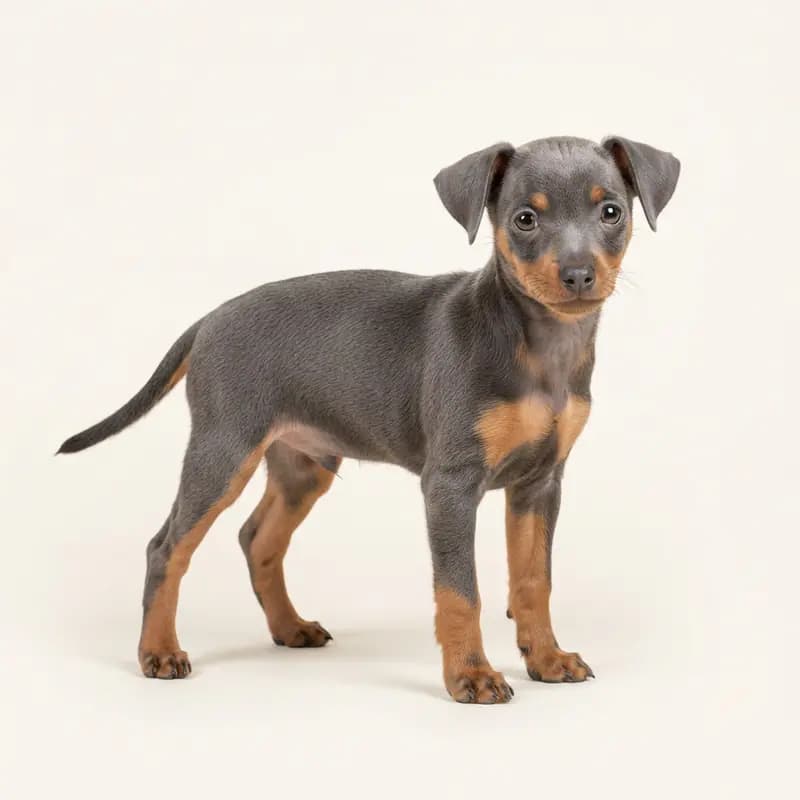
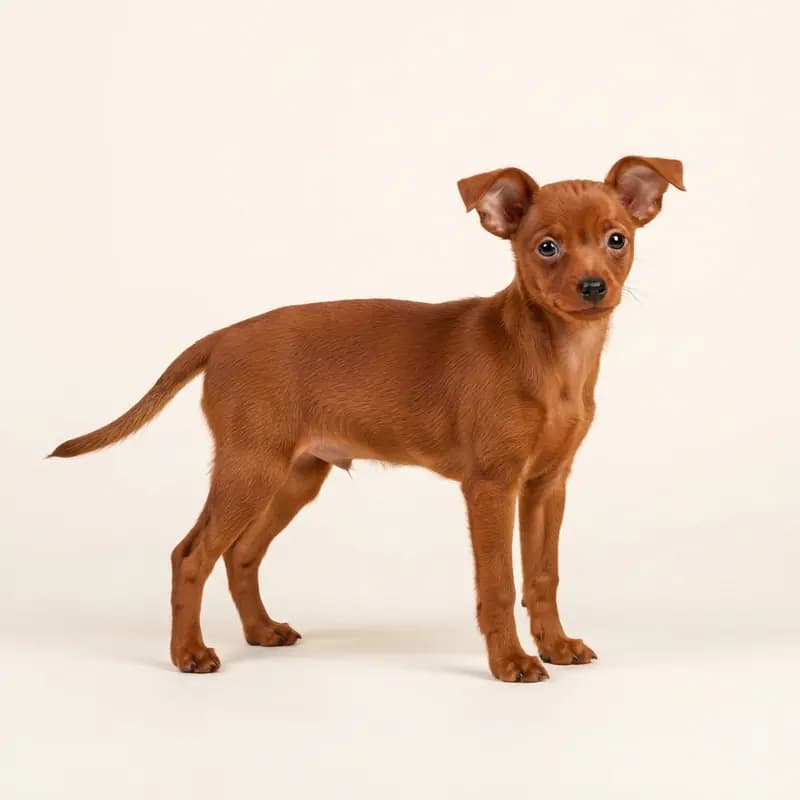
The coat colors that occur in the Russkiy Toy (Shorthair) — including which ones fall outside the breed standard and which carry genetic risk.
Eye colors
 Brown
 Amber
Coat type
 Short
 Smooth
The real vibes check
A Russkiy Toy is not a handbag accessory, but a full-fledged dog in miniature format that thinks it is a giant. It will stick to your heels like a tiny, attentive shadow and requires real training, not just admiration. If you treat it like a real dog, you will get the most loyal companion that three kilograms can hold.
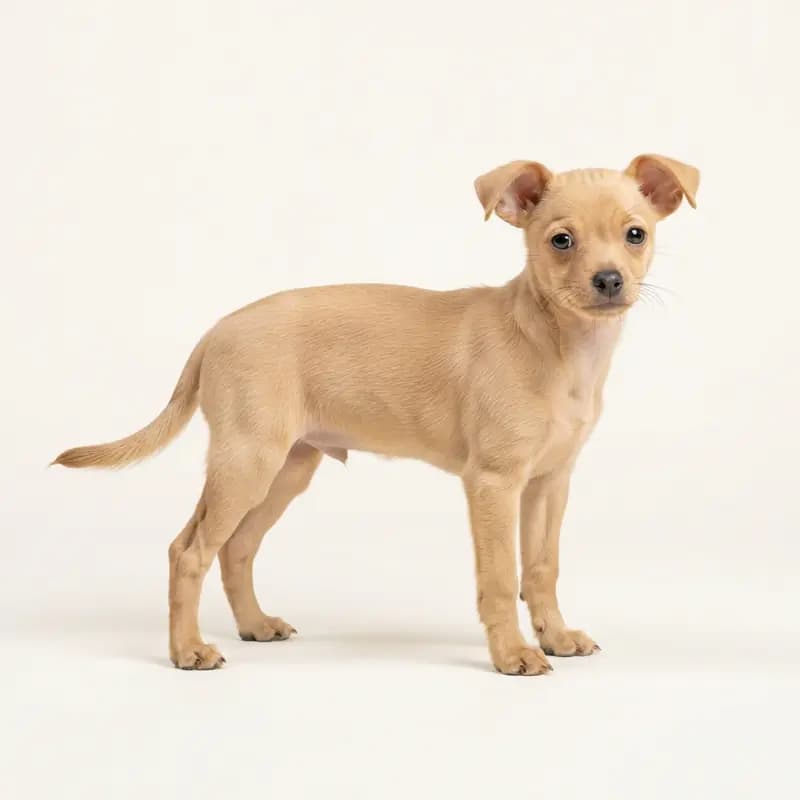
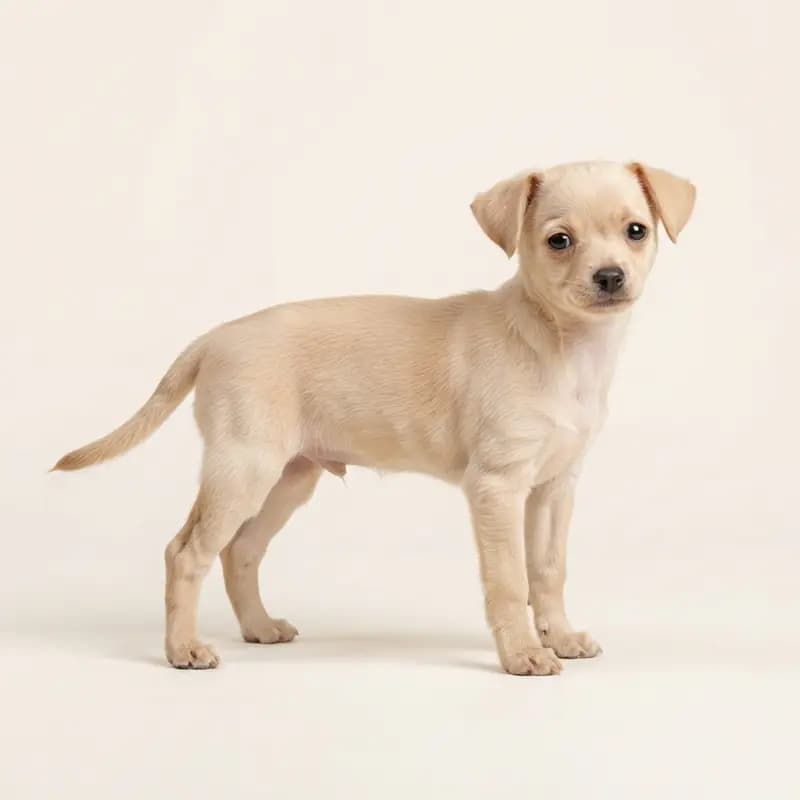
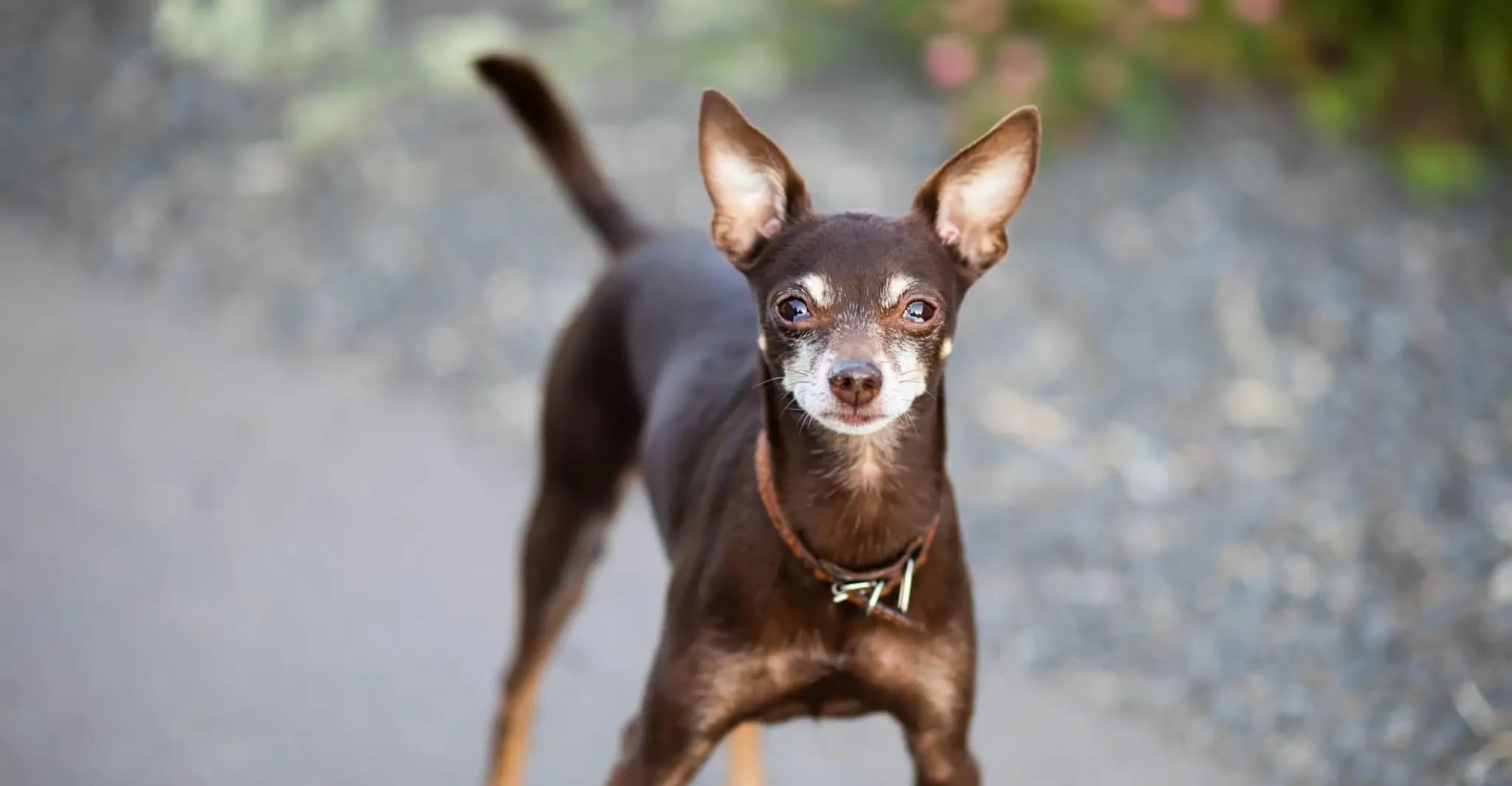
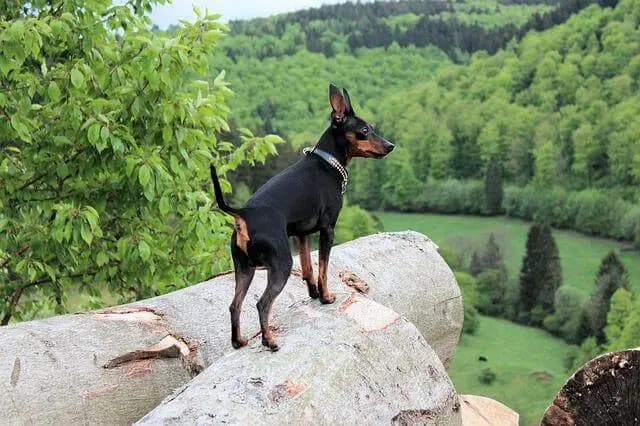
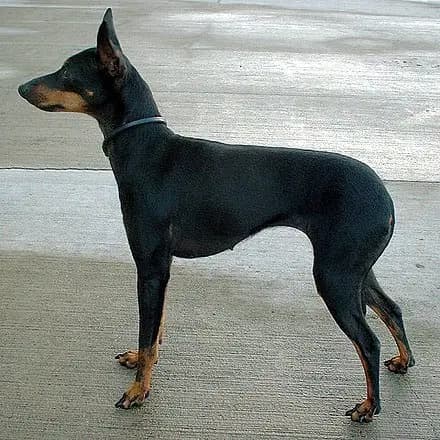
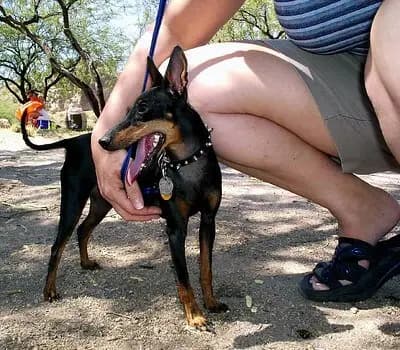
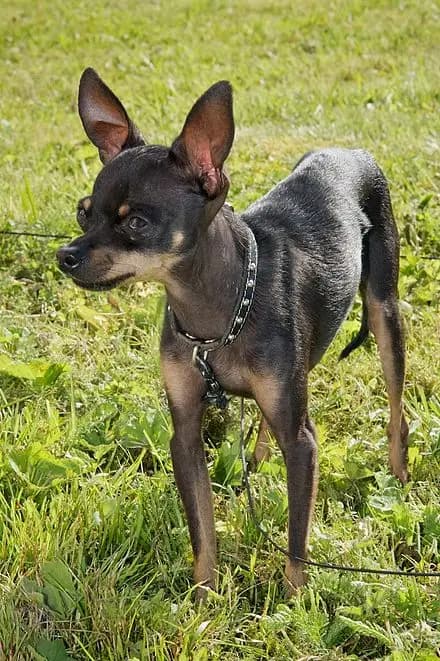
The Russkiy Toy is a small but elegant dog with a strong personality. The short-haired version of this breed has a smooth, shiny coat that accentuates its compact and well-formed body. Their head is small and light with dark, expressive eyes and high-set, large bat ears that emphasize their alert and inquisitive nature. Despite their small size, these dogs are very agile and show a striking level of grace and elegance in their movement. The Russkiy Toy belongs to FCI Group 9 of companion and toy dogs. There is no distinction between show and working lines in this breed as it is primarily bred as a companion dog.
The Russkiy Toy is a small dog with a big personality. They are known for their loyalty and strong bond with their family. This makes them excellent companion dogs who enjoy being close to their people and being involved in their activities. Their temperament is usually lively and energetic. Despite their small size, they are very active and enjoy games and activities. They are intelligent and quick learners, making them fun partners that are easy to train. Although they are loving and affectionate with their family, they can be a bit reserved around strangers at first. However, they are not aggressive and with proper socialization can learn to be open and friendly towards new people and situations. Their hunting instinct is low compared to other breeds, making them good candidates for living with other pets. They are alert and will likely warn their family of strangers, but they are not prone to barking for no reason. Despite their strong bond with her family, the Russkiy Toy can learn to stay alone for short periods of time. However, they can suffer from separation anxiety if left alone for long periods of time, so it is best if they have regular company. In summary, the Russkiy Toy is a loving and energetic companion dog that enjoys being the center of attention. They are loyal, intelligent and adaptable, making them a great companion for the right person or family. Their charming personality and willingness to please make them an unforgettable part of any family lucky enough to own such a dog.
| Watchfulness Occasionally alerts but is fundamentally open. | Low |
| Openness to Strangers Warms up quickly and is generally welcoming. | Friendly |
| Hunting or Herding Drive Barely any prey drive — small animals trigger nothing. | Very low |
Fun Fact!
Despite their tiny size, Russkiy Toys were originally kept as guard dogs in their native Russia!
The Russian Toy is a small, elegant, lively dog with long legs, fine bones and slim muscles. He is active and cheerful, has a strong intelligence and wants to please. This breed loves to cuddle and be close to its people, although it can sometimes be a bit aloof with strangers. They are neither fearful nor aggressive.
Despite their small size and charming appearance, Russkiy Toys are active dogs that need both mental and physical stimulation. They are suited to city life as long as they get enough exercise and mental stimulation. They generally get along well with children, but due to their small size, interactions with small children should always be supervised to ensure the dog is not accidentally injured. They also usually get along well with other pets.
Loves family life and thrives in a group.
Takes boisterous and affectionate children in its stride.
Usually gets on fine with other dogs.
Small space, noise, lots of people — no problem at all.
Owning a dog is a privilege, but it's also a real responsibility. Before you bring one into your life, be honest with yourself about the commitment it takes.
The Russkiy Toys are intelligent and eager to learn, which makes training easier. They enjoy completing tasks and pleasing their owners. However, since they have a somewhat independent streak, it is important to keep training positive and varied to keep their attention. While they need regular mental and physical activity, there is little risk of "overstimulating" them. Because of their small size, they do not require as much exercise as larger breeds. It is important that the Russkiy Toy learns to tolerate frustration and control impulses. This includes learning to be alone and to remain calm when he is not the center of attention. Even if the Russkiy Toys are not ball junkies, they still love playing with balls and other toys. However, they are not prone to developing obsessive behaviors.
The Russkiy Toy's diet should be balanced and high quality. Because of their small size, they only need small amounts of food, but it is important that the food contains all the necessary nutrients. A special food for small breeds is often the best choice. The Russkiy Toy (shorthair) requires relatively little care. Their short coat has no undercoat and sheds little. Brushing them regularly is enough to keep their coat clean and healthy. Because they have no undercoat, they can get cold easily in cold climates and may require a dog coat for winter walks.
| Care Level Minimal effort — occasional brushing and bathing. | Low-maintenance |
| Exercise Needs Needs 1–2 hours of real exercise daily. | Active |
| Shedding No or minimal hair loss — suitable for allergy sufferers. | No shedding |
| Trainability Willing to learn with clear rules and regular training. | Balanced |
Our experts are still reviewing this information. Spotted something wrong? Email us at info@honestdog.de.
Solid
Health grade
The Russkiy Toy (Shorthair) receives a grade B, as it is comparatively robust for a toy breed, but still exhibits typical vulnerabilities. The hereditary disease Progressive Retinal Atrophy (prcd-PRA), which can lead to blindness, can be effectively ruled out in advance through genetic testing. Additionally, when purchasing a puppy, it is essential to look for proof of screening for patellar luxation (slipping kneecap), as this joint weakness frequently occurs in small dogs.
Grade is relative to other breeds — AI-assisted and editorially reviewed.
Methodology and data: HonestDog Dog Breed Health Report 2026
What matters most for this breed
Tap any item to see details.
You should ensure good protection against the cold in winter, practice regular dental care, and maintain a safe environment to avoid injuries to its delicate bones.
Reputable breeders have the knees, eyes, and hearts of the parent dogs checked and focus on stable bone structure and healthy teeth to reduce the risks associated with extreme miniaturization.
Note: This health overview is AI-assisted and editorially reviewed. It is for orientation only and does not replace veterinary advice.
What matters most for this breed — what's common, how much it affects the dog's life, and how to protect yourself as a buyer.
Tap a body region to see the inherited conditions linked to it.
The three most important risks
Pick a region on the map to explore other areas.
Tier 1 is the recommended health standard for this breed. Tiers 2 and 3 show how responsible breeders go beyond.
Recommended standard. These tests make up the recommended health standard for this breed — the baseline of any careful breeding program. Ask any reputable breeder for the results.
No entries in this tier.
Note: This health overview is AI-assisted and editorially reviewed. It is for orientation only and does not replace veterinary advice.
A Russkiy Toy (Shorthair) costs around ~€150 per month (€80 – €270, depending on your setup). The first year adds up to roughly ~€4,350 including purchase, equipment and puppy school; across the dog's life (13 years) it comes to about ~€25,650.
With surgery cover, running costs come to about ~€140 per month — in return, your share of a major operation drops from several thousand euros to around 20 percent.
Per month
~€150
In the first year
~€4,350
Across the dog's life
~€25,650
Estimated purchase price from a breeder: €1,000 – €2,500
Estimate at a mid-range setup (suburban, dry food, 1–2 hours of daily exercise), average German prices, as of July 2026.
HonestDog Concierge
We currently have no breeders for this breed who have passed our verification. Create your short buyer profile: we'll set up your search alert, review a possible source and email you within 28 days.
 Illustrative image
 Illustrative image
 Illustrative image
 Illustrative image
The Russkiy Toy breed originated in Russia. It was originally developed in the 20th century to create a smaller version of the English Toy Terrier, which was very popular among the Russian elite. After the English Toy Terrier's popularity waned, breeders began breeding the Russkiy Toy to meet the demand for small companion dogs. In the 1990s, after the collapse of the Soviet Union, the breed became better known and gained popularity in the Western world. It was finally officially recognized as a separate breed by the Fédération Cynologique Internationale (FCI) in 2006. Today, the Russkiy Toy is still a relatively rare breed outside of its native country, but it is steadily gaining popularity due to its charming personality and appealing appearance.
The Russkiy Toy was bred as a small companion dog for the Russian aristocracy.
Russia
1800
Many owners describe living with a Smooth-coated Russian Toy as a joy, but they stress how closely these dogs bond with their people. Reports often call the breed its person's shadow: it wants constant physical contact and will happily spend hours on a lap or snuggled up on the couch. Its compact size makes it easy to take anywhere, whether to a restaurant, on the bus or train, or to the office. On walks it is surprisingly active, enjoys running across fields for long stretches and has no interest in being treated as a mere lapdog.
At the same time, owners point to the challenge of leaving these dogs alone. Because they are so attached, many find it hard to settle without their person. If time alone isn't built up gradually and patiently from puppyhood, they are quick to develop separation stress, which can show up as persistent whining, howling or barking. Experienced owners also warn against overwhelming the dog in a hectic household with small children; its fine-boned build means a higher risk of injury from rough play or a careless step.
Sources:mit-tier.dehundeseite.dehappyrusskiytoy.jimdofree.comedogs.deeinfachtierisch.de
In owner reports on training and temperament, the Russian Toy is regularly praised for its intelligence and quick grasp of things. These dogs want to please their people and usually pick up basic commands or tricks in no time. Even so, owners repeatedly stress that training a small dog like this shouldn't be taken lightly. If you let little bad habits slide out of convenience, this clever dog will take full advantage of the leeway. Its small size also tempts many owners to scoop it up too quickly whenever another dog approaches, which, according to owner reports, often leads to insecurity, excessive barking and "yapping" on the leash.
Alertness is another central topic in day-to-day training. Thanks to its terrier ancestry, the Russian Toy has a strong urge to alert and quickly sounds off at noises in the hallway or at the front door. Owners report that clear leadership and a "quiet" cue taught early are necessary so the alerting doesn't turn into constant yapping. Prey drive is considered moderate and manageable in most dogs, but now and then they will dash after small animals or birds, which is why a reliable recall should be practiced thoroughly from the start.
Sources:mit-tier.dehundeseite.deedogs.deeinfachtierisch.demein-haustier.de
On health and grooming, owners say the smooth-coated variety is very easy to care for day to day: the short, close-lying coat has no undercoat to speak of, needs only an occasional brush and dries quickly after rain. Owners point out, however, that without an undercoat and with little body fat these dogs are sensitive to wet and cold, so a protective dog coat for walks in the cold months is often a must.
As health weak spots, owners and breed-specific reports mainly name two typical small-dog issues: patellar luxation (the kneecap slipping out of place) and dental problems. Baby teeth often fail to fall out during teething and have to be pulled by a vet to prevent misalignment. The delicate jaw also builds up tartar quickly, so regular dental care is recommended. The fine, thin bones call for care too; jumping off high furniture or uncontrolled collisions with big dogs can easily lead to fractures. With these points in mind, and if the dog comes from a supervised breeding program, the Russian Toy is considered a sturdy, long-lived companion.
Paraphrased from real owner reports · translated from German
The Russkiy Toy (Shorthair) is an adaptable dog that adjusts well to various lifestyles. Research the temperament, grooming needs, and space requirements before deciding.
The average life expectancy of a Russkiy Toy (Shorthair) is 12-14 years. With proper care and regular vet visits, your dog can live a long, healthy life.
Russkiy Toy (Shorthair) grooming requirements include regular brushing, nail trimming, and dental care. HonestDog provides detailed grooming tips for every breed.
The Russkiy Toy (Shorthair) can be a great family dog. Proper training and socialization are key. HonestDog provides family suitability information for every breed.
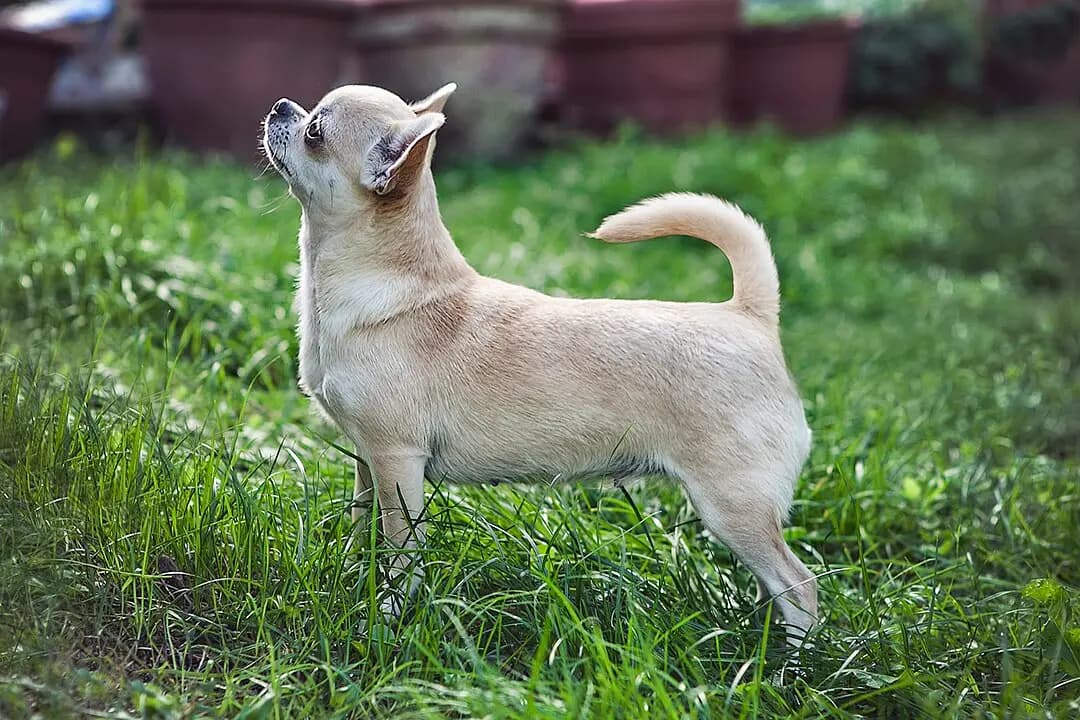
The Russkiy Toy (Shorthair) comes in these colors: Black and tan, Brown and tan, Blue and tan, Red, Fawn, Cream.
Showcase your kennel on HonestDog and reach families searching for a responsibly bred Russkiy Toy (Shorthair).