Russkiy Toy (Longhair)
Close relative

Dogs love cookies, and so do we
Cookies for analytics and ads. Privacy
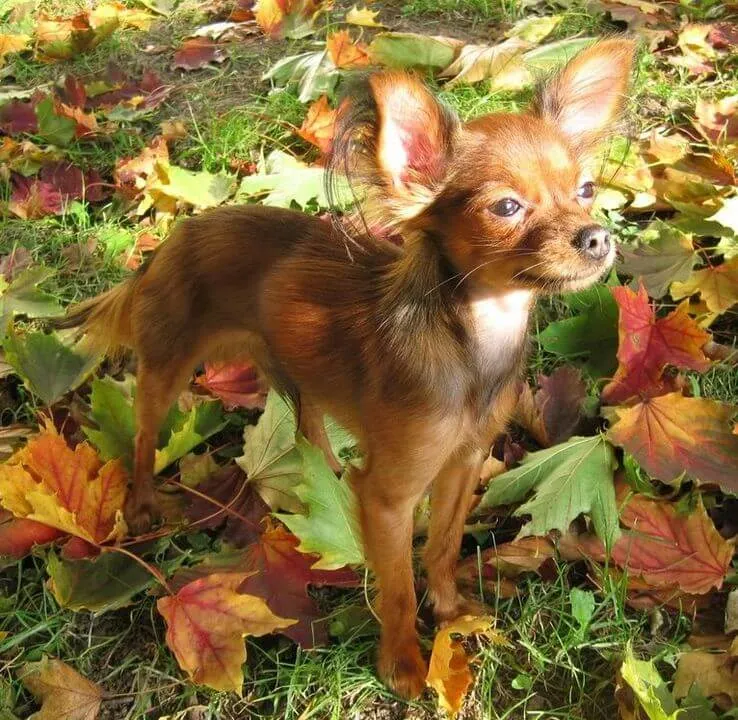
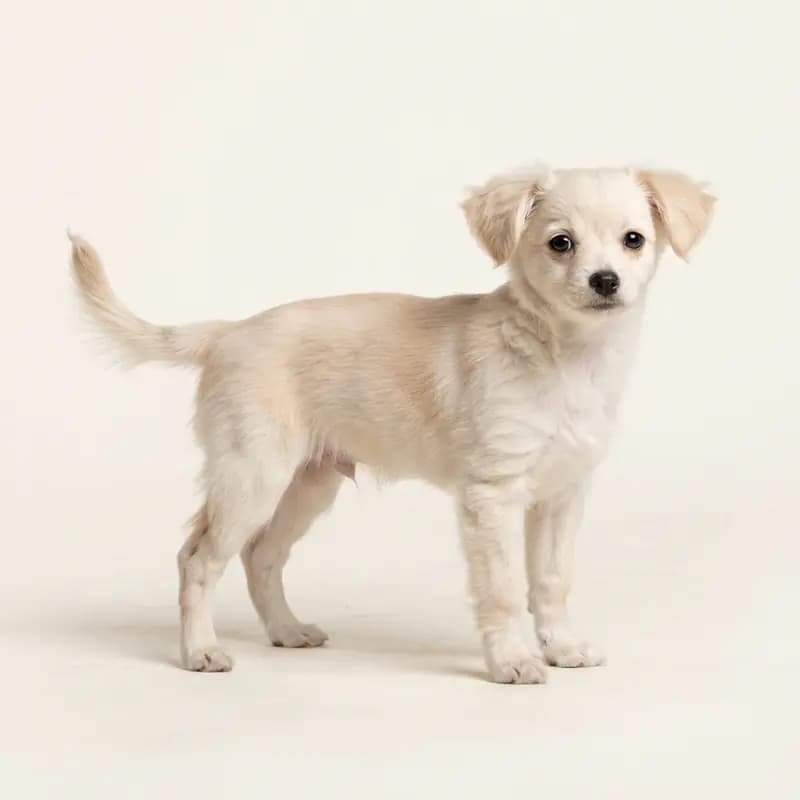
The Russkiy Toy is a tiny, spirited companion dog—bred as an exclusive lapdog that, despite its extremely delicate build, carries the brave, watchful heart of a terrier.
How the health grade is calculated
Sources for required breeding screenings. Verband Deutscher Kleinhundezüchter e.V.
Self-check
Answer 6 quick questions about your everyday life and see how well the Russian Toy fits you — including an honest cost estimate per month, per year, and across the dog's lifetime.
Question 1 of 6
Count honestly — the normal day, not the best one.
At a glance
The essentials — key facts, traits, and health priorities — before you dive deeper.
Lifespan
12–15 yrs
Shoulder height
22–27 cm
Weight
2–3 kg
Practical
Temperament
Daily life
What matters most
Especially with a Russian Toy, choosing the right breeder is the single most important decision you'll make. Serious breeders consistently test the parents for inherited conditions, prioritize healthy early socialization, and stay accountable long after handover. A cheap puppy without health screening tends to become the most expensive dog later on.
See HonestDog breeder standards →Colors & coat
The coat colors that occur in the Russian Toy — including which ones fall outside the breed standard and which carry genetic risk.
Eye colors
 Brown
Coat type
 Illustrative image
Short
 Illustrative image
Long
 Smooth
The real vibes check
A Russkiy Toy is not a handbag accessory, but a full-fledged dog in miniature format. He marches fearlessly through life on his spindly legs and demands to be taken seriously in his needs. If you are prepared to protect his physical fragility without wrapping his spirit in cotton wool, you will gain an intrepid, unconditionally loyal shadow.
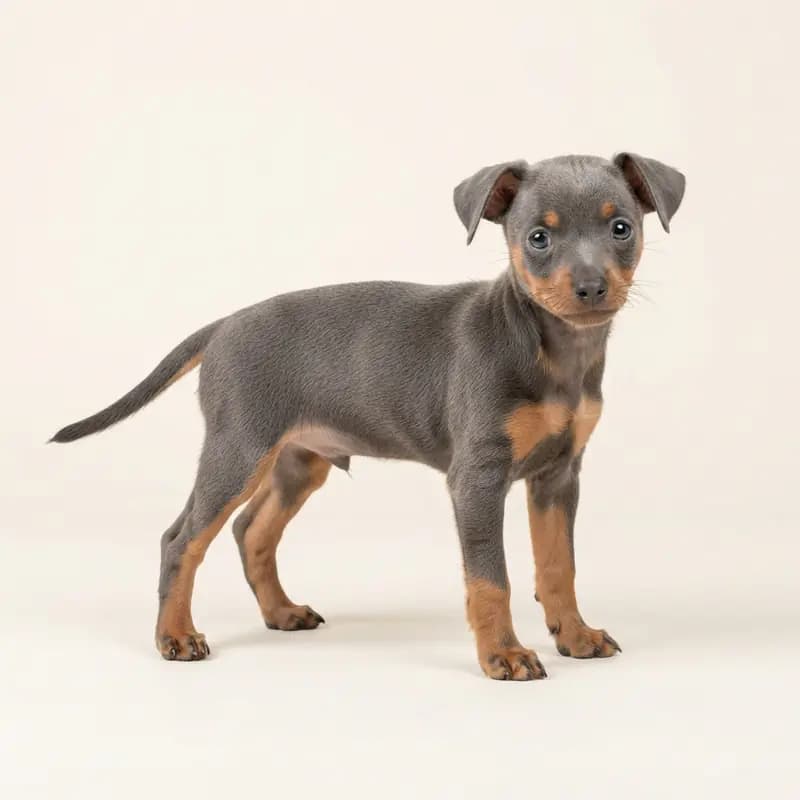
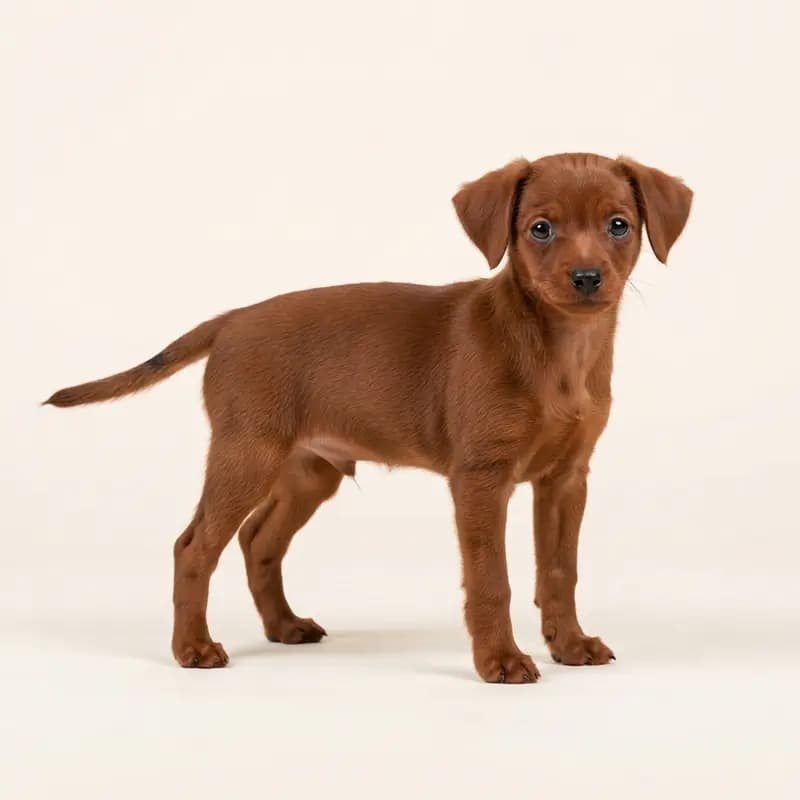
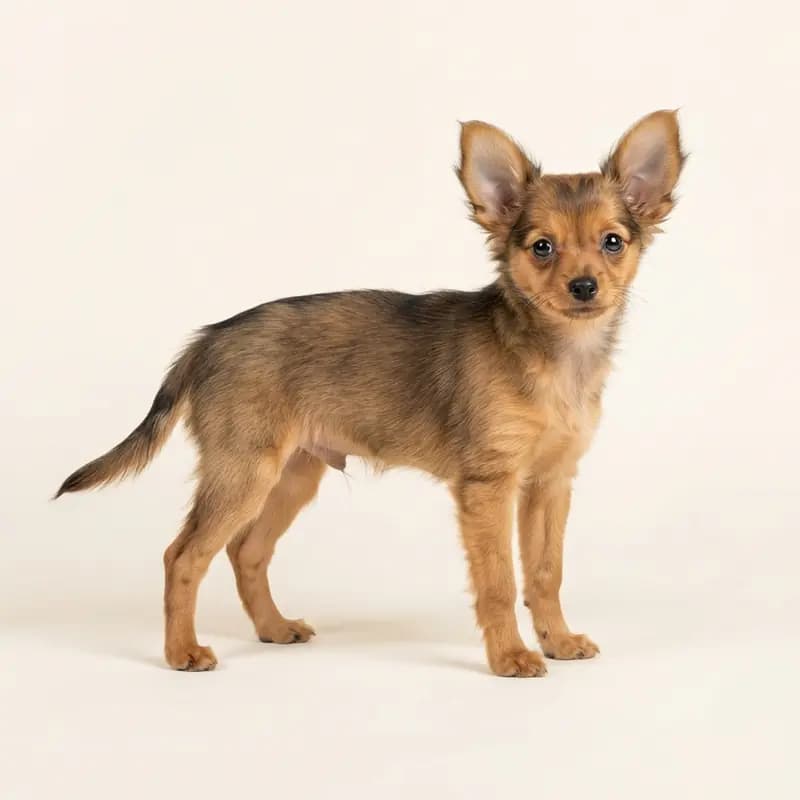
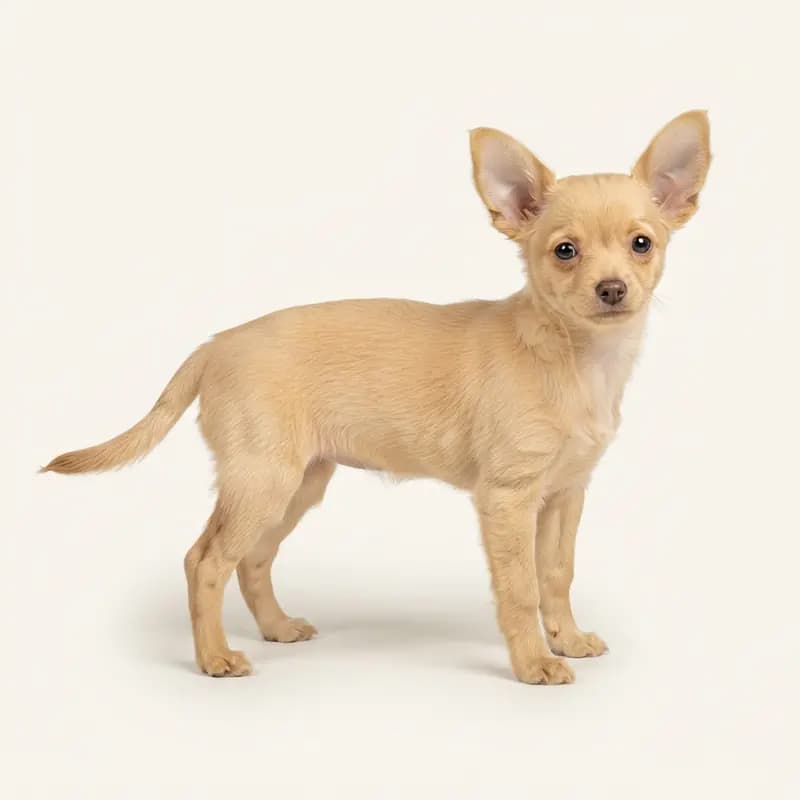
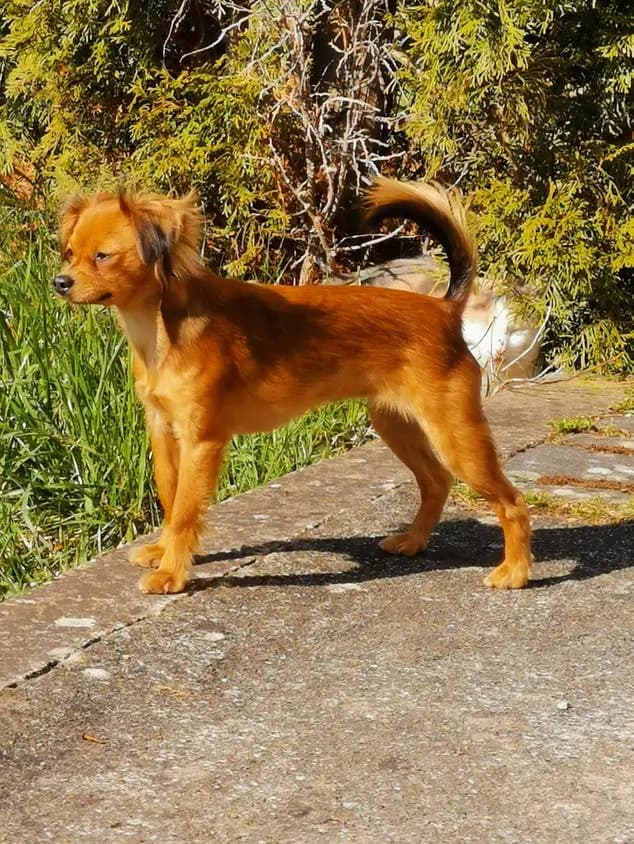
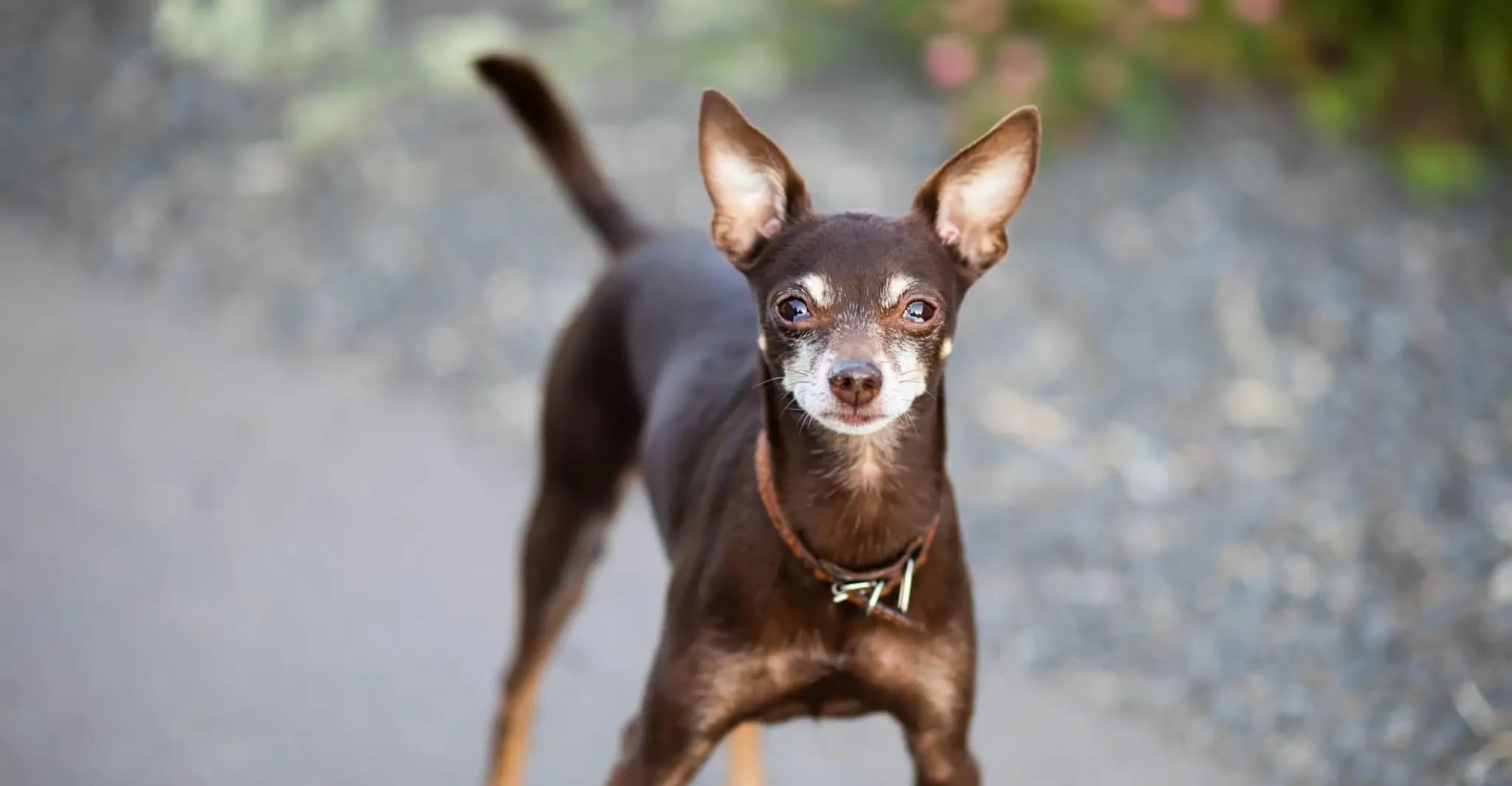
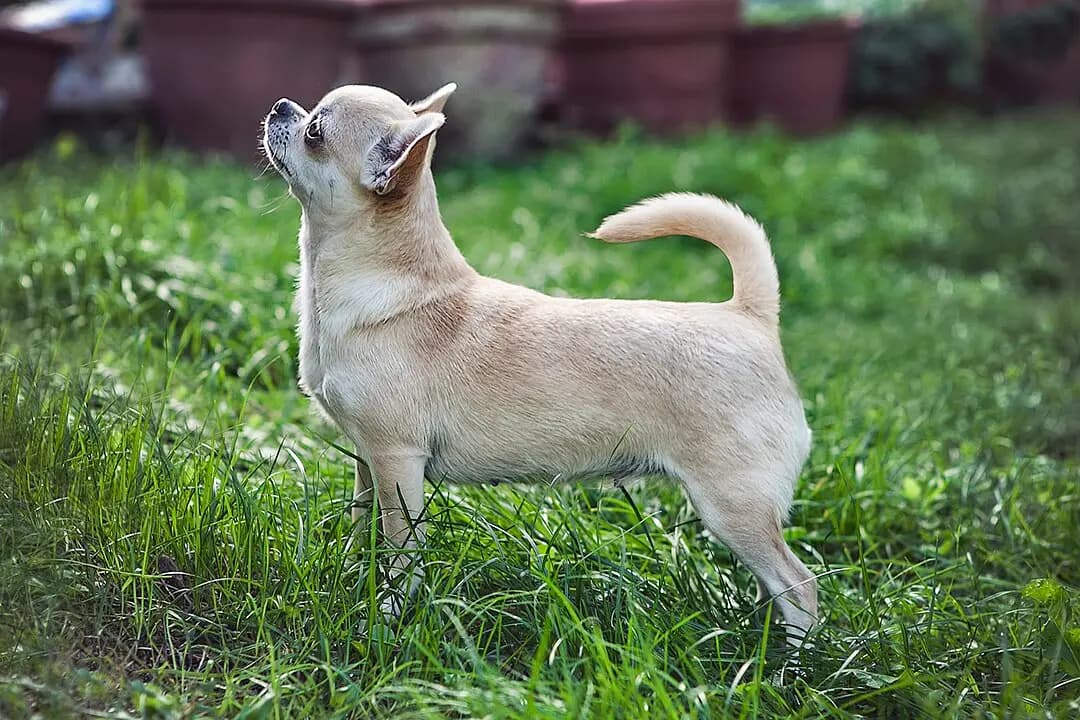
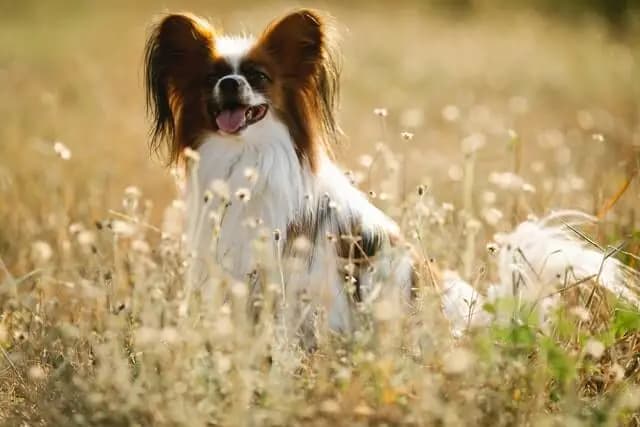
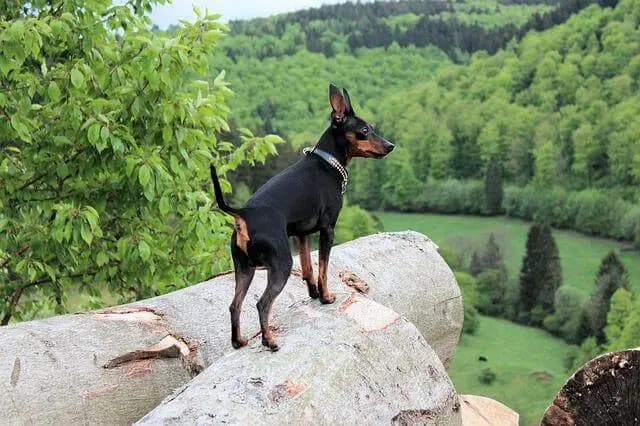
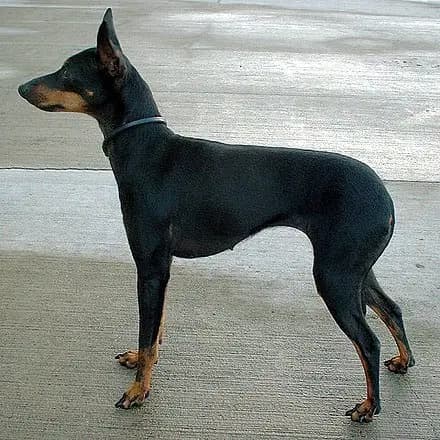
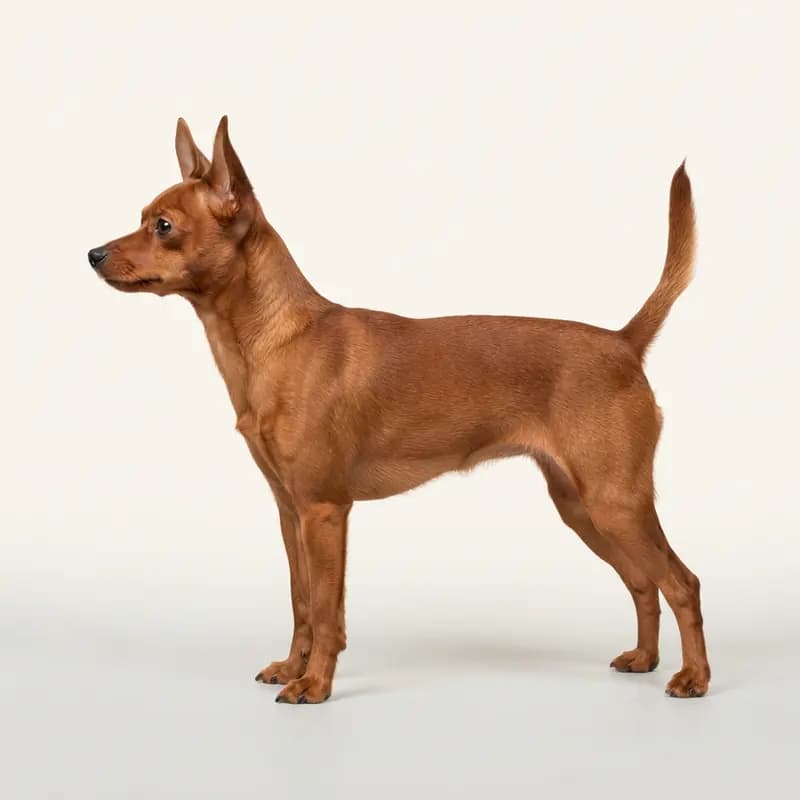
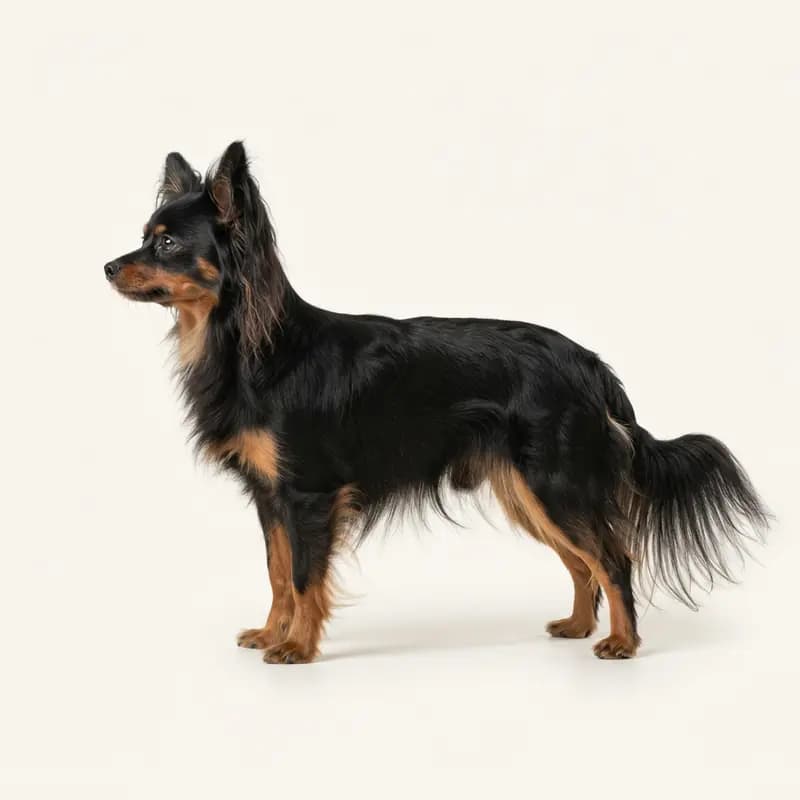
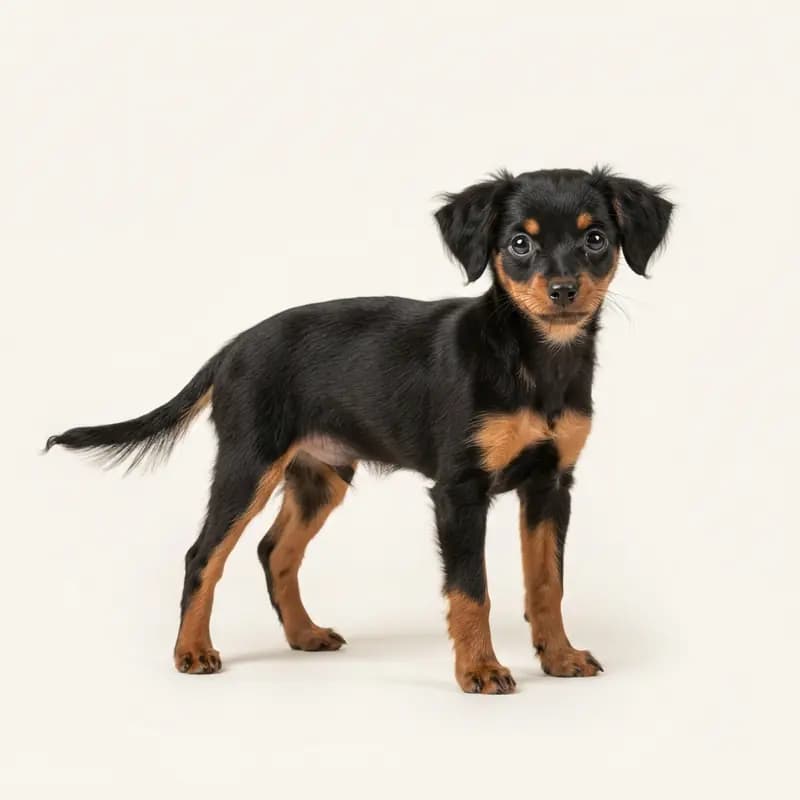
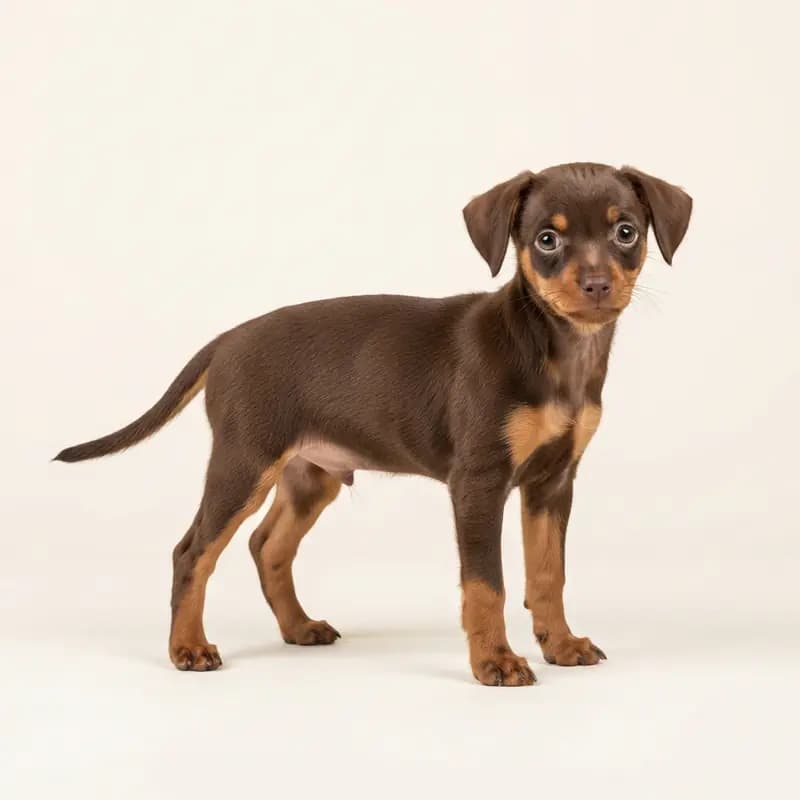
The Russkiy Toy, also known as the Russian Toy, is a small, elegant dog with strong musculature and fine bones. Its appearance is harmonious and gives it an aristocratic charm. With his large, expressive eyes and high-set, large ears, he radiates a special curiosity and joy of life. The head is small, the skull is somewhat rounded with a slight forehead furrow. The back is strong and straight, and the tail is usually carried erect. There are two coat versions of the Russkiy Toy: The short-haired version has a smooth, shiny and close-fitting coat without an undercoat. The long-haired variety has soft, straight or slightly wavy fur with fringes on the ears and limbs. Both variants require a certain amount of fur care, although the long-haired variant requires a little more care due to the hair fringes on the ears and limbs. This dog breed belongs to FCI Group 9 of companion and toy dogs. There is no distinction between performance and show lines as the Russkiy Toy is bred primarily as a companion dog.
Despite its small size, the Russkiy Toy is a dog with a big heart and lots of character. He is known for his affectionate and loving nature. He loves being close to his people and is a real cuddly dog. But he's not just a lap dog. The Russkiy Toy is very lively and loves to play. He is always ready for a game or a small training session and is particularly happy when he gets his owner's full attention. Because of its history as a companion dog, the Russkiy Toy is very people-oriented. He loves his family more than anything and tends to develop a particularly close bond with one person. Despite his clinginess, he can also learn to stay alone if you teach him gently and patiently. The Russkiy Toy is an alert dog that pays attention to its surroundings and likes to keep an eye on everything. Although he is not a typical guard dog, he will still warn his family about the unknown. This little dog has a strong protective instinct and will not hesitate to defend his loved ones if he thinks they are in danger. Despite its size and cute appearance, the Russkiy Toy should not be underestimated. He is an intelligent and confident dog who knows what he wants. He needs clear boundaries and consistent training. But he is also very capable of learning and can be trained well with positive reinforcement and loving, patient upbringing. In general, the Russkiy Toy has a calm temperament. He is not hyperactive but enjoys regular activities and games. His intelligence and desire to please make him a good candidate for various dog sports such as agility or obedience. Mental activity is also important for this smart little dog. Puzzle toys or search games are a good way to keep him mentally occupied. Another aspect of the Russkiy Toy's character is his friendliness towards other dogs and animals. He is generally very social and gets along well with other animals as long as he has been properly socialized. A pronounced hunting or prey-catching behavior is rather rare. In summary, the Russkiy Toy is a charming, affectionate and lively companion dog, characterized by its love and loyalty towards its family. With his adaptable nature and enjoyment of shared activities, he is the perfect companion for people looking for a small but active dog.
| Watchfulness Occasionally alerts but is fundamentally open. | Low |
| Openness to Strangers Warms up quickly and is generally welcoming. | Friendly |
| Hunting or Herding Drive Barely any prey drive — small animals trigger nothing. | Very low |
Fun Fact!
Did you know that the Russkiy Toy was originally bred to sleep in bed during the long, cold Russian winters to keep their owners warm? Today it is still a popular “hot water bottle replacement” in Russia!
The Russian Toy is a small, elegant, lively dog with long legs, fine bones and slim muscles. He is active and cheerful, has a strong intelligence and wants to please. This breed loves to cuddle and be close to its people, although it can sometimes be a bit aloof with strangers. They are neither fearful nor aggressive.
With its calm temperament and small size, the Russkiy Toy is well suited as a city dog. He can easily be kept in an apartment, but needs regular walks and playtime to burn off his energy. He loves spending time with his family, whether playing or cuddling on the sofa. The Russkiy Toy is good with children, especially if he is used to it from an early age. He can also get along well with other pets, including cats, if he has been properly socialized.
Lives for its family — the born family companion.
Takes boisterous and affectionate children in its stride.
Usually gets on fine with other dogs.
Small space, noise, lots of people — no problem at all.
Owning a dog is a privilege, but it's also a real responsibility. Before you bring one into your life, be honest with yourself about the commitment it takes.
The Russkiy Toy is an intelligent dog that learns quickly and enjoys working with his people. Consistent, positive training methods work best with this breed. Ball games, agility and obedience can be great ways to exercise your Russkiy Toy both physically and mentally. However, you should be careful that the dog does not become a “ball junkie” and always maintains a healthy balance between activity and rest periods. It is important that this little dog learns to be calm even when alone and develops frustration tolerance and impulse control. A well-behaved Russkiy Toy can be a wonderful companion and family member.
A balanced nutrition plan is key to the health of your Russkiy Toy. Smaller dog breeds like these tend to become overweight more quickly, so it's important to keep an eye on your dog's weight and feed him high-quality, nutritious food. Treats should only be given in moderation. Don't forget that fresh water should always be available! When it comes to grooming, the Russkiy Toy is quite easy to care for. There is a short-haired and a long-haired version, although the latter requires a bit more grooming. The short-haired variety only needs occasional brushing, while the long-haired variety needs regular brushing to prevent tangles. Both variants have They have no undercoat and therefore do not shed heavily. Despite its tropical origins, the Russkiy Toy copes well with the German climate. However, be sure to keep it warm in cold weather as it has little insulation material of its own.
| Care Level Minimal effort — occasional brushing and bathing. | Low-maintenance |
| Exercise Needs Needs 1–2 hours of real exercise daily. | Active |
| Shedding Regular shedding — dog hair on clothes is now normal. | Moderate |
| Trainability Willing to learn with clear rules and regular training. | Balanced |
Our experts are still reviewing this information. Spotted something wrong? Email us at info@honestdog.de.
Robust
Health grade
The Russkiy Toy is considered a very robust breed, but like many toy dogs, it has typical risks for patellar luxation (PL) and eye diseases such as cataracts. The Verband Deutscher Kleinhundezüchter e.V. therefore mandatorily requires a finding on patellar luxation for breeding approval, in which only the limit value PL 0 is accepted. Health-oriented breeders additionally have their breeding dogs examined for cataracts to rule out hereditary lens opacities. Before buying a puppy, ask to see the official certificate with PL 0 and the current proof that both parent animals are free of cataracts.
Grade is relative to other breeds — AI-assisted and editorially reviewed.
Methodology and data: HonestDog Dog Breed Health Report 2026
What matters most for this breed
Tap any item to see details.
You should ensure consistent dental care, avoid high jumps to protect his bones, and keep the dog appropriately warm in cold weather.
Responsible breeders provide proof of the mandatory patellar luxation finding (PL 0) for both parents and additionally have them examined for cataracts to ensure they are free from hereditary eye diseases.
Note: This health overview is AI-assisted and editorially reviewed. It is for orientation only and does not replace veterinary advice.
What matters most for this breed — what's common, how much it affects the dog's life, and how to protect yourself as a buyer.
Tap a body region to see the inherited conditions linked to it.
The three most important risks
Pick a region on the map to explore other areas.
Tier 1 reflects the tests Verband Deutscher Kleinhundezüchter e.V. actually mandates. Tiers 2 and 3 show how responsible breeders go beyond.
Club standard. Verband Deutscher Kleinhundezüchter e.V. requires these tests for breeding approval. Ask any reputable breeder for the results.
No entries in this tier.
Note: This health overview is AI-assisted and editorially reviewed. It is for orientation only and does not replace veterinary advice.
A Russian Toy costs around ~€150 per month (€80 – €270, depending on your setup). The first year adds up to roughly ~€4,350 including purchase, equipment and puppy school; across the dog's life (13.5 years) it comes to about ~€26,540.
With surgery cover, running costs come to about ~€140 per month — in return, your share of a major operation drops from several thousand euros to around 20 percent.
Per month
~€150
In the first year
~€4,350
Across the dog's life
~€26,540
Estimated purchase price from a breeder: €1,000 – €2,500
Estimate at a mid-range setup (suburban, dry food, 1–2 hours of daily exercise), average German prices, as of July 2026.
 Illustrative imageIllustrative image
 Illustrative image
 Illustrative image
The Russkiy Toy, also known as the Russian Toy, is a relatively young breed whose origins can be traced back to the English Toy Terrier. At the beginning of the 20th century, the English Toy Terrier was one of the most popular companion dogs in Russia. However, following the Second World War, the population of these dogs had nearly vanished. In the 1950s, Russian breeders began a systematic effort to rebuild the breed. Since many of the dogs used for breeding lacked pedigrees and did not conform to the original standard, the type quickly diverged from its English predecessor, evolving into a distinct and independent breed. A decisive milestone in the breed's history occurred in 1958. From a mating of two smooth-haired dogs, a male named Chikki was born, who displayed distinct feathering on his ears and limbs. This dog was selectively bred with females that possessed slightly longer coats and is considered the official progenitor of the long-haired variety of the Russkiy Toy. Previously, only the smooth-haired form existed. Subsequent breeding focused on both coat varieties, which have always served exclusively as companion and lap dogs. Due to the political isolation of the Soviet Union, the Russkiy Toy developed independently of Western breeding lines for decades. In 2006, the breed finally received official recognition from the FCI.
Companion dog
Russia
1950er Jahre
At home and in family life, many owners describe the Russian Toy as an exceptionally affectionate, cuddly companion that seeks close physical contact and wants to be part of everything. It often bonds especially closely with one main person. Despite its delicate looks and a weight often under three kilograms, experienced owners stress that this is by no means just a "lapdog": the breed is surprisingly agile, loves long walks and really enjoys fast zoomies as well as small games, activities or agility.
The main everyday challenge owners name is the combination of tiny size and high activity. Households with very young children need to be careful, since the fine bones are easily injured by overly rough handling; many owners therefore recommend the breed for families with older, sensible children or for quieter homes. Many of these dogs also struggle with being left alone at first, because they are very attached to their people and need consistent, gradual practice at resting without company.
Sources:happyrusskiytoy.jimdofree.comeinfachtierisch.dehundeseite.demit-tier.demarkt.de
In training, the Russian Toy surprises many newcomers with its alert little mind and quick grasp of things. Most owners report that it is very eager to learn and responds strongly to positive reinforcement. At the same time, reports warn against brushing off training mistakes just because the dog is so small: without clear leadership, the little Russian tends to want to handle situations on its own, which often shows up as restlessness or stubbornness.
The most discussed training topic in owner reports is alerting and barking. As an attentive companion with a terrier's self-confidence, the Russian Toy is quick to sound off at suspicious noises in the stairwell or at the door; if the yapping isn't addressed early, it can quickly become a habit of its own. Meeting other dogs also calls for a cool head: many owners warn against snatching the little dog up out of misplaced worry every time a strange dog appears, since that only provokes insecurity or aggressive reactions on the leash.
Sources:einfachtierisch.demit-tier.dezoomalia.defressnapf.athunde-bedarf.at
On health and build, owners generally describe the Russian Toy as long-lived and lively, but they point to the weak spots typical of toy breeds. Dental problems come up especially often, since the narrow jaw encourages tartar buildup or baby teeth are retained during teething. Susceptibility to patellar luxation (dislocating kneecaps) is also regularly raised in the community, which is why many owners insist on health screening of the parent dogs.
Through the seasons, the Russian Toy, especially the smooth-coated variety, is considered sensitive to wet and cold. Owners agree that a well-fitting dog coat in fall and winter is not a fashion accessory but a necessity to keep the dog from getting chilled and shivering. On the plus side, grooming is easy: both the smooth and the long-haired variety, with the breed's typical ear fringes, are simple to keep clean and mat-free with regular brushing.
Sources:markt.dezoomalia.defressnapf.atmit-tier.dezooplus.de
Paraphrased from real owner reports · translated from German
The Russian Toy is an adaptable dog that adjusts well to various lifestyles. Research the temperament, grooming needs, and space requirements before deciding.
The average life expectancy of a Russian Toy is 12-15 years. With proper care and regular vet visits, your dog can live a long, healthy life.
Russian Toy grooming requirements include regular brushing, nail trimming, and dental care. HonestDog provides detailed grooming tips for every breed.
The Russian Toy can be a great family dog. Proper training and socialization are key. HonestDog provides family suitability information for every breed.
The Russian Toy comes in these colors: Black and tan, Brown and tan, Blue and tan, Red, Sable, Fawn, Cream.
Showcase your kennel on HonestDog and reach families searching for a responsibly bred Russian Toy.