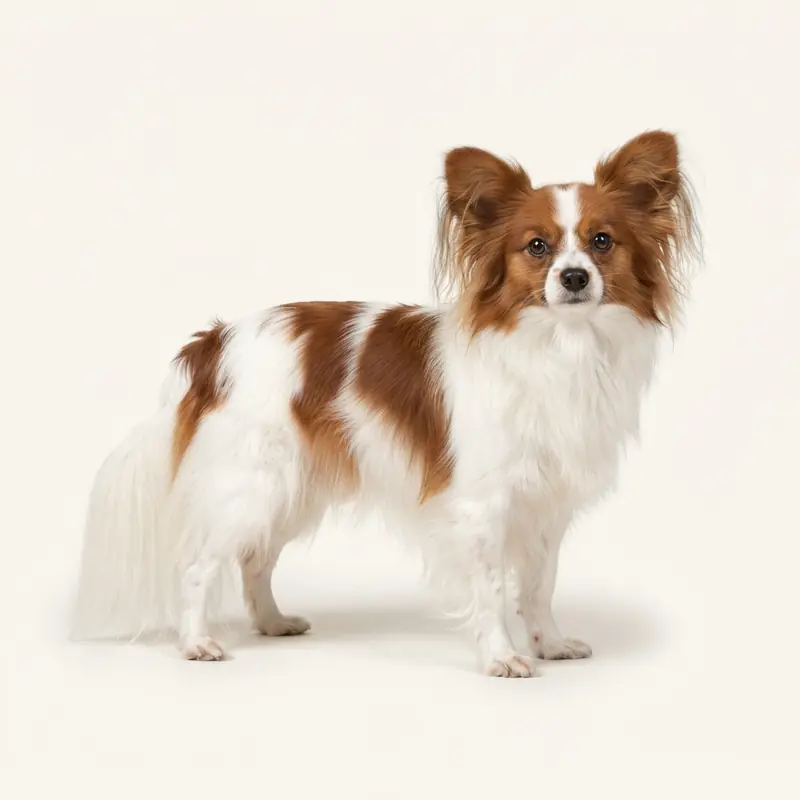
Phalene, Continental Toy SpanielClose relative

The Papillon is a brilliant, feather-light companion dog—bred to keep royalty company, it has retained the sharp mind of its Spaniel ancestors and craves real tasks.
How the health grade is calculated
Sources for required breeding screenings. Verband Deutscher Kleinhundezüchter e.V. · Verband Deutscher Kleinhundezüchter e.V.
Self-check
Answer 6 quick questions about your everyday life and see how well the Continental Toy Spaniel (Papillon) fits you — including an honest cost estimate per month, per year, and across the dog's lifetime.
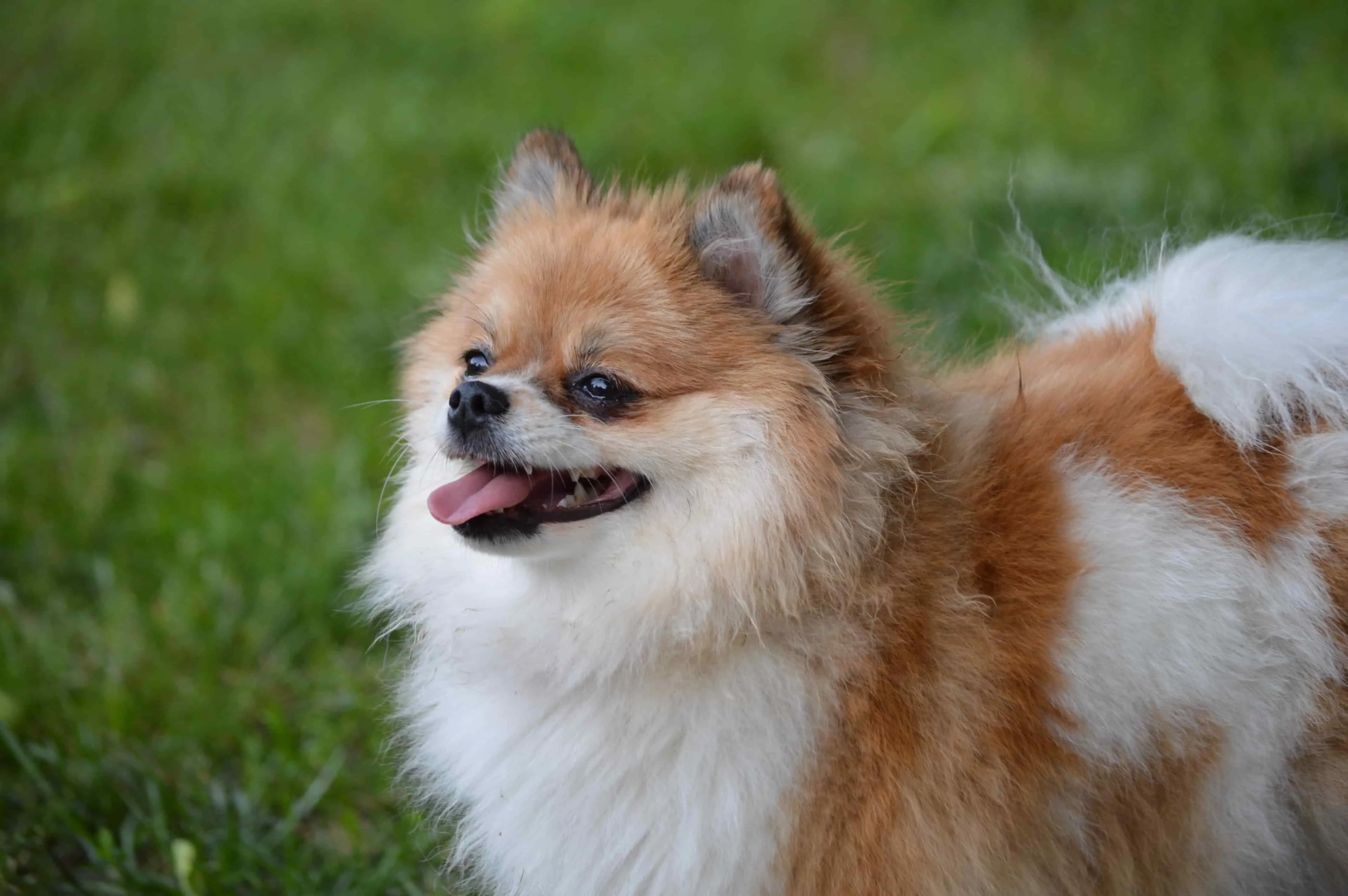




At a glance
The essentials — key facts, traits, and health priorities — before you dive deeper.
Lifespan
14–16 yrs
Shoulder height
20–28 cm
Weight
2–5 kg
Practical
Temperament
Daily life
What matters most
Especially with a Continental Toy Spaniel (Papillon), choosing the right breeder is the single most important decision you'll make. Serious breeders consistently test the parents for inherited conditions, prioritize healthy early socialization, and stay accountable long after handover. A cheap puppy without health screening tends to become the most expensive dog later on.
See HonestDog breeder standards →Colors & coat
The coat colors that occur in the Continental Toy Spaniel (Papillon) — including which ones fall outside the breed standard and which carry genetic risk.
Eye colors
 Brown
Coat type
 Long
 Silky
The real vibes check
A Papillon is like a high-performance sports car inside the body of a toy car. It looks like a delicate lap dog, but beneath those butterfly ears, there is the engine of a big dog that wants to learn, run, and think. If you keep it only as a decoration, it will become a nervous yapper; if you challenge its mind, you will get one of the cleverest companions imaginable.
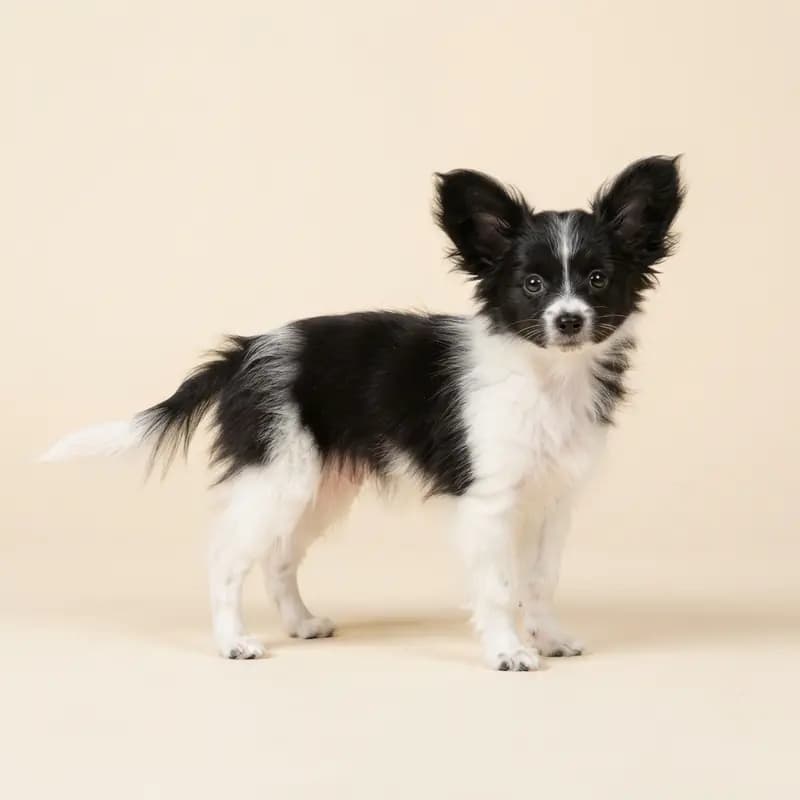
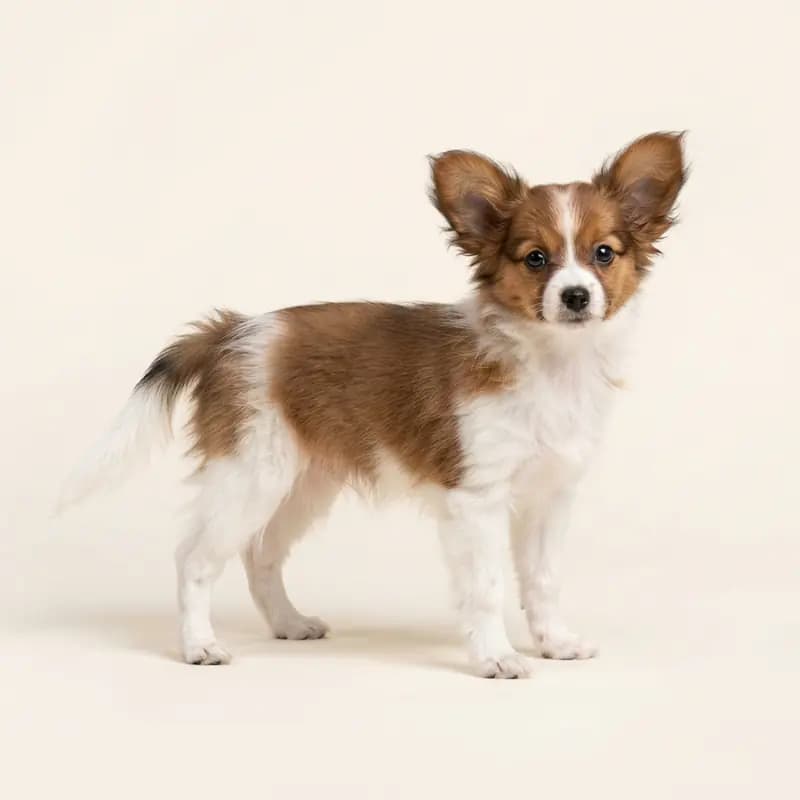
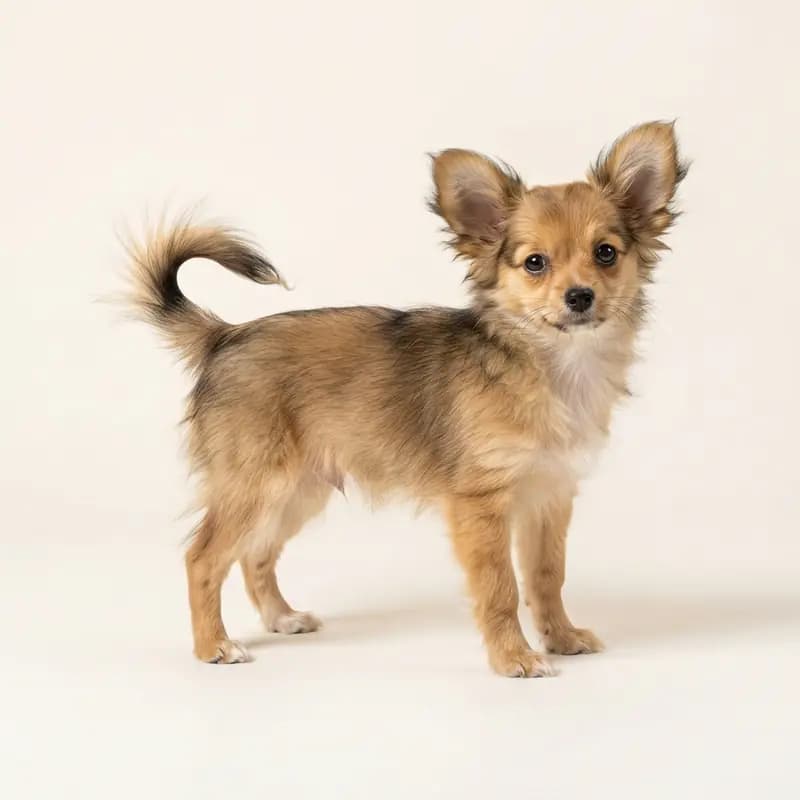
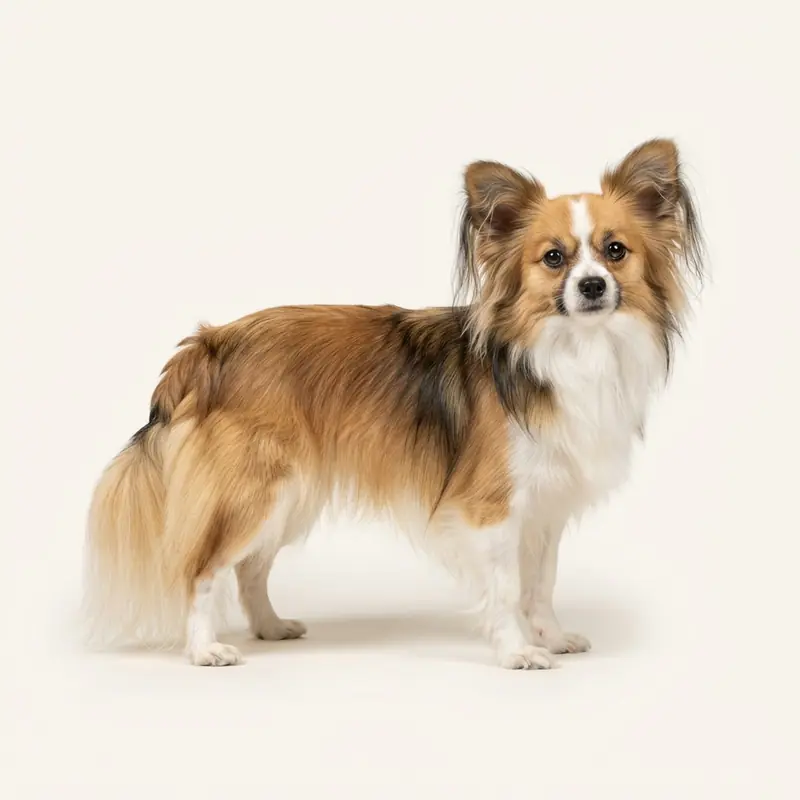
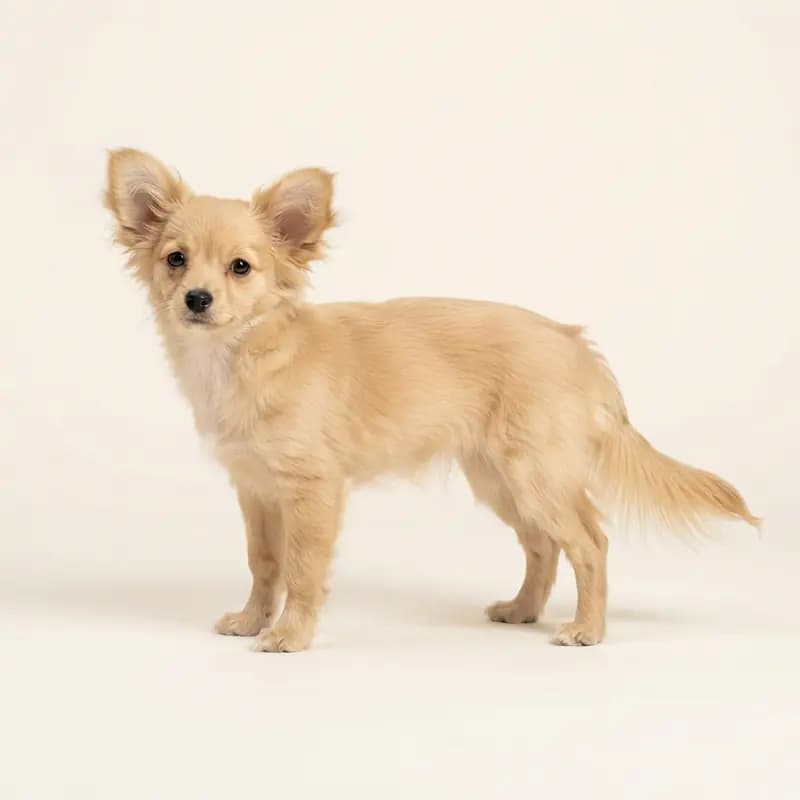
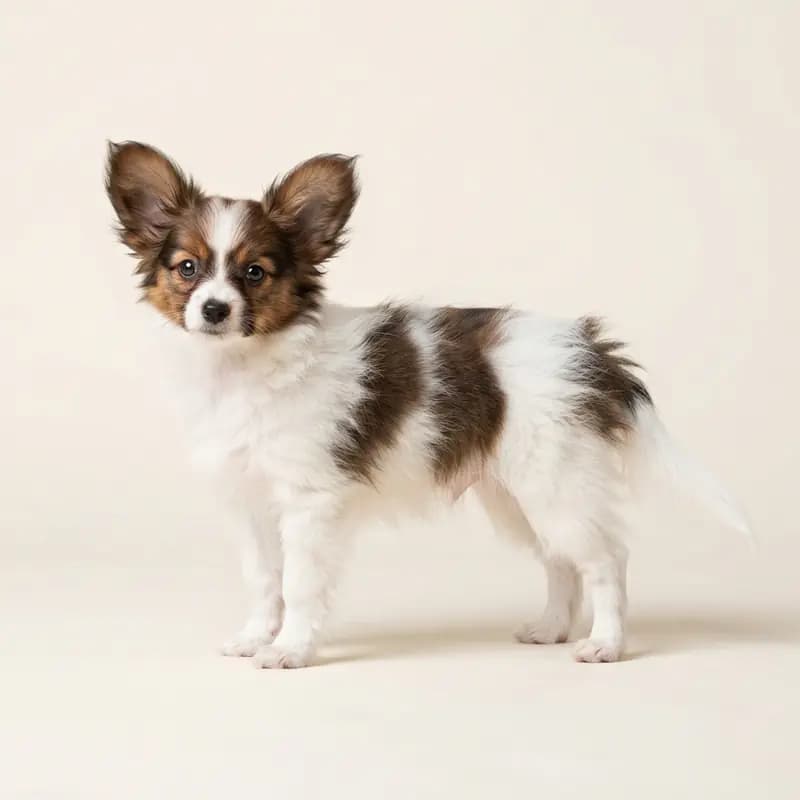
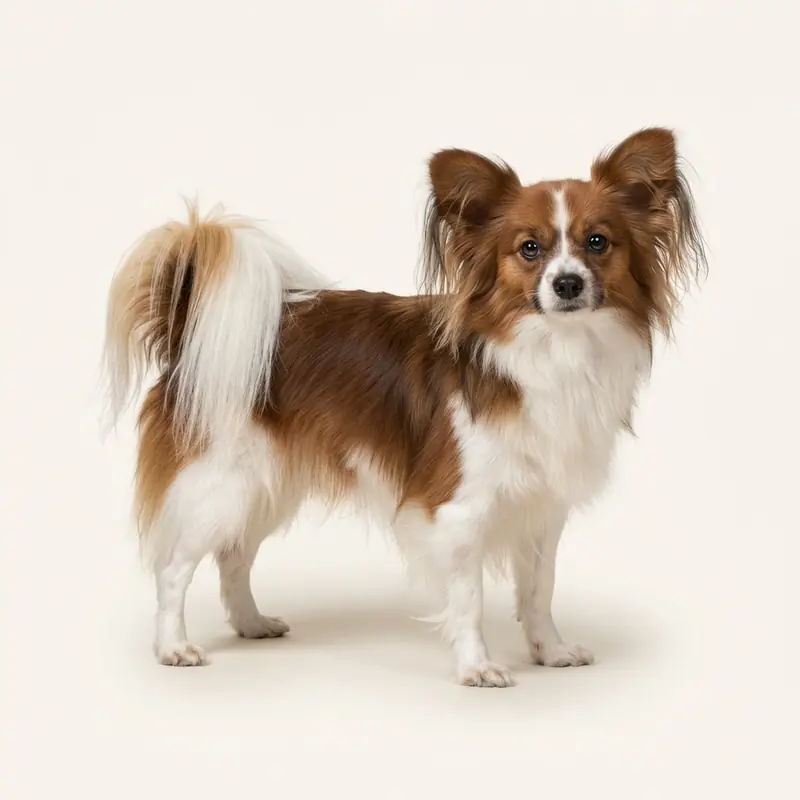
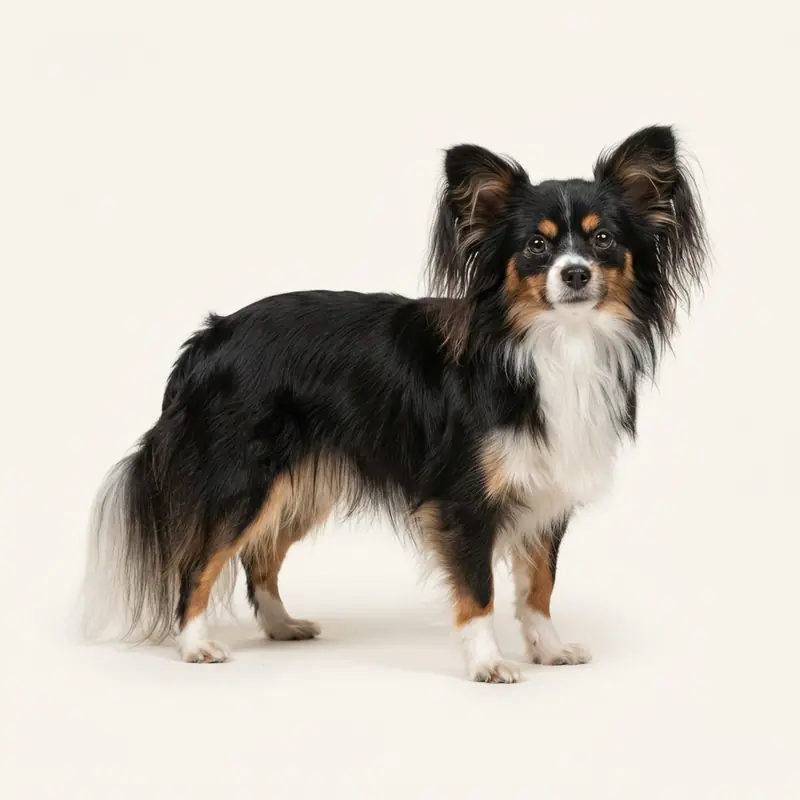
The Continental Toy Spaniel is a small, elegant breed of dog that is divided into two types: the Papillon (butterfly ear) and the Phalène (moth or moth ear). Both variants fall under the same breed and share the same standards, except for the ears. Papillons have erect ears with fringes of hair that resemble the wings of a butterfly, while Phalènes have drooping ears. This attractive little dog has a slightly rounded skull, a fine build and an elegant gait. Its expressive face, lively eyes and cheerful tail carried over its back give it a charming appearance. The Continental Toy Spaniel's coat is long and flowing, with no undercoat, giving it a majestic appearance. The Continental Toy Spaniel falls under FCI Group 9, which includes companion, social and lap dogs. There is no significant distinction between show and performance lines within this breed.
Although the Continental Toy Spaniel is small, it has a big character and a charming personality. This breed of dog is very people-oriented and loves to have close contact with their family members. Because of their clinginess, they can develop separation anxiety if left alone for too long. It is therefore important to teach them early on that being alone is not a reason to panic. The Continental Toy Spaniel is an intelligent breed that loves to be challenged mentally and physically. They are very playful and often remain playful well into old age. They love interacting with their people and are known for being the center of attention. Therefore, this breed is an excellent companion for families who are willing to invest a lot of time and energy in their dog. These dogs rarely exhibit strong hunting or prey-catching behavior, which makes them good companions for families with children or other pets. However, they should still be supervised at all times when around small children or other animals, simply due to their small stature and fragility. The Continental Toy Spaniel is known for its alert and attentive behavior. They are very observant and are often referred to as "little watch dogs" because they tend to closely observe their surroundings and react to changes. However, they are not typical guard dogs as their small size and friendly personality means they do not pose a threat to intruders. Although the Continental Toy Spaniel is a lovable and affectionate companion, it should not be underestimated. This small breed can be quite stubborn and therefore needs gentle but consistent training. However, with proper training and socialization, the Continental Toy Spaniel can be an extremely lovable and loyal companion.
| Watchfulness Occasionally alerts but is fundamentally open. | Low |
| Openness to Strangers Warms up quickly and is generally welcoming. | Friendly |
| Hunting or Herding Drive Mild interest in movement and small animals — easily managed. | Low |
Fun Fact!
Despite their small size, Continental Toy Spaniels have often been depicted in paintings of European nobility in the past - a testament to how much these charming dogs have been loved for centuries!
Papillons are small, self-confident dogs that need to be trained consistently. They are easily motivated and need activity and attention from their people. Even if the fur needs regular care, these bundles of energy are not suitable for styling, dressing up and sitting around quietly. A dog-friendly attitude is always important.
The Continental Toy Spaniel is an excellent city dog. They are adaptable and can cope well in a smaller apartment as long as they get enough exercise and mental stimulation. They are well suited for families with children, but due to their small size it is important to monitor interactions with very young children to avoid accidents. They can also generally get along well with other pets, including cats, provided they have been appropriately socialized.
Loves family life and thrives in a group.
Gets on well with children — with adult supervision.
Actively enjoys the company of other dogs.
Small space, noise, lots of people — no problem at all.
Owning a dog is a privilege, but it's also a real responsibility. Before you bring one into your life, be honest with yourself about the commitment it takes.
Continental Toy Spaniels are intelligent and docile dogs that typically respond well to positive reinforcement and reward-based training. They are active and enjoy a variety of activities including obedience training, agility and trick training. Despite their active nature, it is important to ensure a balanced mix of exercise and rest periods in order to avoid overwhelming the dog. Although they are not prone to becoming ball junkies, it is important to train impulse control and frustration tolerance in this breed to promote balanced behavior. As the owner of a Continental Toy Spaniel, you should always strive to provide your dog with a variety of activities to promote his mental and physical health.
A Continental Toy Spaniel's diet should be based on his individual needs, including his age, weight, activity level and general health. Because this breed can be prone to obesity, it is important to carefully monitor their calorie intake and weight. Grooming a Continental Toy Spaniel requires some effort, as their long, silky coat should be brushed regularly to avoid tangles and knots avoid. Despite their lush hair, these dogs do not have an undercoat and therefore shed relatively little. This can make them a suitable breed for people with mild allergies. Since they have no undercoat, they are less suited to extreme cold, but they cope well with the temperate climate in Germany.
| Care Level Regular brushing and occasional professional grooming. | Moderate |
| Exercise Needs Needs 1–2 hours of real exercise daily. | Active |
| Shedding Hair everywhere, always — no white clothing survives. | Very heavy |
| Trainability Picks up commands quickly and wants to please. | Eager to learn |
Our experts are still reviewing this information. Spotted something wrong? Email us at info@honestdog.de.
Robust
Health grade
In the Continental Toy Spaniel (Papillon), patellar luxation (PL) and hereditary eye diseases such as progressive retinal atrophy and progressive retinal atrophy, CNGB1-associated (PRA-CNGB1) are among the primary known health risks. For breeding, the Verband Deutscher Kleinhundezüchter e.V. therefore mandatorily requires that parent animals must be free of progressive retinal atrophy, show a result of PL 0 for patellar luxation (PL), and carriers of PRA-CNGB1 may only be mated with verifiably clear partners. Responsible breeders additionally have their animals tested for cataract, mitral valve dysplasia (MVD), or von Willebrand disease. Before buying a puppy, have the breeder present the complete official test results for patellar luxation (PL) and the parents' PRA genetic tests without gaps.
Grade is relative to other breeds — AI-assisted and editorially reviewed.
Methodology and data: HonestDog Dog Breed Health Report 2026
What matters most for this breed
Tap any item to see details.
You should ensure the dog is raised in a way that is gentle on its joints, check its teeth regularly, and plan for veterinary check-ups to keep your dog fit for a long time.
Responsible breeders verify PL 0 for patellar luxation (PL) as well as clear status for progressive retinal atrophy in parent animals, and utilize tests for cataract or mitral valve dysplasia (MVD).
Note: This health overview is AI-assisted and editorially reviewed. It is for orientation only and does not replace veterinary advice.
What matters most for this breed — what's common, how much it affects the dog's life, and how to protect yourself as a buyer.
Tap a body region to see the inherited conditions linked to it.
The three most important risks
Pick a region on the map to explore other areas.
Tier 1 reflects the tests Verband Deutscher Kleinhundezüchter e.V. actually mandates. Tiers 2 and 3 show how responsible breeders go beyond.
Club standard. Verband Deutscher Kleinhundezüchter e.V. requires these tests for breeding approval. Ask any reputable breeder for the results.
Note: This health overview is AI-assisted and editorially reviewed. It is for orientation only and does not replace veterinary advice.
A Continental Toy Spaniel (Papillon) costs around ~€160 per month (€90 – €300, depending on your setup). The first year adds up to roughly ~€5,200 including purchase, equipment and puppy school; across the dog's life (15 years) it comes to about ~€32,740.
With surgery cover, running costs come to about ~€150 per month — in return, your share of a major operation drops from several thousand euros to around 20 percent.
Per month
~€160
In the first year
~€5,200
Across the dog's life
~€32,740
Estimated purchase price from a breeder: €1,800 – €3,000
Estimate at a mid-range setup (suburban, dry food, 1–2 hours of daily exercise), average German prices, as of July 2026.

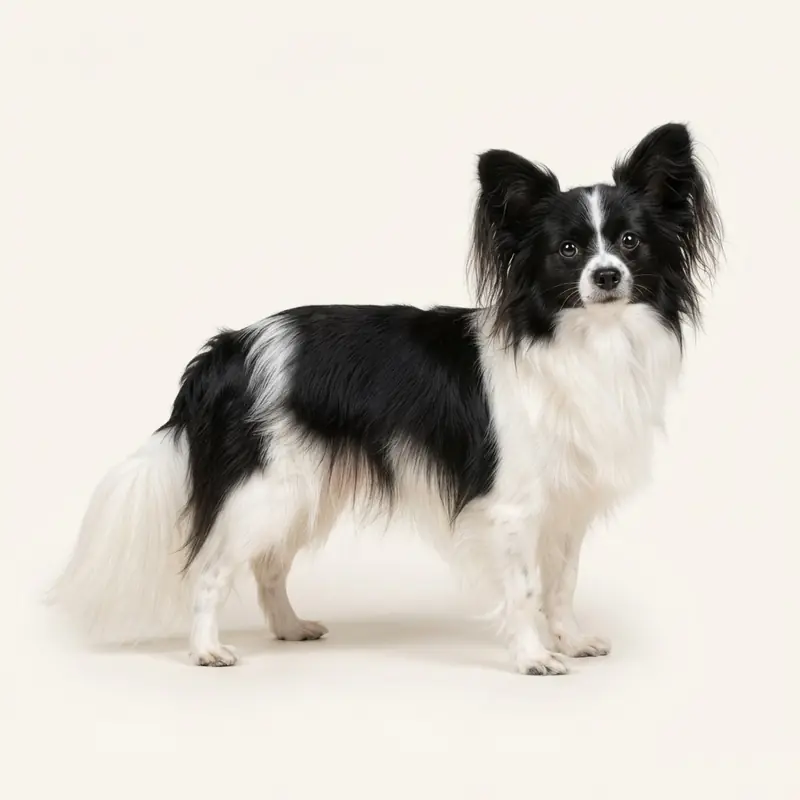 Illustrative image
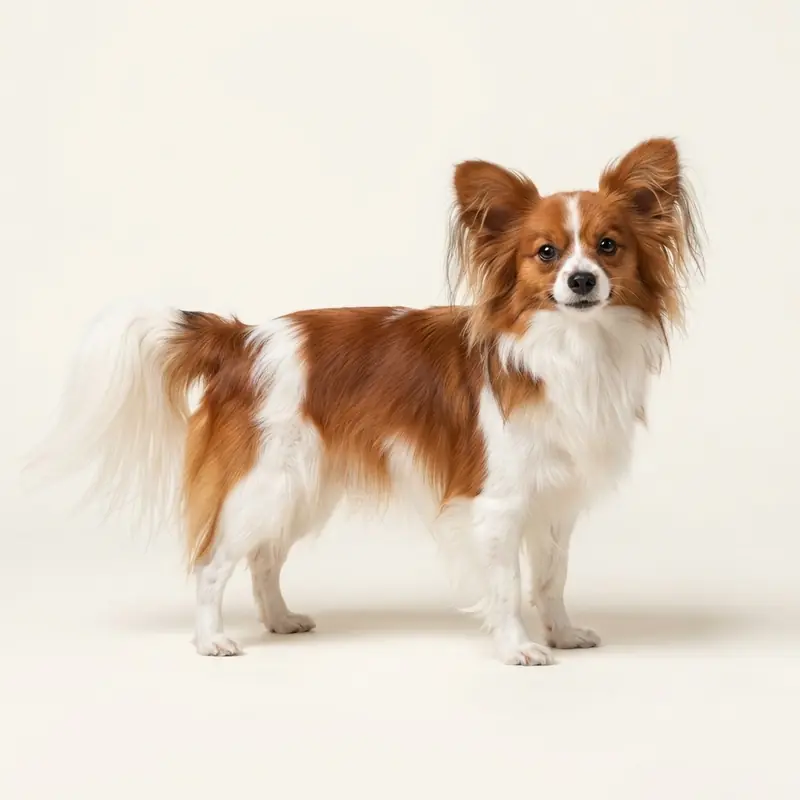 Illustrative image
 Illustrative image
 Illustrative image
The Continental Toy Spaniel, which includes the Papillon and Phalène varieties, is one of the oldest toy dog breeds in Europe. Its roots can be traced back to the Renaissance. The breed originated in France and Belgium, where it was selectively bred as an elegant companion dog for the European nobility. From the 16th century onwards, these small spaniels enjoyed enormous popularity at royal courts and were immortalized in numerous paintings by famous masters such as Titian and Rubens. Originally, all representatives of this breed had drop ears; this older, moth-like variant is now known as the Phalène. It was not until the late 19th century that the variant with large, erect ears was developed through selective breeding. Due to their resemblance to spread butterfly wings, this form was named Papillon and quickly gained great popularity. Organized breeding began at the beginning of the 20th century, with the first official breed standard established in France in 1905. International recognition by the Fédération Cynologique Internationale (FCI) followed in the decades after its founding in 1911. Today, the breed is jointly managed by France and Belgium as the countries of origin and enjoys worldwide popularity as an intelligent companion dog.
The Continental Toy Spaniel was bred as a companion dog for the nobility.
France/Belgium
1500
Owners consistently describe the Papillon as a cheerful, very affectionate and lively companion in everyday family life. Many stress that you shouldn't be fooled by its dainty build: Papillons are by no means mere lapdogs but companions with surprising stamina that join in long walks, hikes and sports like agility or dog dancing with great enthusiasm. At home they love close physical contact and are seen as very cuddly and sensitive to their people's moods.
Many owners describe their strong alertness as a recurring challenge, though. The Continental Toy Spaniel tends to loudly announce noises in the hallway, arriving visitors or anything unusual in the yard. If the alert barking isn't given clear limits from the start, the breed can quickly become yappy. Being left alone also needs careful training from puppyhood, since many of these dogs are prone to separation stress because of their strong bond with their people.
Experienced owners also report that you need to think ahead in daily life around unfamiliar dogs and small children. Papillons are usually very open and bold with other dogs, but because of their fine bones and light weight, even boisterous play with larger dogs can cause serious injuries.
Sources:tierforum.detierbedarf-discount.chdogforum.dereddit.competbook.de
Owners often describe training a Papillon as rewarding but also an underestimated task. In forum accounts the breed comes across as very attentive, eager to learn and lightning-quick to pick up new cues and tricks. Their strong "will to please" makes them easy to handle in principle, but being so smart, they're just as quick to exploit any gaps in consistency for their own ends.
Owners especially often stress how sensitive these little spaniels are. Excessive harshness, loud scolding or rough pressure make them insecure or fearful, or they stop cooperating altogether. According to owner accounts, gentle handling based on praise and positive reinforcement gets the most reliable results.
On walks, the Continental Toy Spaniel is considered largely easy off-leash, since it usually lacks an exaggerated prey drive. Still, some owners point out that the breed's history as a mouser can shine through in individual dogs: small animals like mice and birds, or rustling in the undergrowth, can spark visible hunting enthusiasm in some, which calls for good recall training.
Sources:tierbedarf-discount.chreddit.competbook.detierfreund.defressnapf.de
In owners' health reports, the Papillon is mostly seen as a tough, long-lived and pleasantly hardy toy breed. Even so, owners point to weak spots typical of very small dogs, above all the knee: patellar luxation (the kneecap slipping out of place) is a recurring topic, so buyers should look closely at the relevant health screening of the parents. Many owners also make sure in daily life that these delicate dogs don't jump down from sofas or beds that are too high, to protect their joints and ligaments.
Dental hygiene is another key part of routine care. Like many toy breeds, Papillons are prone to early tartar and gum inflammation, so owners recommend regular tooth brushing or professional dental cleaning at the vet.
As for the coat, owners are mostly pleasantly surprised: because the Papillon has no dense undercoat, it mats much less than expected and sheds moderately by comparison. Combing several times a week, especially the soft fringes behind the ears and on the legs, is usually plenty to keep the silky coat free of tangles.
Sources:reddit.comtierforum.detierfreund.dezooroyal.demartinruetter.com
Paraphrased from real owner reports · translated from German
The Continental Toy Spaniel (Papillon) is an adaptable dog that adjusts well to various lifestyles. Research the temperament, grooming needs, and space requirements before deciding.
The average life expectancy of a Continental Toy Spaniel (Papillon) is 14-16 years. With proper care and regular vet visits, your dog can live a long, healthy life.
Continental Toy Spaniel (Papillon) grooming requirements include regular brushing, nail trimming, and dental care. HonestDog provides detailed grooming tips for every breed.
The Continental Toy Spaniel (Papillon) can be a great family dog. Proper training and socialization are key. HonestDog provides family suitability information for every breed.
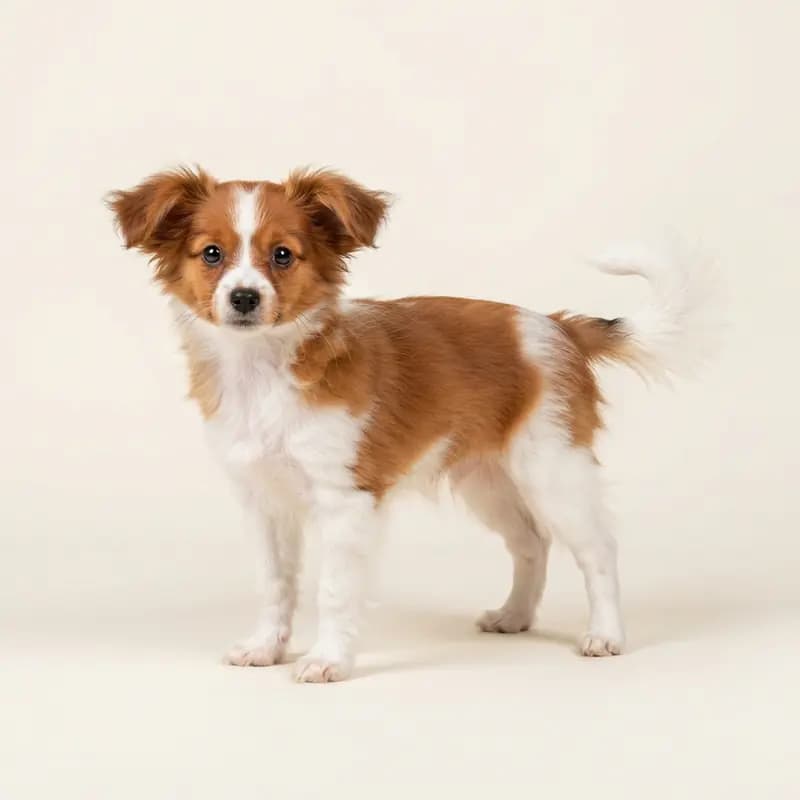
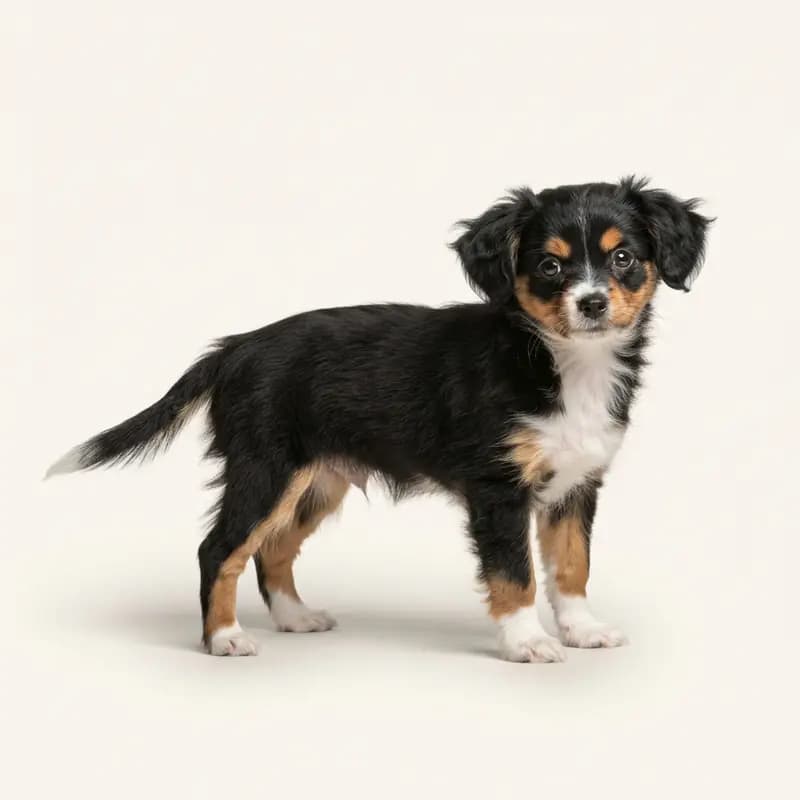
The Continental Toy Spaniel (Papillon) comes in these colors: Black and white, Red and white, Brown and white, Tricolor, Sable, Fawn, Piebald.
Showcase your kennel on HonestDog and reach families searching for a responsibly bred Continental Toy Spaniel (Papillon).