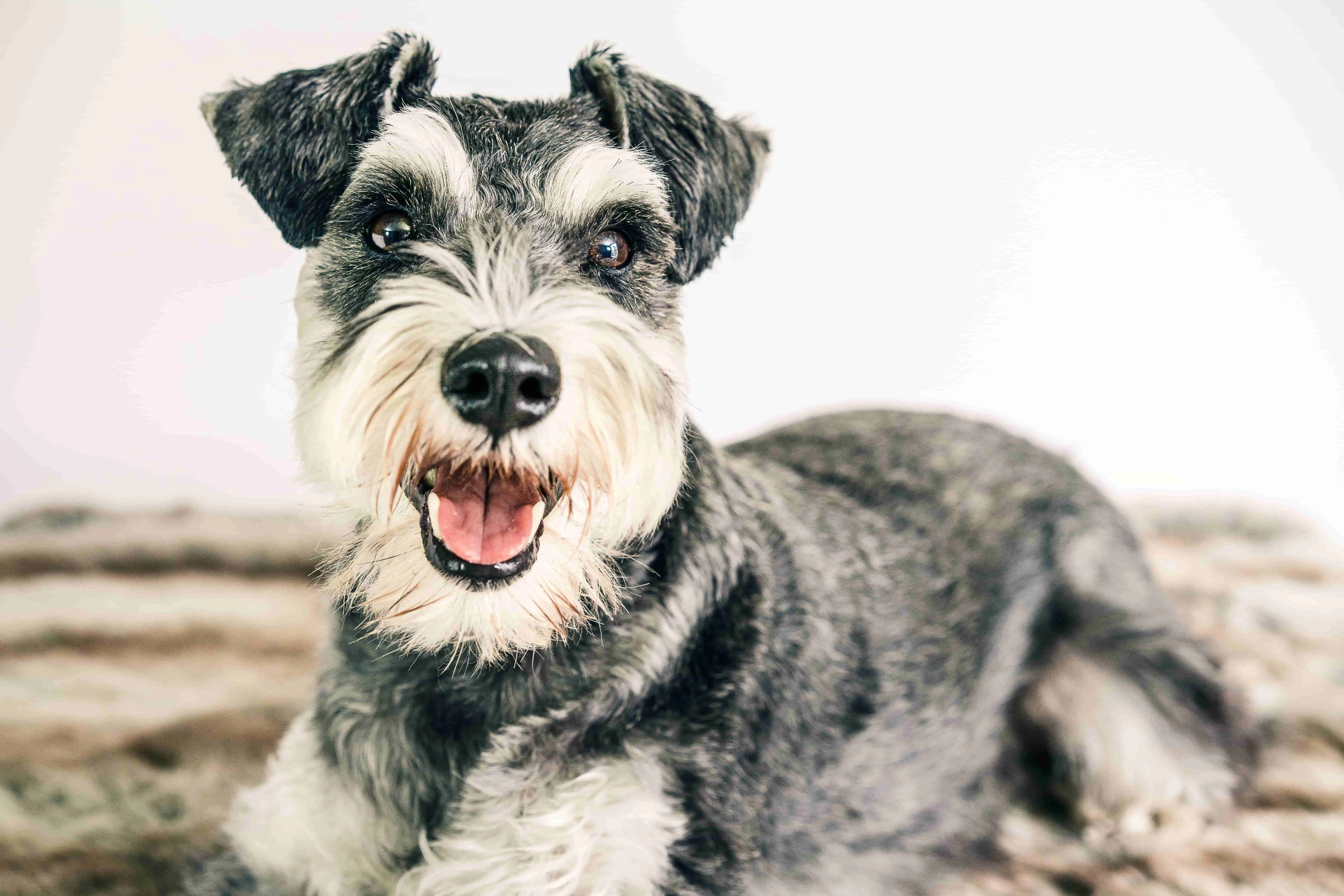
Miniature SchnauzerClose relative
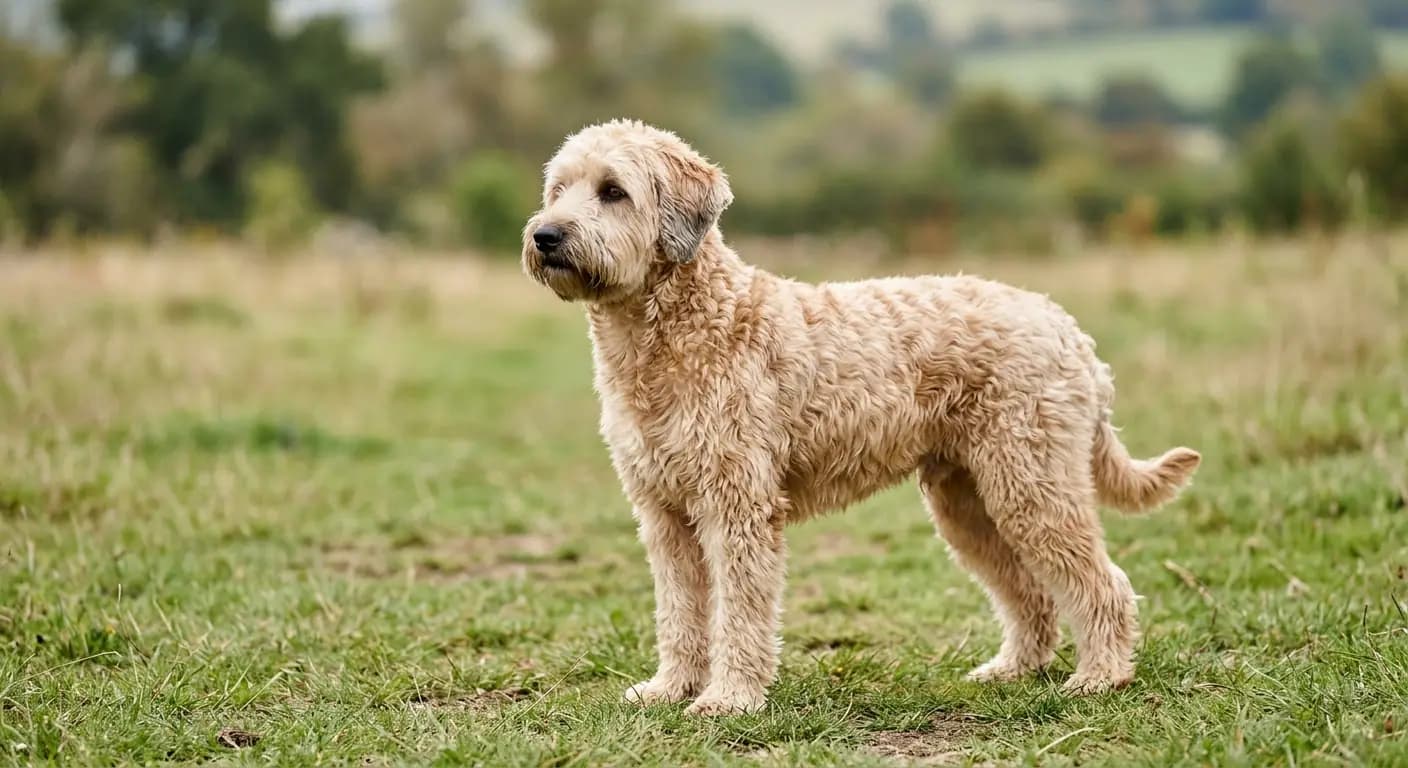
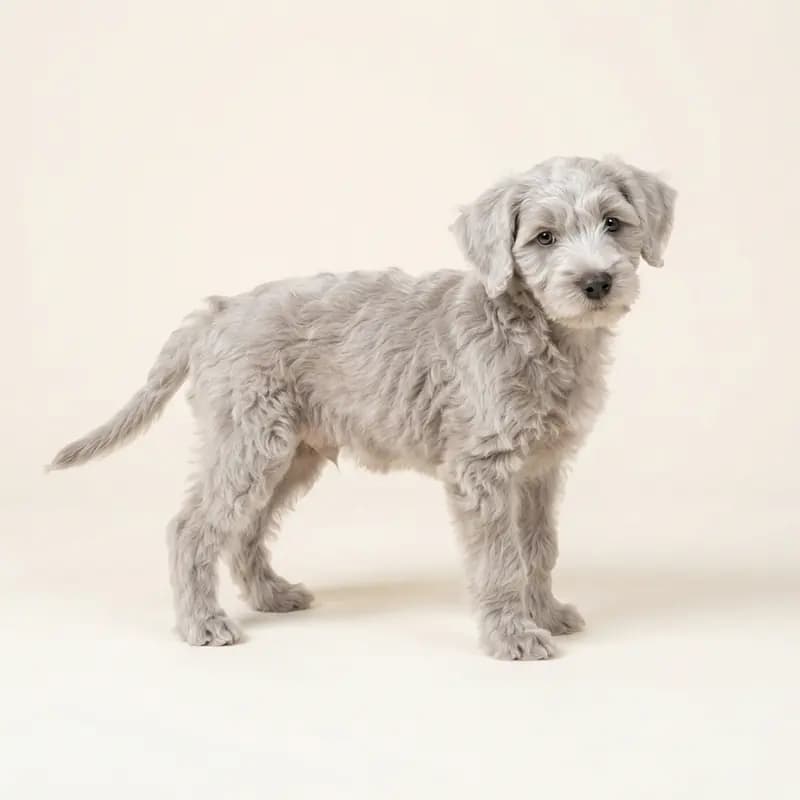
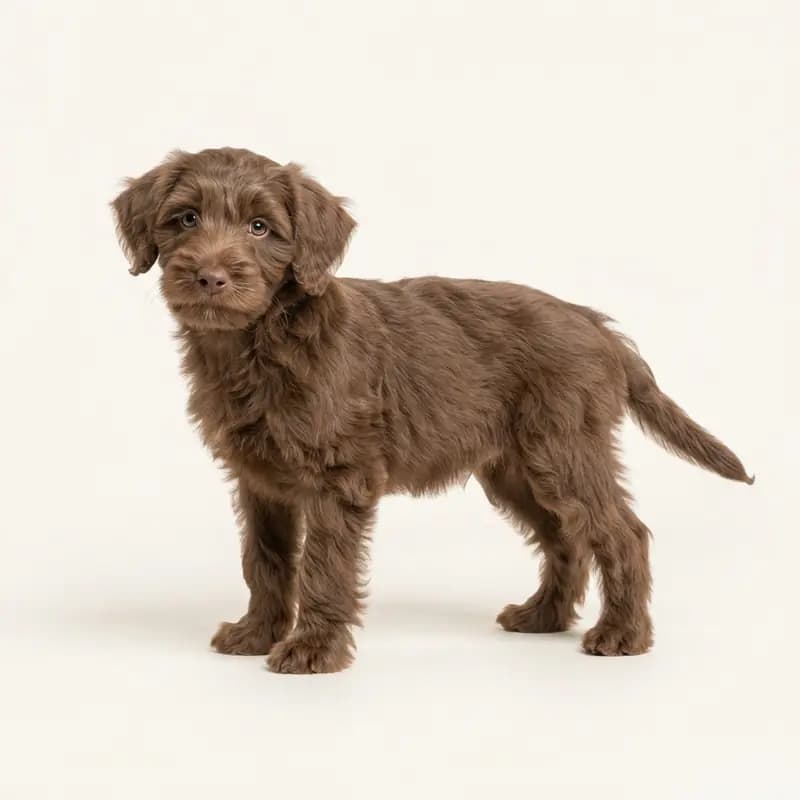
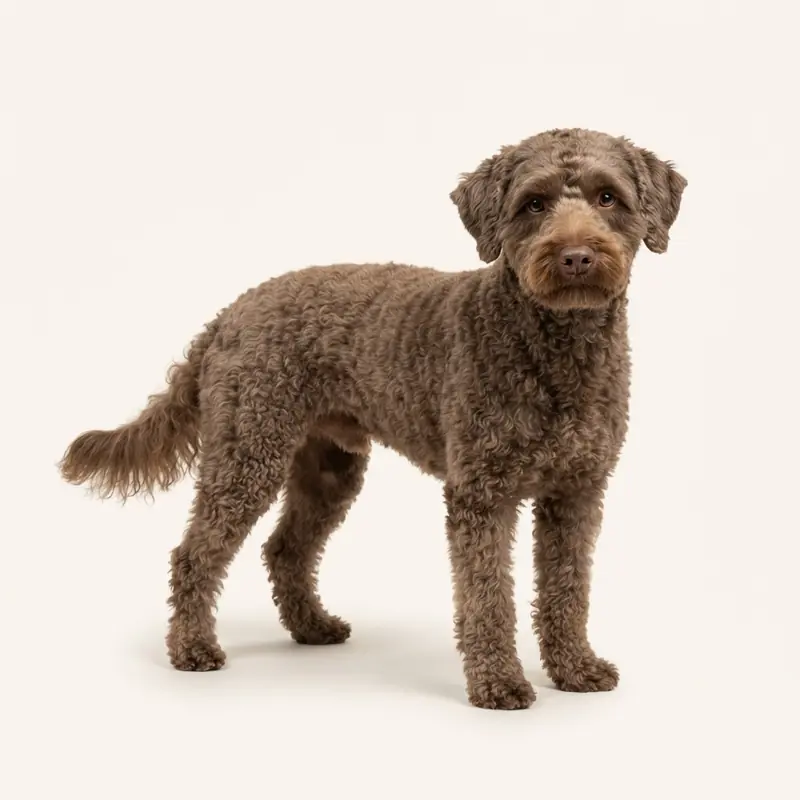
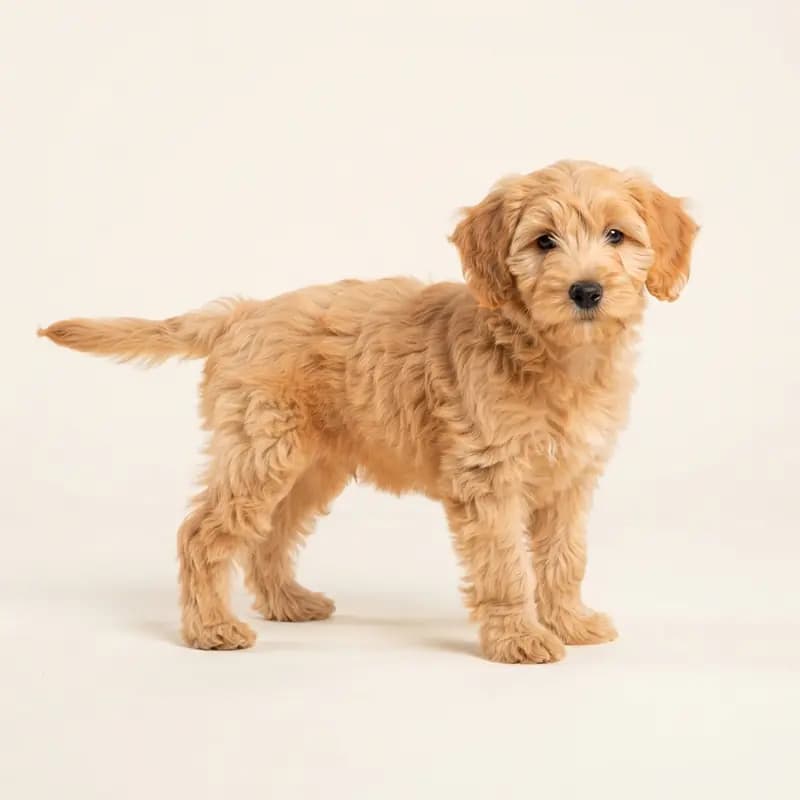
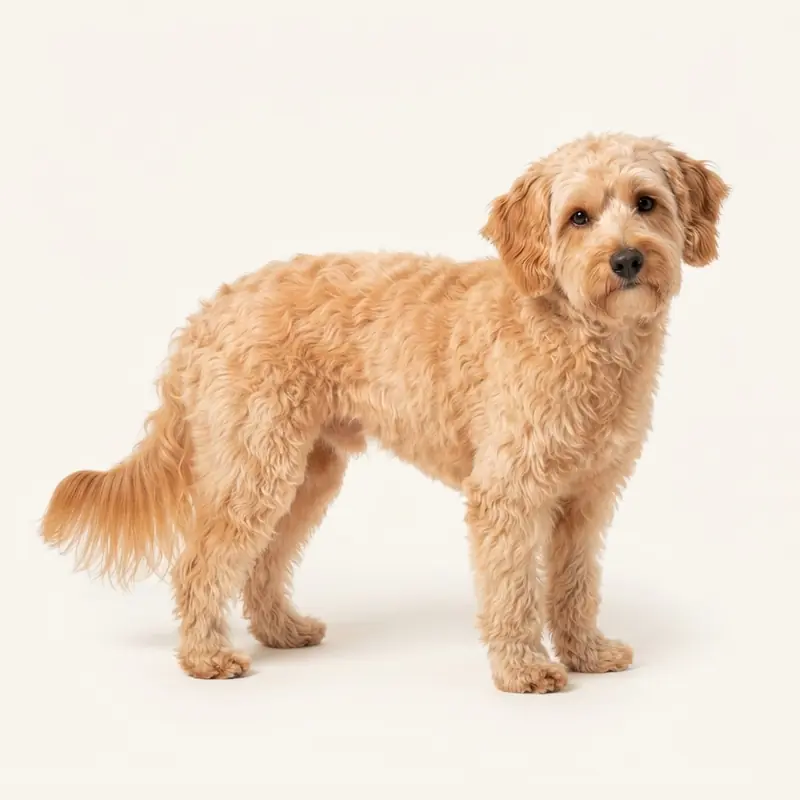
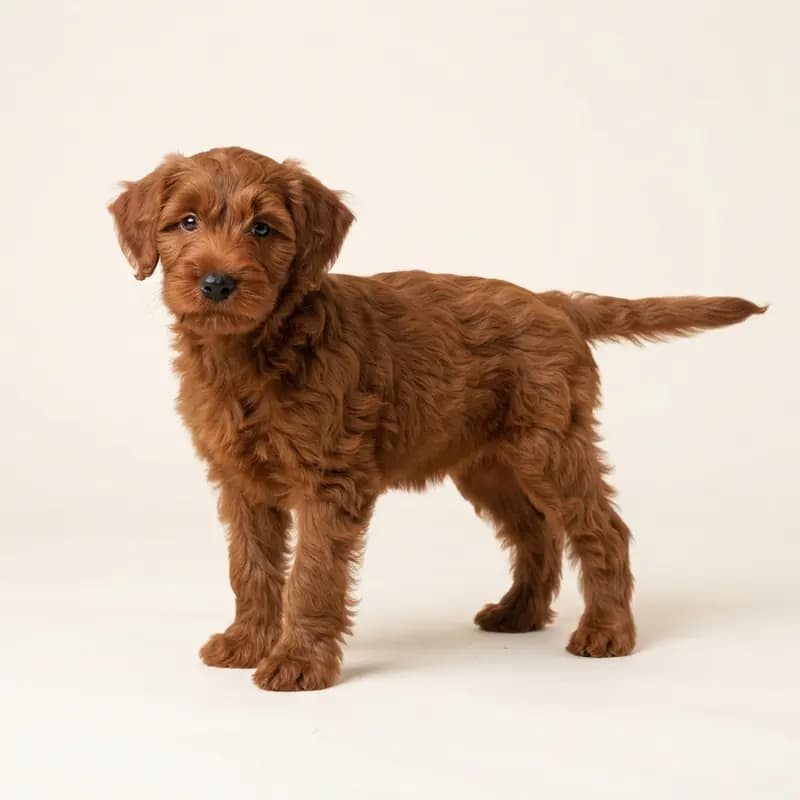
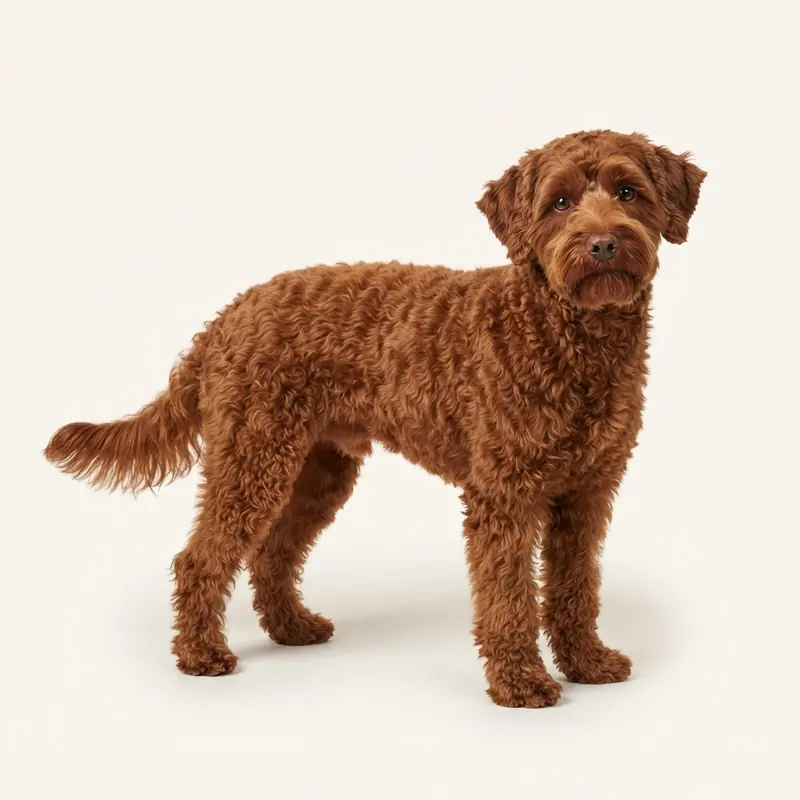
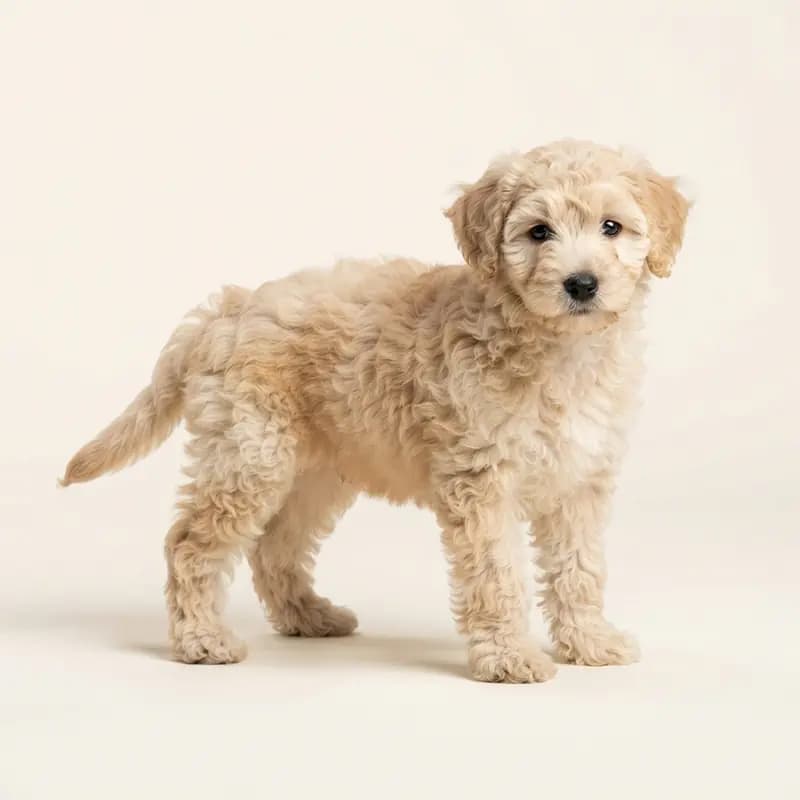
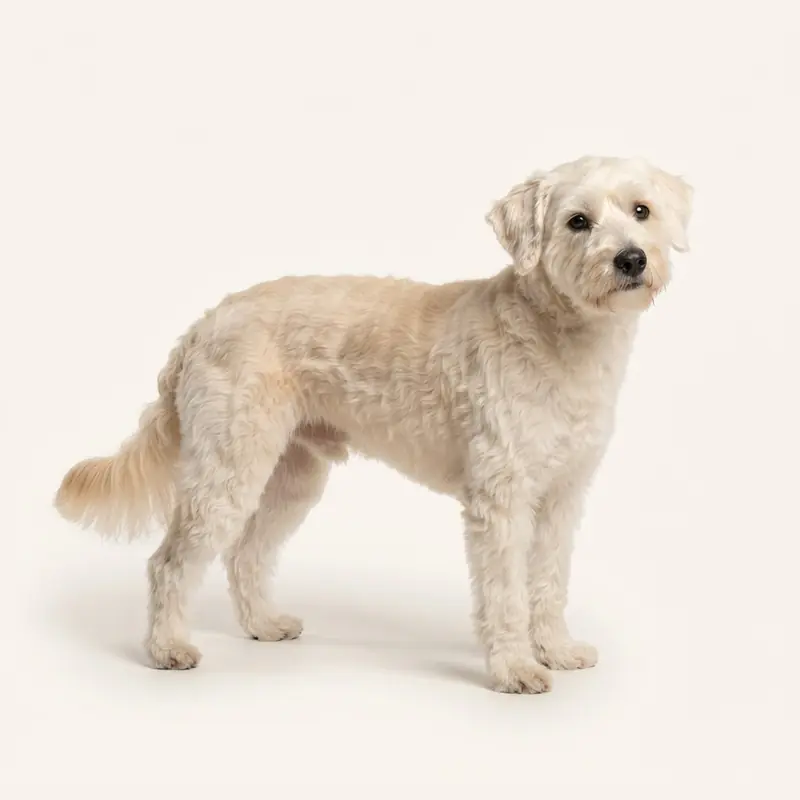
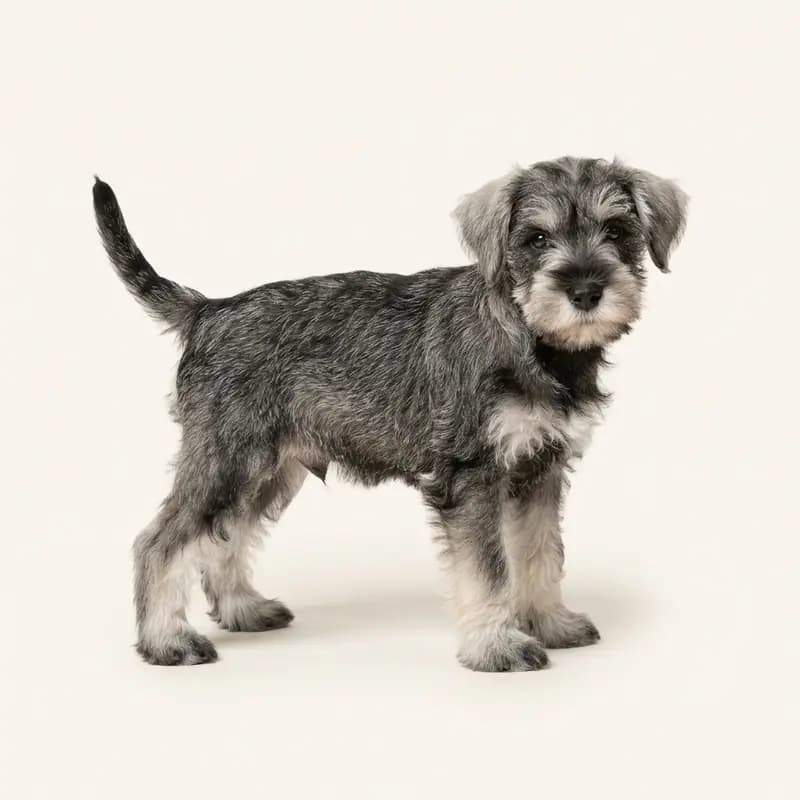
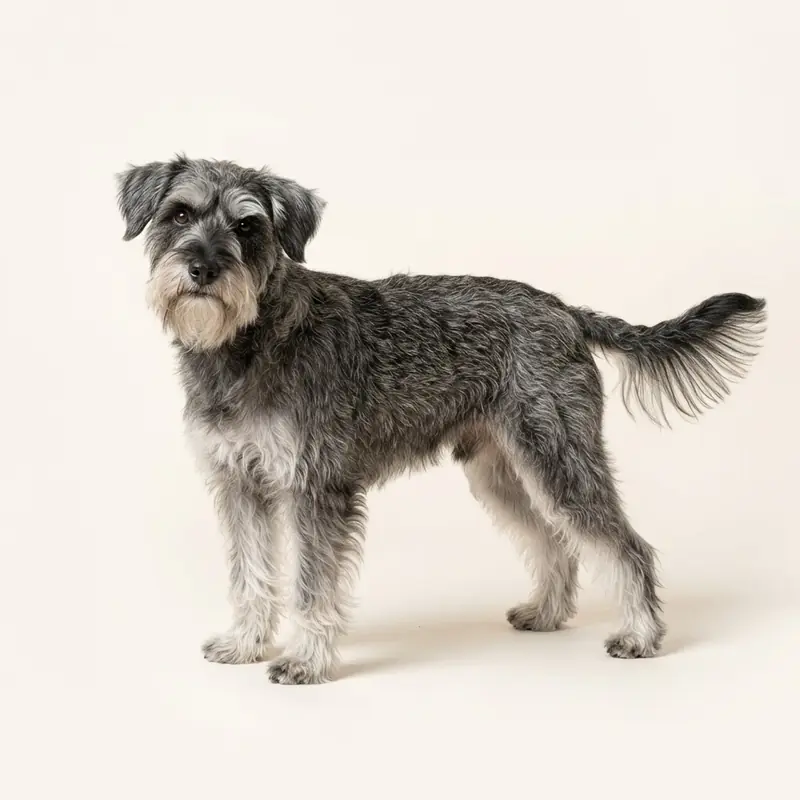
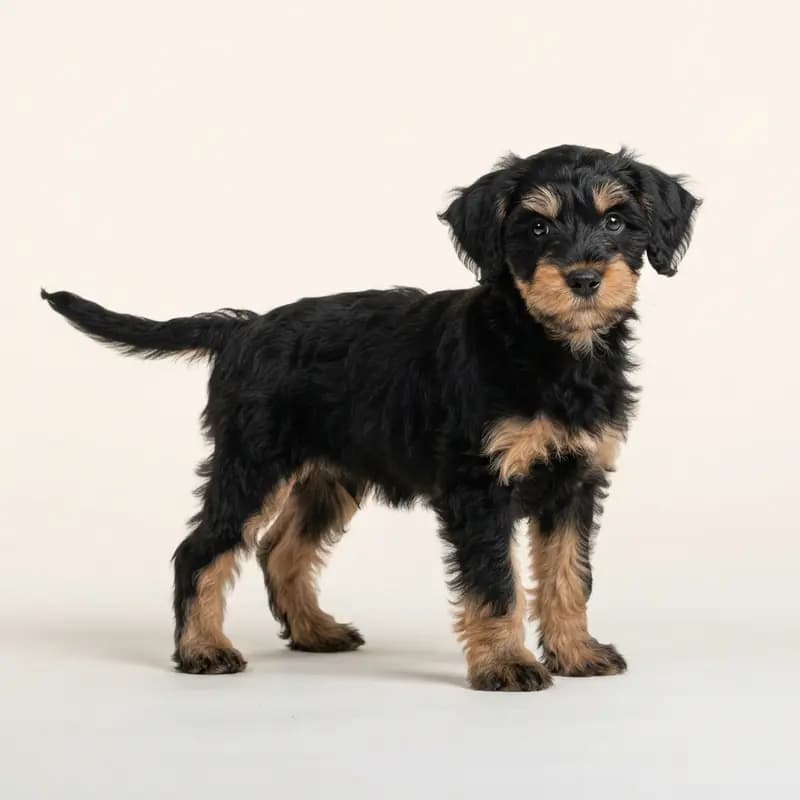
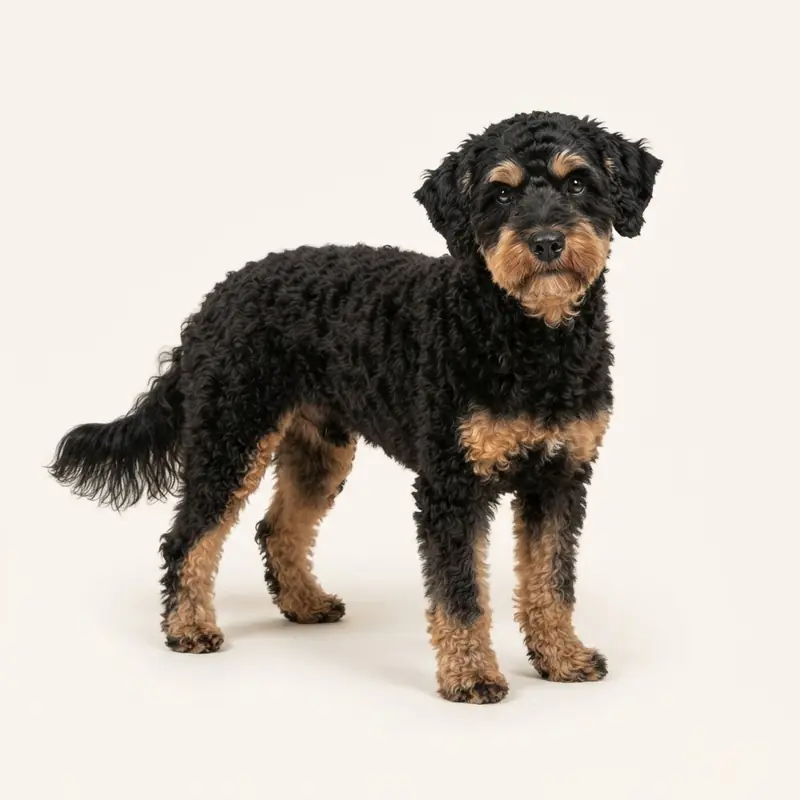
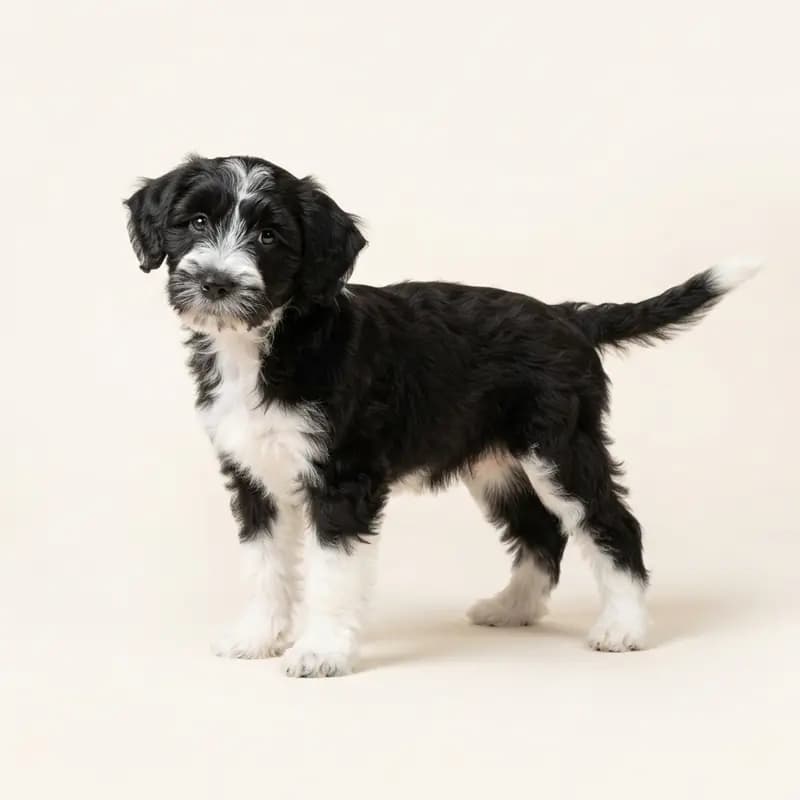
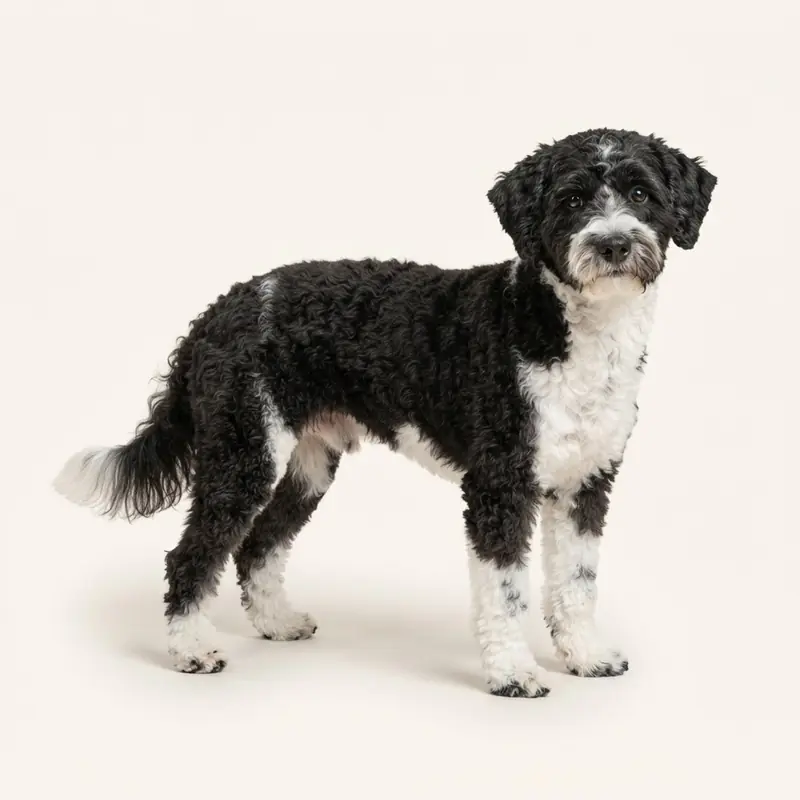
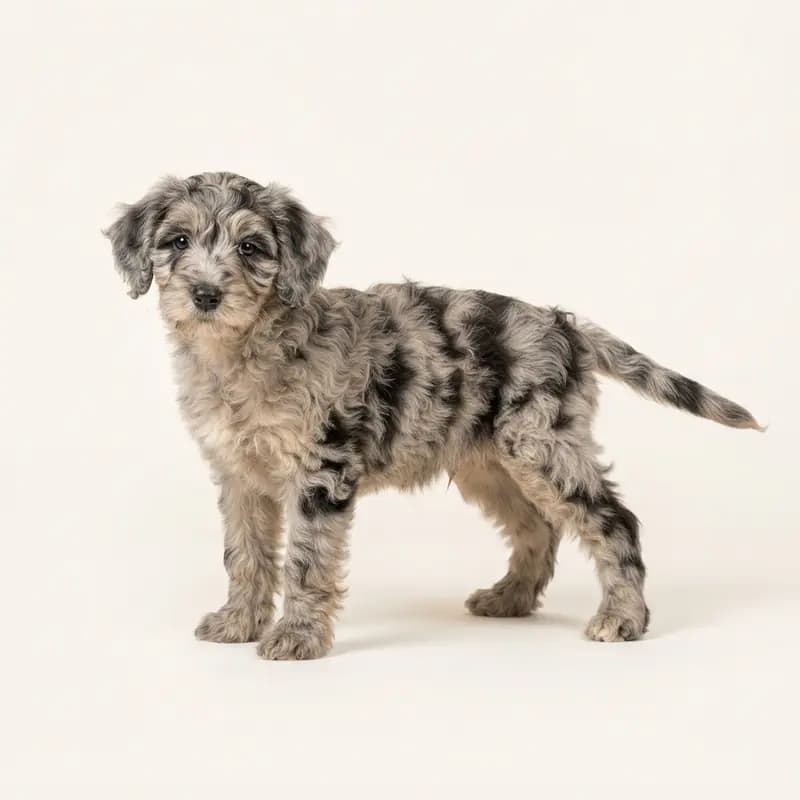
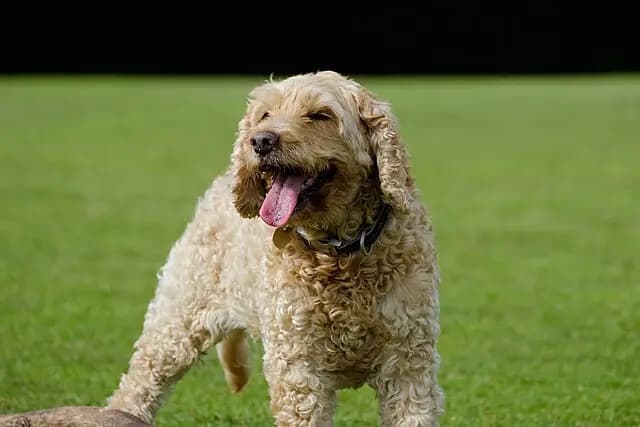
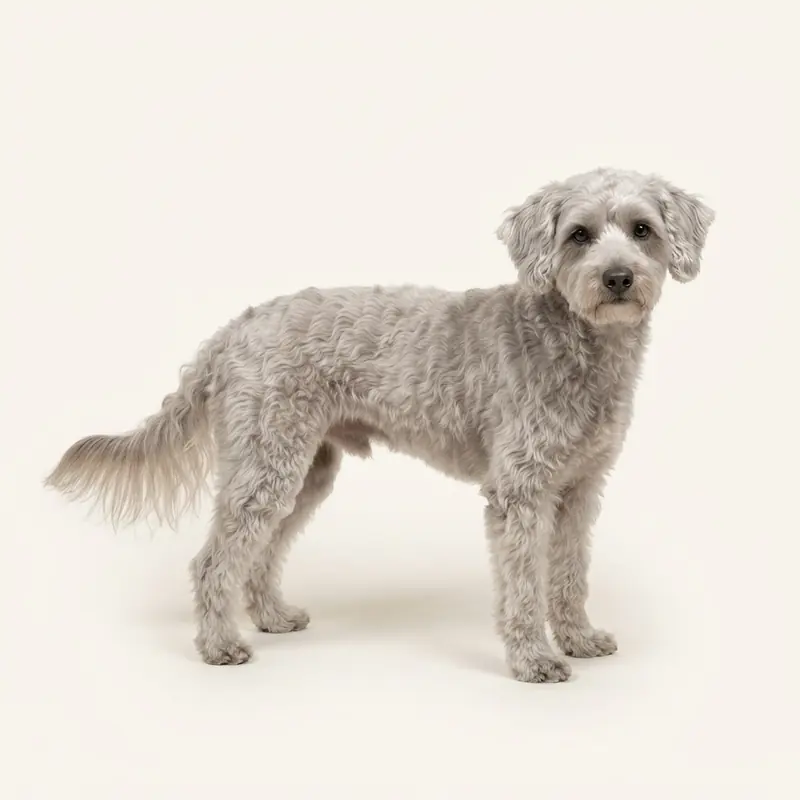
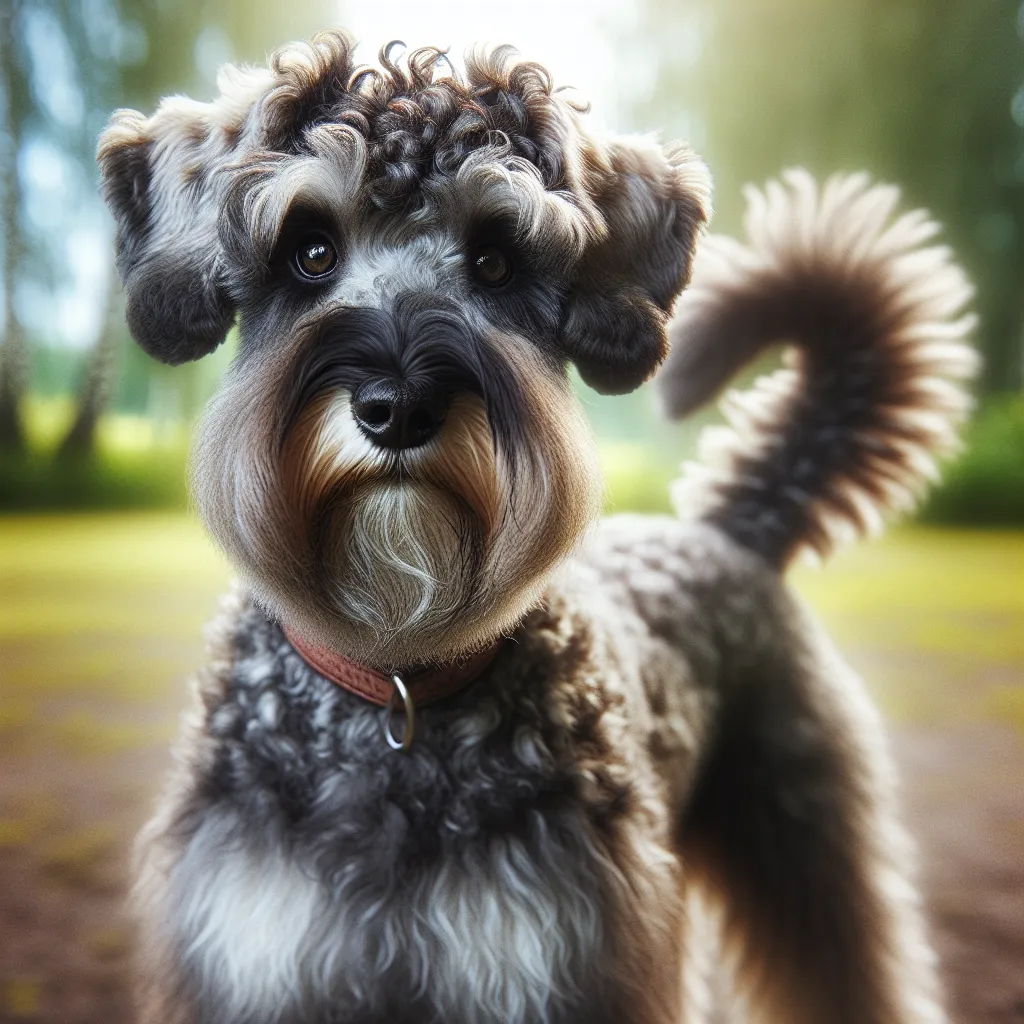 AI-generated image
The Schnoodle is a clever, often vigilant wild card—a mix of an attentive farm guardian and an intelligent retriever. Depending on the genetic lottery, you might get the cooperative nature of the Poodle or the charming stubbornness of the Schnauzer.
Self-check
Answer 6 quick questions about your everyday life and see how well the Schnoodle fits you — including an honest cost estimate per month, per year, and across the dog's lifetime.
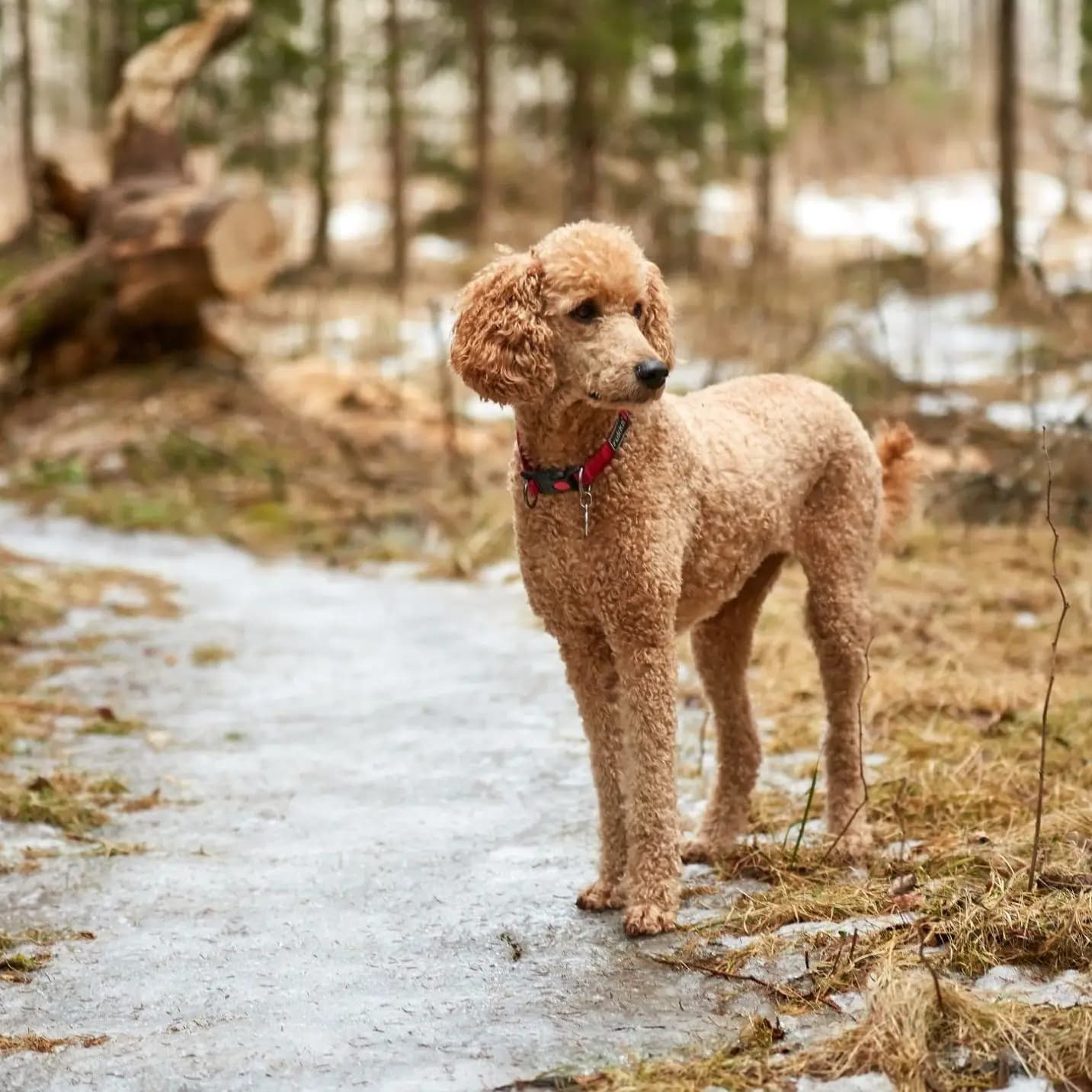
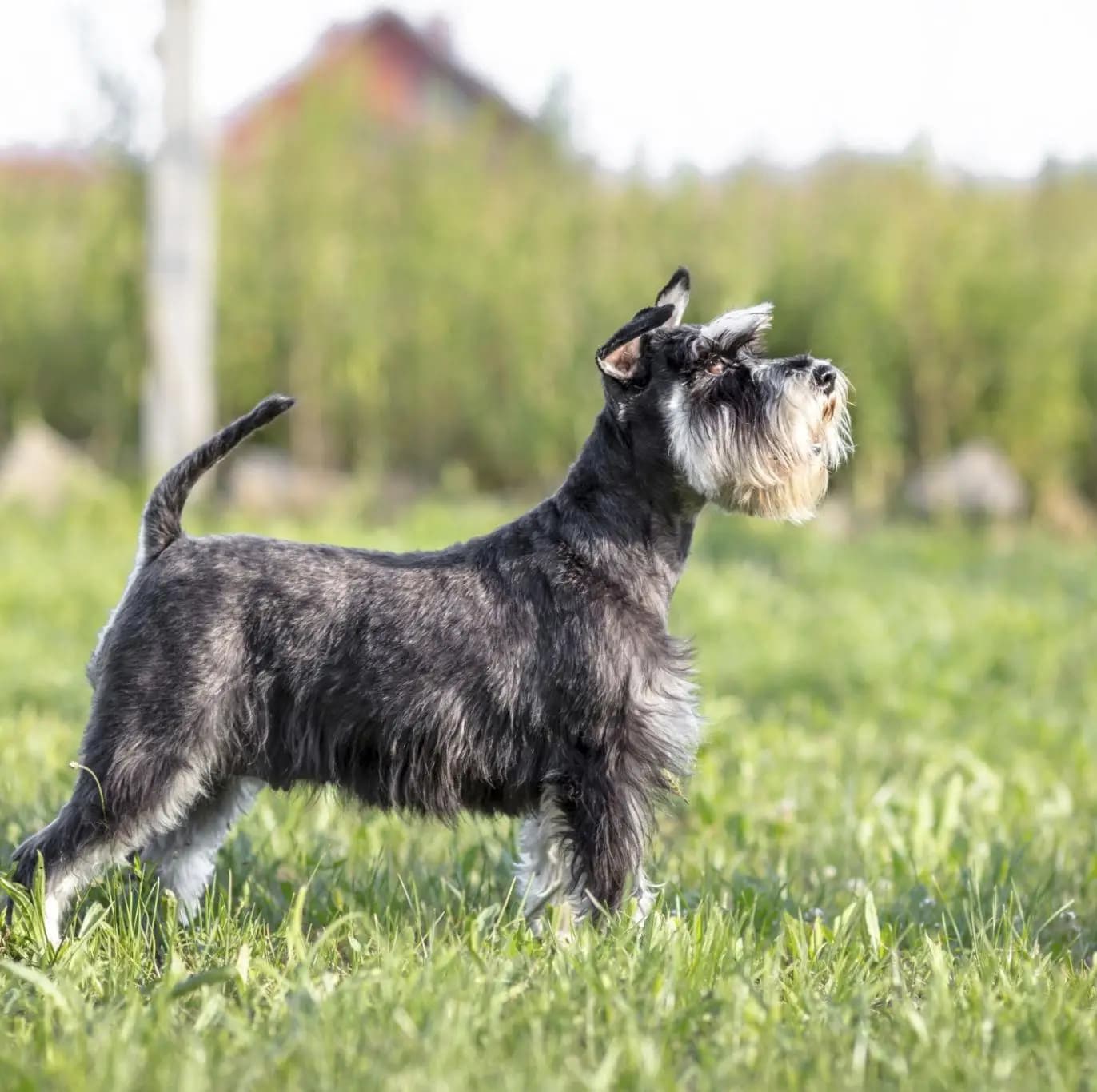

At a glance
The essentials — key facts, traits, and health priorities — before you dive deeper.
Lifespan
10–15 yrs
Shoulder height
25–65 cm
Weight
3–30 kg
Practical
Temperament
Daily life
What matters most
Especially with a Schnoodle, choosing the right breeder is the single most important decision you'll make. Serious breeders consistently test the parents for inherited conditions, prioritize healthy early socialization, and stay accountable long after handover. A cheap puppy without health screening tends to become the most expensive dog later on.
See HonestDog breeder standards →Colors & coat
The coat colors that occur in the Schnoodle — including which ones fall outside the breed standard and which carry genetic risk.
Eye colors
 Brown
 Amber
 Blue
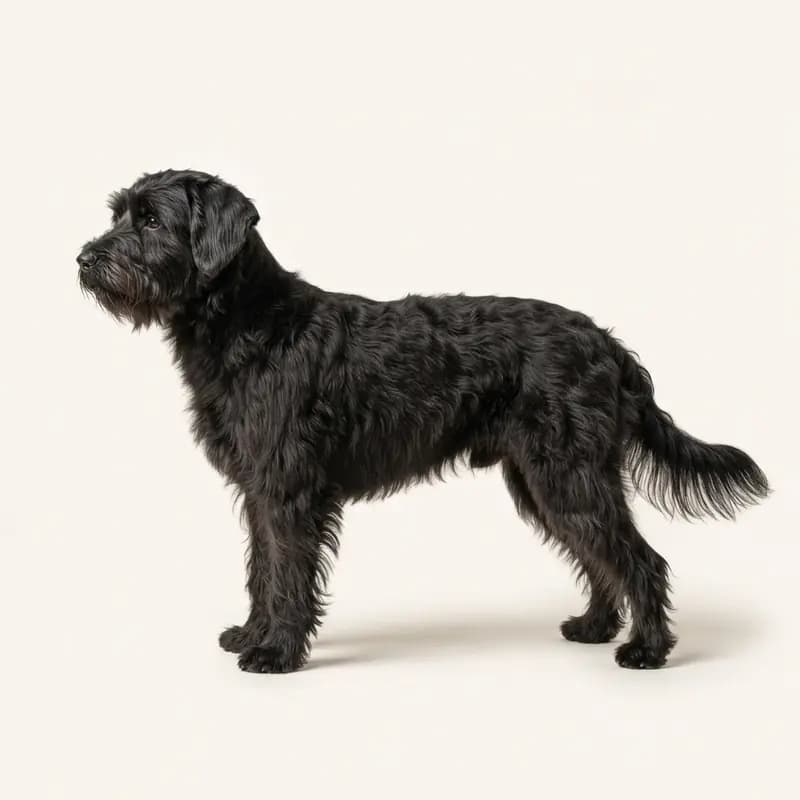
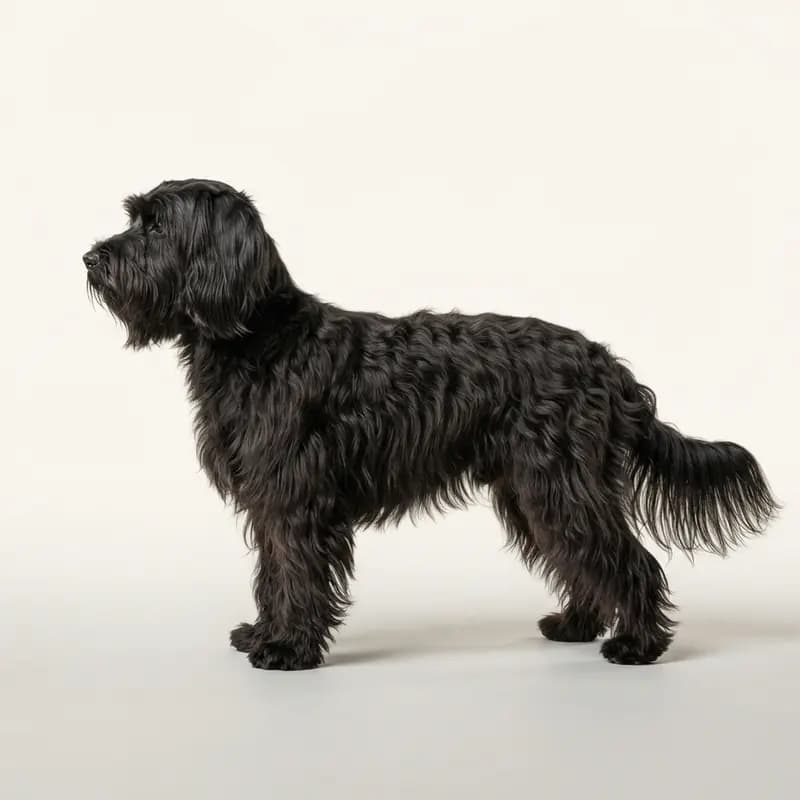
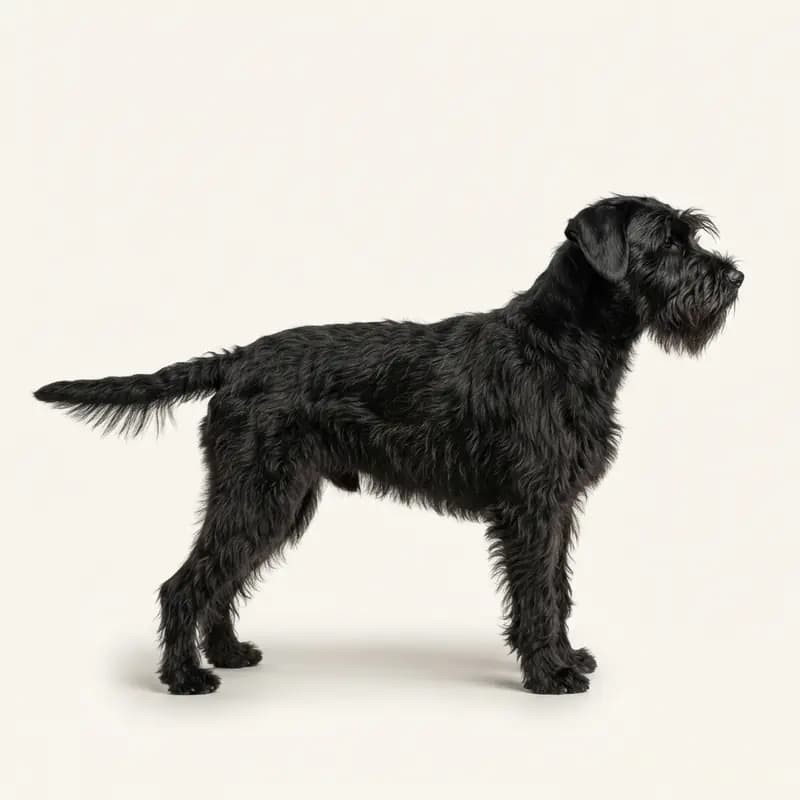
Coat type
 Illustrative image
Medium
 Illustrative image
Long
 Illustrative image
Wire
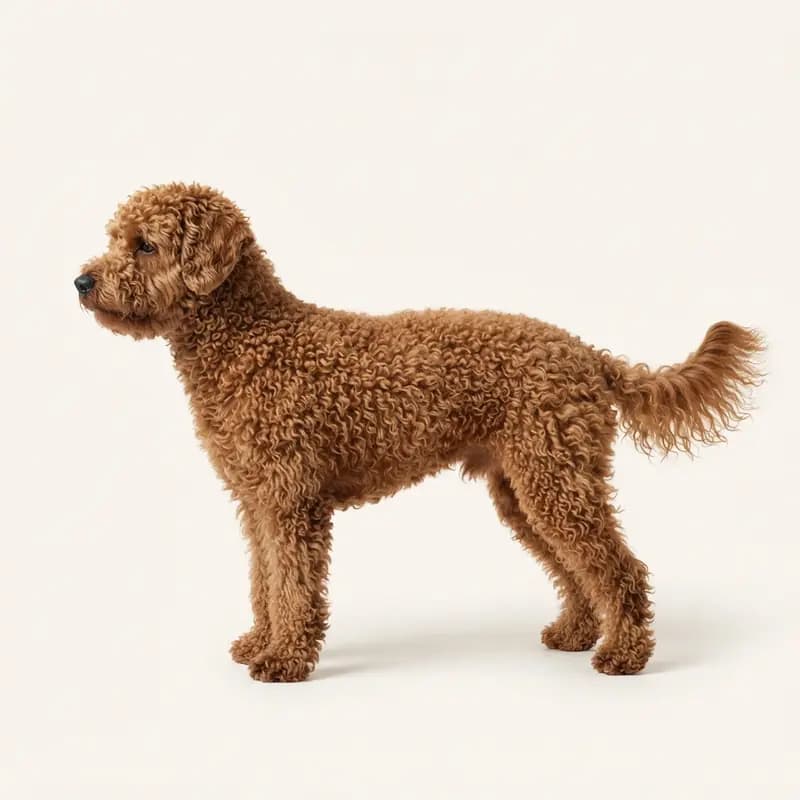 Illustrative image
Curly
The real vibes check
A Schnoodle often looks like a harmless teddy bear, but beneath those soft curls, the sharp brain of a territorial farm guardian is often at work. You aren't buying a standardized stuffed animal, but a real surprise package: in daily life, you must be just as prepared for the stubborn guarding instinct of the Schnauzer as you are for the extremely demanding intellect of the Poodle.
The Schnoodle is a lively and intelligent mixed breed that comes from the German Schnauzer and the Poodle. This combination unites the alertness and protective instinct of the Schnauzer with the eagerness to learn and hypoallergenic coat of the Poodle. Schnoodles are medium to large-sized, have curly to wavy fur, and are characterized by their friendly and affectionate nature. They are versatile companions suitable both as family dogs and as therapy or assistance dogs. Within the breed, there are differences in size and coat structure, depending on whether the Schnauzer is more miniature, standard, or giant size and which type of Poodle was crossed in. This diversity makes the Schnoodle particularly adaptable to different lifestyles and needs.
The Schnoodle, a cross between a Schnauzer and a Poodle, is an intelligent and friendly companion with a balanced temperament. It combines the eagerness to learn and adaptability of the Poodle with the watchful and loyal character of the Schnauzer. Schnoodles are very people-oriented and enjoy being close to their family, making them excellent family and companion dogs. Thanks to their high intelligence and willingness to work, Schnoodles learn quickly and enjoy mental and physical challenges. They are versatile, whether in dog sports, scent work, or as therapy dogs. Their exercise needs range from moderate to high, so regular activity is important to avoid boredom and unwanted behavior. The Schnoodle usually shows a friendly and open nature toward strangers but can also bring a certain alertness due to its Schnauzer heritage. It is generally well socialized and gets along well with children and other pets. Because of its Poodle ancestry, the Schnoodle is often hypoallergenic and therefore suitable for allergy sufferers. Overall, the Schnoodle is a versatile, eager-to-learn, and loving dog that, with the right support and training, grows into a loyal and balanced companion.
| Watchfulness Reports unusual activity but stays controlled. | Moderate |
| Openness to Strangers Warms up quickly and is generally welcoming. | Friendly |
| Hunting or Herding Drive Noticeable drive — needs attention around small animals. | Moderate |
Fun Fact!
Schnoodle: The Schnoodle, a mix of Schnauzer and Poodle, combines the intelligence and charm of both breeds. Especially exciting: Schnoodles hardly shed, making them ideal companions for allergy sufferers!
The Schnoodle is a lively and intelligent crossbreed of Schnauzer and Poodle. These dogs are friendly, easy to train, and are excellent as family and companion dogs. They are active and require regular activity, and they are characterized by their adaptability and hypoallergenic coat. Schnoodles are versatile and impress with their social and balanced nature.
Schnoodle: Schnoodles are friendly and intelligent dogs that are well suited as family pets. They are usually very affectionate and enjoy being close to their people. Due to their mix of Schnauzer and Poodle, they are often playful and curious, but also require regular mental and physical activity. Schnoodles generally get along well with children and other pets if socialized early. They are adaptable and can be kept both in apartments and houses with gardens, but they need sufficient exercise and shared activities to be happy.
Lives for its family — the born family companion.
Takes boisterous and affectionate children in its stride.
Actively enjoys the company of other dogs.
Adapts well to city living and urban environments.
Owning a dog is a privilege, but it's also a real responsibility. Before you bring one into your life, be honest with yourself about the commitment it takes.
Schnoodles are intelligent and eager-to-learn dogs that benefit from the combination of Schnauzer and Poodle. They show high adaptability and are usually very motivated to learn new things. Training should be varied and positive to keep their attention and avoid boredom. As with Poodles, it is important to start socialization early and establish clear rules so that the Schnoodle becomes a balanced companion. They are well suited for various dog sports such as obedience, rally, or retrieving games, as they enjoy being challenged and having fun working with their human. Due to their sensitive nature, Schnoodles respond particularly well to reward-based training without harsh corrections. Patience and consistency are crucial to avoid frustration and build a trusting bond. Overall, the Schnoodle is a versatile and willing-to-learn dog that, with the right support, grows into a loyal and balanced partner. It is important to provide them with sufficient mental and physical activity to fully develop their potential.
Schnoodles are intelligent and active dogs that need a balanced diet to stay healthy and fit. High-quality food with a good proportion of proteins and essential nutrients is ideal. Make sure to adjust the amount of food to your Schnoodle's activity level to avoid overweight. The coat of the Schnoodle is usually curly to wavy and sheds significantly less than many other breeds, which makes grooming easier. Regular brushing, about 2-3 times a week, helps prevent matting and keeps the coat clean. Occasional trimming is recommended to keep the coat in shape. Schnoodles adapt well to the Central European climate. Their coat protects them from the cold, but in extreme heat, sufficient shade and water should be provided to prevent overheating.
| Care Level Needs regular professional grooming — time-consuming and costly. | High-maintenance |
| Exercise Needs Needs 1–2 hours of real exercise daily. | Active |
| Shedding Regular shedding — dog hair on clothes is now normal. | Moderate |
| Trainability Picks up commands quickly and wants to please. | Eager to learn |
Our experts are still reviewing this information. Spotted something wrong? Email us at info@honestdog.de.
Solid
Health grade
In the Schnoodle, the main health concerns are von Willebrand disease type I, patellar luxation (PL), and hip dysplasia (HD). Responsible breeders selectively test their parent animals for these risks to systematically prevent hereditary damage to joints and blood clotting. Before buying a puppy, have the breeder show you the written test results of both parents: for von Willebrand disease type I, the status must be clear or carrier (with a carrier only allowed to be mated with a clear partner), for patellar luxation (PL) the limit is PL 0, and for hip dysplasia (HD) the result must be HD A–B.
Grade is relative to other breeds — AI-assisted and editorially reviewed.
Methodology and data: HonestDog Dog Breed Health Report 2026
What matters most for this breed
Tap any item to see details.
With joint-friendly rearing, a healthy weight, and regular veterinary eye check-ups, many risks can be well-managed in everyday life.
Responsible breeders test parent animals for von Willebrand disease type I and patellar luxation (PL), and additionally have hips examined for hip dysplasia (HD).
Note: This health overview is AI-assisted and editorially reviewed. It is for orientation only and does not replace veterinary advice.
What matters most for this breed — what's common, how much it affects the dog's life, and how to protect yourself as a buyer.
Tap a body region to see the inherited conditions linked to it.
The three most important risks
Pick a region on the map to explore other areas.
Tier 1 is the recommended health standard for this breed. Tiers 2 and 3 show how responsible breeders go beyond.
Recommended standard. These tests make up the recommended health standard for this breed — the baseline of any careful breeding program. Ask any reputable breeder for the results.
No entries in this tier.
Note: This health overview is AI-assisted and editorially reviewed. It is for orientation only and does not replace veterinary advice.
A Schnoodle costs around ~€180 per month (€100 – €340, depending on your setup). The first year adds up to roughly ~€5,400 including purchase, equipment and puppy school; across the dog's life (12.5 years) it comes to about ~€30,370.
With surgery cover, running costs come to about ~€180 per month — in return, your share of a major operation drops from several thousand euros to around 20 percent.
Per month
~€180
In the first year
~€5,400
Across the dog's life
~€30,370
Estimated purchase price from a breeder: €1,800 – €3,000
Estimate at a mid-range setup (suburban, dry food, 1–2 hours of daily exercise), average German prices, as of July 2026.
HonestDog Concierge
We currently have no breeders for this breed who have passed our verification. Create your short buyer profile: we'll set up your search alert, review a possible source and email you within 28 days.
 Illustrative image
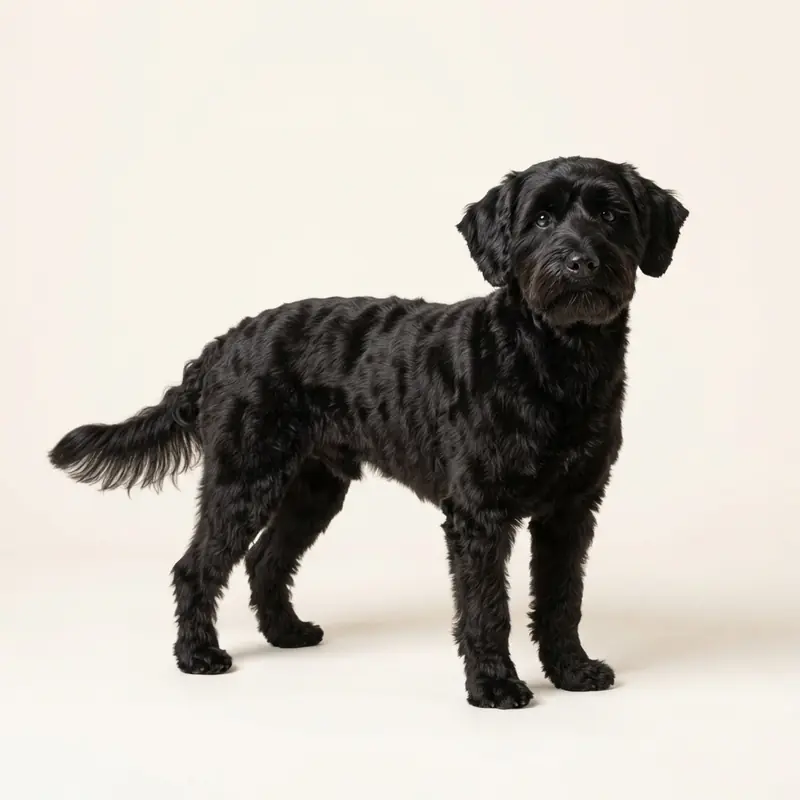 Illustrative image
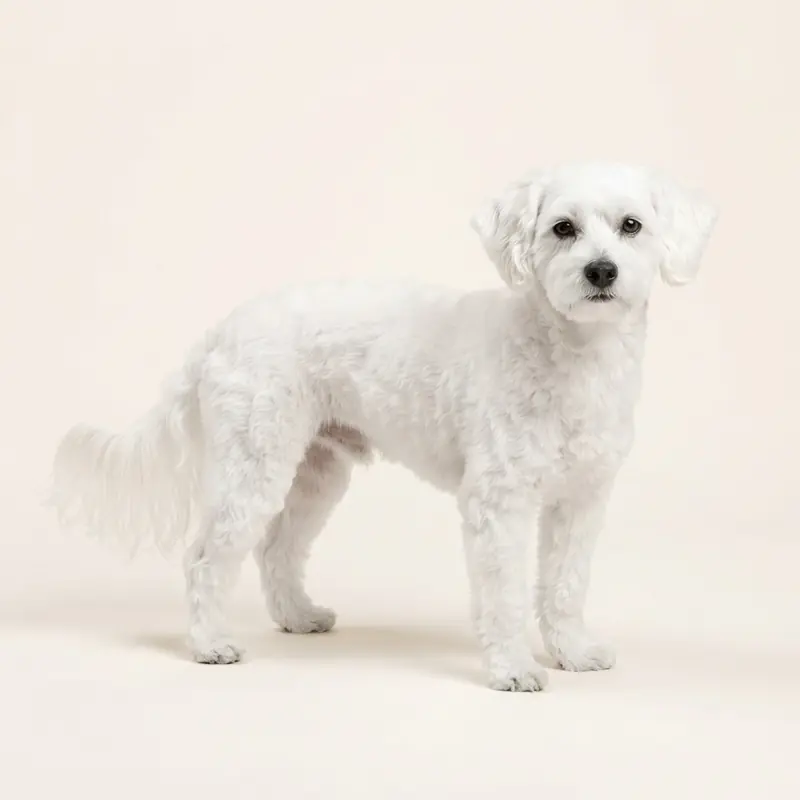 Illustrative image
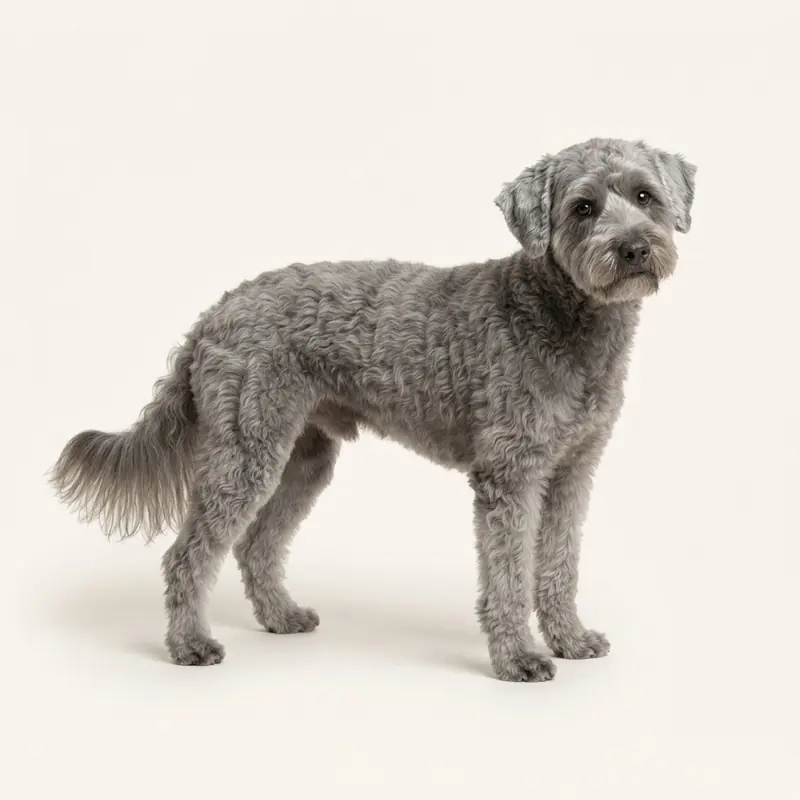 Illustrative image
 Illustrative image
The history of the Schnoodle begins in the 1990s, when breeders in the USA and Europe wanted to combine the intelligence and hypoallergenic coat of the Poodle with the friendly nature and versatility of the Schnauzer. Through selective breeding, a medium to large dog was created, which is valued both as a family dog and as a companion for allergy sufferers. The Schnoodle combines the characteristics of both breeds and has since enjoyed growing popularity as a loyal and adaptable companion.
The Schnoodle was created by crossing a Schnauzer and a Poodle and was bred as a hypoallergenic companion dog.
USA
1980
Many owners describe everyday life with a Schnoodle as very close and loving. These dogs seek out their people constantly, ask for petting and often follow their humans around the house every step of the way. With their playful, outgoing nature, they usually fit into families very well and get along well with children.
At the same time, owners point out that this strong bond has a downside: Schnoodles often struggle with being alone. Without enough gradual practice, they tend toward separation stress or protest behavior. The Schnauzer side also often shows in everyday life: many of these dogs reliably, and sometimes very loudly, announce noises in the stairwell or visitors at the front door, which calls for training ahead of time in thin-walled rental apartments.
Sources:reddit.comanimals-digital.depetbook.devierbeinerwelten.de
Training and owner reports keep highlighting how fast the Schnoodle learns. Thanks to its Poodle heritage, it often picks up basic commands, tricks and puzzle games at an astonishing pace. Many owners say, however, that this intelligence is a double-edged sword: without enough mental challenge, the Schnoodle quickly finds its own, unwanted ways to keep busy.
Then there is the Schnauzer-style stubbornness that owners regularly mention. Unlike pure companion breeds, a Schnoodle likes to question commands when leadership isn't confident and clear. Outdoors, owners also report a noticeable prey and hunting drive; squirrels, birds or rustling wildlife in particular catch these dogs' attention, which is why a reliable recall and consistent impulse control need to be built from puppyhood on.
Sources:reddit.comanimals-digital.depetbook.dewirliebenhunter.dehunde-fan.de
A central topic among owners is the gap between the promise of an easy-care, non-shedding dog and what grooming actually involves. Many confirm that their dogs shed hardly any hair at home, but first-time owners often underestimate the grooming work. The mixed coat of soft Poodle curls and wiry Schnauzer hair mats easily, so brushing several times a week and regular trips to the groomer are part of the routine.
In health discussions, owners and people who know these dogs point out that the cross is no automatic guarantee of robustness. Because it is a hybrid without uniform breed-club standards, health screening of the parent dogs varies widely. Depending on the size variety, owners report susceptibilities from both parent breeds, including joint problems, sensitive ears due to hair growing in the ear canals, and clouding eye diseases in older age.
Sources:reddit.comanimals-digital.dehunde-fan.dedisboards.com
Paraphrased from real owner reports · translated from German
The Schnoodle is an adaptable dog that adjusts well to various lifestyles. Research the temperament, grooming needs, and space requirements before deciding.
The average life expectancy of a Schnoodle is 10-15 years. With proper care and regular vet visits, your dog can live a long, healthy life.
Schnoodle grooming requirements include regular brushing, nail trimming, and dental care. HonestDog provides detailed grooming tips for every breed.
The Schnoodle can be a great family dog. Proper training and socialization are key. HonestDog provides family suitability information for every breed.
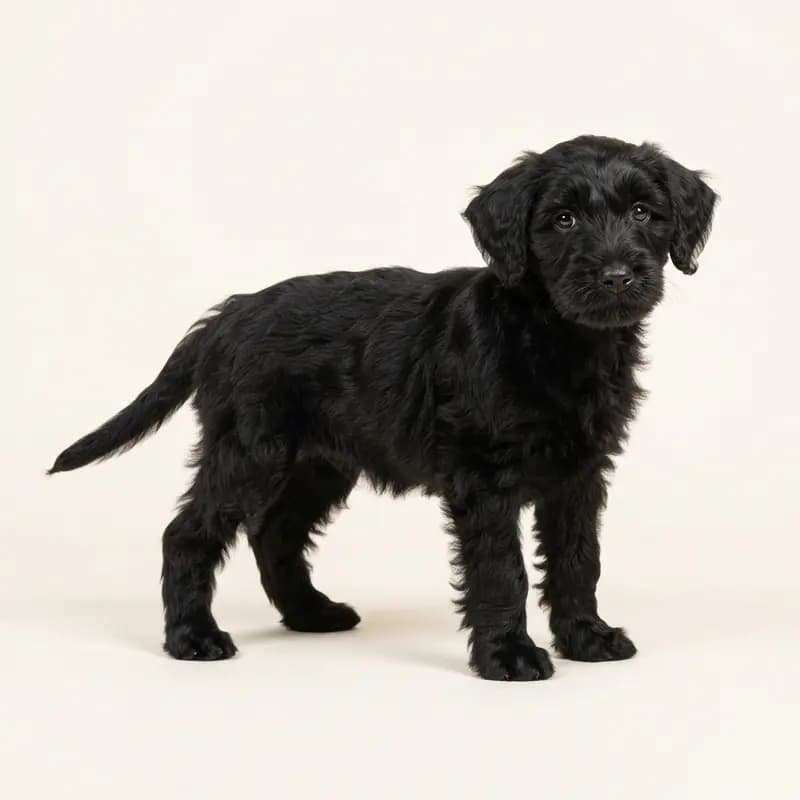
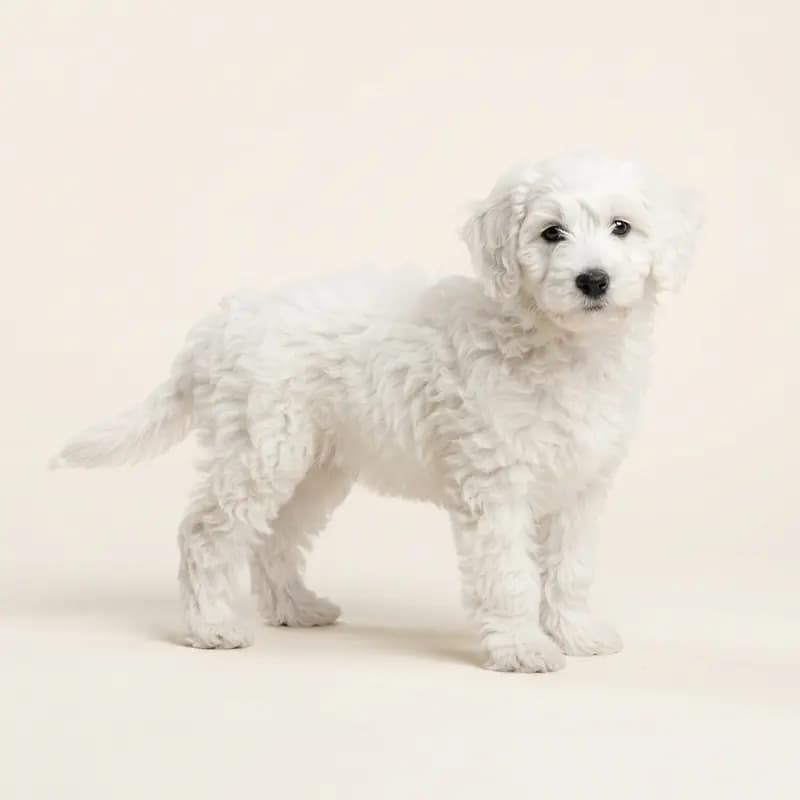
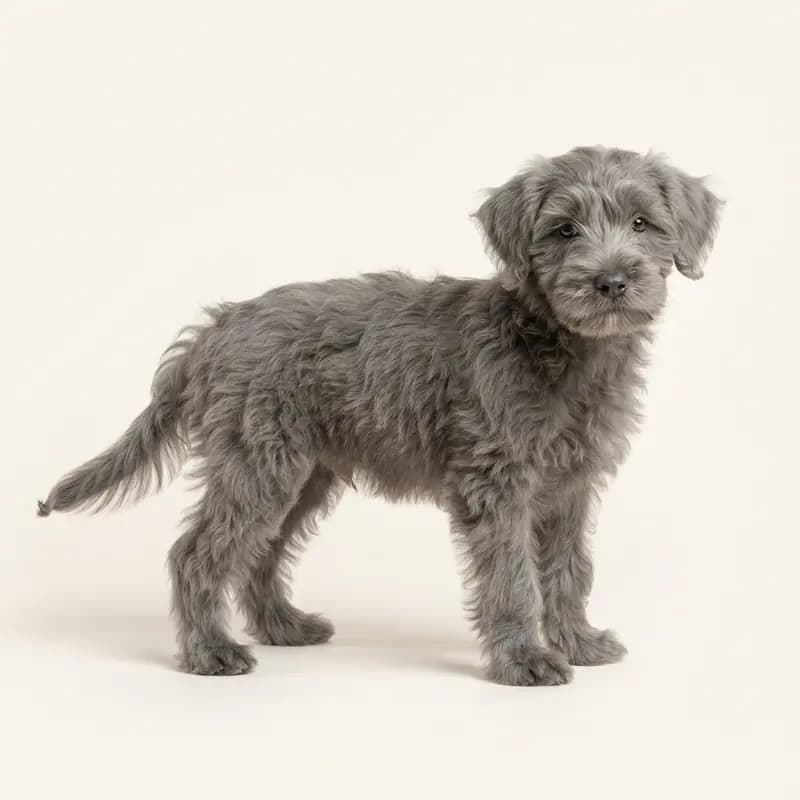
The Schnoodle comes in these colors: Black, White, Grey, Silver, Brown, Apricot, Red, Cream, Salt and pepper, Black and tan, Black and white, Merle. Colors that fall outside the breed standard are marked as such on the breed page.
Showcase your kennel on HonestDog and reach families searching for a responsibly bred Schnoodle.