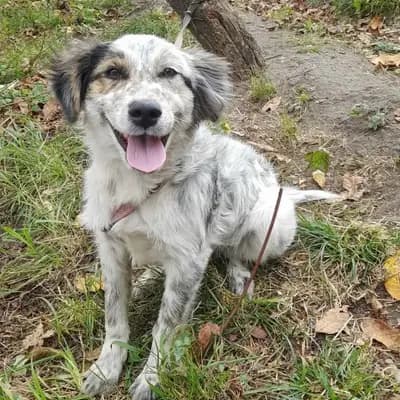
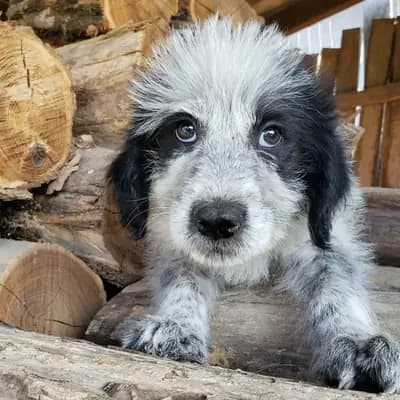
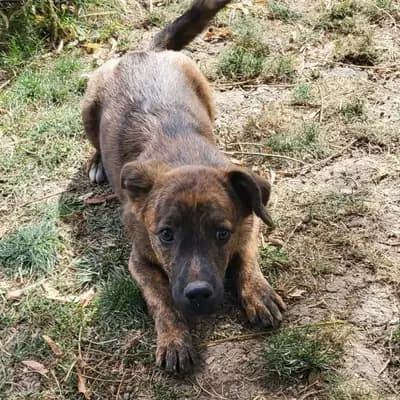
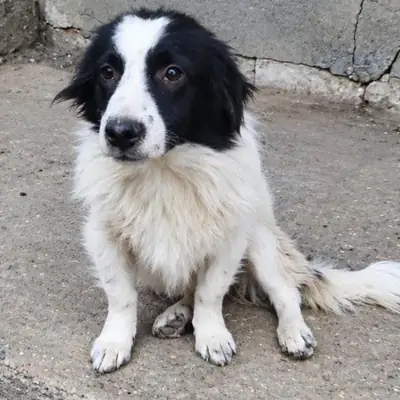
An adult rescue dog often already has some basic training, but has been through a deep upheaval by losing the people it was attached to. Because the Spanish Water Dog bonds extremely closely with its people, it needs time at first to trust again. Expect it to watch you closely in the first few weeks and to look for clear, reliable structure.
Health considerations for a rescue dog
Spanish Water Dogs are considered fairly robust companions, but they do have breed-typical weak spots affecting the hips, eyes, thyroid and nervous system. A health-focused breeder has the parent dogs X-rayed for hip dysplasia (HD) before breeding, examined clinically for eye diseases such as progressive retinal atrophy (PRA), cataracts and pectinate ligament dysplasia, and blood-tested for an underactive thyroid (hypothyroidism), specifically to reduce the risk within the line. Responsible breeders also use DNA tests for TECPR2-associated neuroaxonal dystrophy (NAD) and familial goitre: these show whether a parent dog is clear, a carrier or affected, so that carriers are only mated with clear partners. Attention is also paid to any cases of elbow dysplasia in the line.
For a dog from a shelter – especially if it was rescued abroad or comes from irresponsible puppy farmers – such health checks on the parents are usually missing. Ask the shelter to show you all the veterinary records they have. After adoption, make sure to plan regular vet checks of the eyes and thyroid levels, as well as joint-friendly management, so you can keep a good eye on health risks.