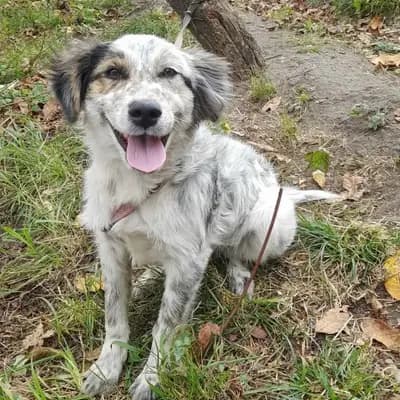
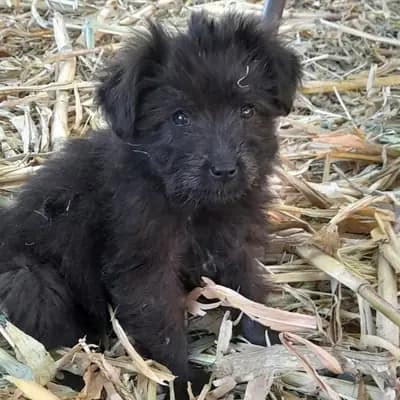
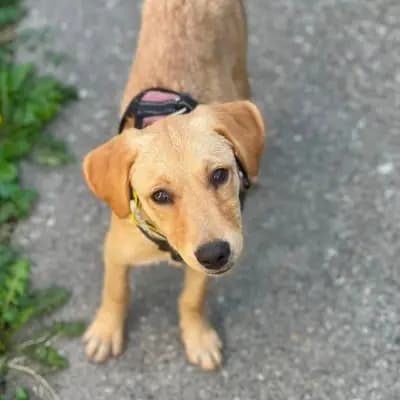
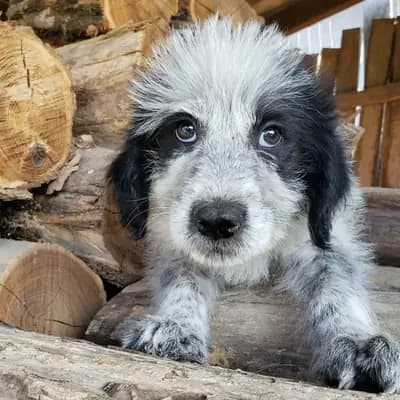
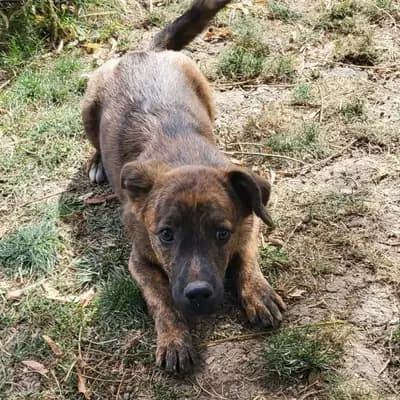
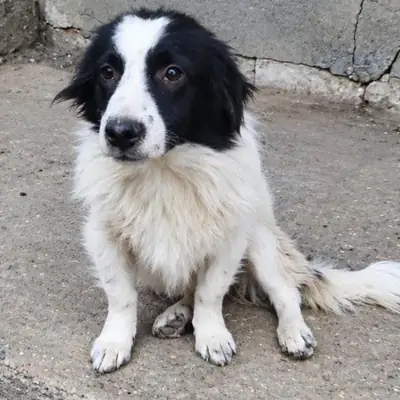
If you want to adopt a Tollerdoodle, you will meet a dog that is extremely eager to learn, good with children and gets on well with other dogs. In the shelter, having lost their familiar people and lacking enough activity, they often seem stressed, restless or reserved at first. Because they are so people-oriented, they suffer from being separated from their family. Give them time: thanks to their high trainability (4 out of 5), they learn new rules quickly even as an adult, once they have come to trust you.
An important point when adopting is the often unknown genetic background. Tollerdoodles are considered fairly robust dogs when well bred, but because of their two parent breeds they carry certain risks for the joints, eyes and blood clotting. A health-focused breeder has the parent dogs’ hips (hip dysplasia), elbows (elbow dysplasia), knees (patellar luxation) and eyes (for example for prcd-PRA) examined clinically and by X-ray, and uses targeted DNA tests for blood clotting disorders such as von Willebrand’s disease type I, in order to reduce risks in the line. If a shelter dog comes from disreputable puppy farmers, however, these health checks on the parent dogs are usually missing. So plan for regular health and eye checks with the vet for your adopted dog, and for exercise that is gentle on the joints, so that any problems are spotted early.