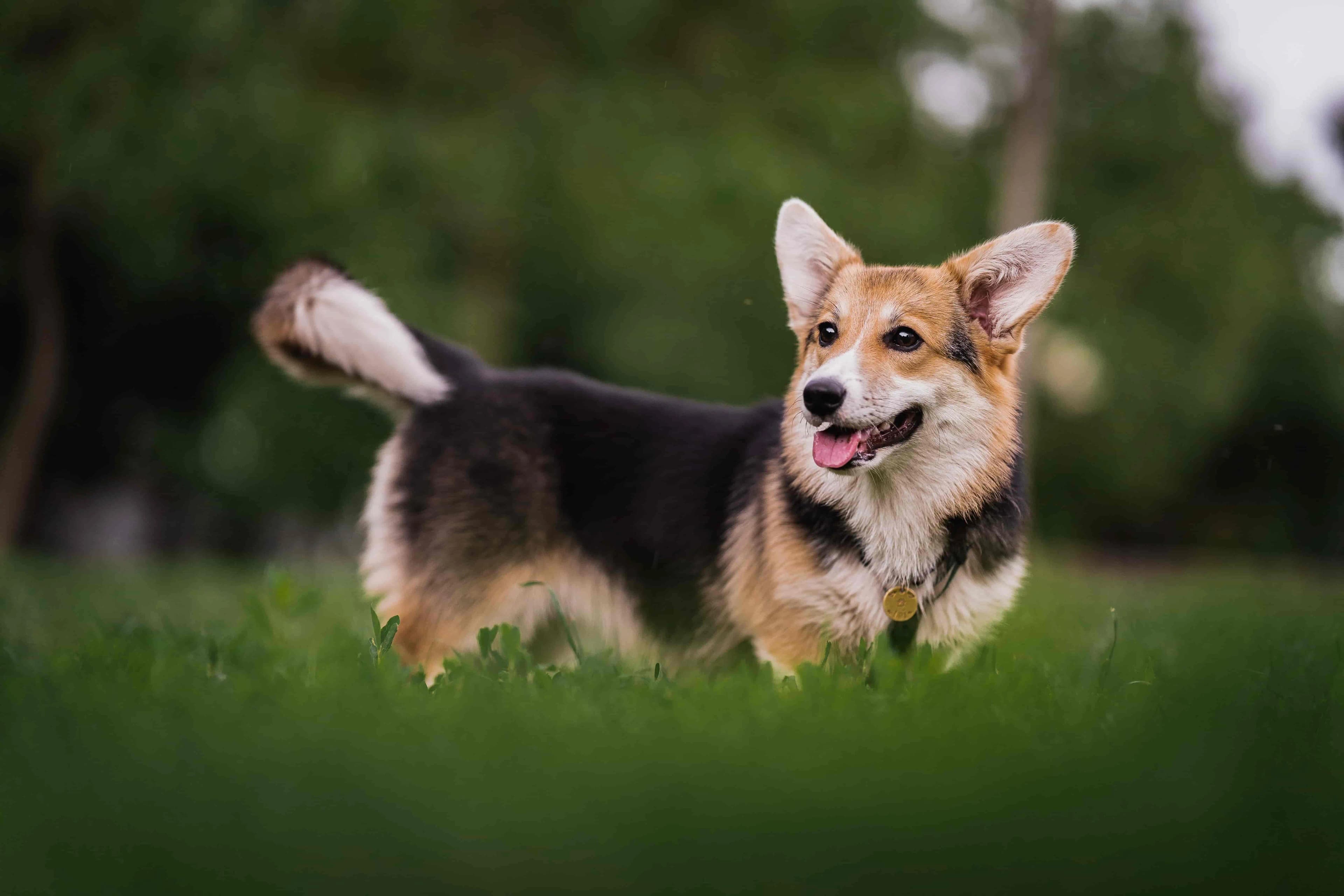
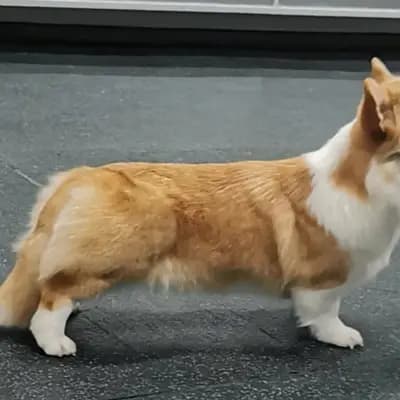
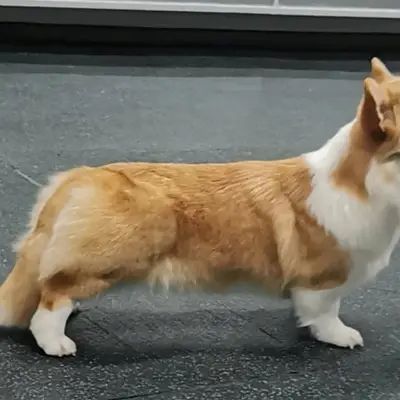
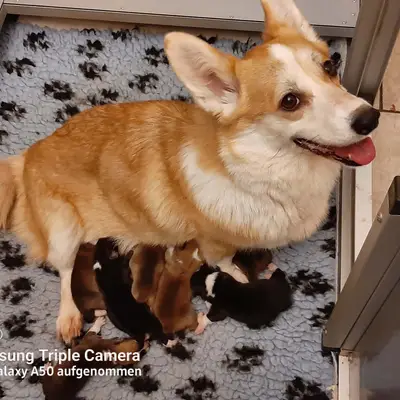
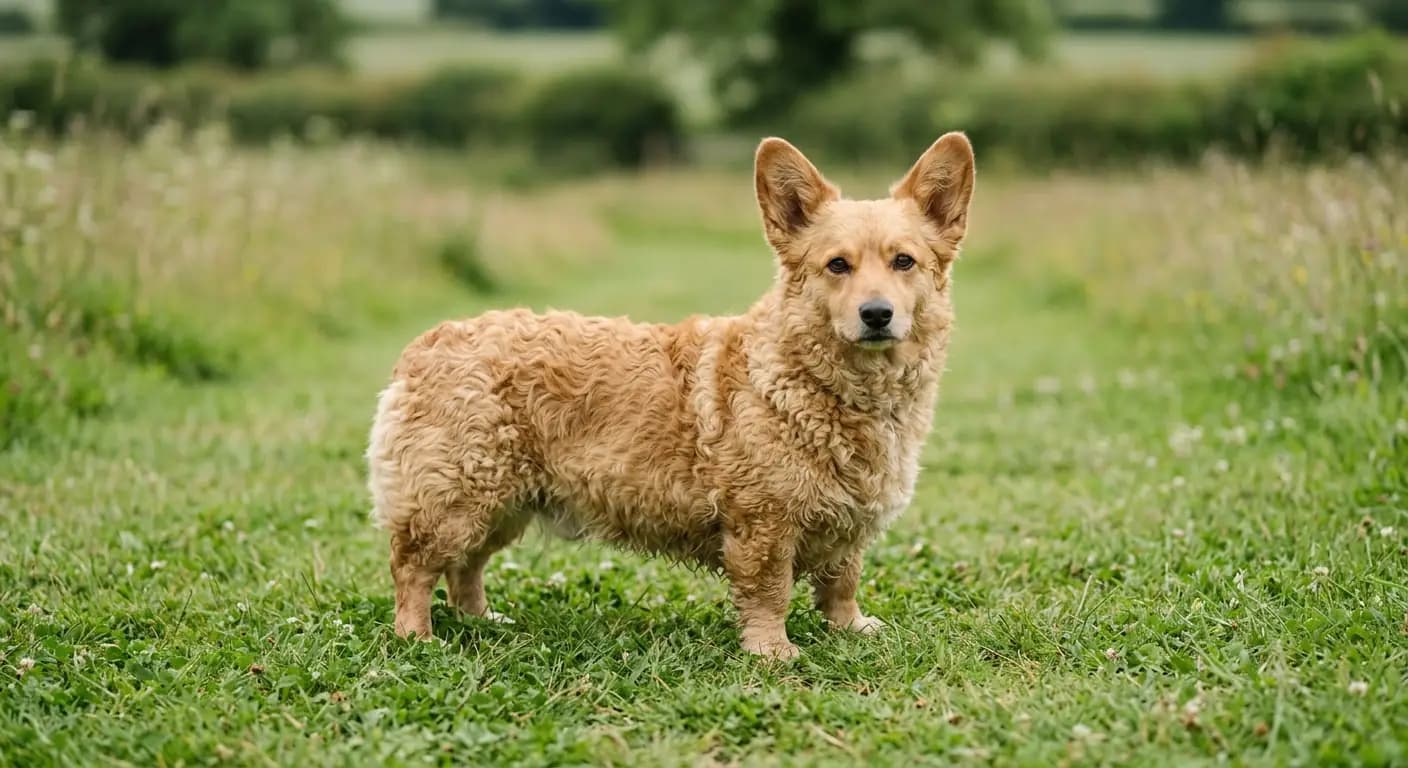
With an energy level of 4 out of 5, the Pembroke needs daily physical and mental exercise, from nose work to joint-friendly dog sports. His trainability (3/5) meets the typical stubborn streak of an independent herding dog: he learns lightning-fast, but questions commands whose point he does not see. In the family he is very affectionate (4/5), but needs clear rules around children (3/5) and other dogs (3/5). Without consistent leadership, he tends to try to “herd” running children by nipping at their heels, or to guard resources.
Despite his watchfulness, his suitability for city life (4/5) is high, provided you channel his tendency to bark in an apartment block into orderly habits early on, and ideally the home is on the ground floor or reachable by lift. Do not underestimate the dense, medium-length weatherproof coat with its thick undercoat either: grooming needs and shedding are a solid 3 out of 5, and during the moult in particular you will need to reach for the brush every day.
Your checklist for the first conversation with the breeder
- Ask to see the joint and back results: Have the breeder show you the official hip dysplasia (HD) scores, as well as the spine and intervertebral disc disease examination results, for both parent dogs.
- Check the current eye certificate: Ask for proof of the parent dogs' ophthalmological eye test (including screening for PRA and hereditary eye conditions such as cataracts or PPM).
- Ask for the DNA certificates: Request the laboratory results for degenerative myelopathy (including the early-onset modifier), von Willebrand disease type I and brachyury.
- Ask about the line history: Find out specifically whether any cases of familial nephropathy (kidney disease) or cutaneous asthenia (the skin form of Ehlers-Danlos syndrome) are known in the breeding lines.
- Check the tail and coat colour: In Germany, the tail docking ban under § 6 TierSchG applies – a short tail may only be the result of congenital brachyury and must be documented in the litter record. Also make sure that no merle colours are used in the breeding programme.
On HonestDog, a breeder profile only goes online once the breeder has completed registration: identity verification by ID and selfie, where applicable proof of club membership or a §11 permit, a knowledge test on breeding and animal welfare, and agreement to the HonestDog breeding standards, which among other things rule out breeding with extreme traits that cause suffering. When breeders upload health tests of the parent dogs, you can see them directly in the profile; ask to see the original results when you visit. Your next step: compare the profiles of the Pembroke Welsh Corgi breeders on HonestDog, look at the health certificates that have been uploaded and ask about the next litter directly.