Albinism
Also known as: Oculocutaneous Albinism · Okulokutaner Albinismus · Pigmentmangel · Tyrosinase-Defekt · Coat colour, albinism, oculocutaneous type IV · …
Overview
What it is
Albinism is an inherited condition where the body cannot produce melanin, the natural pigment responsible for coloring the skin, fur, and eyes. This metabolic disruption affects the integumentary system (the skin and coat) as well as the eyes. Without melanin, these tissues lack their normal protective coloration and UV defense.
How it presents
From birth, affected dogs are easily recognized by their pure white coat, pink skin, and very light, pale blue or reddish-reflecting eyes. Owners will notice extreme sensitivity to bright light, squinting, and a high susceptibility to sunburn.
Treatment
While the condition is lifelong and cannot be cured, it is manageable through strict UV protection, including sunscreens and protective goggles. Lifelong management and monitoring for secondary issues like skin damage typically cost between 500 and 3000 EUR.
How it's tested
Labogen Komplettpaket (rassespezifisch)(Labogen-Panel)
Primary testDNA testRassespezifisches DNA-Panel (Labogen / Laboklin) — bündelt alle relevanten Erbkrankheiten der Rasse in einem Test.
Issuing body: Labogen
Result scheme: Clear/Carrier/Affected
Okulokutaner Albinismus Typ IV (OCA4) Gentest(OCA4)
Primary testDNA testEin molekularbiologischer DNA-Test identifiziert die ursächliche Mutation im SLC45A2-Gen, um betroffene Hunde (Anlageträger und Merkmalsträger) für okulokutanen Albinismus Typ IV nachzuweisen.
Issuing body: Labogen
Result scheme: Clear/Carrier/Affected
Albinismus (OCA) DNA-Test(OCA)
Primary testDNA testEin Gentest zum Nachweis von Mutationen in Genen wie SLC45A2, die für den okulokutanen Albinismus (OCA) beim Hund verantwortlich sind.
Issuing body: Embark
Result scheme: Clear/Carrier/Affected
OCA1 (TYR) DNA-Test(OCA1)
Primary testDNA testEin Gentest analysiert das TYR-Gen auf Mutationen, die für den okulokutanen Albinismus Typ 1 verantwortlich sind, um betroffene Hunde und Anlageträger zu identifizieren.
Issuing body: Embark
Result scheme: Clear/Carrier/Affected
OCA2-Genetischer Test für Oculocutanen Albinismus(OCA2)
Primary testDNA testEin DNA-Test identifiziert die ursächliche Mutation im OCA2-Gen, um betroffene Hunde sowie symptomfreie Träger des oculocutanen Albinismus Typ 2 nachzuweisen.
Issuing body: Embark
Result scheme: Clear/Carrier/Affected
Feragen Komplettpaket (rassespezifisch)(Feragen-Panel)
DNA testRassespezifisches DNA-Panel (Feragen, Österreich) — gleiches Konzept wie Labogen.
Issuing body: Feragen
Result scheme: Clear/Carrier/Affected
Embark Breed + Health Panel(Embark)
DNA testUS-Anbieter; 250+ genetische Erkrankungen + Abstammung. Anerkennung in DE/AT variiert je nach VDH-Verein.
Issuing body: Embark
Result scheme: Clear/Carrier/Affected
MyDogDNA Panel(MyDogDNA)
DNA testGenoscoper-basiertes Panel (Mars Petcare). 200+ Erkrankungen + Rassenkomposition.
Issuing body: MyDogDNA
Result scheme: Clear/Carrier/Affected
Affected breeds
14 of 14 breeds
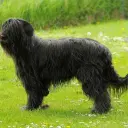 BriardRecommended standard
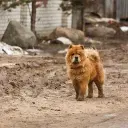 Chow ChowRecommended standard
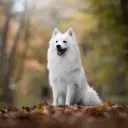 Great SpitzMandatory testMandated by Verein für Deutsche Spitze e.V.
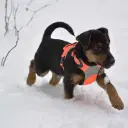 JagdterrierRecommended standard
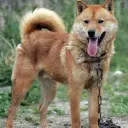 Korean JindoRecommended standard
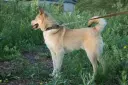 Norwegian BuhundRecommended standard
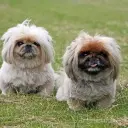 PekingeseRecommended standard
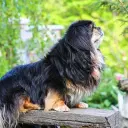 Tibetan SpanielRecommended standard
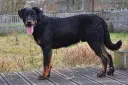 BeauceronAlso recommended
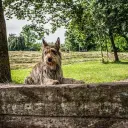 Berger PicardAlso recommended
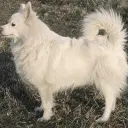 German SpitzAlso recommended
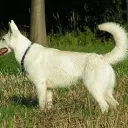 White Swiss Shepherd DogAlso recommended
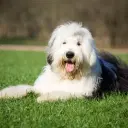 Old English SheepdogOptional
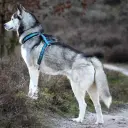 Siberian HuskyOptional
Treatment cost
Estimated range of typical treatment costs. Actual costs depend on severity, clinic and region.
Frequently asked questions
What is Albinism?
Albinism is an inherited condition where the body cannot produce melanin, the natural pigment responsible for coloring the skin, fur, and eyes. This metabolic disruption affects the integumentary system (the skin and coat) as well as the eyes. Without melanin, these tissues lack their normal protective coloration and UV defense.
How is Albinism tested?
Tests currently in our database: Labogen Komplettpaket (rassespezifisch), Okulokutaner Albinismus Typ IV (OCA4) Gentest, Albinismus (OCA) DNA-Test, OCA1 (TYR) DNA-Test, OCA2-Genetischer Test für Oculocutanen Albinismus, Feragen Komplettpaket (rassespezifisch), Embark Breed + Health Panel, MyDogDNA Panel.
Which breeds are most affected?
Most commonly affected: Briard, Chow Chow, Great Spitz, Jagdterrier, Korean Jindo, Norwegian Buhund, Pekingese, Tibetan Spaniel.