
Intervertebral disc disease(IVDD)
Also known as: Bandscheibenvorfall · Dackellähme · Intervertebral Disc Herniation · Hansen Type I · Hansen Type II · …
Overview
What it is
Intervertebral Disc Disease (IVDD) is a degenerative condition affecting the spine, where the cushioning discs between the vertebrae harden and rupture. When these discs herniate, meaning they bulge or burst, they press against the spinal cord and surrounding nerves. This compression disrupts the nervous system, causing pain and potentially blocking signals between the brain and the limbs.
How it presents
Symptoms typically appear between 3 and 7 years of age, manifesting as a stiff gait, an arched back, reluctance to jump, sudden back pain, or paralysis of the limbs.
Treatment
The condition is treatable, ranging from strict crate rest and medication to emergency spinal surgery. Treatment costs typically range from €1,500 to €8,000 depending on whether surgery and intensive physical therapy are required.
How it's tested
CDDY (Chondrodystrophie) und IVDD-Risiko Gentest(CDDY/IVDD)
Primary testDNA testDer Gentest identifiziert die FGF4-Retrogen-Insertion auf Chromosom 12, welche für die Verkürzung der Beine (Chondrodystrophie) und die vorzeitige Degeneration der Bandscheiben verantwortlich ist.
Issuing body: Labogen
Result scheme: Clear/Carrier/Affected
Röntgenuntersuchung der Wirbelsäule(Röntgen Wirbelsäule)
RadiographEine Röntgenuntersuchung der Wirbelsäule in mehreren Ebenen dient der Visualisierung von Wirbelkörperdeformationen und der seitlichen Krümmung.
Issuing body: vet
Affected breeds
24 of 27 breeds
 Cardigan Welsh CorgiMandatory testMandated by Club für Britische Hütehunde e.V. (CfBrH)
 ChiweenieRecommended standard
 DachshundMandatory testMandated by Deutscher Teckelklub 1888 e.V. (DTK)
 DobermannRecommended standard
 DoxiepooRecommended standard
 Long-haired DachshundMandatory testMandated by Deutscher Teckelklub 1888 e.V. (DTK)
 Miniature DachshundMandatory testMandated by Deutscher Teckelklub 1888 e.V. (DTK)
 Miniature Wire-haired DachshundMandatory testMandated by Deutscher Teckelklub 1888 e.V. (DTK)
 Pembroke Welsh CorgiMandatory testMandated by Club für Britische Hütehunde e.V. (CfBrH)
 Smooth-haired DachshundMandatory testMandated by Deutscher Teckelklub 1888 e.V. (DTK)
 Wire-haired DachshundMandatory testMandated by Deutscher Teckelklub 1888 e.V. (DTK)
 Basset HoundAlso recommended
 BeagleAlso recommended
 CorgipooAlso recommended
 DreverAlso recommended
 French BulldogAlso recommended
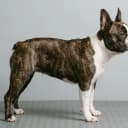 FrenchtonAlso recommended
 Lhasa ApsoAlso recommended
 Miniature Long-haired DachshundAlso recommended
 Miniature PoodleAlso recommended
 Miniature Smooth-haired DachshundAlso recommended
 PuggleAlso recommended
 Shih TzuAlso recommended
 ShihpooAlso recommended
Why is this linked to extreme breeding?
This condition can be tied to a trait dogs are bred for. These pages explain how it arises, which breeds are affected and how to recognize dogs bred for health.
Treatment cost
Estimated range of typical treatment costs. Actual costs depend on severity, clinic and region.
Frequently asked questions
What is Intervertebral disc disease?
Intervertebral Disc Disease (IVDD) is a degenerative condition affecting the spine, where the cushioning discs between the vertebrae harden and rupture. When these discs herniate, meaning they bulge or burst, they press against the spinal cord and surrounding nerves. This compression disrupts the nervous system, causing pain and potentially blocking signals between the brain and the limbs.
How is Intervertebral disc disease tested?
Tests currently in our database: CDDY (Chondrodystrophie) und IVDD-Risiko Gentest, Röntgenuntersuchung der Wirbelsäule.
Which breeds are most affected?
Most commonly affected: Cardigan Welsh Corgi, Chiweenie, Dachshund, Dobermann, Doxiepoo, Long-haired Dachshund, Miniature Dachshund, Miniature Wire-haired Dachshund.