Brachyury(NBT)
Also known as: Natural Bobtail · Congenital short tail · Angeborene Kurzschwänzigkeit · Stummelrute · Anury · …
Overview
What it is
Brachyury is a congenital condition affecting the skeletal system where a dog is born with an unusually short or completely absent tail. It is caused by an autosomal-dominant genetic mutation in the T-box gene, which plays a key role in embryonic skeletal development. This mutation alters how the tail vertebrae form before birth, resulting in a naturally bobbed tail.
How it presents
Owners will notice a shortened or missing tail immediately at birth. Because this is a structural variation rather than a progressive illness, it does not cause pain or affect the dog's mobility or quality of life.
Treatment
No treatment is required or recommended as this is a harmless anatomical variation. Consequently, there are no medical costs associated with this condition, placing the expected lifetime treatment cost at 0 EUR.
How it's tested
Labogen Komplettpaket (rassespezifisch)(Labogen-Panel)
Primary testDNA testRassespezifisches DNA-Panel (Labogen / Laboklin) — bündelt alle relevanten Erbkrankheiten der Rasse in einem Test.
Issuing body: Labogen
Result scheme: Clear/Carrier/Affected
Brachyurie (NBT) DNA-Test(NBT)
Primary testDNA testDer DNA-Test identifiziert die C189G-Mutation im T-Gen, welche für die angeborene Kurzschwänzigkeit (Natural Bobtail) verantwortlich ist.
Issuing body: Labogen
Result scheme: Clear/Carrier/Affected
Röntgenuntersuchung der Rutenwirbel(Röntgen-Rute)
Primary testRadiographDurch eine Röntgenaufnahme der Rute können Fehlbildungen, Blockwirbel oder Knicke der Rutenwirbel exakt dargestellt und von traumatischen Veränderungen abgegrenzt werden.
Issuing body: vet
Feragen Komplettpaket (rassespezifisch)(Feragen-Panel)
DNA testRassespezifisches DNA-Panel (Feragen, Österreich) — gleiches Konzept wie Labogen.
Issuing body: Feragen
Result scheme: Clear/Carrier/Affected
Embark Breed + Health Panel(Embark)
DNA testUS-Anbieter; 250+ genetische Erkrankungen + Abstammung. Anerkennung in DE/AT variiert je nach VDH-Verein.
Issuing body: Embark
Result scheme: Clear/Carrier/Affected
MyDogDNA Panel(MyDogDNA)
DNA testGenoscoper-basiertes Panel (Mars Petcare). 200+ Erkrankungen + Rassenkomposition.
Issuing body: MyDogDNA
Result scheme: Clear/Carrier/Affected
Affected breeds
8 of 8 breeds
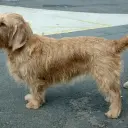 Basset Fauve de BretagneRecommended standard
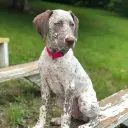 Braque du BourbonnaisMandatory testMandated by Verein für französische Vorstehhunde e.V. (VBBFL)
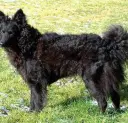 MudiRecommended standard
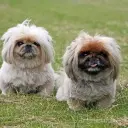 PekingeseRecommended standard
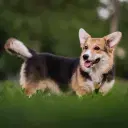 Pembroke Welsh CorgiMandatory testMandated by Club für Britische Hütehunde e.V. (CfBrH)
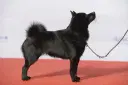 SchipperkeMandatory testMandated by Verband Deutscher Kleinhundezüchter e.V.
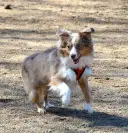 Miniature American ShepherdAlso recommended
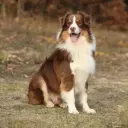 Australian ShepherdOptional
Why is this linked to extreme breeding?
This condition can be tied to a trait dogs are bred for. These pages explain how it arises, which breeds are affected and how to recognize dogs bred for health.
Treatment cost
Estimated range of typical treatment costs. Actual costs depend on severity, clinic and region.
Frequently asked questions
What is Brachyury?
Brachyury is a congenital condition affecting the skeletal system where a dog is born with an unusually short or completely absent tail. It is caused by an autosomal-dominant genetic mutation in the T-box gene, which plays a key role in embryonic skeletal development. This mutation alters how the tail vertebrae form before birth, resulting in a naturally bobbed tail.
How is Brachyury tested?
Tests currently in our database: Labogen Komplettpaket (rassespezifisch), Brachyurie (NBT) DNA-Test, Röntgenuntersuchung der Rutenwirbel, Feragen Komplettpaket (rassespezifisch), Embark Breed + Health Panel, MyDogDNA Panel.
Which breeds are most affected?
Most commonly affected: Basset Fauve de Bretagne, Braque du Bourbonnais, Mudi, Pekingese, Pembroke Welsh Corgi, Schipperke, Miniature American Shepherd, Australian Shepherd.