Cystinuria(Cyst-1a)
Also known as: Cystinurie Typ I-A · Cystine Urolithiasis · SLC3A1-associated cystinuria · Cystin-Harnsteine · Cystinuria Type I-A · …
Overview
What it is
Cystinuria is an inherited metabolic disorder affecting the kidneys, where the body fails to reabsorb an amino acid called cystine. Instead of being filtered back into the bloodstream, cystine builds up in the urine. Over time, this high concentration causes the amino acid to crystallize, forming painful stones in the bladder and urinary tract.
How it presents
Owners typically notice signs of urinary discomfort, such as straining to urinate, blood in the urine, or frequent attempts to go. These symptoms usually appear between 1 and 5 years of age, with male dogs being at a higher risk for life-threatening urinary blockages due to their anatomy.
Treatment
While the underlying genetic defect cannot be cured, the condition is manageable through lifelong special diets and medication to prevent stone formation. If a blockage occurs, emergency surgery is required, with overall treatment and management costs typically ranging from €2,000 to €12,000.
How it's tested
Labogen Komplettpaket (rassespezifisch)(Labogen-Panel)
Primary testDNA testRassespezifisches DNA-Panel (Labogen / Laboklin) — bündelt alle relevanten Erbkrankheiten der Rasse in einem Test.
Issuing body: Labogen
Result scheme: Clear/Carrier/Affected
Cystinurie DNA-Test(CY)
Primary testDNA testDer DNA-Test identifiziert Mutationen in den Genen SLC3A1 und SLC7A9, die für den fehlerhaften Transport von Cystin in den Nieren verantwortlich sind.
Issuing body: Labogen
Result scheme: Clear/Carrier/Affected
Feragen Komplettpaket (rassespezifisch)(Feragen-Panel)
DNA testRassespezifisches DNA-Panel (Feragen, Österreich) — gleiches Konzept wie Labogen.
Issuing body: Feragen
Result scheme: Clear/Carrier/Affected
Embark Breed + Health Panel(Embark)
DNA testUS-Anbieter; 250+ genetische Erkrankungen + Abstammung. Anerkennung in DE/AT variiert je nach VDH-Verein.
Issuing body: Embark
Result scheme: Clear/Carrier/Affected
MyDogDNA Panel(MyDogDNA)
DNA testGenoscoper-basiertes Panel (Mars Petcare). 200+ Erkrankungen + Rassenkomposition.
Issuing body: MyDogDNA
Result scheme: Clear/Carrier/Affected
Affected breeds
13 of 13 breeds
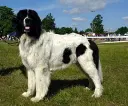 LandseerRecommended standard
 NewfoundlandRecommended standard
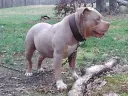 American BullyAlso recommended
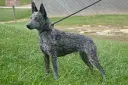 Australian Stumpy Tail Cattle DogAlso recommended
 BullmastiffAlso recommended
 Continental BulldogAlso recommended
 DeerhoundAlso recommended
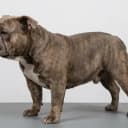 Exotic BullyAlso recommended
 KromfohrländerAlso recommended
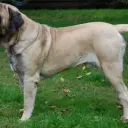 MastiffAlso recommended
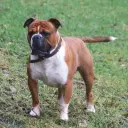 Old English BulldogAlso recommended
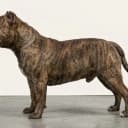 Pocket BullyAlso recommended
 ShikokuAlso recommended
Treatment cost
Estimated range of typical treatment costs. Actual costs depend on severity, clinic and region.
Frequently asked questions
What is Cystinuria?
Cystinuria is an inherited metabolic disorder affecting the kidneys, where the body fails to reabsorb an amino acid called cystine. Instead of being filtered back into the bloodstream, cystine builds up in the urine. Over time, this high concentration causes the amino acid to crystallize, forming painful stones in the bladder and urinary tract.
How is Cystinuria tested?
Tests currently in our database: Labogen Komplettpaket (rassespezifisch), Cystinurie DNA-Test, Feragen Komplettpaket (rassespezifisch), Embark Breed + Health Panel, MyDogDNA Panel.
Which breeds are most affected?
Most commonly affected: Landseer, Newfoundland, American Bully, Australian Stumpy Tail Cattle Dog, Bullmastiff, Continental Bulldog, Deerhound, Exotic Bully.