Upper airway syndrome (UAS), ADAMTS3-related(OLS)
Also known as: Upper Airway Syndrome (UAS) · Norwich Terrier Upper Airway Syndrome · Obstruktives Syndrom der oberen Atemwege (nicht brachyzephal) · NTUAS
Overview
What it is
Upper airway syndrome is an inherited respiratory disorder where fluid buildup and tissue swelling (edema) narrow the throat and voice box (larynx). A mutation in the ADAMTS3 gene disrupts fluid drainage in these tissues, restricting normal airflow into the lungs. Because inheritance is complex, this gene variant serves as a major risk factor rather than the sole cause of the disease.
How it presents
Owners typically observe noisy or raspy breathing, heavy snoring, and reduced stamina during play or warm temperatures. In more severe cases, affected dogs may gag, cough, or experience distinct difficulty catching their breath during exertion.
Treatment
Mild forms are managed conservatively with weight control and avoiding heat, while pronounced obstructions may require a one-time corrective airway surgery. Depending on the level of veterinary care or surgical intervention required, treatment costs typically range from €800 to €2,500.
How it's tested
Affected breeds
1 of 1 breeds
Treatment cost
Estimated range of typical treatment costs. Actual costs depend on severity, clinic and region.
Frequently asked questions
What is Upper airway syndrome (UAS), ADAMTS3-related?
Upper airway syndrome is an inherited respiratory disorder where fluid buildup and tissue swelling (edema) narrow the throat and voice box (larynx). A mutation in the ADAMTS3 gene disrupts fluid drainage in these tissues, restricting normal airflow into the lungs. Because inheritance is complex, this gene variant serves as a major risk factor rather than the sole cause of the disease.
How is Upper airway syndrome (UAS), ADAMTS3-related tested?
Various clinical and genetic tests are used depending on the breed and presentation.
Which breeds are most affected?
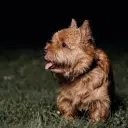
Most commonly affected: Norwich Terrier.