Von Willebrand disease type I(vWD1)
Also known as: vWD Type 1 · Von-Willebrand-Syndrom Typ 1 · vW-Faktor-Mangel Typ I · Canine von Willebrand Disease Type I · Von Willebrand Erkrankung I · …
Overview
What it is
Von Willebrand Disease Type I is an inherited bleeding disorder that affects the blood's ability to clot properly. It is caused by a deficiency in von Willebrand factor, a specific protein that helps blood platelets stick together to plug damaged blood vessels. Because this is an autosomal-dominant condition, a dog only needs to inherit one copy of the mutated gene to potentially show symptoms.
How it presents
Owners may notice prolonged bleeding from minor cuts, during teething in puppies, during heat cycles, or after routine surgeries. While symptoms can appear at any age, they are often first noticed during young adulthood or during a dog's first surgical procedure.
Treatment
While there is no permanent cure, the condition is manageable, with treatment typically needed only during surgeries, injuries, or emergencies. Supportive care, including specialized medications or plasma transfusions, generally costs between 500 and 3500 EUR depending on the severity of the bleeding episode.
How it's tested
vWD Typ I DNA-Test(vWD-I)
Primary testDNA testVon-Willebrand-Erkrankung Typ I (Blutgerinnungsstörung). Häufig bei Dobermann, Pudel, Bernhardiner.
Issuing body: Labogen
Result scheme: Clear/Carrier/Affected
Labogen Komplettpaket (rassespezifisch)(Labogen-Panel)
DNA testRassespezifisches DNA-Panel (Labogen / Laboklin) — bündelt alle relevanten Erbkrankheiten der Rasse in einem Test.
Issuing body: Labogen
Result scheme: Clear/Carrier/Affected
Feragen Komplettpaket (rassespezifisch)(Feragen-Panel)
DNA testRassespezifisches DNA-Panel (Feragen, Österreich) — gleiches Konzept wie Labogen.
Issuing body: Feragen
Result scheme: Clear/Carrier/Affected
Embark Breed + Health Panel(Embark)
DNA testUS-Anbieter; 250+ genetische Erkrankungen + Abstammung. Anerkennung in DE/AT variiert je nach VDH-Verein.
Issuing body: Embark
Result scheme: Clear/Carrier/Affected
MyDogDNA Panel(MyDogDNA)
DNA testGenoscoper-basiertes Panel (Mars Petcare). 200+ Erkrankungen + Rassenkomposition.
Issuing body: MyDogDNA
Result scheme: Clear/Carrier/Affected
Affected breeds
22 of 22 breeds
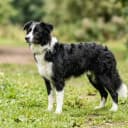 BordoodleRecommended standard
 Cardigan Welsh CorgiMandatory testMandated by Club für Britische Hütehunde e.V. (CfBrH)
 CavapooRecommended standard
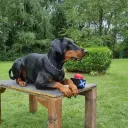 DobermannRecommended standard
 DoxiepooRecommended standard
 HavapooRecommended standard
 JackapooRecommended standard
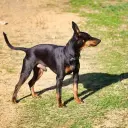 Manchester TerrierRecommended standard
 Pembroke Welsh CorgiMandatory testMandated by Club für Britische Hütehunde e.V. (CfBrH)
 PomapooRecommended standard
 PoodleRecommended standard
 ShihpooRecommended standard
 WhoodleRecommended standard
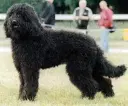 BarbetAlso recommended
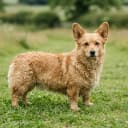 CorgipooAlso recommended
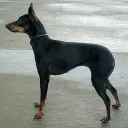 English Toy Terrier (Black and Tan)Also recommended
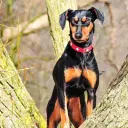 German PinscherAlso recommended
 Medium PoodleAlso recommended
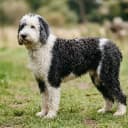 SheepadoodleAlso recommended
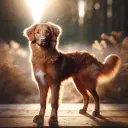 TollerdoodleAlso recommended
 Toy PoodleAlso recommended
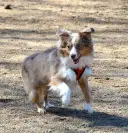 Miniature American ShepherdOptional
Treatment cost
Estimated range of typical treatment costs. Actual costs depend on severity, clinic and region.
Frequently asked questions
What is Von Willebrand disease type I?
Von Willebrand Disease Type I is an inherited bleeding disorder that affects the blood's ability to clot properly. It is caused by a deficiency in von Willebrand factor, a specific protein that helps blood platelets stick together to plug damaged blood vessels. Because this is an autosomal-dominant condition, a dog only needs to inherit one copy of the mutated gene to potentially show symptoms.
How is Von Willebrand disease type I tested?
Tests currently in our database: vWD Typ I DNA-Test, Labogen Komplettpaket (rassespezifisch), Feragen Komplettpaket (rassespezifisch), Embark Breed + Health Panel, MyDogDNA Panel.
Which breeds are most affected?
Most commonly affected: Bordoodle, Cardigan Welsh Corgi, Cavapoo, Dobermann, Doxiepoo, Havapoo, Jackapoo, Manchester Terrier.