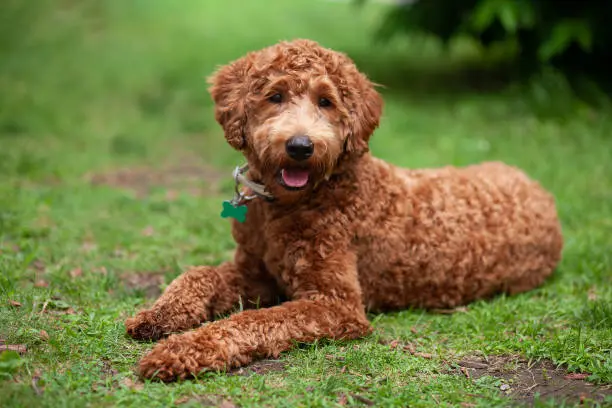
Deciding to welcome a new dog into your home brings sweeping changes to your daily routine. Especially with designer dogs that cross two established breeds, the question of actual temperament often takes center stage. The labradoodle, a cross between a Labrador Retriever and a Standard or Miniature Poodle, has surged in popularity over recent years. Originally bred in Australia with the goal of creating an allergy-friendly guide dog, this hybrid has long since established itself as a versatile family and companion dog.
Anyone interested in these dogs usually seeks a combination of the Labrador's good-natured spirit and the Poodle's intelligence. Yet genetics are never guaranteed. The exact labradoodle temperament depends heavily on which parent genes dominate, the generation of the breeding, and how the dog is socialized during its first weeks of life. Determining whether this active, people-oriented companion fits your life requires a close look at its natural traits and needs.
Core Personality: The Two Sides of the Labradoodle
The typical labradoodle temperament is characterized by a strong human focus, a joy for working, and a friendly disposition. To understand their everyday behavior, it helps to look at the parent breeds, both of which belong to FCI Group 8 (Retrievers, Flushing Dogs, Water Dogs). Both breeds were originally bred to work alongside humans during hunting, specifically in and around water.
The Influence of the Labrador
The Labrador Retriever contributes remarkable friendliness and a strong "will to please" to the mix. Labradors are known for being level-headed, patient, and food-motivated. The latter often makes them easy to bribe and highly driven during training. In everyday life, the Labrador heritage shows up when the labradoodle greets visitors joyfully (sometimes a bit boisterously), shows deep affection for physical touch, and loves water in almost any form. They bring a certain grounding and robustness to the personality that helps them stay relatively calm even in chaotic situations.
The Influence of the Poodle
The Poodle, on the other hand, contributes exceptional intelligence, quick comprehension, and often a certain sensitivity. Poodles are attentive observers who immediately pick up on subtle changes in their owner's body language. They are extremely agile, love to jump, and often possess a light, springy gait. When the labradoodle temperament is heavily influenced by the Poodle, the dog might initially be somewhat more reserved around strangers than a pure Labrador. Furthermore, Poodles learn at lightning speed—this applies to desired tricks just as much as unwanted behaviors like opening doors or stealing food off the table.
This combination usually creates an intelligent, alert, and playful dog with an energy level of 4 out of 5. They aren't couch potatoes; rather, they are companions who want to take an active part in family life. You can find detailed information on origins and physical characteristics in the comprehensive labradoodle breed profile.
Who Is the Labradoodle Suited For?
The question of compatibility cannot be answered with a blanket statement, as individual dogs reach a shoulder height of 35 to 63 centimeters (14 to 25 inches) and weigh between 10 and 35 kilograms (22 to 77 pounds)—depending on whether a Miniature or Standard Poodle was crossed. Nevertheless, clear trends in suitability exist.
Families and Novice Owners
With a rating of 5 out of 5 for family and child-friendliness, the labradoodle is considered an outstanding family dog. They are typically very tolerant, playful, and seek the company of "their" pack. They are also suitable for dedicated first-time dog owners. Their trainability (5 out of 5) makes successful training possible even for people without years of experience—provided they are willing to attend a good dog school and learn the basics of learning theory. Because of their strength and energy, however, they are not a walk in the park.
Singles, Couples, and Seniors
For active singles and couples who love spending time outdoors, the labradoodle temperament is ideal. They are happy to join you for jogging, hiking, or cycling (once fully grown). For seniors, the labradoodle is only recommended under certain conditions. While smaller individuals might fit well into a quieter household, a 35-kilogram, high-energy male can present a physical challenge. A realistic assessment of your own strength and mobility is essential here.
Coexistence in Everyday Life
How well the labradoodle integrates into the household depends largely on the structure provided to them.
Children and Other Pets
When interacting with children, the labradoodle usually displays plenty of patience and a playful attitude. They happily engage in tug-of-war or retrieve balls for hours. However, it is important that parents establish clear rules for living together. The dog needs a designated retreat where they won't be disturbed. Even the friendliest dog needs breaks. Compatibility with other dogs is high at 4 out of 5. Labradoodles often avoid conflicts and communicate clearly, though when young, they can sometimes be overly exuberant and lack spatial boundaries during dog encounters. With early and gentle socialization, they can generally be introduced to cats and small pets without any issues.
Living Situation: City or Countryside?
The labradoodle's urban adaptability is rated in the mid-range (3 out of 5). Generally speaking, this dog adapts to its people. City apartment living is entirely doable if the dog has access to sprawling green spaces multiple times a day where they can run off-leash. However, a house with a fenced yard in the country or on the outskirts suits their drive for movement much better. Anyone living in a walk-up apartment should keep in mind that a large labradoodle must be carried during illness or old age—which quickly becomes a problem at over 20 kilograms.
Exercise Needs and Species-Appropriate Activities
Anyone exploring the labradoodle temperament quickly realizes that a simple walk on a short leash is not enough for this hybrid. They require a well-rounded program of physical exercise and mental stimulation to remain calm and balanced at home.
Physical Exercise
Adult labradoodles need about two hours of active movement daily. Because both parent breeds are classic retrievers, carrying and bringing objects is in their blood. However, traditional ball throwing should be kept moderate to avoid overloading joints through constant sudden braking and to prevent creating a "ball junkie." Controlled retrieving exercises work much better, where the dog must wait until the object is thrown or hidden and is only allowed to search for it on command. Additionally, most labradoodles are absolute water lovers who are completely in their element near lakes and safe rivers.
Mental Stimulation
Dog experts regularly emphasize that mental exercise is almost more important for intelligent dogs like this Poodle mix than physical exhaustion alone. Nosework is an exceptional tool for this. Mantrailing, target object search (ZOS), or simply hiding treats around the house heavily engages the dog's mind. Ten minutes of intensive nosework can often tire a dog out more than an hour of mindless walking. Learning tricks, agility, or dog dancing also satisfies the clever labradoodle temperament while strengthening the bond with the owner.
Potential Challenges with the Labradoodle Temperament
Even though the labradoodle is often portrayed as an uncomplicated dream dog, certain aspects of their personality can bring everyday challenges. Reviewing labradoodle owner experiences reveals recurring themes.
Hunting Drive and Alertness
Although frequently marketed as a companion dog, hunting dog blood runs through their veins. A certain hunting drive is therefore present in many individuals. This usually manifests less as chasing wildlife (like sighthounds) and more in the pronounced use of their nose (scenting) and reacting to movement stimuli (such as flushing birds). Well-established recall training and impulse control exercises from puppyhood onward are indispensable. From the Poodle side, the labradoodle may also inherit a degree of watchfulness. While not prone to constant barking, they will certainly announce strangers approaching the property.
Being Alone and Frustration Tolerance
One of the biggest challenges with highly human-oriented breeds is spending time alone. The labradoodle attaches itself extremely closely to its family. If they are not taught early on, in very small steps and through positive association, that physical separation is normal, they can develop separation anxiety. This manifests through whining, barking, destructive behavior, or house-soiling.
Equally important is learning frustration tolerance. Due to their high intelligence and drive to work, the labradoodle wants constant engagement. They must learn that there are phases of complete inactivity where simply nothing happens. Coping with downtime is one of the most important lessons for the labradoodle temperament.
Training: Consistency Meets Sensitivity
Training a labradoodle requires a fine balance. On one hand, the dog needs clear rules, structure, and consistency due to their size and strength. On the other hand, stemming from their Poodle heritage, they are often very sensitive to moods and unfair treatment. Harshness, loud yelling, or physical reprimands quickly lead to a loss of trust and non-compliance in these dogs.
Training should be based on positive reinforcement. Desired behavior is rewarded (with food, play, or social attention), while undesired behavior is prevented through management or redirected. Reputable cynological organizations, such as those found around recognized veterinary associations like the Bundestierärztekammer (Federal Chamber of Veterinarians), unanimously recommend these reward-based training methods today because they are more sustainable and strengthen the human-dog bond.
Because labradoodles are very smart, they immediately see through inconsistent behavior from their humans. Anyone who allows today what was forbidden yesterday will quickly be categorized by the labradoodle as an unreliable decision-maker. They will happily take over control themselves—which can lead to issues during dog encounters or resource guarding (food, toys).
Frequently Asked Questions (FAQ)
Are labradoodles actually suited for allergy sufferers?
Not necessarily. While hair shedding can be extremely low (1 out of 5), labradoodles still produce dander and saliva that humans can be allergic to. Furthermore, coat types vary (from straight and shedding in Labrador types to curly in Poodle types). Allergy sufferers should definitely spend time with a specific puppy or the parent hosts beforehand to rule out individual reactions.
How long can a labradoodle stay alone?
As a very social dog, the labradoodle should not be isolated for excessively long periods. After careful training during puppyhood and adolescence, adult dogs can generally stay home alone for 4 to a maximum of 5 hours. For people who work 8 to 10 hours out of the house daily and cannot take the dog along, the breed is not suitable without support from dog sitters or daycares.
Is labradoodle coat maintenance demanding?
General overall care may seem manageable for simpler coat types, but curly or wavy labradoodle coats (fleece or wool coats) require regular attention. The coat does not shed naturally; instead, it grows continuously. It must be thoroughly brushed several times a week to prevent matting down to the skin. Additionally, a visit to a professional groomer every few months is necessary to clip or trim the coat.
How much does a labradoodle puppy cost?
The price range for a puppy from responsible breeding typically falls between 2,000 and 4,000 EUR currently. High prices are often explained by the extensive health testing required for parent dogs (HIP/elbow X-rays, eye exams, genetic tests). It is crucial not to cut corners and to insist on health certificates. General guidelines for responsible puppy buying are provided by organizations like the VDH (Verband für das Deutsche Hundewesen).
Final Thoughts
The labradoodle temperament combines some of the best traits in the dog world: a deep connection to humans, sharp intelligence, and an irrepressible joy in shared activities. This combination makes them wonderful companions for people willing to invest time in training, species-appropriate exercise, and grooming. They are dogs that want to be physically and mentally challenged and will clearly show you their affection every day.
If you can match their high activity level and are looking for a partner for shared adventures who rests contentedly on the rug beside you in the evening, this cross might be the exact right choice for you. Careful selection of a breeder who values health, sound temperament, and proper rearing forms the foundation for a harmonious life together.
Are you ready to give this fascinating hybrid a home? At HonestDog, we place great value on transparency and animal welfare. If you are looking for a healthy, well-socialized companion, you can browse our platform for vetted breeders and get in touch directly to find labradoodle puppies.