Labrador RetrieverClose relative
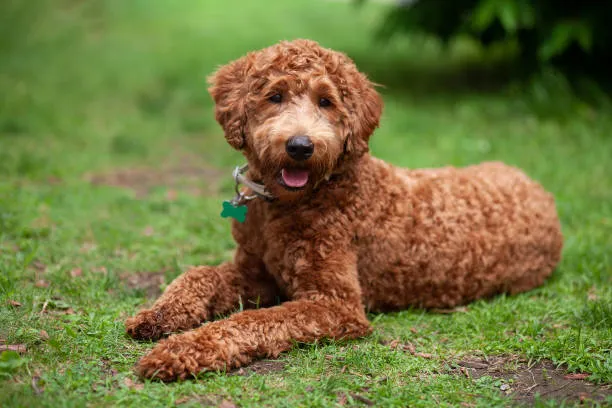
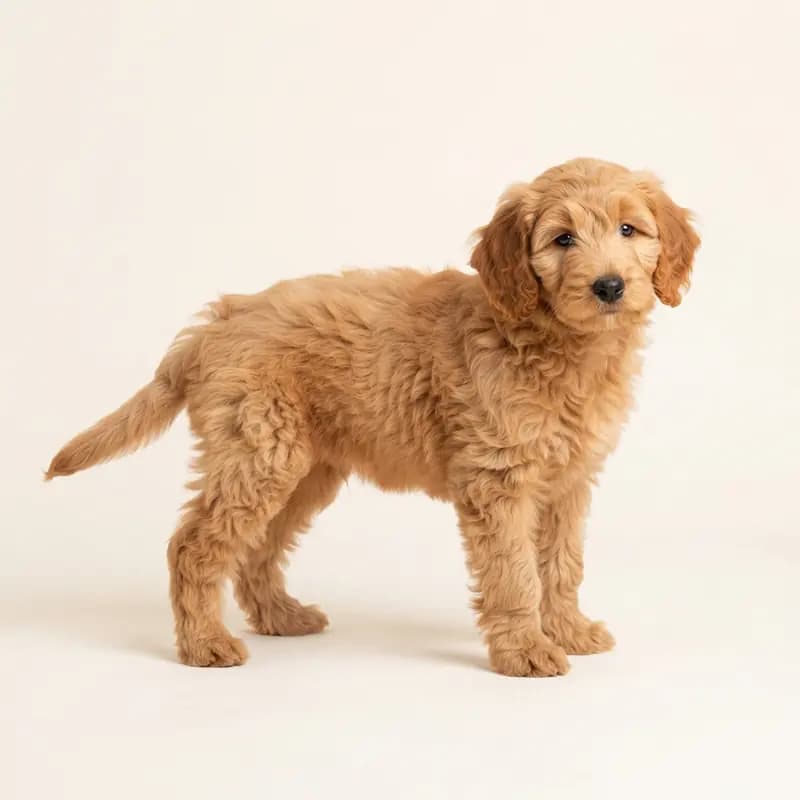
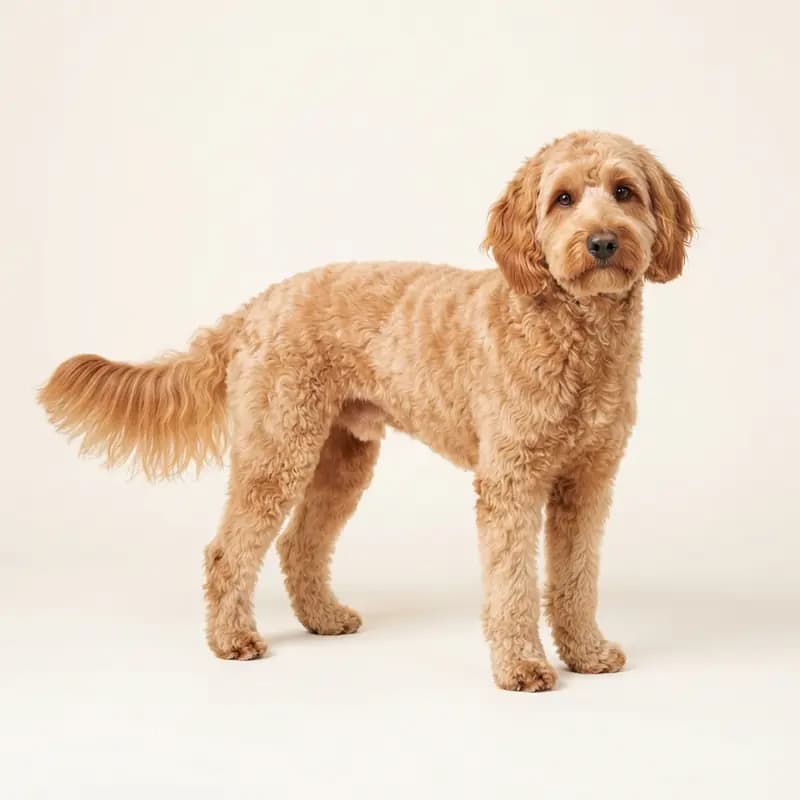
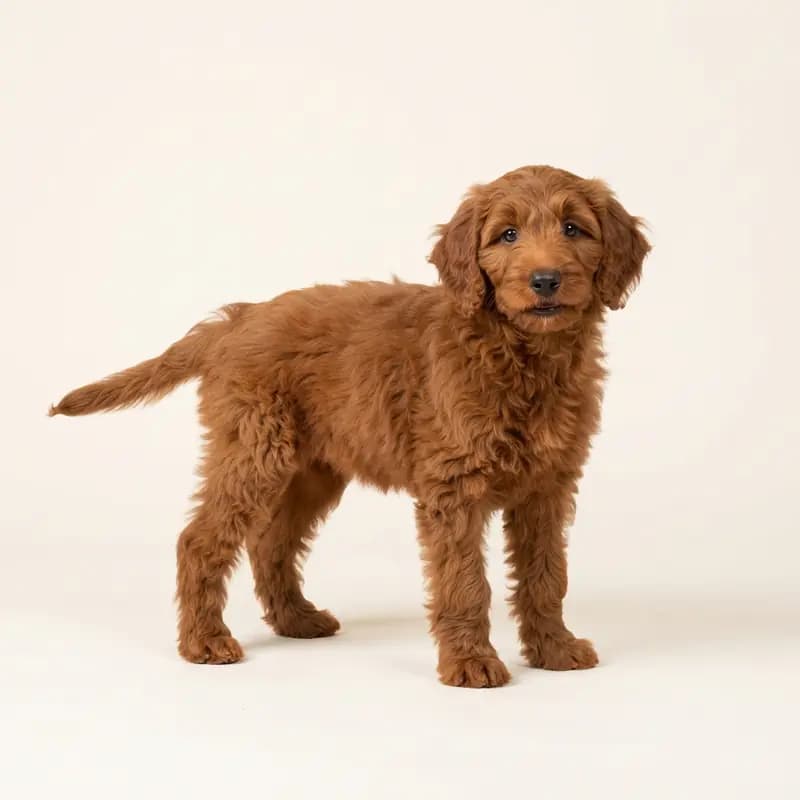
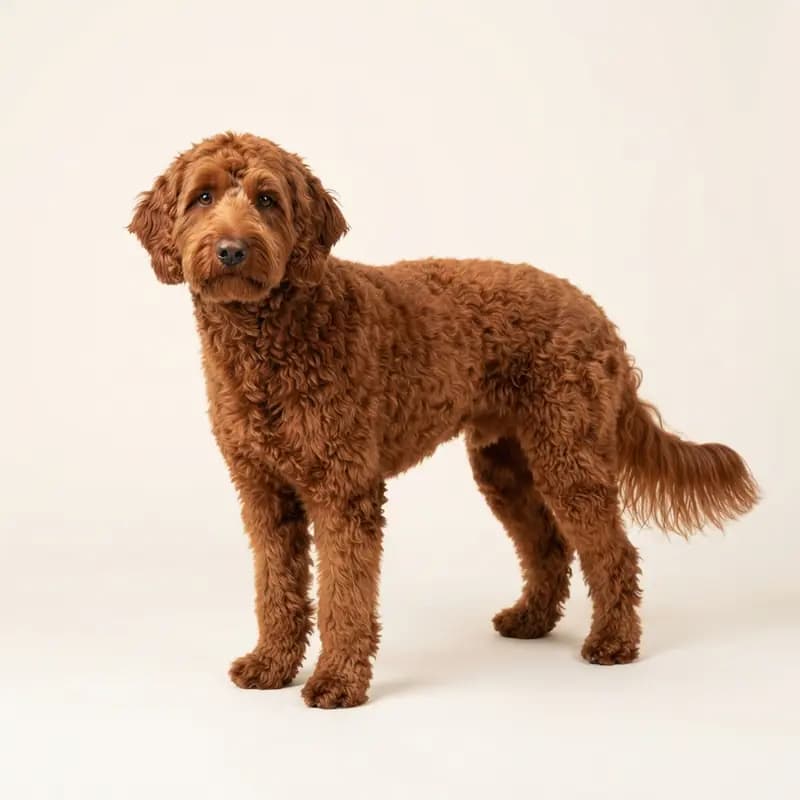
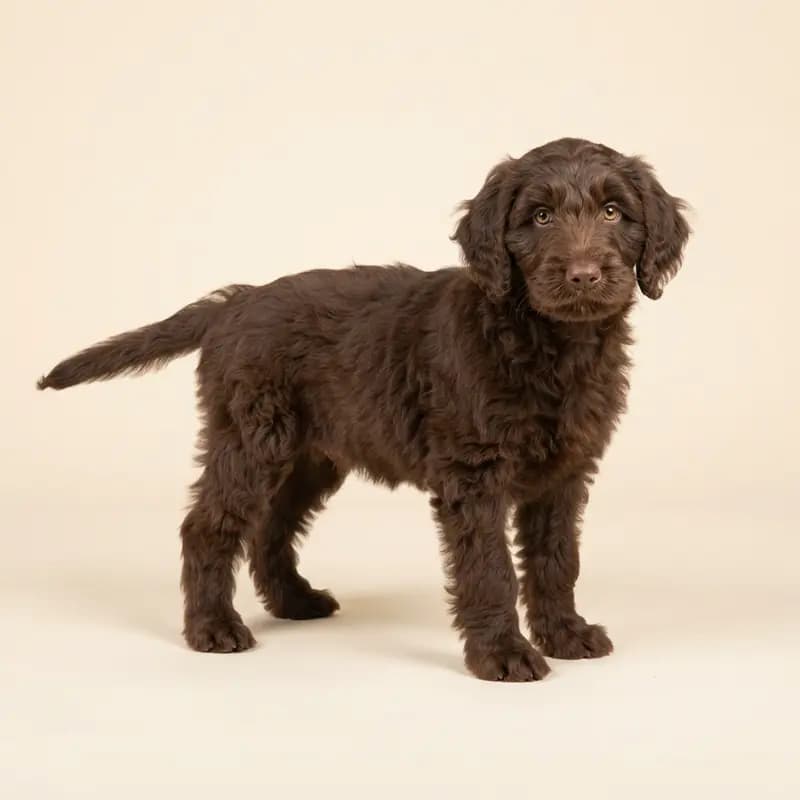
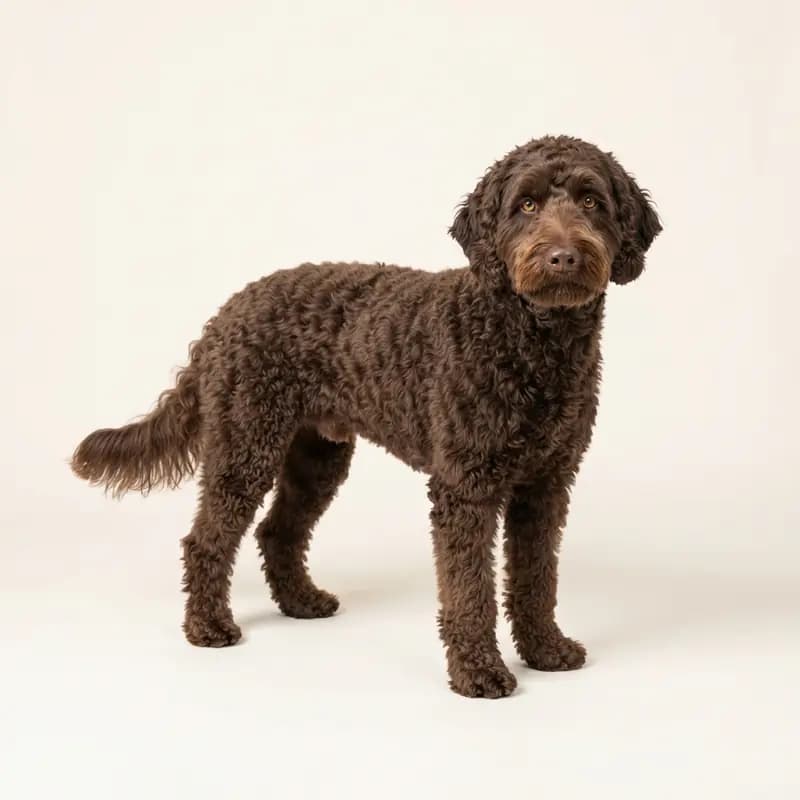
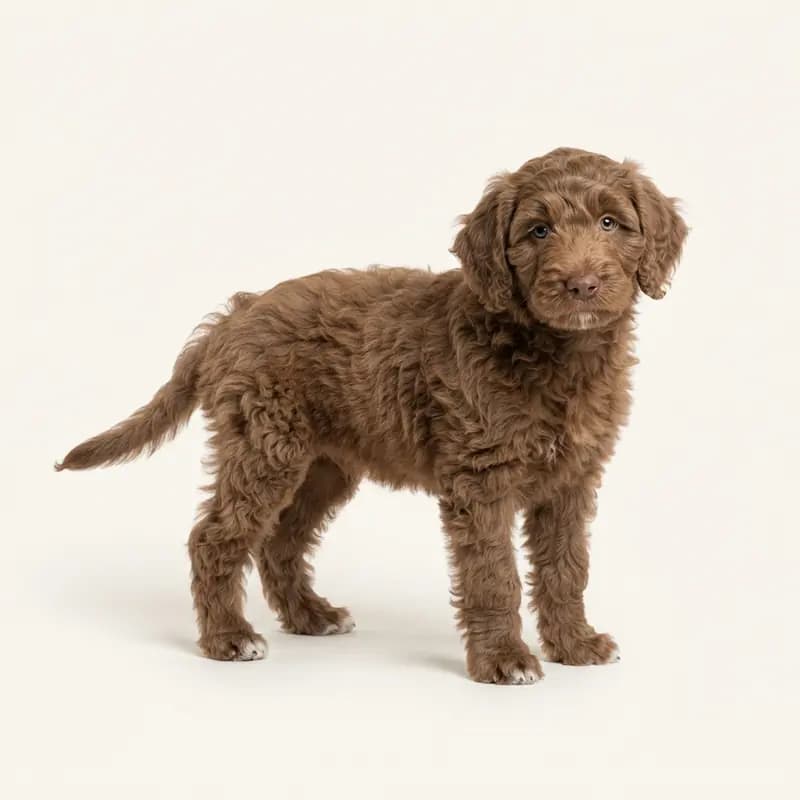
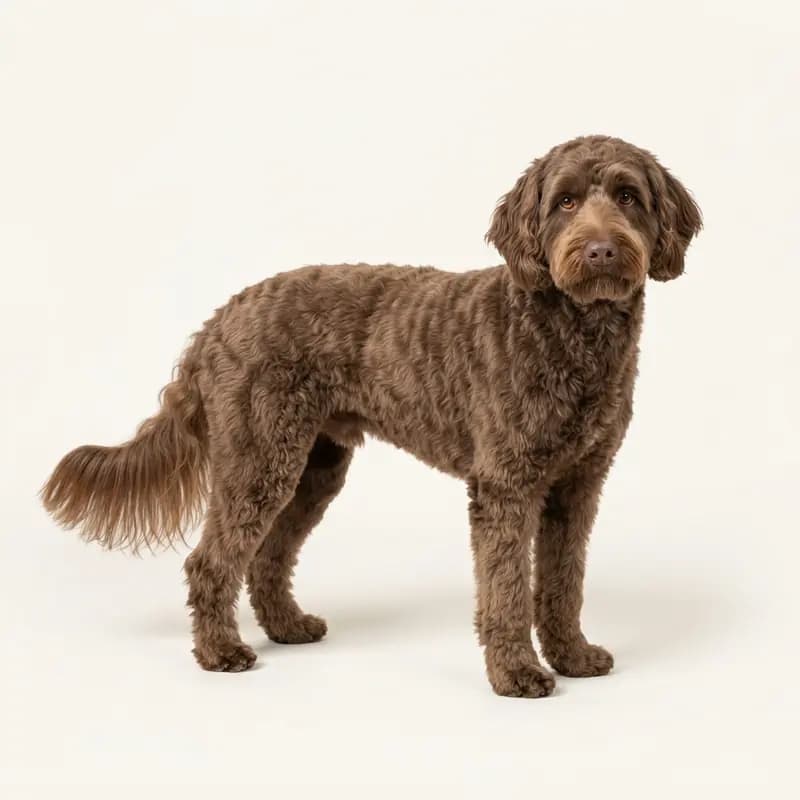
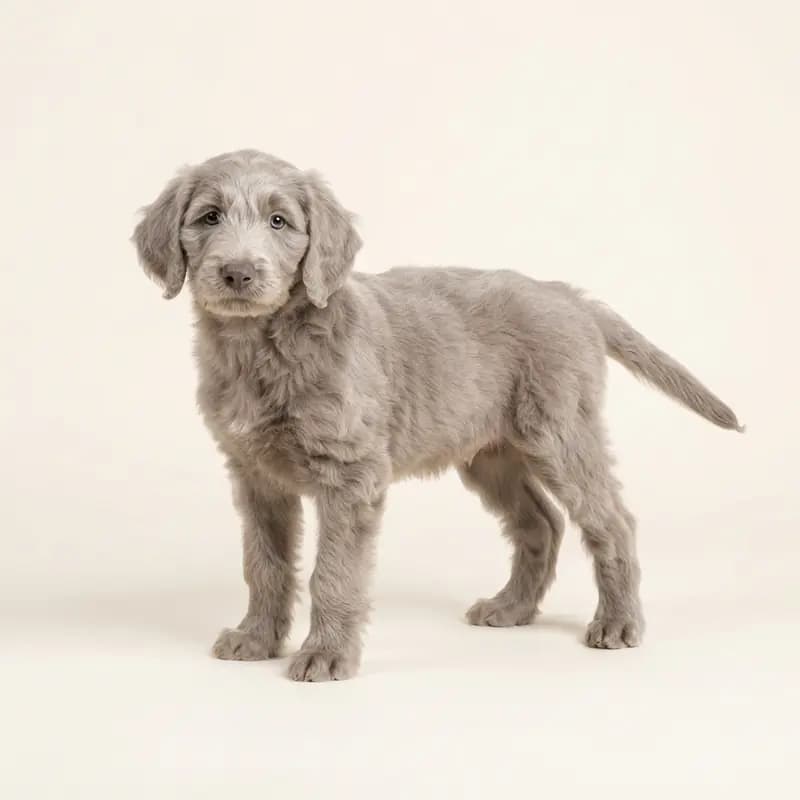
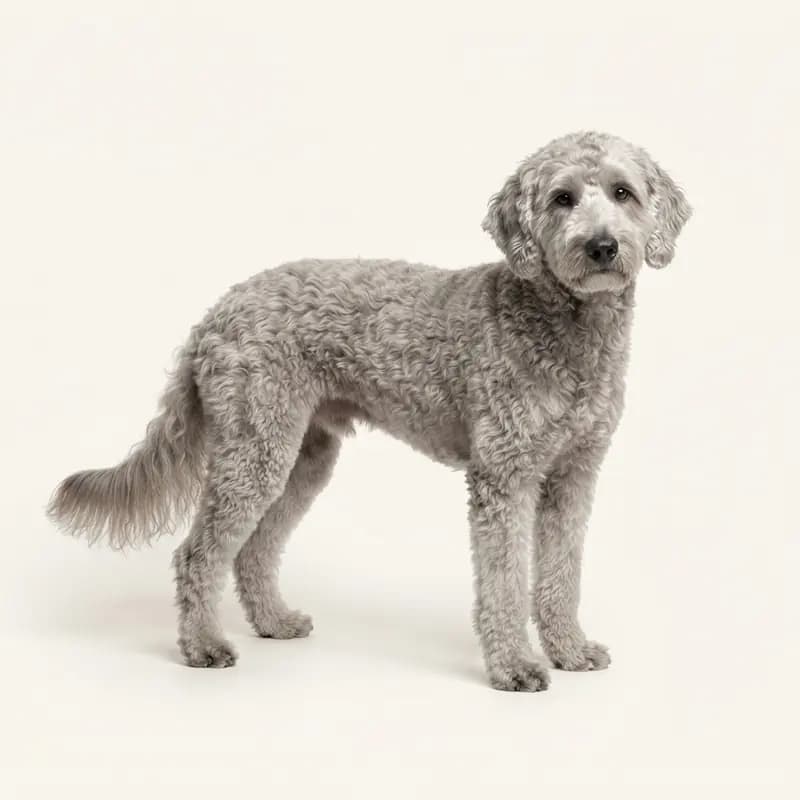
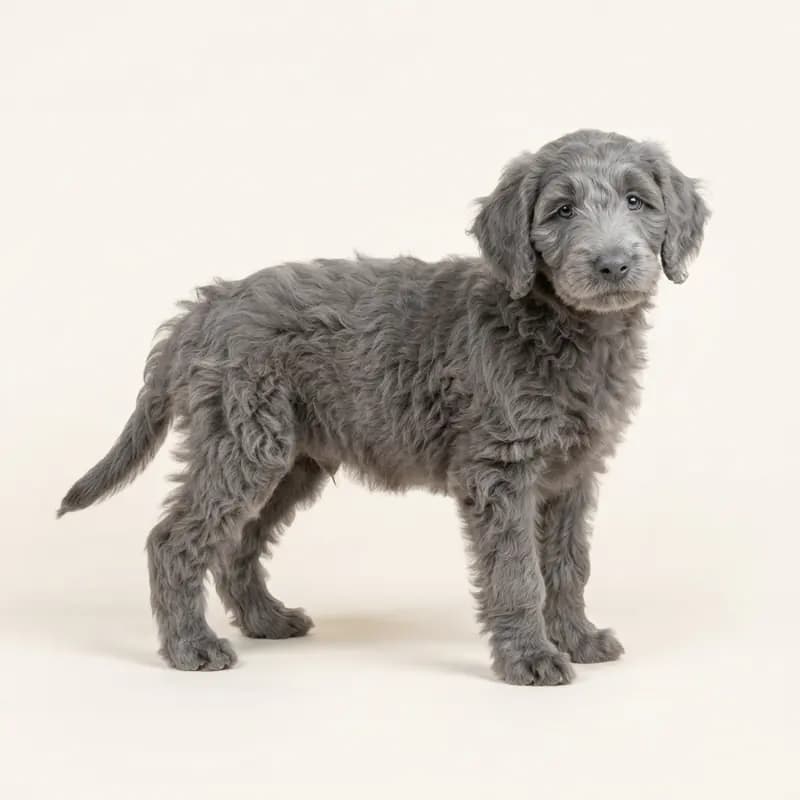
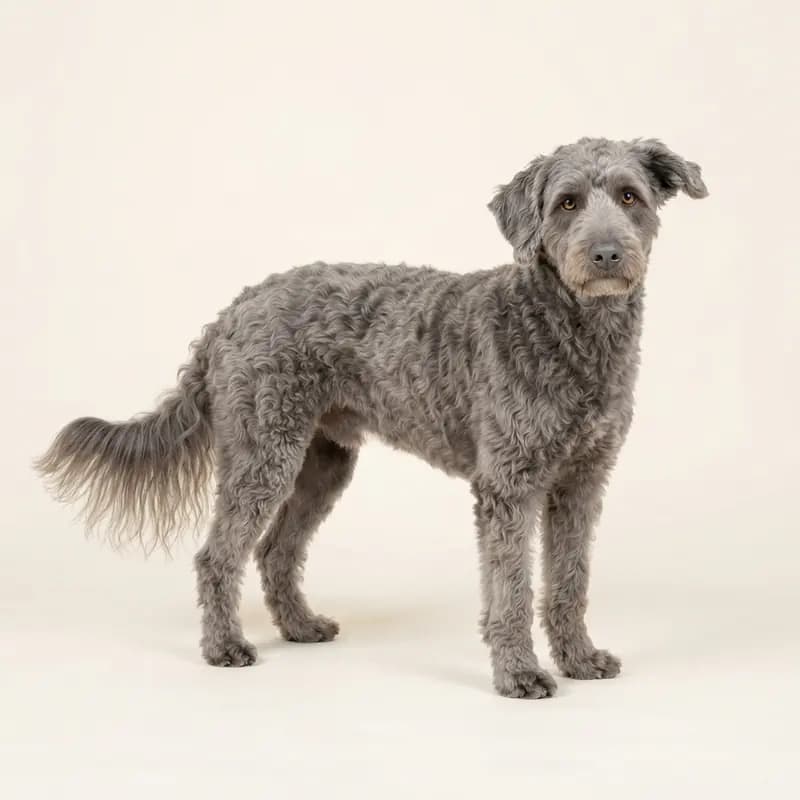
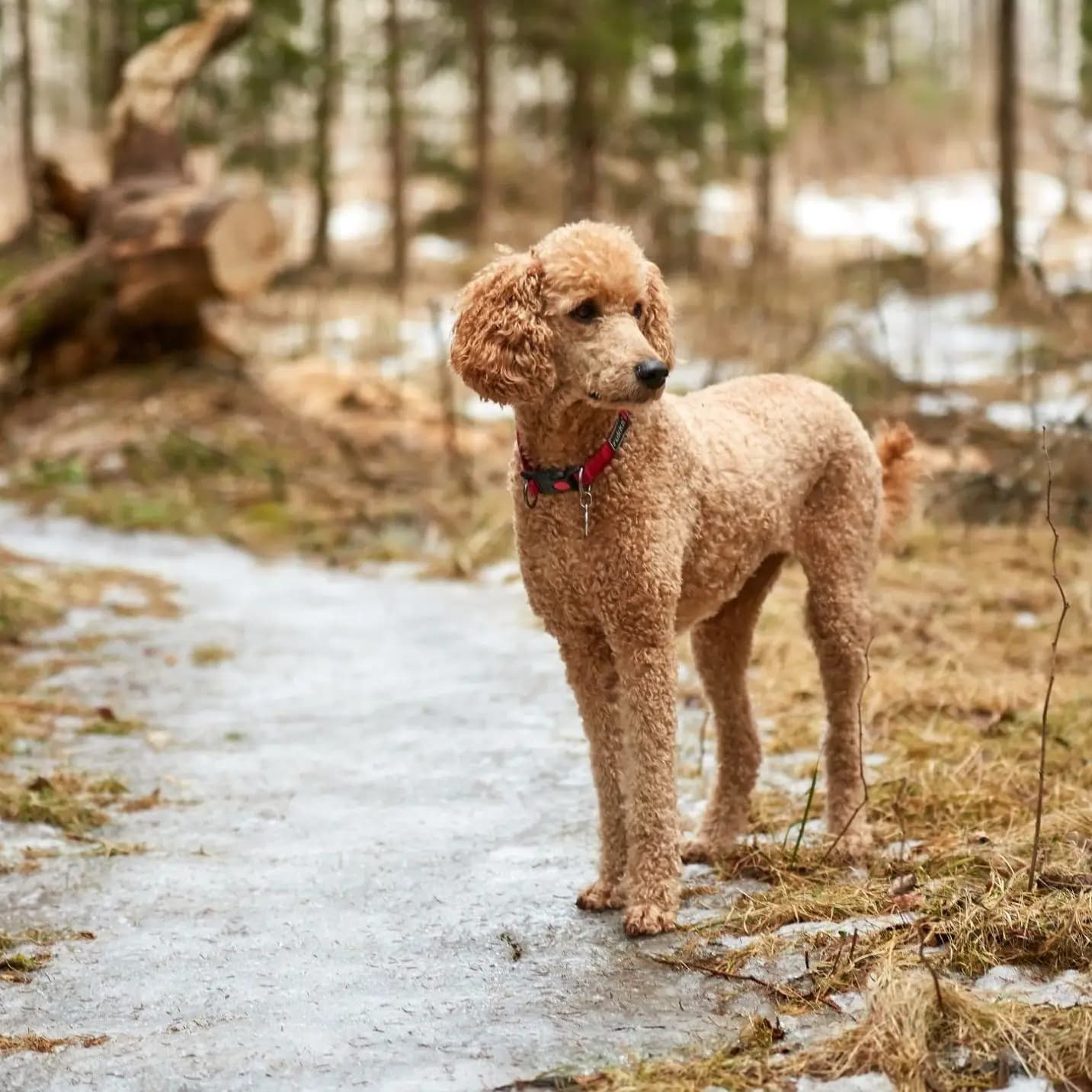
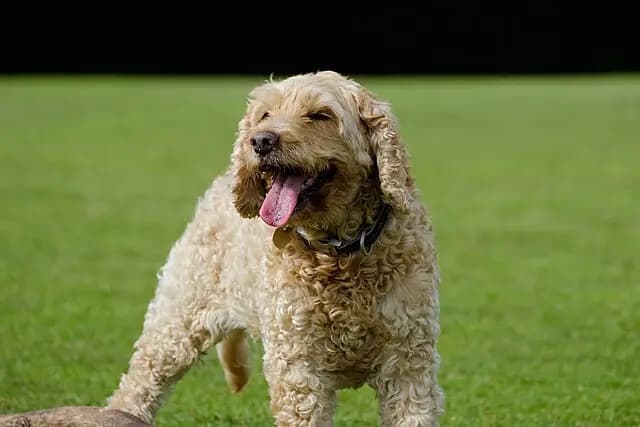
The Labradoodle is a highly intelligent, people-oriented retriever mix—a deliberate cross that combines the Labrador's physical 'will to please' with the Poodle's sensitive agility.
Self-check
Answer 6 quick questions about your everyday life and see how well the Labradoodle fits you — including an honest cost estimate per month, per year, and across the dog's lifetime.


At a glance
The essentials — key facts, traits, and health priorities — before you dive deeper.
Lifespan
12–15 yrs
Shoulder height
35–63 cm
Weight
7–35 kg
Practical
Temperament
Daily life
What matters most
Especially with a Labradoodle, choosing the right breeder is the single most important decision you'll make. Serious breeders consistently test the parents for inherited conditions, prioritize healthy early socialization, and stay accountable long after handover. A cheap puppy without health screening tends to become the most expensive dog later on.
See HonestDog breeder standards →Colors & coat
The coat colors that occur in the Labradoodle — including which ones fall outside the breed standard and which carry genetic risk.
Eye colors
 Brown
 Amber
 Green
Coat type
 Illustrative image
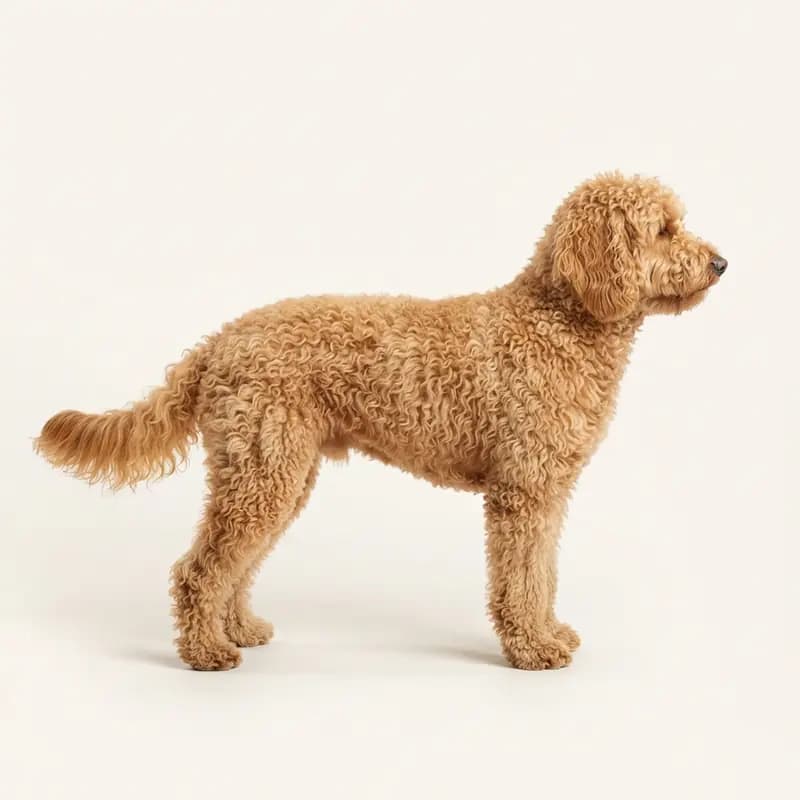
Curly
 Medium
 Illustrative image
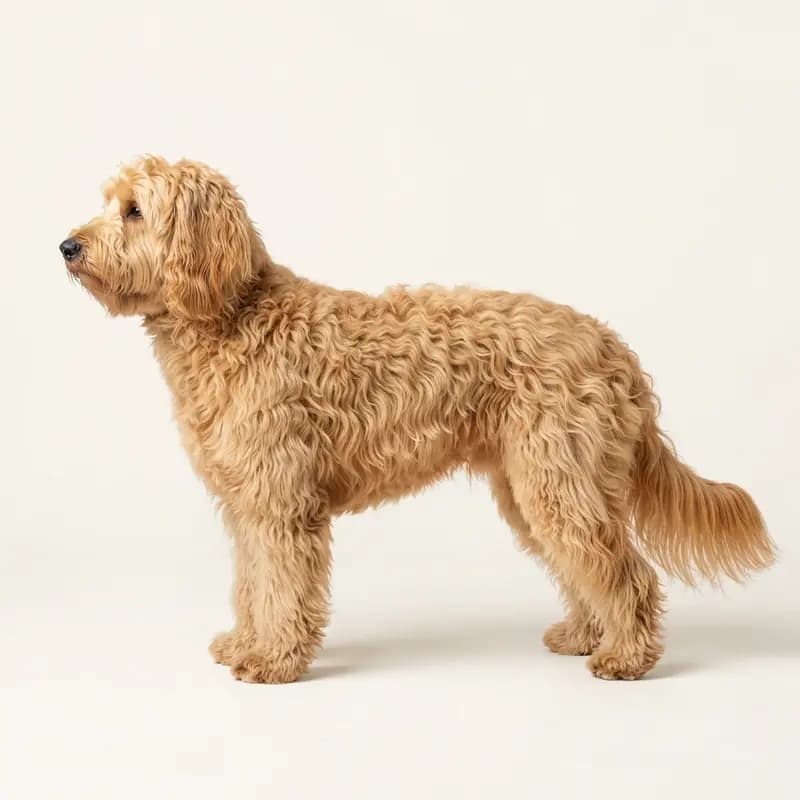
Long
The real vibes check
A Labradoodle is not a ready-made stuffed animal from a catalog, but a genetic grab bag of two very different operating systems. In the best case, you get the Labrador's laid-back nature in a Poodle's coat—in the worst case, the Poodle's reactive restlessness paired with the Labrador's boisterous lack of personal space. You aren't buying a predictable design product, but a real surprise package that needs a clear job to do.
The Labradoodle, a cross between a Poodle and a Labrador Retriever, is known for its friendly and adaptable nature. It often proves to be an ideal family dog and adapts to both urban and rural living conditions. Its coat can come in a variety of colors and textures and requires regular grooming.
The Labradoodle combines the friendly and balanced nature of the Labrador with the intelligence and eagerness to work of the Poodle. It is an extremely people-oriented dog that enjoys spending time with its family and, due to its playful nature, is particularly well suited as a companion for children and adults. Thanks to its high willingness to learn and motivation to work with humans, the Labradoodle can be trained in many ways – whether through retrieving games, obedience training, or scent work. It requires both physical and mental exercise to remain balanced and content. Without sufficient activity, it can become restless or destructive. The Labradoodle usually shows a friendly and open nature, is well socialized, and is well suited as a family dog. It has moderate alertness without being aggressive. Due to its intelligence and drive to work, it benefits from consistent training and a close bond with its owner. Its prey drive is generally controllable but should be accompanied by training from the beginning.
| Watchfulness Occasionally alerts but is fundamentally open. | Low |
| Openness to Strangers Loves every new person immediately and without reserve. | Very open |
| Hunting or Herding Drive Noticeable drive — needs attention around small animals. | Moderate |
Fun Fact!
Due to its balanced and gentle character, the Labradoodle is particularly suitable for the role of an assistance dog for people with disabilities and as a companion in therapeutic support for people with various physical or psychological impairments.
The Labradoodle is a cross between a Labrador Retriever and a Poodle—a lively, highly intelligent dog that loves working with its humans and needs plenty of mental stimulation and exercise. Depending on whether a Standard, Miniature, or Toy Poodle was crossed in, they turn out larger or smaller.
Labradoodles are friendly and intelligent dogs that are excellent as family companions. They combine the social and loving nature of the Labrador with the alertness and eagerness to learn of the Poodle. Labradoodles are generally very good with children and other pets, provided they are well socialized early on. Due to their high need for exercise and activity, they require plenty of outdoor time and mental stimulation, making them especially suitable for active families or households with a garden. Purely apartment living is possible but requires regular and extensive walks as well as varied activities to avoid boredom and behavioral problems. Labradoodles are very people-oriented and enjoy spending time with their owners, both indoors and outdoors.
Lives for its family — the born family companion.
Extraordinarily patient and loving — a true family dog.
Actively enjoys the company of other dogs.
City-appropriate with enough exercise and stimulation.
Owning a dog is a privilege, but it's also a real responsibility. Before you bring one into your life, be honest with yourself about the commitment it takes.
Labradoodles combine the working enthusiasm of the Labrador with the intelligence and willingness to learn of the Poodle, making them highly trainable dogs. They love to be challenged, both physically and mentally, and benefit from varied activities such as retrieving games, search tasks, or dog sports like obedience and agility. It is important to maintain a balanced mix of activity and rest periods to avoid overstrain or obsessive behaviors. As with the Labrador, frustration tolerance should be encouraged early in the Labradoodle so the dog learns to handle challenges calmly. Their high willingness to cooperate and friendly nature usually make training pleasant and successful when it is positive and reward-based. Consistent but loving training strengthens the bond between you and your Labradoodle and ensures a balanced, happy companion. It is especially important to consider their natural needs for activity and mental stimulation to prevent boredom and unwanted behavior. With the right training and commitment, you will have a versatile, intelligent dog that is excellent both as a family dog and as a sporty partner.
Labradoodles require a balanced diet that contains all essential nutrients to support their energy and health. Since they can be prone to overweight, it is important to control the amount of food and pay attention to high-quality dog food. The coat of the Labradoodle is usually wavy to curly and can shed more or less depending on the parent breed. Regular brushing, at least 2-3 times a week, helps to prevent matting and remove loose hair. Especially during the coat change in spring and autumn, increased grooming is necessary. Labradoodles adapt well to the Central European climate. Their coat protects them from the cold, but in extreme heat, sufficient shade and water should be provided to avoid overheating.
| Care Level Minimal effort — occasional brushing and bathing. | Low-maintenance |
| Exercise Needs Needs several hours of serious exercise every day. | Very active |
| Shedding Regular shedding — dog hair on clothes is now normal. | Moderate |
| Trainability Bred to work closely alongside humans. | Highly trainable |
Our experts are still reviewing this information. Spotted something wrong? Email us at info@honestdog.de.
Solid, watch carefully
Health grade
In the Labradoodle, breed-typical risks exist for joint disorders such as hip dysplasia (HD) and elbow dysplasia (ED), as well as eye diseases such as cataracts and progressive retinal atrophy. A responsible breeder has the parent animals orthopedically X-rayed and examined ophthalmologically and genetically before breeding. When buying a puppy, look for proof of HD A–B and ED 0, as well as freedom from cataracts. For hereditary diseases such as exercise-induced collapse (EIC), hereditary nasal parakeratosis (HNPK), and progressive retinal atrophy, have them show you written DNA results proving that both parents are clear, or at most one parent is a carrier provided the partner has tested clear.
Grade is relative to other breeds — AI-assisted and editorially reviewed.
Methodology and data: HonestDog Dog Breed Health Report 2026
What matters most for this breed
Tap any item to see details.
In addition to intensive grooming, you should ensure the dog is raised in a way that is gentle on their joints and discuss potential blood clotting disorders with your vet well in advance of any medical procedures.
Responsible breeders have the parent animals screened for HD, ED, patellar luxation (PL), and cataracts, and perform genetic testing for conditions such as progressive retinal atrophy, EIC, and HNPK.
Note: This health overview is AI-assisted and editorially reviewed. It is for orientation only and does not replace veterinary advice.
What matters most for this breed — what's common, how much it affects the dog's life, and how to protect yourself as a buyer.
Tap a body region to see the inherited conditions linked to it.
The three most important risks
Pick a region on the map to explore other areas.
Tier 1 is the recommended health standard for this breed. Tiers 2 and 3 show how responsible breeders go beyond.
Recommended standard. These tests make up the recommended health standard for this breed — the baseline of any careful breeding program. Ask any reputable breeder for the results.
No entries in this tier.
Note: This health overview is AI-assisted and editorially reviewed. It is for orientation only and does not replace veterinary advice.
A Labradoodle costs around ~€180 per month (€90 – €330, depending on your setup). The first year adds up to roughly ~€5,090 including purchase, equipment and puppy school; across the dog's life (13.5 years) it comes to about ~€31,400.
With surgery cover, running costs come to about ~€170 per month — in return, your share of a major operation drops from several thousand euros to around 20 percent.
Per month
~€180
In the first year
~€5,090
Across the dog's life
~€31,400
Purchase price per HonestDog's market analysis (asking prices in Germany, as of October 2026): €1,850 – €2,450
Small sample: 14 unique listings in the rolling three-month window. Data for this breed · Methodology
Estimate at a mid-range setup (suburban, dry food, 1–2 hours of daily exercise), average German prices, as of July 2026.

 Illustrative image
 Illustrative image
 Illustrative image
 Illustrative image
The history of the Labradoodle begins in the 1980s in Australia. Breeders were looking for a dog that combines the intelligence and friendly nature of the Labrador Retriever with the hypoallergenic coat of the Poodle. The goal was to create a versatile family and therapy dog that is both easy to train and suitable for allergy sufferers. The Labradoodle quickly became popular and spread worldwide as a loving companion with a balanced character.
The Labradoodle was created by crossing a Labrador Retriever and a Poodle, originally bred as a hypoallergenic guide dog for the blind.
Australia
1980
Many owners describe the Labradoodle as a very friendly, affectionate and sociable companion in daily family life. Its playful nature and love of people make it a popular dog for active households with children. Owners point out strikingly often how much the dog likes to be included in everything, how sensitively it picks up on moods and how easily it fits into existing routines, provided it's handled fairly and attentively from the start.
At the same time, dog communities keep stressing that the cliché of the easygoing "tag-along dog" can be deceptive. Many owners report a lot of energy and a strong reactivity to stimuli that leads to boisterous behavior, especially in adolescence. Quite a few Doodles tend to greet other dogs and visitors with no sense of personal space. Without fixed rest zones and clear house rules, many find it hard to switch off, and in under-exercised dogs this can quickly turn into restlessness or destructiveness.
Owners regularly highlight the Labradoodle's considerable intelligence and enjoyment of working together. Labradoodles usually learn nose work, retrieving games and tricks at a rapid pace. In everyday life, though, this quick mind turns out to be a double-edged sword: mistakes or inconsistency on the part of their people are seen through just as fast and used to the dog's own advantage.
First-time owners also often underestimate the hunting heritage. Both the Labrador and the Poodle come from hunting stock, which is why many owners report a noticeable interest in moving things like wildlife, birds or cyclists. Controlled off-leash time therefore often takes months of consistent impulse-control and recall training. Owners who invest the time in mental exercise get a dog that's eager to learn and easy to handle; without it, many dogs find their own things to do.
Sources:pawzlove.derudel.teamdogforum.de
A dominant topic in owner accounts is coat care and the promise of a "non-shedding dog for allergy sufferers." Many owners come to the sobering realization that the coat doesn't look after itself. Because the Labradoodle is a cross, coat texture varies from soft wool to a tricky mix of growing outer coat and dense undercoat. The latter mats very easily, especially during the transition from puppy to adult coat. Many owners report daily brushing and regular trips to the groomer to avoid having the matted coat shaved off.
On health, experienced owners point out that crossbreeds aren't automatically hardier than purebreds. Forums more often mention sensitive digestion, food intolerances and ear infections, since moisture and dirt easily get trapped in the heavily haired floppy ears. A recurring piece of advice is therefore to check the parents' background carefully and look for proper health screening of joints and eyes.
Paraphrased from real owner reports · translated from German
The Labradoodle is an active dog that needs plenty of exercise and mental stimulation. Research the temperament, grooming needs, and space requirements before deciding.
The average life expectancy of a Labradoodle is 12-15 years. With proper care and regular vet visits, your dog can live a long, healthy life.
Labradoodle grooming requirements include regular brushing, nail trimming, and dental care. HonestDog provides detailed grooming tips for every breed.
The Labradoodle can be a great family dog. Proper training and socialization are key. HonestDog provides family suitability information for every breed.
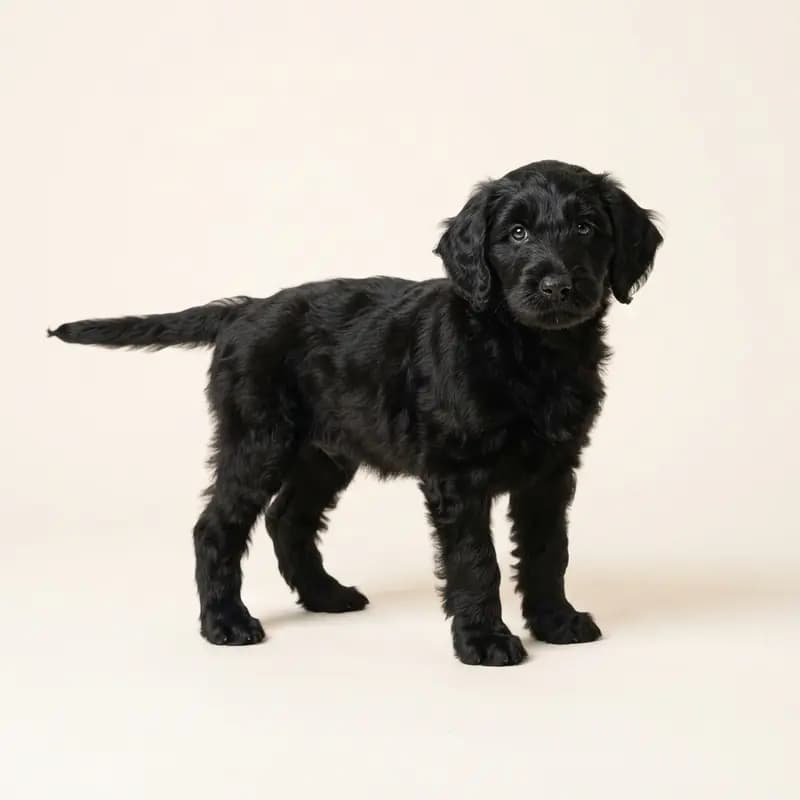
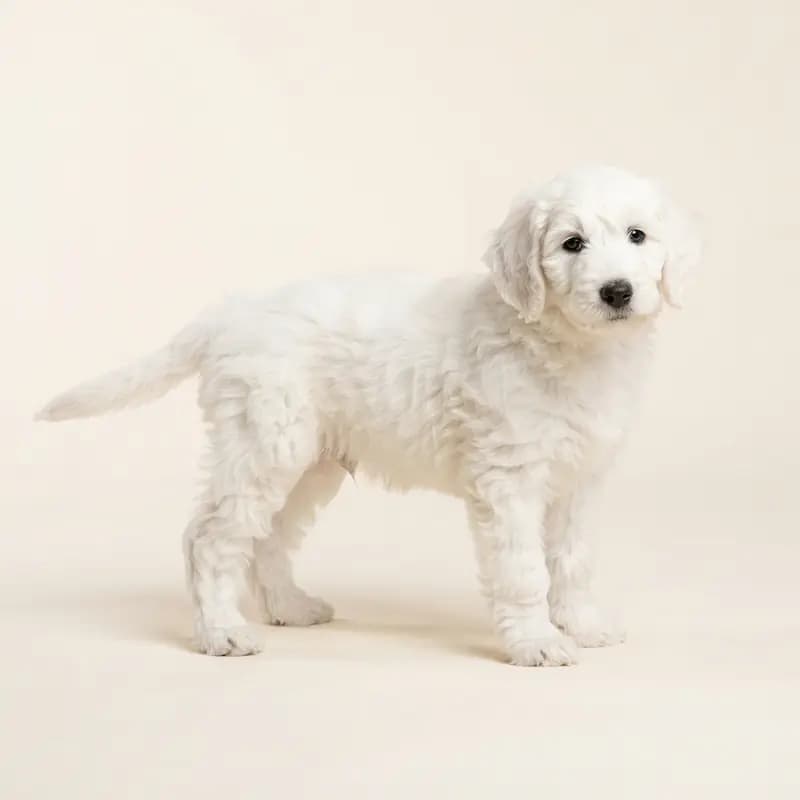
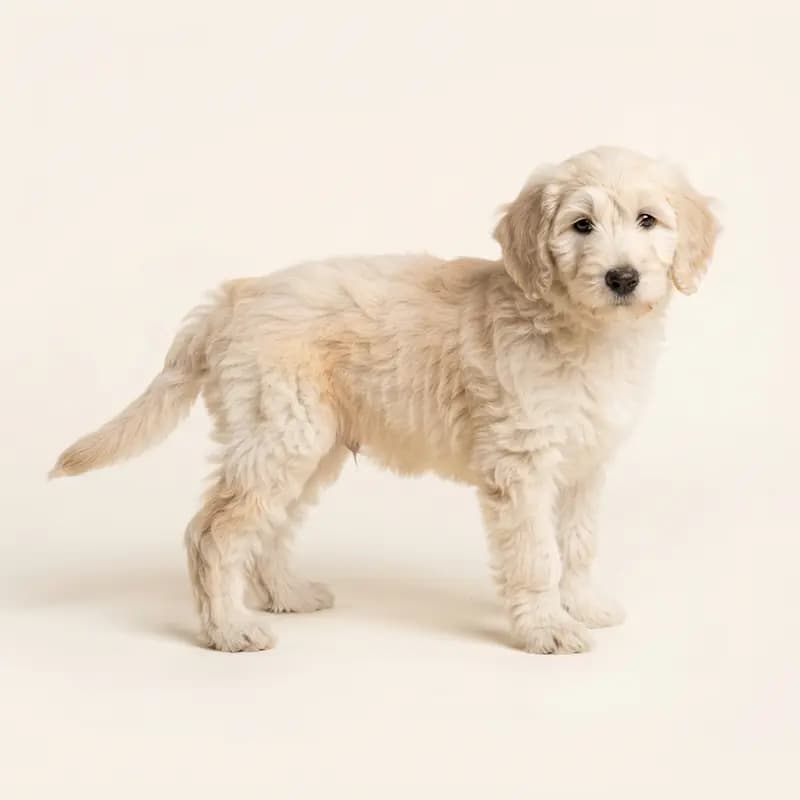
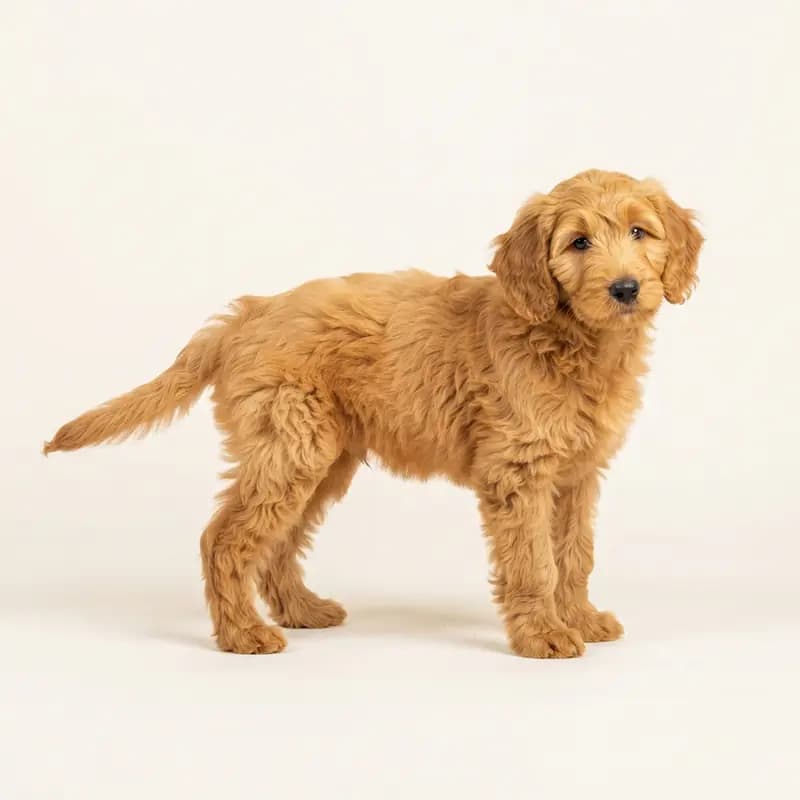
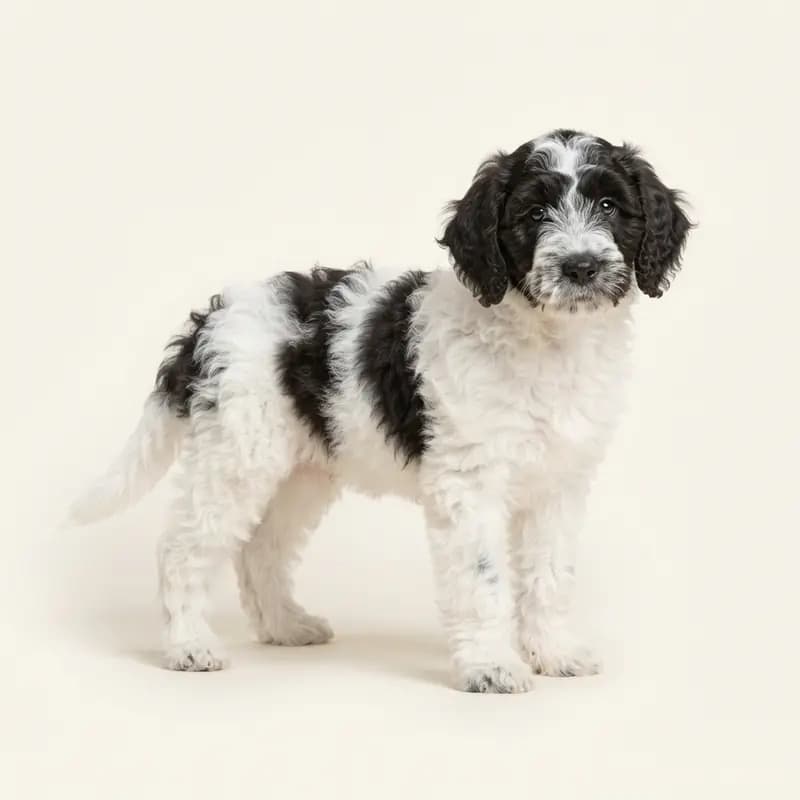
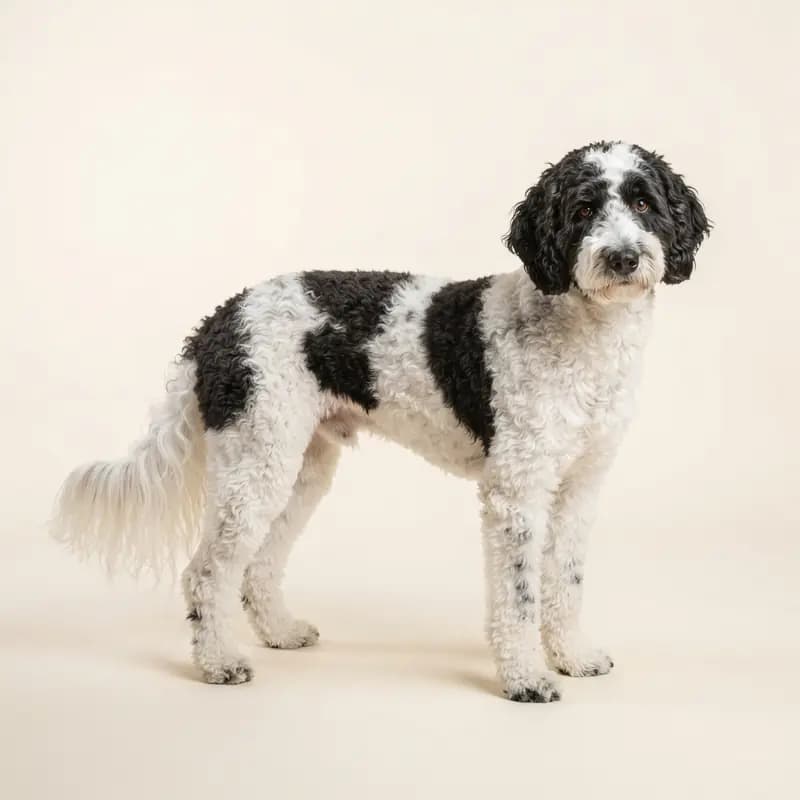
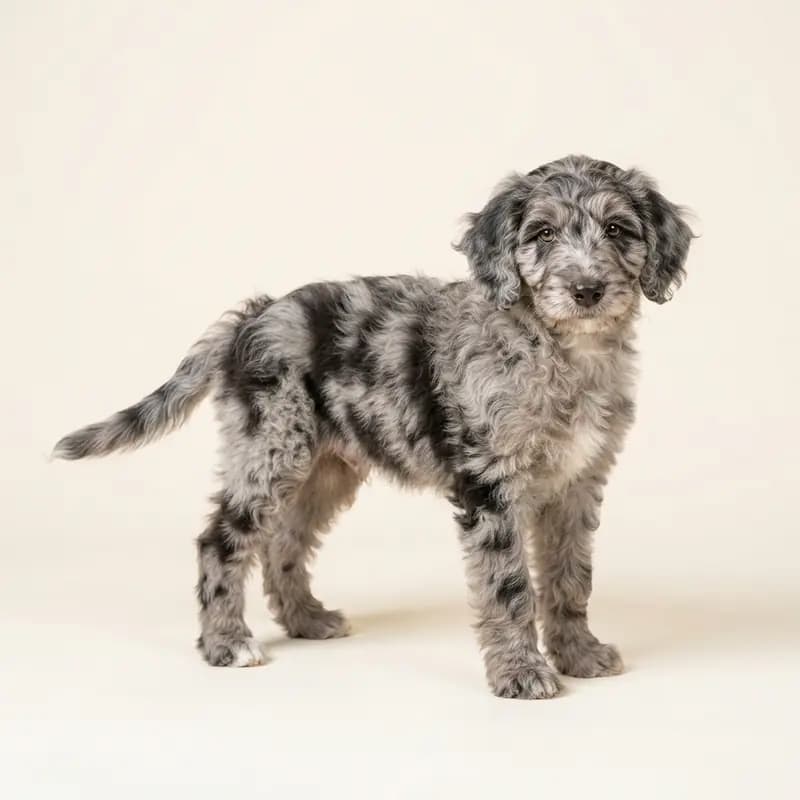
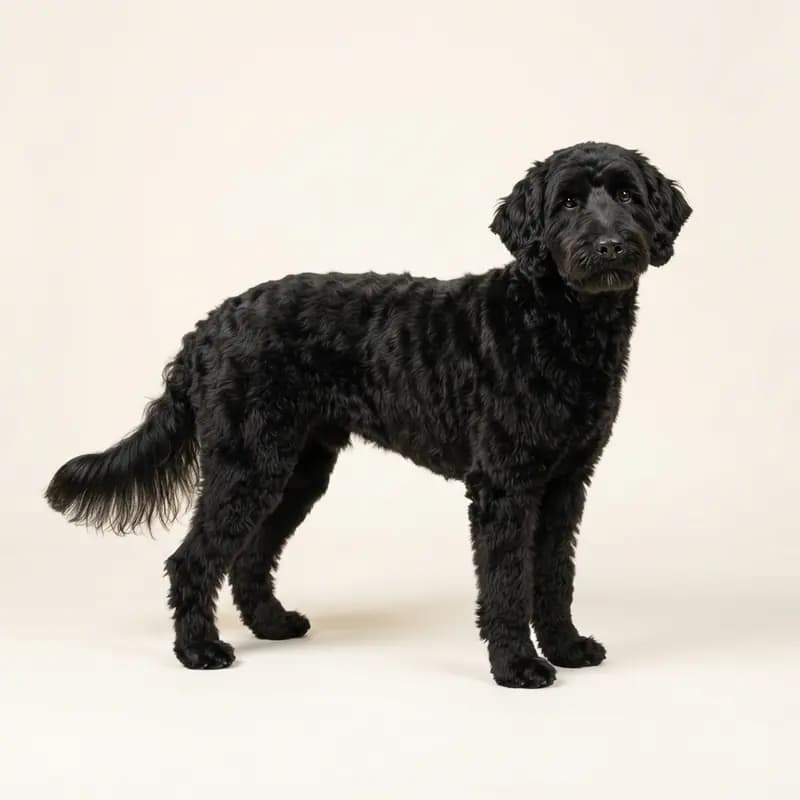
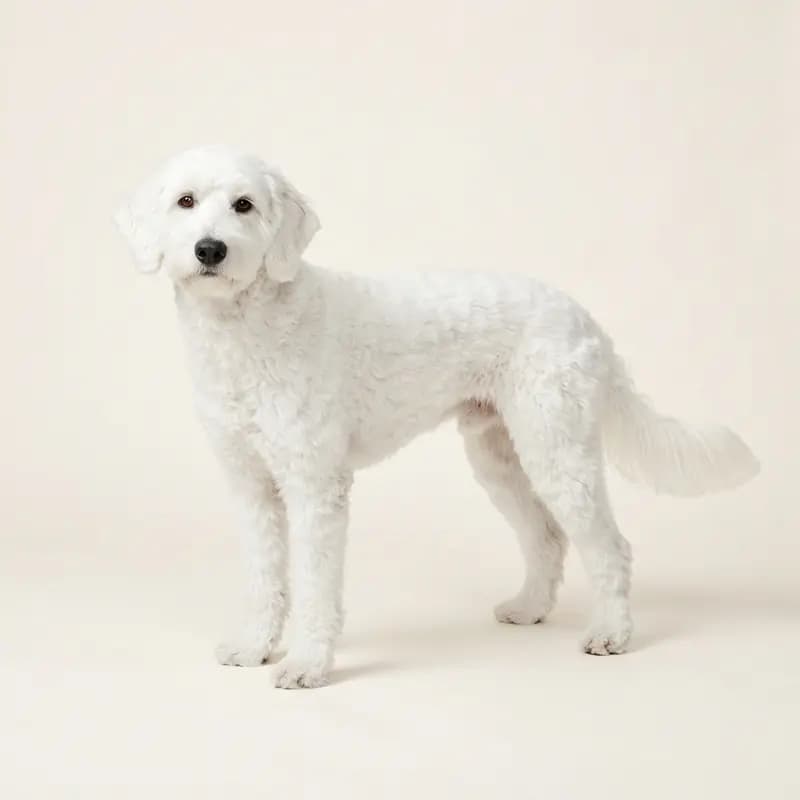
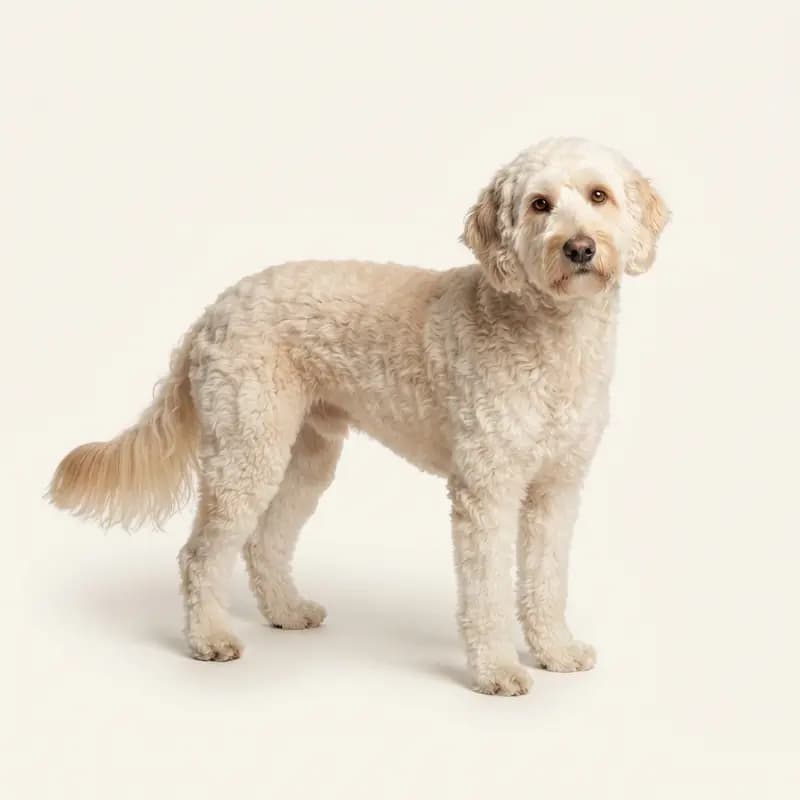
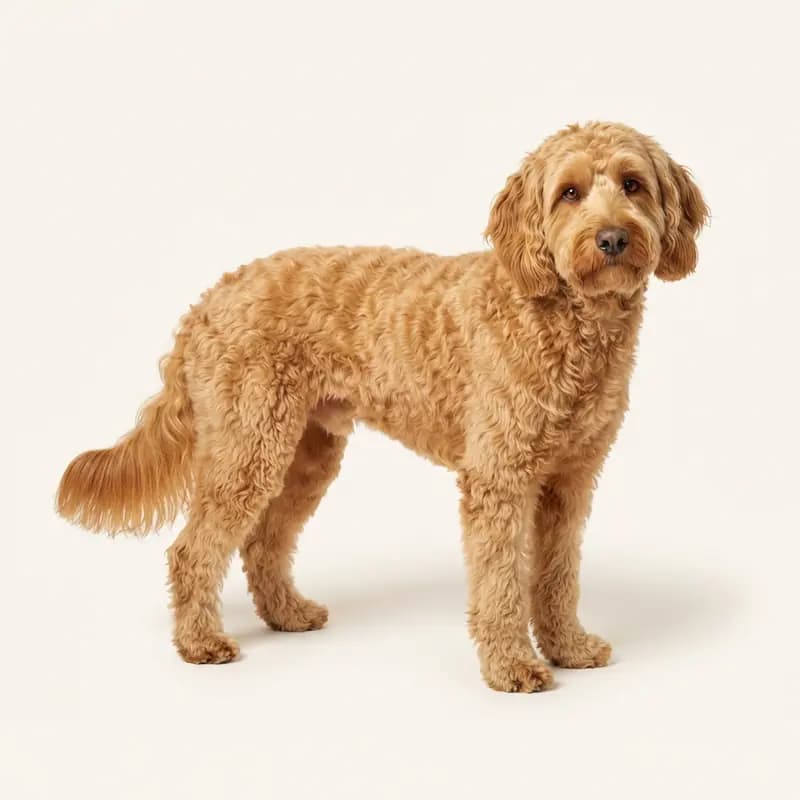
The Labradoodle comes in these colors: Black, White, Cream, Gold, Apricot, Red, Chocolate, Brown, Silver, Blue, Piebald, Merle. Colors that fall outside the breed standard are marked as such on the breed page.
Showcase your kennel on HonestDog and reach families searching for a responsibly bred Labradoodle.