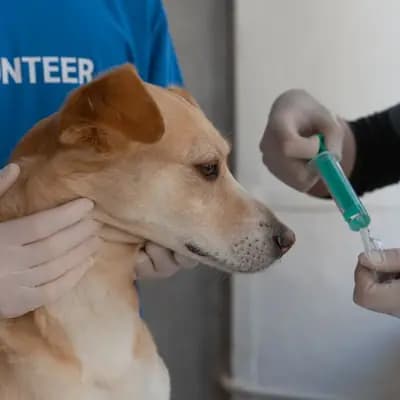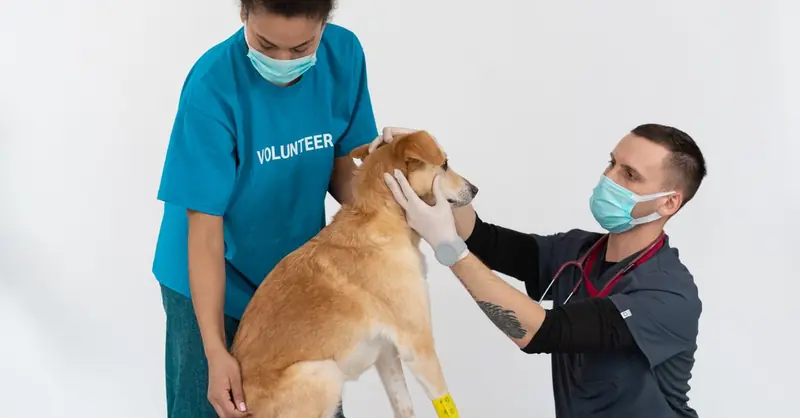
A suitable beruhigungsmittel für den hund an silvester must provide true anti-anxiety (anxiolytic) effects and never merely paralyze your pet physically. While early supplementation or pheromones often suffice for mild restlessness, severe panic requires prescription medications from your vet. Pure sedatives like acepromazine are strictly contraindicated for noise phobias today.
| Category / Active Ingredient | Application & Lead Time |
|---|---|
| Over-the-counter supplements (e.g., L-tryptophan, casein) | Mild restlessness; start administration around 1 to 4 weeks before New Year's Eve. |
| Synthetic pheromones (diffusers, sprays) | Mild baseline tension; ideally introduced 2 to 4 weeks in advance. |
| Prescription anxiolytics (e.g., dexmedetomidine, imepitoin) | Severe fear to full panic; given acutely on the evening or a few days ahead following a veterinary exam. |
| Pure sedatives (acepromazine) | Do not use: Paralyzes motor function while consciousness remains intact, intensifying feelings of fear. |
| Home remedy alcohol (egg liqueur) | Controversial in veterinary medicine; carries risks of overdose and liver toxicity if used improperly. |
This guide does not replace professional veterinary advice.
Calming Dogs on New Year's Eve: What Are the Options?
Anyone looking to calm a dog on New Year's Eve faces an essential distinction: over-the-counter products that gently support metabolism versus prescription medications that directly target neurotransmitter pathways in the brain. Most crucial for your pet's wellbeing, however, is the clear line between true anti-anxiety medications (anxiolytics) and outdated sedatives that do nothing more than relax skeletal muscle.
| Criterion | Option A: Gentle Support (Over-the-Counter) | Option B: Veterinary Anxiolytics (Prescription Only) |
|---|---|---|
| Typical Active Ingredients | Alpha-casozepine (milk protein), L-tryptophan, L-theanine, pheromones, botanical extracts | Dexmedetomidine (oromucosal gel), imepitoin, trazodone, benzodiazepines |
| Mechanism of Action | Boosts the body's own relaxation neurotransmitters like serotonin; creates a sense of safety | Selectively inhibits stress hormones (e.g., noradrenaline) or dampens hyperarousal in the brain |
| Lead Time | Requires several days up to 4 weeks before New Year's Eve | Depending on the drug, 30–60 minutes before fireworks or started a few days prior |
| Benefits | Available without a prescription, minimal side effects, does not leave the dog groggy | Clinically proven efficacy even for severe noise phobias and extreme panic |
| Drawbacks / Limitations | Scientific evidence varies; completely ineffective for acute, severe panic | Available only after a clinical veterinary exam; potential side effects like drowsiness or dizziness |
Warning Against Acepromazine: Paralyzed in Pure Terror
For decades, dog owners were handed tablets or pastes containing acepromazine for New Year's Eve. To an observer, the medication seemed to work wonders: a dog that usually shook and panted heavily lay motionless on their bed. Today, veterinary behavioral medicine has proved that this neuroleptic has catastrophic effects on noise phobias.
Acepromazine exclusively inhibits motor function. Your dog can no longer move, flee, or display visible signs of fear. At the same time, their mental awareness remains entirely clear, and auditory sensitivity is sometimes heightened by the drug. The dog experiences every booming firework completely unbuffered while trapped in total physical helplessness. Veterinarians now consider using acepromazine for fireworks an animal welfare violation, as this traumatic experience drastically worsens noise phobias in subsequent years.
Modern Alternatives from the Veterinary Clinic
When a dog suffers from severe firework anxiety, veterinarians now prescribe medications proven to act on the central nervous system to alter the emotional perception of noise:
- Dexmedetomidine (as an oral transmucosal gel): Specifically approved in Germany for alleviating acute noise anxiety in dogs. It is absorbed directly through the oral mucosa (applied between the cheek and gum) and must not be swallowed whole. It inhibits the release of the stress neurotransmitter noradrenaline without putting your dog under general anesthesia.
- Imepitoin: Originally developed for canine epilepsy management, this active ingredient is also officially licensed for treating noise phobias. It enhances the calming action of the inhibitory neurotransmitter GABA in the brain and is started several days before New Year's Eve.
- Other Anxiolytics (e.g., Alprazolam or Trazodone): Depending on the individual case, clinics may prescribe or adapt drugs from the benzodiazepine or serotonin antagonist and reuptake inhibitor (SARI) classes. Timing is critical with benzodiazepines: administering them when a dog is already in a state of full panic can trigger paradoxical excitement and heightened agitation.
Gentle Relief: Nutritional Supplements, Pheromones, and CBD
If your dog only reacts to loud bangs with mild nervousness, pacing, or brief barking, prescription psychopharmaceuticals are often unnecessary. In these cases, supplements based on alpha-casozepine (a bio-active peptide derived from milk) or the amino acid L-tryptophan can help. L-tryptophan serves as a biological precursor to serotonin. Synthetic pheromones, which mimic the calming appeasing pheromones produced by a nursing mother dog, can also lower baseline anxiety in the room when used via wall diffusers.
Many pet parents also ask about CBD oil (cannabidiol) or botanical extracts such as valerian root, passionflower, and hops. The scientific evidence regarding the acute efficacy of CBD and herbal remedies for loud fireworks remains inconsistent. If you choose to try them, remember one golden rule: they cannot be used as an emergency drop at midnight. They must be phased in gradually over 2 to 4 weeks leading up to New Year's Eve.
The Controversy Surrounding Egg Liqueur
Few topics divide dog owners and professionals ahead of the holidays like giving small amounts of egg liqueur. Expert opinions remain split: while many vets and animal welfare groups strictly oppose alcohol for dogs—since ethanol is cellularly toxic and taxes canine liver metabolism—some practicing vets argue that a minutely calculated, body-weight-adjusted dose in an emergency is still safer than unmitigated panic or acepromazine.
One fact remains undisputed: alcohol has a very narrow therapeutic window in dogs, and additives found in certain liqueurs, like xylitol (birch sugar) or chocolate, are deadly toxic. Because thoroughly tested, precisely dosed, and officially licensed veterinary pharmaceuticals for noise phobia exist today, you should always discuss treatment plans with your veterinarian in advance rather than turning to alcohol on New Year's Eve.
Key Factors Unique to Your Dog
Selecting the right calming approach depends heavily on your dog's physical health and daily environment. There is no one-size-fits-all solution for every pet.
- Age and Sudden Onset of Fear: If a dog that remained unbothered by gunshots and loud noises for years suddenly panics over fireworks in old age, an underlying medical issue is frequently to blame. Chronic pain—such as hidden osteoarthritis or spinal issues—causes the dog to startle, flinch, feel an acute twinge of pain, and link that sudden pain directly to the sound. Hypothyroidism can also trigger sudden noise sensitivity.
- Size and Breed: Many herding breeds, such as the Border Collie or the Australian Shepherd, are genetically selected to notice and react instantly to subtle visual and auditory stimuli. Statistically, they display pronounced noise phobias much more often than easygoing mastiff-type breeds. Body size also influences practical drug choices: for giant breeds like the Great Dane, mucosal gels can quickly become expensive due to the volume required, whereas toy breeds like the Chihuahua require micro-precise dosing. If you are still preparing to bring a dog into your home, our Breed Finder can help you evaluate typical temperament traits and environmental sensitivities across different breeds.
- Health and Pre-existing Conditions: Prescription medications for fireworks anxiety are metabolized through the liver and kidneys or influence cardiovascular tone. Dogs with severe heart disease, renal insufficiency, or liver compromise cannot safely receive certain drugs like dexmedetomidine. A physical veterinary examination beforehand is non-negotiable.
- Living Environment and Location: If you live in an urban apartment complex where fireworks start echoing through courtyards as early as December 28, your dog needs a multi-day support plan—such as early supplementation combined with an anxiolytic suitable for several days. In quiet rural areas where fireworks are confined to 30 minutes at midnight, a short-acting acute medication for late evening often suffices.
What Studies and Professional Veterinary Associations Say
Noise phobia is not a rare quirk seen only in high-strung dogs; it is one of the most widespread canine behavioral conditions. As the Bundestierärztekammer (BTK) highlights, the explosions of fireworks cause immense stress for many pets. Owners of severely affected dogs should consult their vet well in advance to discuss suitable anxiolytic medications. The association also advises giving dogs free choice over whether they want to retreat to a quiet, prepared sanctuary or stay in close physical contact with their human family.
Scientific studies reinforce the need to combine sound environmental management, behavioral training, and targeted medical therapy. Behavioral biologist Stefanie Riemer analyzed data from over 1,200 dog owners regarding fireworks fear in a study published in the journal PLOS ONE from the University of Veterinary Medicine Vienna. The research demonstrated that although noise phobia frequently emerges during a dog's first year of life, it is far from irreversible: targeted counterconditioning—pairing a loud bang immediately with high-value treats or active play—alongside early relaxation conditioning significantly improved fear scores in many dogs.
Modern behavioral research has also dispelled an enduring training myth: the old claim that petting or comforting a trembling dog on New Year's Eve reinforces their fear. Veterinary behaviorists clarify that fear is an involuntary emotion, not an operant behavior that can be rewarded by affection. When your dog seeks comfort, you should provide gentle, calming physical contact and reassurance. Educational material from the University of Veterinary Medicine Vienna also reveals that while around 75 percent of affected dogs recover by the morning of New Year's Day, more than 10 percent require a full day or even several weeks to bounce back from holiday noise stress.
Veterinary Timeline and Advance Planning
A frequent misstep is waiting until December 29 or 30 to ask your vet for calming medication. Reputable veterinary practices will not dispense prescription sedatives or anxiolytics over the front desk without an up-to-date physical assessment of your dog.
Follow this timeline to navigate the turn of the year smoothly:
- Early to Mid-November: Schedule a consultation with your veterinarian. For dogs exhibiting newly acquired noise sensitivity, this is the time to rule out musculoskeletal pain or check organ values (such as thyroid levels) through blood tests.
- Early December (approx. 3 to 4 weeks prior): If you choose over-the-counter supplements (like L-tryptophan or alpha-casozepine), pheromone diffusers, or tailored dietary formulas, begin daily administration now so therapeutic levels can build up in the body.
- Mid to Late December (The Trial Run): If your vet prescribes an anxiolytic, many clinics recommend a low-dose trial run a few days prior to New Year's Eve in a calm home environment, following explicit veterinary instructions. This allows you to observe your dog's response and catch unexpected reactions early.
- December 31: Take your dog on a long walk early in the morning in a quiet area. Double-leash your dog with a well-fitted escape-proof harness and collar, as random fireworks often go off during the day. By afternoon, draw the blinds, close all windows, turn on familiar music or the TV, and administer prescription medication exactly according to your vet's schedule—before panic sets in.
Total veterinary costs will depend on the standard clinical exam under the veterinary fee schedule (Gebührenordnung für Tierärzte - GOT) alongside the medication prescribed. While over-the-counter supplements usually fall in the low two-digit Euro range, prescription pharmaceutical costs vary based on your dog's weight and the package size required.
Frequently Asked Questions
Which calming medication for dogs works immediately on New Year's Eve?
When acute panic threatens on New Year's Eve, only veterinary prescription medications deliver fast, dependable relief. An transmucosal gel containing dexmedetomidine, specifically licensed for noise phobia, usually produces its anxiolytic effect within 30 to 60 minutes after being applied to the oral mucosa. Over-the-counter herbal tablets, milk peptides, or pheromones lack sufficient immediate potency for acute crises.
Where can I get effective calming aids for my dog for New Year's Eve?
Reliable medications for moderate to severe fireworks anxiety are pharmacy-restricted prescription veterinary drugs, obtainable only after an in-person clinical exam by your vet. While mild nutritional supplements for nervous pets are sold over the counter in pet shops or online pharmacies, a quick veterinary consult is still recommended to find the best option.
Why must I never give acepromazine to my dog on New Year's Eve?
Acepromazine (often known under trade names like Vetranquil or Sedalin) does not resolve anxiety; it purely impairs motor function. The dog appears tranquilized or drowsy on the surface, but internally perceives loud fireworks in full consciousness while rendered unable to run or seek shelter. This defenseless state often triggers severe psychological trauma, which is why veterinarians firmly advise against it for noise phobias.
Do valerian root or Bach flowers help calm dogs during fireworks?
Controlled scientific studies show no evidence for the efficacy of Bach flower remedies beyond a placebo effect. Valerian can offer mild supportive relaxation if started regularly 2 to 4 weeks before New Year's Eve. For true fireworks panic, however, neither remedy works effectively on the night, and neither replaces targeted veterinary anxiolytics.
Can I give my dog human calming medications from our home medicine cabinet?
Never give your dog human sedatives, tranquilizers, or sleep aids on your own initiative. Canine metabolism processes human pharmaceuticals very differently, and giving them can cause severe poisoning, organ failure, or paradoxically extreme agitation. Even where veterinary medicine uses similar drug families, canine dosages and dosing intervals differ drastically from human medicine.
Navigating the New Year with Confidence
Supporting a dog with severe firework phobia using modern, targeted anti-anxiety medications is not taking the easy way out—it is responsible pet care. By steering clear of outdated sedatives, consulting your vet early in the autumn, and setting up a secure, dimmed sanctuary with you on New Year's Eve, you strip the holiday of its terror. On HonestDog, you will find plenty of research-backed guides to help you better understand your dog's behavior and safeguard their long-term health responsibly.