
The Charm and Challenge of Dachshund Training
Look into a Dachshund's loyal but often supremely self-assured eyes and you know right away: there's a big dog inside that small body. Dachshund training is a wonderful, if sometimes nerve-wracking, journey. Experienced dog trainers agree that the path to a well-behaved Dachshund runs through deep mutual understanding, consistency and a generous helping of humor.
Dachshunds originally come from Germany and form their own breed group with the FCI/VDH (Group 4, Dachshunds), a sign of how independently these dogs have always worked. They were bred over centuries for hunting badgers and foxes underground. That means the Dachshund had to make decisions entirely on his own down in the burrow. This independence is deeply embedded in his DNA. So when your Dachshund stops to consider whether a command is worth his while, it isn't spite. It's pure genetics.
With a life expectancy of 12 to 15 years, you'll have a loyal companion by your side for a long time. To make that life together harmonious, the right Dachshund training from day one is crucial. In this comprehensive guide, you'll learn how to get the best training results, from tiny puppy to adult dog.
The Dachshund as a Student: Trainability and Breed Character
Before we get into practice, we need to understand the student. On a trainability scale, the Dachshund is often rated 2 out of 5. That doesn't mean these dogs aren't intelligent. Quite the opposite! They're highly intelligent, but they're also master opportunists.
The Dachshund's temperament can be described as friendly, curious and extremely spirited. He has an energy level of 3/5, which means he needs regular physical exercise and, above all, mental stimulation. An under-challenged Dachshund quickly finds his own jobs, and they're rarely ones you'll like (such as digging up your garden or loudly commenting on every passer-by).
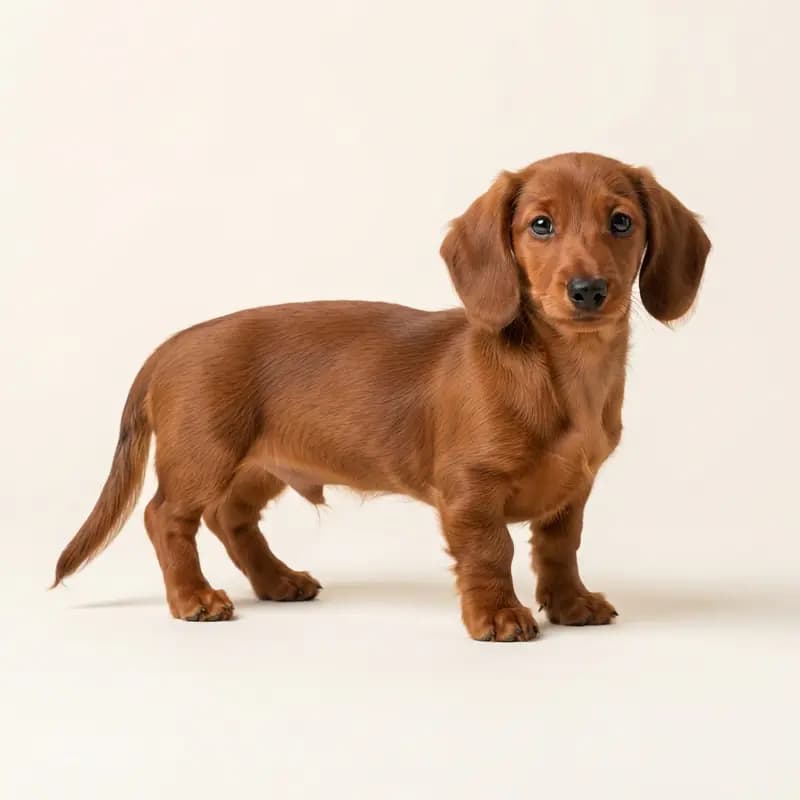
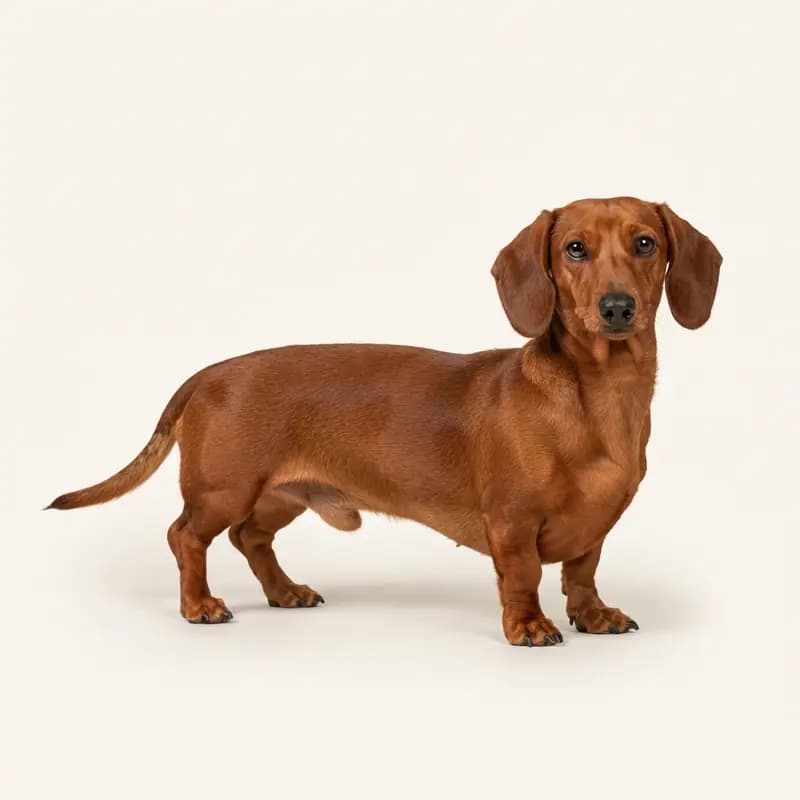
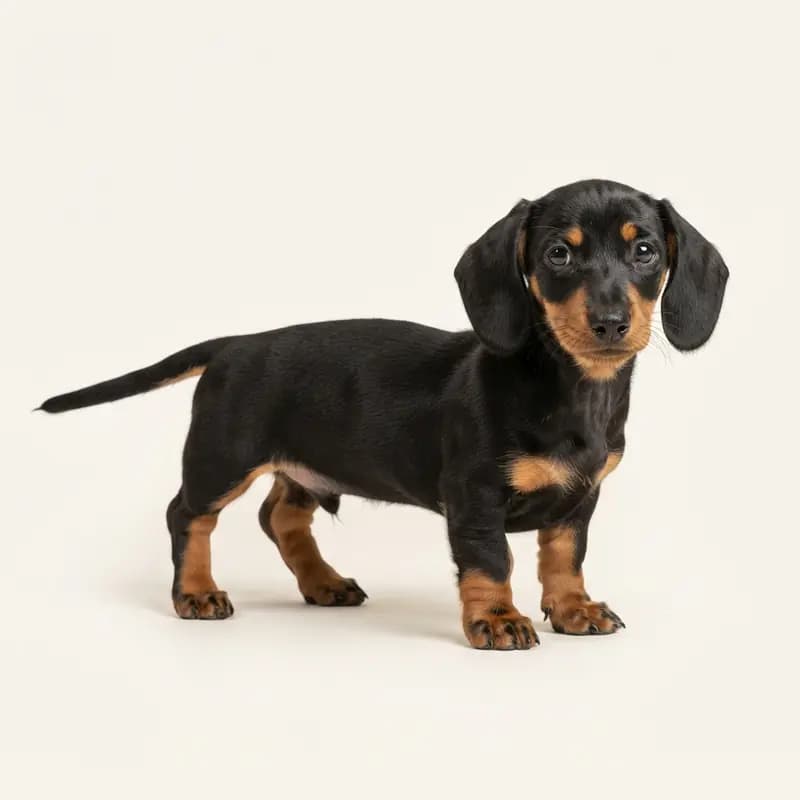
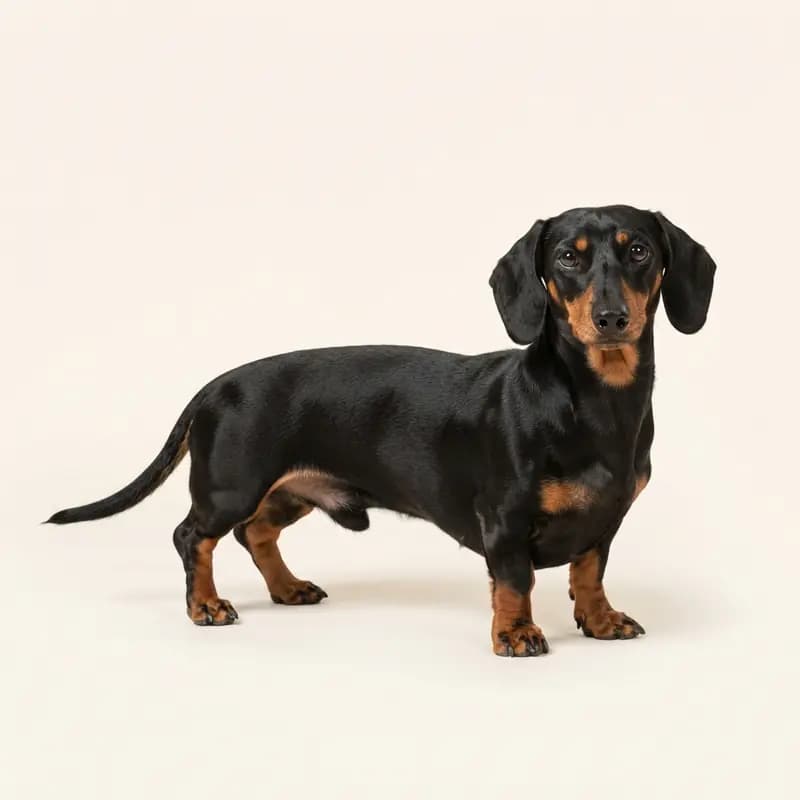
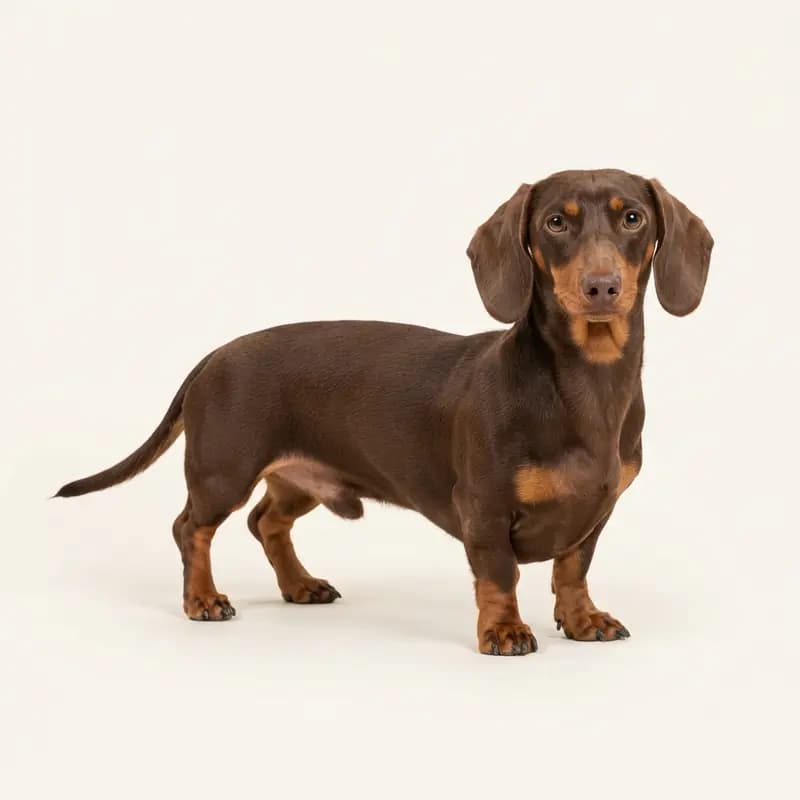
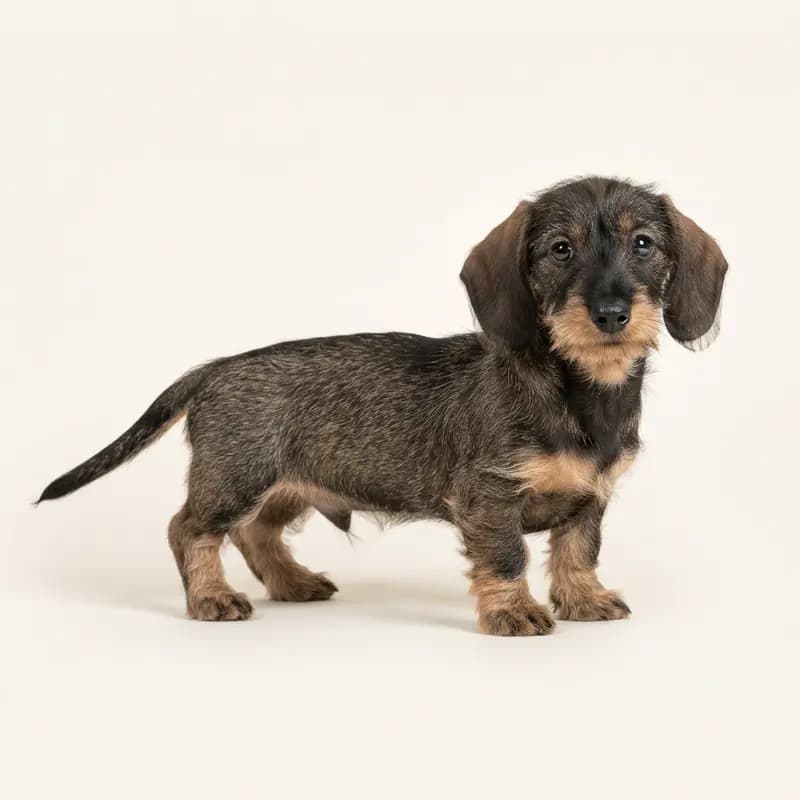
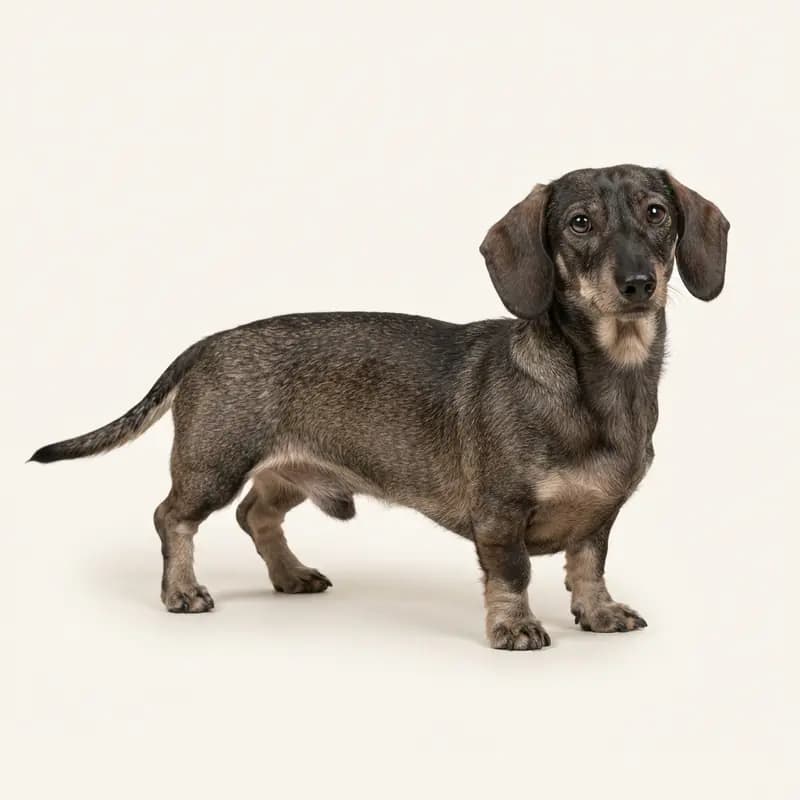
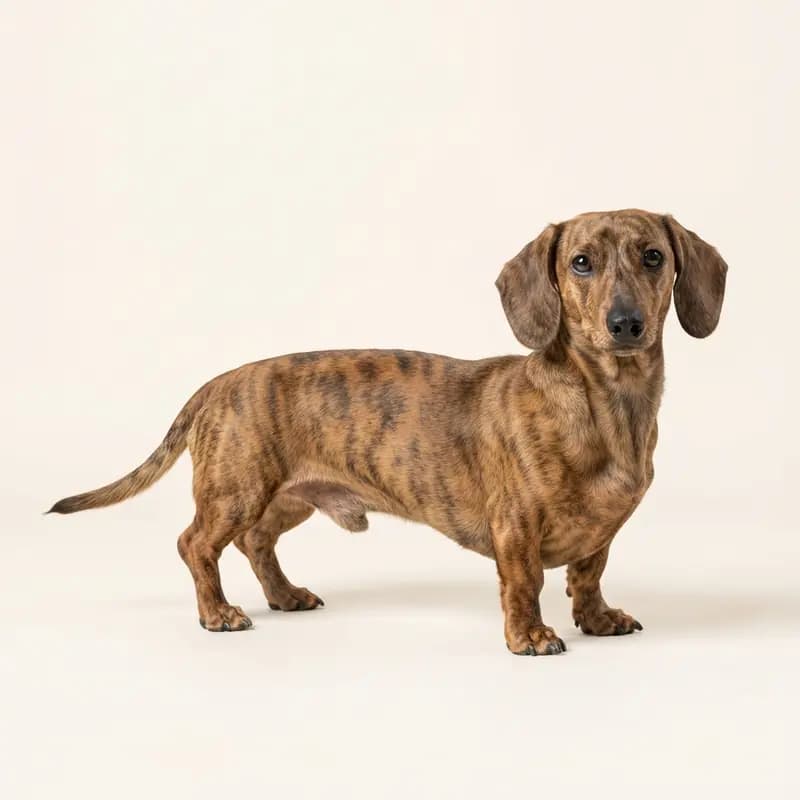
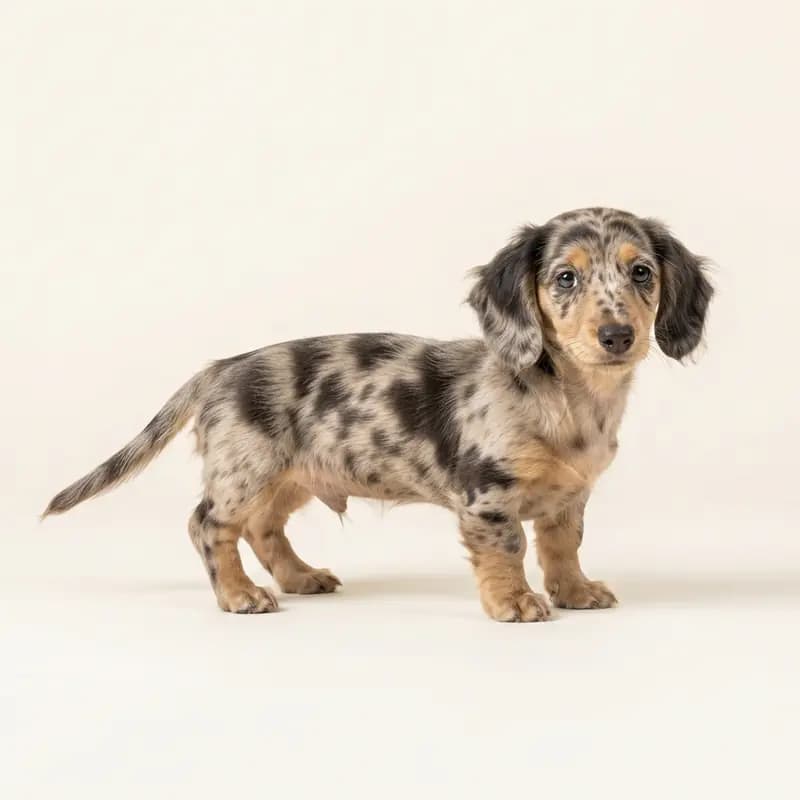
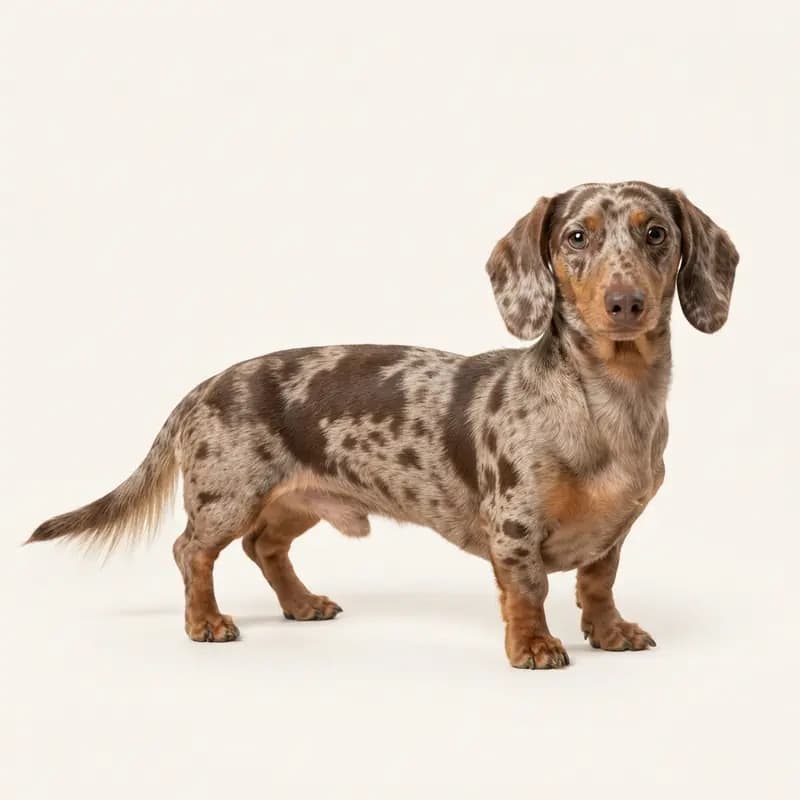
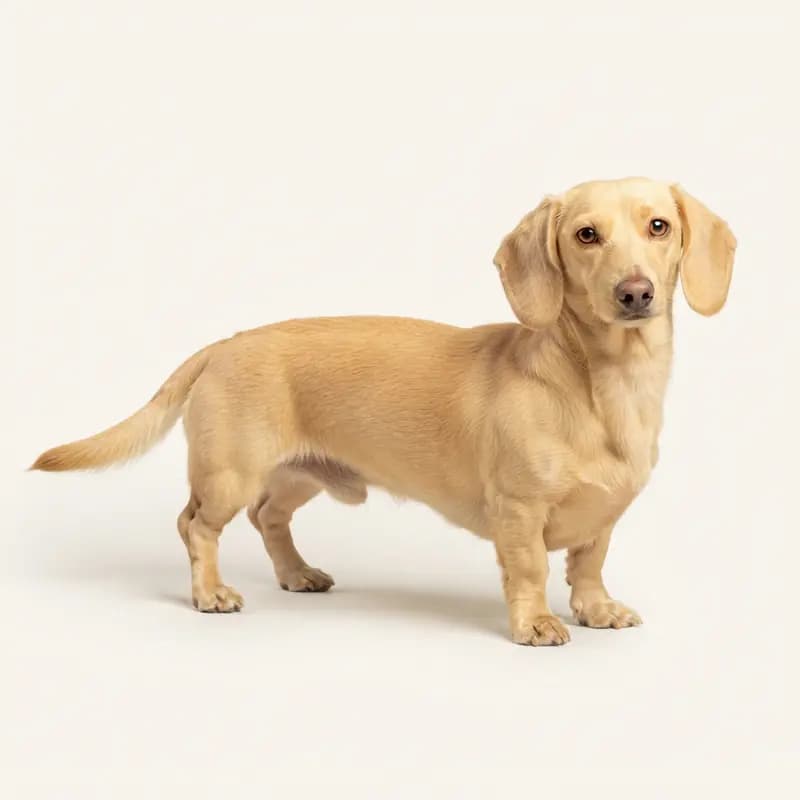
If you'd like to learn more about the breed's fascinating traits, its coat types (from short, dense and glossy on the smooth-haired Dachshund to wire-haired or long-haired) and its history, I recommend a look at the detailed Dachshund breed profile on HonestDog.
Dachshund Puppy Training: The Crucial First 16 Weeks
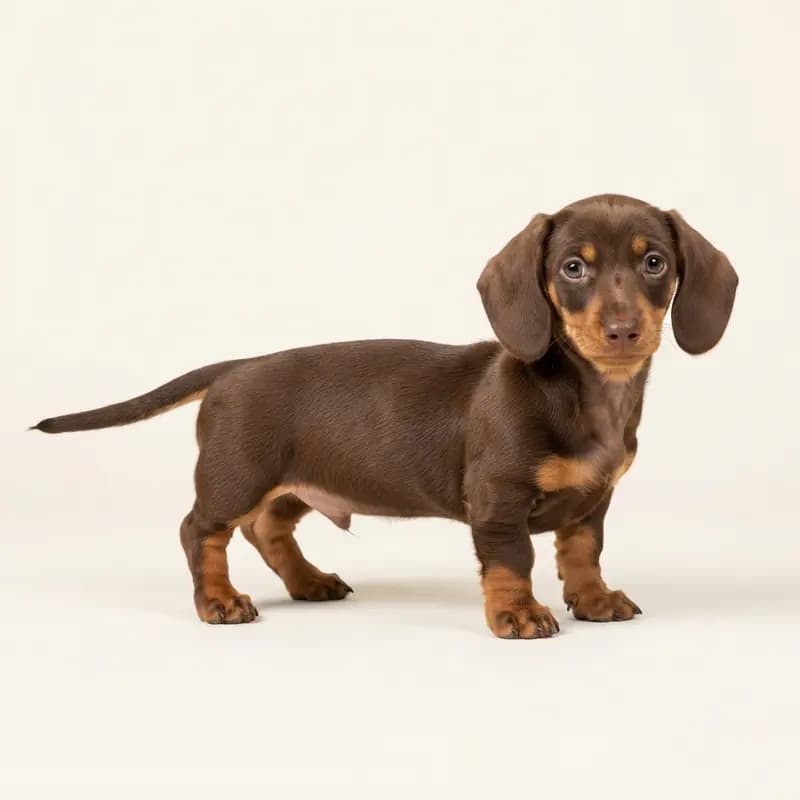
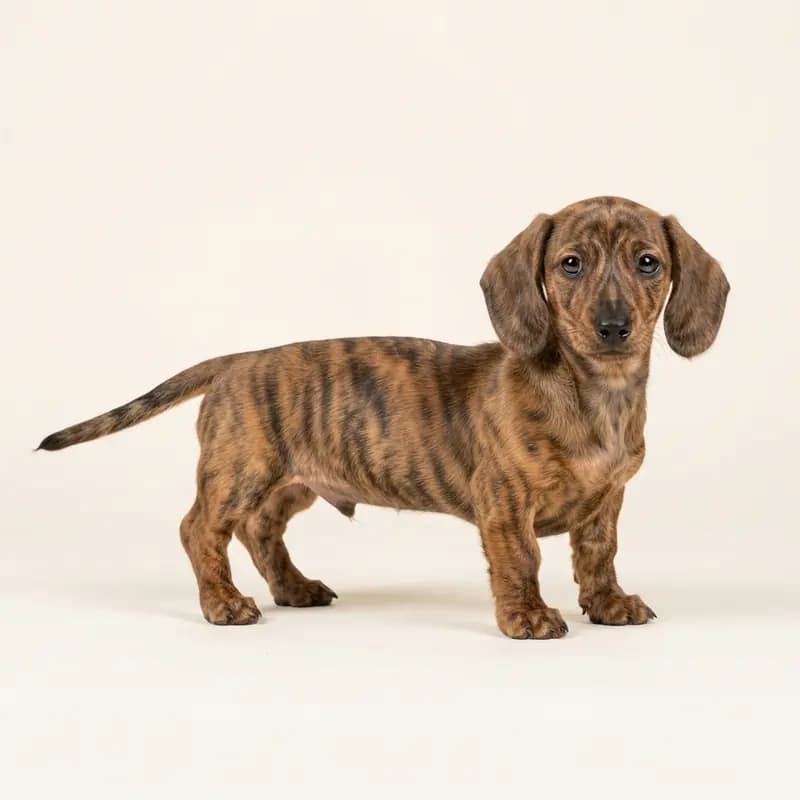
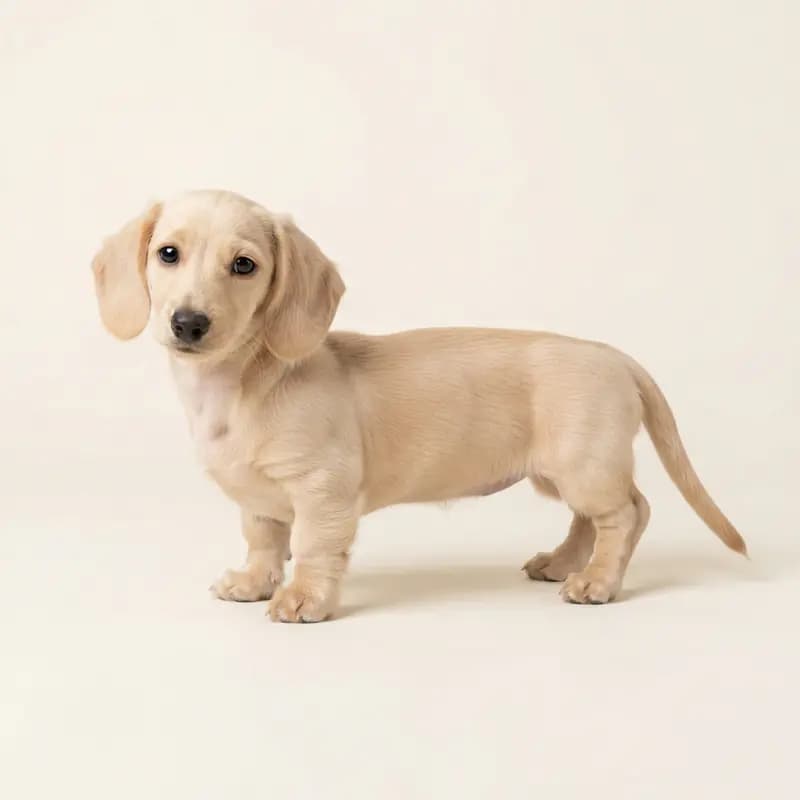
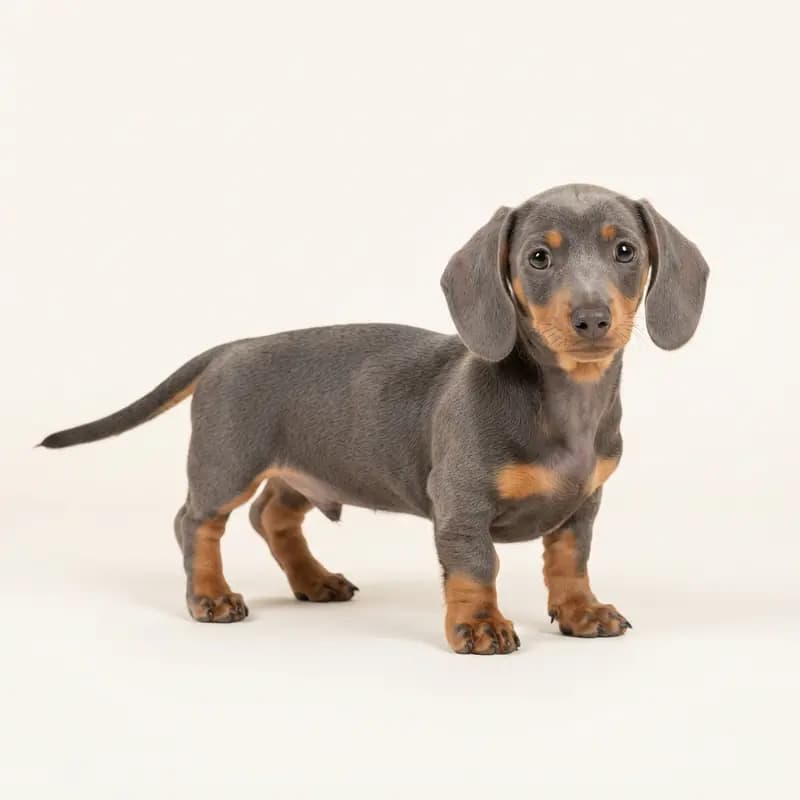
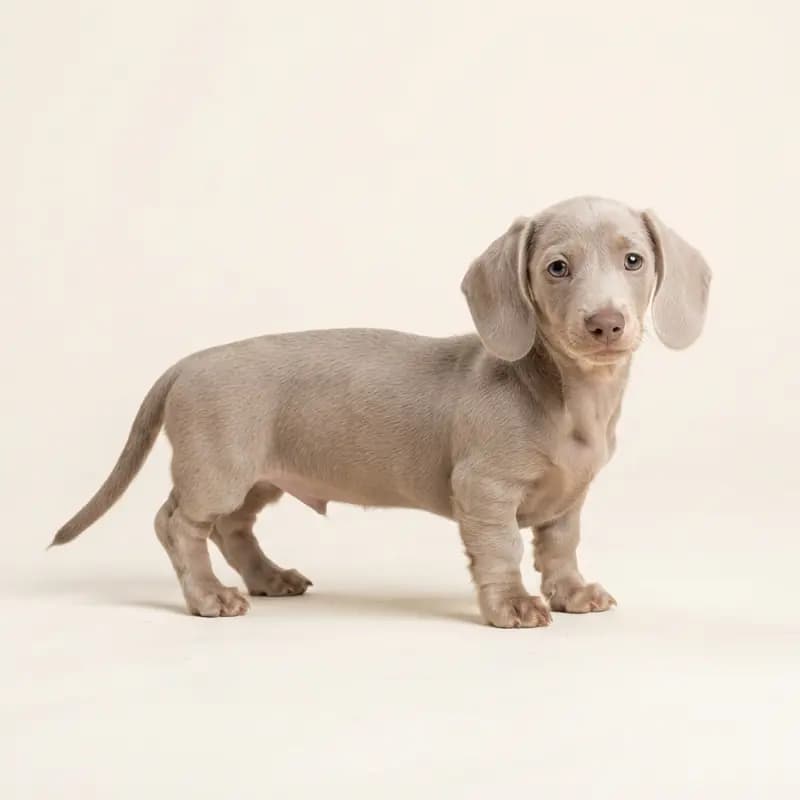
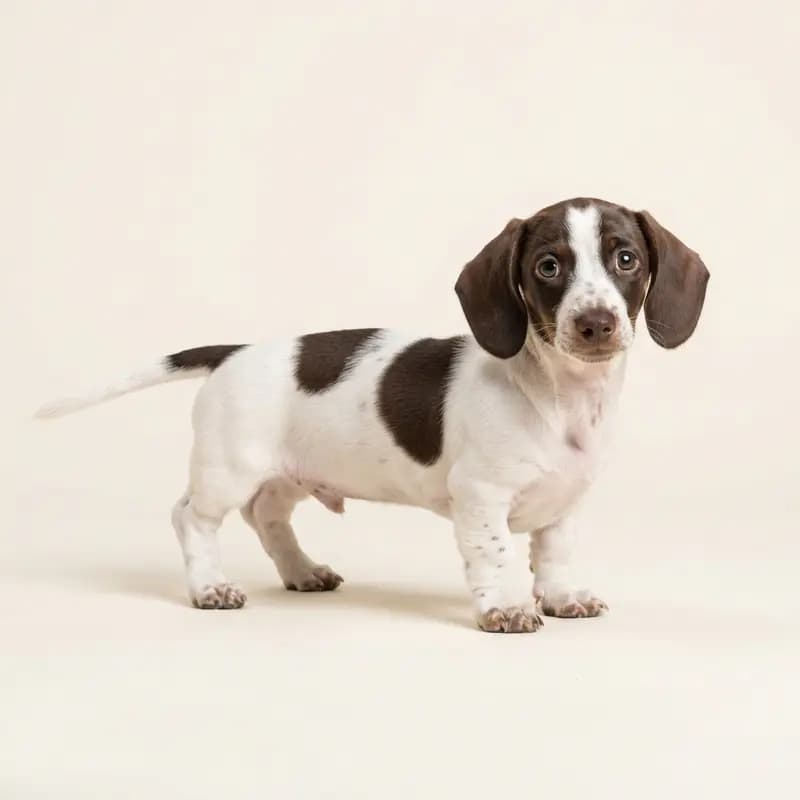
Dachshund puppy training lays the foundation for your dog's entire later life. Your little companion's socialization period closes at around 16 weeks of age. Everything he gets to know positively until then, he'll consider normal later on.
House-Training Your Dachshund Puppy
Dachshunds can sometimes take a little longer to become reliably house-trained. Often that's simply because, with their low-to-the-ground build, they don't like going outside in rain and cold. Here's how to go about it:
- Stick to a rhythm: Take your puppy outside after every nap, play session and meal. On top of that, make a short trip to the potty spot every two hours.
- One fixed place: At first, always choose the same quiet spot in the garden or on the grass.
- Enthusiastic praise: When he does his business outside, praise him right away with your voice and a high-value treat.
- No punishment: If an accident happens indoors, wipe it up without comment. A Dachshund who is punished for accidents only learns to hide from you better next time.
Training Bite Inhibition
Like every puppy, the Dachshund explores the world with his sharp little teeth. During play, that can quickly become painful.
As soon as your puppy bites too hard in play, let out a short, high-pitched "Ouch!" and stop the game immediately for about 30 seconds. Ignore him completely during that time. Afterwards, offer an alternative, such as a chew toy. He'll quickly learn that biting too hard means the fun is over right away.
Socialization and Getting Used to the World
A well-socialized Dachshund is a confident Dachshund. With puppies from reputable breeders costing between 1,200 and 2,500 euros, you can expect the breeder to have done some groundwork already. Now it's up to you to carry it on:
- Introduce him to different surfaces (grass, asphalt, tiles, metal grates).
- Let him experience different sounds (vacuum cleaner, traffic, sirens) in a positive atmosphere.
- Bring him into contact with large and small dogs, people of all ages and other animals. Make sure encounters are always safe and positive for your puppy.
Dachshund Commands: The Most Important Basics
Even though the Dachshund likes to be his own boss, basic Dachshund commands are essential for his safety and a relaxed everyday life. Always work with positive reinforcement. Harshness or pressure inevitably lead to total refusal in this breed.
Sit and Down: Breed-Specific Subtleties
Dachshunds usually learn "sit" incredibly fast. Slowly move a treat over the dog's head and back. His eyes follow the food, and his bottom drops automatically. As soon as he sits: praise and treat.
Many Dachshunds find "down" (lying down) harder at first. Their long back and short legs make this movement a bit more awkward. They also don't like lying on cold or wet ground. It's best to practice "down" on a soft rug in the living room at first. From the "sit," lead the treat straight down between his paws, then slowly pull it away from him along the floor.
"Stay": Impulse Control for the Little Hunter
Because the Dachshund can be very impulsive, the "stay" command is a real lifesaver. It trains self-control. Start in a distraction-free environment. Ask your dog to sit, say "stay" (with a calm hand signal as a visual cue), take half a step back, return immediately and reward him. Over the weeks, increase the distance and duration in tiny increments.
The Recall: The Ultimate Challenge
For a dog from the Hound Group whose nose often calls the shots, the recall is the hardest command. A Dachshund on a fresh trail is in his element, and at that moment he's often deaf to your calls.
Here's how to build a reliable recall:
- The super treat: Use a reward for the recall that he never gets otherwise (e.g. small pieces of cheese, cooked chicken or liverwurst from a tube).
- Start indoors: Call your Dachshund to you cheerfully in the house. When he comes, throw a huge party and hand over the super treat.
- The long line: When you head outside, secure him on a 5- to 10-meter long line attached to a well-fitting chest harness. Call him when he's already looking in your direction. If he doesn't come, you can gently remind him via the line that you said something.
- Never scold: No matter how long he took or how annoyed you are, when your Dachshund reaches you, he's the best dog in the world. If you scold, he'll link coming back with punishment.
Breed-Specific Challenges in Dachshund Training
Anyone who loves Dachshunds knows their quirks. Some of these character traits need special attention and adapted training in everyday life.
Dealing with the Prey Drive
You can't train the hunting out of a Dachshund. It's his instinct. But you can make it controllable. Besides long-line training, impulse control is crucial. Your dog has to learn to tolerate stimuli without immediately charging off. Anti-hunting training is above all about substitute activities: offer him hunting-style alternatives that you do together (more on that in the "Advanced Training" section).
The Famous "Dachshund Stubbornness"
As mentioned, the Dachshund isn't stubborn, he's independent. When he switches to stubborn mode, you've usually either not motivated him enough or the training has become too monotonous. Dachshunds get bored quickly. Keep training sessions short (5 to 10 minutes) but exciting. Vary the rewards and always end training on a success.
Health Aspects During Training
An immensely important point in Dachshund training is the breed's anatomy. Because of the long back, Dachshunds are prone to slipped discs (the dreaded "Dachshund paralysis"). For your training, that means:
- No jumping: Teach your Dachshund early on not to jump down from furniture. Use dog ramps.
- Limit stair climbing: In puppyhood, stairs should be completely off limits, but even adult Dachshunds shouldn't have to climb endless stairs.
- The right harness: A well-fitting Y-harness distributes pressure optimally and relieves the sensitive neck vertebrae and larynx, which is especially important in long-line training.
Among others, the German Federal Chamber of Veterinarians (Bundestierärztekammer) offers further detailed information on the health of purebred dogs and on prevention in its guides.
Advanced Training: How to Exercise Your Dachshund Properly
A Dachshund's overall grooming need is 3/5. That refers not only to brushing the coat but also to mental care. A Dachshund wants to work!
Nose Work and Tracking
The nose is the Dachshund's most important tool. Nose work is extremely satisfying for him and gives him a serious mental workout. Hide treats in the garden or try so-called mantrailing (searching for people) with him. Target object search (ZOS), where the dog learns to sniff out and indicate small items such as an eraser, is also wonderful Dachshund training.
Ground Work Instead of Agility
Classic agility with high jumps is absolutely off limits for Dachshunds because of their backs. Alternatives such as "hoopers" (agility without jumps, running through arches) or calm ground work (cavaletti training with poles lying on the floor) improve coordination, back muscle development and concentration without compressing the spine.
Companion Dog Test and Clubs
If you have dog sports ambitions, a Dachshund is perfectly capable of passing a companion dog test. It takes patience, but the bond that develops along the way is priceless. Feel free to look at what local dog sports clubs offer, many of which are affiliated with the VDH (German Kennel Club), or get information on special courses for Dachshunds from the Deutscher Teckelklub 1888 e.V..
The Most Common Mistakes in Dachshund Training
Even though we always want the best for our dog, mistakes often creep in during everyday life. With your Dachshund, avoid these three things in particular:
- Inconsistency: A Dachshund remembers every exception. If he's allowed on the sofa today just this once because he looks so cute, he'll treat that rule change as the new standard. You've practically already lost the argument about sending him down again tomorrow. Be loving, but absolutely consistent.
- Treating him like a "lap dog": Because of his small size (shoulder height of about 20 to 27 cm in the standard Dachshund), the Dachshund is often underestimated. He isn't a pure lap dog who wants to be carried around in a handbag all day. He's a robust working dog. If you don't take him seriously, he'll take charge of the house.
- Too much strictness and loud yelling: Dachshunds react extremely sensitively to unfairness and harsh coercion. If you start shouting or even punish physically, your Dachshund will lose trust in you. He'll avoid contact and, in the worst case, react defensively (with snapping).
Frequently Asked Questions (FAQ)
When should I start Dachshund training?
Training begins the day your puppy moves in with you. In the first few days, that doesn't mean strict command training yet, but learning house rules, house-training, routine and building trust in a playful way. Learning actual small commands can be woven in playfully from the 9th week of life.
Are Dachshunds hard to train?
They aren't hard to train. They simply need a different approach than, say, a Golden Retriever, who lives to anticipate your every wish ("will to please"). A Dachshund is independent and often asks "why?" If you manage to motivate him and make training positive and rewarding, he's a very quick learner.
How do I get my Dachshund's constant barking under control?
Dachshunds are very alert and love to report everything that happens in their territory. Stopping the barking entirely is often impossible. But you can build a "thanks, I've got this" signal. When he barks, go over, take a brief look (pretend to check out the situation), stand in front of him and calmly say "it's okay." Then send him to his place. That way he learns that he may sound the alarm, but you take final control.
Which harness is best for Dachshund training?
Because of the prominent breastbone and long back, Dachshunds need special harnesses. Look for a padded Y-harness that doesn't restrict the shoulder blades and sits far enough behind the front legs so it doesn't chafe in the armpits. A collar shouldn't be used during active training (especially on a long line) in order to protect the spine.
Conclusion: Patience and Humor Make the Perfect Companion
Dachshund training isn't a sprint, it's a marathon. It takes a delicate touch, the courage to be consistent and the willingness to laugh, every now and then, at yourself and at your dog's stubborn expression. If you meet your Dachshund's needs for mental stimulation, security and clear leadership, you'll get a brave, loyal and unbelievably charming companion for life.
Don't forget that you're not alone on this journey. On HonestDog.de, you'll find detailed breed profiles, vetted breeders and practical hands-on knowledge about the Dachshund. Whether you're still deciding on bringing a puppy home or looking for new ideas for your daily Dachshund training, stop by the Dachshund breed profile and read up at your leisure before you get started.