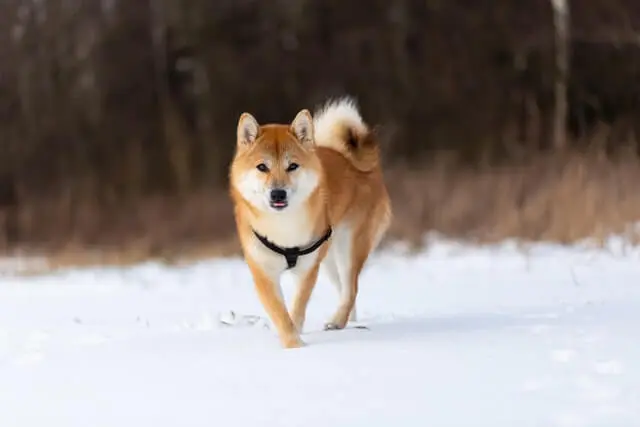
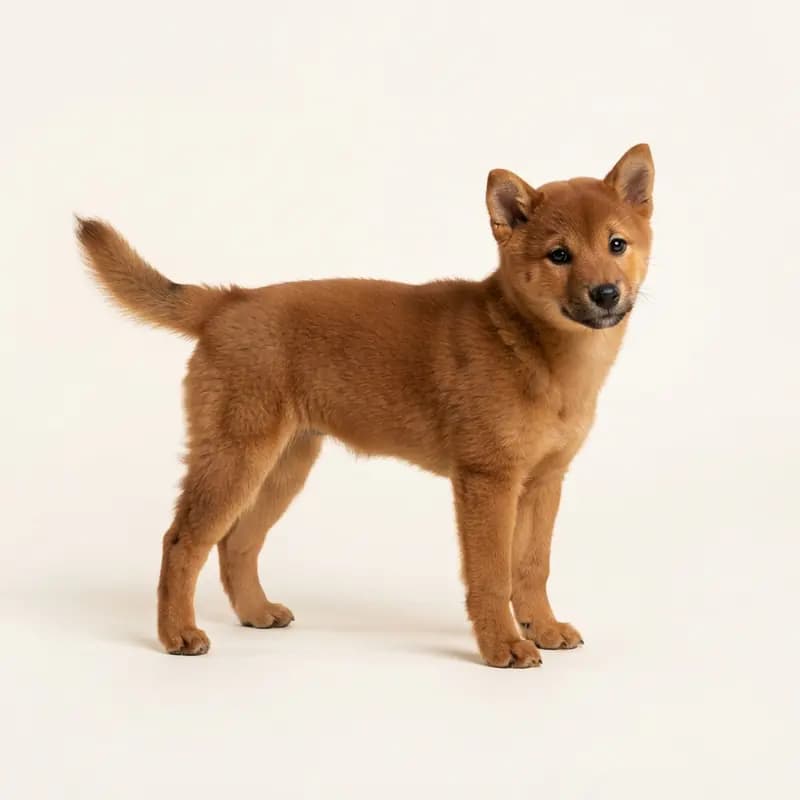
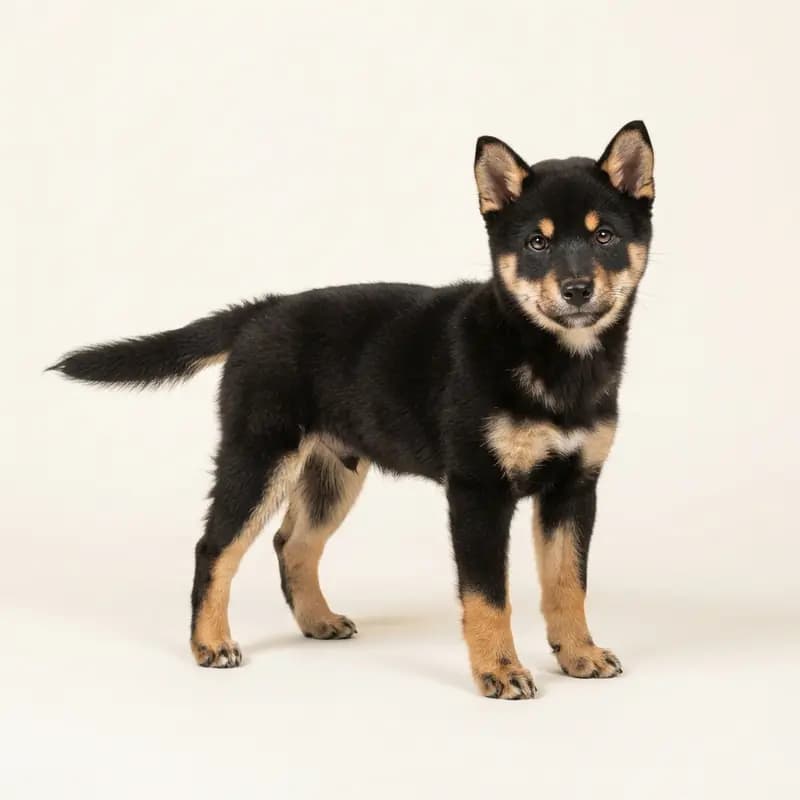
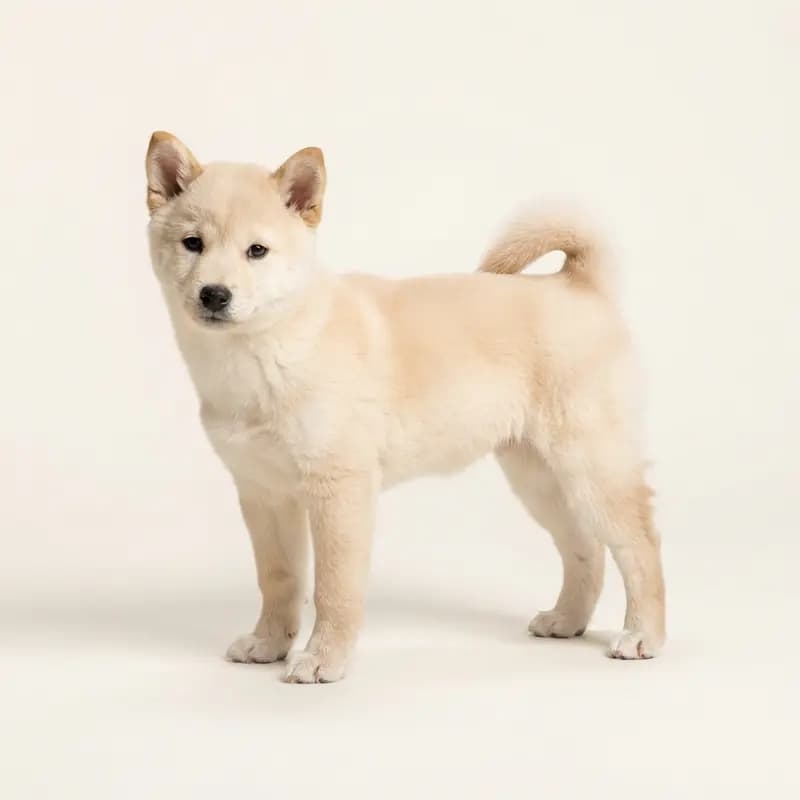
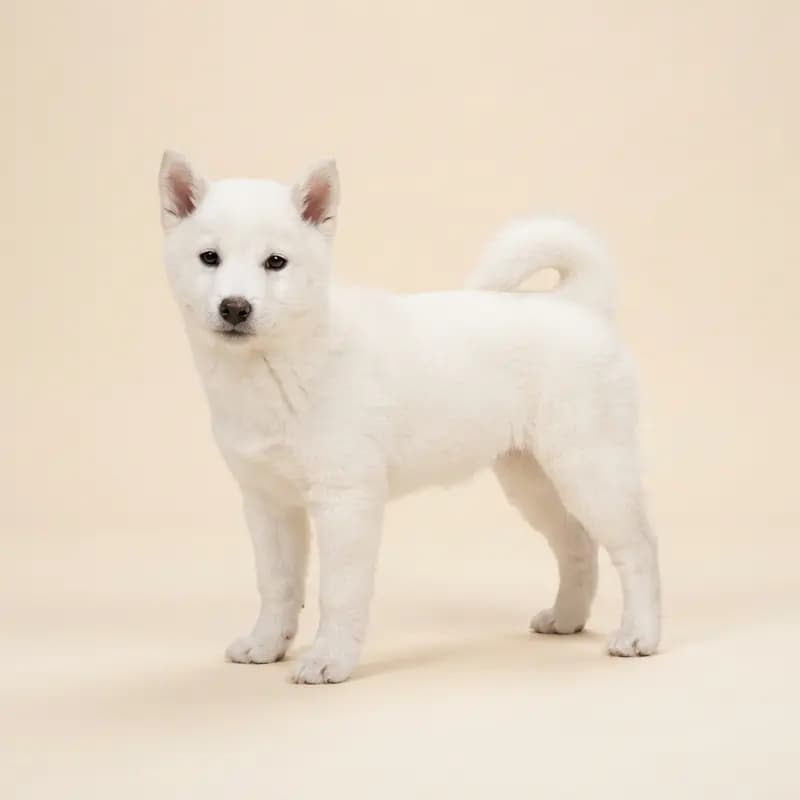
Learning how to train a Shiba Inu requires patience, consistency, and a delicate touch, as this breed is famous for its fierce independence and strong prey drive. This Japanese spitz will not obey blindly; instead, they often question commands. However, if you train using positive reinforcement and motivate them fairly, you can successfully raise this spirited, strong-willed companion.
| Trait | Rating for the Shiba Inu |
|---|---|
| Trainability | Moderate (2 out of 5) – requires plenty of motivation |
| Motivation | Often food-motivated, but questions the point of repetitive tasks |
| Common Challenges | Recall around prey, dog tolerance, frustration tolerance |
| Suitable for Beginners | Conditionally – demands commitment to learning and calm, clear leadership |
Why Is Shiba Inu Training Often Considered Difficult?
When people research this breed, they frequently ask whether training a Shiba Inu is difficult. The answer lies in their genetics and historical purpose. The Shiba Inu belongs to FCI Group 5 (Spitz and primitive types). Bred in Japan's mountainous regions to hunt small game and birds, these dogs had to make independent decisions far from the direct guidance of the hunter.
That independence remains deeply ingrained in the breed's character today. When given a cue, a Shiba Inu often subconsciously asks, "Why?" While a herding dog like the Border Collie thrives on working collaboratively with their handler, a Shiba weighs up whether cooperating is worthwhile at that exact moment. That doesn't mean they aren't smart—quite the opposite. They grasp new cues remarkably quickly. As highlighted in the Shiba Inu breed profile, the real challenge lies in motivation.
Training a Shiba Inu therefore requires a shift in mindset. Pressure, coercion, or harsh corrections usually trigger stubborn shutdown or defensive pushback in this proud breed. According to the official FCI breed standard for the Shiba Inu, the breed is defined by loyalty, keen perception, and alertness. Blind obedience is simply not in their DNA. Successful training relies on mutual respect, clear daily structure, and high-value rewards the dog genuinely wants to work for—typically irresistible treats or a favorite toy.
Raising a Shiba Inu Puppy: The Vital Early Weeks
The first few months lay the foundation for your entire life together. If you're raising a Shiba Inu puppy, you should make the most of the critical socialization window up to 16 weeks of age.
Socialization and Environmental Exposure
Shiba Inus are naturally reserved toward strangers, and their tolerance of other dogs is often somewhat limited. It's crucial to introduce your puppy gently and gradually to different people, dogs, sounds, and novel environments. Remember: your pup doesn't need to be petted by every stranger or play with every unfamiliar dog. The goal of socialization is teaching your dog to remain calm and neutral around new stimuli, without reacting out of fear or aggression.
House-Training a Shiba Inu
Owners are usually in luck here. Shiba Inus are exceptionally clean dogs whose grooming habits often mirror those of cats. Many breeders note that puppies attempt to eliminate outside the whelping box from an early age. If you take your puppy outdoors consistently after sleeping, eating, and playing, house-training is typically resolved within just a few weeks.
Bite Inhibition and Cooperative Care
Like all puppies, Shibas explore the world with their teeth. A gentle yet firm pause in play whenever sharp teeth touch human skin teaches essential bite inhibition. At the same time, begin cooperative care (medical training) right away. Adult Shibas are notorious for resisting paw handling, nail trims, and ear checks if they haven't been desensitized early on. Practice holding their paws gently for a few seconds every day, rewarding calm cooperation immediately.
Training Roadmap: From Puppy to Adult Dog
Training evolves across distinct developmental phases. The table below outlines which skills to focus on at each stage.
| Age | Training Focus |
|---|---|
| 8–16 Weeks | House-training, building engagement, bite inhibition, positive environmental socialization, cooperative care (handling paws), learning their name. |
| 4–6 Months | Basic obedience cues (sit, down, recall with low distractions), loose-leash walking, frustration tolerance (waiting for food). |
| Adolescence (around 7+ months) | Reinforcing fundamentals. Consistency is crucial here as boundaries are tested. Focus on long-line training as prey drive emerges. |
| Adulthood (around 2+ years) | Mental enrichment, impulse control around wildlife, proofing basic obedience. Personality is now fully mature. |
Building Basic Obedience Cues
Core obedience includes fundamental cues like sit, down, stay, and recall. When working with a Shiba Inu, keep a few breed-specific nuances in mind so sessions don't turn into a battle of wills.
Sit, Down, and Stay
Shibas often grasp these cues in record time. The issue isn't comprehension; it's repetition. If you ask a Shiba to sit ten times in a row, by the fourth repetition they will likely lie down or simply walk away. Keep training sessions short—two to three minutes at most. Always end on a positive note before your dog loses interest, and rotate your rewards between premium cheese, a quick game of tug, or enthusiastic verbal praise.
Loose-Leash Walking
The Shiba Inu possesses a strong sense of purpose, which frequently shows up on walks. If they want to head in a different direction, they may plant all four paws and refuse to budge—the classic "Shiba anchor." When this happens, avoid jerking the leash. Stand still calmly, wait it out, or turn away to make moving in your direction engaging again. Loose-leash walking requires patience. Mark and reward every voluntary check-in while walking on a slack leash.
A Reliable Recall
Recall is the most critical and challenging cue when training a Shiba Inu. Between their hunting instinct and natural autonomy, your dog will weigh their options: is the scent of a mouse in the hedge more exciting than whatever my human has to offer? Proof your recall over several months using a long line. In the beginning, only call your dog when you are certain they will respond. Reward every return like a jackpot with the highest-value treats available. It's also wise to condition an emergency recall whistle or a dedicated cue word for high-distraction emergencies.
Common Breed-Specific Challenges
Bringing a Shiba into your life means understanding unique behavioral tendencies that call for thoughtful daily management.
Prey Drive
Many owners underestimate just how strong a Shiba Inu's prey drive can be. Despite their compact, fox-like appearance, they are serious hunters. Fast-moving triggers like bolting rabbits or flushing birds instantly activate their chase instinct. Impulse control training is non-negotiable. If your dog does not have a 100% reliable recall, keep them securely leashed in wildlife-dense areas to protect local fauna and keep your dog safe.
Resource Guarding
Shibas are prone to claiming high-value items, whether it's their food bowl, a favorite chew, or a cozy spot on the sofa. If your dog growls when you approach, never punish them. Growling is vital communication and a polite warning. Instead, practice trading: offer an even better reward (such as a piece of chicken or sausage) so they willingly give up the item. This teaches them that your approach brings good things, preventing possessiveness from escalating.
The "Shiba Scream"
A well-known breed trademark is the "Shiba scream"—a piercing, high-pitched vocalization that sounds remarkably like a crying child. Shibas let out this dramatic sound when intensely stressed, frightened, or protesting something they dislike. It frequently occurs during vet visits or nail trims. This makes early cooperative care essential: teach your puppy that staying still during handling leads to positive outcomes.
Advanced Training and Mental Enrichment
A standard walk around the block rarely satisfies this sharp-witted spitz. To keep your Shiba well-rounded, mental enrichment is just as important as physical exercise. A dog whose brain is engaged is far calmer and more cooperative at home.
- Scent Work: Shibas possess remarkable olfactory skills. Nose work, trailing, and target-odor searches are fantastic outlets. These scent games demand focus and provide deep mental satisfaction.
- Trick Training: Learning clever tricks strengthens the bond between you and your dog. Many Shibas are remarkably nimble and love challenges that involve balancing or using their front paws.
- Agility: Some Shibas enjoy agility courses, provided the drills stay engaging and aren't run on mindless repeat. It boosts their confidence and sharpens teamwork.
Strike a balanced routine. One or two dedicated scent work sessions a week are plenty. On other days, let your dog simply enjoy being a dog, taking in the world on relaxed decompression walks.
Mistakes to Avoid When Training a Shiba Inu
Primitive breeds are far less forgiving of training missteps than typical companion breeds. Certain approaches will backfire completely with a Shiba Inu.
Attempting to enforce obedience through physical force or harsh intimidation is both ineffective and damaging. In line with modern behavioral science and animal welfare legislation, aversive tools and methods that inflict pain or fear have no place in training. A Shiba Inu treated unfairly remembers it. They frequently respond to harshness by shutting down, refusing to engage, or defending themselves. Once broken, the trust essential for training is extraordinarily difficult to rebuild.
Another frequent pitfall is poor environmental management. If you know your dog loves chasing joggers, leash them before the runner draws near. Allowing your dog to repeat self-rewarding habits—like chasing prey—reinforces the behavior every single time. Proactive prevention is a cornerstone of solid training.
Finally, avoid repeating cues constantly. If you call "Come, come, come, here!" while your dog ignores you, they simply learn that your voice is meaningless background noise. Give a cue once clearly. If your dog doesn't respond, the distraction level was too high, or you moved forward without proofing the behavior in easier settings first.
Frequently Asked Questions About Shiba Inu Training
Is a Shiba Inu suitable for first-time owners?
A Shiba Inu can work for dedicated beginners who are eager to study canine body language and positive reinforcement training. However, if you are looking for an eager-to-please dog that forgives training blunders easily, breeds like the Golden Retriever or Bichon Frise are much better matches. Shibas require consistency, deep patience, and a calm, confident handler.
How can I control my Shiba Inu's prey drive?
Predatory drive is deeply wired into their genetics and cannot be completely "trained out." You can, however, channel it effectively. Dedicated long-line training, scanning ahead for wildlife, building impulse control, and conditioning a rock-solid recall or emergency stop cue are essential. Alternative outlets, such as searching for hidden dummy bags or flirt pole play, help redirect that drive productively.
Why is my Shiba Inu so stubborn?
What people often label as stubbornness is actually high intelligence paired with independence. A Shiba Inu always assesses whether a task makes sense to them. If they ignore a cue, it usually means the motivation is lacking (the reward isn't appealing enough), the purpose is unclear, or environmental distractions are overwhelming. Engaging training setups and top-tier rewards quickly resolve this supposed stubbornness.
Can a Shiba Inu be left alone at home?
Yes, but it must be introduced gradually. Although Shibas are independent thinkers, they form strong attachments to their families. If left alone for long stretches without step-by-step conditioning, they can develop separation anxiety. Begin during puppyhood by stepping away for just a few seconds, gradually building up to minutes, and eventually a few hours.
Training a Shiba Inu is a journey that demands time, empathy, and a healthy sense of humor. These dogs carry a distinct personality that should never be broken, but rather guided with skill. When you learn to read their subtle body language and treat them with fairness, your Shiba will reward you with deep, unwavering devotion. Explore HonestDog.de for more in-depth breed guides and reliable insights to prepare you for life with your new four-legged companion.