
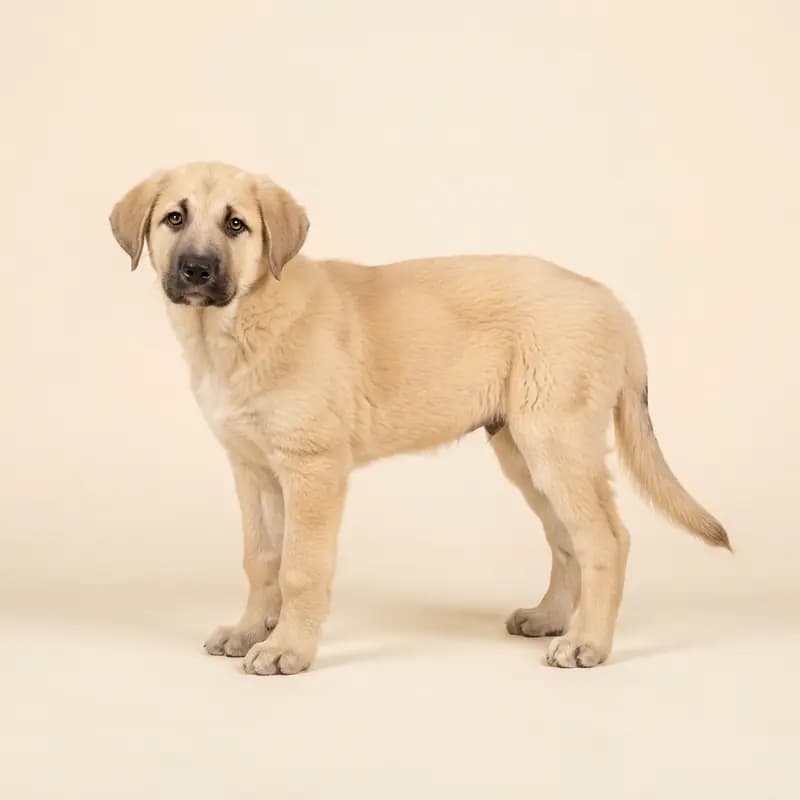
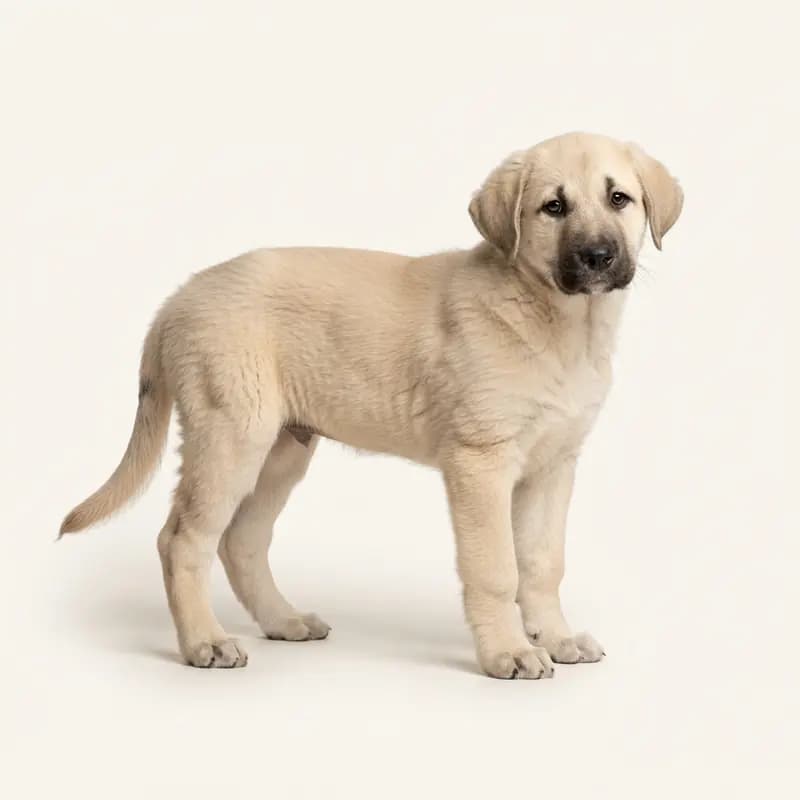
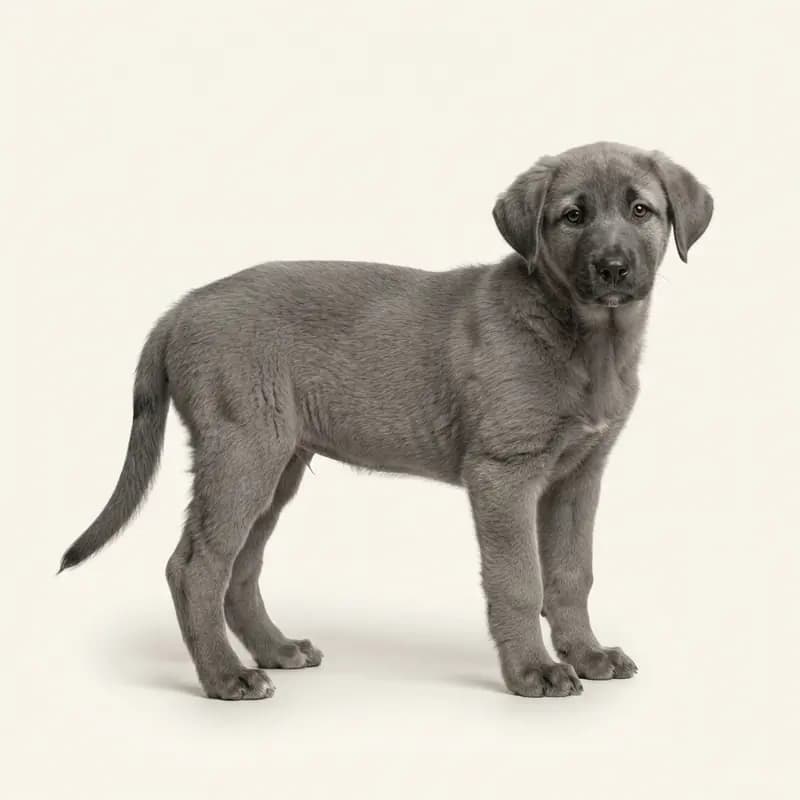
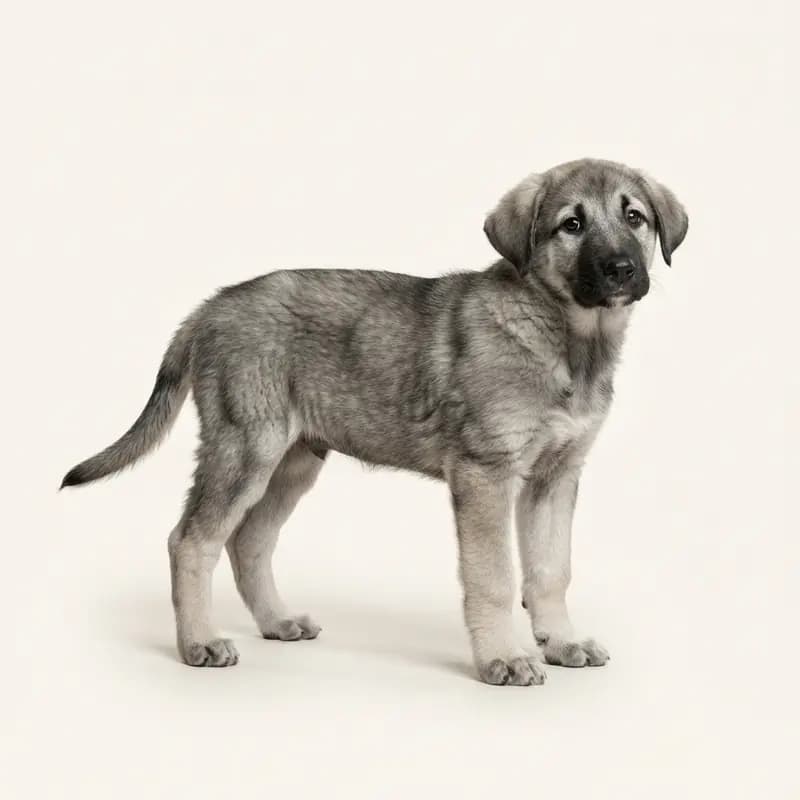
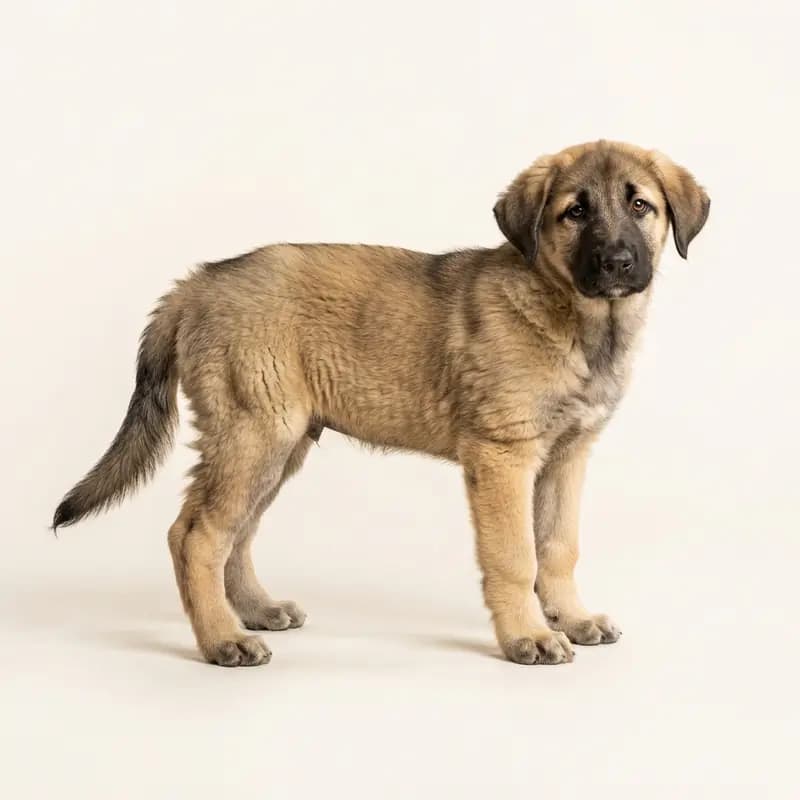

Effective kangal dog training demands a high level of consistency, patience, and expertise, as these Anatolian livestock guardian dogs were bred to make decisions entirely independently. Due to their deeply ingrained protective and territorial drives, they won't submit blindly; they require calm, trustworthy, and sovereign leadership. Consequently, this breed is not suitable for novice dog owners.
| Training Trait | Expression in the Kangal |
|---|---|
| Trainability | Demanding – requires immense patience and genuine persuasion |
| Motivation | Cooperation through bond and purpose, rarely pure "will to please" |
| Typical Challenges | Territorial aggression, leash reactivity, ignoring repetitive cues |
| Suitable for Beginners | No – requires extensive experience reading canine body language |
The Kangal as a Learner: Independent and Decisive
To understand why training a Kangal Shepherd Dog can be challenging, you have to look at the breed's ancestral roots. For centuries, these dogs worked across the rugged expanses of Turkey, safeguarding flocks of sheep from apex predators like wolves, bears, and jackals. Shepherds were often out of sight for days at a time. The dog had to assess the surroundings independently, evaluate threats, and take immediate action—using uncompromising force if necessary.
This genetic blueprint shapes the Kangal to this day. If you ask him to sit on cue while an unfamiliar dog walks along the fence, your Kangal will weigh his options: Is sitting really the smartest choice right now, or should I secure the perimeter? If you expect a dog that anticipates your every wish, this breed will quickly leave you frustrated. If you want to dive deeper into the physical and behavioral traits of this majestic guardian, our detailed Kangal breed profile covers all essential data regarding size, life expectancy, and care.
According to the official Fédération Cynologique Internationale (FCI) breed standard, the Kangal Shepherd Dog is defined as steady, courageous, and independent. Around family, they are gentle and deeply loyal, but naturally suspicious and reserved toward strangers. That inherent reserve makes training a Kangal a nuanced task that must always rest on mutual respect, never on physical force or intimidation.
The First Months: Raising a Kangal Puppy
When raising a Kangal puppy, the first 16 weeks build the foundation for your entire future together. Because this fluffy pup will soon mature into a powerful 130-pound giant, early training leaves far less room for error than it does with a companion breed.
Socialization as the Core Foundation
The early socialization window determines what your Kangal will view as normal and harmless throughout life. Anything introduced positively during this period won't register as a threat to drive away later on. Expose your puppy to varied walking surfaces, people of all ages, different dog breeds, everyday household noises, and gentle vet visits. The goal isn't to let every stranger pet him; it's to teach your pup to stay neutral around novel stimuli and look to you for guidance.
House-Training and Bite Inhibition
Like any puppy, a young Kangal must learn to do his business outside. Because livestock guardians possess intense environmental awareness, puppies are easily distracted outdoors. Give your pup ample quiet time in the yard or on a grass patch right after sleeping, playing, and eating so he can relax enough to relieve himself.
Teaching bite inhibition is crucial for a dog that will develop immense jaw strength as an adult. Whenever your puppy bites too hard during play, stop the interaction immediately. A short, sharp "Ouch" followed by a few seconds of disengagement teaches the pup that rough mouthing brings all the fun to an instant halt.
Developmental Roadmap: Stages of Kangal Growth
Livestock guardian breeds are late bloomers. They often take nearly three full years to reach physical, emotional, and social maturity. Your training plan needs to mirror this gradual development.
| Age | Training Priority |
|---|---|
| 8–16 Weeks | Bonding, environmental socialization, bite inhibition, house-training, settling exercises. |
| 4–6 Months | Solidifying loose-leash walking, recall foundations, impulse control, place training. |
| Adolescence (7+ Months) | Fair leadership, managing the emerging guardian drive, calm greeting protocols. |
| Adulthood (3+ Years) | Maintenance training, absolute day-to-day reliability, maintaining household structure. |
Everyday Cues: Practical Kangal Training
Basics like sit, down, and stay are helpful in daily life, but they must be taught within the right context. Since Kangals rarely tolerate drill-style repetitions, keep sessions short and woven naturally into your regular routine.
The Challenge of Loose-Leash Walking
A full-grown male Kangal can stand over 30 inches tall at the shoulder and easily weigh more than 130 pounds. If this dog decides to lunge forward, few handlers can physically hold him back with raw strength alone. Loose-leash manners must be ironclad before your dog reaches full size. Reward him early with positive reinforcement whenever the leash hangs slack. Stop dead in your tracks or change direction the second you feel tension. A properly fitted Y-harness protects the dog's cervical spine and provides balanced, secure handling.
Building a Dependable Recall
Proofing a reliable recall with a livestock guardian dog is an advanced art. When a Kangal spots a perceived threat in the distance, tunnel vision kicks in. The secret lies in building the cue gradually on a long line, calling him only when you're confident he will respond. Pay out high-value rewards every single time—whether that's premium meat treats or calm, genuine praise. The payoff has to be worth leaving his sentry post.
Breed-Specific Challenges in Kangal Training
Living with a Kangal means managing behaviors deeply hardwired by centuries of selective breeding. Experts consistently stress that livestock guardians carry a powerful sense of territory and require secure, robustly fenced properties to prevent roaming and conflict.
Territorial Behavior and Barking
Kangals actively announce any shifts in their territory. Barking is their way of saying, "I see you—don't come any closer." Completely extinguishing this vocal alert isn't realistic or fair to the breed's nature. Instead, teach your dog that after one or two alert barks, he can step down and let you take over. When your dog barks, walk up calmly, look in the same direction, and signal both verbally and through relaxed body language (such as a soft "All good, I've got this") that everything is under control.
Handling Visitors
To an untrained Kangal, visitors stepping onto the property look like intruders. Establish a clear, structured greeting routine from early puppyhood. Teach your dog to go to a designated place—like a mat in an adjoining room—and settle there until you've welcomed your guests and released him. For highly territorial dogs, a basket muzzle or leash management during the first few minutes of an arrival provides a smart, sensible safety layer.
Advanced Enrichment: How to Keep a Kangal Fulfilled
Traditional dog sports like agility, flyball, or IGP protection work aren't suited to the Kangal's build or psychology. Fast-paced, twisting movements put undue stress on their heavy joints, and an Anatolian guardian sees little point in chasing plastic toys or retrieving dummies.
Instead, choose activities that match their calm, analytical nature. Scent work is exceptional for mental stimulation. Tracking and mantrailing (trailing human scent) tap into your dog's brainpower while strengthening trust and teamwork with you. Long, structured decompression walks in quiet natural areas, allowing plenty of time to sniff and read the local "pee-mail," cater perfectly to their measured yet tireless pace.
Common Pitfalls to Avoid in Kangal Training
Faced with such an imposing dog, some handlers turn to heavy-handed tactics that inevitably backfire with this breed.
- Harshness and Force: Livestock guardians shut down or push back hard against physical punishment, yelling, or outdated techniques like "alpha rolls." They will either break down mentally or defend themselves. You earn a Kangal's respect through calm poise, not volume.
- Unclear House Rules: A Kangal needs clean boundaries inside the home. Are dogs allowed on furniture? Who initiates play? If you leave all household decisions to your dog, he will naturally assume the security role outside as well.
- Drilling and Pressure: Repeat a cue ten times in a row, and a Kangal will simply walk away on the eleventh. Train with concise, meaningful, and calm directions.
- Social Isolation: Despite their independent streak, Kangals struggle immensely if relegated to an isolated yard or kennel away from their people. A strong family bond is the essential prerequisite for any successful training.
Frequently Asked Questions
Is a Kangal hard to train?
Yes. Compared to traditional herding or companion dogs, training a Kangal is significantly more demanding. They lack a built-in desire to please and will evaluate whether an instruction makes practical sense. Their guardian instincts require confident, steady, and proactive leadership from an experienced handler from day one.
When do Kangals develop their protective drive?
Subtle territorial behaviors often appear between 6 and 8 months of age. However, their true, formidable guarding instinct typically awakens during adolescence and fully solidifies between 18 and 36 months. Handlers must stay exceptionally proactive and forward-thinking during this transition.
Can a Kangal live in an apartment?
No, apartment life in an urban environment is entirely unsuited to this breed. Kangals need a spacious, rural or semi-rural setting with a securely fenced yard where they can fulfill their instinct to watch and observe. The close quarters of city living and constant hallway traffic cause chronic stress for these guardians.
What rewards work best for a Kangal?
While retrievers might work endlessly for a ball or kibble, Kangals operate differently. High-value food works well in puppyhood, but as they mature, clear purpose, structured teamwork, and genuine social approval become far more rewarding. They gladly work with you once they respect you as a steady, capable decision-maker.
Calm Leadership for a Lifetime
Training a Kangal is an endurance marathon, not a sprint. It has little to do with flashy obedience tricks and everything to do with establishing clear day-to-day boundaries and deep reciprocal trust. When you embrace this livestock guardian's independent mind, guide his protective nature fairly, and stay consistently level-headed, you'll earn a fiercely loyal, incorruptible companion for life.
Bringing this magnificent breed home is a life-changing decision that deserves careful reflection. To deepen your understanding of canine behavior, breed-specific needs, and welfare standards across different breeds, HonestDog offers comprehensive profiles and expert guidance. Explore the platform to find the right path forward for you and your future four-legged partner.