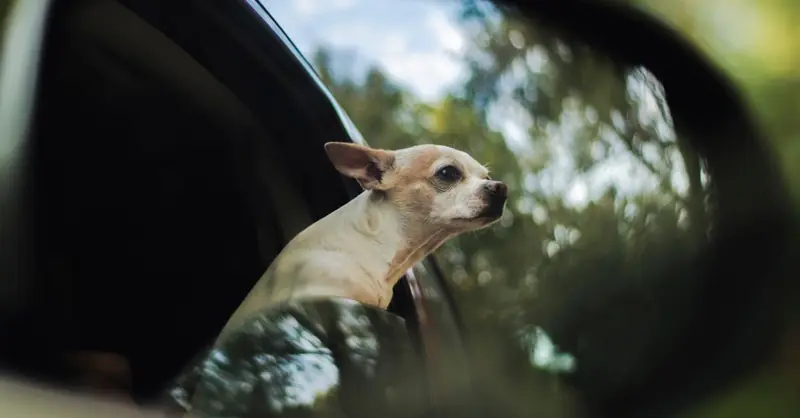
When traveling with a dog for a short break, a stress-free trip works best if driving time stays under 2 to 4 hours, your lodging is on the ground floor or reachable by elevator, and familiar routines are preserved. For a long weekend, about 3 to 7 days of preparation is plenty, provided vaccinations, pet passports, and dog-friendly amenities have been verified in advance.
| Factor | Recommendation for a Short Dog Trip |
|---|---|
| Ideal trip duration | 2 to 4 nights (extended weekend) |
| Maximum driving time | 2 to 4 hours each way (breaks every 2 hours) |
| Planning lead time | Approx. 1 to 2 weeks (at least 4 weeks for international trips due to vaccination rules) |
| Suitable dog age | From approx. 5 to 6 months (cross-border travel only legally possible from 15 weeks) |
| Best accommodation type | Holiday home with a securely fenced garden or a quiet country hotel |
How Do You Plan a Short Trip with Your Dog Step by Step?
Because a short break only lasts a few days, there is little time for a long adjustment period. Dogs do not realize a change of scenery is meant for relaxation—to them, travel initially means a barrage of new scents, unfamiliar noises, and losing their known territory. A structured approach ensures your canine companion feels safe from day one.
-
Choose a destination suited to your dog's needs
Why: A bustling city trip or an exclusive spa weekend often leaves your dog waiting alone in a room or overwhelmed by crowds.
How: Pick nature-rich locations within a drive of 3 to 4 hours maximum. As the German Animal Welfare Federation (Deutscher Tierschutzbund) points out, short drives without the risk of southern travel diseases are ideal for shared recovery. Consider the season: in midsummer, shaded mountain forests or lake districts are far better than scorching sand beaches. -
Check the accommodation for genuine dog-friendliness
Why: A "pets allowed" label on booking portals often only means dogs are tolerated for a fee. Steep spiral stairs, slippery hardwood floors, or a lack of nearby relief spots can quickly become stressful once you arrive.
How: Before booking, ask specifically how many dogs are permitted, what nightly fee applies, and which areas (such as dining rooms or patio terraces) are off-limits. For rentals boasting a "fenced garden," ask about fence height and whether the property is fully escape-proof. -
Verify health records, documents, and microchip registration
Why: Even a quick weekend trip across the border into Austria, the Netherlands, or Denmark requires strict EU entry compliance. Plus, dogs can spook and bolt more easily in unfamiliar environments.
How: Check the blue EU pet passport for a valid rabies vaccination (the primary shot must have been given at least 21 days prior). Make sure your dog's 15-digit microchip number is registered with your current mobile phone number in pet registries like FINDEFIX or with TASSO e.V. Save the address and phone number of a local vet and an emergency veterinary clinic at your destination on your phone beforehand. -
Pack familiar gear and complete food supplies
Why: An abrupt diet switch combined with travel excitement easily triggers an upset stomach and diarrhea. A completely strange bed also makes winding down on the first night difficult.
How: Bring the exact amount of your dog's regular food plus 2 to 3 days of extra rations. Pack an unwashed blanket or bed from home—its familiar scent signals a safe sanctuary in an unfamiliar hotel room or holiday rental. -
Keep the drive relaxed and easy on the stomach
Why: A full stomach on winding roads can trigger motion sickness, while a lack of exercise beforehand leads to restlessness in the car.
How: Feed their last meal about 2 to 4 hours before departure. Take a long walk right before leaving so your dog can relieve themselves and burn off excess energy. Take breaks roughly every 2 hours in quiet spots away from busy highway rest stops, offer fresh water, and always secure your dog with a crash-tested travel crate or safety harness. -
Settle in calmly upon arrival
Why: Both humans and dogs are often tense after driving. Bringing your dog straight into a new room and leaving them alone immediately increases the risk of barking, whining, or destructive behavior.
How: Take a brief 15 to 20-minute sniff walk around the accommodation before checking in, allowing your dog to explore and relieve themselves. Set up their bed and water bowl in a quiet, draft-free spot inside the room first, well before you start unpacking your own luggage.
What Is the Ideal Schedule Based on Age and Travel Experience?
Not every dog handles a change of scenery equally well. While an easygoing, mature companion like a balanced Golden Retriever or a well-traveled Labrador Retriever might snooze within minutes of arriving, very young, senior, or anxious dogs need a gentler pace. If you are still figuring out which dog fits your mobile lifestyle, our breed selector can help you evaluate different personality profiles.
| Life Stage / Experience | Recommended Duration & Drive | Key Considerations for Short Trips |
|---|---|---|
| Puppies (under 5 months) | No classic holidays; day trips only | Focus should be on housetraining and bonding at home; international travel under 15 weeks is legally prohibited due to lack of rabies immunity. |
| Adolescent dogs (approx. 6–12 months) | 1 to 2 nights, max. 1.5 to 2 hours drive | Great practice for future trips; keep itineraries light to prevent sensory overload; a long training lead is essential in strange areas. |
| Adult, healthy dogs | 2 to 4 nights, up to 4 hours drive | Ideal stage for hiking or beach weekenders; keep regular daily routines (meal times, quiet hours) as steady as possible. |
| Seniors & dogs with special needs | Depends on daily condition, short drives | Accessible lodging (ground floor or elevator) is mandatory; pack an orthopedic travel bed and daily medications; choose mild weather. |
| Rescue dogs (recently adopted) | Earliest after 3 to 6 months of settling in | Changing locations too early can trigger separation anxiety; double-leash with an escape-proof harness on early trips and stick to quiet rentals. |
Sample Timeline for a Classic Weekend Itinerary
To keep a short getaway genuinely restorative for both of you, a practical rule of thumb works wonders: schedule zero major outings on travel days. The journey itself, along with exploring a new environment, already gives your dog's brain a thorough mental workout.
- Day 1 (Arrival): Long walk at home, relaxed drive with breaks, quick relief walk on site, check in, feed at the usual time, quiet evening in your lodging.
- Days 2 & 3 (Stay): One substantial activity in the morning (e.g., a hike or beach visit), an extended midday rest at the rental, followed by a shorter stroll in the late afternoon.
- Day 4 (Departure): Morning walk, pack your bags (put the dog blanket in the car last), drive home.
What Packing Checklist Do You Need for a Short Trip with a Dog?
During a short 2- or 3-day getaway, it is tempting to pack light on a whim. But if you find yourself stranded in the countryside on a Sunday evening without specialty food or a tick remover, minor hiccups turn into major hassles fast.
Documents and Safety
- Blue EU pet passport with valid vaccination records (helpful domestically too in case you need an emergency vet)
- Proof of dog liability insurance (printed or stored on your phone; many hosts require this)
- Well-fitted harness and standard collar with registration tags (or an ID tag showing your mobile number with country code)
- Standard leash (approx. 2 meters), a backup leash, and a long training lead (5 to 10 meters) for wildlife areas or leash-mandated zones
- Proper, well-ventilated basket muzzle (mandatory on many cable cars, ferries, and regional public transit lines across Europe)
Daily Care and Accommodation
- Usual dog food (pre-measured for all days plus safety reserves) and familiar chews to encourage calm licking and chewing
- Food and water bowls, plus a collapsible travel bowl and water bottle for hikes
- Familiar sleeping blanket or travel bed
- Several old towels or microfiber cloths (to dry wet paws and bellies before entering the room)
- Bed sheet or large throw blanket (to protect sofas and armchairs in rental properties from dog hair)
- Plenty of poop bags
Compact Travel First-Aid Kit
- Tick remover tool or tick hook
- Pet-safe wound antiseptic spray (non-stinging) and bandages for pad cuts
- Gentle remedy for acute travel diarrhea (e.g., electrolytes or veterinary-approved activated charcoal, discussed with your vet beforehand)
- Paw balm or dog boots (for rocky alpine paths or road salt in winter)
- All regular prescription medications
What Common Mistakes Happen on Dog Getaways—and What Should You Do Instead?
Most problems while vacationing with dogs don't stem from poor intentions, but from expecting dogs to enjoy human ideas of leisure. Knowing the classic pitfalls saves both of you needless friction.
Mistake 1: Leaving your dog alone in a strange room right away
Even a dog that easily rests alone at home for 4 hours can panic in a foreign hotel room. They don't recognize hallway noises and have no reassurance you will return to this unfamiliar place.
What to do instead: Try not to leave your dog alone in the accommodation at all during a quick getaway. Pick restaurants where dogs are welcome, or rent an apartment where you can cook together. If they must wait briefly during breakfast, train them at home beforehand to view a foldable travel crate as a safe retreat, give them a long-lasting chew or stuffed lick mat, and always hang the "Do Not Disturb" sign on the door so housekeeping does not walk in unexpectedly.
Mistake 2: Overcrowded itineraries and physical exhaustion
When escaping to the mountains or the coast for 3 days, people often want to maximize every hour. But for a dog accustomed to 1-hour neighborhood walks on flat ground, a sudden 6-hour mountain trek over jagged rocks leads straight to sore muscles, shredded pads, and mental fatigue. Flat-faced (brachycephalic) breeds like the Pug or French Bulldog face life-threatening respiratory distress under heavy exertion and warmth.
What to do instead: Match trail lengths to your dog's actual baseline fitness. Build in clear periods of downtime—dogs need 16 to 20 hours of rest and sleep each day, especially when processing so many new sights and smells.
Mistake 3: Overlooking local laws, breed regulations, and leash mandates
A short trip can easily cross state or national borders. What is permitted at home might result in steep fines or serious trouble just 2 hours down the road. In many German federal states, strict seasonal leash laws apply in spring (typically March/April through July) during wildlife breeding and nesting periods. Neighboring countries like Denmark and France enforce rigid banned-breed lists: specific breeds and mixes cannot enter even for day trips or transit. In Austria and South Tyrol, dogs must remain strictly leashed on alpine pastures near grazing livestock, and muzzles alongside leashes are mandatory across virtually all public transit systems.
What to do instead: Before booking, verify local ordinances on official destination tourism websites or embassy pages, noting seasonal beach restrictions and public transit requirements.
Mistake 4: Blind trust in "fenced" gardens
Property listings frequently advertise an "enclosed garden." Once on site, that might translate to a waist-high hedge with gaps or an open driveway. For dogs with high prey drive like a Beagle or a Dachshund, a minor opening is all it takes to dash off after local wildlife.
What to do instead: Walk the entire perimeter fence yourself upon arrival before unclipping the leash. If you spot weak points, keep your dog secured on a long line and politely let the host know about the gap.
When Should You Seek Veterinary or Professional Help on a Short Trip?
Mild restlessness in the first hours—pacing the room or sniffing intently—is completely normal. However, distinct physical and behavioral signs require immediate action rather than waiting until you get back home.
When to see a local veterinarian immediately
- Persistent diarrhea or vomiting: A single loose stool caused by excitement is harmless. But watery diarrhea lasting over 24 hours, repeated vomiting, blood in the stool, or refusal to drink water poses a rapid dehydration risk, especially for small dogs and seniors.
- Suspected saltwater or freshwater intoxication: During coastal trips, dogs frequently swallow excess saltwater while swimming or chasing balls in the surf. Warning signs include intense thirst, vomiting, diarrhea, uncoordinated gait, lethargy, or muscle tremors. Offer fresh water often and visit a clinic immediately if symptoms develop.
- Signs of overheating (heatstroke): Rapid, shallow panting with an elongated tongue, brick-red or pale gums, stumbling, glassy eyes, and elevated body temperature represent a critical emergency (parked cars can heat to lethal levels within minutes, even in mild spring or autumn weather). Move your dog to the shade immediately, cool their paws and limbs with lukewarm (never ice-cold) water, and drive straight to the nearest veterinary clinic.
- Limber tail syndrome: After vigorous swimming in cold lake or sea water, some dogs let their tails hang limp, show pain when sitting, and flinch when the tail base is touched. This painful muscle inflammation requires prescription anti-inflammatories and pain relief from a vet.
- Contact with algae or hazards: If your dog drinks from stagnant water showing blue-green scums (suspected toxic cyanobacteria/blue-green algae) or ingests washed-up debris on the beach, every minute counts.
When professional training or a boarding facility is the better choice
Sometimes a getaway makes it clear that traveling simply causes an individual dog too much distress. If your dog drools heavily, trembles, and vomits throughout car rides despite prior conditioning, or cannot settle, refuses food, and pants continuously in the rental even with you present, their wellbeing suffers significantly.
In those situations, it is wise to partner with a qualified trainer back home to establish relaxation cues (such as place training on a mat) and rebuild positive associations with the car in small increments. For future sightseeing-heavy weekend trips, arranging for familiar friends to pet-sit at home or booking a reputable boarding facility inspected under § 11 of the Animal Welfare Act (Tierschutzgesetz) is often the fairer choice.
Frequently Asked Questions
Where are the best destinations for a short break with a dog?
Ideal destinations are nature-focused areas within a 2- to 4-hour drive from home. Low mountain ranges like the Harz, Eifel, Sauerland, or Bavarian Forest are popular choices, offering quiet trails and mild temperatures throughout the year. If you prefer water, off-season visits to the North Sea, Baltic Sea, the Netherlands, or the Mecklenburg Lake District provide plenty of designated dog beaches and pet-friendly holiday parks.
How much does a dog cost per night in a hotel or holiday rental?
Most hotels and rentals charge an additional cleaning or pet fee. In a standard hotel or guesthouse, this surcharge typically ranges between 10 and 25 Euro per dog per night, usually excluding food. Holiday rentals often charge either a daily rate of 5 to 15 Euro or a one-off final cleaning fee of about 25 to 50 Euro. Always verify these fees in writing before booking to avoid surprises at checkout.
Is a hotel or a holiday home better for a short dog getaway?
That depends on your dog's temperament and your own travel preferences. A holiday home or apartment with a fenced garden offers far more privacy and freedom: no tight hallways, no unfamiliar dogs at neighboring tables, and no fixed meal schedules. A dedicated dog-friendly hotel shines if you want full catering amenities during a short break and your dog comfortably handles meeting other dogs in lobbies and dining areas.
At what age can a puppy join a short vacation?
You should plan a first small getaway within your home country once your puppy is at least 5 to 6 months old, reliably housetrained, and completely secure in their everyday home routine. For trips across EU borders, a strict legal minimum applies: dogs must have a valid rabies vaccination, which can only be administered from 12 weeks of age and requires 21 days to become effective, meaning puppies must be at least 15 weeks old to travel internationally in the EU.
How can I help my dog settle quickly in a new environment?
Dogs rely heavily on their handlers and familiar scents in new surroundings. Always bring their regular bed or a used, unwashed blanket from home and position it in a quiet corner away from the main door. Keep feeding times and walk routines as consistent as possible. By staying calm yourself, skipping a packed schedule on day one, and offering a long chew to relieve tension, your dog will usually settle into relaxed mode by the very first evening.
A memorable getaway with your dog doesn't require lavish luxury—it simply takes realistic planning, respect for your companion's pace, and time spent together outdoors. If you want to learn more about specific breed temperaments or are looking for a four-legged friend from a responsible breeder, HonestDog provides trusted guidance through verified breeder profiles and expert knowledge.