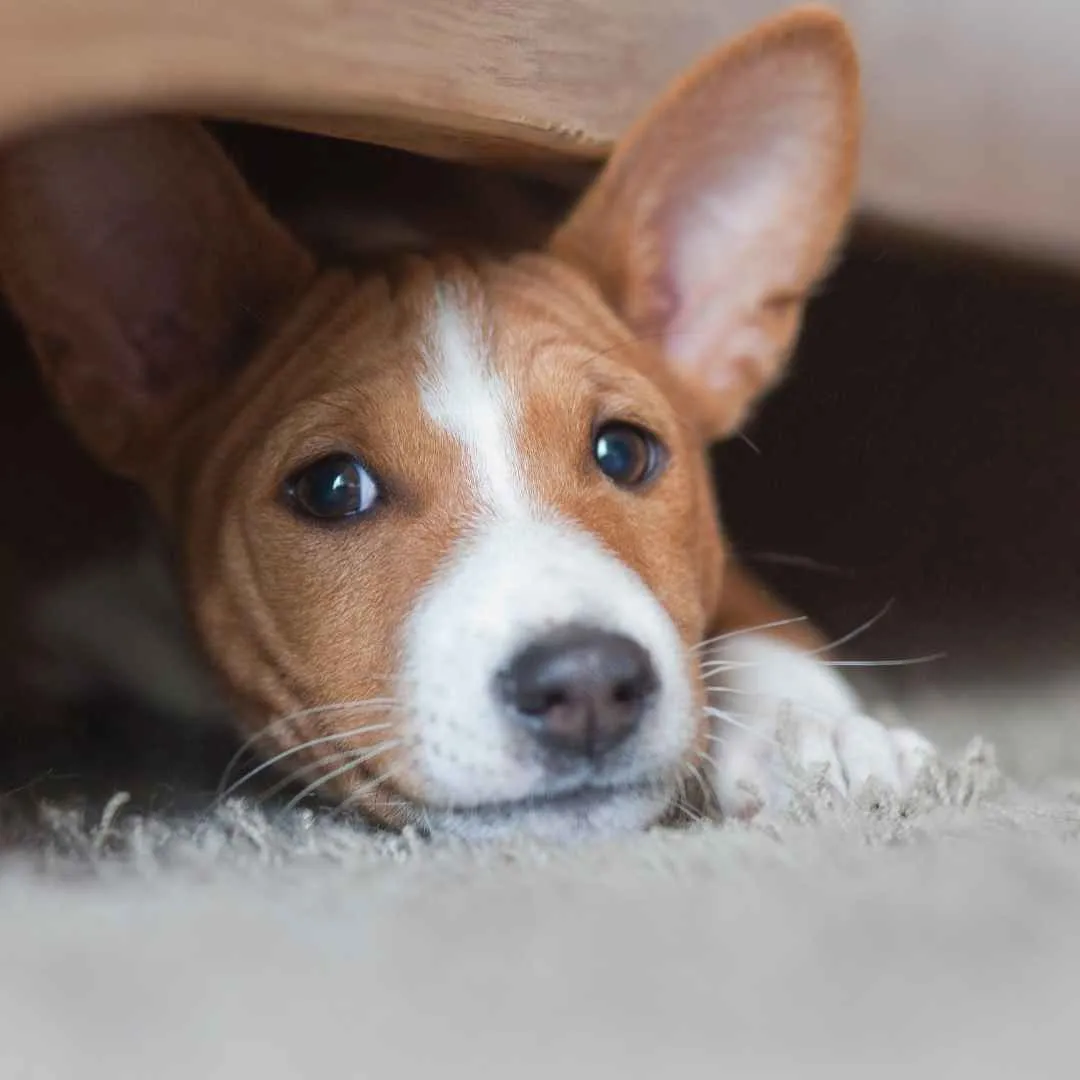
This overview introduces dog breeds that trace their roots back to the African continent or share deep historical ties with it. From hunting companions and guardians to swift sighthounds, each breed features distinct physical traits and temperaments. Alongside indigenous breeds like the Basenji and the Azawakh, common misconceptions surrounding the Pharaoh Hound, the Saluki, and the wild African painted dog also play an important role in understanding their true history.
The Basenji: The "Barkless" Dog from the Congo
Hailing from Central Africa, the Basenji belongs to the Spitz and primitive types (FCI Group 5). A unique laryngeal structure prevents the breed from producing a typical bark; instead, they make sounds often described as chortles or yodels. Basenjis are active, alert, and notably independent thinkers. Their prey drive runs deep, meaning responsible ownership requires solid canine knowledge and consistent leadership.
You'll need to account for their high exercise needs and keen hunting instincts. Due to their tendency to chase both by sight and scent, reliable off-leash exercise is realistically only possible in safely enclosed areas. Patience and a training approach built on positive reinforcement are essential for a harmonious life together.
The African Wild Dog: A Unique Pack Hunter
The African wild dog (Lycaon pictus), also known as the painted dog or cape hunting dog, is neither a domestic dog breed nor a subspecies of the domestic dog (Canis lupus familiaris). It is a distinct, endangered species within the Canidae family. Sporting striking, mottled coats and large, rounded ears, these animals live in complex family packs across sub-Saharan Africa, maintaining intricate social bonds while raising pups and hunting together.
Due to animal welfare, conservation laws, and the species' biology, keeping an African wild dog in a private home is strictly illegal and entirely impossible. These are highly specialized wild predators requiring vast territories. HonestDog firmly distances itself from any attempt to portray wild canids as domestic pets; safeguarding their natural habitat remains the true priority of wildlife conservation.
The Saluki: The Gentle Sighthound
The Saluki (FCI Standard No. 269) is officially classified by the Fédération Cynologique Internationale as originating from the Middle East. While historically kept across adjacent North African regions, it is not an indigenous African breed—unlike traditional North African sighthounds such as the Sloughi or the Azawakh of the Sahel. The Saluki stands out for its stamina, blistering speed, and an affectionate, sensitive disposition indoors.
Alongside close family bonds, Salukis need regular opportunities to run at top speed in safely fenced areas. Because of their intense coursing instincts, managing them requires foresight and genuine experience with sighthounds.
The Pharaoh Hound: A Noble Companion
Despite the popular label "Egyptian Pharaoh Hound," the Pharaoh Hound (Maltese: Kelb tal-Fenek) does not come from Egypt. It is the national dog of Malta. Genetic studies have disproven any direct lineage from the hunting hounds of ancient Egypt; their supposed pharaonic origin is a debunked myth. In Malta, this agile sight-and-scent hunter has traditionally worked hunting rabbits.
Alert, athletic, and friendly, the Pharaoh Hound still requires consistent guidance to keep its keen prey drive manageable. Indoors, they are typically calm and adaptable, provided their physical and mental energy needs are properly met.
The Azawakh: The Sleek Guardian of the Sahel
The Azawakh is an indigenous sighthound native to the Sahel region of West Africa (Mali, Niger, Burkina Faso), where nomadic peoples like the Tuareg have long valued them for coursing game and protecting desert camps. With a lean, dry frame showcasing defined bone and muscle, this breed is masterfully adapted to harsh, arid climates. Hallmark traits include remarkable speed, fierce independence, and strong protective instincts.
Around strangers, the Azawakh remains reserved or aloof, though they form intense, devoted bonds with their inner circle. Welcoming an Azawakh into your life requires a deep appreciation for primitive breeds and access to securely fenced spaces where they can stretch their legs.
Real-World Owner Insights
Case 1: A Family Living with a Pharaoh Hound
When welcoming a Pharaoh Hound, one family of four quickly realized how crucial a predictable balance between exercise and rest truly was. While relaxed and sociable at home, walks in open countryside demanded constant focus and long-line training due to the dog's high prey drive. Daily life became smooth and enjoyable once clear household boundaries were set and predatory chase instincts were redirected through impulse-control and retrieval games.
Case 2: Daily Life with an Active Basenji
Living with a Basenji soon showed another owner that traditional, rigid training methods don't work with such an independent breed. Because Basenjis are not wired for blind obedience, positive reinforcement paired with brief, engaging training sessions delivered the best results. The experience shows that living with primitive breeds requires plenty of patience and respect for their self-directed nature.
Practical Tools for Choosing the Right Breed
📋 Checklist: Which Breed Matches Your Lifestyle? (Save or Print)
- How much time can I realistically set aside each day for walks and physical activity?
- What size and weight can my living space comfortably accommodate?
- How much grooming time and maintenance am I prepared to take on?
- Do I have practical experience training independent or high-drive dogs?
- What specific temperamental traits am I looking for (e.g., high drive, watchdog instincts, sociability)?
📝 Step-by-Step Guide: Researching Your Ideal Dog Breed
- Define your personal lifestyle requirements and what you expect from a companion.
- Research breeds that align with your criteria, paying close attention to original working purposes.
- Connect with recognized breed clubs or reputable breeders to learn about the realities of daily care.
- Talk to experienced owners of the breeds you are considering.
- Make your decision based on verified facts, health testing, and realistic impressions.
📊 Comparison: African and Related Sighthound Breeds
| Breed | Activity Level | Grooming Needs | Social Temperament |
|---|---|---|---|
| Basenji | High | Low to Moderate | Independent |
| Pharaoh Hound | Moderate to High | Low | Friendly & Alert |
| Azawakh | Very High | Low | Protective & Aloof |
Summary: Appreciating African Dog Breeds
Exploring African dog breeds and related sighthounds reveals an impressive range of functional adaptations and distinct temperaments. From ancient primitives like the Basenji to specialized hunters like the Azawakh—as well as breeds often misattributed to the continent, such as the Pharaoh Hound, or wild species like Lycaon pictus—factual distinction matters. Giving these dogs an enriching home requires thorough insight into their original heritage, hunting drive, and specific handling needs.
Frequently Asked Questions (FAQ)
Are African dog breeds suitable for first-time owners?
Most African dog breeds are not ideal for beginners. Basenjis, for example, need experienced handling due to their strong prey drive and pronounced independence. Sighthounds also demand structured outlets for their sprint drive and careful management outdoors. First-time owners are usually better suited to adaptable breeds from reputable breeders after thorough research.
What are the typical size and weight ranges for African breeds?
Sizes vary widely. Basenjis are compact, medium-sized dogs, while sighthounds like the Azawakh are tall, leggy, and lean. The African wild dog is a wild predator that reaches medium-to-large dimensions. Always check the official standard and expected adult size of your chosen breed before making a commitment.
Do any African dog breeds shed minimally?
Coat care varies across breeds. Several African breeds feature short, smooth single coats that shed very little and carry virtually no typical dog odor (such as the Basenji or the smooth-coated Azawakh). Be sure to review each breed's specific grooming routine before bringing a puppy home.
Are African dog breeds prone to specific health issues?
Like all domestic dogs, African breeds can carry certain genetic health risks (such as Fanconi syndrome in Basenjis or cardiac screening needs in sighthounds). It is vital to work with dedicated, health-focused breeders who perform full genetic and health screenings on their breeding stock.
Where can you find an African dog breed responsibly?
You should only acquire an African breed through reputable breed club breeders or dedicated breed rescues. Look for transparent documentation regarding parentage, health clearances, and early socialization. Steer clear of unverified online listings and commercial puppy mills.
How much does it cost to keep an African dog breed?
Ongoing maintenance costs depend on your dog's size, dietary requirements, and routine veterinary needs. Beyond the initial purchase price or adoption fee, plan your monthly budget around high-quality food, veterinary check-ups, training classes, quality gear, and pet health insurance.
What care requirements do African wild dogs have?
African wild dogs are not domestic animals and cannot and must not be kept as pets. As a protected, endangered wild species, they need vast ecosystems and intact pack structures to survive. Keeping them privately is both illegal and harmful to conservation efforts.
Do African dog breeds need a specialized diet?
Nutritional needs depend on your dog's age, body condition, and daily activity. A balanced, complete diet tailored to their metabolic rate is key. Lean, active sighthounds and energetic primitive breeds may require diets that accommodate higher caloric burn during active seasons.