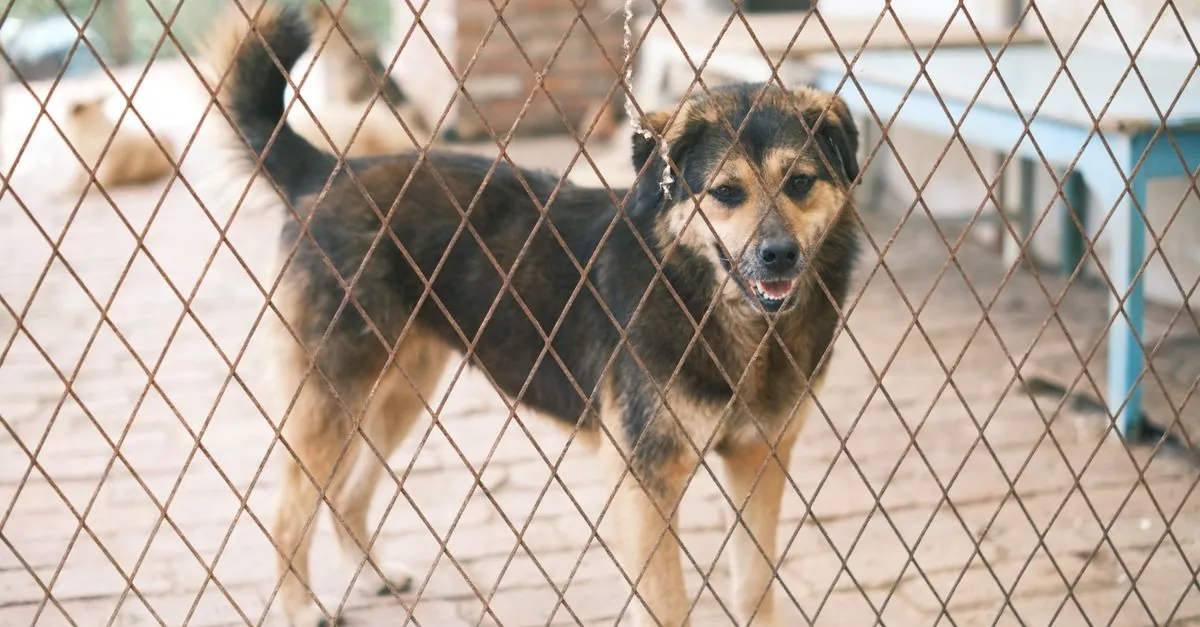
It's a drastic step that represents a catastrophe for both animal welfare advocates and the animals themselves: an increasing number of animal shelters in Germany are issuing official intake freezes in July 2026. Right now, during the peak of the summer vacation season, facilities are facing total collapse. Kennels are full, quarantine stations are overcrowded, and staff have been working far beyond their limits for a long time. However, the current crisis is not a sudden phenomenon, but rather the result of years of development that is now reaching its sad peak.
As a dog owner or prospective dog owner, you might be wondering how things could reach this point. In this article, we take a data-driven look at the causes behind the overcrowding, analyze the political framework of 2026, and show why well-founded education is more important than ever.
The Current Situation: Summer Vacation 2026 as a Catalyst
The stark figures from the German Animal Welfare Federation (Deutscher Tierschutzbund) speak for themselves: around 49 percent of animal shelters in Germany are currently fully occupied or even overflowing. Every year, German shelters take in roughly 350,000 new animals—a logistical and financial mammoth task that is now grinding to a halt.
The situation is proving particularly dramatic in July 2026 in federal states such as Bremen and Lower Saxony. Shortly before the vacations, major shelters there had to impose complete intake freezes. This means that even stray animals or pets from official confiscations can often only be rescued using absolute emergency capacities or by being distributed to other facilities that are already full. The Munich animal shelter also recently had to pull the emergency brake temporarily due to a lack of space and strict quarantine regulations.
Data-Driven Cause Analysis: Why Shelters Are Capitulating
The reasons for the massive intake freezes in animal shelters are multifaceted. Experts primarily blame three main factors for the escalation in 2026:
1. Financial Hardship and the Missing 2026 Federal Budget
A central trigger for the current resignation in animal welfare is political in nature. Although financial aid for shelters was promised in the coalition agreement, the 2026 federal budget does not include corresponding funding for practical animal welfare. The backlog of investment in German shelters is estimated at around 160 million euros. Dilapidated buildings, exploding energy costs, and higher personnel expenses due to the increased minimum wage are squeezing the life out of shelters, which are mostly run by associations. This political disappointment led to a historic step in May 2026: the German Animal Welfare Federation filed a class action lawsuit against the Federal Republic to legally demand financial support for animal protection, which is enshrined as a national objective in the German Basic Law.
2. The Aftermath of the Veterinary Fee Schedule (GOT) and Inflation
The new veterinary fee schedule (GOT), which came into force in 2023, is showing its full, bitter impact in 2026. The costs for veterinary treatments have risen massively. For many lower-income pet owners, surgeries or chronic illnesses in their pets are simply no longer affordable. The consequence: an increasing number of dogs and cats are being surrendered to animal shelters for purely financial reasons—or worse, simply abandoned. At the same time, these high veterinary costs naturally also burden the shelters themselves, which have to care for sick stray animals at their own expense.
3. Uncontrolled Breeding and Illegal Puppy Trafficking
Alongside dogs bought on impulse in past years, it is primarily cats that are breaking the system. The lack of a nationwide mandatory neutering requirement for free-roaming cats leads to a flood of unwanted litters every summer. While cities like Hamburg are following suit with stricter cat protection ordinances starting in 2026, the problem persists nationwide. Added to this is the illegal puppy trade, which is flourishing via the internet. Confiscated, often terminally ill puppies from such shipments block the important and expensive quarantine spaces in shelters for weeks.
A Glimmer of Hope: The New EU Animal Welfare Law 2026
Are there any positive developments? Yes. In April 2026, a new EU law for the protection of dogs and cats was adopted. Among other things, this stipulates that all privately owned dogs and cats must be microchipped and registered in networked databases across Europe.
For animal shelters, this is an enormously important step. Seamless registration means that runaway pets can be reunited with their owners much faster, which drastically shortens their stay in the shelter. In addition, the illegal online trade in animals will be made more difficult because the origin of the puppies must be transparently verified. The catch: the EU is granting transition periods of up to ten years. For the shelters having to issue intake freezes in July 2026, this daily relief comes too late for now.
Prevention Is the Best Animal Welfare: Do Your Research Before Buying
The overcrowding of animal shelters clearly shows how important responsible pet ownership is. Many surrenders result from being overwhelmed because a dog's breed doesn't match the owner's lifestyle. An active herding dog in a small city apartment or a livestock guardian dog with a first-time dog owner—such constellations unfortunately often end at the gates of an animal shelter.
If you're thinking about bringing a dog into your life, honest and thorough research is essential. Use our detailed breed overview to objectively inform yourself beforehand about the needs, character, and health requirements of different dog breeds. In addition, you'll find numerous guides in our education center that prepare you for life with a four-legged friend—from calculating monthly costs to proper training.
Conclusion: Together Against the Crisis
The intake freezes in animal shelters in July 2026 are a loud wake-up call. They make it clear that animal welfare cannot rely solely on the shoulders of volunteers and donations. It requires political backing, fair financial resources, and above all, educated pet owners.
At HonestDog, we stand as a trustworthy platform for transparent and responsible dog rehoming. We are committed to ensuring dogs end up in the right home from the start to prevent returns and shelter stays. If you cannot currently adopt a dog but still want to support shelters: donations, volunteering to walk dogs, or providing a foster home are more valuable than ever right now in the summer of 2026.
FAQ: Frequently Asked Questions About Animal Shelter Intake Freezes
-
What does an intake freeze at an animal shelter actually mean?
An intake freeze means the animal shelter has reached its absolute capacity limit. Surrendered pets from private individuals can no longer be accepted. In many cases, this even applies to stray animals, which must then be referred to other, often more distant facilities to avoid endangering the species-appropriate housing and medical care of the animals already present. -
Why is the German Animal Welfare Federation suing the federal government in 2026?
The German Animal Welfare Federation filed a lawsuit in May 2026 because, contrary to promises made in the coalition agreement, no funding for animal shelters was provided in the 2026 federal budget. The lawsuit aims to legally clarify whether the federal government is obligated under the animal protection state objective enshrined in the Basic Law to financially support practical animal welfare. -
How is the new 2026 EU law supposed to help animal shelters?
The EU law passed in April 2026 mandates a Europe-wide microchipping and registration requirement for dogs and cats. This enables shelters to return runaway animals to their owners much faster, which saves space and resources. Furthermore, the law aims to curb the illegal puppy trade, which has previously been responsible for many sick animals ending up in shelters.