SalukiSame FCI section
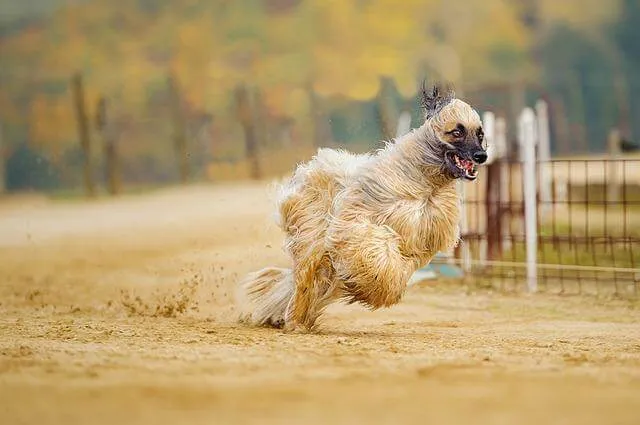
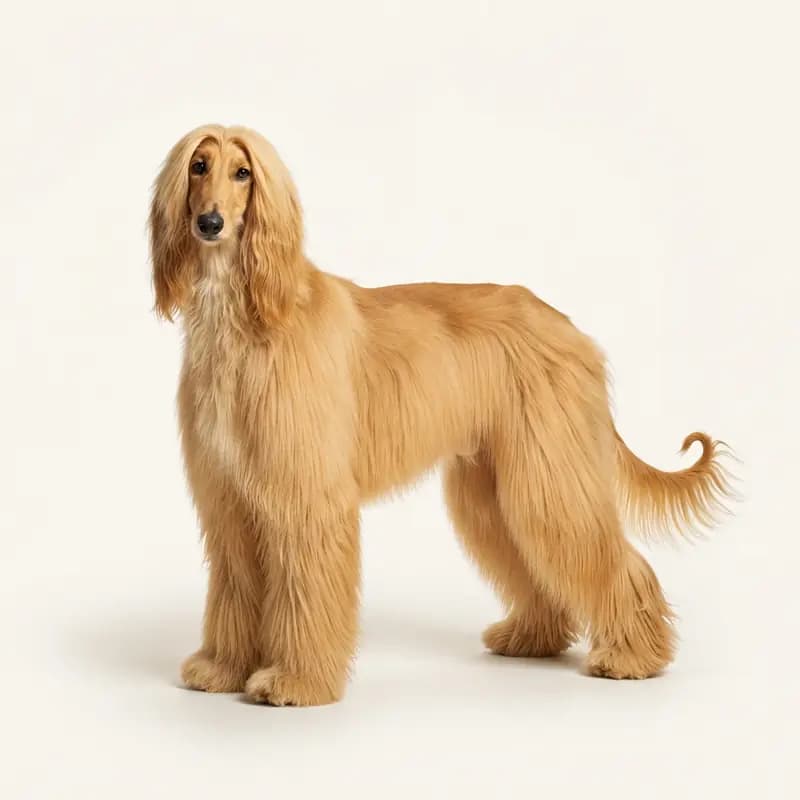
The Afghan Hound is a proud, extremely independent sight hound—bred to hunt entirely autonomously in rugged terrain. Its spectacular elegance masks an uncompromising hunter that prefers to make its own decisions.
How the health grade is calculated
Sources for required breeding screenings. Deutscher Windhundzucht- und Rennverband e.V. (DWZRV)
Self-check
Answer 6 quick questions about your everyday life and see how well the Afghan Hound fits you — including an honest cost estimate per month, per year, and across the dog's lifetime.
At a glance
The essentials — key facts, traits, and health priorities — before you dive deeper.
Lifespan
12–14 yrs
Shoulder height
63–74 cm
Weight
20–30 kg
Practical
Temperament
Daily life
What matters most
Especially with a Afghan Hound, choosing the right breeder is the single most important decision you'll make. Serious breeders consistently test the parents for inherited conditions, prioritize healthy early socialization, and stay accountable long after handover. A cheap puppy without health screening tends to become the most expensive dog later on.
See HonestDog breeder standards →Colors & coat
The coat colors that occur in the Afghan Hound — including which ones fall outside the breed standard and which carry genetic risk.
Eye colors
 Brown
 Amber
Coat type
 Long
 Silky
The real vibes check
An Afghan Hound is not a typical companion, but an aristocratic roommate who grants you affection when it feels the time is right. Anyone looking for an obedient follower will despair at its majestic ignorance—but those who respect its wild, primal soul will gain a fascinating piece of natural history on their sofa.
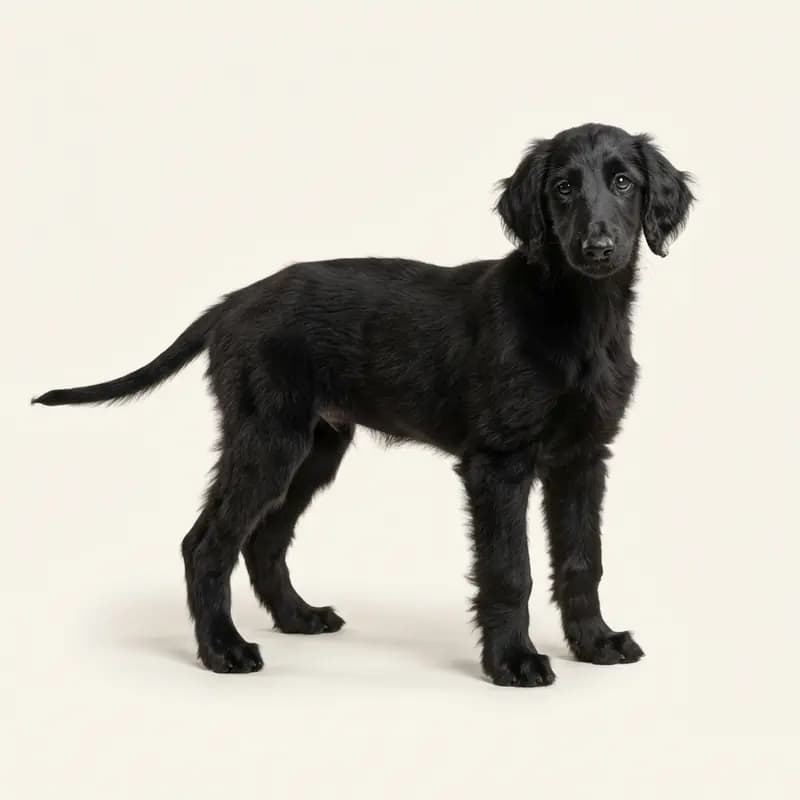
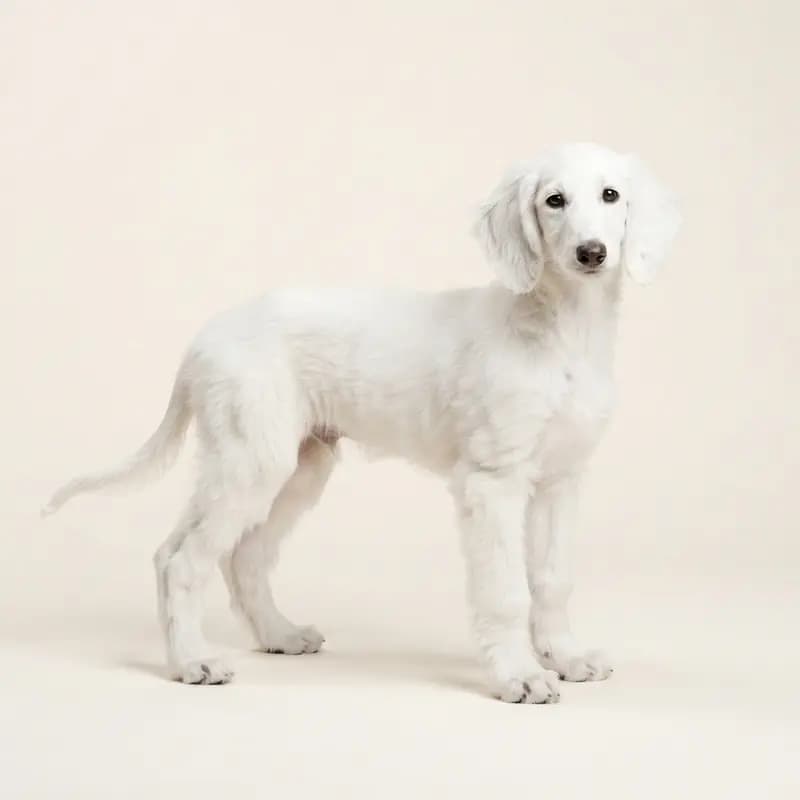
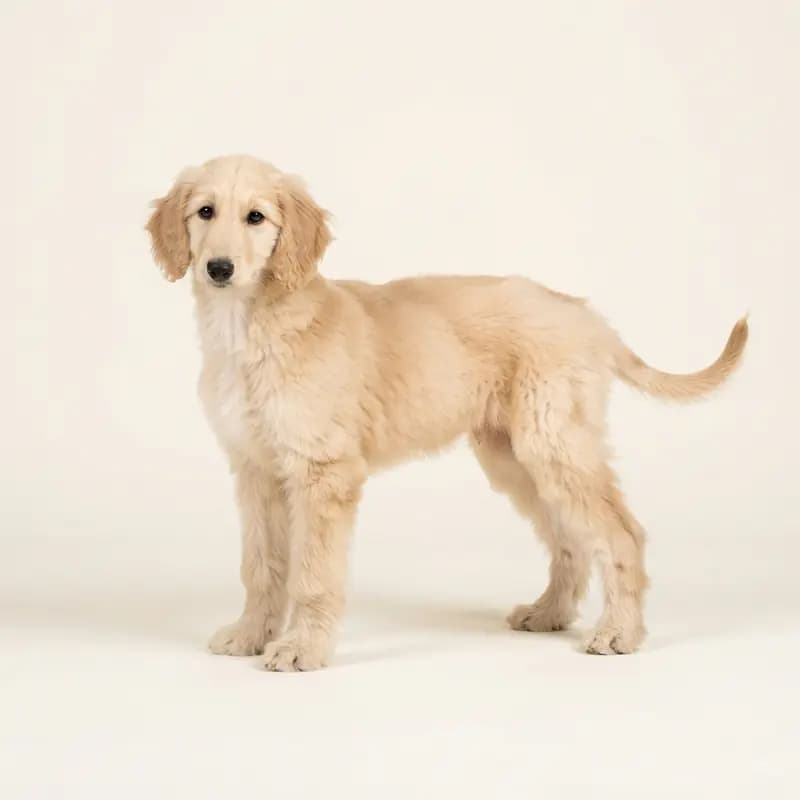
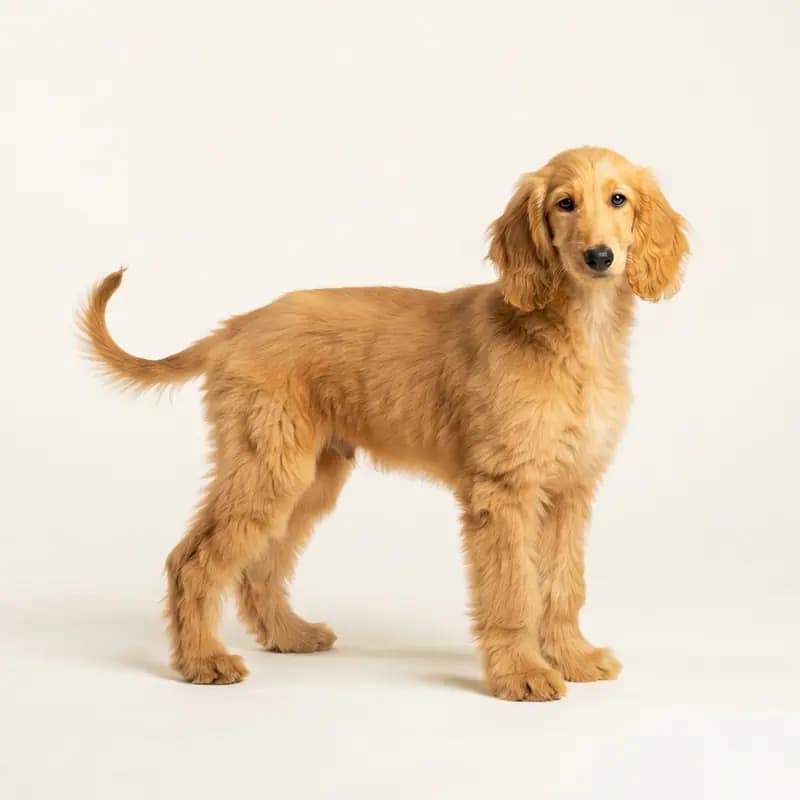
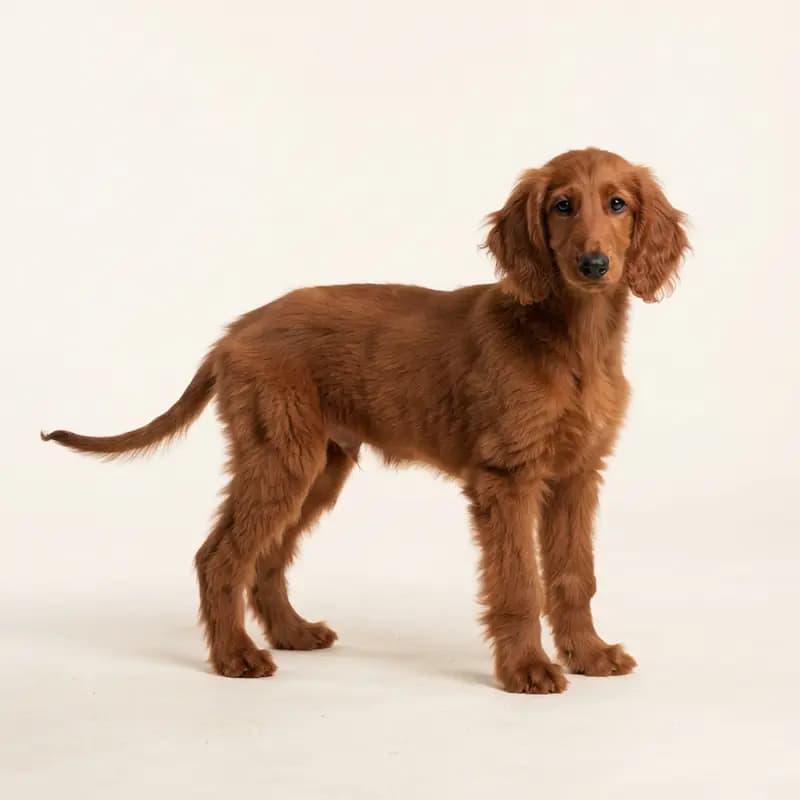
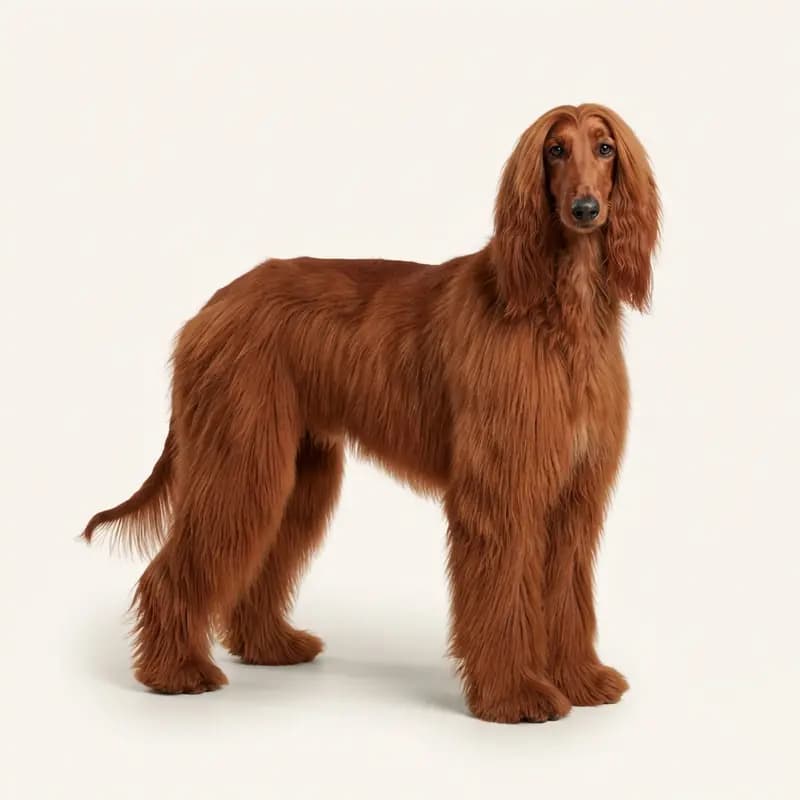
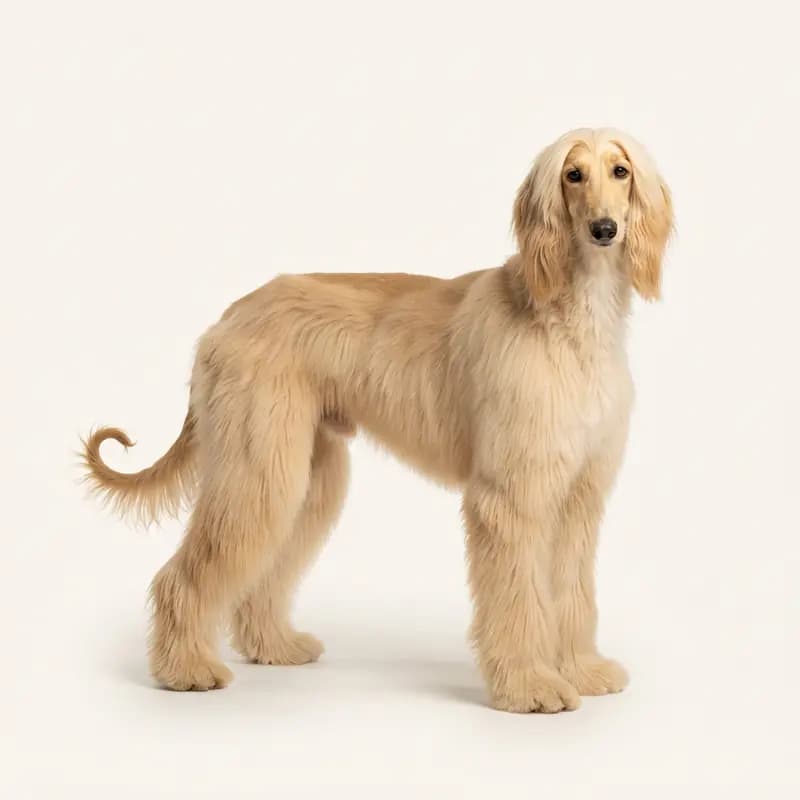
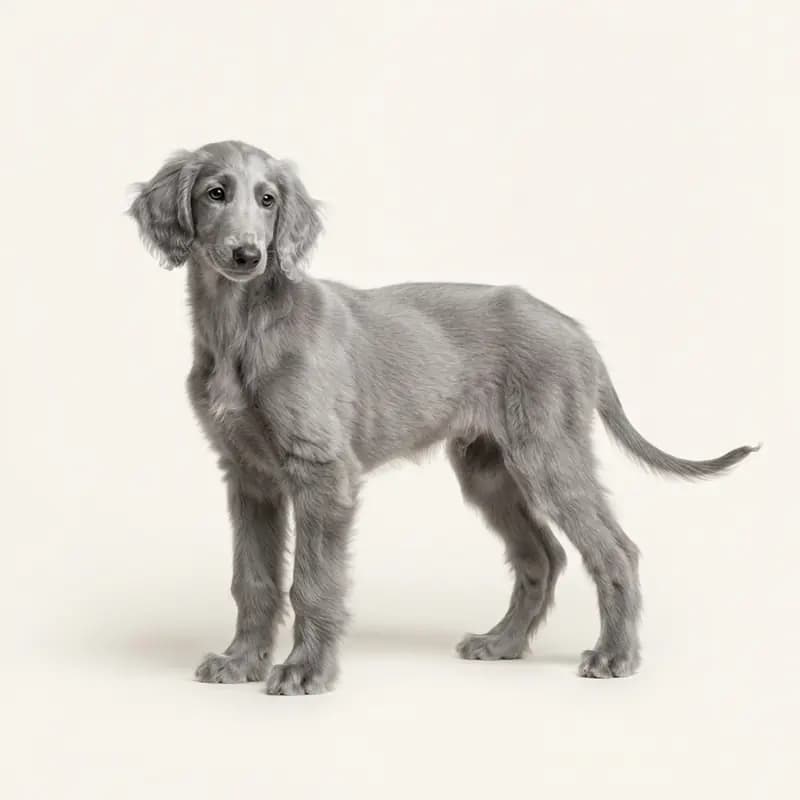
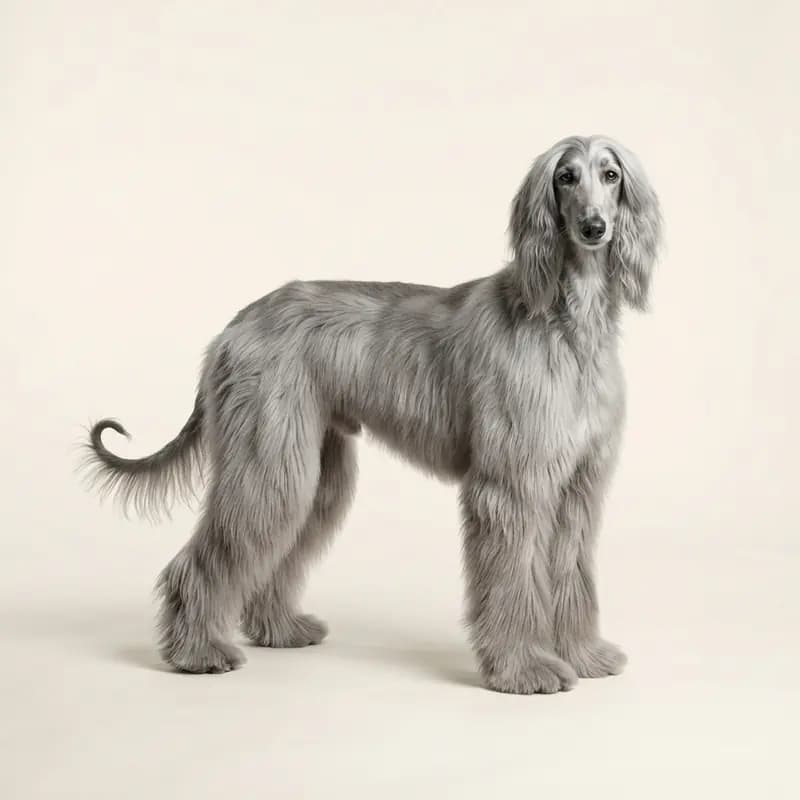
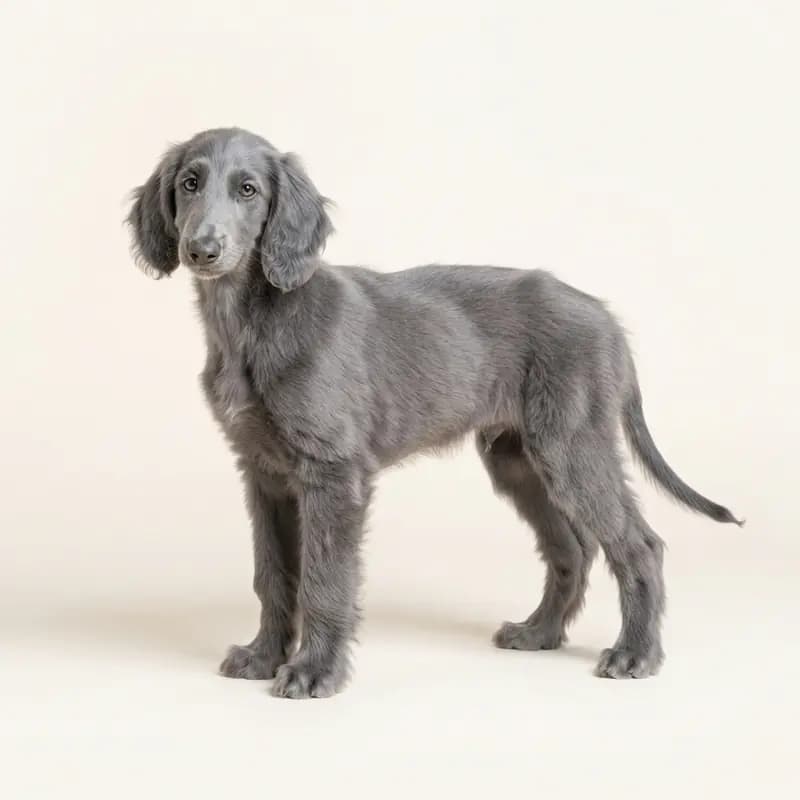
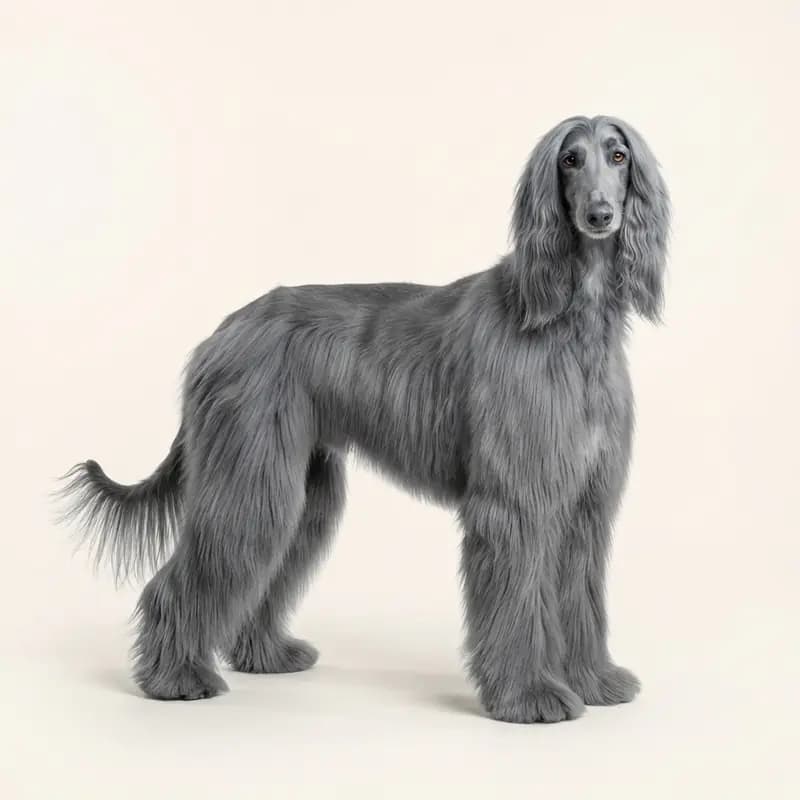
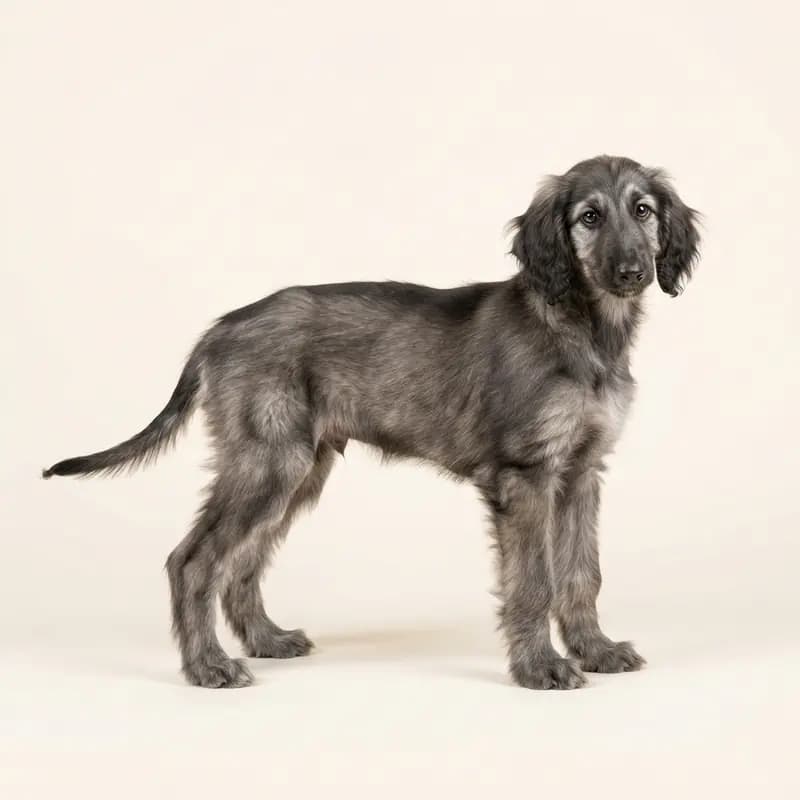
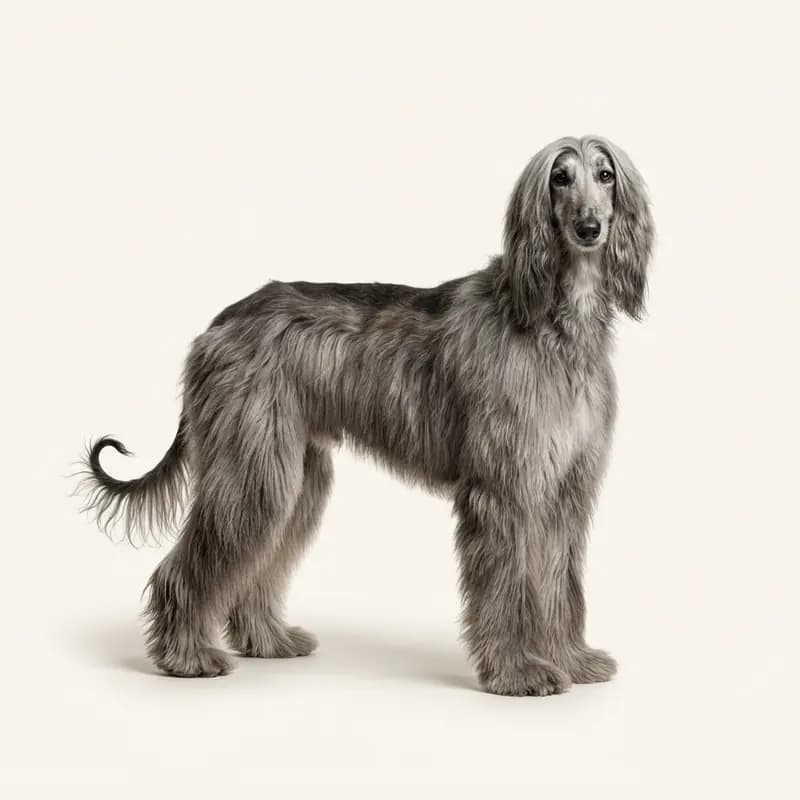
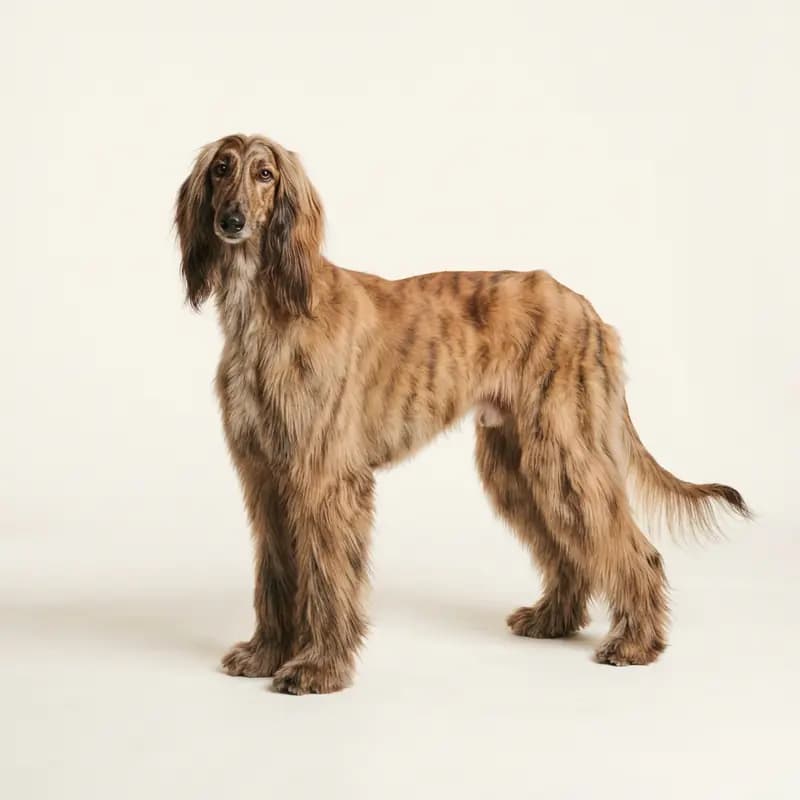
The Afghan Hound presents a fascinating appearance, combining an elegant yet robust build with a long, silky coat. Originating in distant Afghanistan, this impressive dog is a true eye-catcher that turns heads with its grace and beauty. Its large, almond-shaped eyes, which almost always bear a mysterious or dreamy expression, its high, proudly carried head, and its long, powerfully muscled legs bear witness to a deeply rooted history and culture. The breed belongs to FCI Group 10, which encompasses the sighthounds. Afghan Hounds are sighthounds and were primarily bred for hunting, tracking down their quarry by sight. They are distinguished by impressive speed and stamina. Despite their long history and tradition, there is no division between working and show lines in Afghan Hounds.
Afghan Hounds are known for their independent and sometimes aloof nature. They are gentle and peace-loving, but can also show a certain dignity and reserve. They are often said to be "cat-like" because they tend to be very independent and sometimes a bit headstrong. However, this should not be confused with lack of affection or loyalty. Afghan Hounds are very affectionate and can form deep bonds with their family, but they often show their affection in more subtle ways than other breeds. Despite their independence, Afghan Hounds are also known for being very sensitive and intuitive. They are very attuned to their surroundings and the moods of their people and can therefore respond well to the needs of their owners. However, due to their sensitivity, they should be treated with a lot of patience and empathy. Although they were originally bred as hunting dogs, Afghan Hounds now tend to have a rather calm and relaxed character. They enjoy spending time with their family and can be kept both indoors and in a house with a garden. However, they require regular exercise to maintain their muscles and stamina, and they love exploring their surroundings and taking in new smells. The pronounced hunting behavior can cause Afghan Hounds to suddenly run at the sight of small animals or when they detect interesting smells. It is therefore important that they are only allowed to run off-leash in safe and fenced areas and that retrieval is practiced reliably. Despite their passion for hunting, Afghan Hounds are generally not very good watchdogs. While they are alert and attentive, they do not tend to overreact to strangers or unusual noises. However, their reserve towards strangers and their ability to remain calm and composed in the apartment make them pleasant roommates. Another important aspect of the Afghan Hound's character is its intelligence. These dogs are very smart and can learn quickly, but you should always take their independent nature into account. They can sometimes be a bit stubborn and therefore require a patient and sensitive hand when raising them.
| Watchfulness Occasionally alerts but is fundamentally open. | Low |
| Openness to Strangers Neither pushily friendly nor suspicious. | Neutral |
| Hunting or Herding Drive Powerful instinct that can override recall when triggered. | Strong |
Fun Fact!
Afghan Hounds are not only fast, but also quite good jumpers. They can jump up to 2 meters high from a standing position!
Afghan Hounds are often valued for their appearance and their rapport with their people. They are rather suspicious of strangers. They are passionate, persistent and independent hunters. This passion for hunting is difficult or impossible to control by humans. Raising an Afghan Hound requires a lot of empathy and even more patience.
The Afghan Hound is an independent, calm and easy-going dog that can be kept both in the city and in the country. This breed requires regular exercise and should be able to run safely in a fenced area. Small children and other pets, especially cats, can be problematic as the Afghan Hound has strong hunting behavior. However, with proper socialization and supervision, they can learn to get along well with them.
Gets on well with different people and varying routines.
Fine with calm, respectful children — not small tornadoes.
Usually gets on fine with other dogs.
Can manage in the city, but only with very active owners.
Owning a dog is a privilege, but it's also a real responsibility. Before you bring one into your life, be honest with yourself about the commitment it takes.
Afghan Hounds are smart and independent dogs that can sometimes be considered stubborn. They benefit from patient, positive and consistent training. While Afghan Hounds are athletic dogs that enjoy running and playing, they should not be kept overly busy as this can cause stress. Their natural independence and hunting instincts require special attention in terms of retrieval training and impulse control. They're not known for becoming ball junkies, but a healthy mix of mental and physical activity will keep them happy and busy. Frustration tolerance is an important aspect of their upbringing as they often have a mind of their own.
The Afghan Hound's diet should be balanced and high quality to support its health and well-being. A mix of high quality feed and fresh foods can be a good option. However, keep in mind that Afghan Hounds can have sensitive stomachs, so care should be taken when feeding them. Changes in diet should always be made slowly and gradually to avoid digestive problems. The Afghan Hound has a long, silky coat with no undercoat that requires regular grooming. Brushing and combing should be done several times a week to avoid tangles. Despite the length of their coat, Afghan Hounds do not shed particularly heavily. They are relatively well adapted to the climate in Germany, but their thin fur means they can freeze in the cold. A coat for winter walks can therefore be a good idea.
| Care Level Daily care is non-negotiable — neglect affects health. | Very high-maintenance |
| Exercise Needs Needs several hours of serious exercise every day. | Very active |
| Shedding No or minimal hair loss — suitable for allergy sufferers. | No shedding |
| Trainability Has its own ideas and will test limits. | Strong-willed |
Our experts are still reviewing this information. Spotted something wrong? Email us at info@honestdog.de.
Solid
Health grade
In the Afghan Hound, the main focus is on eye diseases such as cataracts and progressive retinal atrophy, as well as a susceptibility to hip dysplasia (HD). The Deutscher Windhundzucht- und Rennverband e.V. (DWZRV) makes it mandatory for breeding approval that parent animals are free of cataracts and progressive retinal atrophy, and show normal results for heart diseases. A responsible breeder also has the parent animals tested for corneal lipid dystrophy and additionally checks for hip dysplasia (HD), hypothyroidism, and demodicosis (demodectic mange). Before buying a puppy, make sure to ask for written proof of the ophthalmic findings marked "free" as well as documentation of HD A–B.
Grade is relative to other breeds — AI-assisted and editorially reviewed.
Methodology and data: HonestDog Dog Breed Health Report 2026
What matters most for this breed
Tap any item to see details.
You should inform veterinarians about the sensitivity to anesthesia before any procedures and ensure regular eye and thyroid check-ups, as well as joint-friendly rearing.
Responsible breeders provide proof of the mandatory breeding requirement for clear results regarding cataract and progressive retinal atrophy, and voluntarily screen for hip dysplasia (HD) as well as corneal lipid dystrophy.
Note: This health overview is AI-assisted and editorially reviewed. It is for orientation only and does not replace veterinary advice.
What matters most for this breed — what's common, how much it affects the dog's life, and how to protect yourself as a buyer.
Tap a body region to see the inherited conditions linked to it.
The three most important risks
Pick a region on the map to explore other areas.
Tier 1 is the core standard: the tests Deutscher Windhundzucht- und Rennverband e.V. (DWZRV) requires, plus further tests from the recommended health standard for this breed. Tiers 2 and 3 show how responsible breeders go beyond.
Core standard. Tests marked “Club standard” are required by Deutscher Windhundzucht- und Rennverband e.V. (DWZRV) for breeding approval; the others are part of the recommended health standard for this breed. Ask any reputable breeder for the results.
Note: This health overview is AI-assisted and editorially reviewed. It is for orientation only and does not replace veterinary advice.
A Afghan Hound costs around ~€200 per month (€100 – €370, depending on your setup). The first year adds up to roughly ~€5,030 including purchase, equipment and puppy school; across the dog's life (13 years) it comes to about ~€33,260.
With surgery cover, running costs come to about ~€200 per month — in return, your share of a major operation drops from several thousand euros to around 20 percent.
Per month
~€200
In the first year
~€5,030
Across the dog's life
~€33,260
Estimated purchase price from a breeder: €1,200 – €2,500
Estimate at a mid-range setup (suburban, dry food, 1–2 hours of daily exercise), average German prices, as of July 2026.

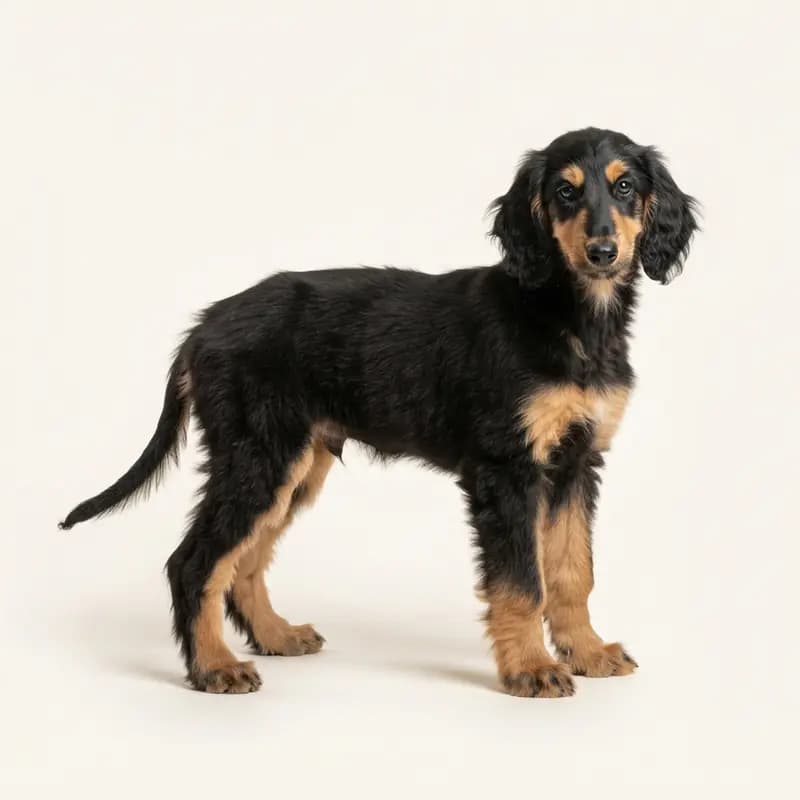
 Illustrative image
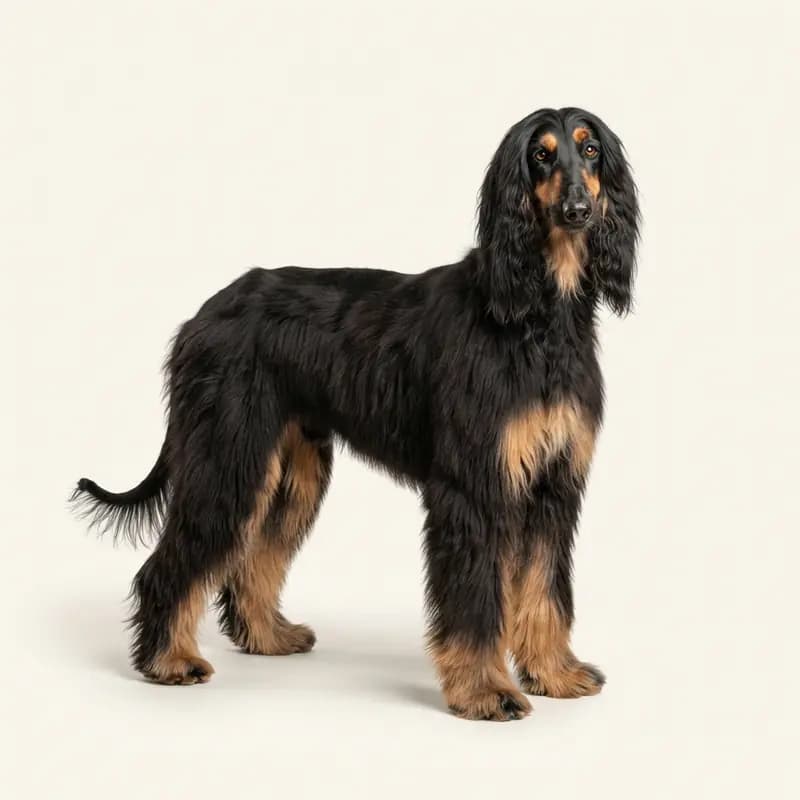
 Illustrative image
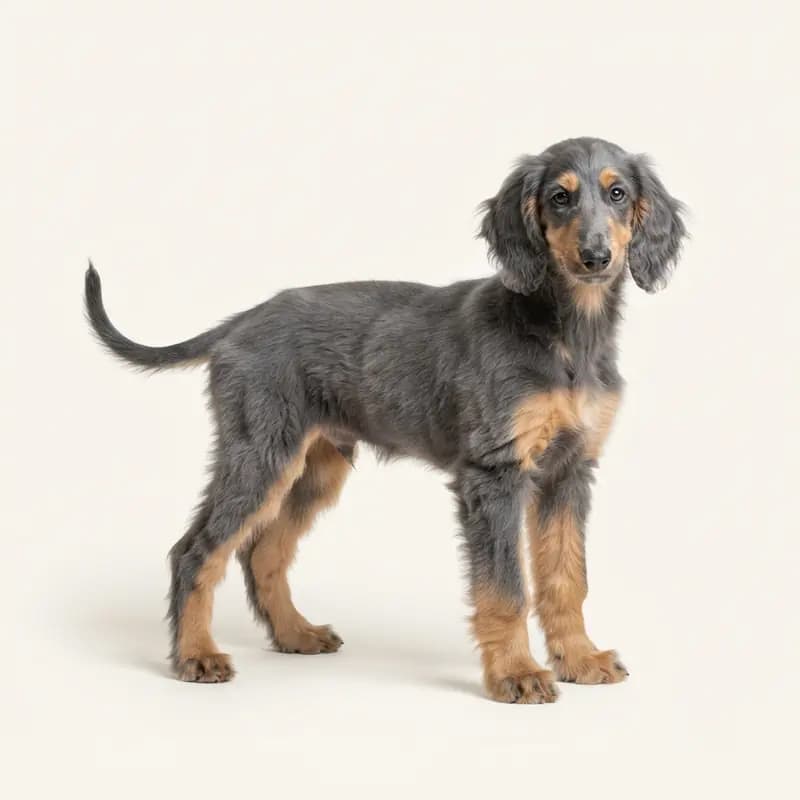
 Illustrative image
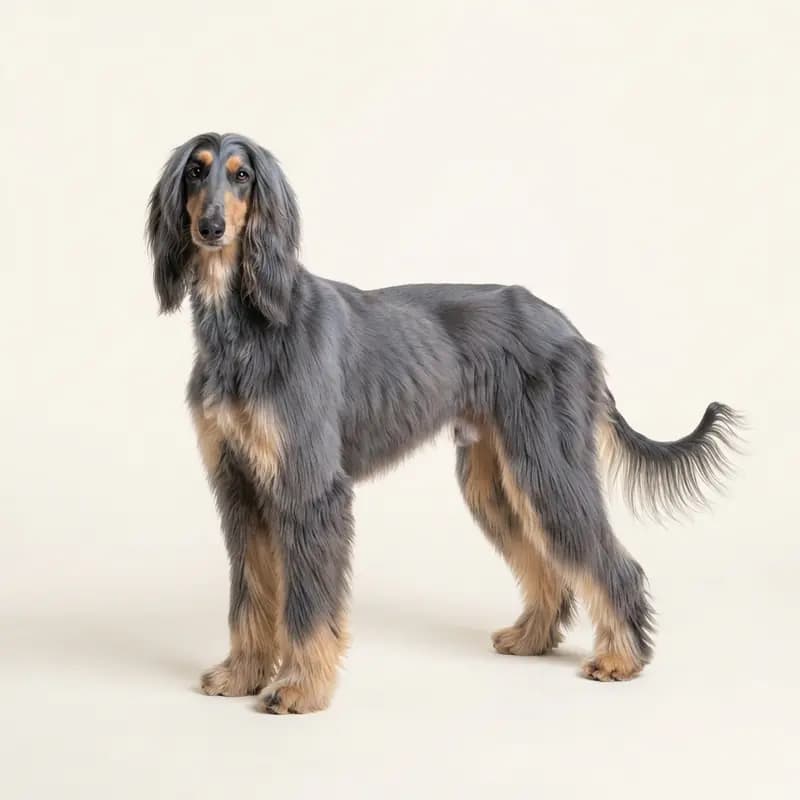
 Illustrative image
The Afghan Hound is one of the oldest known dog breeds in the world. Its history goes back at least 4,000 years and is closely linked to the history of Afghanistan. The Afghan Hound was originally used to hunt gazelles, hares and even snow leopards. His long, thick fur offered him protection from the harsh weather conditions in the Afghan mountains. The breed was only brought to Europe and later to the USA in the 19th century and quickly became very popular. The Afghan Hound was recognized by the American Kennel Club in 1926 and has been a recognized breed ever since. Despite its long history and tradition, the Afghan Hound is still a fascinating and mysterious dog that can take your breath away.
The Afghan Hound was used to hunt fast prey such as gazelles and hares in the mountains of Afghanistan. His long fur protects him from harsh climates.
Afghanistan
Antike
At home, experienced owners describe the Afghan Hound as a fascinating, calm presence that often goes almost unnoticed around the house. It is often compared to a cat: it likes to claim the softest sofa, sleeps curled up for hours and is pleasantly quiet and unobtrusive indoors. It shows affection not through boisterous greetings but through subtle gestures and by quietly seeking physical closeness with its people. With strangers it usually stays aloof and reserved.
The real challenge in daily life is the contrast between the dog indoors and the world outside. Very gentle at home, it can be stressed by noise and hectic activity, which is why owners tend to recommend it for calm households rather than families with boisterous toddlers. Anyone who accepts its quirks and doesn't push it into constant interaction gets an affectionate, loyal companion that is very pleasant to live with.
Sources:forum.hundund.desiliena.dereddit.comrundum.dogkauliebe.com
Training sparks the most heated discussions among Afghan owners. Experienced owners stress again and again that these dogs lack the classic "will to please." Exercises at the training club or repeating simple basic commands often fail simply because the dog sees no point in them. With this sensitive breed, pressure, force or a raised voice don't produce obedience; instead the dog shuts down completely and withdraws. According to owners, training only works through trust, mutual respect and high-value rewards.
Outdoors, owners almost without exception run into the breed's deeply rooted, inherited urge to hunt by sight. A darting rabbit, a cat or even a fast cyclist can set off the chase instinct in a split second. Owners agree that reliable off-leash time in open, unfenced country is simply impossible with many Afghans. To give the breed the chance to sprint that it badly needs, many owners turn to runs with high fences, sighthound fields or organized sighthound sports such as coursing and track racing.
Sources:forum.hundund.desiliena.derundum.dogkauliebe.comzooplus.de
In owner communities, grooming is described as the biggest and most often underestimated hurdle of living with an Afghan Hound. Owners point out that the silky coat isn't just for looks; it takes several hours of intensive hands-on work every week. If you keep the coat long, you have to brush it layer by layer almost daily, or at least several times a week, to prevent painful mats that reach down to the skin. On top of that come time-consuming routines of regular baths, conditioning rinses and then hours of blow-drying.
On everyday walks the coat also turns out to be a dirt magnet: after every outing, twigs, burrs and leaves have to be painstakingly picked out. Many owners use snoods so the long ear hair doesn't get dirty or chewed while the dog eats or drinks. For pet dogs that aren't shown, some owners take the practical route of trimming hidden trouble spots such as the armpits or paws to make daily life easier for dog and owner alike.
Sources:curafyt.comgo4vet.comreddit.comafghanischer-windhundclub.chmarkt.de
Paraphrased from real owner reports · translated from German
The Afghan Hound is an active dog that needs plenty of exercise and mental stimulation. Research the temperament, grooming needs, and space requirements before deciding.
The average life expectancy of a Afghan Hound is 12-14 years. With proper care and regular vet visits, your dog can live a long, healthy life.
Afghan Hound grooming requirements include regular brushing, nail trimming, and dental care. HonestDog provides detailed grooming tips for every breed.
The Afghan Hound can be a great family dog. Proper training and socialization are key. HonestDog provides family suitability information for every breed.
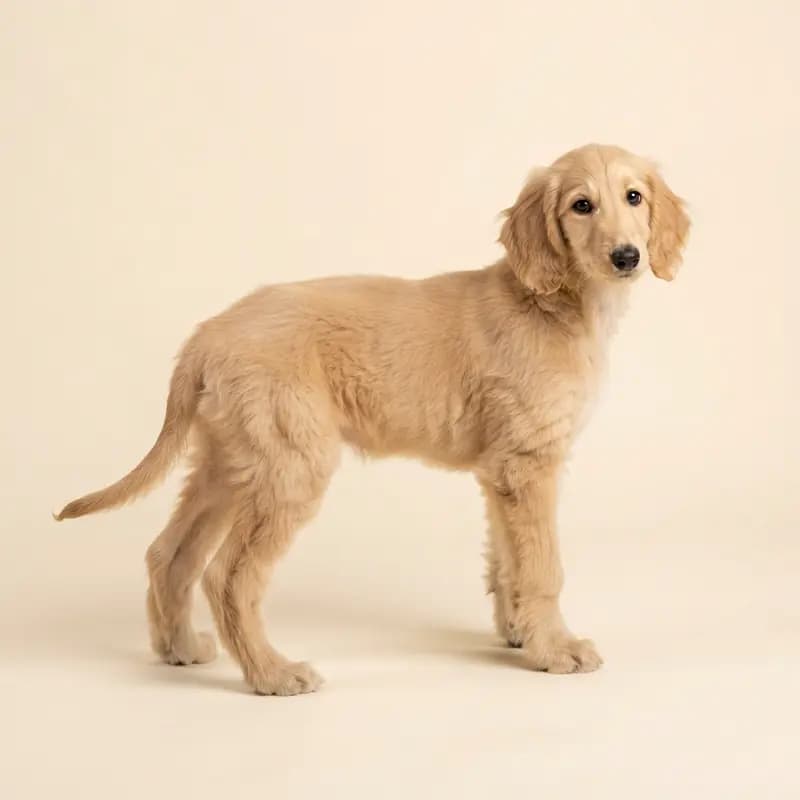
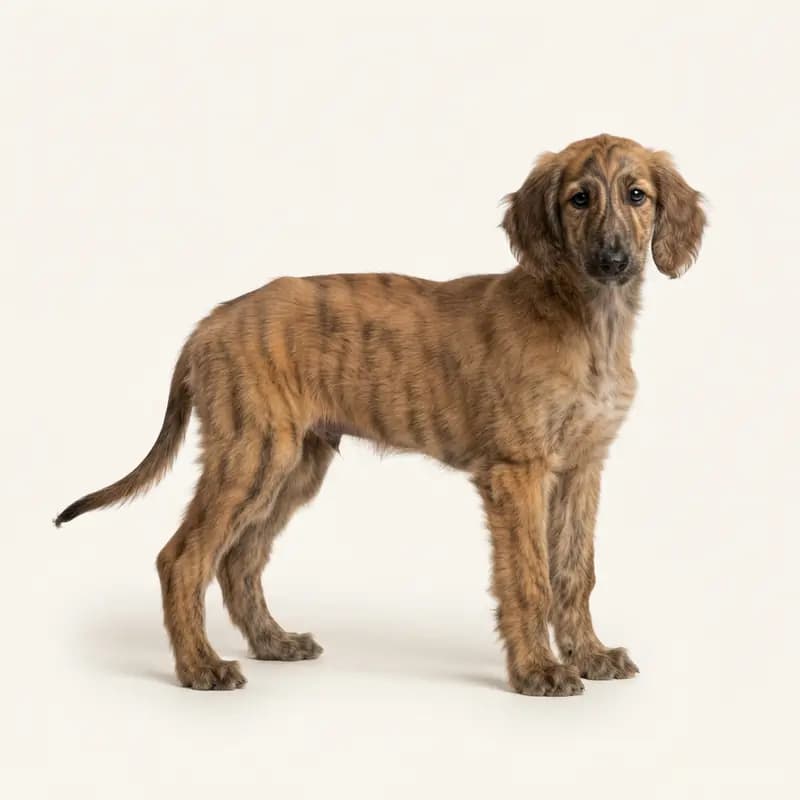
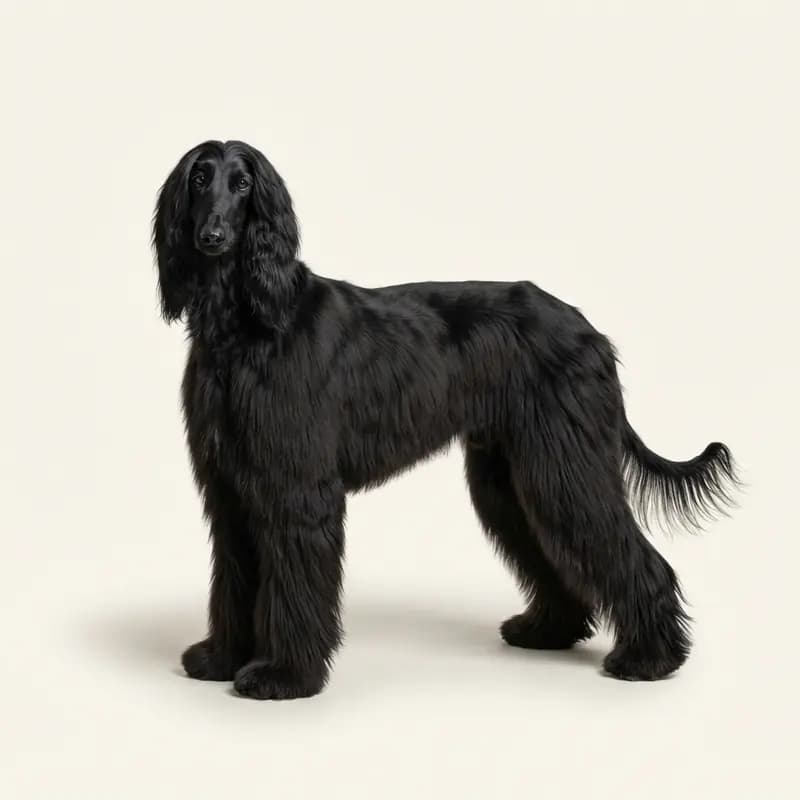
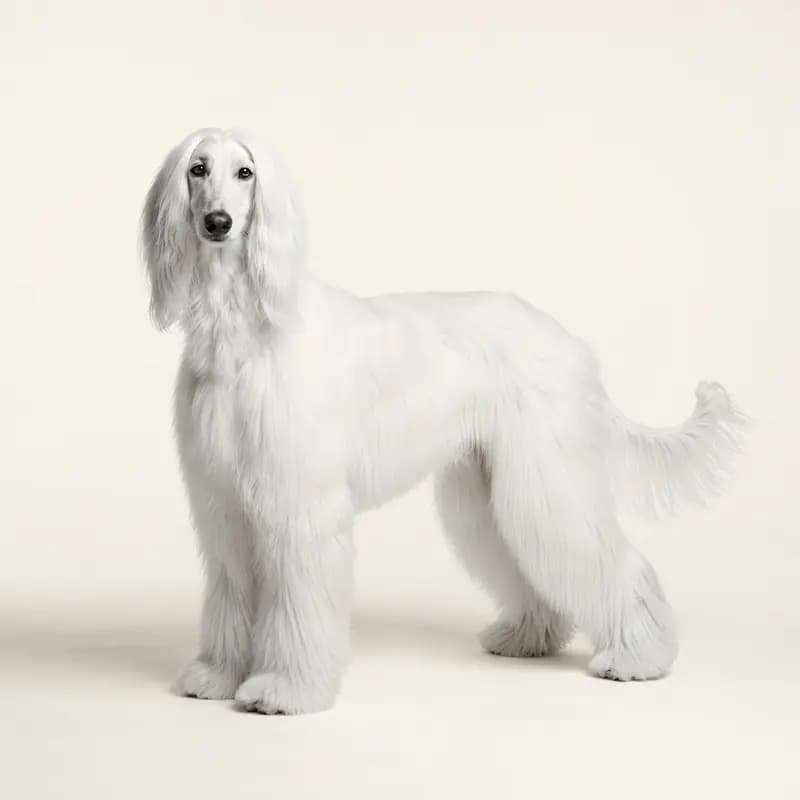
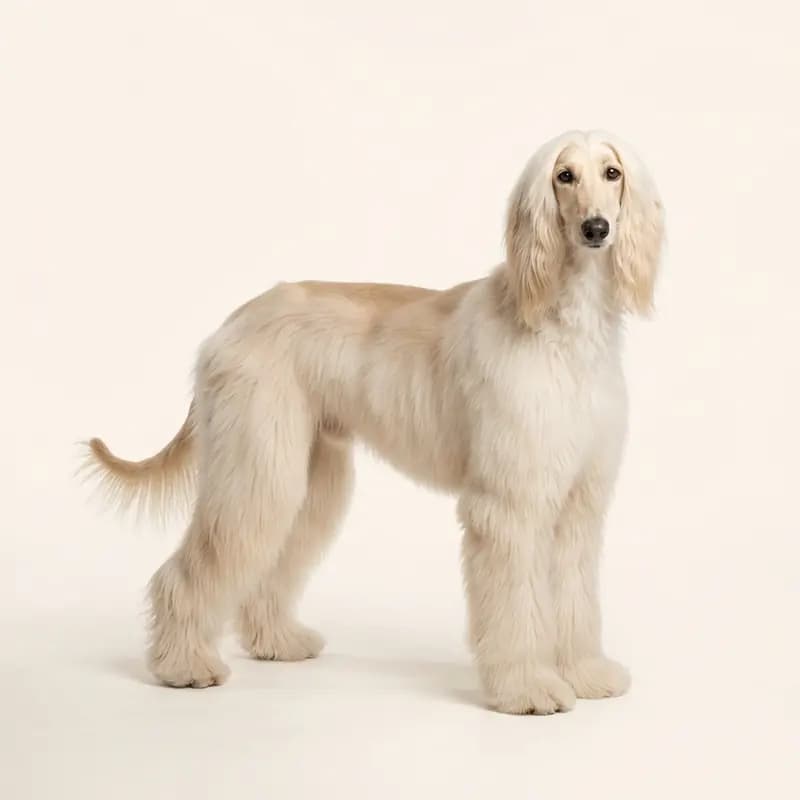
The Afghan Hound comes in these colors: Black, White, Cream, Gold, Red, Fawn, Silver, Blue, Grizzle, Brindle, Black and tan, Blue and tan.
Showcase your kennel on HonestDog and reach families searching for a responsibly bred Afghan Hound.