Afghan HoundSame FCI section
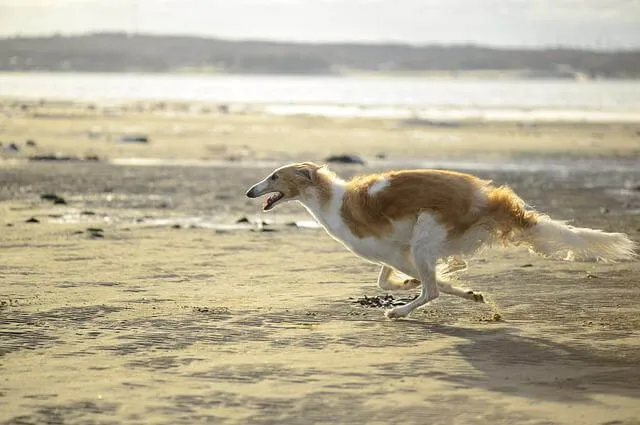
The Borzoi is an aristocratic sighthound that is almost cat-like indoors—bred to hunt wolves and hares in the vast Russian wilderness. Outdoors, they are explosive sprinters with an enormous prey drive, while indoors, they are gentle, unobtrusive companions.
Self-check
Answer 6 quick questions about your everyday life and see how well the Borzoi fits you — including an honest cost estimate per month, per year, and across the dog's lifetime.


At a glance
The essentials — key facts, traits, and health priorities — before you dive deeper.
Lifespan
10–14 yrs
Shoulder height
68–85 cm
Weight
27–48 kg
Practical
Temperament
Daily life
What matters most
Especially with a Borzoi, choosing the right breeder is the single most important decision you'll make. Serious breeders consistently test the parents for inherited conditions, prioritize healthy early socialization, and stay accountable long after handover. A cheap puppy without health screening tends to become the most expensive dog later on.
See HonestDog breeder standards →Colors & coat
The coat colors that occur in the Borzoi — including which ones fall outside the breed standard and which carry genetic risk.
Eye colors
 Brown
Coat type
 Long
 Silky
 Double coat
The real vibes check
A Borzoi is like a high-performance sports car that spends most of its time deeply relaxed in the garage. Indoors, they rest elegantly on the softest sofa for hours—but as soon as a visual stimulus appears outside, they transform into an archaic, unstoppable projectile. You aren't getting a dog that follows orders, but an independent aesthete whose hunting instinct never sleeps.
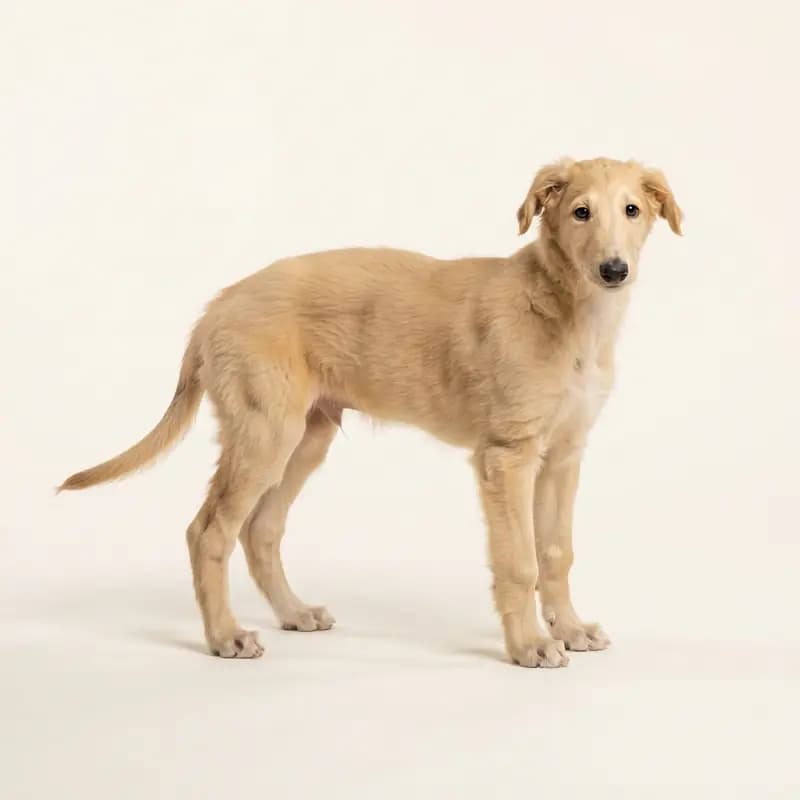
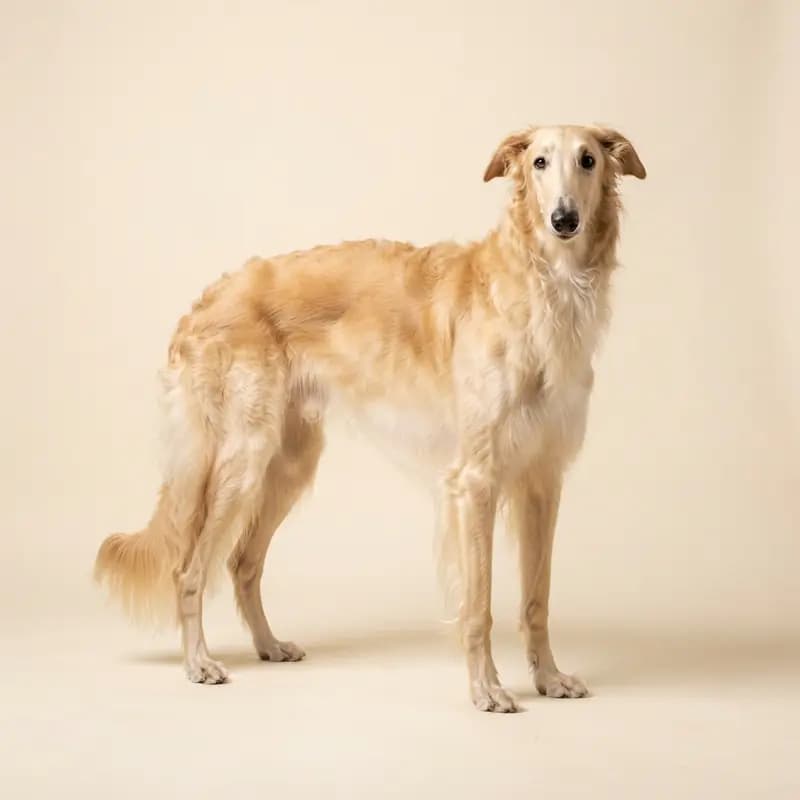
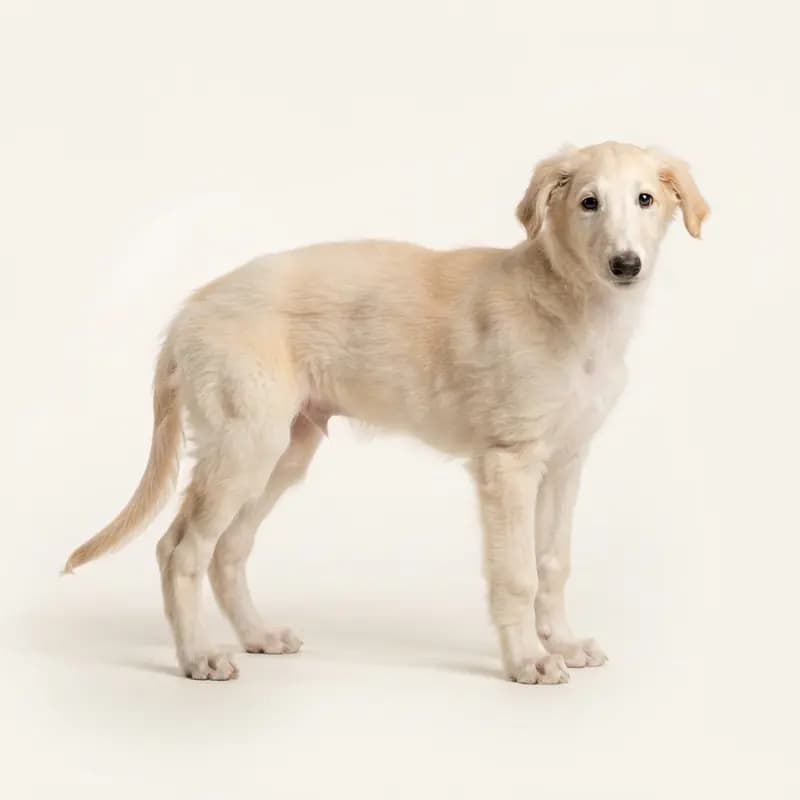
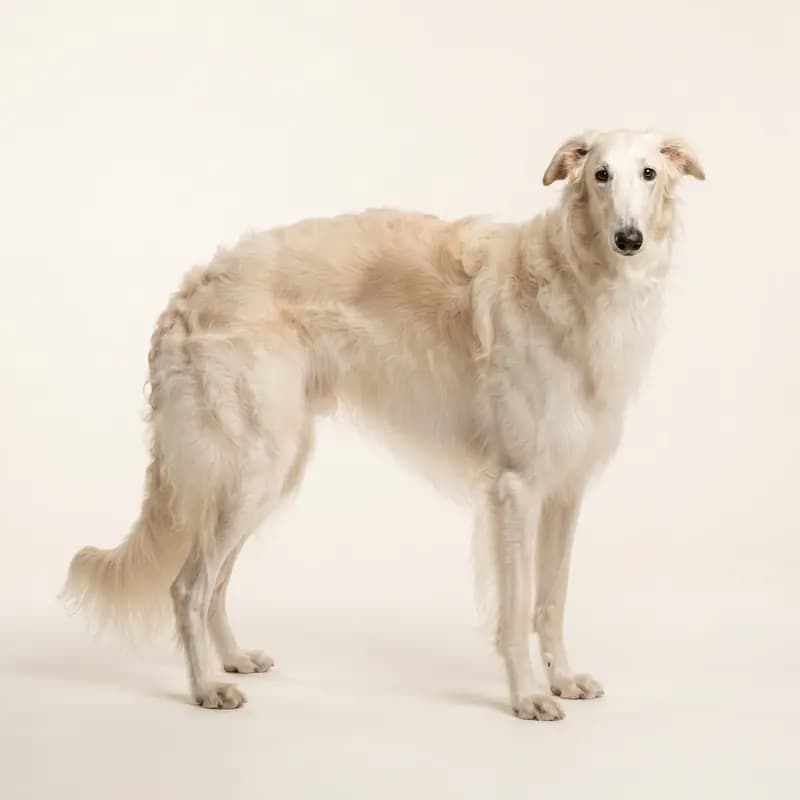
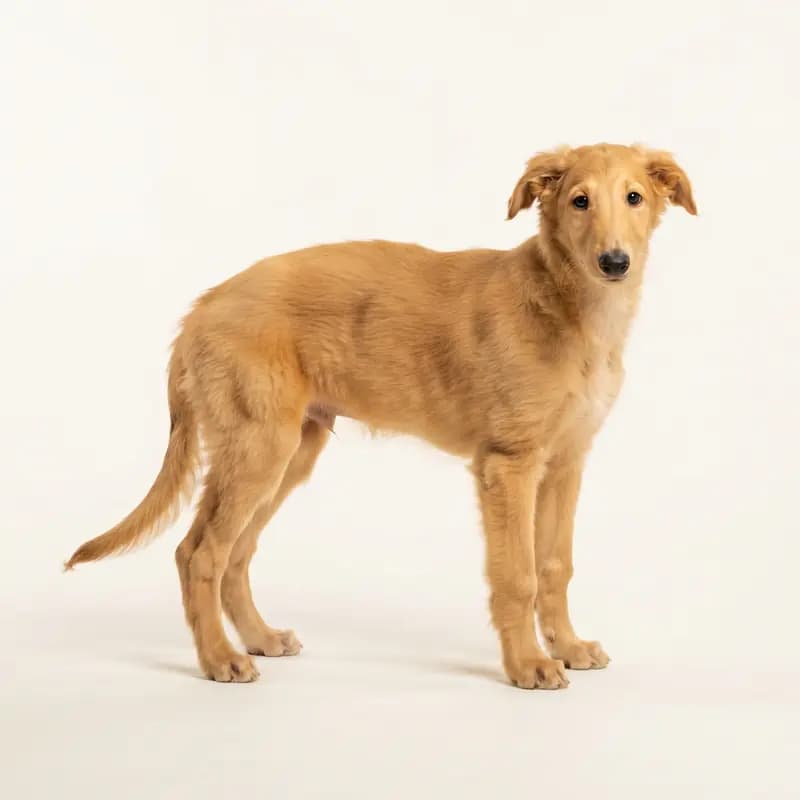
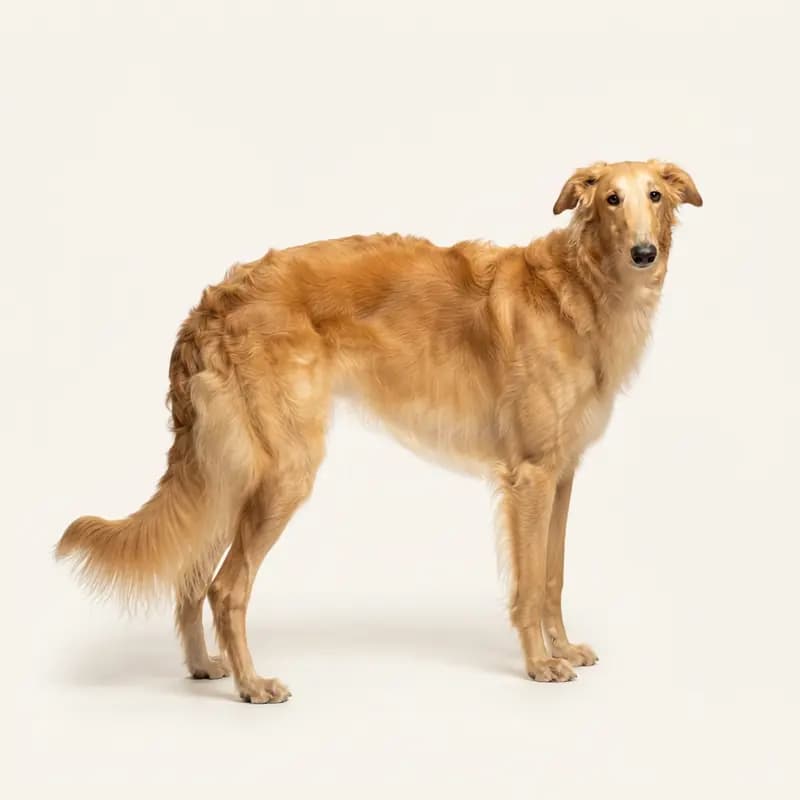
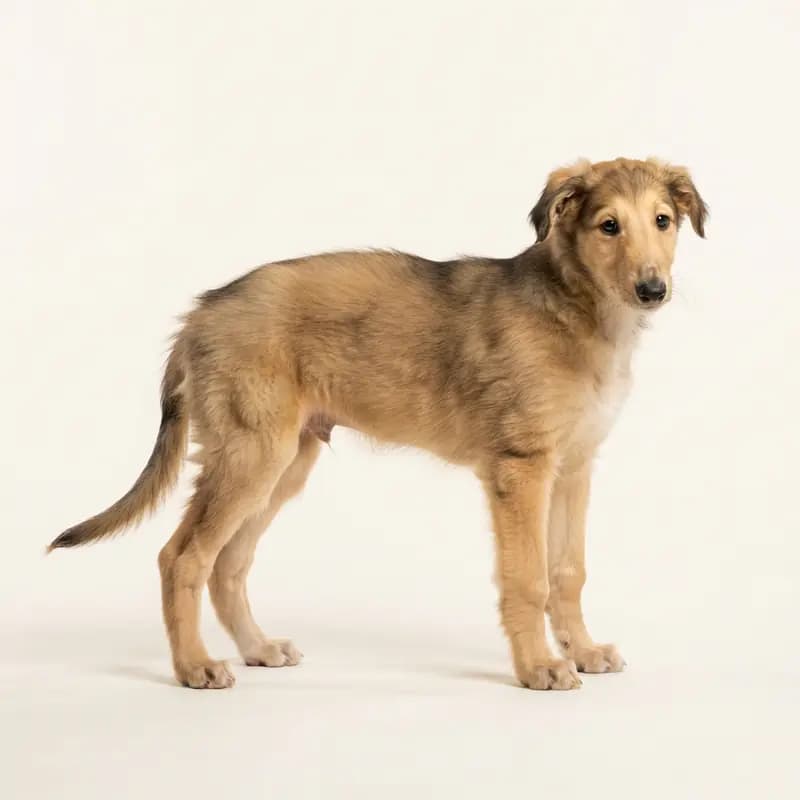
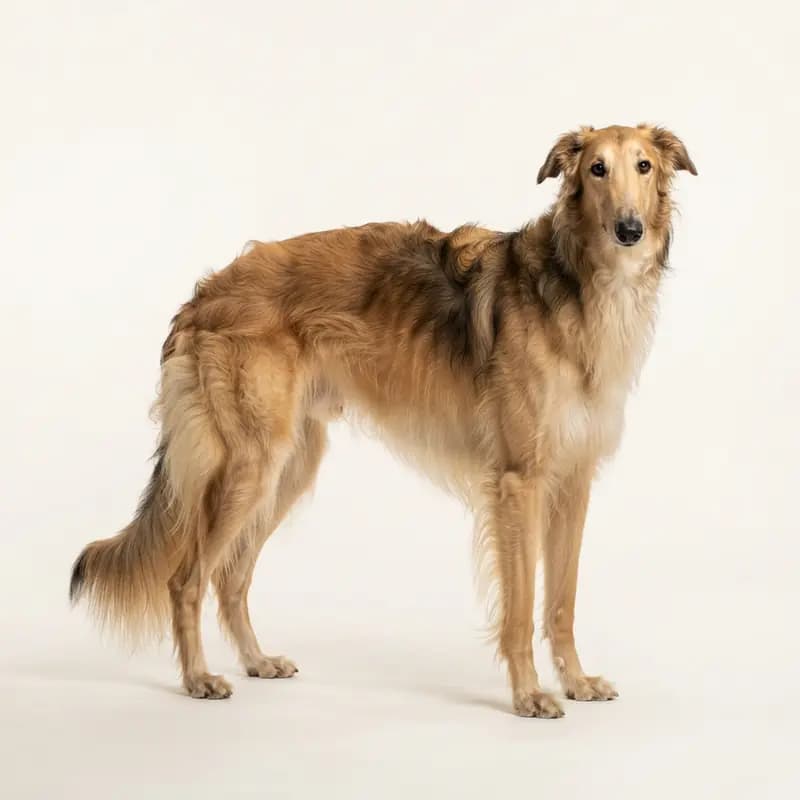
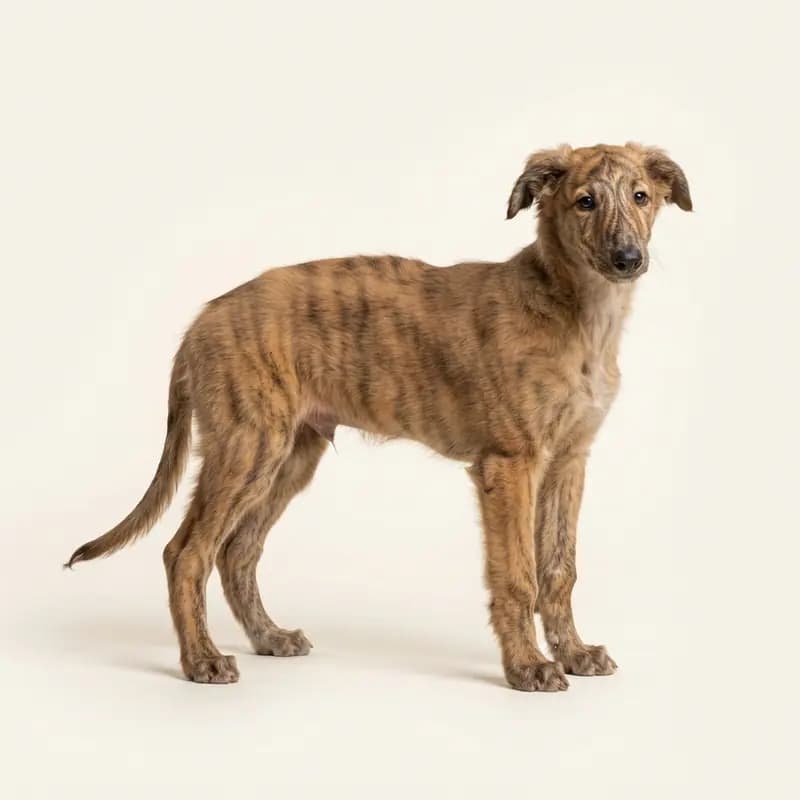
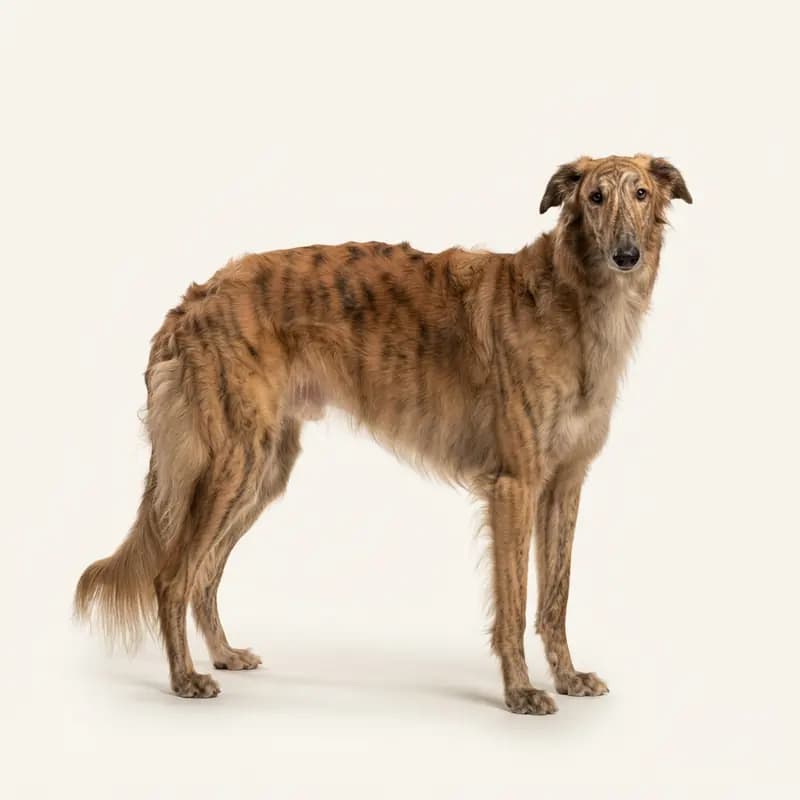
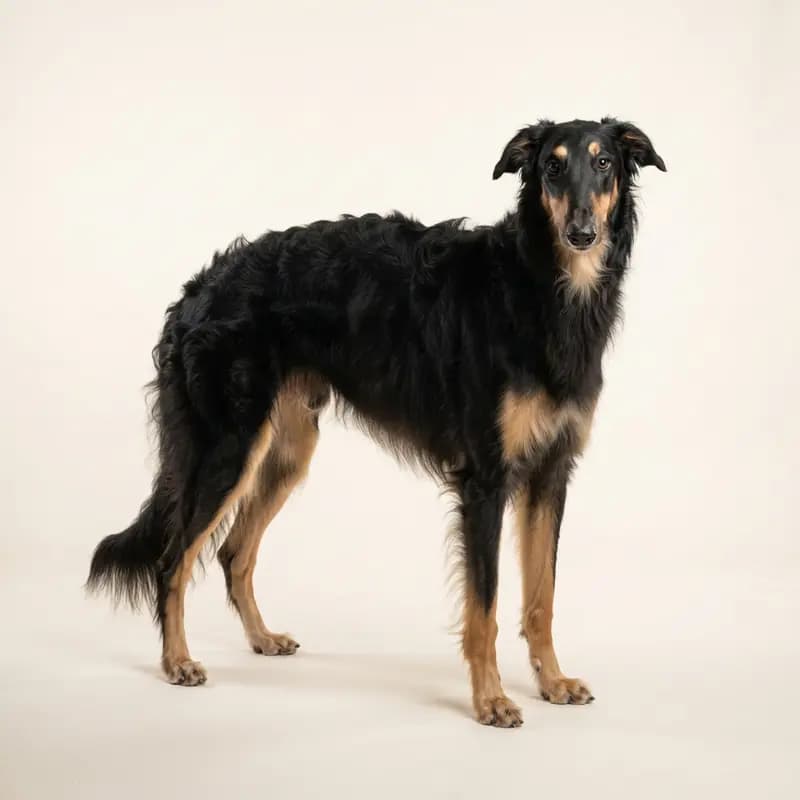
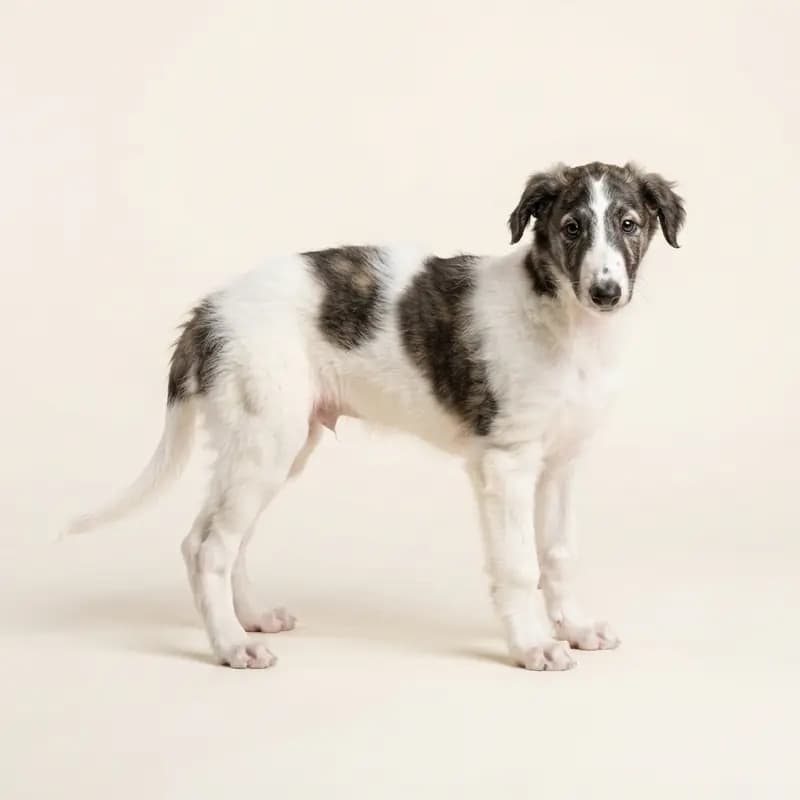
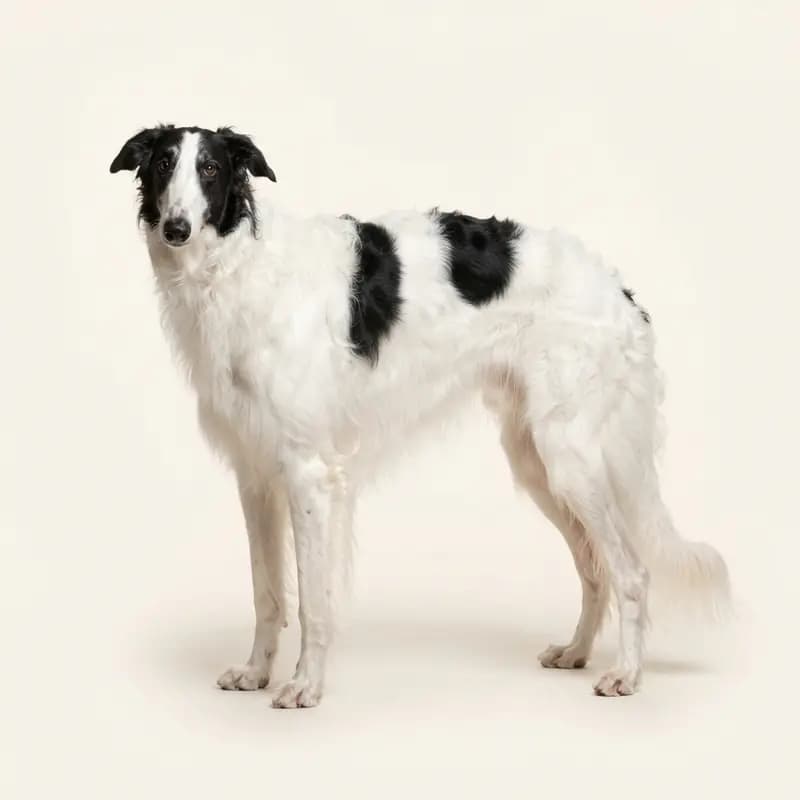
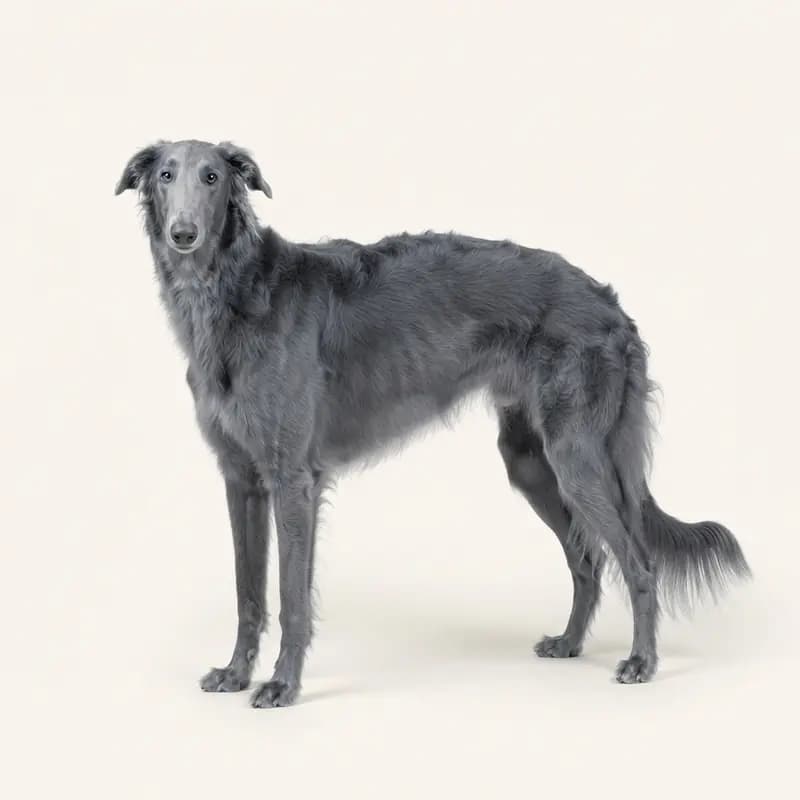
The Borzoi, also known as the Russian Wolfhound, is a sighthound of impressive size and grace. With its slim silhouette, long, muscular legs and deep chest, it is reminiscent of a work of art. He belongs to FCI Group 10 of greyhounds and is characterized by his high speed and endurance. What is particularly striking is the long, silky fur, which is particularly pronounced on the chest and neck and gives the Borzoi an almost royal appearance. His eyes are dark and almond-shaped, giving his expression an extra depth. In Germany this breed is rather rare and there is no distinction between performance and show lines.
Borzois are characterized by a strong sense of self-confidence and a natural calmness. They are known for their deep bonds with their people and their loyalty, but also tend to maintain a certain degree of independence. They are generally calm dogs and very pleasant companions around the home as long as they receive adequate exercise and mental stimulation. They love being in nature and pursuing their natural urge to move. Although they have a strong hunting instinct, this can usually be easily managed with proper socialization and training. However, it should be noted that this is a natural instinct that can never be completely suppressed. Therefore, the Borzoi should always be kept under control and kept on a leash in areas where wildlife is present. As former hunting dogs, they are attentive and alert, but not aggressive. Although they can exhibit highly protective behavior towards their home and family, they are generally very friendly towards strangers. They are also good at getting along with other dogs and pets, especially if they are used to it from a young age. Borzoi are intelligent and can stay alone well as long as they are not left alone for long periods of time. They love their family and prefer to be close to them. They are not prone to exhibit destructive behavior as long as they are not bored or stressed. The Borzoi's even-tempered temperament makes him a pleasant companion, both indoors and during outdoor activities. But despite his calm nature, his needs as a greyhound should not be underestimated. This dog needs room to run and mental stimulation to be happy and balanced. His grace and majestic demeanor coupled with his friendly and gentle nature make the Borzoi an exceptional companion dog for people willing to meet the breed's specific needs.
| Watchfulness A natural watchdog with real protective instinct. | High |
| Openness to Strangers Neither pushily friendly nor suspicious. | Neutral |
| Hunting or Herding Drive This drive runs deep — no amount of training eliminates it. | Very strong |
Fun Fact!
Despite their elegance and grace, Borzoi were originally bred to hunt wolves, which explains their speed and endurance!
Borzois need a lot of exercise and are very motivated to hunt. Dog owners repeatedly report cases of borzoi chasing a smaller dog. Serious injuries can occur here. Therefore, good socialization and upbringing is very important here.
Despite their size, Borzois are good city dogs as long as they get enough exercise and mental stimulation. They get along well with small children and can also live with other pets, including cats, as long as they are properly socialized. However, they require a well-fenced yard as their hunting instinct is strong and they tend to hunt anything that moves.
Gets on well with different people and varying routines.
Fine with calm, respectful children — not small tornadoes.
Actively enjoys the company of other dogs.
Can manage in the city, but only with very active owners.
Owning a dog is a privilege, but it's also a real responsibility. Before you bring one into your life, be honest with yourself about the commitment it takes.
Borzois are intelligent and independent dogs that require a little patience and understanding in training. They do not respond well to harsh training methods, preferring instead positive reinforcement. Their need for exercise makes them good candidates for dog sports such as agility or coursing. It's important to nurture their skills and independent nature while setting rules and boundaries. They don't tend to be "ball junkies" but they enjoy different types of games and activities. It's also important to teach them to control their impulses and tolerate frustration, especially when it comes to their hunting instincts. This can be achieved through various exercises and training techniques. When raising a Borzoi, it is important to find a balance between nurturing their natural talents and abilities and adhering to the necessary rules and boundaries for harmonious coexistence.
Borzoi require a balanced diet that contains all the necessary nutrients. They are not prone to being overweight, but because of their slim figure, it is important to keep an eye on their diet and ensure that they do not become underweight. A mix of high-quality dry food and fresh foods such as meat and vegetables can be a good solution. However, it is always advisable to seek advice from a veterinarian to ensure the dog is receiving all the nutrients it needs. When it comes to grooming, the Borzoi is a little more demanding due to its long and silky coat. They have an undercoat that protects them from the cold, but they can tolerate the German climate well. However, they shed quite a bit, especially during the spring and fall shedding period. Regular brushing is necessary to prevent matting and to keep the coat clean and healthy.
| Care Level Regular brushing and occasional professional grooming. | Moderate |
| Exercise Needs Needs several hours of serious exercise every day. | Very active |
| Shedding Hair everywhere, always — no white clothing survives. | Very heavy |
| Trainability Has its own ideas and will test limits. | Strong-willed |
Our experts are still reviewing this information. Spotted something wrong? Email us at info@honestdog.de.
Solid
Health grade
The Borzoi is generally considered a robust breed, with Degenerative Myelopathy (DM) being the primary hereditary condition currently in focus for breeding tests. However, as a very large, deep-chested breed, it carries anatomical risks such as a predisposition to GDV (bloat) and heart conditions like Dilated Cardiomyopathy (DCM). Prospective buyers should therefore insist on heart examinations of the parents in addition to confirming the DM test results.
Grade is relative to other breeds — AI-assisted and editorially reviewed.
Methodology and data: HonestDog Dog Breed Health Report 2026
What matters most for this breed
Tap any item to see details.
You should ensure they have rest periods after eating to prevent bloat, and always remind your veterinarian about the sighthound-specific sensitivity to anesthesia.
Reputable breeders have the parents' hearts, eyes, thyroids, and temperaments tested to reduce health risks in the bloodline.
Note: This health overview is AI-assisted and editorially reviewed. It is for orientation only and does not replace veterinary advice.
What matters most for this breed — what's common, how much it affects the dog's life, and how to protect yourself as a buyer.
Tap a body region to see the inherited conditions linked to it.
The three most important risks
Pick a region on the map to explore other areas.
Tier 1 is the recommended health standard for this breed. Tiers 2 and 3 show how responsible breeders go beyond.
Recommended standard. These tests make up the recommended health standard for this breed — the baseline of any careful breeding program. Ask any reputable breeder for the results.
Note: This health overview is AI-assisted and editorially reviewed. It is for orientation only and does not replace veterinary advice.
A Borzoi costs around ~€200 per month (€110 – €390, depending on your setup). The first year adds up to roughly ~€5,130 including purchase, equipment and puppy school; across the dog's life (12 years) it comes to about ~€32,110.
With surgery cover, running costs come to about ~€200 per month — in return, your share of a major operation drops from several thousand euros to around 20 percent.
Per month
~€200
In the first year
~€5,130
Across the dog's life
~€32,110
Estimated purchase price from a breeder: €1,200 – €2,500
Estimate at a mid-range setup (suburban, dry food, 1–2 hours of daily exercise), average German prices, as of July 2026.
HonestDog Concierge
We currently have no breeders for this breed who have passed our verification. Create your short buyer profile: we'll set up your search alert, review a possible source and email you within 28 days.

 Illustrative image
 Illustrative image
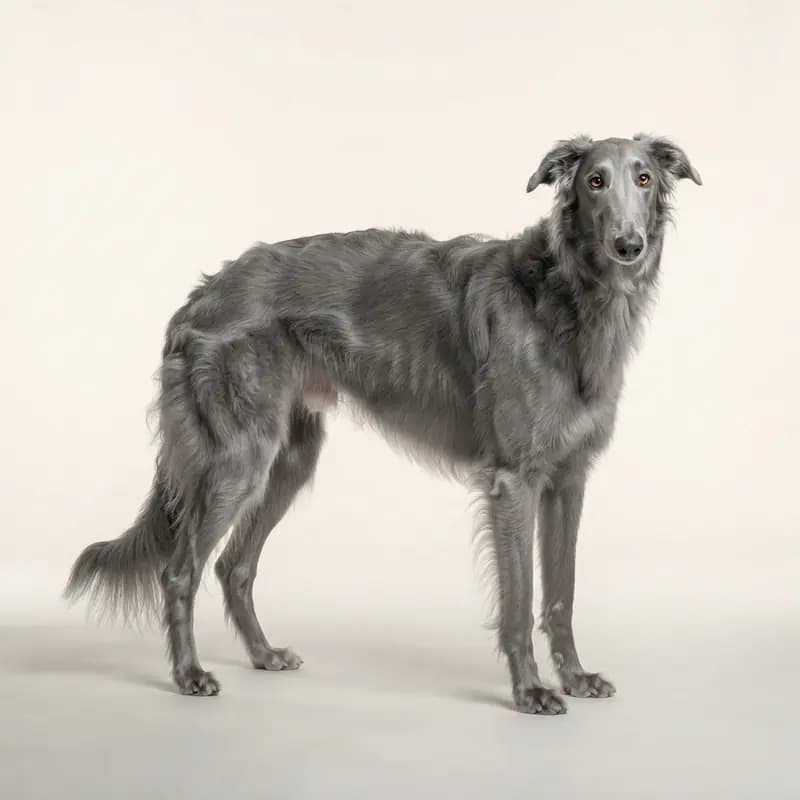 Illustrative image
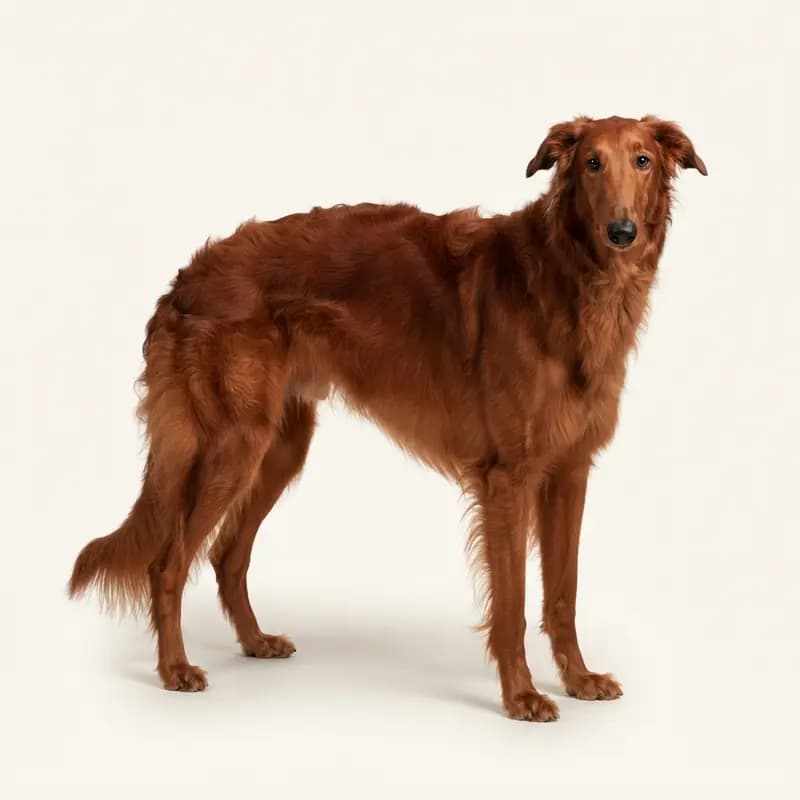 Illustrative image
The Borzoi has a long and fascinating history, dating back to medieval Russia. There it was used by the nobility to hunt game, especially wolves. His name literally means "quick" and indicates his outstanding abilities as a hunting dog. The Borzoi only became known outside of Russia at the end of the 19th century, when it was introduced into Western European aristocratic circles. The breed has been recognized as a separate breed by the FCI since 1896.
The Borzoi was bred to hunt wolves and other large game species and is characterized by its speed and elegance.
Russia
1600
Indoors, owners almost unanimously describe the Borzoi as a calm, unobtrusive, almost "invisible" companion. Despite its imposing size, it curls up surprisingly small and spends many hours asleep on the couch or on soft beds. Owners often stress that indoors the breed has a cat-like gentleness, barely barks, and doesn't develop an unpleasant doggy odor. Like many sighthounds, these dogs tend to be reserved and wait-and-see with strangers, but they bond all the more closely with their own people.
Outdoors, a completely different side comes out. Owners describe Borzois as classic sprinters: they don't necessarily need hours-long forced marches, but they do need regular chances to burn off energy at a full sprint. Around small children, experienced owners point to the sheer strength and power of these dogs. Living together usually goes smoothly, but it requires mutual respect and clear rules, since the sensitive giant doesn't like being crowded.
Sources:haustierforum.chmit-tier.detierisch-verliebt.dekleinspitze.jimdofree.comhundeforum.com
Training and prey drive are the most discussed topics among Borzoi owners. Bred as sight hunters, these dogs react in a flash to anything moving in their field of view. Owner accounts warn that the drive is deeply rooted and can never be fully trained away. Once a hare or deer is spotted, the dog often tunes out instantly. Many owners therefore keep their dogs on leash without exception in areas with a lot of wildlife, or let them run free only in securely fenced areas and sighthound fields.
In training, the Borzoi requires a lot of finesse. Owners report that any kind of harshness, loudness, or excessive pressure immediately makes the sensitive dog shut down or pull away. Blind obedience or mindless repetition of obedience exercises isn't in its nature; it learns best through trust, gentle consistency, and positive reinforcement. Owners also pay special attention to getting the dog used to small dogs and cats early: without careful socialization in puppyhood, there is a risk that small, fast-running animals outdoors will be seen as prey.
Sources:haustierforum.cheinfachtierisch.desiliena.demit-tier.detierwelt.ch
Health-wise, the Borzoi is considered surprisingly tough and active compared with other giant breeds, but owners do share some typical weak spots. Because of its deep, narrow chest, the risk of life-threatening bloat (gastric torsion) is a focus of almost every owner report. Several smaller meals a day and strict rest periods after eating are standard practice for Borzoi owners. Breeders and owners also discuss health screenings for inherited heart disease (such as DCM) and degenerative spinal cord disease.
According to many owners, the long growth phase calls for special care: since these dogs aren't fully mature until around two years of age, tendons, joints, and bones need to be protected in adolescence with balanced feeding and controlled exercise. When it comes to grooming, most owners find the silky coat easier to care for than they first expected. Regular brushing is usually enough, since dried dirt falls out on its own. Owners do point out, however, that the coat often becomes denser and curlier after neutering, which can noticeably increase the grooming workload.
Sources:haustierforum.chkleinspitze.jimdofree.comzooplus.atedogs.demit-tier.de
Paraphrased from real owner reports · translated from German
The Borzoi is an active dog that needs plenty of exercise and mental stimulation. Research the temperament, grooming needs, and space requirements before deciding.
The average life expectancy of a Borzoi is 10-14 years. With proper care and regular vet visits, your dog can live a long, healthy life.
Borzoi grooming requirements include regular brushing, nail trimming, and dental care. HonestDog provides detailed grooming tips for every breed.
The Borzoi can be a great family dog. Proper training and socialization are key. HonestDog provides family suitability information for every breed.
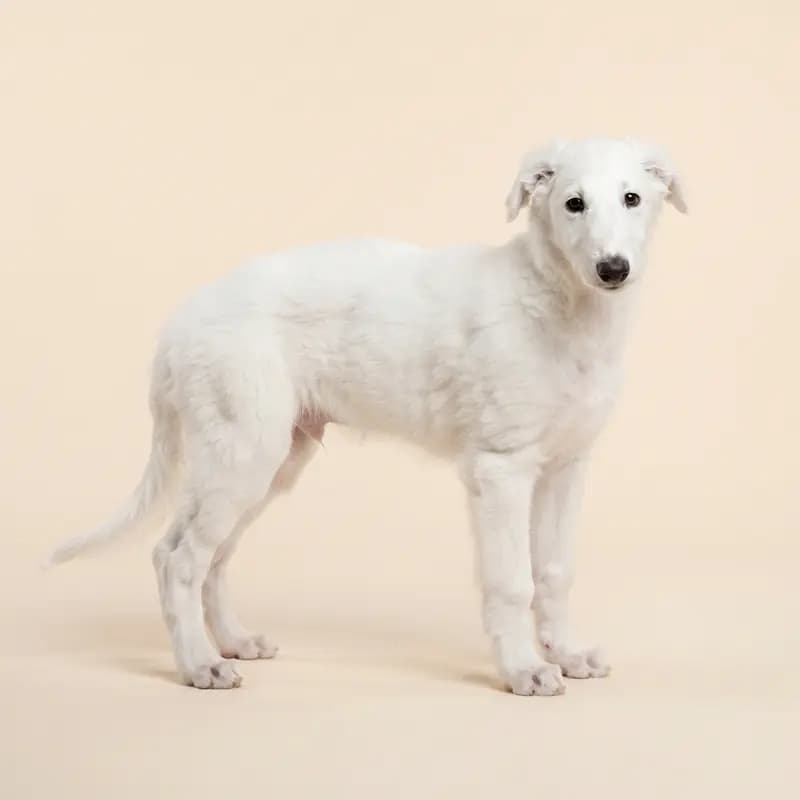
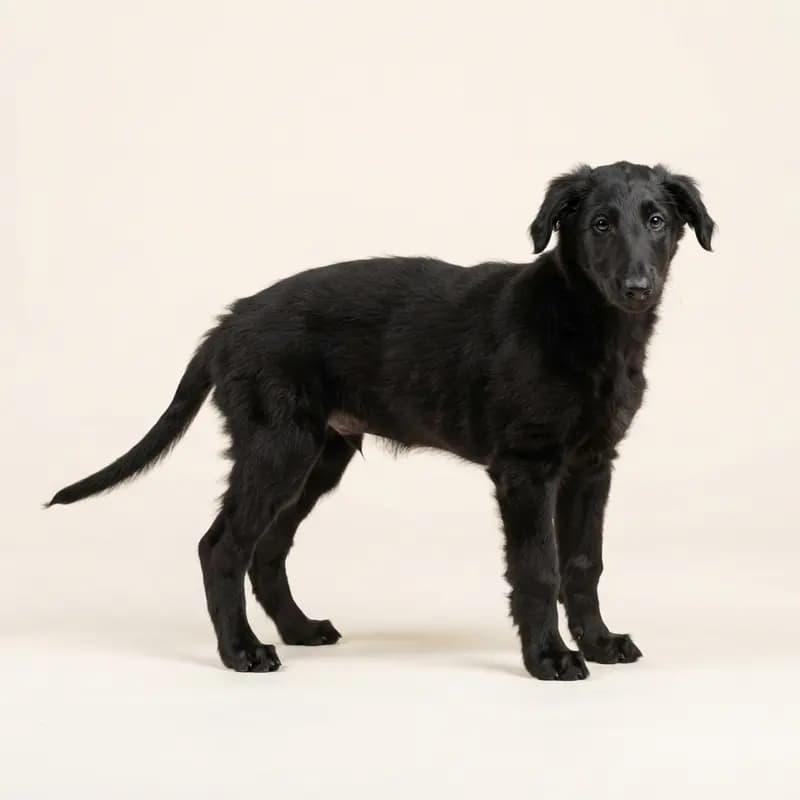
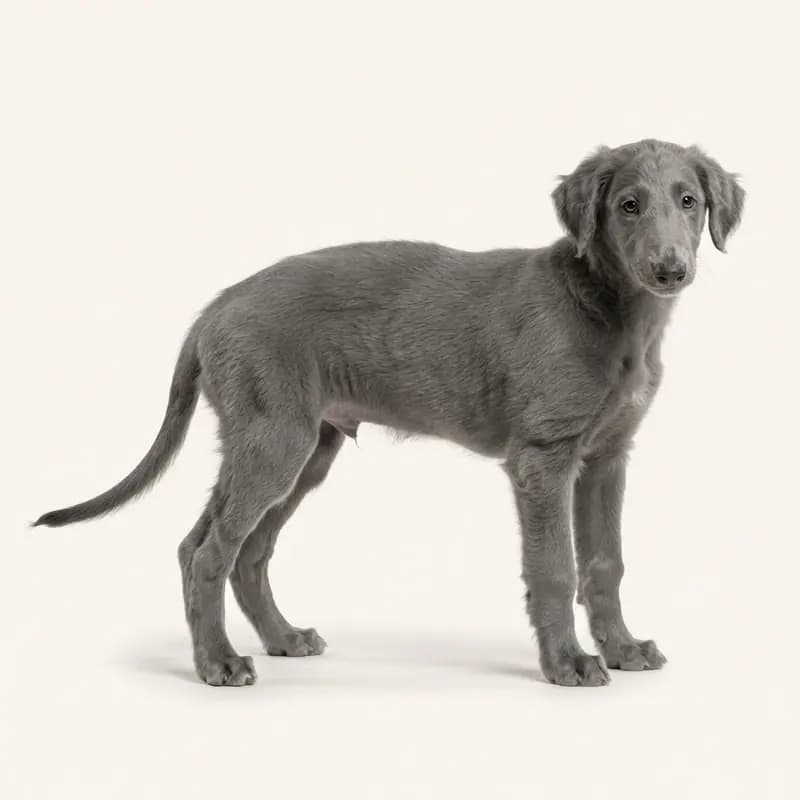
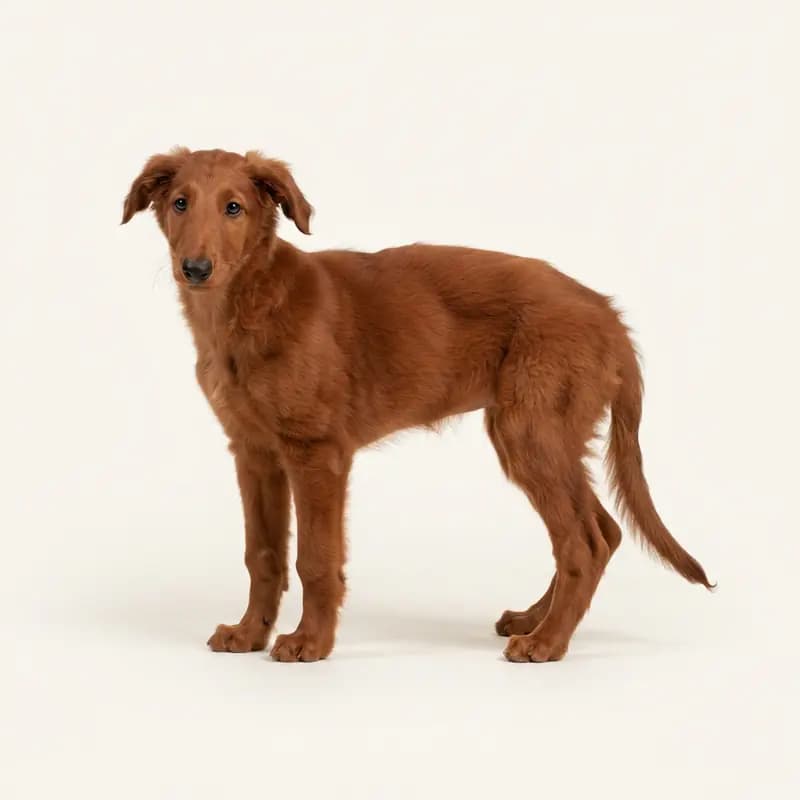
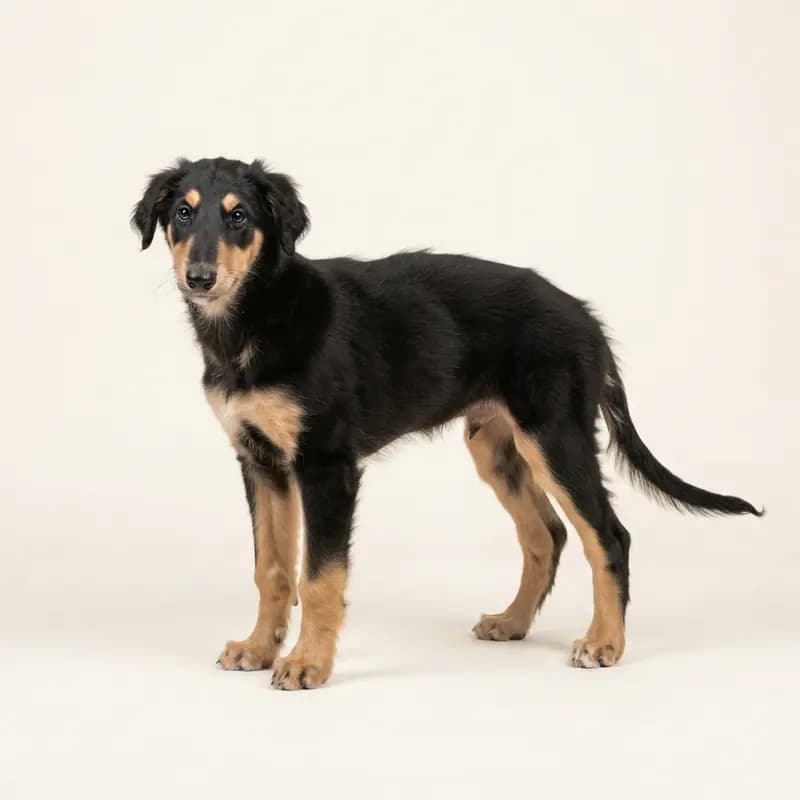
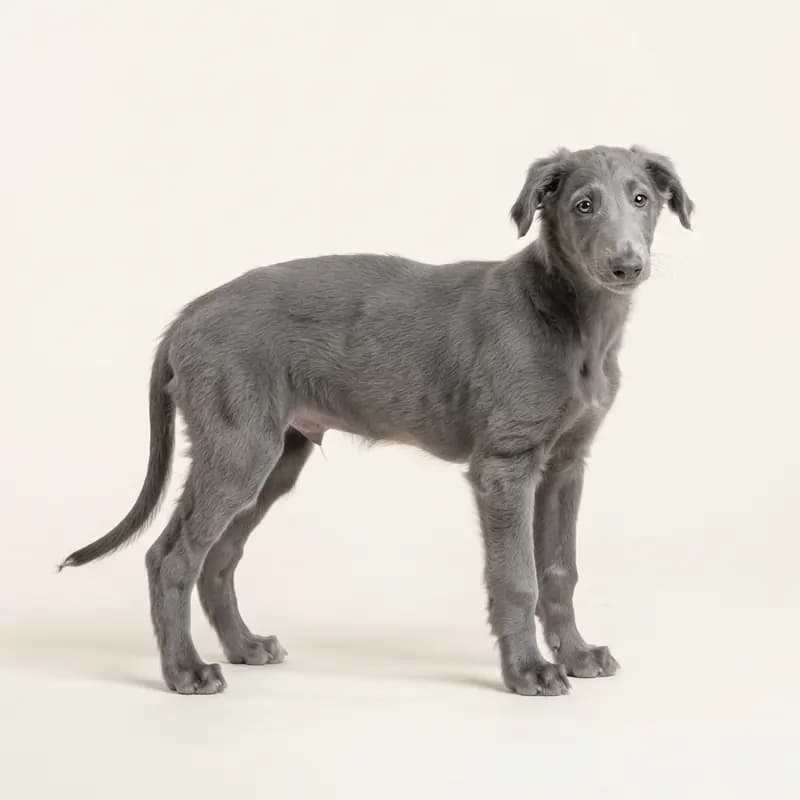
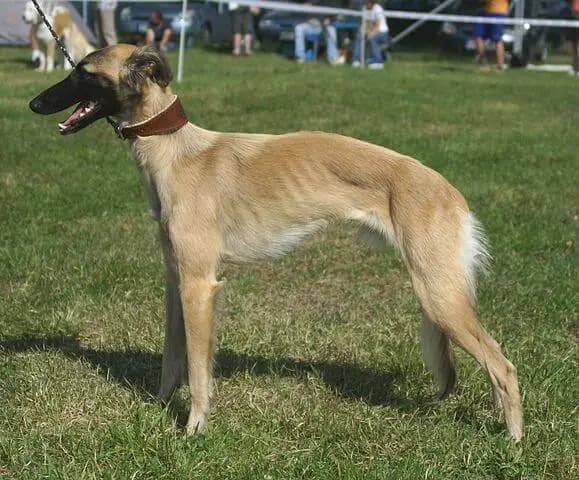
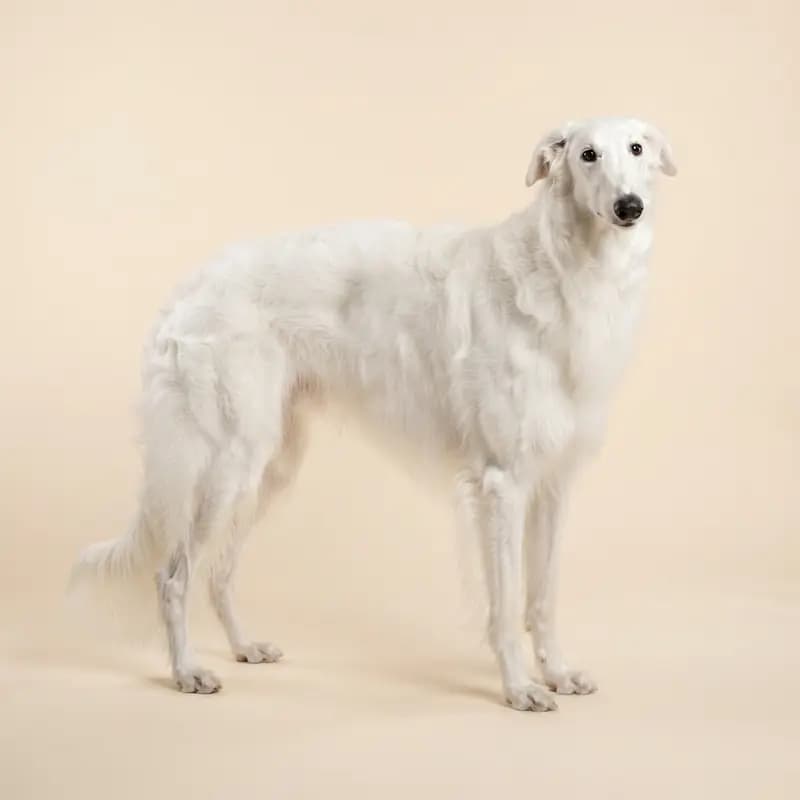
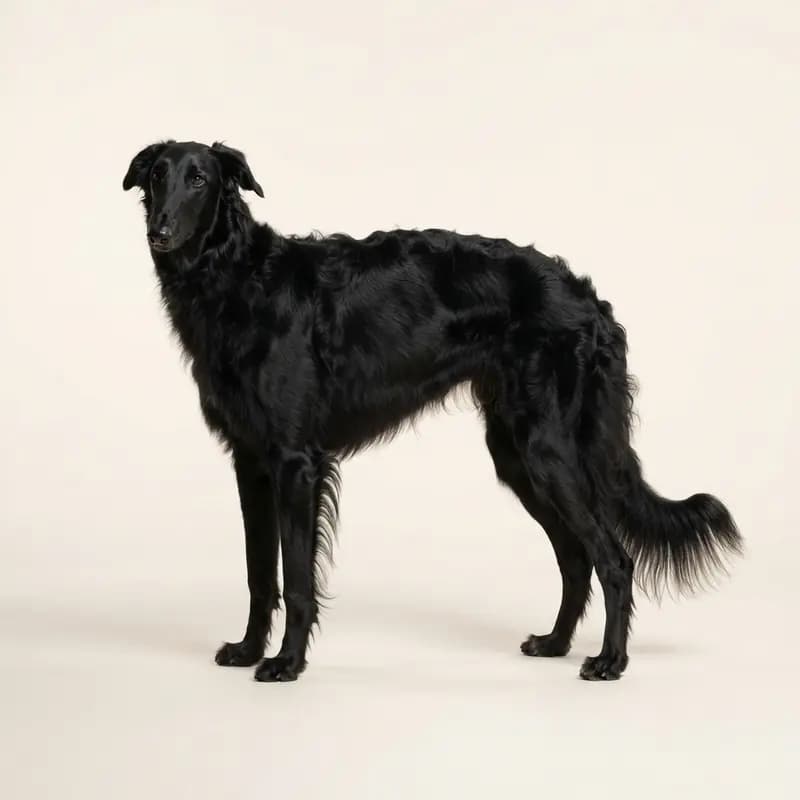
The Borzoi comes in these colors: White, Black, Grey, Red, Fawn, Cream, Gold, Sable, Brindle, Black and tan, Piebald, Blue. Colors that fall outside the breed standard are marked as such on the breed page.
Showcase your kennel on HonestDog and reach families searching for a responsibly bred Borzoi.