WhippetSame FCI section
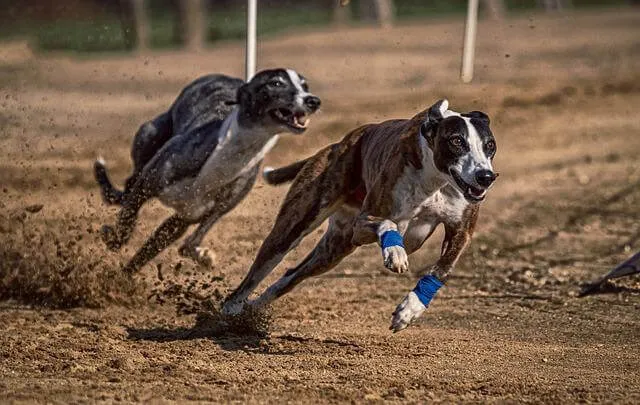
The Greyhound is a gentle, extremely calm sighthound at home—bred for explosive sprints, where any visual stimulus can trigger a hunting instinct in milliseconds that almost no voice in the world can stop.
Self-check
Answer 6 quick questions about your everyday life and see how well the Greyhound fits you — including an honest cost estimate per month, per year, and across the dog's lifetime.


At a glance
The essentials — key facts, traits, and health priorities — before you dive deeper.
Lifespan
10–14 yrs
Shoulder height
68–76 cm
Weight
27–40 kg
Practical
Temperament
Daily life
What matters most
Especially with a Greyhound, choosing the right breeder is the single most important decision you'll make. Serious breeders consistently test the parents for inherited conditions, prioritize healthy early socialization, and stay accountable long after handover. A cheap puppy without health screening tends to become the most expensive dog later on.
See HonestDog breeder standards →Colors & coat
The coat colors that occur in the Greyhound — including which ones fall outside the breed standard and which carry genetic risk.
Eye colors
 Brown
Coat type
 Short
 Smooth
The real vibes check
A Greyhound is a Ferrari in the body of a couch potato. Outside, a rustling leaf is enough to turn them into a 60 km/h rocket—inside, they are a gentle shadow that buries itself under your cozy blanket for hours. You get a highly specialized extreme that is surprisingly uncomplicated for everyday life, as long as you hold the leash tight in the woods.
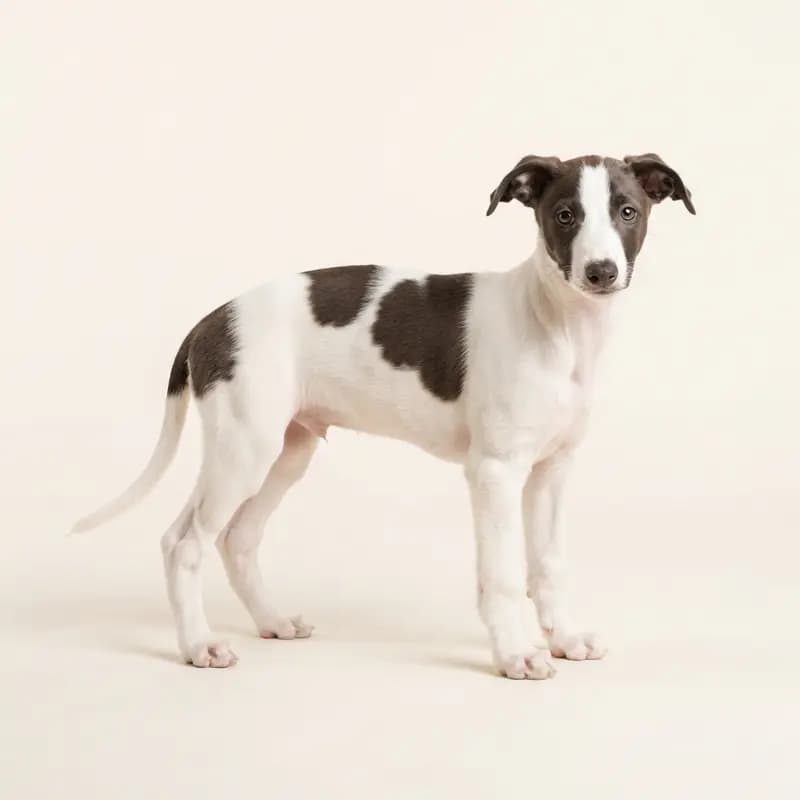
The Greyhound is an impressive sight, embodying speed, power and elegance. His lean, muscular body is optimally designed for his incredible sprint speeds, while his deep chest provides space for a strong heart and lungs. Its eyes are dark and intelligent, and its head is long and narrow, giving it keen vision. The Greyhound has a long history and is part of FCI Group 10, which stands for sighthounds.
Despite their impressive speed and hunting skills, Greyhounds are surprisingly gentle and calm dogs. They are loving and affectionate towards their owners and can often be considered real "lap dogs". Their calm nature and ability to lie still for long periods of time have earned them the nickname "45-mile-an-hour couch potato." Greyhounds are also known to get along well with other dogs and even cats, especially if they are socialized early. They are naturally curious and alert without being overly vigilant or territorial. They are rather reserved and can be aloof towards strangers, but this should not be confused with aggression. Although greyhounds were bred as racing dogs, they surprisingly don't have high activity needs. They love a good outdoor sprint, but are content to sleep the rest of the day afterwards. However, that doesn't mean they should lie on the sofa all day. They need daily walks and regular opportunities to run safely in a fenced area. Greyhounds can learn to be alone well, provided they have received enough physical and mental stimulation and care has been taken to accustom them to being alone gradually and positively. It is important to note that due to their attachment to their family, they can be prone to separation anxiety and prefer their humans to be home most of the day. Greyhounds tend to exhibit strong prey-catching behavior due to their long history as hunting dogs. This means that they can have a tendency to chase after small animals and can therefore be difficult to reliably walk without a leash, especially in areas where wildlife is present. In conclusion, Greyhounds are fascinating dogs that can charm their humans with their gentleness, affectionate nature and graceful appearance. With the right care and support, they can be wonderful companions for life.
| Watchfulness Greets everyone as a friend — no natural guarding instinct. | Very low |
| Openness to Strangers Warms up quickly and is generally welcoming. | Friendly |
| Hunting or Herding Drive This drive runs deep — no amount of training eliminates it. | Very strong |
Fun Fact!
Did you know that greyhounds are the fastest dogs in the world and can reach speeds of up to 70 km/h? Despite this impressive speed, they are also known as "40-mile-per-hour couch potatoes," as they like to relax and sleep most of the day.
As calm as greyhounds can be at home, they are almost unstoppable outside. They have a high motivation to hunt and run. Many owners report problems with the recall. This should be practiced early on.
Greyhounds are amazingly adaptable dogs that can get along well in both the city and the country. They are calm dogs that can adapt well to apartment life as long as they get regular exercise. Their calm temperament and low tendency to bark make them ideal city dogs. They generally get along well with children, provided the interactions are supervised and the child has been educated on how to treat the dog respectfully. Their tolerance for other pets may vary. Some greyhounds live easily with cats, while others may not get along well with smaller pets due to their strong prey-catching behavior.
Loves family life and thrives in a group.
Gets on well with children — with adult supervision.
Actively enjoys the company of other dogs.
Can manage in the city, but only with very active owners.
Owning a dog is a privilege, but it's also a real responsibility. Before you bring one into your life, be honest with yourself about the commitment it takes.
Greyhounds are intelligent and willing to learn, but they also have an independent streak. Therefore, positive, reward-based training works best for them. They do not respond well to harsh corrections or training techniques based on dominance. Thanks to their history as hunting dogs, greyhounds have a high willingness to run and prey motivation, which can be used in suitable dog sports such as coursing or lure coursing. Here you can pursue your passion, a “prey lure” without chasing a real animal. It is important to begin training impulse control and frustration tolerance in Greyhounds early. Because they have hunting instincts, they can tend to react to quick movements, and training helps them control these impulses.
Greyhounds have relatively high protein consumption due to their lean, muscular bodies and the amount of energy they burn. They should be fed a high-quality dog food that contains enough protein. But beware of too many calories, as Greyhounds are not prone to becoming overweight, but growing too quickly during the puppy and adolescent phases can lead to bone and joint problems. When it comes to grooming, Greyhounds are fairly easy to care for. They have a short, smooth coat with no undercoat that requires minimal grooming. An occasional brushing will help remove dead hair and keep the coat shiny. They do not shed heavily, but as with all dogs, there are times of year when they shed more than usual. Because Greyhounds have no undercoat, they can sense cold and may require a dog coat in colder weather.
| Care Level Minimal effort — occasional brushing and bathing. | Low-maintenance |
| Exercise Needs Working-dog energy that needs burning off every single day. | High-drive |
| Shedding No or minimal hair loss — suitable for allergy sufferers. | No shedding |
| Trainability Has its own ideas and will test limits. | Strong-willed |
Our experts are still reviewing this information. Spotted something wrong? Email us at info@honestdog.de.
Solid
Health grade
The Greyhound receives a grade of B, as being an athletic dog it exhibits a comparatively low number of typical hereditary diseases. Nevertheless, breeders must test for the dangerous familial cutaneous vasculopathy (FCV), which can lead to severe vascular inflammation. Furthermore, heart diseases such as dilated cardiomyopathy as well as bone cancer (osteosarcoma) occur more frequently than average in the breed, which is why a careful selection of parent animals is essential.
Grade is relative to other breeds — AI-assisted and editorially reviewed.
Methodology and data: HonestDog Dog Breed Health Report 2026
What matters most for this breed
Tap any item to see details.
You should pay attention to warm coats in winter, soft bedding for their joints, and strict rest periods after eating to minimize the risk of bloat.
Reputable breeders have the parents' hearts, eyes, and thyroids checked and pay attention to hereditary neurological diseases to reduce risks in the lineage.
Note: This health overview is AI-assisted and editorially reviewed. It is for orientation only and does not replace veterinary advice.
What matters most for this breed — what's common, how much it affects the dog's life, and how to protect yourself as a buyer.
Tap a body region to see the inherited conditions linked to it.
The three most important risks
Pick a region on the map to explore other areas.
Tier 1 is the recommended health standard for this breed. Tiers 2 and 3 show how responsible breeders go beyond.
Recommended standard. These tests make up the recommended health standard for this breed — the baseline of any careful breeding program. Ask any reputable breeder for the results.
No entries in this tier.
Note: This health overview is AI-assisted and editorially reviewed. It is for orientation only and does not replace veterinary advice.
A Greyhound costs around ~€190 per month (€100 – €370, depending on your setup). The first year adds up to roughly ~€5,550 including purchase, equipment and puppy school; across the dog's life (12 years) it comes to about ~€31,050.
With surgery cover, running costs come to about ~€190 per month — in return, your share of a major operation drops from several thousand euros to around 20 percent.
Per month
~€190
In the first year
~€5,550
Across the dog's life
~€31,050
Estimated purchase price from a breeder: €1,800 – €3,000
Estimate at a mid-range setup (suburban, dry food, 1–2 hours of daily exercise), average German prices, as of July 2026.
HonestDog Concierge
We currently have no breeders for this breed who have passed our verification. Create your short buyer profile: we'll set up your search alert, review a possible source and email you within 28 days.

 Illustrative image
 Illustrative image
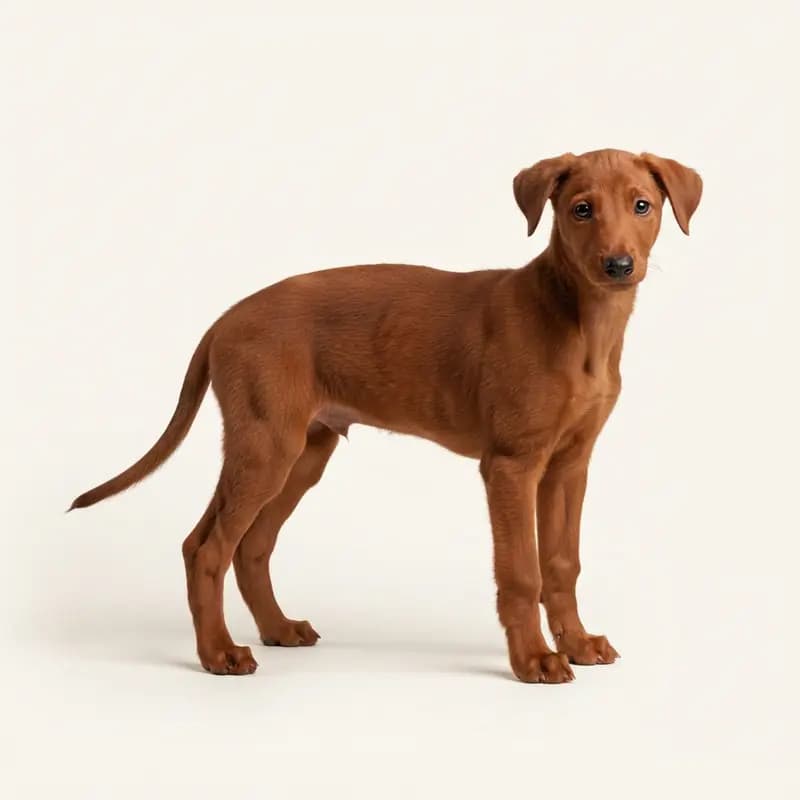 Illustrative image
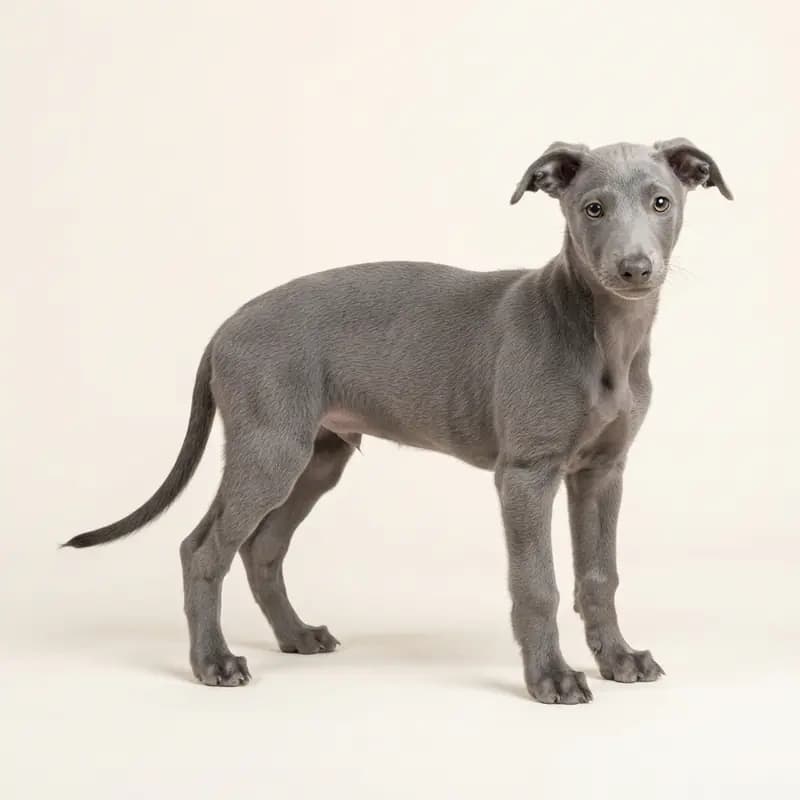 Illustrative image
Greyhounds are one of the oldest known dog breeds and their history goes back several thousand years. There are depictions of greyhound-like dogs in ancient Egyptian murals dating back to 4000 BC. The breed was popular with kings and queens over the centuries and was used to hunt quick prey such as rabbits and deer. In the Middle Ages, they were bred in England for hunting and later for greyhound racing, which further increased their popularity. The breed was recognized by the American Kennel Club in 1885.
The Greyhound was originally bred for hunting rabbits and other game, known for its exceptional speed.
Great Britain
Antike
At home, the Greyhound surprises many first-time owners with how little energy it has indoors. Far from the cliché of the restless runner, owners consistently describe their dogs as low-maintenance housemates that spend most of the day asleep on the couch or on thick cushions. They rarely bark, are almost silent indoors and seek out their people's company in a very gentle but unobtrusive way.
At the same time, owners point out that this love of comfort has a reason: with little body fat and thin skin, Greyhounds don't like lying on hard floors and are very sensitive to cold. Most owners consider a functional dog coat essential in wet or cold weather. With rescue dogs (retired racing greyhounds), owners also report a sometimes longer settling-in period, because at first these dogs have to slowly get used to everyday things like stairs, slick floors, glass doors or living with cats.
Sources:amba-versicherungen.dedogforum.dezooplus.deedogs.deprogreyhound.de
The central theme in owner accounts of training and life outdoors is the breed's very strong drive to chase what it sees. Owners keep stressing that a Greyhound often walks very nicely on the leash, almost floating along, but when it spots movement, whether a hare, a cat or sometimes even a small running dog, it goes from zero to full speed in a split second. At moments like these, a normal recall no longer works with the vast majority of dogs.
For this reason, experienced sighthound owners warn against letting a Greyhound off the leash in terrain where you can't see far or near roads. Many owners keep their dogs secured at all times with special escape-proof harnesses and use high-fenced runs or sighthound fields for the off-leash running these dogs need. Basic training is described as cooperative but calls for a light touch: harshness or pressure makes this sensitive dog withdraw completely, while it responds very well to calm, consistent reinforcement and patience.
Sources:amba-versicherungen.degreyhound-community.comreddit.comwirliebenhunter.de
On health, owners describe the Greyhound as a basically hardy breed with surprisingly few inherited lifestyle diseases, but they point to some very specific quirks. A recurring challenge is its very thin skin, which tears easily during rough play with other dogs or in the bushes. Many owners therefore keep a well-stocked first-aid kit on hand, and some get their dogs used to special muzzles for rough off-leash play to prevent injuries in a group.
Another focus when owners compare notes is the breed's unusual physiology. Many owners stress how important it is to have a vet experienced with sighthounds: Greyhounds have breed-typical blood values that differ from other dogs and are very sensitive to many common anesthetics. Forums also regularly discuss dental problems and tartar buildup, as well as the need for strict rest after meals, because the deep chest raises the risk of bloat.
Sources:amba-versicherungen.dereddit.com
Paraphrased from real owner reports · translated from German
The Greyhound is an active dog that needs plenty of exercise and mental stimulation. Research the temperament, grooming needs, and space requirements before deciding.
The average life expectancy of a Greyhound is 10-14 years. With proper care and regular vet visits, your dog can live a long, healthy life.
Greyhound grooming requirements include regular brushing, nail trimming, and dental care. HonestDog provides detailed grooming tips for every breed.
The Greyhound can be a great family dog. Proper training and socialization are key. HonestDog provides family suitability information for every breed.
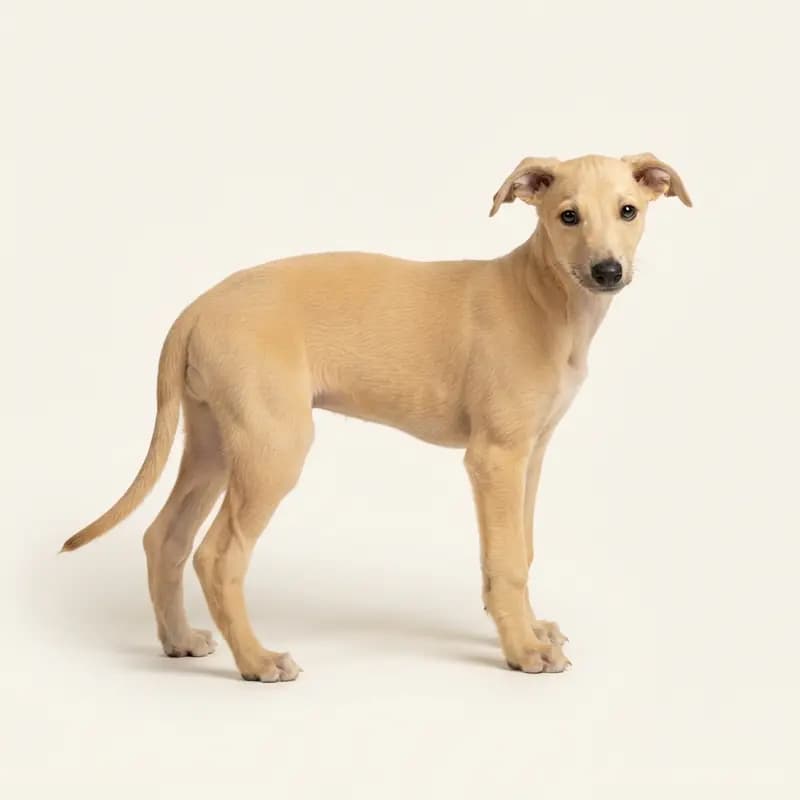
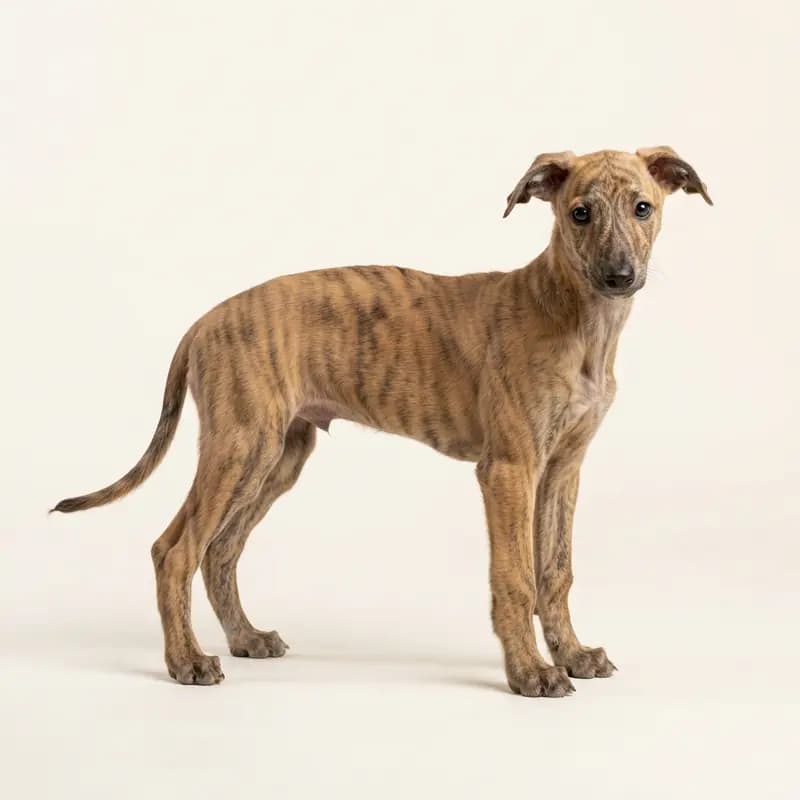
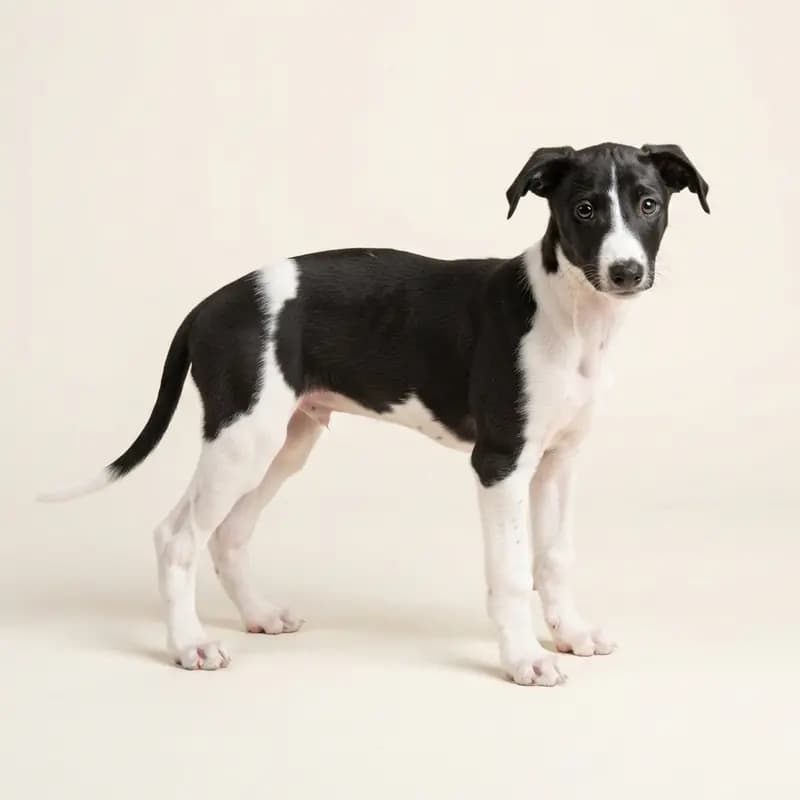
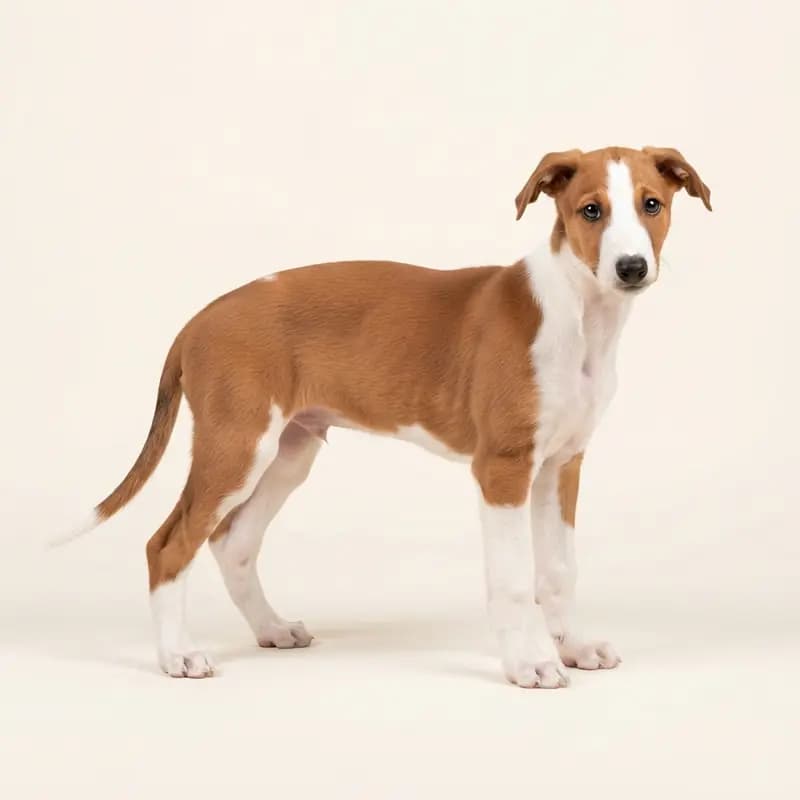
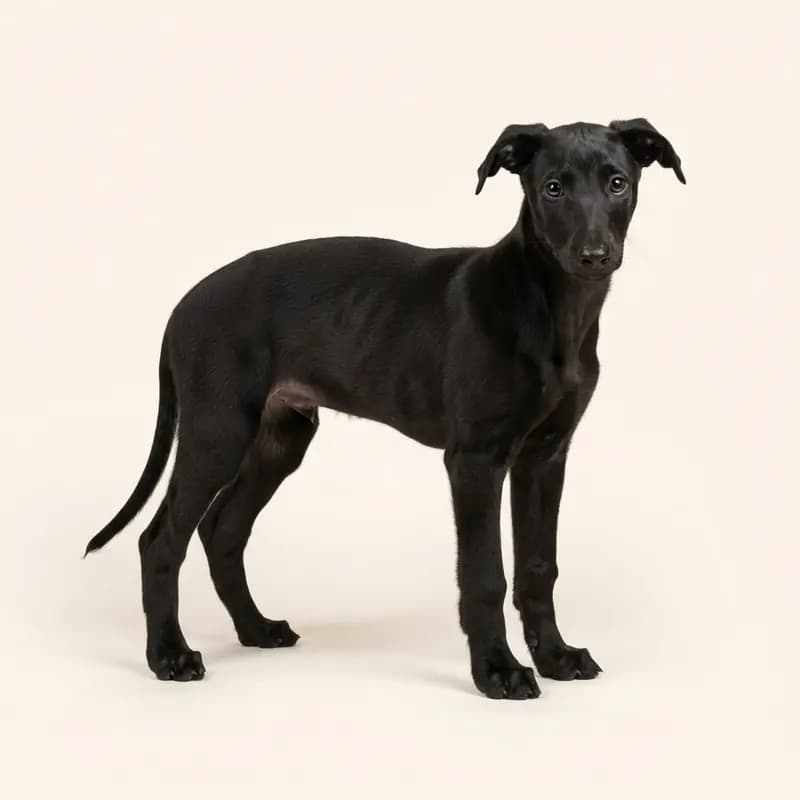
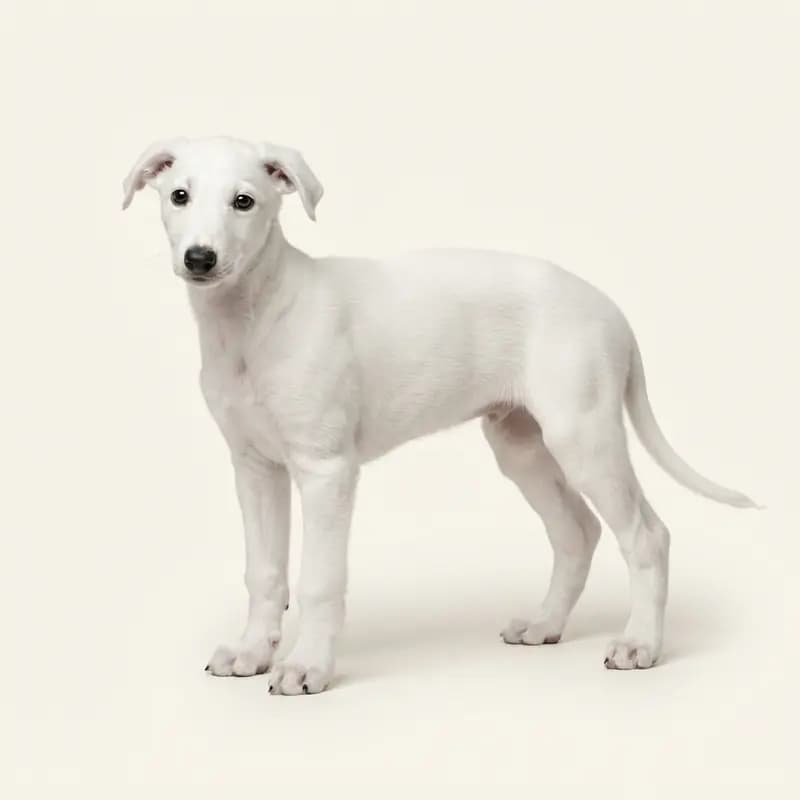
The Greyhound comes in these colors: Black, White, Red, Blue, Fawn, Brindle, Black and white, Red and white, Piebald.
Showcase your kennel on HonestDog and reach families searching for a responsibly bred Greyhound.