
GreyhoundSame FCI section
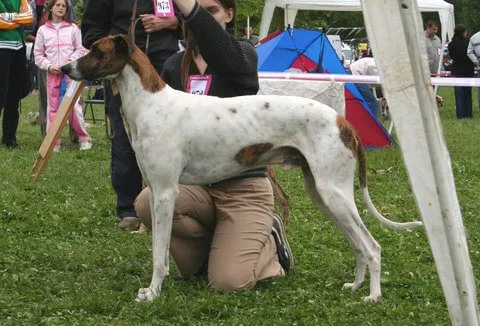
The Magyar Agár is an elegant, surprisingly robust sighthound — bred for endurance coursing of hare and roe deer across the vast plains of Hungary. Stronger and more enduring than many of his sighthound relatives, but with the same sprint in his blood.
How the health grade is calculated
Sources for required breeding screenings. Deutscher Windhundzucht- und Rennverband e.V. (DWZRV)
Self-check
Answer 6 quick questions about your everyday life and see how well the Magyar Agar fits you — including an honest cost estimate per month, per year, and across the dog's lifetime.


At a glance
The essentials — key facts, traits, and health priorities — before you dive deeper.
Lifespan
12–14 yrs
Shoulder height
62–70 cm
Weight
20–31 kg
Practical
Temperament
Daily life
What matters most
Especially with a Magyar Agar, choosing the right breeder is the single most important decision you'll make. Serious breeders consistently test the parents for inherited conditions, prioritize healthy early socialization, and stay accountable long after handover. A cheap puppy without health screening tends to become the most expensive dog later on.
See HonestDog breeder standards →Colors & coat
The coat colors that occur in the Magyar Agar — including which ones fall outside the breed standard and which carry genetic risk.
Fawn
Red
Blue
Brown
Wolf grey
Black and tan
Tricolor
Eye colors
 Brown
Coat type
 Short
 Smooth
 Double coat
The real vibes check
A Magyar Agár is two dogs in one: outdoors he switches in seconds from a leisurely trotter to an arrow-fast sprinter; indoors he's a deeply relaxed couch specialist who dozes for hours. You're not getting an order-taker but a gentle, affectionate companion with a built-in turbo — give his sighthound instinct safe chances to sprint instead of fighting against it, and you'll gain a surprisingly uncomplicated partner.
The Magyar Agar, also known as the Hungarian Greyhound, is an elegant and athletic dog that impresses both with its appearance and its behavior. He belongs to FCI Group 10, the group of greyhounds. In contrast to many other greyhound breeds, he is rather muscular and robustly built, which makes him ideal for various types of dog sports. In terms of appearance, there are no significant differences between show and performance lines, which is a sign of a predominantly healthy and functional breed.
The Magyar Agar is a dog with a strong character that can delight both active people and couch potatoes. He is an intelligent and adaptable dog who can quickly adapt to new situations. Despite its origins as a hunting dog, the Magyar Agar has a rather calm and balanced nature, but still likes to be active and enjoys any kind of exercise, especially if it challenges his stamina. This makes him ideal for various dog sports, such as coursing or agility. Magyar Agars are very people-oriented and build a close bond with their caregivers. They are loyal companions who want nothing more than to be with their family. The Magyar Agar can learn to stay alone with a little training, but it shouldn't take too long. Although they have high stamina and good speed, most Magyar Agars have a low hunting instinct. However, you should always keep an eye on them when they are running off-leash in an unfamiliar environment, as they may react to fast-moving objects. Magyar Agars are generally not loud dogs, they are more alert and aware of their surroundings without constantly barking. Their vigilance makes them good guard dogs, but they do not become aggressive without real threat. They are rather reserved towards strangers, but this should not be confused with shyness. They are simply cautious and sometimes need some time to build trust with new people. Overall, the Magyar Agar is a versatile and adaptable dog that can be happy in an active family as well as with a single owner. His balance and loving nature make him a great companion, but he also has his active phases and wants to live them out. Therefore, potential owners should be prepared to challenge and stimulate their Magyar Agar both physically and mentally.
| Watchfulness Reports unusual activity but stays controlled. | Moderate |
| Openness to Strangers Neither pushily friendly nor suspicious. | Neutral |
| Hunting or Herding Drive Powerful instinct that can override recall when triggered. | Strong |
Fun Fact!
Did you know that, unlike most sighthounds, the Magyar Agár isn't a pure sprinter? On the Hungarian puszta he ran for centuries alongside mounted hunters and was deliberately bred for stamina – he could hold his pace over long distances rather than sprinting only short ones.
The Magyar Agar is an elegant and fast sighthound that was originally bred for hunting. He is intelligent, enduring, and requires a lot of exercise. Despite his hunting drive, he is very loyal and friendly towards his owner. The Magyar Agar is well suited for active families who can provide him with sufficient activity and exercise.
Due to its calm and balanced nature, the Magyar Agar is definitely suitable as a city dog, provided it gets enough exercise and activity. Small children are usually not a problem for the Magyar Agar, he is a very patient and gentle dog. Living with other pets, including cats, is usually easy with proper socialization.
Loves family life and thrives in a group.
Gets on well with children — with adult supervision.
Actively enjoys the company of other dogs.
Can manage in the city, but only with very active owners.
Owning a dog is a privilege, but it's also a real responsibility. Before you bring one into your life, be honest with yourself about the commitment it takes.
The Magyar Agár is intelligent and genuinely willing to learn, but as a sighthound he's not a dog for stubborn repetition drills. He'll happily work with you as long as the sessions are short, friendly and varied. He responds sensitively to harshness or loud scolding and withdraws – you'll achieve far more with positive reinforcement and calm. Even though his hunting instinct often seems moderate in everyday life, he remains a sighthound: he can react to fast movement in a flash. A carefully built recall and a long line in unfamiliar terrain are therefore a must, and off-leash freedom belongs in securely fenced areas. An ideal outlet for his running instinct is sighthound sport: at coursing or on the racetrack he can show, in a controlled way, what he was bred for. Alongside that, exercises for impulse control and frustration tolerance help him stay responsive even around exciting stimuli. The people-oriented Magyar Agár learns to be left alone well with small-step training. All in all, he's pleasantly uncomplicated to raise, as long as you respect his sighthound-typical independence and guide him through motivation rather than force.
The Magyar Agar is a relatively undemanding dog when it comes to his diet. He tolerates both dry and wet food well and has no particular need for special nutritional supplements. However, it is important that he receives a balanced and varied diet that meets his needs. In terms of care, the Magyar Agar is also very easy to care for. Its short, dense coat has no undercoat and sheds very little. Therefore, brushing him occasionally is enough to remove dead hair and keep the coat shiny. Despite the lack of undercoat, the Magyar Agar is very weatherproof and also copes well with the German climate.
| Care Level Minimal effort — occasional brushing and bathing. | Low-maintenance |
| Exercise Needs Needs several hours of serious exercise every day. | Very active |
| Shedding Regular shedding — dog hair on clothes is now normal. | Moderate |
| Trainability Has its own ideas and will test limits. | Strong-willed |
Our experts are still reviewing this information. Spotted something wrong? Email us at info@honestdog.de.
Robust
Health grade
The Magyar Agar is considered a very robust breed, yet hereditary eye diseases such as progressive retinal atrophy and hereditary cataract, as well as cataract, can occur. In addition, the risk of hip dysplasia (HD) must be taken into account in large racing dogs. For breeding approval, the Deutscher Windhundzucht- und Rennverband e.V. (DWZRV) mandatorily prescribes that the parent animals must be free of progressive retinal atrophy and hereditary cataract. Health-oriented breeders additionally have the hips X-rayed and also rule out general cataract. Before buying a puppy, have the ophthalmological findings with the status free and an HD result of HD A–B presented to you for both parent animals.
Grade is relative to other breeds — AI-assisted and editorially reviewed.
Methodology and data: HonestDog Dog Breed Health Report 2026
What matters most for this breed
Tap any item to see details.
You should enforce strict rest after eating to prevent gastric torsion, ensure joint-friendly rearing, and alert your vet to the sighthound-typical sensitivity to anaesthesia before any procedures.
Responsible breeders present clear results for both parents regarding progressive retinal atrophy and hereditary cataract, and additionally have them screened for hip dysplasia (HD) as well as cataract.
Note: This health overview is AI-assisted and editorially reviewed. It is for orientation only and does not replace veterinary advice.
What matters most for this breed — what's common, how much it affects the dog's life, and how to protect yourself as a buyer.
Tap a body region to see the inherited conditions linked to it.
The three most important risks
Pick a region on the map to explore other areas.
Tier 1 is the core standard: the tests Deutscher Windhundzucht- und Rennverband e.V. (DWZRV) requires, plus further tests from the recommended health standard for this breed. Tiers 2 and 3 show how responsible breeders go beyond.
Core standard. Tests marked “Club standard” are required by Deutscher Windhundzucht- und Rennverband e.V. (DWZRV) for breeding approval; the others are part of the recommended health standard for this breed. Ask any reputable breeder for the results.
Note: This health overview is AI-assisted and editorially reviewed. It is for orientation only and does not replace veterinary advice.
A Magyar Agar costs around ~€180 per month (€100 – €340, depending on your setup). The first year adds up to roughly ~€4,850 including purchase, equipment and puppy school; across the dog's life (13 years) it comes to about ~€30,890.
With surgery cover, running costs come to about ~€180 per month — in return, your share of a major operation drops from several thousand euros to around 20 percent.
Per month
~€180
In the first year
~€4,850
Across the dog's life
~€30,890
Estimated purchase price from a breeder: €1,200 – €2,500
Estimate at a mid-range setup (suburban, dry food, 1–2 hours of daily exercise), average German prices, as of July 2026.
HonestDog Concierge
We currently have no breeders for this breed who have passed our verification. Create your short buyer profile: we'll set up your search alert, review a possible source and email you within 28 days.

 Illustrative image
 Illustrative image
 Illustrative image
 Illustrative image
The origins of Magyar Agar lie in what is now Hungary and go back several thousand years. The exact origin is not fully understood, but it is believed that they came to Hungary with the Magyars, an ancient equestrian people, in the 9th century. There they were used to hunt fast game, such as hares and deer. The Magyar Agar has been recognized as a separate breed since the 20th century and is becoming increasingly popular outside of Hungary.
The Magyar Agár was bred as a hunting dog for hunting hares and other game on the Hungarian plains.
Hungary
Antike
Owners describe the Hungarian Greyhound as a fascinating quick-change artist. Within its own four walls, most owners find it remarkably calm, unobtrusive, and almost invisible. It is seen as a typical cuddly dog and affectionate companion that seeks the closest possible contact with its people and loves to sink into soft sofas or beds.
Outdoors, though, it is the exact opposite: these dogs need a fair amount of exercise. Owners stress that short on-leash walks around the block are not enough. Compared with other sighthounds, the Hungarian Greyhound is not a pure sprinter but an endurance runner that needs regular chances to stretch out fully and burn off energy. Owners therefore find a securely fenced yard or fenced off-leash areas especially valuable.
Many of these dogs show the typical sighthound reserve toward strangers. Owners point out, however, that compared with many of its Western European relatives, the Hungarian Greyhound has a noticeable guarding and protective instinct: visitors or changes on the property are alertly announced, without the dogs barking or turning aggressive for no reason.
Sources:hundeseite.dewindhundverband.deedogs.dedogdna.dezooroyal.de
On training, prey drive, and handling, experienced owners point out that the prey drive should by no means be dismissed as minor in practice. As a sighthound originally bred to course game, the Hungarian Greyhound reacts very quickly to anything that runs. Many dogs also use their nose actively to follow fresh scent trails. Owners accordingly report that unsecured off-leash time in areas with lots of wildlife is often impossible, or requires the owner to keep scanning the surroundings ahead of time.
Owners describe the breed as cooperative and intelligent in training, but by no means blindly obedient. These dogs always keep a degree of independence and quickly question monotonous repetition. Owners warn against using harshness or pressure, since the dogs are sensitive and tend to withdraw or refuse.
In owners' experience, what works is training based on consistency, patience, and positive reinforcement. Anyone who enjoys activities such as lure coursing, greyhound racing, or long runs and hikes will find the Hungarian Greyhound an enthusiastic team player that rests happily once the work is done.
Sources:hundeseite.dewindhundverband.dezooroyal.detackenberg.dedogdna.de
On grooming and health, owners describe the Hungarian Greyhound as one of the easiest and most weatherproof sighthound breeds. The short coat is low-maintenance and usually needs only an occasional brushing. Unlike many more delicate sighthounds, these dogs can often grow a noticeable undercoat in winter, so they handle cold and wet, dreary weather much better, though a coat can still be useful in extreme cold and during long breaks.
Owners and breeding reports mostly rate the breed as hardy and not very prone to illness, with a life expectancy that is good for a large dog, often 12 to 14 years. Owners do, however, point to the paw and nail care sighthounds need: because the nails often grow quickly and don't always wear down fully on their own given the springy gait, regular trimming is a must.
A few owners in breeding and rescue circles mention cases of idiopathic epilepsy or eye problems (such as PRA), which is why people repeatedly advise carefully choosing healthy bloodlines. Overall, though, the build is praised as substantial, sturdy, and rarely prone to injury.
Sources:zooroyal.deeuropuppy.comtackenberg.dewelpen.vdh.dewindhundverband.de
Paraphrased from real owner reports · translated from German
The Magyar Agar is an active dog that needs plenty of exercise and mental stimulation. Research the temperament, grooming needs, and space requirements before deciding.
The average life expectancy of a Magyar Agar is 12-14 years. With proper care and regular vet visits, your dog can live a long, healthy life.
Magyar Agar grooming requirements include regular brushing, nail trimming, and dental care. HonestDog provides detailed grooming tips for every breed.
The Magyar Agar can be a great family dog. Proper training and socialization are key. HonestDog provides family suitability information for every breed.
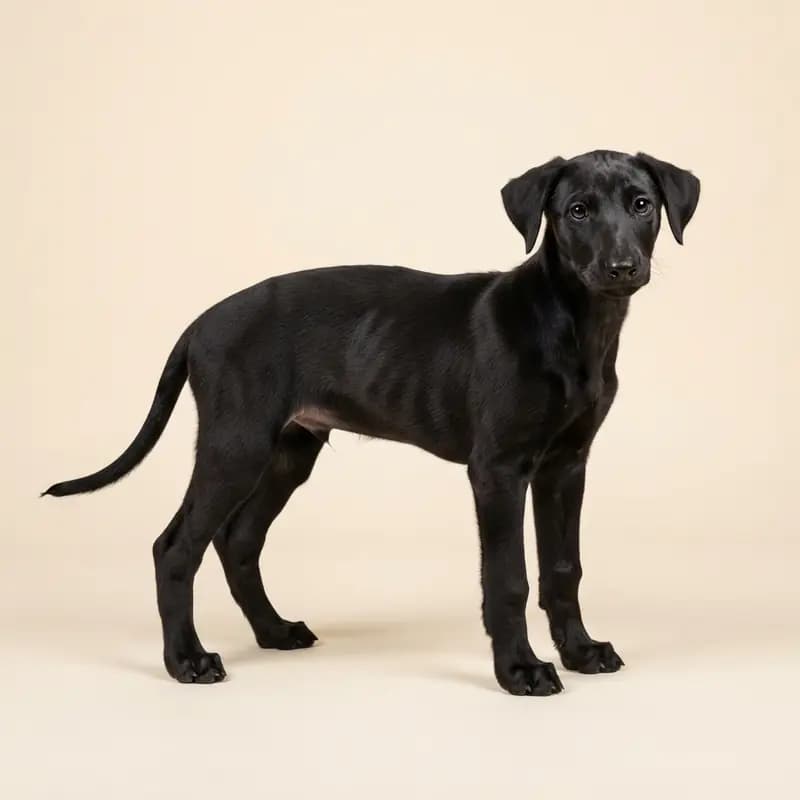
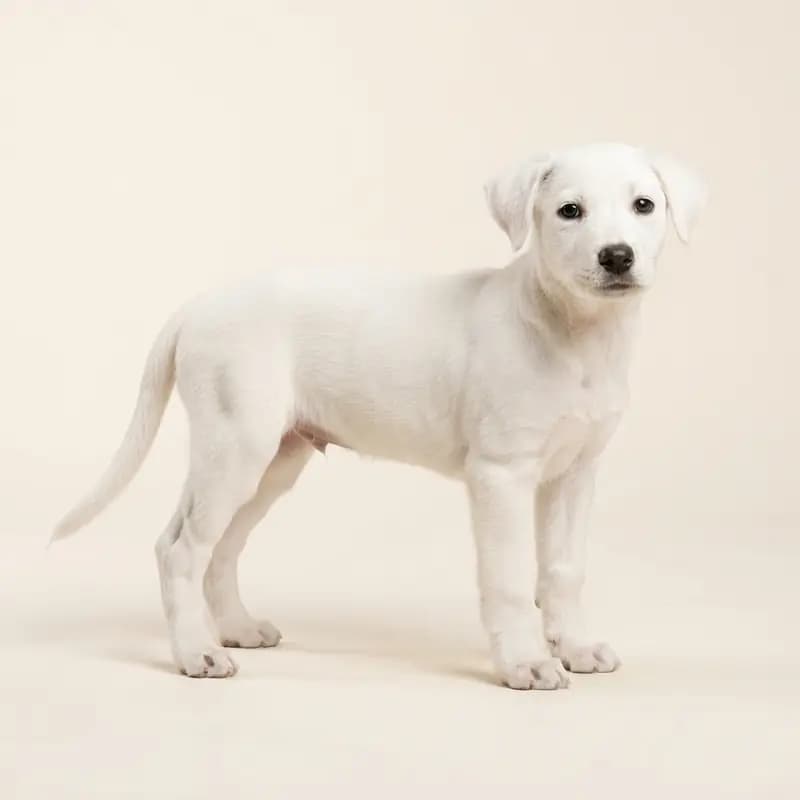
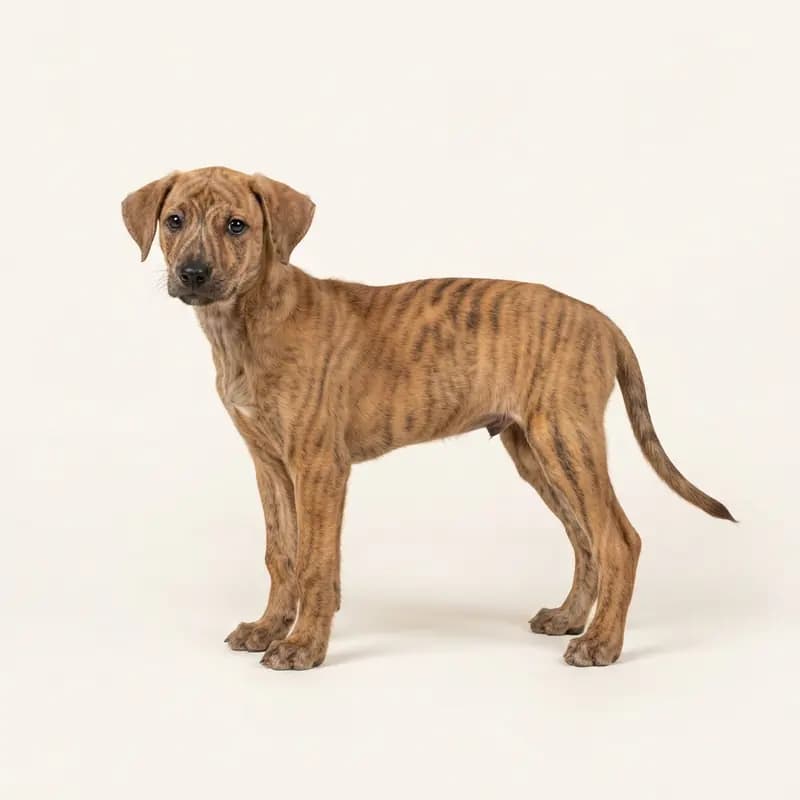
The Magyar Agar comes in these colors: Black, White, Fawn, Red, Brindle, Piebald, Blue, Brown, Wolf grey, Black and tan, Tricolor. Colors that fall outside the breed standard are marked as such on the breed page.
Showcase your kennel on HonestDog and reach families searching for a responsibly bred Magyar Agar.