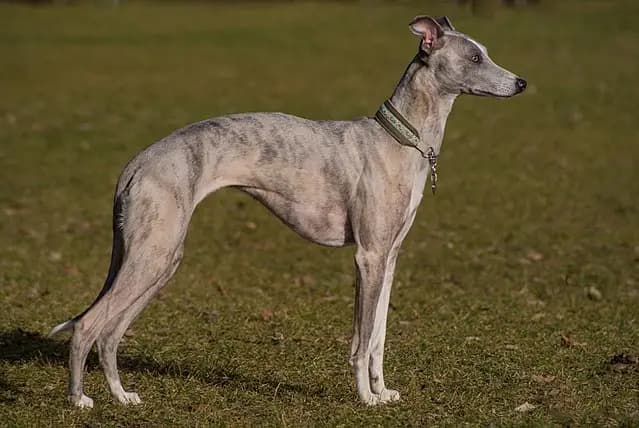
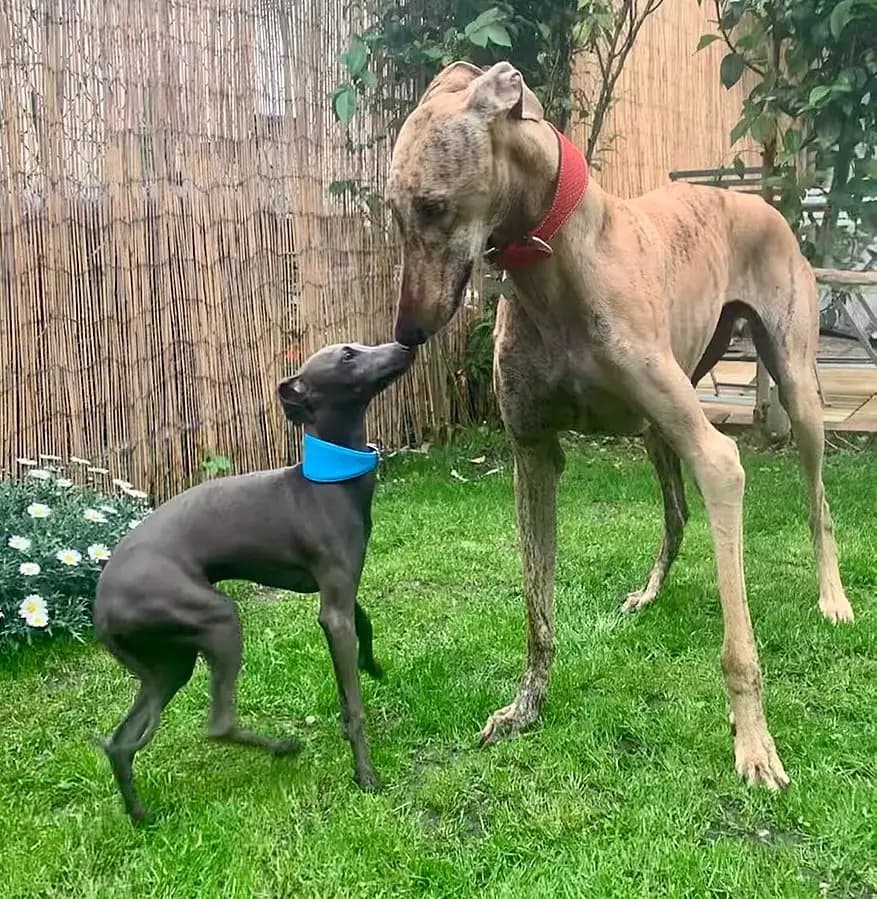
Greyhounds are generally considered robust dogs, but their extreme anatomy and genetics bring specific issues. Because of the deep chest, there is an increased risk of life-threatening gastric torsion; heart problems are also typical of the breed. Responsible breeders therefore have the heart, eyes and thyroid of the parent dogs clinically examined before they are used for breeding, in order to reduce the risk for the offspring.
There is a particular focus on hereditary nerve disorders such as NDRG1-associated polyneuropathy, as well as on malignant hyperthermia (a life-threatening hypersensitivity to anaesthesia). Where established DNA tests are used for such specific mutations, the result shows whether a dog is clear, a carrier or affected. If, with simple recessive inheritance, the breeder mates carriers only with clear partners, no puppy inherits the tested mutation from both parents, which significantly reduces the risk of that particular condition. Familial vasculopathy (a disease of the blood vessels in the skin) is also among the recommended basic health considerations.
In addition, there are further health risks in the breed for which there are often no genetic tests and which are identified clinically or by monitoring the lines. These include eye diseases such as generalised progressive retinal atrophy (PRA) and pannus (chronic superficial keratitis), the blood clotting disorder haemophilia, connective tissue weaknesses (cutaneous asthenia / Ehlers-Danlos syndrome), megaoesophagus (enlargement of the oesophagus), congenital deafness and the largely cosmetic pattern baldness on the thighs. When you visit the breeder, ask to see all the original examination results for the parent dogs and ask specifically whether these conditions have occurred in the breeding lines.