German PinscherSame FCI section
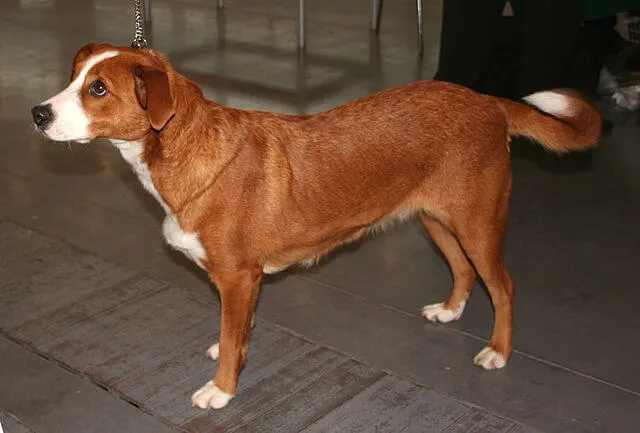
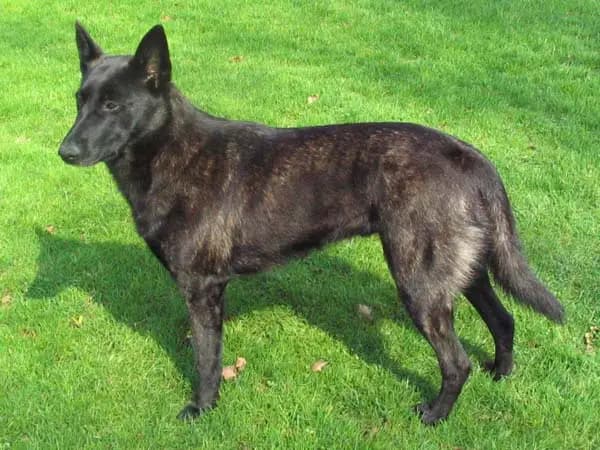
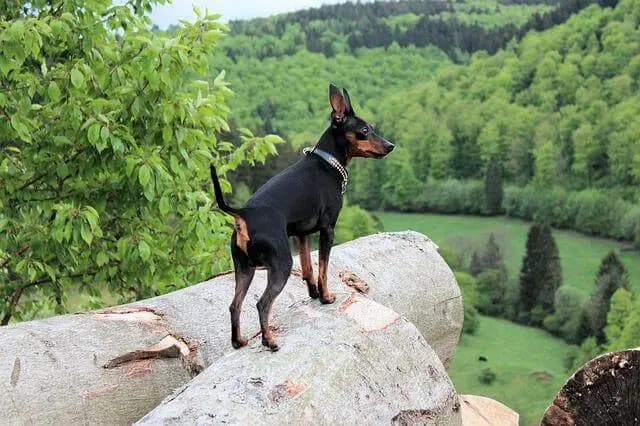
The Österreichischer Pinscher is a robust, incorruptible companion—bred as a territorial farm dog that loudly announces every stranger, keeps rats away, and never leaves its home voluntarily.
Self-check
Answer 6 quick questions about your everyday life and see how well the Austrian Pinscher fits you — including an honest cost estimate per month, per year, and across the dog's lifetime.

At a glance
The essentials — key facts, traits, and health priorities — before you dive deeper.
Lifespan
12–14 yrs
Shoulder height
42–50 cm
Weight
12–20 kg
Practical
Temperament
Daily life
What matters most
Especially with a Austrian Pinscher, choosing the right breeder is the single most important decision you'll make. Serious breeders consistently test the parents for inherited conditions, prioritize healthy early socialization, and stay accountable long after handover. A cheap puppy without health screening tends to become the most expensive dog later on.
See HonestDog breeder standards →Colors & coat
The coat colors that occur in the Austrian Pinscher — including which ones fall outside the breed standard and which carry genetic risk.
Yellow
Eye colors
 Brown
Coat type
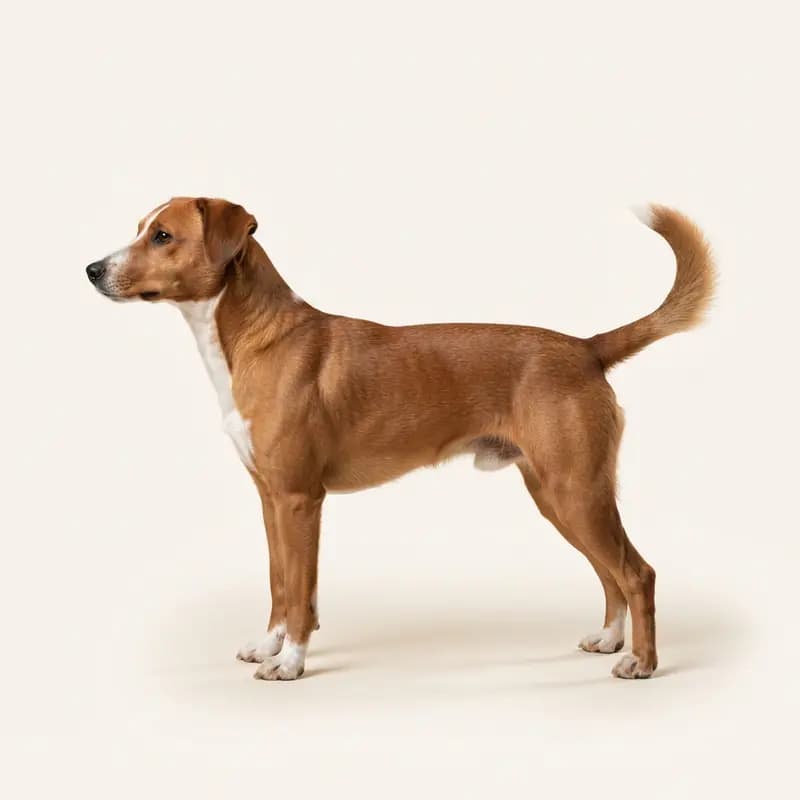 Illustrative image
Short
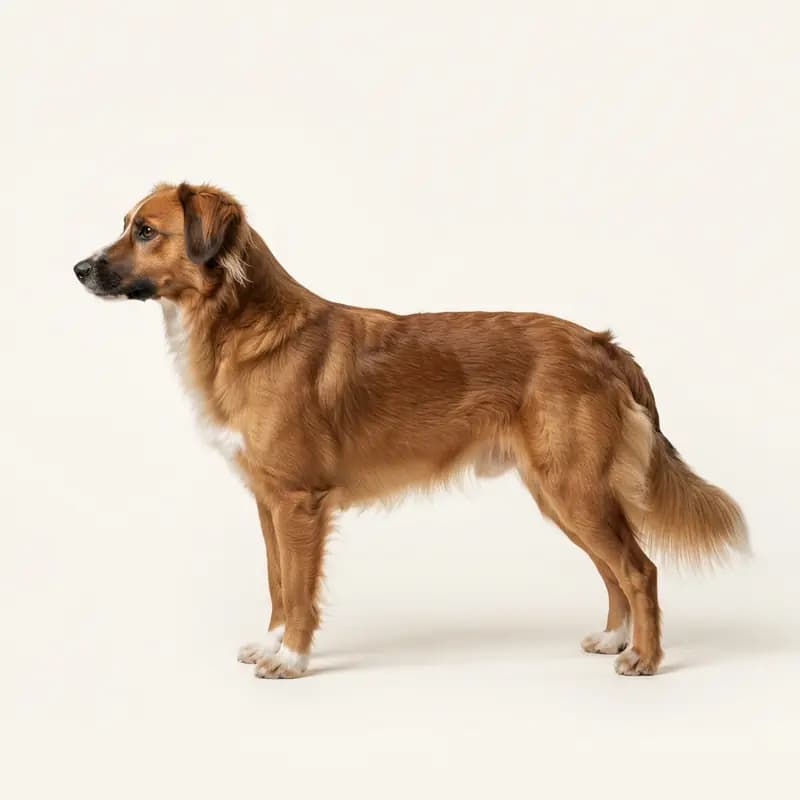 Illustrative image
Medium
 Smooth
 Double coat
The real vibes check
An Österreichischer Pinscher is not a trendy city dog, but rather the incorruptible caretaker of your life. He patrols the property boundaries, reliably reports the unknown, and then lies deeply relaxed at your feet. You aren't getting an 'everybody's darling,' but a sturdy guardian who would literally walk through fire for his family.
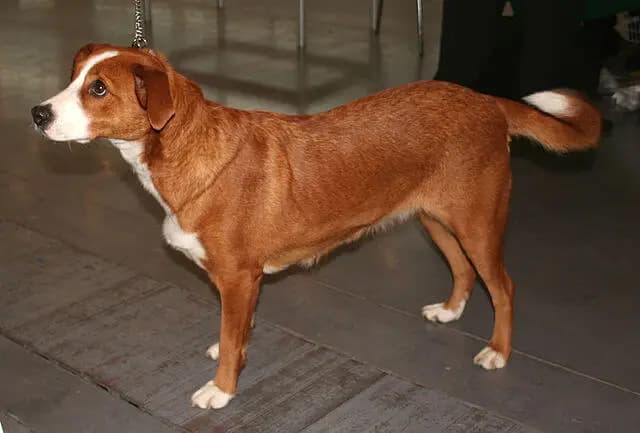
The Austrian Pinscher is a medium-sized, powerfully built dog whose appearance reflects its role as a farm and family companion dog. His strong physique, characterized by strong legs and a compact appearance, shows his working history. The head is strong and fairly broad, with high-set, semi-rigid ears that stand in a characteristic V-shape when alert. He belongs to FCI Group 2, Section 1.1: Pinscher, although there is no division into performance and show lines. Every Austrian Pinscher should have both a beautiful appearance and good working ability. The breed is bred exclusively in the solid, hardy form that maintains its farm working abilities.
In essence, the Austrian Pinscher is a true all-rounder. He is both a reliable working dog and a loving family dog. Its robust and uncomplicated nature makes it an ideal companion for country life. But he can also be a happy dog in the city if he gets enough exercise. Despite his work history, he is not hyperactive, but rather moderately active with sufficient urge to move. Although he needs regular exercise and mental activity, he is by no means a sports junkie. A few long walks, some play and training, maybe even a game of fetch or nose work are usually enough to keep him happy and balanced. The Austrian Pinscher is a very people-oriented dog. He is very attached to his family and always wants to be there. He enjoys the company of people and is generally friendly towards strangers as long as he does not see them as threatening. He usually gets along well with children and is a patient and gentle playmate. He can certainly learn to stay alone for a few hours, but should not be left alone all day. He needs the company of his people and may develop problems with separation anxiety if he is alone for too long or too often. In general, the Austrian Pinscher does not have a strong hunting instinct, but can show an interest in small animals, especially when they are escaping. It is therefore important to socialize him well from an early age and teach him that chasing cats or other pets is not desired. What sets the Austrian Pinscher apart is its alertness. He is always attentive and alert and quickly becomes aware of any unusual noises or movements. He doesn't bark excessively, but can be loud when he feels he needs to protect his family or territory. He is not an aggressive dog, but he will not hesitate to defend his family if he believes they are threatened. The Austrian Pinscher is a versatile, charming and easy-going dog that can adapt well to different living conditions. He is equally suitable for country life and city life, as long as he gets enough exercise and activity. His robustness and adaptability, combined with his friendly and people-oriented character, make him a wonderful companion for many different people.
| Watchfulness A natural watchdog with real protective instinct. | High |
| Openness to Strangers Neither pushily friendly nor suspicious. | Neutral |
| Hunting or Herding Drive Mild interest in movement and small animals — easily managed. | Low |
Fun Fact!
Even though he's called "Pinscher", the Austrian Pinscher is actually not a real Pinscher. The name "Pinscher" was previously simply used for all small to medium-sized dogs with short fur and pointy ears!
The Austrian Pinscher is a lively and alert dog that requires a lot of exercise and activity. He is intelligent and eager to learn, making him easy to train. This breed is well suited as a family dog if it gets enough exercise and mental stimulation. The Austrian Pinscher is robust and shows a strong bond with his people.
The Austrian Pinscher is suitable for life in both the country and the city, provided he gets enough exercise and activity. He is robust and adaptable and can easily get used to different living conditions. Children are no problem for the Austrian Pinscher, on the contrary, he loves to play and run around with them. He is patient and gentle and a great playmate for children. Nevertheless, interactions between children and dogs should always be supervised by adults. For other pets, it may depend on how well the dog is socialized. The Austrian Pinscher typically has a moderate prey drive, but with good socialization and training, he can learn to accept cats and other pets.
Loves family life and thrives in a group.
Gets on well with children — with adult supervision.
Usually gets on fine with other dogs.
City-appropriate with enough exercise and stimulation.
Owning a dog is a privilege, but it's also a real responsibility. Before you bring one into your life, be honest with yourself about the commitment it takes.
The Austrian Pinscher is an intelligent dog that is willing to learn and that is easy to train. He is not a “ball junkie”, but still needs enough mental and physical exercise. In addition to the usual walks and play sessions, he can enjoy nose work, search games or fetch, for example. Its natural alertness makes it an attentive and vigilant companion, reacting quickly to unusual noises or movements. However, this alertness should not be encouraged excessively to prevent the dog from becoming too nervous or over-reactive. Instead, it may make sense to train the dog to remain calm and composed in such situations and to wait for your instructions. It is important that the Austrian Pinscher learns to control his impulses and tolerate frustration. He is a very people-oriented dog and always wants to be there. He should therefore learn to stay alone sometimes to avoid separation anxiety.
An Austrian Pinscher is not picky about his food. Whether you choose dry or wet food, or a raw or cooked diet, your Pinscher will likely accept it happily. However, make sure that the food has a good balance of proteins, fats, carbohydrates, vitamins and minerals. When it comes to grooming, the Austrian Pinscher is relatively easy to care for. It has a dense undercoat and a short, hard top coat that repels dirt and water well. The coat should be brushed regularly – about once a week – to remove dead hair and promote skin health. The Austrian Pinscher changes its coat twice a year, usually in spring and autumn, and sheds more heavily during this time. With its thick undercoat, it copes well with the German climate.
| Care Level Minimal effort — occasional brushing and bathing. | Low-maintenance |
| Exercise Needs Needs several hours of serious exercise every day. | Very active |
| Shedding Regular shedding — dog hair on clothes is now normal. | Moderate |
| Trainability Willing to learn with clear rules and regular training. | Balanced |
Our experts are still reviewing this information. Spotted something wrong? Email us at info@honestdog.de.
Solid
Health grade
In the Austrian Pinscher, joint problems such as hip dysplasia (HD) and patellar luxation (PL), as well as eye diseases such as cataracts and progressive retinal atrophy, occur primarily, and epilepsy also plays a role. A responsible breeder therefore has their breeding animals comprehensively tested for these risks and consistently excludes affected animals. Before buying a puppy, ask to see the official test results of the parent animals: hips should be evaluated with HD A–C and knees with PL 0–1. In the eye examinations for cataracts and progressive retinal atrophy, both parents must be certified free.
Grade is relative to other breeds — AI-assisted and editorially reviewed.
Methodology and data: HonestDog Dog Breed Health Report 2026
What matters most for this breed
Tap any item to see details.
With joint-friendly exercise during the first year, a healthy weight, and regular eye check-ups, you can do a lot to ensure your dog stays active and fit for a long time.
Responsible breeders have breeding animals screened for hip dysplasia (HD) and patellar luxation (PL) and provide proof of freedom from cataracts and progressive retinal atrophy.
Note: This health overview is AI-assisted and editorially reviewed. It is for orientation only and does not replace veterinary advice.
What matters most for this breed — what's common, how much it affects the dog's life, and how to protect yourself as a buyer.
Tap a body region to see the inherited conditions linked to it.
The three most important risks
Pick a region on the map to explore other areas.
Tier 1 is the recommended health standard for this breed. Tiers 2 and 3 show how responsible breeders go beyond.
Recommended standard. These tests make up the recommended health standard for this breed — the baseline of any careful breeding program. Ask any reputable breeder for the results.
No entries in this tier.
Note: This health overview is AI-assisted and editorially reviewed. It is for orientation only and does not replace veterinary advice.
A Austrian Pinscher costs around ~€170 per month (€90 – €310, depending on your setup). The first year adds up to roughly ~€4,830 including purchase, equipment and puppy school; across the dog's life (13 years) it comes to about ~€28,840.
With surgery cover, running costs come to about ~€160 per month — in return, your share of a major operation drops from several thousand euros to around 20 percent.
Per month
~€170
In the first year
~€4,830
Across the dog's life
~€28,840
Estimated purchase price from a breeder: €1,500 – €2,500
Estimate at a mid-range setup (suburban, dry food, 1–2 hours of daily exercise), average German prices, as of July 2026.
HonestDog Concierge
We currently have no breeders for this breed who have passed our verification. Create your short buyer profile: we'll set up your search alert, review a possible source and email you within 28 days.
 Illustrative imageIllustrative image
 Illustrative image
 Illustrative image
The Austrian Pinscher is, as the name suggests, a breed of dog that originated in Austria. It evolved from the original farm dogs that have worked on Austrian farms for centuries, helping to protect property, herd livestock and control pests. It is a very ancient breed, but its exact origin is difficult to determine as it probably evolved over the centuries from various local dog breeds. It was only in the 20th century that the breed began to be standardized and selectively bred. It was only recognized as an independent breed in 1928 by the Austrian Cynological Association. Unfortunately, the breed was almost extinct after the Second World War, but was revived by dedicated breeders and is now relatively common again, albeit mainly in its home country.
The Austrian Pinscher was used as a versatile farm dog for herding livestock and as a guard dog.
Austria
1800
Owners describe the Austrian Pinscher as a very affectionate, loyal and cuddly companion in family life. Its strong bond with its own people is typical of the breed: at home it often barely leaves their side and actively asks for closeness and petting. It often develops a particularly strong attachment to one main person but stays just as loving toward the rest of the family and patient with considerate children.
At the same time, owner accounts highlight its original farm-dog nature. It usually meets strangers with clear reserve, suspicion or indifference at first; it picks its own friends. Because it's so watchful, it reliably sounds off at unfamiliar noises or visitors, which needs to be guided from the start in daily life, especially with close neighbors, so the alert barking doesn't turn into constant barking.
Outdoors, many owners love how close the dog stays. As a typical farm dog, it isn't inclined to roam and usually doesn't stray far from its people off leash. While a classic hunting drive for deer and other hoofed game is rarely an issue, owners regularly report a real passion for hunting down mice and rats, and a certain readiness to react to small animals darting by.
Sources:tierliebe.atfloxik.desnack4pet.comtournatur-online.de
In owner accounts of training, many owners stress the fine line between high intelligence and a real stubborn streak. The Austrian Pinscher grasps new tasks in a flash, but its history as a farm dog that worked on its own leads it to critically question the purpose of commands. Owners therefore describe it as resourceful and independent: dull, monotonous repetition bores it quickly, and it tends to respond by stubbornly tuning out or coming up with ideas of its own.
Owners agree that this breed needs very sensitive but fully consistent leadership. Harshness or excessive pressure usually leads to refusal or mistrust, while any inconsistency gets exploited right away. With positive reinforcement, patience and humor, though, the dog is very easy to motivate. Many owners also report that loose-leash walking and impulse control around moving triggers take much more practice than the recall itself off leash.
Early, careful exposure to different environments is described as especially important. If the dog grows up purely in the country, city bustle or crowds can later easily unsettle it or push it toward territorial, defensive behavior. Owners therefore advise getting puppies used to changing stimuli, strangers and other dogs early on, in measured doses.
Sources:tierliebe.atfloxik.desnack4pet.comtournatur-online.de
Owners describe the Austrian Pinscher as a pleasantly robust, weatherproof and low-maintenance breed that has been spared exaggerated breeding for looks. Its dense, medium-length coat with a protective undercoat makes it impervious to wind and weather. Owners agree that everyday grooming is very minimal: regular brushing is plenty, and it only sheds fairly heavily during the twice-yearly coat change.
Owner accounts describe its activity level as nicely balanced. The dog doesn't demand daily high-performance sports, but it still needs varied walks and tasks for its brain, such as search games or nose work. Once it's physically and mentally satisfied outdoors, owners value it as a very calm, relaxed and unobtrusive housemate indoors.
Because of the historically very small gene pool and the breed's rarity, breeders and owners point out that life expectancy and vitality depend heavily on responsible breeding. Overall, though, a properly kept dog is considered long-lived, vigorous and tough, without being prone to the diseases that come with fashionable breeding.
Sources:tierliebe.atfloxik.desnack4pet.competbook.detournatur-online.de
Paraphrased from real owner reports · translated from German
The Austrian Pinscher is an active dog that needs plenty of exercise and mental stimulation. Research the temperament, grooming needs, and space requirements before deciding.
The average life expectancy of a Austrian Pinscher is 12-14 years. With proper care and regular vet visits, your dog can live a long, healthy life.
Austrian Pinscher grooming requirements include regular brushing, nail trimming, and dental care. HonestDog provides detailed grooming tips for every breed.
The Austrian Pinscher can be a great family dog. Proper training and socialization are key. HonestDog provides family suitability information for every breed.
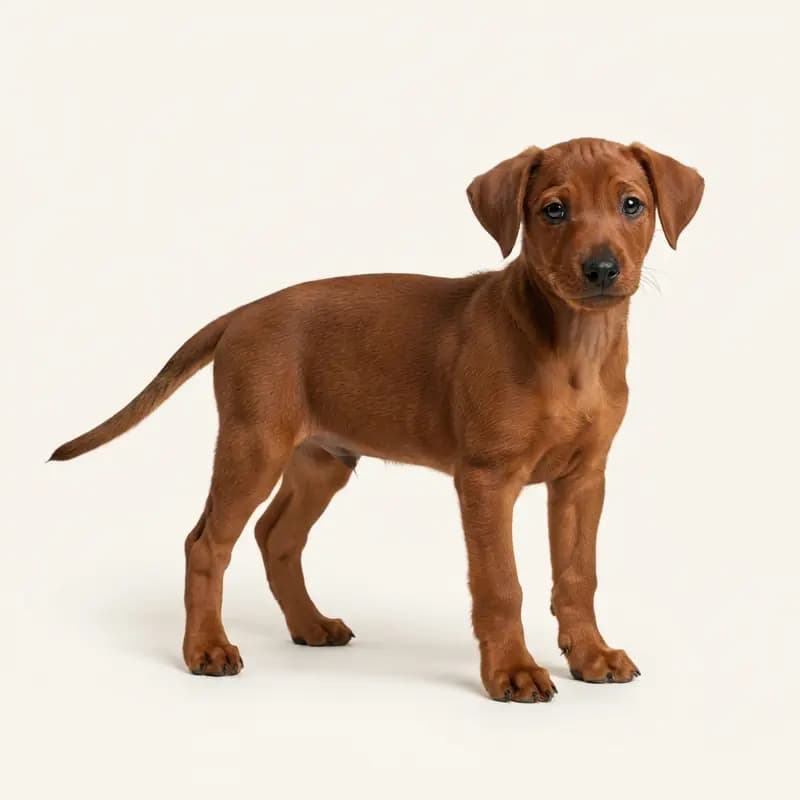
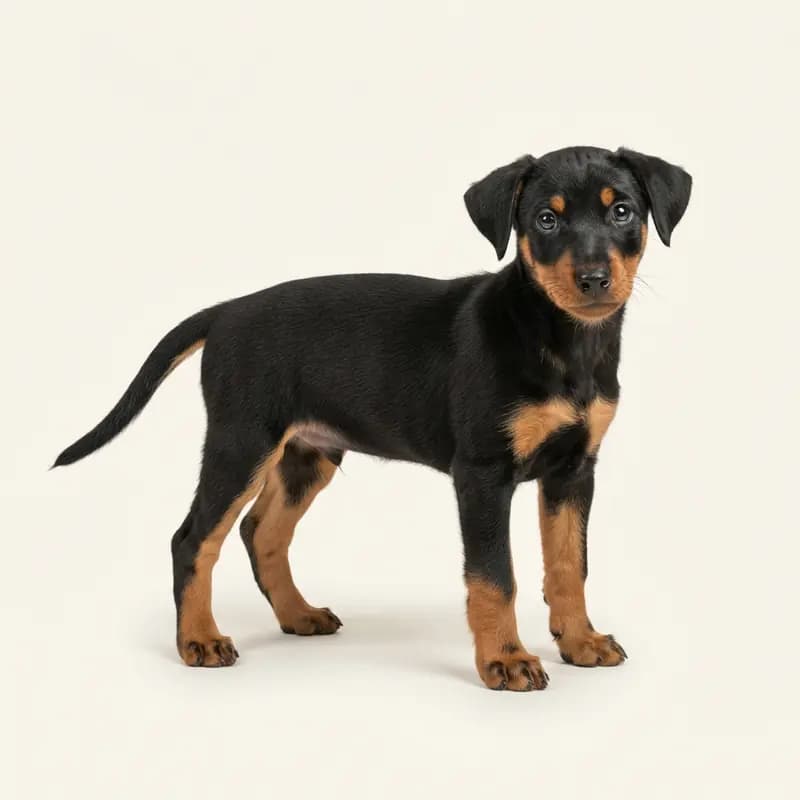
The Austrian Pinscher comes in these colors: Yellow, Red, Black and tan.
Showcase your kennel on HonestDog and reach families searching for a responsibly bred Austrian Pinscher.