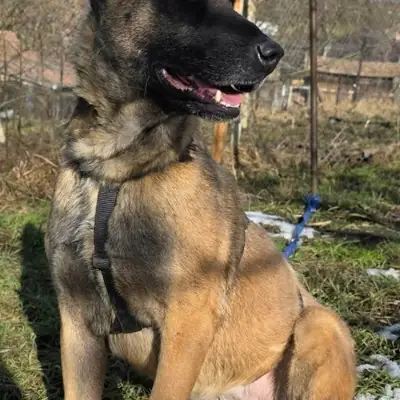
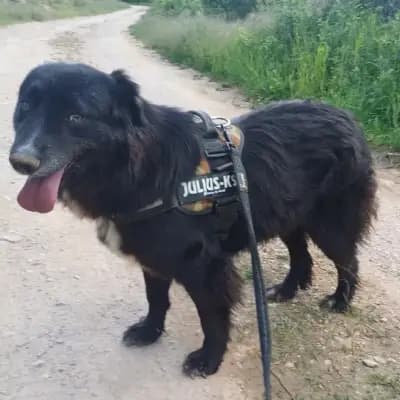
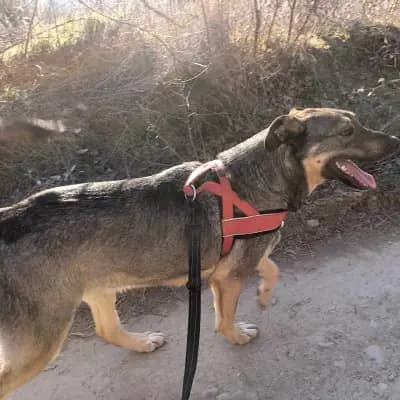
If you decide on an adult male (60 to 65 cm at the shoulder and weighing 25 to 35 kg) or a female from a rescue, you get a surprise package with great potential. Because the Berger Picard is extremely people-oriented and loyal, it often suffers badly in a shelter from the loss of the people it was bonded to. At first, expect a dog that watches you closely and needs to build trust before it fully shows how good it is with children and families.
Health aspects of a second-hand Picard
With a life expectancy of 12 to 14 years, the Berger Picard is generally considered a robust dog, but it does have some breed-typical issues affecting the hips and eyes. Known risks include hip dysplasia (HD) and eye diseases such as hereditary progressive retinal atrophy (PRA) and retinal dysplasia. Epilepsy, primary hypothyroidism, congenital heart defects, dental malformations and, in males, cryptorchidism (undescended testicles) also occur in the breed.
Health-conscious breeders, for example in the Club für Französische Hirtenhunde e.V., have the parent animals’ hips X-rayed and their teeth and eyes clinically examined to reduce the risk for the offspring. With a shelter dog (or an animal that originally came from irresponsible breeders who carried out no pre-breeding health tests), you usually do not know the parents’ results. So ask to see all of the shelter’s veterinary records. After adoption, plan regular eye checks with a veterinary specialist, and be consistent about keeping your dog at a healthy weight and giving joint-friendly exercise.