BriardSame FCI section
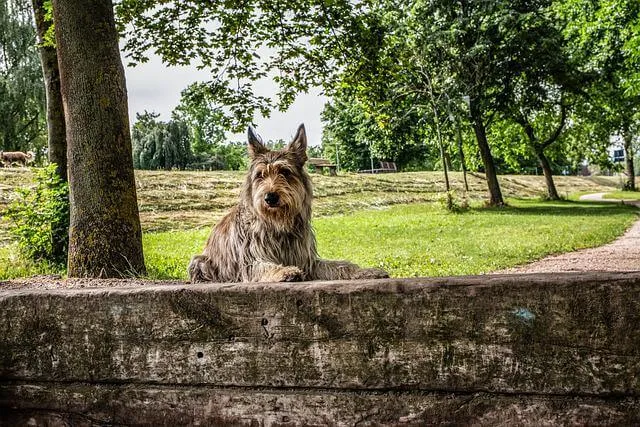
The Berger de Picardie is a vigilant, strong-willed, and often delightfully stubborn companion—bred as a rustic herding dog that was expected not only to guide sheep flocks in Northern France but also to protect them independently.
How the health grade is calculated
Sources for required breeding screenings. Club für Französische Hirtenhunde e.V. · Club für Französische Hirtenhunde e.V.
Self-check
Answer 6 quick questions about your everyday life and see how well the Berger Picard fits you — including an honest cost estimate per month, per year, and across the dog's lifetime.

At a glance
The essentials — key facts, traits, and health priorities — before you dive deeper.
Lifespan
12–14 yrs
Shoulder height
55–65 cm
Weight
23–35 kg
Practical
Temperament
Daily life
What matters most
Especially with a Berger Picard, choosing the right breeder is the single most important decision you'll make. Serious breeders consistently test the parents for inherited conditions, prioritize healthy early socialization, and stay accountable long after handover. A cheap puppy without health screening tends to become the most expensive dog later on.
See HonestDog breeder standards →Colors & coat
The coat colors that occur in the Berger Picard — including which ones fall outside the breed standard and which carry genetic risk.
Eye colors
 Brown
Coat type
 Illustrative image
Wire
 Illustrative image
Medium
 Double coat
The real vibes check
A Berger de Picardie doesn't just execute commands; it evaluates them first. You aren't getting a remote-controlled robot, but a rugged, humorous colleague with its own opinion. If you guide this charming stubbornness with confidence and fairness, you will have an incorruptible shadow by your side.
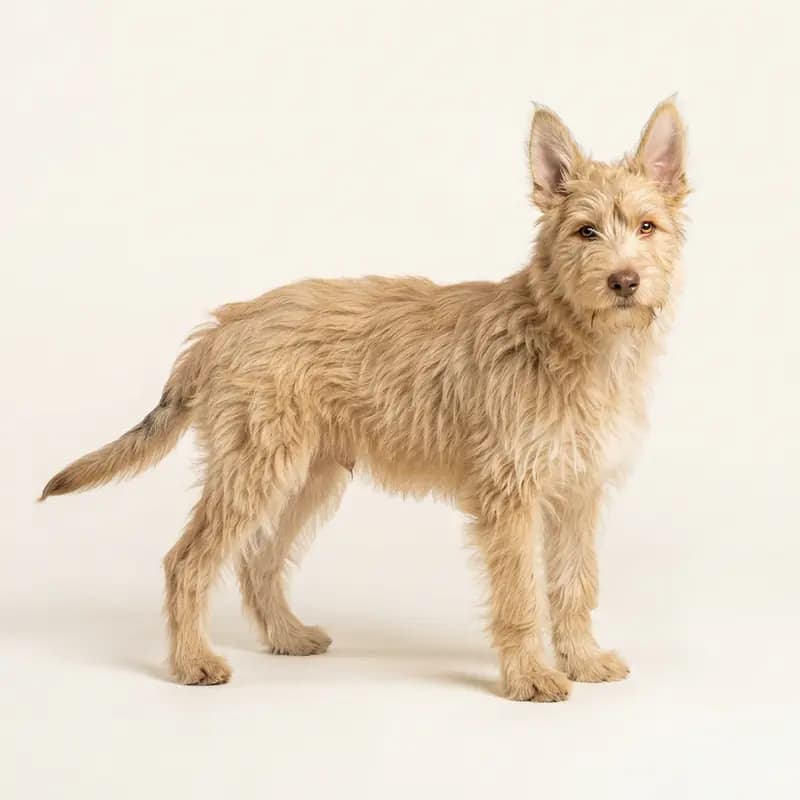
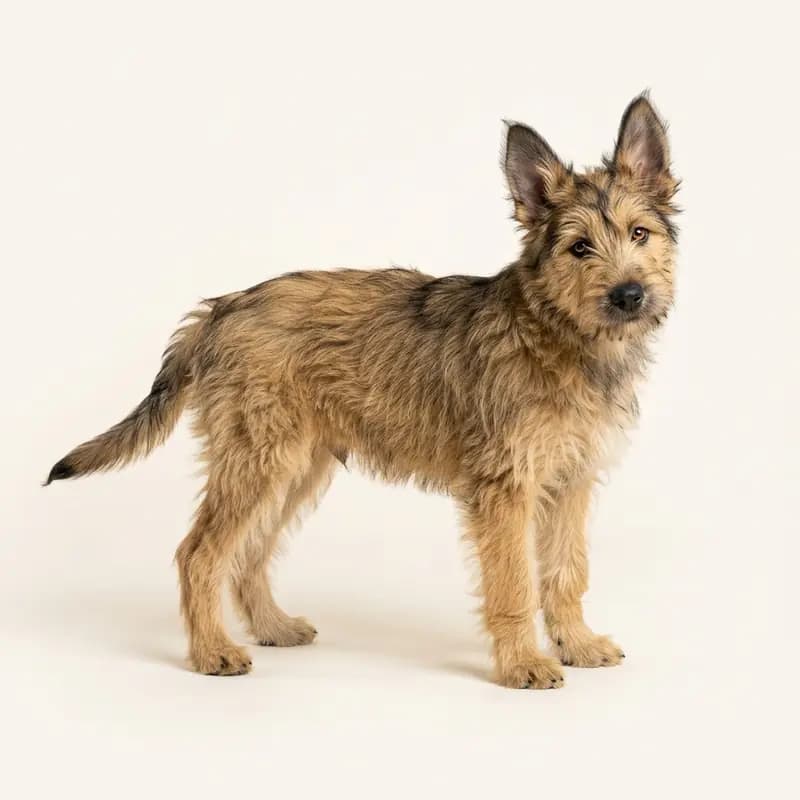
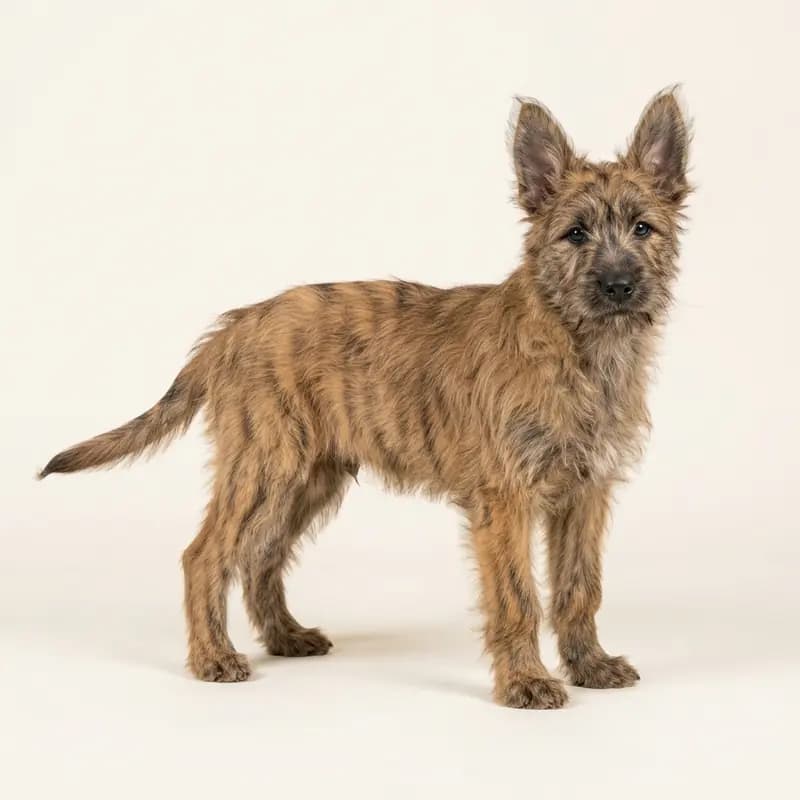
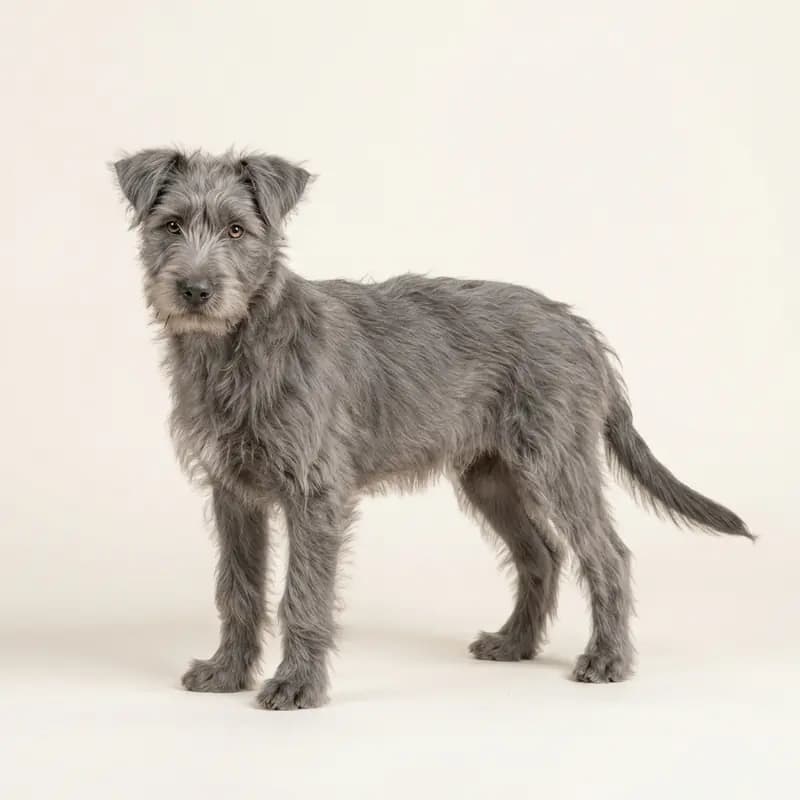
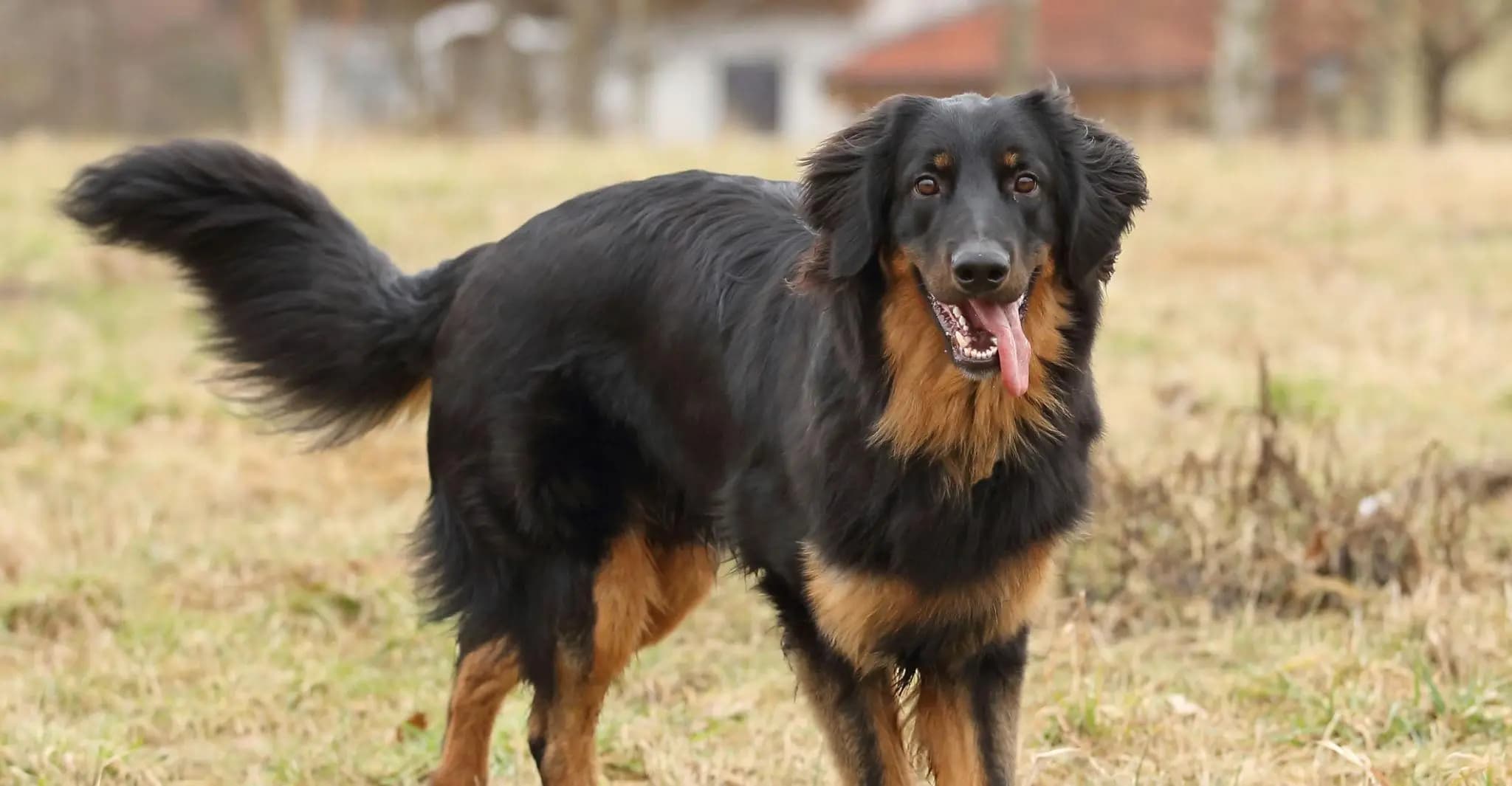
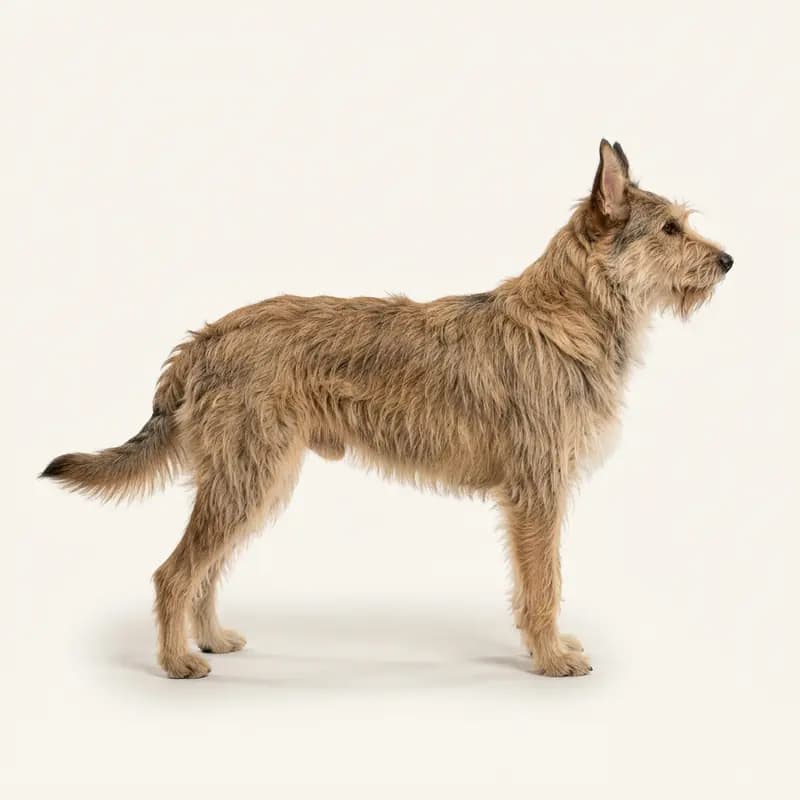
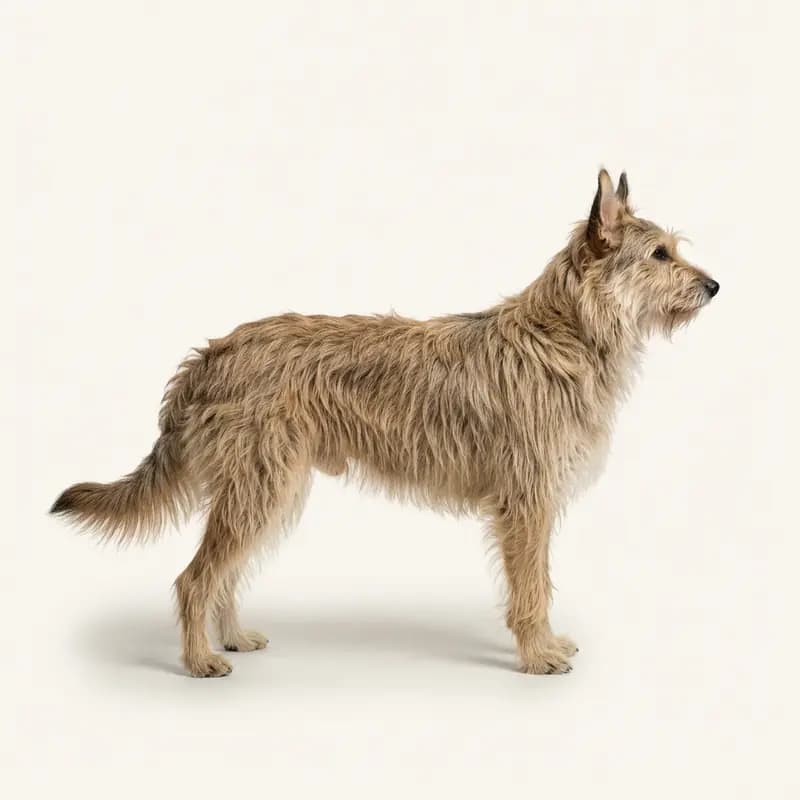
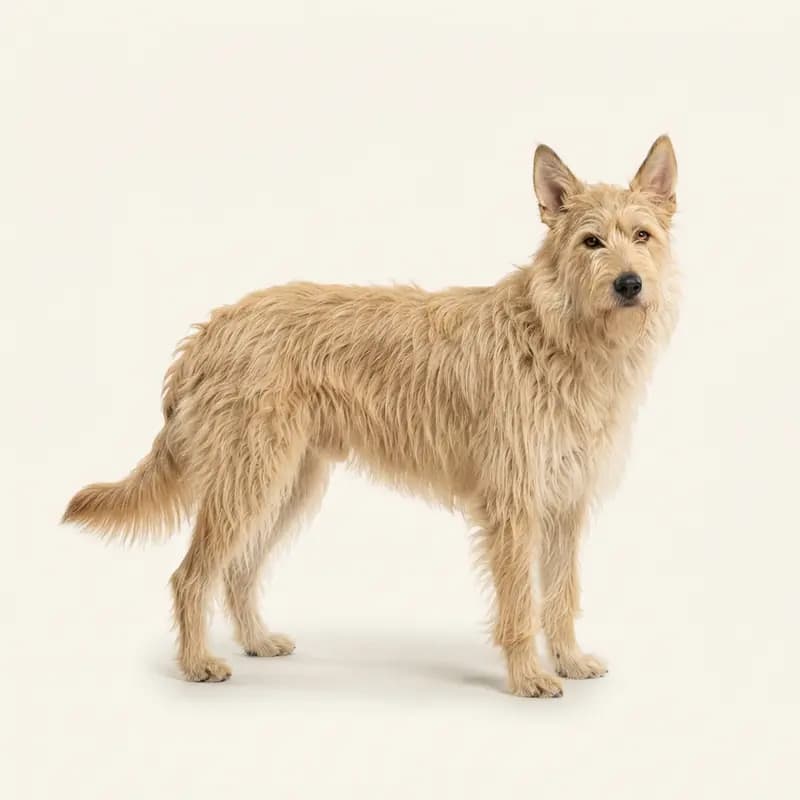
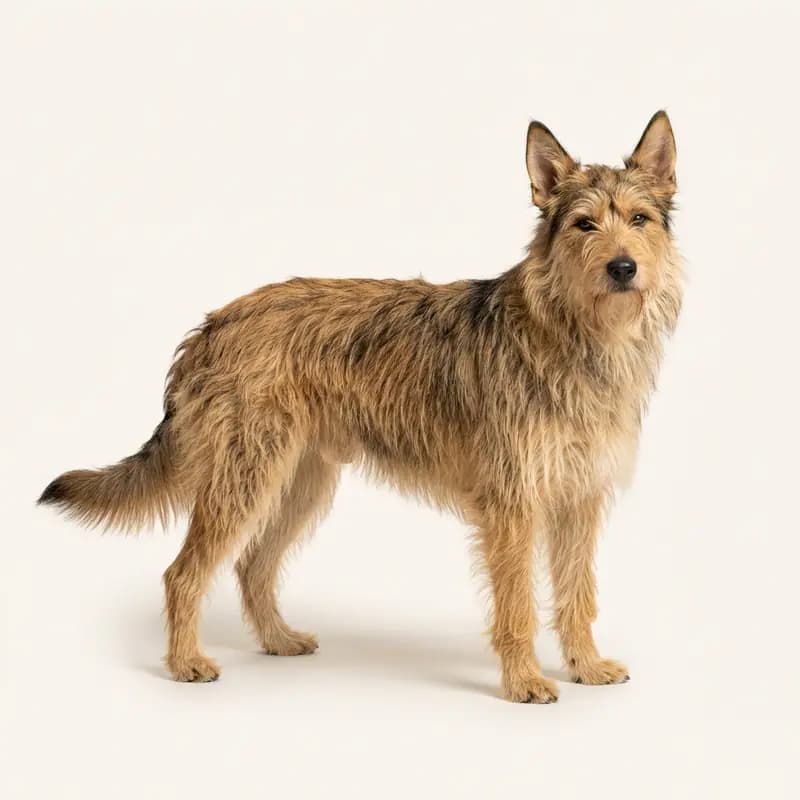
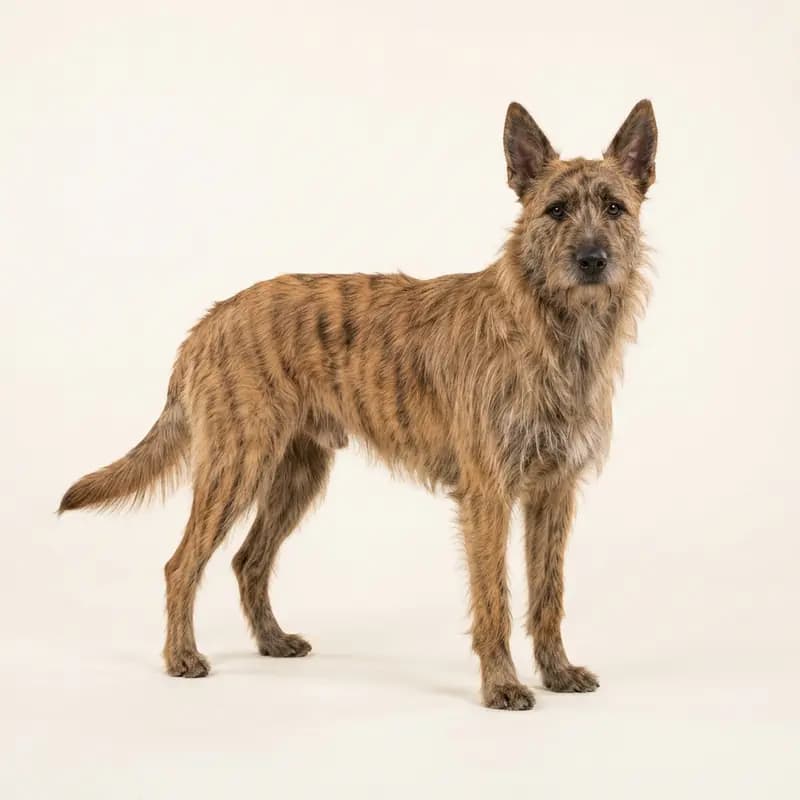
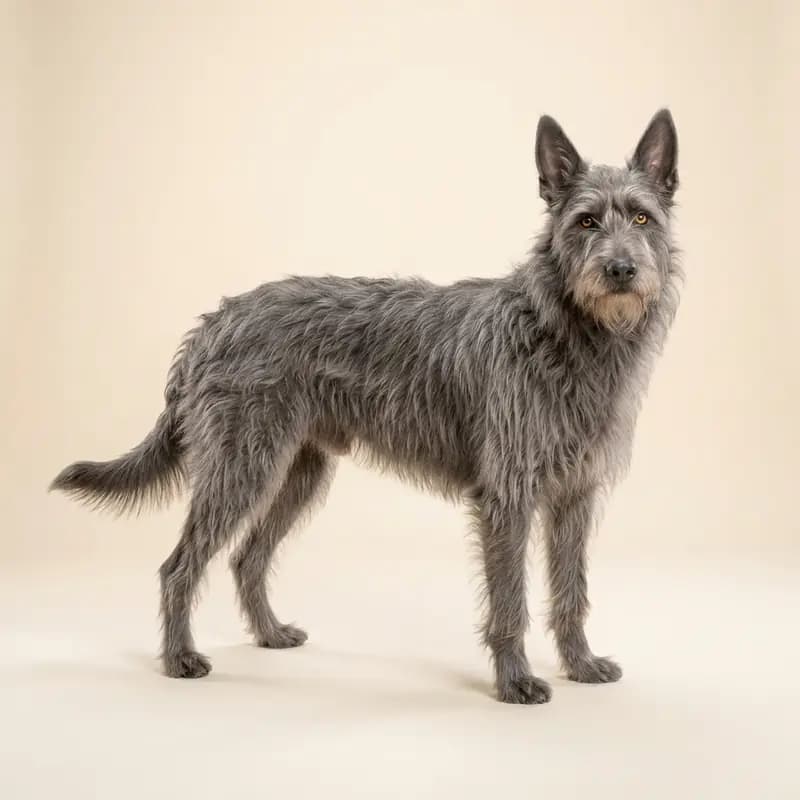
The Berger de Picardie, also known as Picard, is a robust and well-proportioned dog. It is a representative of the French Shepherd Dogs and belongs to FCI Group 1. Its size and weight vary depending on the gender, but both genders share a striking, medium-length, wavy coat that is slightly rough and has a dense undercoat. Its eyes are dark and oval, and its ears are set high and erect, giving it a lively and alert expression. Its body is slightly longer than it is tall, which contributes to its balanced and harmonious appearance. What is particularly striking is its tail, which is slightly hook-shaped at the end and forms a slight curve when it moves.
The Berger de Picardie is a dog with a strong character. He is known for his enthusiasm for work and his strong herding instinct. His independent way of working, which he brings with him from his history as a herding dog, makes him an intelligent and independent companion. He is an active dog who needs physical and mental activity to be happy and balanced. As a companion dog, the Berger de Picardie is loving and loyal. He is very people-oriented and enjoys spending time with his family. Despite his independence, he is a good family dog who gets along well with children and builds a close bond with his family. The Picard is a playful dog that loves to run and play. This makes it a good companion for active families who enjoy being outside. His playfulness and energy also make him a good candidate for dog sports such as agility or flyball. The Berger de Picardie has a strong protective instinct and is alert without being aggressive. He is wary of strangers, but once he gets to know someone, he is friendly and outgoing. When it comes to hunting instincts, this varies from dog to dog. Some Berger de Picardie show a strong hunting instinct, while others show little interest. It is important to keep this in mind and train and manage the dog accordingly. The Picard learns quickly and is good at staying alone as long as he is well occupied and has enough to do. However, he is not a dog that should be left home alone all day as he needs the company of his people. Overall, the Berger de Picardie is an active and independent dog with a strong character. He is a loyal and loving companion who forms a strong bond with his family and leads an active and interesting life. His independence and willingness to work make him a unique and fascinating companion.
| Watchfulness Reports unusual activity but stays controlled. | Moderate |
| Openness to Strangers Warms up quickly and is generally welcoming. | Friendly |
| Hunting or Herding Drive Noticeable drive — needs attention around small animals. | Moderate |
Fun Fact!
Did you know that the Berger de Picardie is one of the oldest French dog breeds and its origins can be traced back to the 9th century?
The Berger de Picardie is an intelligent and independent dog. He is alert and needs consistent training. He is rather suspicious of strangers.
The Berger de Picardie is an active and intelligent dog that requires plenty of exercise and mental stimulation. Therefore, it is more suitable for a home in the country or in a house with a large garden. However, he can also adapt to city life as long as there are enough activities and exercise available. The Picard is a very family-oriented dog and gets along well with children. His loving and patient nature makes him an excellent family dog. He can also get along well with other pets, including cats, as long as he is properly socialized.
Lives for its family — the born family companion.
Extraordinarily patient and loving — a true family dog.
Actively enjoys the company of other dogs.
City-appropriate with enough exercise and stimulation.
Owning a dog is a privilege, but it's also a real responsibility. Before you bring one into your life, be honest with yourself about the commitment it takes.
The Berger de Picardie's education should begin early and be consistent. He is an intelligent dog with an independent personality that can sometimes make him seem stubborn. Therefore, it is important to use positive, reward-based training and show patience and consistency. Berger de Picardie bring a natural ability for dog sports such as agility, obedience and flyball. They love having tasks and being challenged mentally and physically. Due to their work disposition, an under-challenged Picard may be prone to behavioral problems, so employment should be an integral part of their everyday life. However, you should be careful not to overwhelm the dog. Balance is the key word here. A potential challenge in raising the Berger de Picardie can be that his strong desire to work and move will make him a “ball junkie”. It is therefore important to show him alternatives right from the start and to teach him to enjoy peace and relaxation.
Your Berger de Picardie's diet should be tailored to his individual needs. An active Berger de Picardie needs a balanced diet high in protein, while an older or less active dog needs fewer calories. It is particularly important to ensure a good balance of proteins, carbohydrates and healthy fats. When it comes to grooming, the Berger de Picardie is relatively easy to care for. His rough, wavy coat has an undercoat and he sheds moderately throughout the year, with more shedding in spring and fall. Regular brushing helps remove loose hair and keeps the coat healthy and clean. Despite its robust nature and weatherproof coat, the Berger de Picardie also copes well with the German climate.
| Care Level Minimal effort — occasional brushing and bathing. | Low-maintenance |
| Exercise Needs Needs several hours of serious exercise every day. | Very active |
| Shedding Hair everywhere, always — no white clothing survives. | Very heavy |
| Trainability Willing to learn with clear rules and regular training. | Balanced |
Our experts are still reviewing this information. Spotted something wrong? Email us at info@honestdog.de.
Solid
Health grade
In the Berger de Picardie, breed-specific conditions such as hip dysplasia (HD) and hereditary eye diseases like progressive retinal atrophy and retinal dysplasia can occur. The Club für Französische Hirtenhunde e.V. mandatorily prescribes for breeding an examination for dental malformations as well as an X-ray for hip dysplasia (HD) with the limit HD A–C, whereby HD C is only permitted with conditions. A responsible breeder also has the eyes examined for progressive retinal atrophy and retinal dysplasia, and tests for congenital deafness (CHSD). Before buying a puppy, have the official studbook X-ray evaluations for HD and the ophthalmological findings of the parent animals shown to you.
Grade is relative to other breeds — AI-assisted and editorially reviewed.
Methodology and data: HonestDog Dog Breed Health Report 2026
What matters most for this breed
Tap any item to see details.
You should ensure a healthy weight and joint-friendly exercise, as well as schedule regular eye check-ups to keep your dog active for a long time.
Responsible breeders have mandatory screenings for hip dysplasia (HD) and dental anomalies, and additionally test their breeding stock for progressive retinal atrophy and congenital deafness (CHSD).
Note: This health overview is AI-assisted and editorially reviewed. It is for orientation only and does not replace veterinary advice.
What matters most for this breed — what's common, how much it affects the dog's life, and how to protect yourself as a buyer.
Tap a body region to see the inherited conditions linked to it.
The three most important risks
Pick a region on the map to explore other areas.
Tier 1 reflects the tests Club für Französische Hirtenhunde e.V. actually mandates. Tiers 2 and 3 show how responsible breeders go beyond.
Club standard. Club für Französische Hirtenhunde e.V. requires these tests for breeding approval. Ask any reputable breeder for the results.
Not health tests, but required for breeding: the club asks for these results too. They don't count toward the risks or the rating.
No entries in this tier.
Note: This health overview is AI-assisted and editorially reviewed. It is for orientation only and does not replace veterinary advice.
A Berger Picard costs around ~€190 per month (€100 – €350, depending on your setup). The first year adds up to roughly ~€5,070 including purchase, equipment and puppy school; across the dog's life (13 years) it comes to about ~€31,900.
With surgery cover, running costs come to about ~€190 per month — in return, your share of a major operation drops from several thousand euros to around 20 percent.
Per month
~€190
In the first year
~€5,070
Across the dog's life
~€31,900
Estimated purchase price from a breeder: €1,500 – €2,500
Estimate at a mid-range setup (suburban, dry food, 1–2 hours of daily exercise), average German prices, as of July 2026.
HonestDog Concierge
We currently have no breeders for this breed who have passed our verification. Create your short buyer profile: we'll set up your search alert, review a possible source and email you within 28 days.

 Illustrative image
 Illustrative image
 Illustrative image
 Illustrative image
The Berger de Picardie has a long history that dates back to the 9th century. He comes from Picardy, a region in the north of France, where he was used as a working dog, especially with the sheep herd. His robustness, his endurance and his independent work made him a valued companion for the shepherds. Despite its long history, the Picard was only recognized as a separate breed late in life. It was one of the first French breeds to be officially recognized by the Société Centrale Canine, the French Kennel Club, in 1898. However, the breed was almost extinct due to the two world wars that hit France hard. Thanks to the commitment of some breeders, the breed was revived in the 1950s. Today, the Berger de Picardie is still a rare breed, even in its native France, but it is growing in popularity due to its charming looks and hard-working nature.
The Berger de Picardie was used as a sheep herding dog in the Picardy region and is characterized by its rough coat.
France
1800
Owners describe the Berger Picard in family life as very affectionate, loyal and deeply connected to its people. Within its own household, it is considered a sensitive, patient companion that is usually very gentle and playful with children, as long as they respect the dog's limits. Many owners stress, however, that the Picard is happiest when its whole "flock" is together; being alone for long periods or left out of family life doesn't suit it at all.
Experienced owners mention its typical reserve toward strangers strikingly often. The Picard is not a dog that greets every visitor with gushing enthusiasm or lets strangers pat its head uninvited; it often backs off at first, watches and decides for itself when to make contact. The breed is also naturally alert and reliably announces unfamiliar noises or guests, but with confident handling it rarely tends toward pointless nonstop barking at home.
Sources:forum.hundund.dede.working-dog.commit-tier.demarkt.de
In training, owners keep pointing out the sharp contrast between high intelligence and a noticeable stubborn streak. Because it was originally bred to herd on its own, the Picard has no automatic urge toward blind obedience ("will to please"). It questions commands, gets bored quickly with mindless repetition and cooperates best as a partner, with plenty of patience, humor and positive reinforcement.
At the same time, the breed is described as surprisingly sensitive: too much harshness, loud scolding or impatient pressure usually make the dog shut down or pull away. Owners note that raising a Picard is a long process, since these dogs are late bloomers that often don't fully mature mentally until about three years of age. According to owner reports, early, thorough and gentle socialization to the wider world is essential so that the dog's inborn caution and alertness don't turn into insecurity or reactivity in adulthood.
Sources:forum.hundund.dede.working-dog.commit-tier.dereddit.com
When it comes to living conditions and physical makeup, owners mostly describe the Picard as a dog close to its original type, weatherproof and long-lived. The rough, harsh coat usually proves surprisingly dirt-repellent and easy to care for in daily life; a regular, thorough brushing is generally enough, though the dog sheds noticeably more during the coat change. It also needs a good amount of exercise: many owners take it on long hikes, runs or nose work like mantrailing, since it wants to be challenged both physically and mentally.
At the same time, breed experts and owners point to challenges in the breed's history. Because the breed was severely reduced in numbers in the past, its gene pool is quite small, so the coefficient of inbreeding and strict control of matings are always a live topic among owners and breeders. Although the Picard is often seen as resilient compared with some other large breeds, owners note that buyers must check carefully that the parents have been screened for hip dysplasia (HD) and hereditary eye diseases.
Sources:de.working-dog.commarkt.deforum.hundund.dezooplus.defressnapf.de
Paraphrased from real owner reports · translated from German
The Berger Picard is an active dog that needs plenty of exercise and mental stimulation. Research the temperament, grooming needs, and space requirements before deciding.
The average life expectancy of a Berger Picard is 12-14 years. With proper care and regular vet visits, your dog can live a long, healthy life.
Berger Picard grooming requirements include regular brushing, nail trimming, and dental care. HonestDog provides detailed grooming tips for every breed.
The Berger Picard can be a great family dog. Proper training and socialization are key. HonestDog provides family suitability information for every breed.
The Berger Picard comes in these colors: Fawn, Sable, Brindle, Grey.
Showcase your kennel on HonestDog and reach families searching for a responsibly bred Berger Picard.