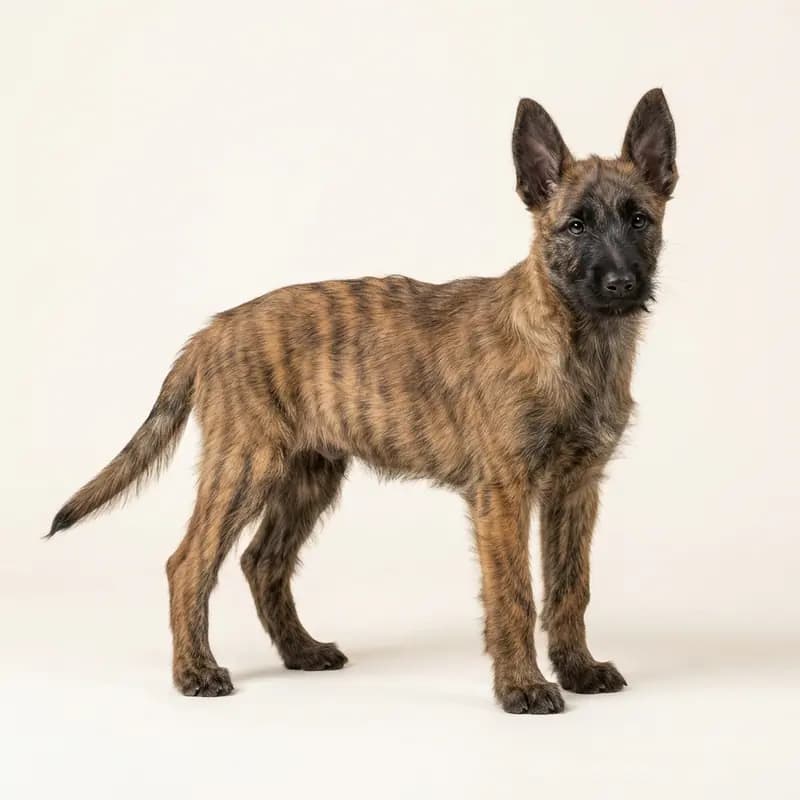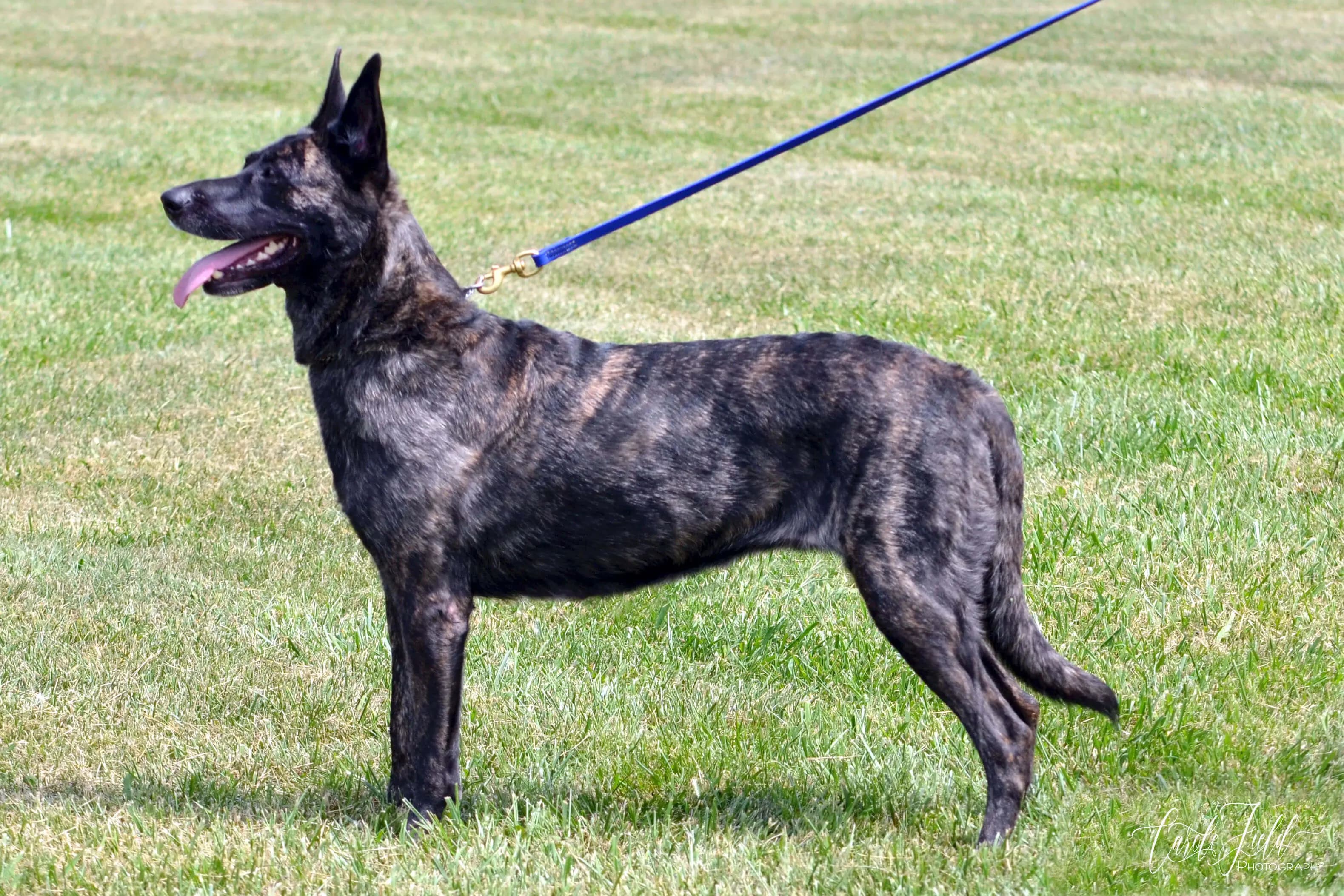
Dutch ShepherdClose relative
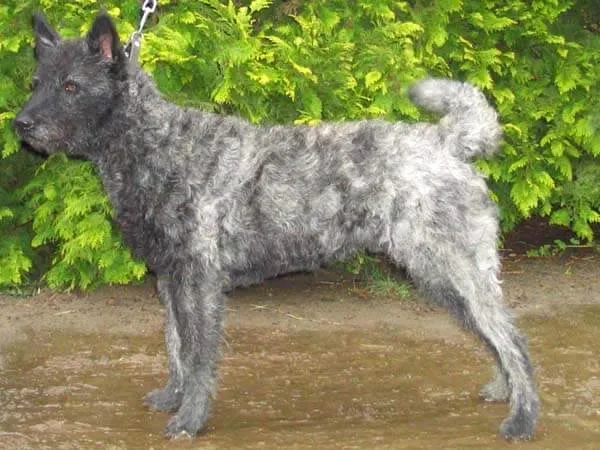
The wire-haired Dutch Shepherd is a rustic, highly responsive herding dog — bred as a tireless all-rounder for the farm, capable of guiding herds independently, keeping watch, and working in extremely close partnership with its human.
How the health grade is calculated
Sources for required breeding screenings. Holländischer Schäferhund Club Deutschland e.V. (HSCD)
Self-check
Answer 6 quick questions about your everyday life and see how well the Dutch Shepherd (Wire-Haired) fits you — including an honest cost estimate per month, per year, and across the dog's lifetime.
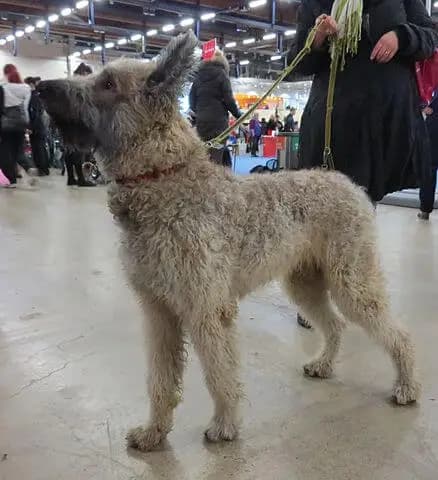


At a glance
The essentials — key facts, traits, and health priorities — before you dive deeper.
Lifespan
12–15 yrs
Shoulder height
55–62 cm
Weight
20–35 kg
Practical
Temperament
Daily life
What matters most
Especially with a Dutch Shepherd (Wire-Haired), choosing the right breeder is the single most important decision you'll make. Serious breeders consistently test the parents for inherited conditions, prioritize healthy early socialization, and stay accountable long after handover. A cheap puppy without health screening tends to become the most expensive dog later on.
See HonestDog breeder standards →Colors & coat
The coat colors that occur in the Dutch Shepherd (Wire-Haired) — including which ones fall outside the breed standard and which carry genetic risk.
Eye colors
 Brown
Coat type
 Wire
 Double coat
The real vibes check
A Dutch Shepherd is like a high-performance sports car: in the right hands, it handles with incredible precision and brilliance, but if you let go of the wheel, you'll end up in a ditch. He offers you an incomparable, deep bond and absolute loyalty — but in return, he demands that you build your life actively around him, not the other way around.
The Dutch Shepherd (Wire-haired) is a medium-sized dog with a robust and powerful body structure. Its most distinctive feature is its rough, wiry fur, which gives it a distinctive appearance. The breed belongs to FCI Group 1, herding and driving dogs. The breed does not differentiate between performance and show lines, meaning all Dutch Shepherds can work as well as compete in beauty contests.
The Dutch Shepherd (Wire-haired) is known for its intelligent, energetic and loyal character. These are dogs that bond closely with their people and love being part of the family. They are playful and enjoy a good dose of fun and games, but are also very alert and attentive, making them excellent watchdogs. Thanks to their intelligence and high energy levels, Dutch Shepherds are very versatile and can excel in a variety of roles. They love completing tasks and learning new things, making them excellent candidates for many different types of work and activities, from search and rescue to dog sports like agility and obedience. Despite their willingness to work, Dutch Shepherds are also very people-oriented and enjoy spending time with their family. They are generally friendly and open-minded towards people, but can also be somewhat independent. It is therefore important to provide them with enough mental and physical stimulation to keep them happy and balanced. Although they may exhibit some degree of hunting and prey-catching behavior, Dutch Shepherds are generally good at controlling this behavior, especially if they are well socialized and trained from an early age. They can also easily learn to stay alone as long as they are well occupied and have enough to do. Overall, the Dutch Shepherd (Wire-haired) is a charming, lively and loyal companion who integrates well into an active family ready to meet his needs for exercise, activity and companionship.
| Watchfulness Strong territorial instinct — may actively confront intruders. | Very high |
| Openness to Strangers Neither pushily friendly nor suspicious. | Neutral |
| Hunting or Herding Drive Powerful instinct that can override recall when triggered. | Strong |
Fun Fact!
Did you know that the Dutch Shepherd is recognized as a national cultural asset in its native Netherlands?
Dutch Shepherds are intelligent dogs with lots of energy. They must be exercised according to their type and are not beginner dogs.
Dutch Shepherds (Wire-haired) are dynamic and active dogs that require lots of exercise and mental stimulation. They are therefore not necessarily suited to city apartment living unless they have regular access to a large outdoor area for exercise and play. They tend to do well with children and can be a good addition to families. However, their tolerance towards other pets, including cats, can vary from dog to dog and depends heavily on their socialization and training.
Loves family life and thrives in a group.
Takes boisterous and affectionate children in its stride.
Usually gets on fine with other dogs.
City-appropriate with enough exercise and stimulation.
Owning a dog is a privilege, but it's also a real responsibility. Before you bring one into your life, be honest with yourself about the commitment it takes.
Due to their working history, Dutch Shepherd Dogs (wire-haired) are intelligent, capable of learning and easy to train. They are well suited to a variety of dog sports and activities, including agility, obedience, search and rescue work, and even protection dog training. However, they should not be overwhelmed or "over-busy" as this can lead to stress and possibly behavior problems. Despite their enthusiasm for games and activities, there is a risk that they will become “ball junkies”, which means they can develop an obsessive fixation on the ball game. It is therefore important to offer balanced and varied activities and to teach them that there are also times for rest and relaxation. Impulse control and frustration tolerance are also important aspects of training this breed. They tend to be excited and enthusiastic, and learning self-control can help prevent unwanted behaviors and make them well-adjusted and happy dogs.
A Dutch Shepherd's diet should be balanced and nutritious to meet its high energy needs. It is recommended to use high-quality dog food that is rich in proteins and healthy fats, as well as fruits and vegetables for additional vitamins and minerals. When it comes to grooming, the wire-haired Dutch Shepherd requires regular brushing to keep its coat clean and free of knots and tangles. He has a dense undercoat that protects him from harsh weather conditions, meaning he also copes well with the German climate. However, keep in mind that this breed sheds quite heavily, especially during the spring and fall shedding seasons.
| Care Level Regular brushing and occasional professional grooming. | Moderate |
| Exercise Needs Working-dog energy that needs burning off every single day. | High-drive |
| Shedding Regular shedding — dog hair on clothes is now normal. | Moderate |
| Trainability Picks up commands quickly and wants to please. | Eager to learn |
Our experts are still reviewing this information. Spotted something wrong? Email us at info@honestdog.de.
Solid, watch carefully
Health grade
In the Dutch Shepherd (Rough-haired), there are risks of joint and skeletal diseases as well as neurological disorders such as degenerative myelopathy and spongy degeneration with cerebellar ataxia 2 (SDCA2). The Dutch Shepherd Club Germany (Holländische Schäferhund Club Deutschland e.V., HSCD) therefore mandatorily prescribes X-ray examinations for hip dysplasia (HD A–B), elbow dysplasia (ED 0–1), and lumbosacral transitional vertebrae (LTV, finding LÜW 0). A health-oriented breeder also genetically tests parent animals for degenerative myelopathy and spongy degeneration with cerebellar ataxia 2 (SDCA2), where carriers may only be mated with clear partners, and checks for primary open-angle glaucoma and progressive retinal atrophy. Insist on being presented with the complete official breeding values and genetic results of both parents.
Grade is relative to other breeds — AI-assisted and editorially reviewed.
Methodology and data: HonestDog Dog Breed Health Report 2026
What matters most for this breed
Tap any item to see details.
You should focus on joint-friendly exercise and good preventative care — such as regular check-ups — to minimize the risk of injuries and high veterinary costs.
Responsible breeders have dogs screened for hip dysplasia (HD), elbow dysplasia (ED), and lumbosacral transitional vertebrae (LTV), and genetically test for degenerative myelopathy as well as SDCA2.
Note: This health overview is AI-assisted and editorially reviewed. It is for orientation only and does not replace veterinary advice.
What matters most for this breed — what's common, how much it affects the dog's life, and how to protect yourself as a buyer.
Tap a body region to see the inherited conditions linked to it.
The three most important risks
Pick a region on the map to explore other areas.
Tier 1 is the core standard: the tests Holländischer Schäferhund Club Deutschland e.V. (HSCD) requires, plus further tests from the recommended health standard for this breed. Tiers 2 and 3 show how responsible breeders go beyond.
Core standard. Tests marked “Club standard” are required by Holländischer Schäferhund Club Deutschland e.V. (HSCD) for breeding approval; the others are part of the recommended health standard for this breed. Ask any reputable breeder for the results.
No entries in this tier.
Note: This health overview is AI-assisted and editorially reviewed. It is for orientation only and does not replace veterinary advice.
A Dutch Shepherd (Wire-Haired) costs around ~€190 per month (€100 – €360, depending on your setup). The first year adds up to roughly ~€5,100 including purchase, equipment and puppy school; across the dog's life (13.5 years) it comes to about ~€33,500.
With surgery cover, running costs come to about ~€190 per month — in return, your share of a major operation drops from several thousand euros to around 20 percent.
Per month
~€190
In the first year
~€5,100
Across the dog's life
~€33,500
Estimated purchase price from a breeder: €1,500 – €2,500
Estimate at a mid-range setup (suburban, dry food, 1–2 hours of daily exercise), average German prices, as of July 2026.
HonestDog Concierge
We currently have no breeders for this breed who have passed our verification. Create your short buyer profile: we'll set up your search alert, review a possible source and email you within 28 days.
The Dutch Shepherd, as the name suggests, is a breed that originated in the Netherlands. Originally, these dogs were used as versatile working dogs on farms, where they helped guard herds and protect property. Over the years, the breed has evolved into a loyal companion and capable service dog used in many areas including police, military and search and rescue services. The breed was officially recognized in 1898 when the first breed standard was established by the Dutch Kennel Club. In the period that followed, various types of fur were introduced, including rough-haired, which is characterized by its rough, wiry structure and weather resistance.
The wire-haired version of the Dutch Shepherd was bred for similar tasks and is particularly resilient to harsh weather.
Netherlands
1800
Many owners and breed experts describe the wirehaired Dutch Shepherd as the most laid-back and most original of the three coat varieties. Compared with the often very reactive, high-drive shorthaired Herder, the wirehaired dog is considered a surprisingly balanced, steady-nerved, and affectionate companion at home. With its family it's loyal and enjoys close physical contact. Even so, owners stress that it isn't a pure companion dog: its watchfulness and strong territorial sense are always present, and it usually meets strangers with reserve and a wait-and-see attitude at first.
Owners often report quirks in how the breed expresses itself. Many wirehaired dogs are quite vocal and like to comment on what's going on with grumbles or howls. They're also said to be "very mouthy": they like to hold onto things, carry objects around, or nibble when overexcited. While they settle down nicely indoors when they've had enough to do, outdoors they need plenty of exercise and clear mental tasks.
Owners also mention social behavior: while many wirehaired dogs get along well with dogs they know, a certain intolerance of unfamiliar males is not unusual, especially in adult males. Relaxed off-leash time in busy dog-walking areas therefore takes foresight and management from the start.
Sources:heyholy.comreddit.com
Training accounts describe the wirehaired Herder as very eager to learn, but by no means submissive. Its past as a versatile farm and herding dog gives it a lot of independence, and it's quick to question inconsistent leadership. Owners warn against trying to train the breed with pressure or harshness alone; these sensitive dogs respond to unfair treatment by shutting down or getting frustrated. Calm, fair, and above all confident boundary-setting is fundamental for these dogs.
A dominant everyday topic is learning impulse control and calm. Many owners stress that it's dangerous to wind the dog up with constant ball throwing or nothing but high-speed games. Calm nose work, tracking, mantrailing, or precise obedience work, where the dog has to concentrate and think along, have proven better. Because the hunting and prey drive is there, the response to moving things needs to be trained in a controlled way early on.
Experienced owners also stress that the watchdog and protective instincts shouldn't be underestimated. If its person doesn't actively manage the surroundings, the Dutch Shepherd will take charge of encounters at the front door or on walks on its own. Very early, varied exposure to the world is essential so the dog can firm up its natural calm in new surroundings.
Sources:heyholy.comreddit.comzooroyal.de
Health-wise, the Dutch Shepherd is generally considered one of the sturdiest and longest-lived shepherd types, often reaching twelve years or more without major problems. Skeletal conditions such as hip dysplasia (HD) or elbow dysplasia (ED) are mostly monitored thanks to strict breeding rules, but owners point to a breed-specific issue with the wirehaired variety: it is very rare worldwide and relies on a comparatively small gene pool.
Because the population is so small, responsible owners and breed clubs pay close attention to hereditary conditions such as eye diseases (e.g. goniodysplasia) and neurological abnormalities. When buying a puppy, experienced owners strongly advise checking bloodlines and pedigrees carefully to avoid inbreeding problems.
When it comes to care, the rough coat proves dirt-resistant and weatherproof in daily life, but it needs its own kind of handling. With regular combing, the dense, harsh coat rarely mats, but it usually needs to be hand-stripped properly twice a year to remove dead outer coat. A wirehaired dog shouldn't be clipped, as that permanently destroys the texture of the hard protective coat. The typical beard and eyebrows also need regular cleaning, since food scraps and burrs collect there.
Sources:heyholy.comzooroyal.dedas-schaeferhund-forum.dewelpen.vdh.de
Paraphrased from real owner reports · translated from German
The Dutch Shepherd (Wire-Haired) is an active dog that needs plenty of exercise and mental stimulation. Research the temperament, grooming needs, and space requirements before deciding.
The average life expectancy of a Dutch Shepherd (Wire-Haired) is 12-15 years. With proper care and regular vet visits, your dog can live a long, healthy life.
Dutch Shepherd (Wire-Haired) grooming requirements include regular brushing, nail trimming, and dental care. HonestDog provides detailed grooming tips for every breed.
The Dutch Shepherd (Wire-Haired) can be a great family dog. Proper training and socialization are key. HonestDog provides family suitability information for every breed.
The Dutch Shepherd (Wire-Haired) comes in these colors: Brindle.
Showcase your kennel on HonestDog and reach families searching for a responsibly bred Dutch Shepherd (Wire-Haired).