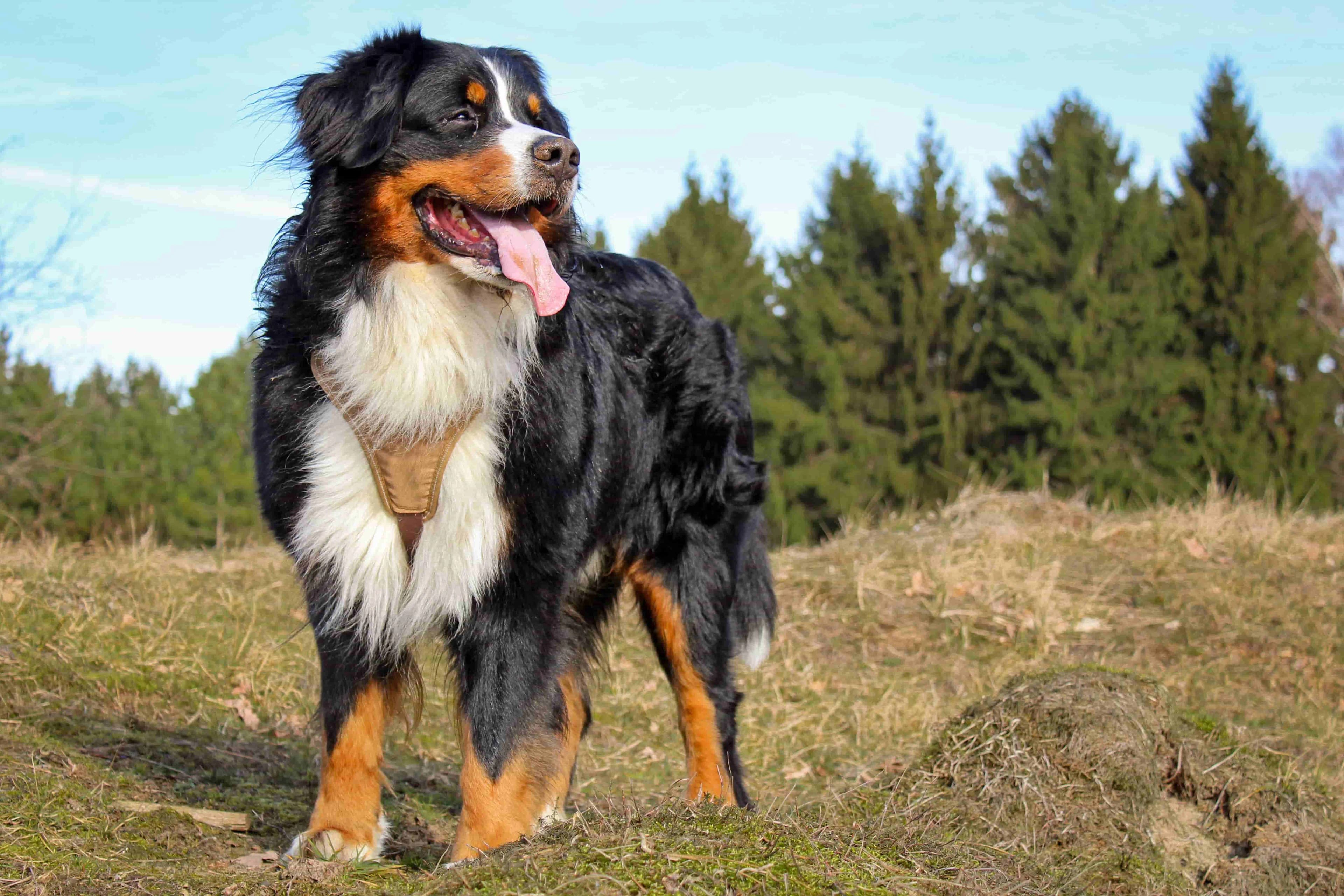
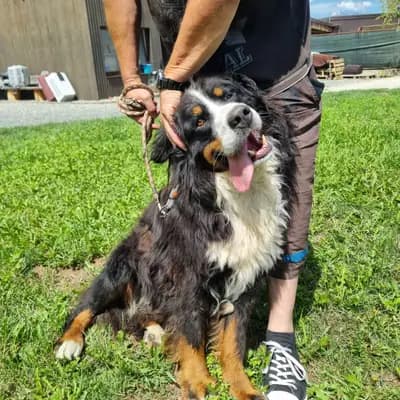
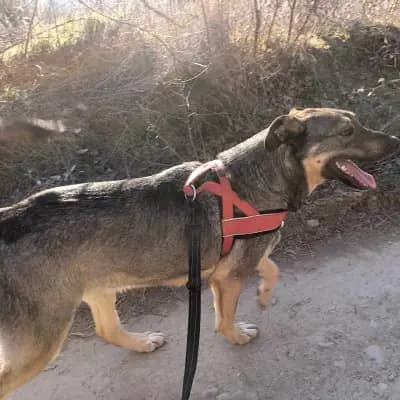
An adult Bernese Mountain Dog from a rescue often grieves for its familiar person at first. Be prepared for it either to keep a close eye on you in the first few days and follow you everywhere, or to withdraw, unsure of itself. Its historical guard-dog heritage can also show once it feels safe in its new home.
A realistic look at health and breed-typical risks
With an average life expectancy of 6 to 8 years, health deserves special attention. Bernese Mountain Dogs show a clear pattern: joints and a breed-typical tendency toward aggressive cancers (such as histiocytosis) often remain an issue for life. On top of that come risks such as hip and elbow dysplasia, degenerative myelopathy, meningitis, epilepsy, familial nephropathy, aortic stenosis, von Willebrand disease and generalized progressive retinal atrophy.
Health-focused breeders (for example within the Schweizer Sennenhund-Verein für Deutschland e.V., the German club for Swiss mountain dog breeds) have hips and elbows X-rayed and use genomic tests and the lifespan data of the ancestors to consistently reduce the risk of cancer and nervous-system diseases in their lines – but with a shelter dog, the genetic background is often unknown, especially if the dog originally came from a puppy mill. So with an adopted dog, be consistent about a healthy body weight, joint-friendly exercise and regular checks for lumps by feel as part of routine vet checkups.